Explore our core engineering catalog featuring advanced mixing, emulsification, filling, and high-performance sealing machinery.
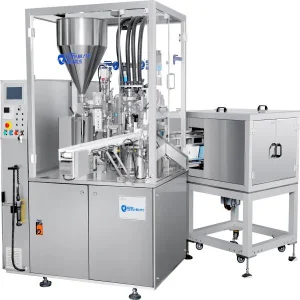
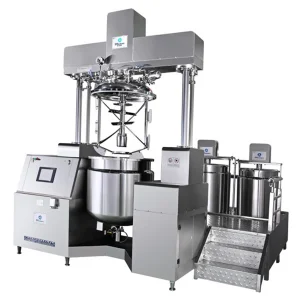
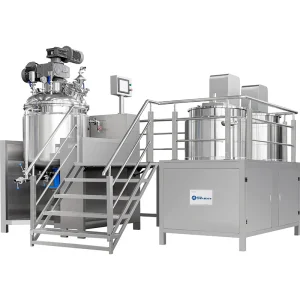
In modern packaging systems, preserving product freshness, preventing leaks, and offering tamper-evident verification are paramount. Manual induction foil sealing machines represent the frontline of local, medium-scale, and pilot-scale hermetic sealing operations. Using high-frequency electromagnetic induction fields, these devices offer localized bonding without mechanical contact, safeguarding active formulations.
For procurement leads, sourcing high-efficiency manual induction foil sealing machines from discount manufacturers does not imply lowering standards. It calls for smart engineering practices that combine affordable procurement structures (CAPEX) with elite international components, long-lasting construction, and flexible container matching.
"SINA EKATO merges robust electromagnetic heating designs with affordable pricing structures, ensuring small and large cosmetic, chemical, and food operations alike access reliable sealing solutions without inflated budgets."
Understanding how alternating high-frequency electromagnetic fields create a permanent, hermetic barrier.
The manual sealer creates an alternating magnetic field via an induction coil energized by high-frequency power. When the sealing wand is held near a metallic foil inside a container cap, the magnetic field transfers energy through the container wall without physical contact.
According to Faraday's law of induction, the high-frequency magnetic field induces eddy currents within the aluminum layer of the seal liner. These currents collide with the material's resistance, converting electrical energy into heat quickly and precisely.
The generated heat melts the heat-seal polymer coating on the foil liner. Driven by the mechanical torque of the tightened container cap, the melted polymer flows onto the lip of the bottle, forming a permanent, hermetic molecular bond as it cools.
Analyzing procurement considerations when selecting discount manual induction foil sealing manufacturers.
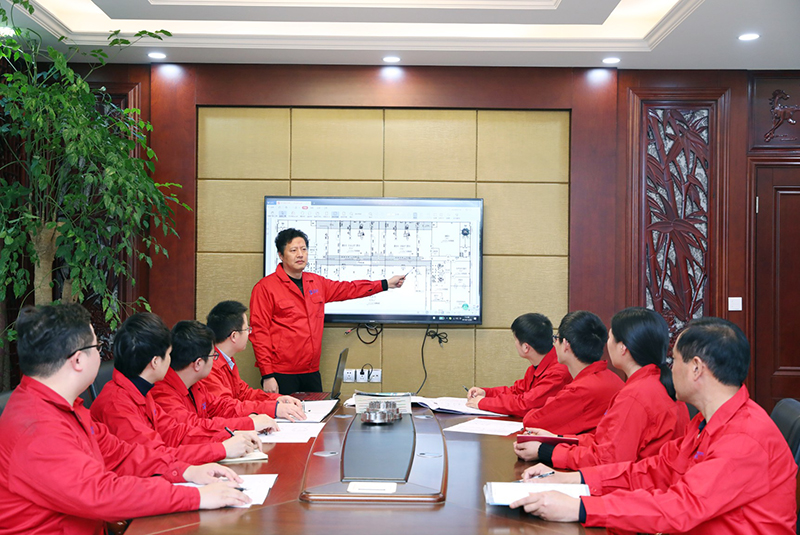
In procurement, finding a balance between cost-efficiency and technical quality is key. For manual packaging operations, pilot laboratories, and small batch lines, investing in heavy, expensive sealing machinery can slow down return on investment. Sourcing discount manual induction foil sealers from reliable suppliers helps balance CAPEX with stable operational uptime.
The key to safe procurement lies in assessing component supply. Low-cost systems from unverified manufacturers often use cheap capacitors, weak power modules, and poorly designed wands, leading to uneven heat distribution and seal failures.
SINA EKATO addresses these concerns by sourcing 80% of main equipment components from world-class international brands. This strategy keeps machine performance consistent, providing customers with long-term reliability and a secure return on investment.
A timeline of growth, technology innovation, and partnerships with leading consumer goods brands.
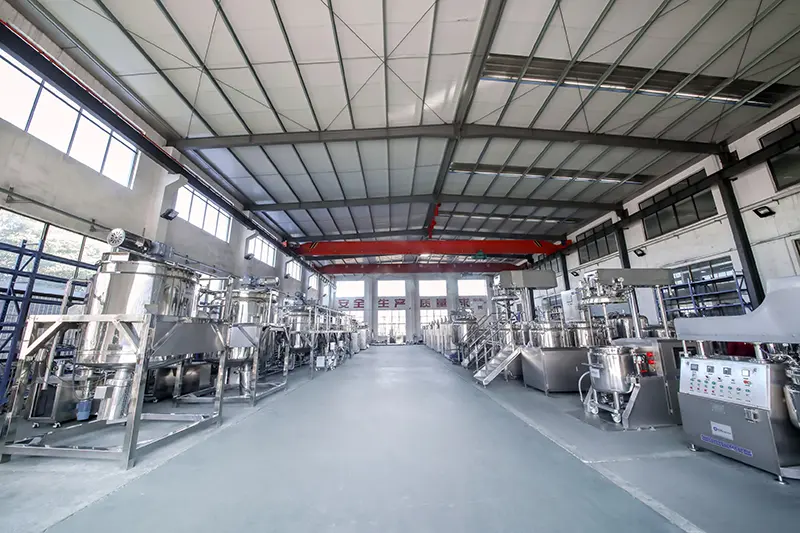
Began operations within the industrial chemical machinery sector, establishing a foundation in high-precision processing.
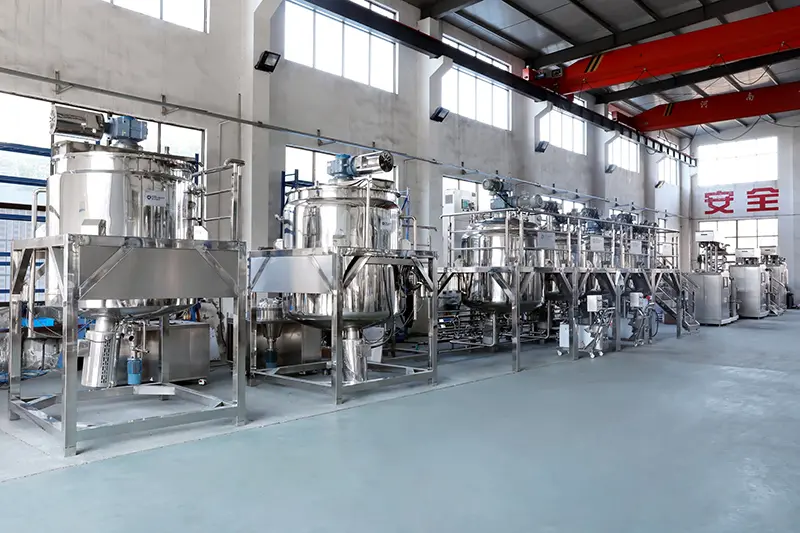
Established Guangzhou Sina Cosmetics Engineering Equipment Co., Ltd., focusing on cosmetics and skincare processing systems.
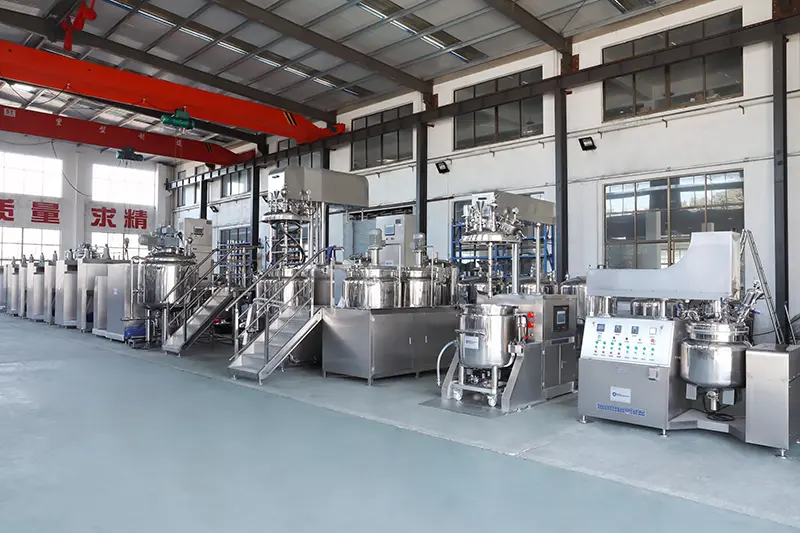
Established Hong Kong Hantao International Investment Co., Ltd. to coordinate export logistics and international trade relations.
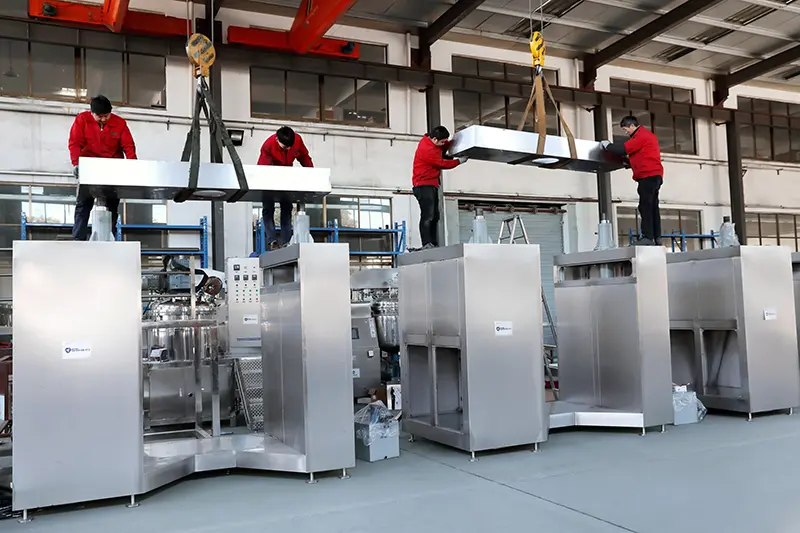
Opened Gaoyou Sina Chemical Machinery Equipment Factory; restructured Guangzhou Sina into Guangzhou Sina Chemical Machinery Co., Ltd.
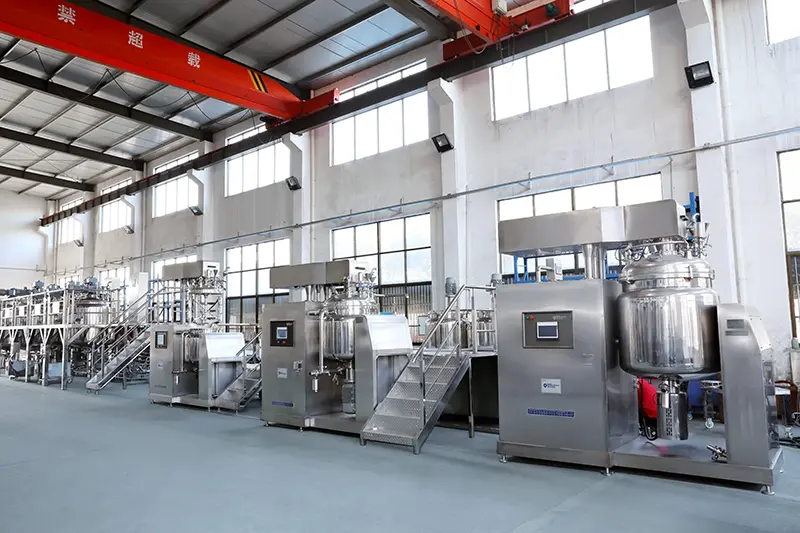
Established Gaoyou Sina Light Industry Machinery Equipment Factory to scale up the production of cosmetic and detergent machinery.
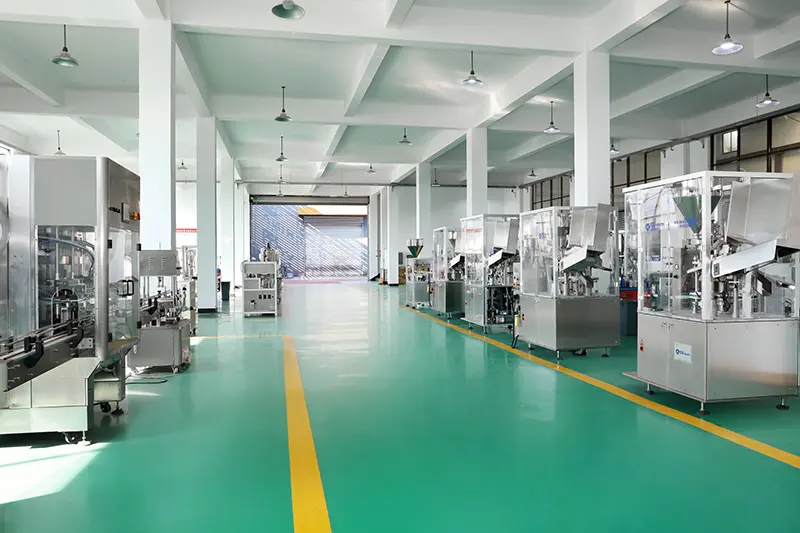
Purchased 10,000 square meters of industrial land in Gaoyou City, and put the new processing plant, SINA EKATO CHEMICAL MACHINERY CO., LTD, into operation.
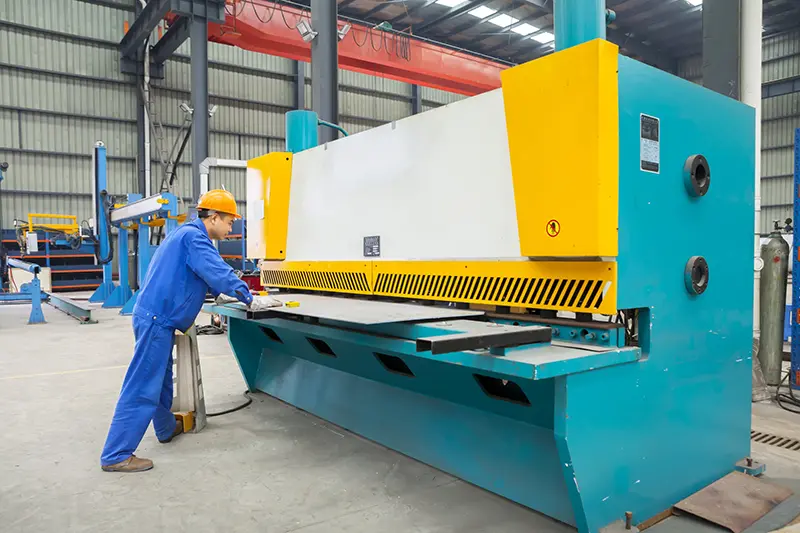
Established Yangzhou Hantao Chemical Machinery Co., Ltd., expanding mechanical design and prototyping capacity.
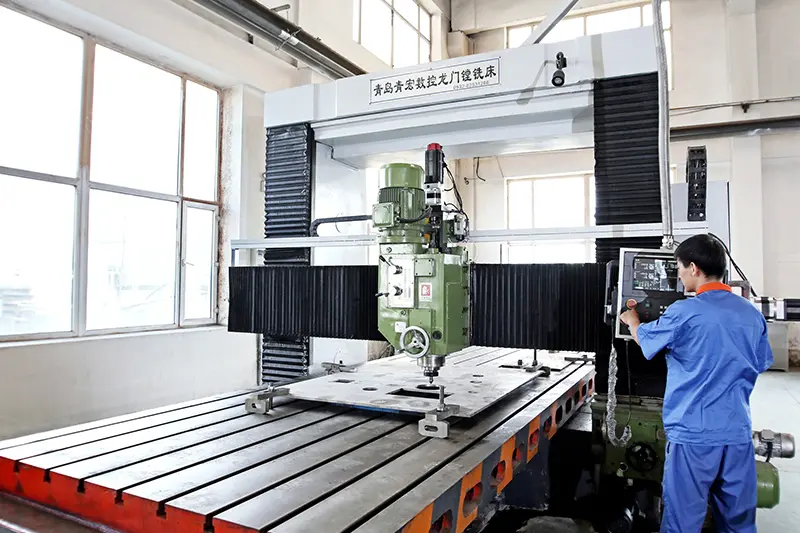
Acquired Guangzhou Jingcheng Machinery, built a major regional exhibition center, and expanded international export distribution networks.
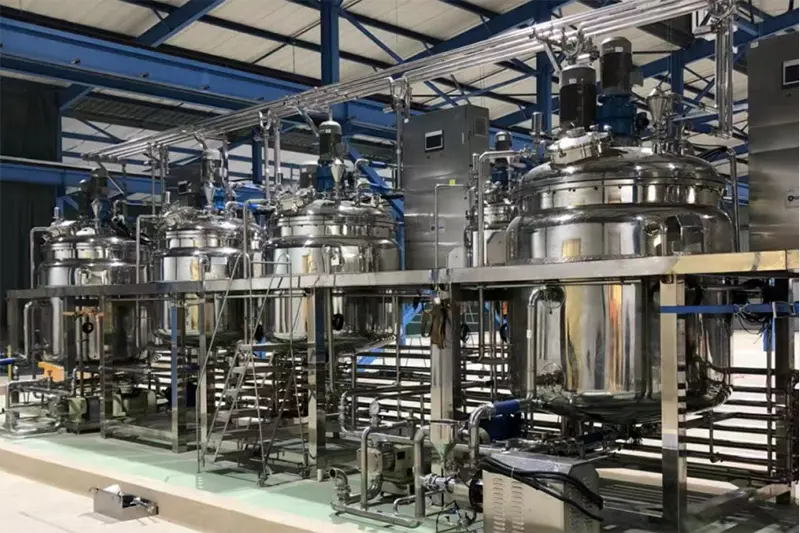
Guangzhou Sina Chemical Machinery Co., Ltd. was officially renamed Guangzhou SINAEKATO Chemical Machinery Co., Ltd.
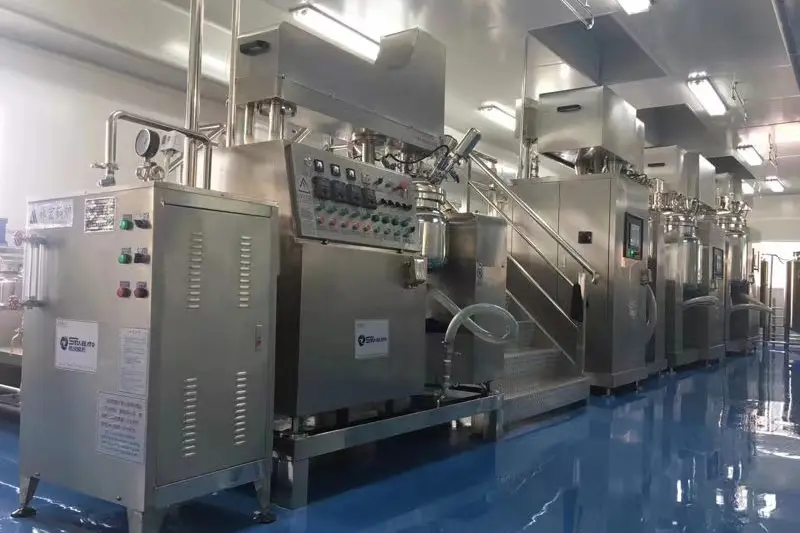
Acquired Guangzhou Suogao Machinery Equipment Co., Ltd., integrating their high-speed filling line technologies.
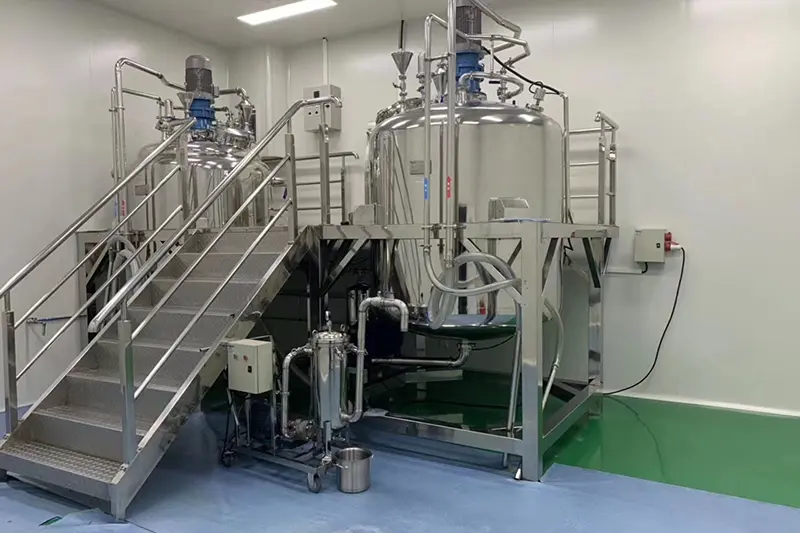
SINA EKATO CHEMICAL MACHINERY CO., LTD (Gaoyou City) established as the global headquarters for Production, Sales, and After-sale Service.
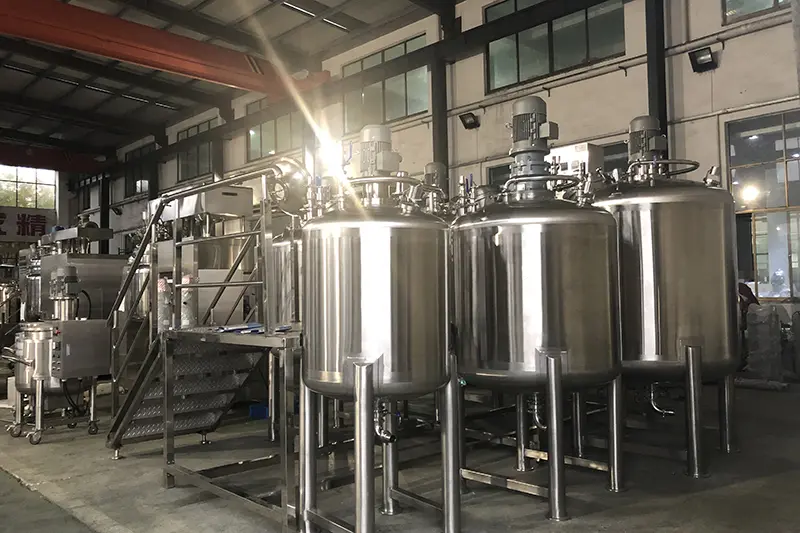
Established SINA EKATO Equipment (Jiangsu) Co., Ltd. to manage strategic foreign partnerships and international cooperation agreements.
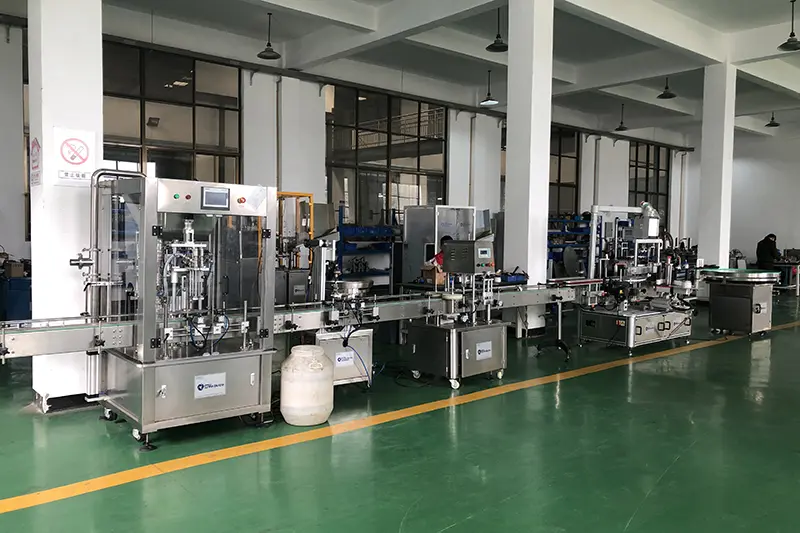
Partnered with European developer FLEMAC to establish Germany SINAEKATO Group Co., Ltd., aligning with EU machinery directives.
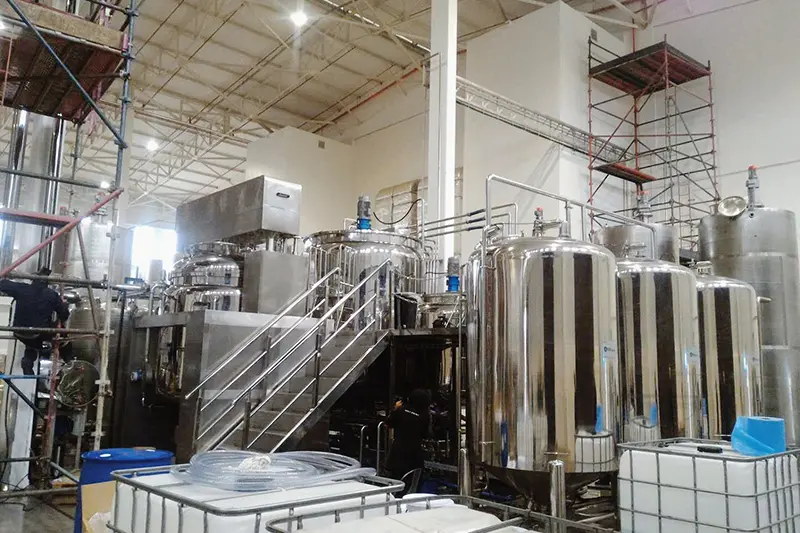
Delivered an $800,000 cosmetic production line for Unilever South Africa, and completed a $1,500,000 system installation for SK-II Shiseido OEM plants.
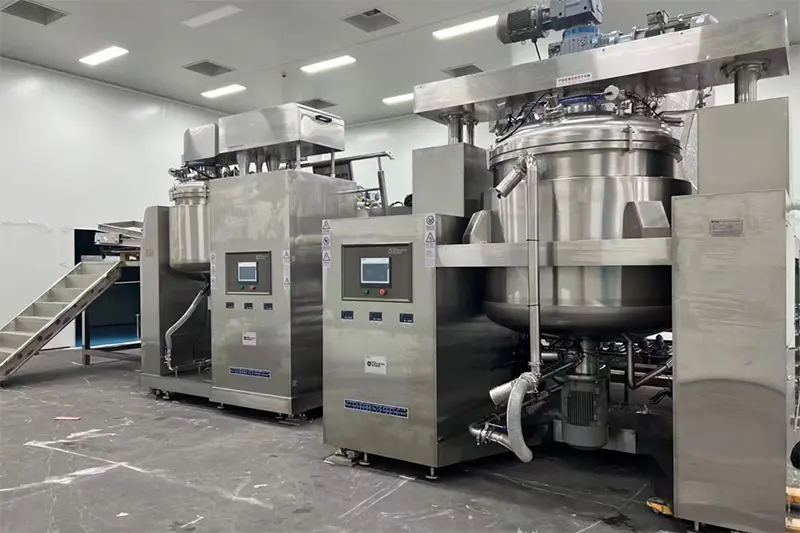
Supplied an automated liquid-washing and detergent line for a Japanese manufacturer, completing a $1,000,000 project integration.
A technical guide to matching polymer backings, container substrates, and high-frequency induction settings.
A key factor in reliable induction sealing is matching the polymer layer on the inner foil lining with the bottle material. Using mismatched materials will prevent a strong molecular bond, causing leaks or compromised barrier properties.
For example, Polyethylene (PE) bottles require a PE heat-seal lining. Polypropylene (PP) containers require PP heat-seal polymers. For glass bottles, a specialized multi-layer structural lining is used, combining a polymer base layer with paper backing to bond with the glass surface.
Induction foil liners are available in two main configurations:
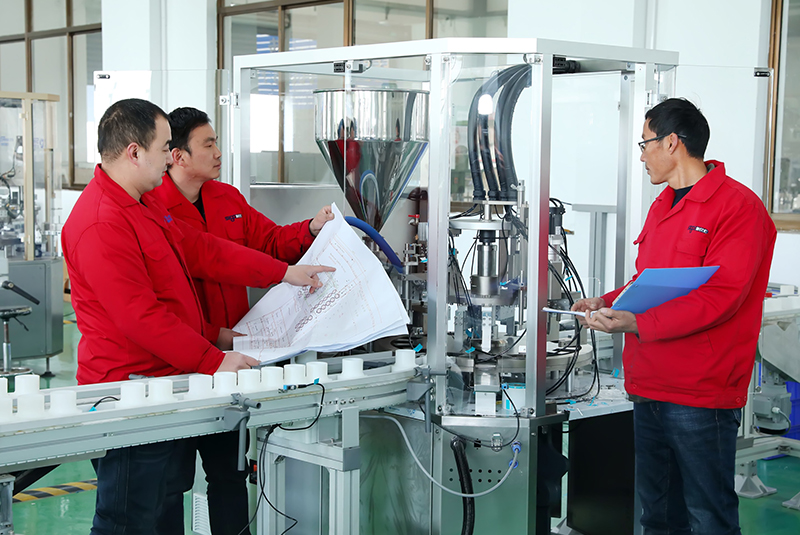
How manual electromagnetic sealing systems support laboratory testing, pilot production, and regional manufacturing hubs.
Sealing luxury face creams, lotions, and organic skincare products to prevent oxidation of active ingredients, maintain fragrance profiles, and secure closures during transit.
Ensuring compliance with global safety standards by providing a secure, tamper-evident barrier for liquid medicines, syrups, capsules, and powder supplements.
Providing heavy-duty containment for high-density chemicals, pesticides, and automotive oils to eliminate leaks and resist chemical degradation during handling.
From manual machinery to connected packaging systems: the roadmap for quality control and green manufacturing.

The induction sealing sector is evolving to meet higher standards of quality control and environmental sustainability. Manual sealing operations are adopting digital pulse-width modulation (PWM) to maintain precise control over power delivery, even during voltage fluctuations.
Current design trends focus on three main areas:
Common troubleshooting, physics limitations, and purchasing advice for engineers and buyers.
The power output (watts) and sealing time (seconds) are adjusted based on the diameter of the cap and the material of the bottle. Larger diameter caps (e.g., 80mm-100mm) require higher power or longer exposure times to heat the larger surface area of the foil. Conversely, smaller caps (e.g., 20mm) require lower settings to avoid overheating and warping the plastic cap. Always run test batches to establish settings for each container type.
Yes, glass containers can be sealed with induction technology, but they require a different approach than plastic bottles. Since glass does not melt to form a direct bond, a specialized liner with a temporary adhesive backing must be used. Additionally, glass acts as a heat sink, absorbing heat from the foil. This requires higher sealing power and precise torque to ensure a solid bond.
Uneven sealing is typically caused by uneven torque on the cap, a tilted sealing wand, or variations in cap thickness. If the cap is not threaded straight, the foil liner cannot press evenly against the entire rim of the bottle, preventing a consistent seal. Ensure caps are applied with correct torque and the sealing wand is held parallel to the cap.
Sourcing critical components (such as PLCs, capacitors, sensors, and contactors) from leading global brands guarantees high reliability, international compliance, and easy access to replacement parts. This strategy allows SINA EKATO to offer competitive pricing while maintaining the performance and reliability expected of industrial-grade equipment.
One-piece liners stay fully attached to the bottle opening once the cap is removed, leaving no residue inside the cap. Two-piece liners contain a wax layer that bonds the foil to a pulpboard backing. The heat of induction melts the wax, releasing the foil to seal the bottle while the pulpboard backing remains inside the cap to provide a secondary seal after opening.
Yes, operators should avoid placing metallic objects (such as rings, watches, or tools) near the active sealing wand to prevent accidental inductive heating. Additionally, the machine should not be operated in environments containing flammable vapors, as the high-frequency field can generate heat and pose an ignition risk if metallic dust or vapor is present.
Browse our selection of specialized processing vessels, high-speed lines, and manual induction sealing systems.
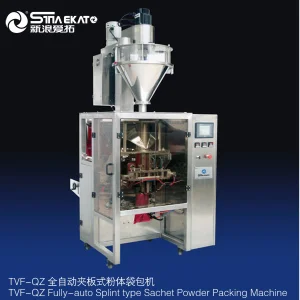
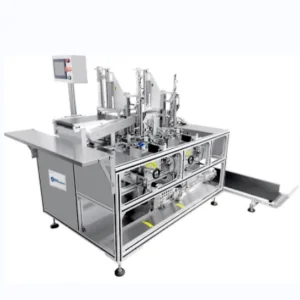
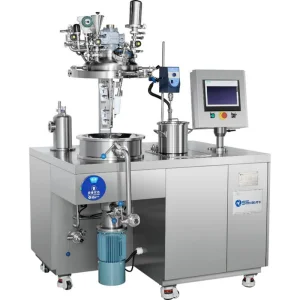
 Sina Ekato