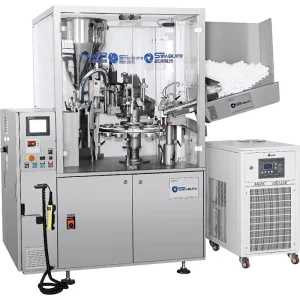
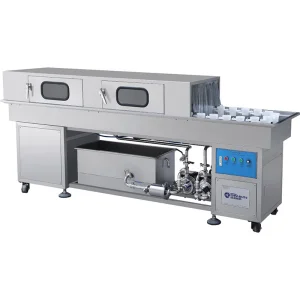
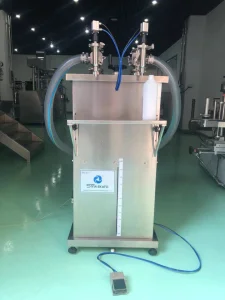
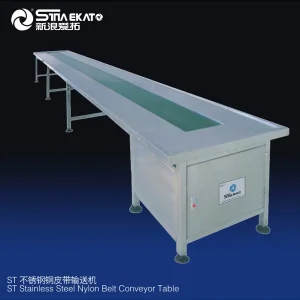
Explore our leading machinery ranges designed for cosmetics, pharmaceuticals, food, and daily chemical processing industries.
In the highly regulated personal care manufacturing landscape, securing reliable, high-performance machinery is critical. For cosmetic and liquid detergent manufacturers worldwide, the core of the production line is the liquid soap mixing equipment. Compliance with European standards—marked by the **CE Certification**—is not merely a legal requirement for accessing European markets; it represents a global benchmark for safety, efficiency, and engineering reliability.
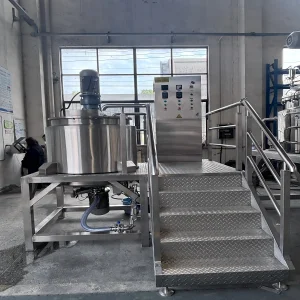
An advanced liquid soap mixing plant must achieve consistent homogenization, emulsion stability, and precise temperature control. Whether processing high-viscosity hand washes, organic body washes, or industrial-grade liquid detergents, the engineering of the vessel, the design of the high-shear homogenizer, and the automation systems determine your product's market quality and production cost efficiency.
CE (Conformité Européenne) marking indicates that liquid soap mixing equipment complies with EU safety, health, and environmental protection requirements. When sourcing machinery, CE certification validates that the equipment meets:
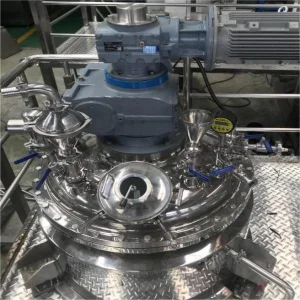
Modern liquid soap mixers from SINAEKATO utilize a combination of mechanical forces to process ingredients. This typically involves a three-shaft coaxial system:
1. Anchor Agitator with PTFE Scrapers: The anchor paddle sweeps the inner wall of the stainless steel tank (constructed from premium SUS316L for product contact areas). Wall scrapers prevent ingredients from baking onto the jacketed walls during heating cycles and ensure uniform heat distribution.
2. High-Shear Bottom Homogenizer: Positioned at the bottom or top of the vessel, the stator-rotor system rotates at speeds up to 3000–3600 RPM. This unit breaks down chemical compounds and surfactants (such as SLES/SLS), forcing rapid emulsification of oils, water, and active ingredients into a stable liquid crystalline phase.
3. Counter-Rotating Impellers: Additional internal paddles rotate in opposite directions to assist in axial and radial blending, ensuring that the bulk fluid remains in motion without dead-zones, preventing stratification of colors or fragrances.
Our mixing vessels are polished to a sanitary grade of Ra < 0.4 microns internally and Ra < 0.8 microns externally, perfectly adhering to Good Manufacturing Practice (GMP) regulations. Integrated CIP (Clean-in-Place) spray balls ensure thorough sanitation between batches, preventing cross-contamination.
Purchasing liquid soap mixing equipment from premier Chinese manufacturers like **SINAEKATO** provides global enterprises with a balance of advanced engineering, cost efficiency, and flexibility:
A track record of technological innovation, strict quality management, and global customer support.
At SINAEKATO, we believe science and technology are the primary productive forces and core drivers of enterprise growth. We continuously strengthen our core R&D, striving for excellence by implementing advanced production equipment and precise testing processes to ensure the performance of each machine we ship.
Our commitment is captured by our motto: "LET THE WORLD KNOW MADE IN CHINA." We actively support the industries and communities we serve, ensuring that high-performance machinery is paired with reliable technical service.
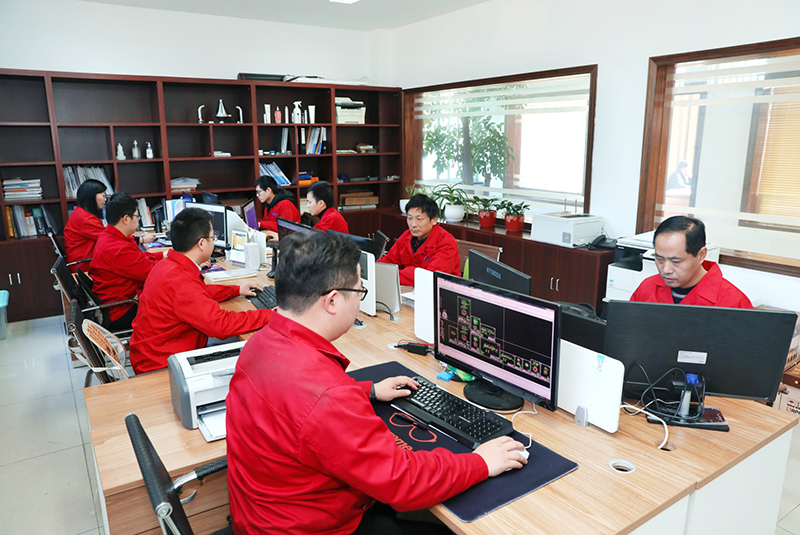
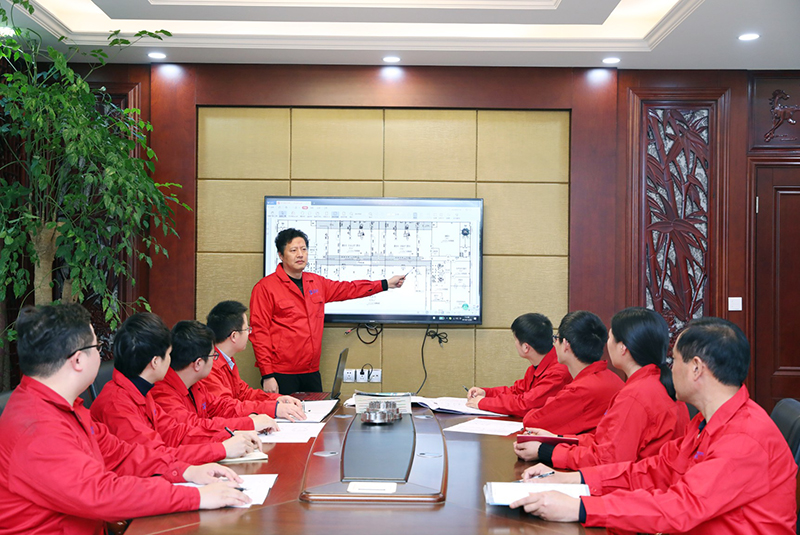
Addressing the multi-disciplinary requirements of modern fast-moving consumer goods (FMCG) facilities.
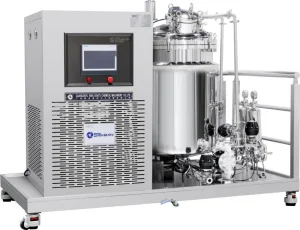
Pure water is the primary raw material in liquid soaps. Our Reverse Osmosis (RO) systems remove ions, organics, and micro-particles, ensuring a pure base for formulation stability and shelf life.
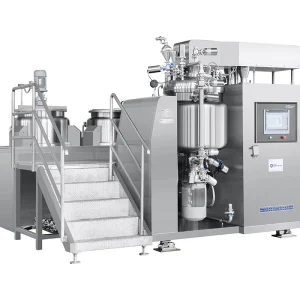
Our Vacuum Emulsifying Mixers and Liquid Washing Pots incorporate bottom-shear homogenizers and speed-regulated agitators to blend and solubilize surfactant ingredients without introducing air bubbles.
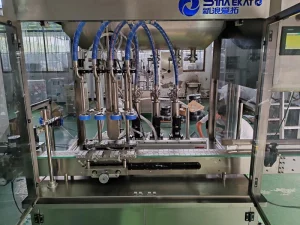
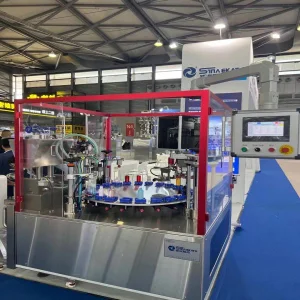
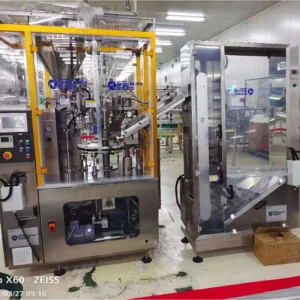
From nozzle-following filling machines to capping, labeling, and boxing units, our automated downstream lines ensure sanitary packaging at speeds up to 80 pieces per minute.
Global brand buyers focus on operational risks, life-cycle costs, and validation protocols. A standard procurement framework involves Factory Acceptance Testing (FAT) at our China facility and Site Acceptance Testing (SAT) at the client's plant. We prepare comprehensive documentation packages, including IQ/OQ (Installation/Operational Qualification) templates, welding log records, and material mill certificates (specifically for AISI 316L contact elements).
Localized configurations also address local regulations, such as meeting ATEX or explosion-proof standards in environments handling flammable solvents (like alcohol-based sanitizers). Designing specialized panel enclosures, control systems, and pneumatic components prevents spark generation and conforms to strict safety directives.
Over three decades of manufacturing excellence and continuous research in mechanical mixing technology.
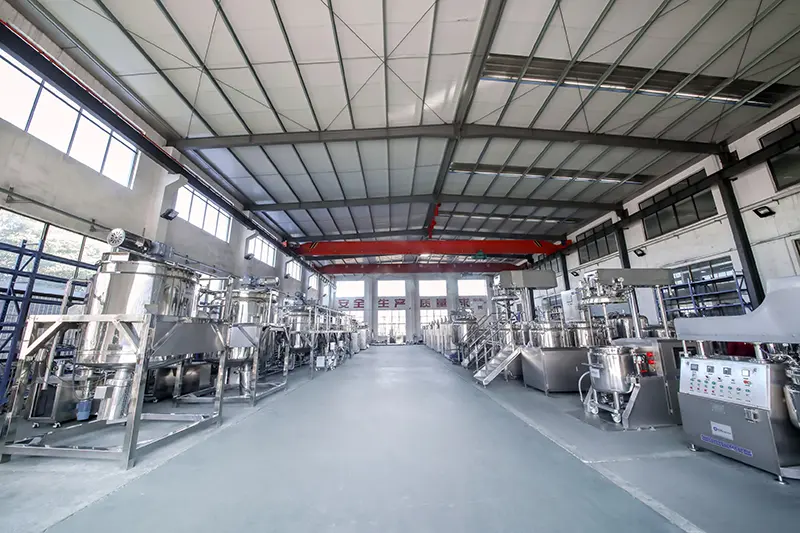
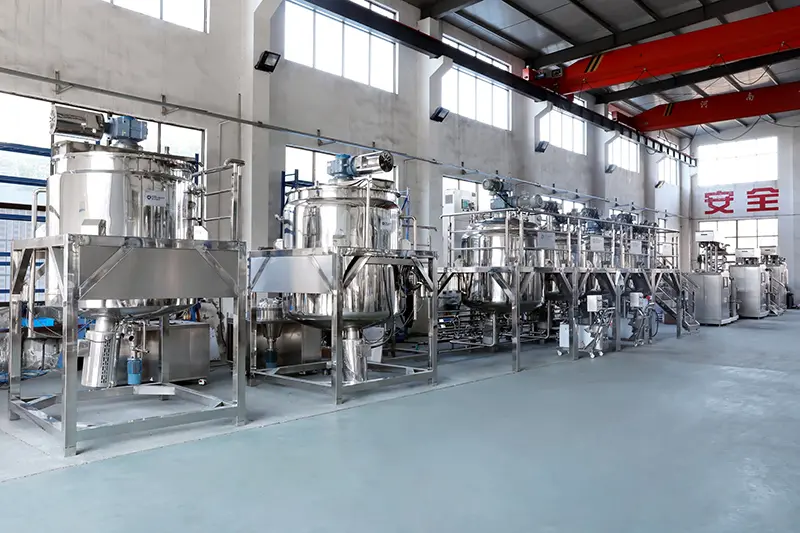
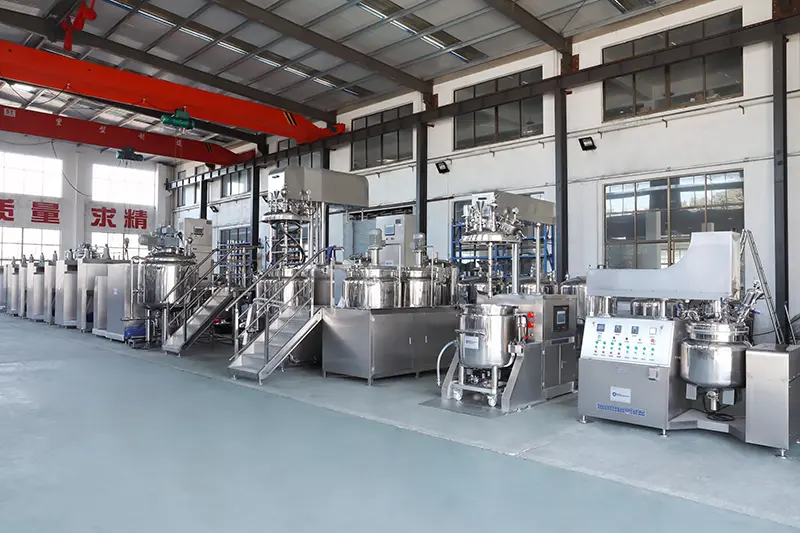
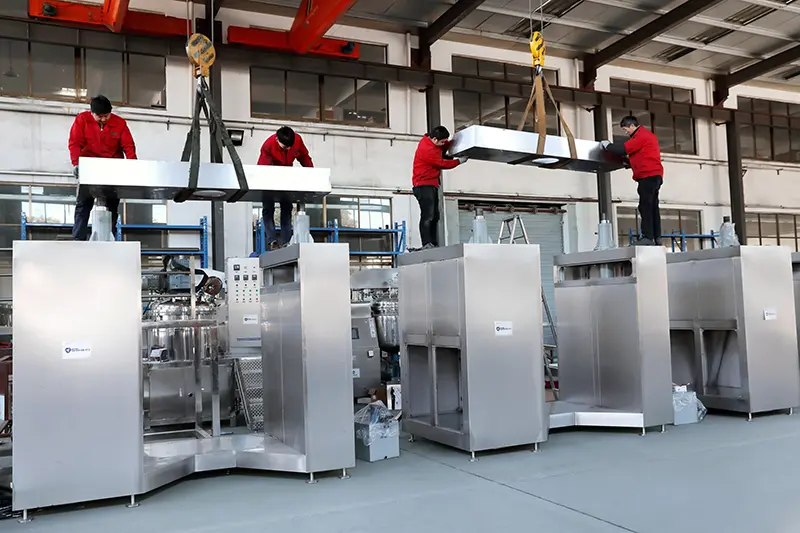
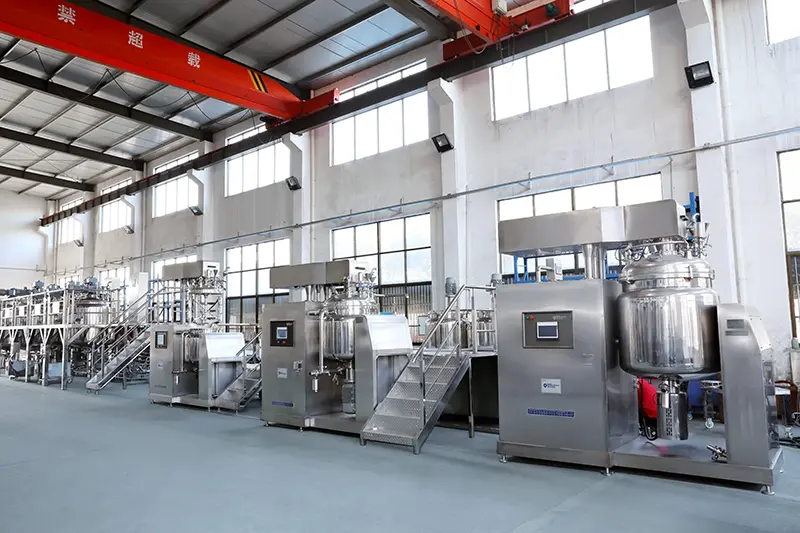
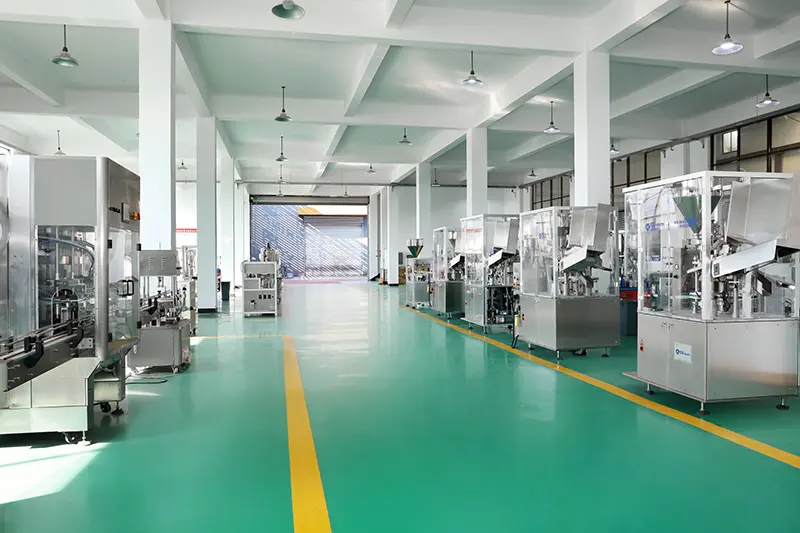
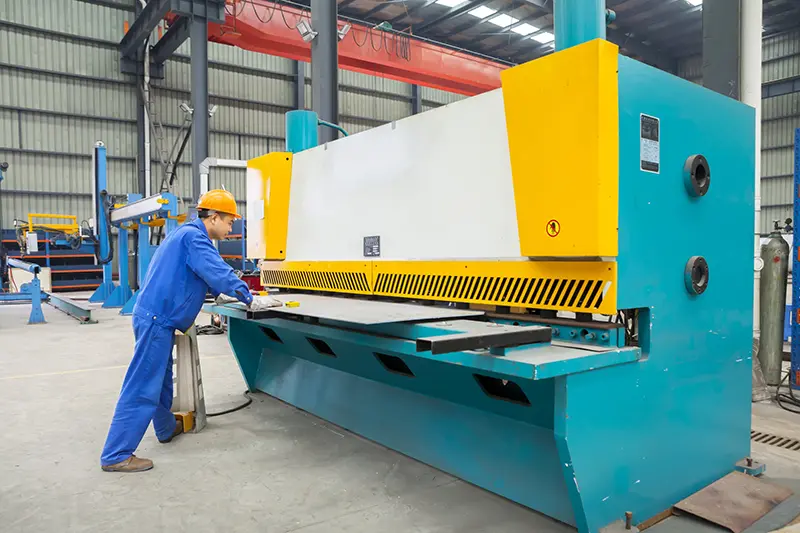
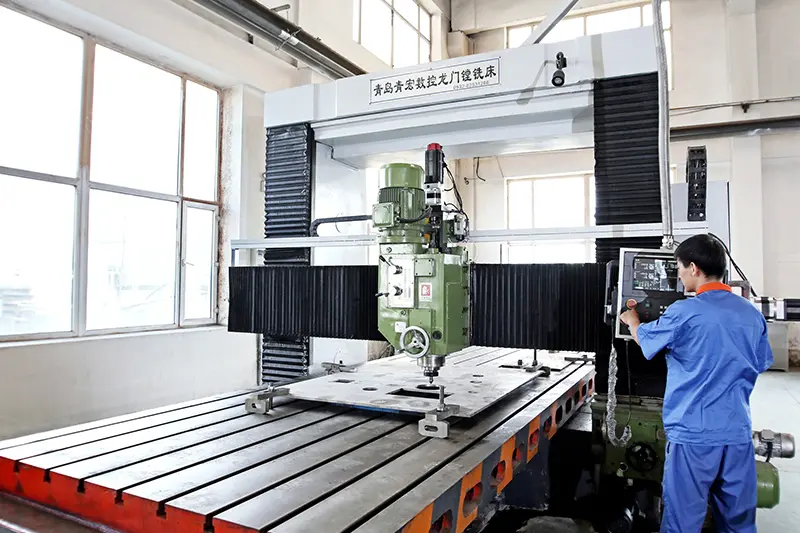
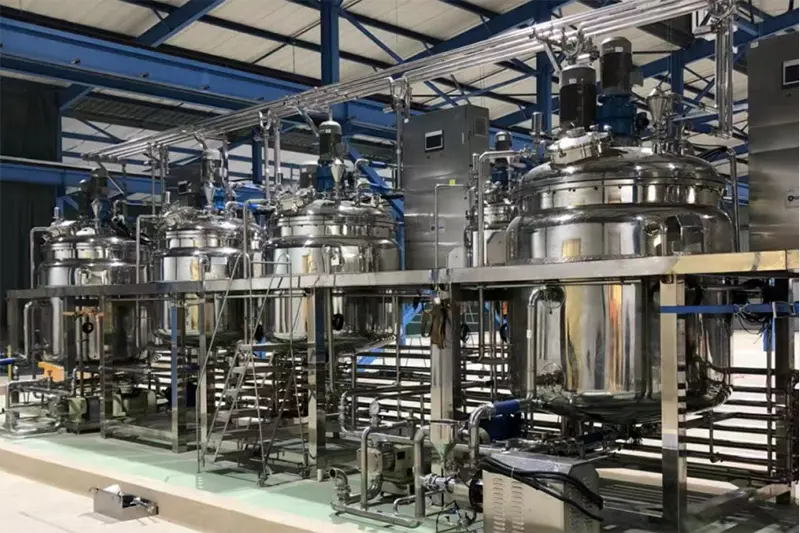
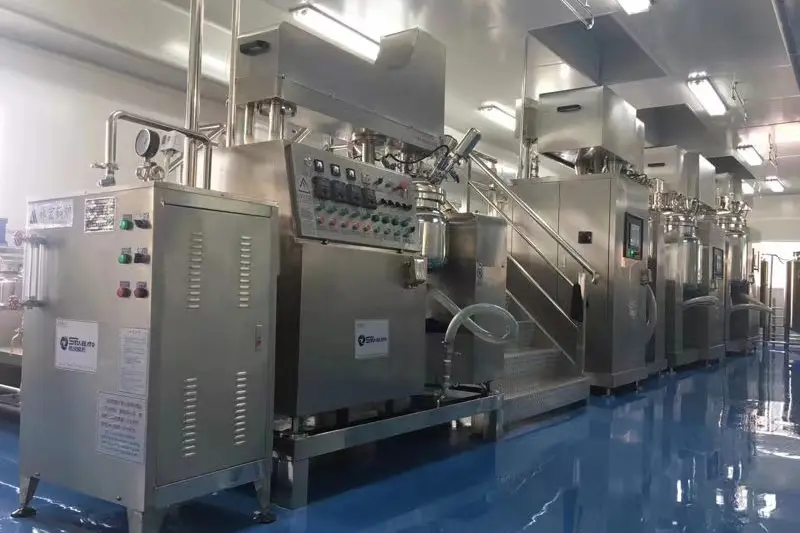
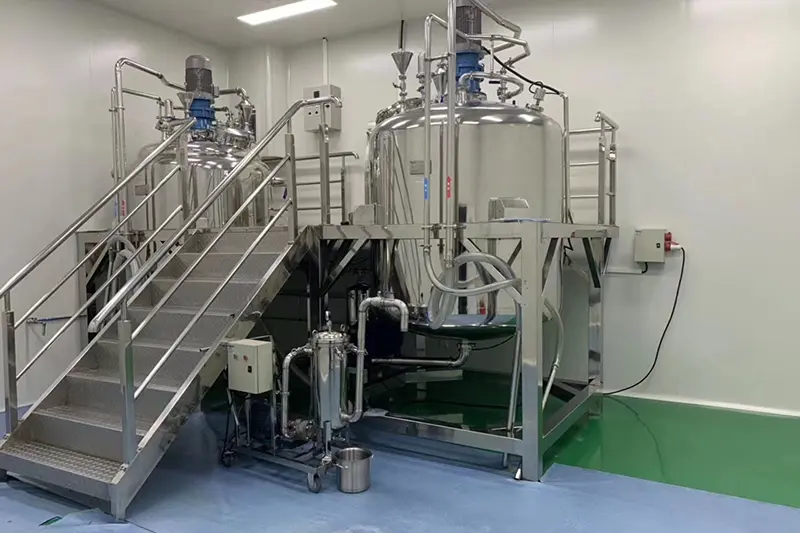
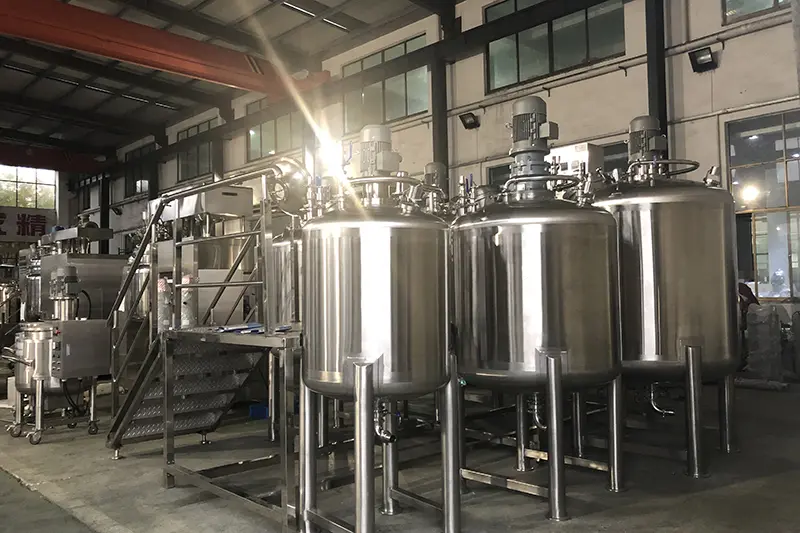
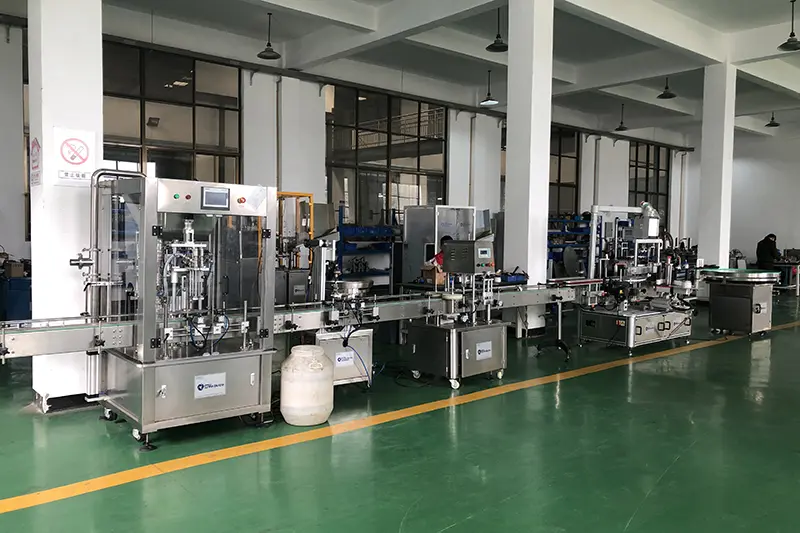
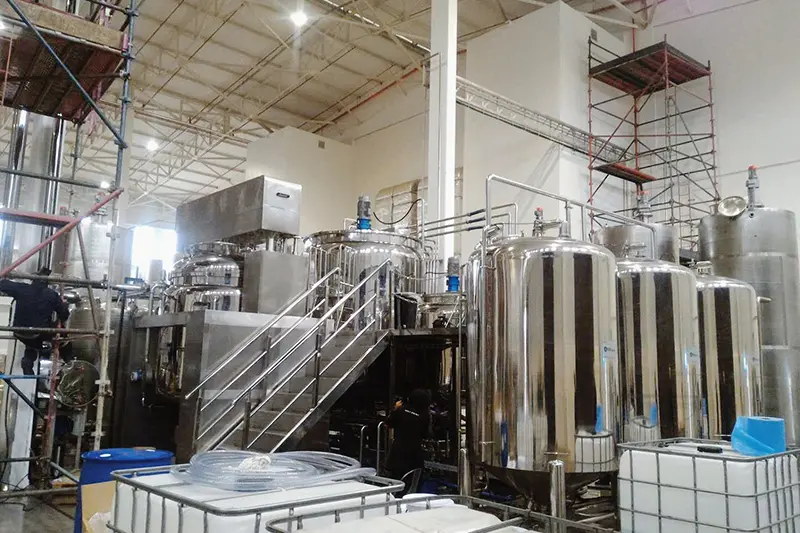
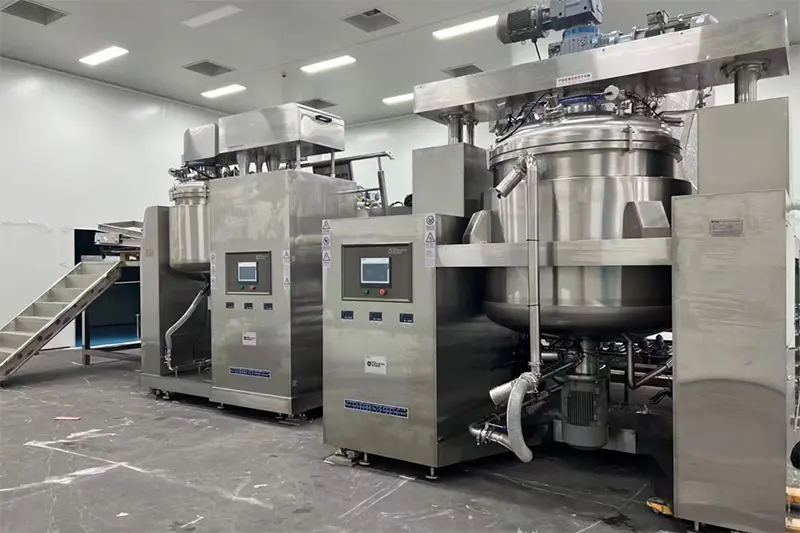
Stable, Reliable, Precise, Intelligent is the basic engineering requirement for every machine we build. Choosing SINAEKATO means choosing professional technical support and responsive after-sales service.
We step by step, go to the future!
How automation and green manufacturing are transforming liquid detergent production lines.
The integration of Smart Factory controls (Industry 4.0) is becoming standard. Modern mixing vessels use PLC control systems equipped with sensors to monitor temperature, viscosity, rotor speed, electrical current, and pressure in real-time. By recording data throughout the cycle, manufacturers can analyze batch variance, automate ingredient addition via load cells, and optimize energy consumption.
Energy efficiency is a key criteria for modern production equipment. Traditional steam heating is being optimized through variable-frequency drives (VFD) that adjust agitator speeds based on viscosity phases, lowering energy draw when viscosity drops. Jacketed insulation using high-density polyurethane ensures minimal heat loss to the cleanroom atmosphere, reducing HVAC load.
Stricter regulations dictate that machinery must eliminate any bacterial growth zones. Zero-dead-leg valves, aseptic sampling valves, and automated Clean-in-Place (CIP) / Sterilize-in-Place (SIP) systems minimize manual cleaning times. Our equipment uses sanitary-grade components that allow sanitization fluids to reach every internal surface.
Insights from our engineering department regarding liquid soap manufacturing systems.
A vacuum system prevents aeration (the formulation of micro-bubbles) during the high-shear mixing process. Excluding air maintains product density, prevents microbial growth, ensures accurate fill volumes in downstream packaging, and results in a crystal-clear appearance for translucent soaps.
SUS316L contains molybdenum, providing resistance to chlorides and acid/alkaline corrosive properties. It is used for all parts in contact with raw ingredients (inner vessel, homogenizer parts). SUS304 is used for outer jacketing, supports, and non-contact cladding to maintain durability and cost effectiveness.
Yes, by utilizing Variable Frequency Drives (VFD) on both the high-shear homogenizer and anchor scraper system, operators can adjust speeds to handle low-viscosity solutions (like sanitizers) to high-viscosity gels and creams.
The bottom high-shear homogenizer forces ingredients through a stator-rotor assembly with narrow tolerances. The mechanical forces reduce the droplet size of suspended oils and active ingredients down to the sub-micron scale, preventing phase separation over the product's shelf life.
Every CE-marked unit from SINAEKATO includes an EU Declaration of Conformity, operation manual, electrical schematics, pressure test reports (if jacketed), material safety certificates, and a risk assessment register.
Depending on complexity and volume requirements, standard single mixing vessels take 30 to 45 days. Complete lines (from water treatment to packing machines) average 60 to 90 days, including factory validation testing.
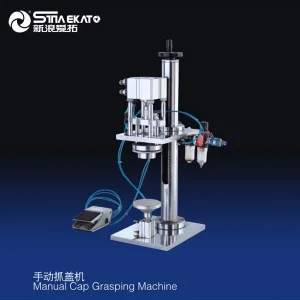
Complete your production line with our CE certified capping, tube sealing, washing, and conveyor systems.
Get in touch with our engineering team to design, configure, and install a custom CE-certified liquid soap mixing line tailored to your viscosity, capacity, and automation requirements.
Inquire Now Sina Ekato