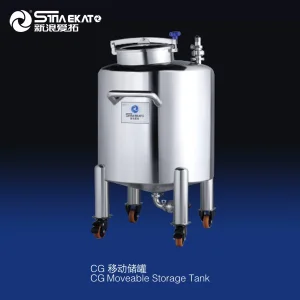
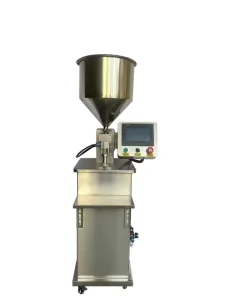
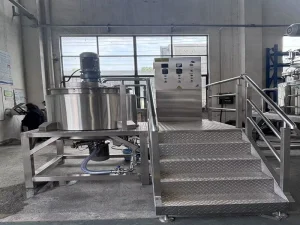
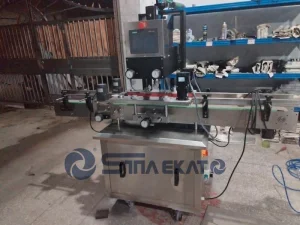
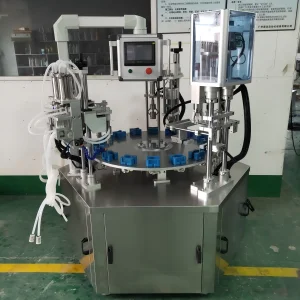
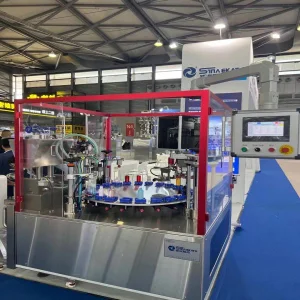
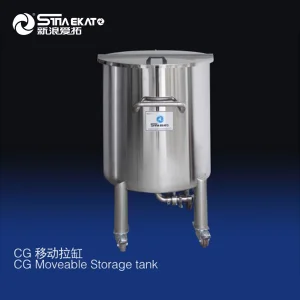
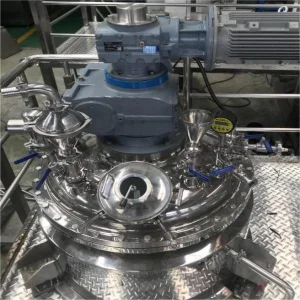
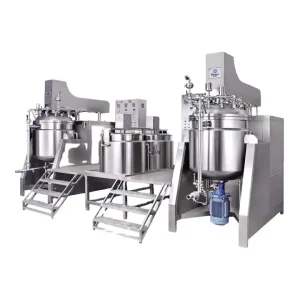
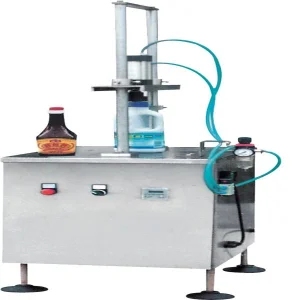
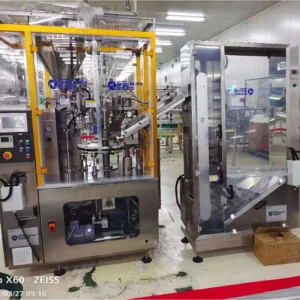
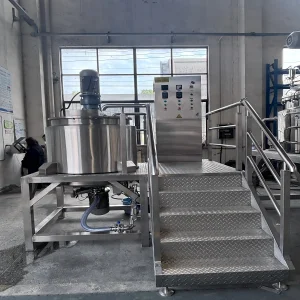
Explore our premium high-efficiency machinery lines, featuring vacuum emulsifying mixers, specialized washing pots, automated capping stations, and thermal chilling systems designed for the modern cosmetics enterprise.
Understanding the thermodynamics behind high-lustre, uniform, and stable lip gloss formulations in modern industrial environments.
In high-end cosmetics production, consistency is the ultimate marker of luxury. Lip gloss formulations typically contain complex mixtures of natural oils, synthetic waxes, pigments, and active plumping agents. The cooling stage of lip gloss production is not merely a method to solidify the liquid bulk; it is a critical process that dictates the final product’s physical properties, stability, and visual appeal.
When lip gloss undergoes cooling in a dedicated Lip Gloss Chiller Cooling Machine, it transitions from a hot liquid state to a precise semi-solid paste. If the rate of cooling is too slow, the wax crystals within the formulation grow too large. Large wax crystals lead to a dull appearance, lack of gloss, and a grainy skin-feel. Conversely, if cooled too rapidly without precise temperature controls, the product can develop internal stresses, causing surface cracking and subsequent phase separation (syneresis).
"Precision thermal control during the crystallization phase ensures that pigment particles remain uniformly suspended in the lipid matrix, yielding a high-gloss finish with optimal viscosity."
A breakdown of the engineering design parameters required to achieve optimal crystallization and process reliability.
Advanced chillers feature multiple heating and cooling zones that ramp down the product temperature gradually, ensuring optimal crystal nucleation and growth rates.
Laminar air distribution prevents turbulence, ensuring that all filled tubes or pans receive uniform convective cooling, eliminating temperature differences across the belt.
Manufactured using medical-grade SUS316L stainless steel, featuring CIP (Clean-in-Place) capabilities to comply with international sanitary and cosmetic standards.
How procurement managers and chemical engineering leads select high-performance chillers for modern cosmetic assembly lines.
In the contemporary B2B procurement environment, buying decisions are driven by ROI, equipment versatility, energy efficiency, and strict regulatory compliance. When investing in a Lip Gloss Chiller Cooling Machine, global procurement teams utilize complex evaluation frameworks to assess equipment viability:
| Evaluation Parameter | Standard Specification Requirements | High-Capacity Output Target |
|---|---|---|
| Chilling Conveyor Length | 2.5 meters to 4.5 meters (Modular setup) | Custom up to 8 meters with integrated cooling zones |
| Temperature Regulation Range | 0°C to 15°C (Precision: ±0.5°C) | -10°C to 20°C (Precision: ±0.1°C via PID Control) |
| Material Construction | Stainless steel SUS304 shell, product contact SUS316L | Full mirror-polished SUS316L with electropolished paths |
| Belt Drive Motor & Sync | Standard AC motor with variable frequency drive (VFD) | Synchronized Servo Motor linked to automatic filling line PLC |
| Refrigerant Standard | R134a or R404a Eco-friendly cooling agents | Low GWP (Global Warming Potential) industrial refrigerants |
Additionally, modern buyers evaluate the equipment’s adaptability to accommodate multiple SKU sizes and product types. A highly efficient chiller line should handle not only lip gloss tubes but also lip balms, concealers, hot-pour foundation pots, and cosmetic sticks. Fast changeover designs and tooling-free maintenance are key requirements to achieve high Overall Equipment Effectiveness (OEE).
Leading the way in cosmetic machinery design, vacuum mixing systems, and industrial automated packaging solutions since 1992.
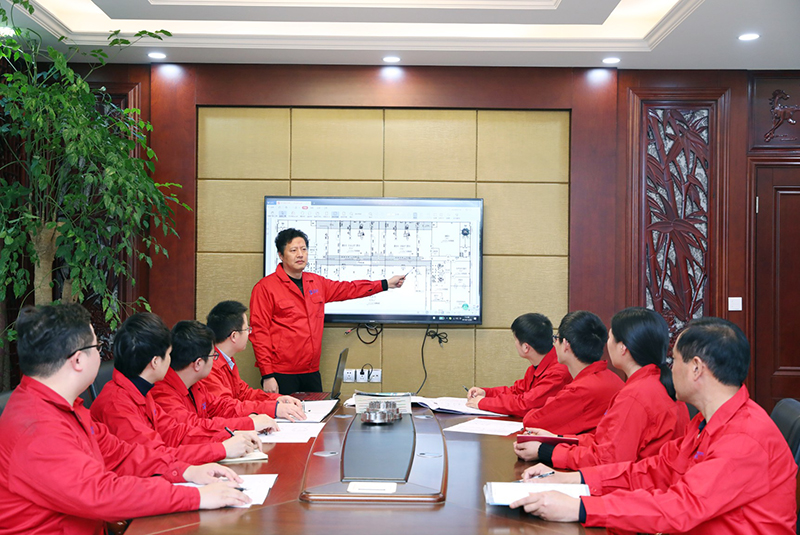
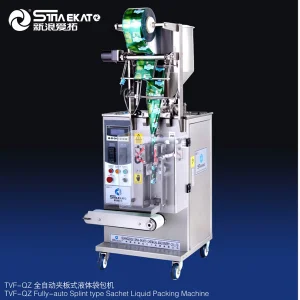
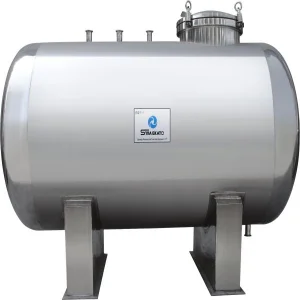
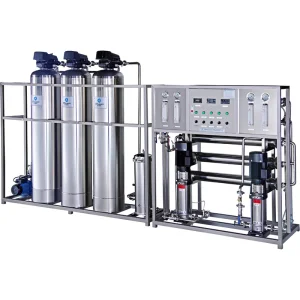
SINAEKATO, one of China’s leading machinery brands, was established in 1992. Over more than 30 years, we have built a rich history of developing Vacuum Emulsifying Mixers, Liquid-washing Homogenizer Mixers, Perfume Chiller Production Lines, Toothpaste Production Mixers, Fully-automatic and Semi-automatic Filling Machines, Storage Tanks, RO Water Treatment Series, Labeling Machines, and Packaging Machines.
Our focus is to provide a comprehensive, one-stop machinery solution for the skincare, cosmetics, pharmaceutical, and food industries. SINAEKATO operates in nearly 55 countries, employing approximately 150 specialists in our Chinese manufacturing plants alongside over 10 overseas engineering and support staff. Our engineering expertise in mixing systems, homogenizers, and downstream filling lines is recognized internationally.
Combining automated production, component traceability, and high manufacturing capacity to deliver top-tier equipment.
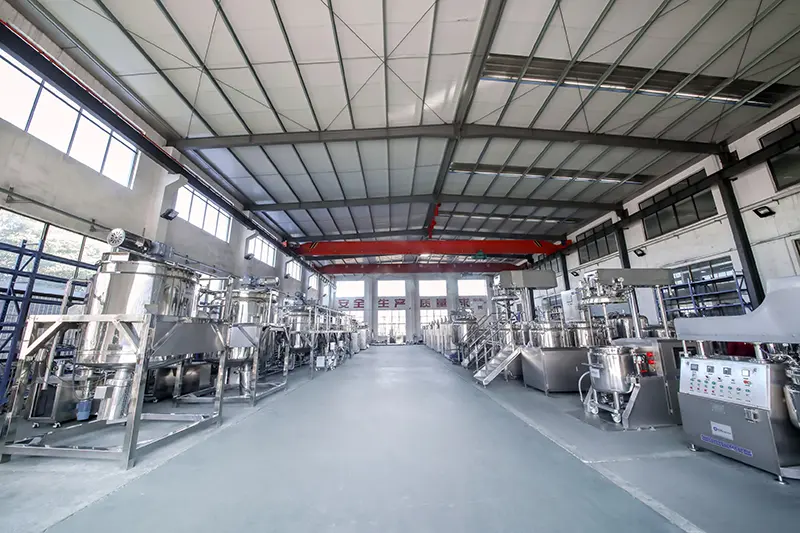
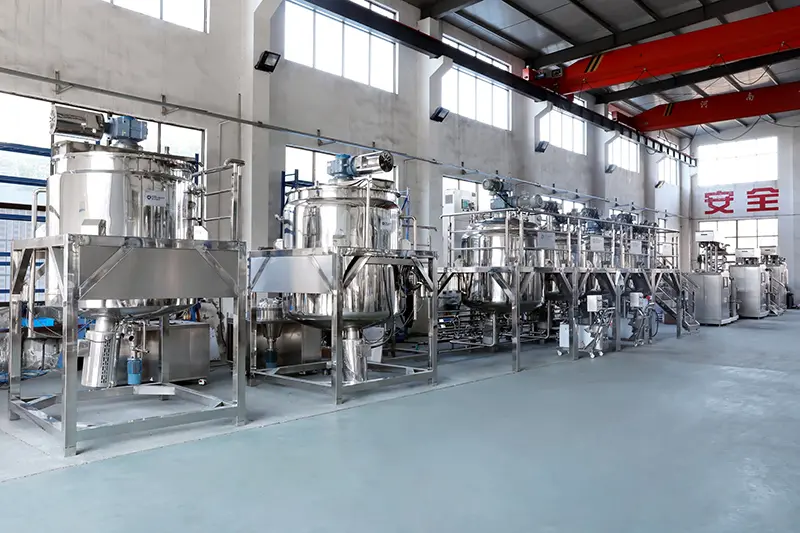
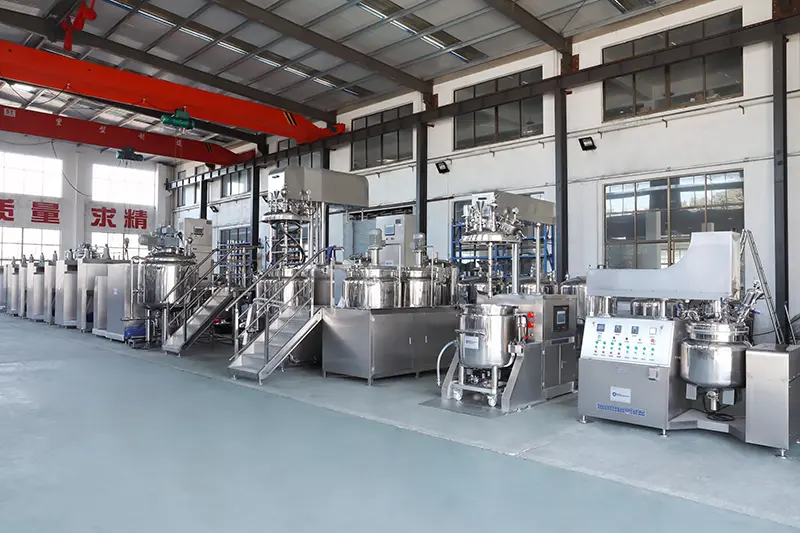
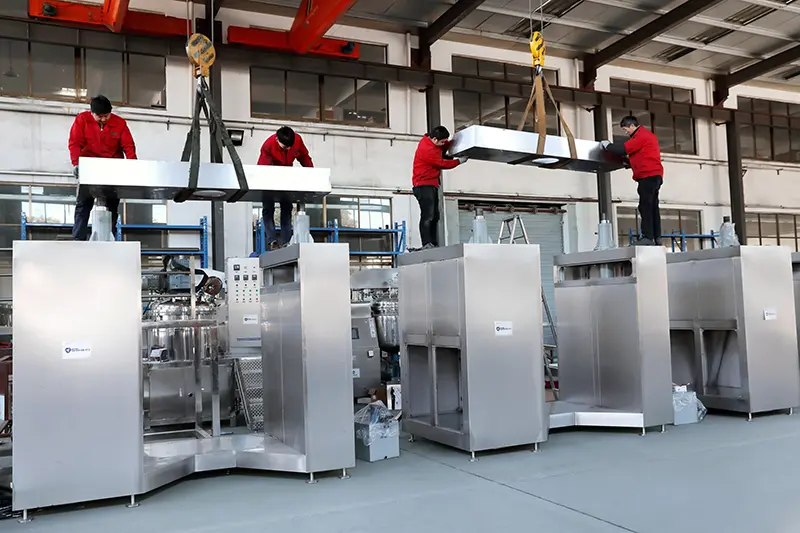
The transformation of China’s manufacturing sector into "Factory 4.0" is redefining how cosmetic machinery is constructed. At SINAEKATO, we integrate advanced technologies to improve machinery durability, speed up deliveries, and maintain strict quality standards.
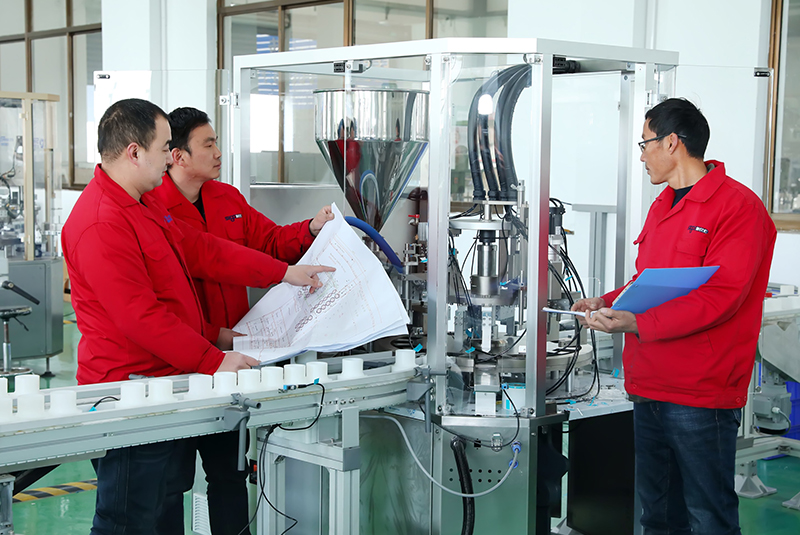
Science and technology are primary drivers of business competitiveness. We continuously focus on R&D, utilizing precise machining tools, laser metal cutting, and strict testing procedures to ensure each chiller and mixer performs reliably under intensive shift work. By sourcing 80% of our key mechanical and pneumatic components from world-renowned suppliers, we maintain strong quality assurance while benefiting from a highly integrated, local industrial supply chain in Jiangsu and Guangdong.
Our efforts and performance are recognized globally. Choose SINAEKATO for professional technical support and reliable after-sales service.
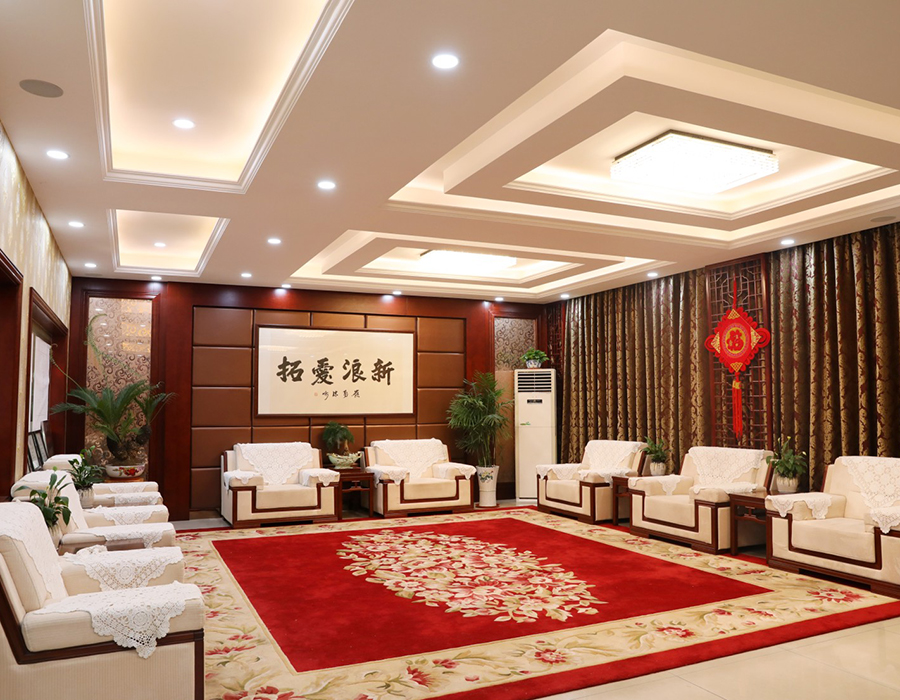
We believe that stability, reliability, precision, and intelligence are fundamental requirements for every cosmetic machine. Our long-standing commitment to communities and global partners drives us to show that Chinese-engineered equipment meets international standards. Step by step, we build the future of cosmetic manufacturing alongside our global clients.
Engaged in the chemical machinery industry, establishing core technical foundations.
Guangzhou Sina Cosmetics Engineering Equipment Co., Ltd. was established to focus on cosmetics packaging and mixing.
Established Hong Kong Hantao International Investment Co., Ltd. to drive global trade.
Gaoyou Sina Chemical Machinery Equipment Factory was established; Guangzhou engineering branch rebranded to Guangzhou Sina Chemical Machinery Co., Ltd.
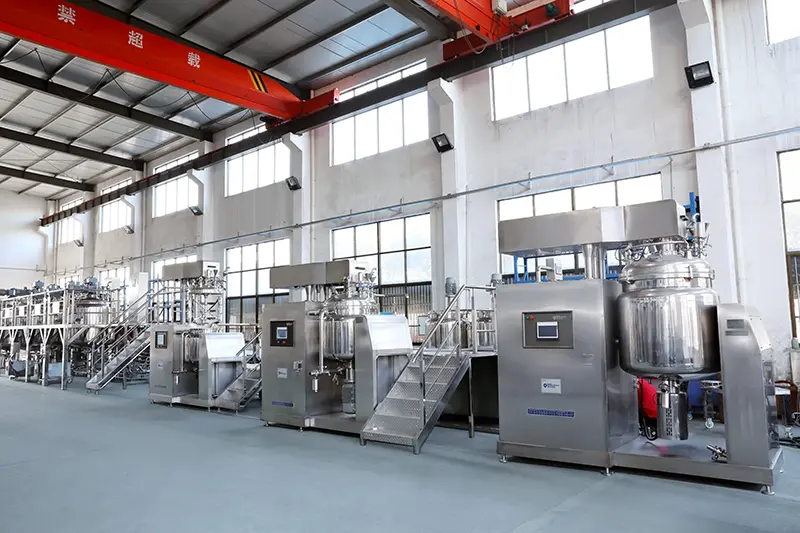
Established Gaoyou Sina Light Industry Machinery Equipment Factory to expand component manufacturing.
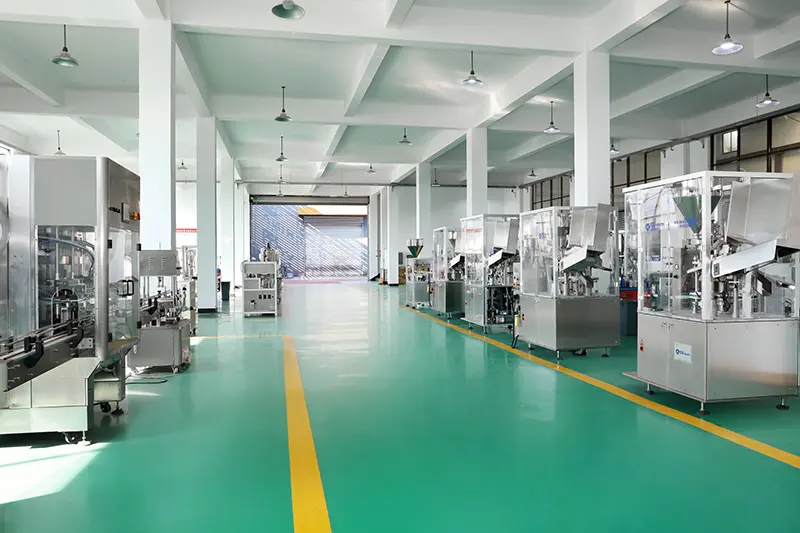
Purchased 10,000 square meters of land in Gaoyou. A new processing plant was commissioned under the name: SINA EKATO CHEMICAL MACHINERY CO., LTD (GAOYOU CITY).
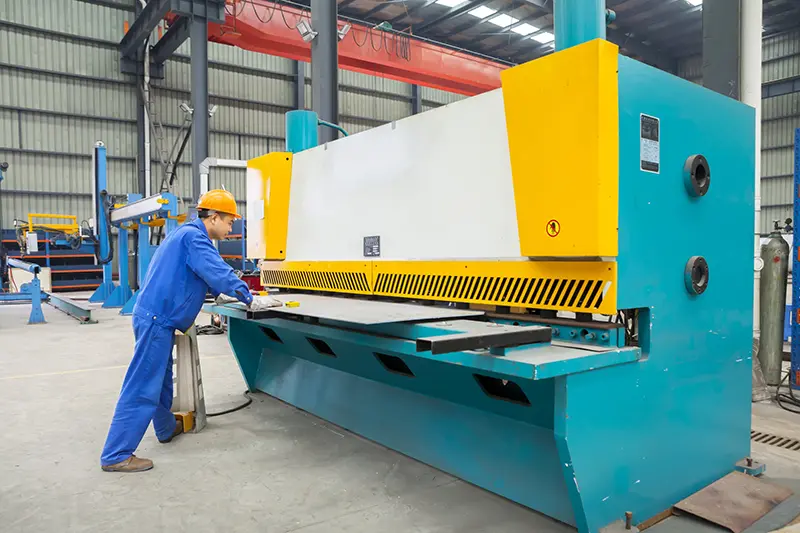
Established Yangzhou Hantao Chemical Machinery Co., Ltd. to support manufacturing capacity.
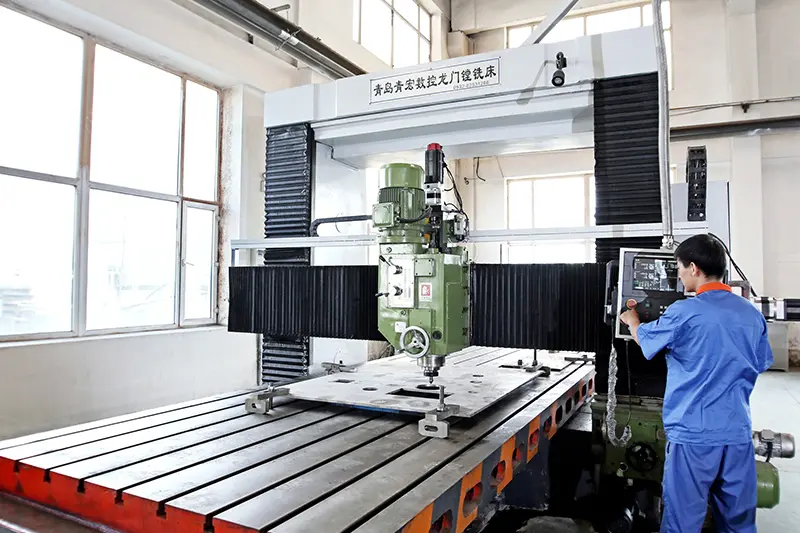
Acquisition of Guangzhou Jingcheng Machinery. Opened a large equipment showroom and initiated global export channels.
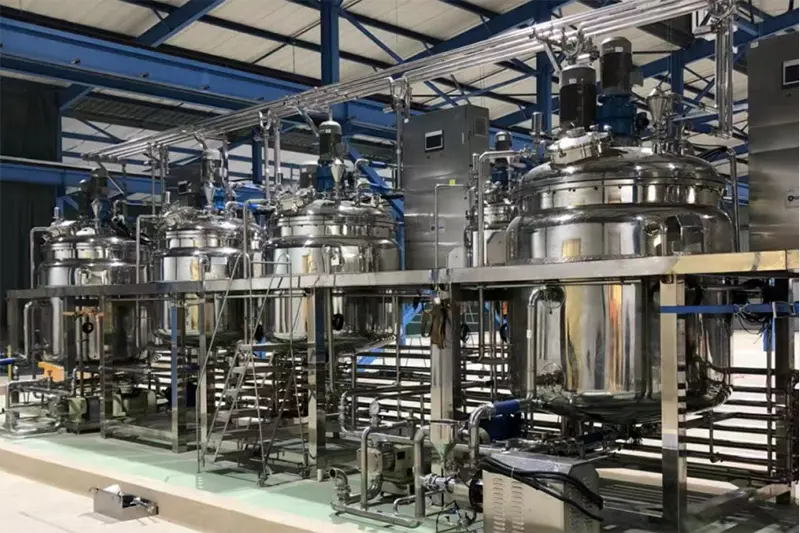
Rebranded to Guangzhou SINAEKATO Chemical Machinery Co., Ltd. to align with global markets.
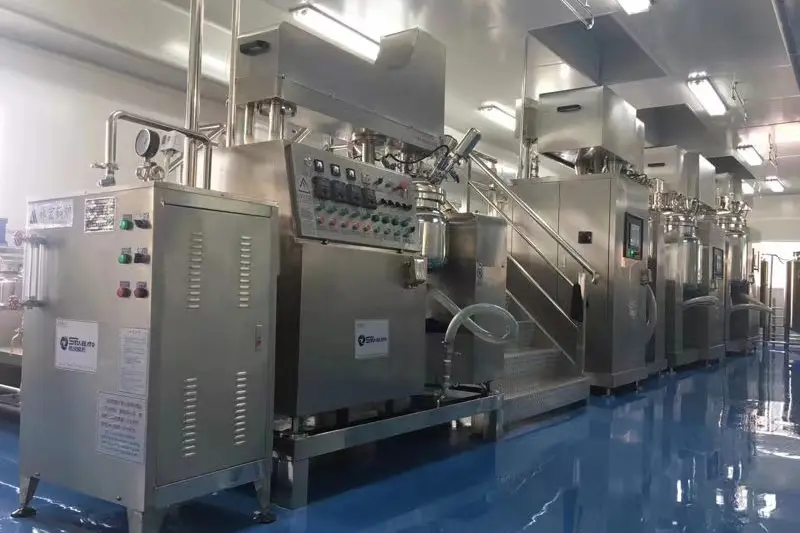
Acquisition of Guangzhou Suogao Machinery Equipment Co., Ltd. to expand packaging technologies.
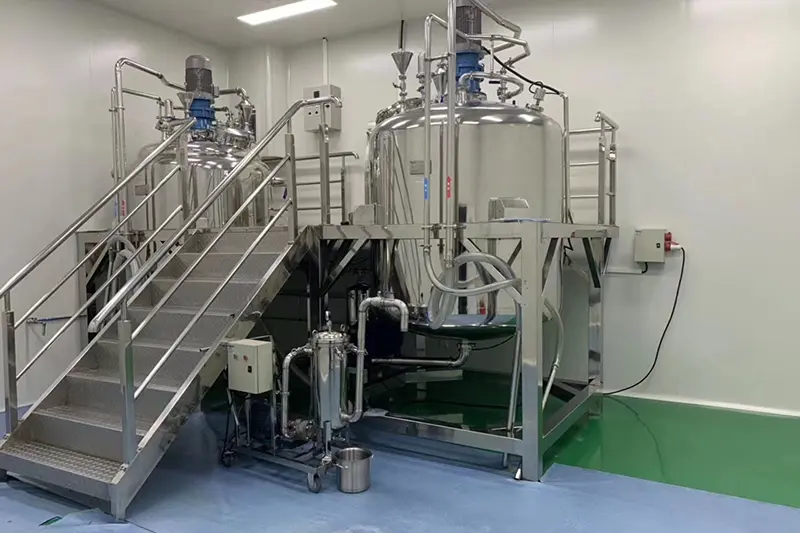
SINA EKATO CHEMICAL MACHINERY CO., LTD (GAOYOU CITY) designated as Production, Sales, and After-Sales Service Headquarters.
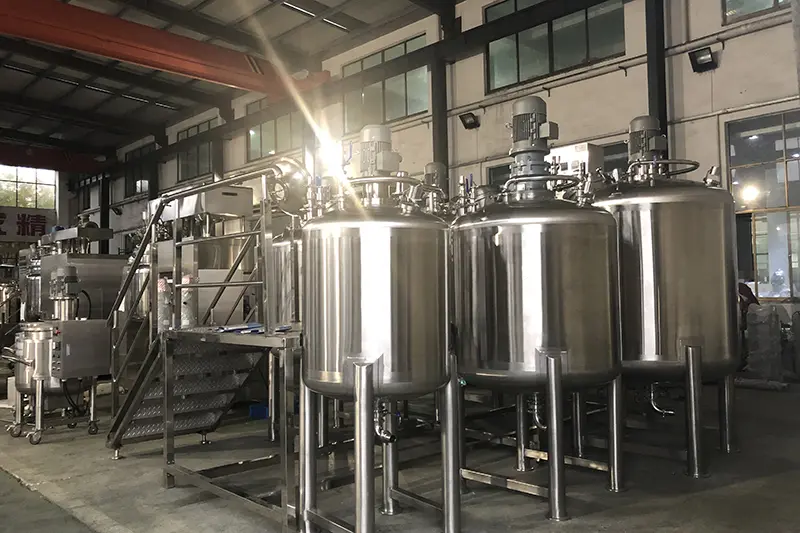
Established SINA EKATO Equipment (Jiangsu) Co., Ltd. to manage international joint-venture projects.
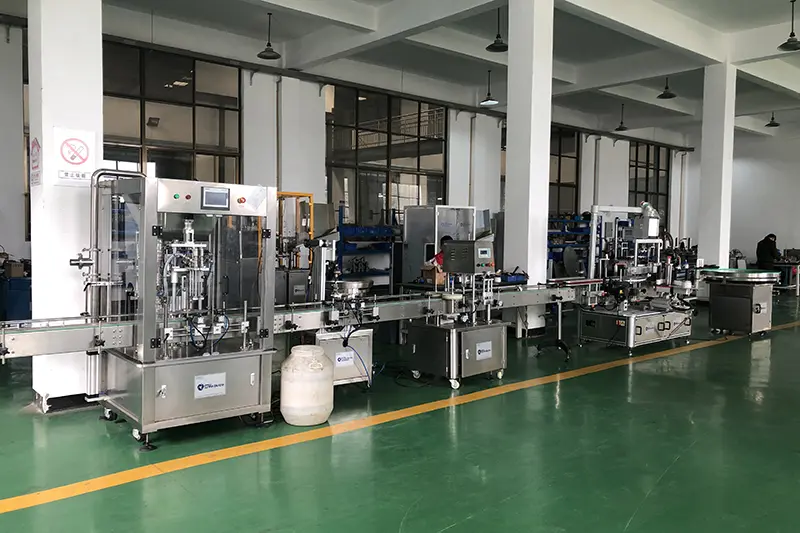
Collaborated with European partner FLEMAC to establish Germany SINAEKATO Group Co., Ltd.
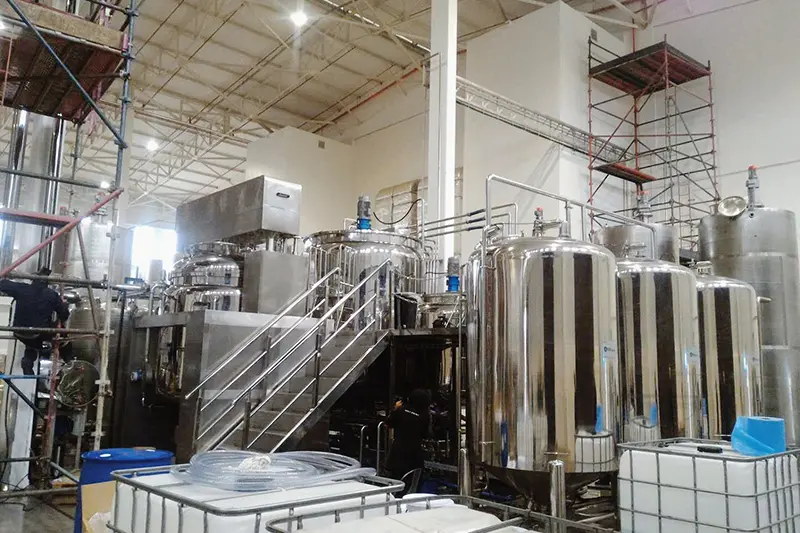
Partnered with Unilever South Africa for a major cosmetics project ($800,000 USD order) and with a leading OEM for SK-II and Shiseido ($1,500,000 USD order).
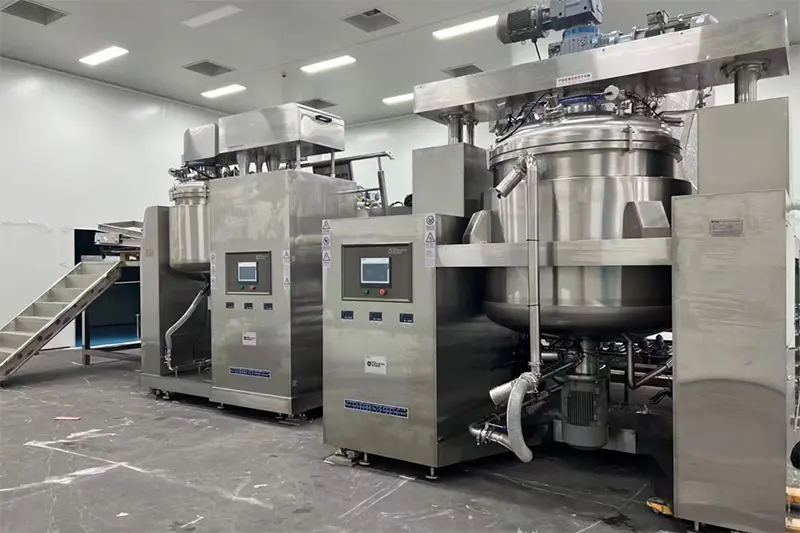
Secured a $1,000,000 USD contract for high-speed detergent and liquid-washing production lines in Japan.
Expert answers to common questions about cosmetic cooling tunnels, lip gloss crystallization, and equipment integration.
Explore our complete machinery lines, from high-shear homogenizers and vacuum emulsifiers to water purification plants and automated packaging systems.
 Sina Ekato