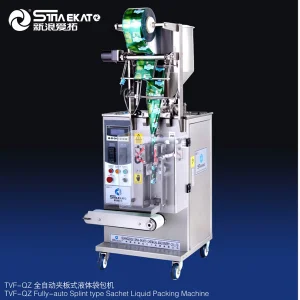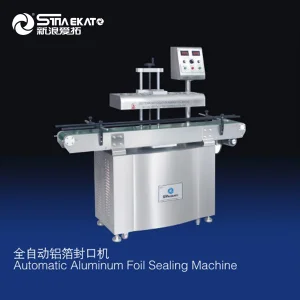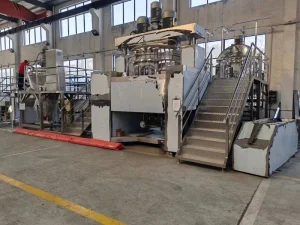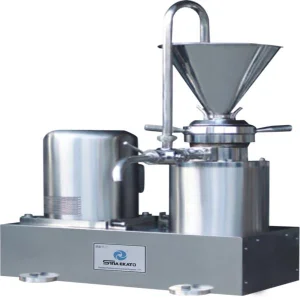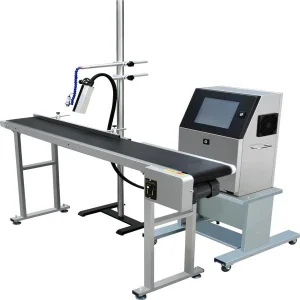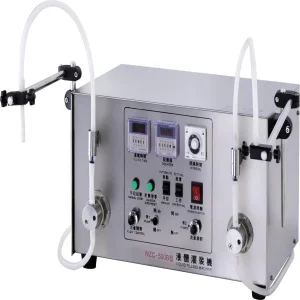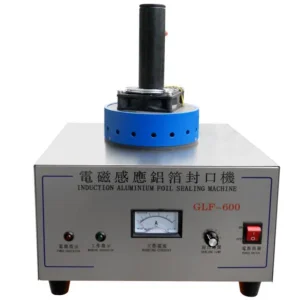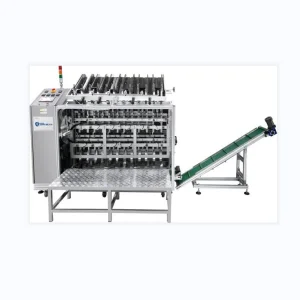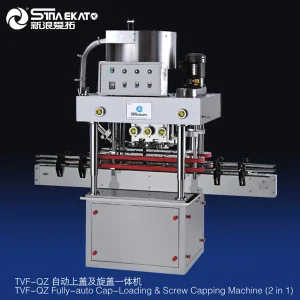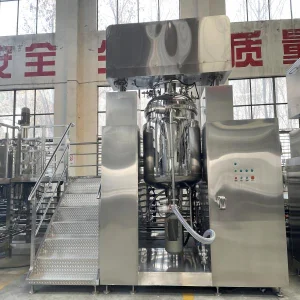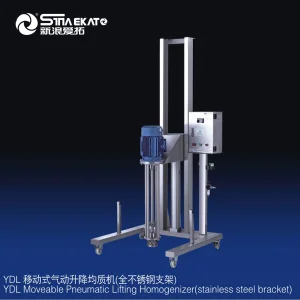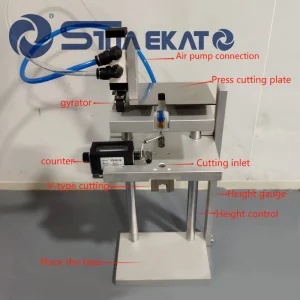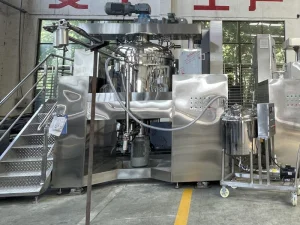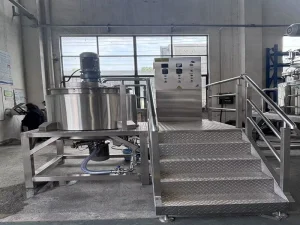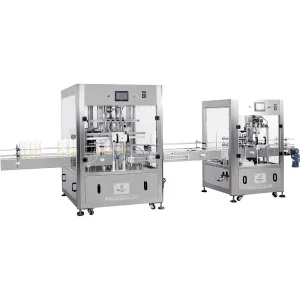
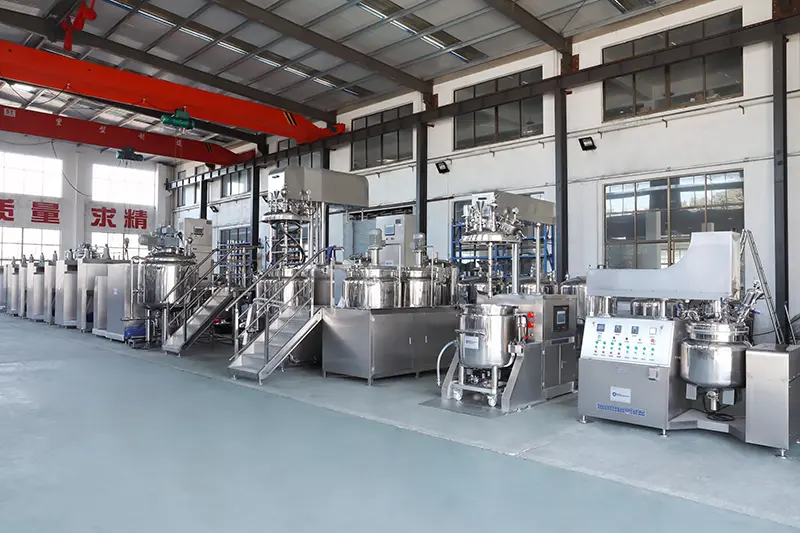
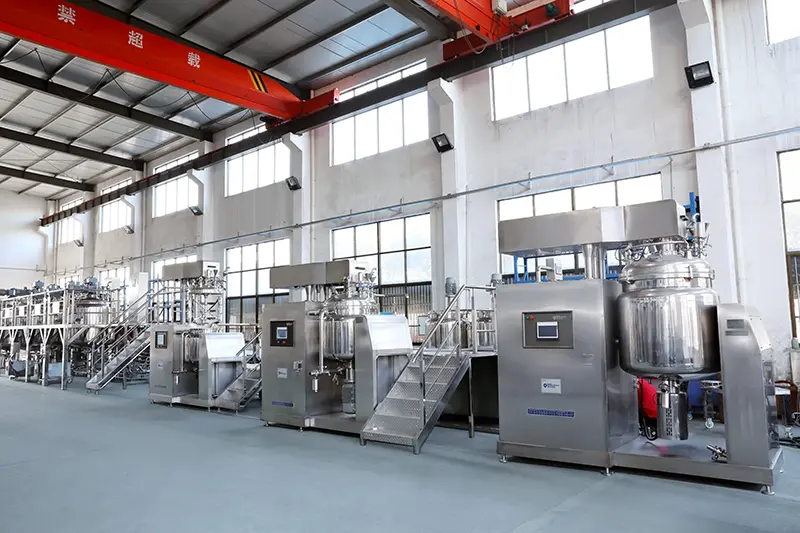
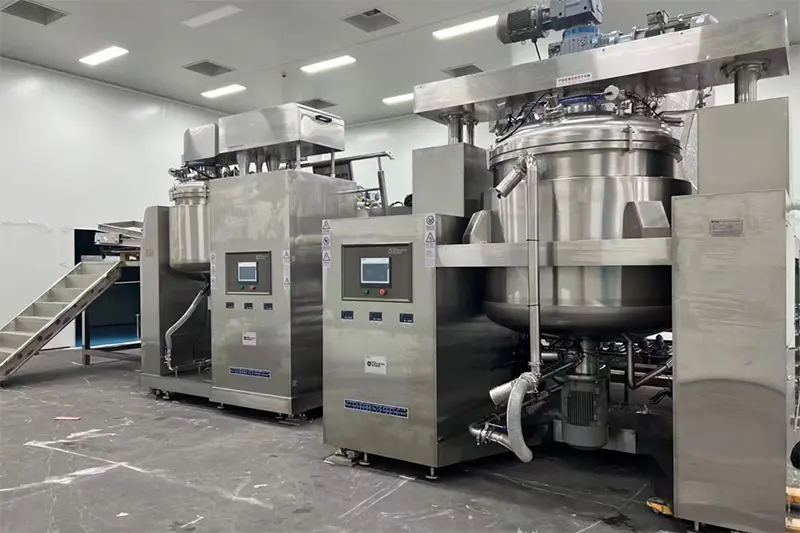
SINAEKATO, established in 1992, stands as one of China's most trusted engineering brands in the design and manufacture of automated cosmetics machinery. With over three decades of core mechanical experience, we provide comprehensive, turn-key industrial solutions. Our technology catalog features advanced Vacuum Emulsifying Mixers, Liquid-Washing Homogenizer Mixers, Perfume Chiller Production Lines, Toothpaste Production Systems, and highly sophisticated, CE-certified Fully-Automatic and Semi-Automatic Filling and Capping Machines.
We engineered our processes to serve as a one-stop-shop for global brands across skincare, cosmetics, pharmaceuticals, and chemical processing. From Reverse Osmosis (RO) water purification setups to end-of-line packaging systems, our technology meets strict regulatory standards worldwide, including CE directives and GMP standards.
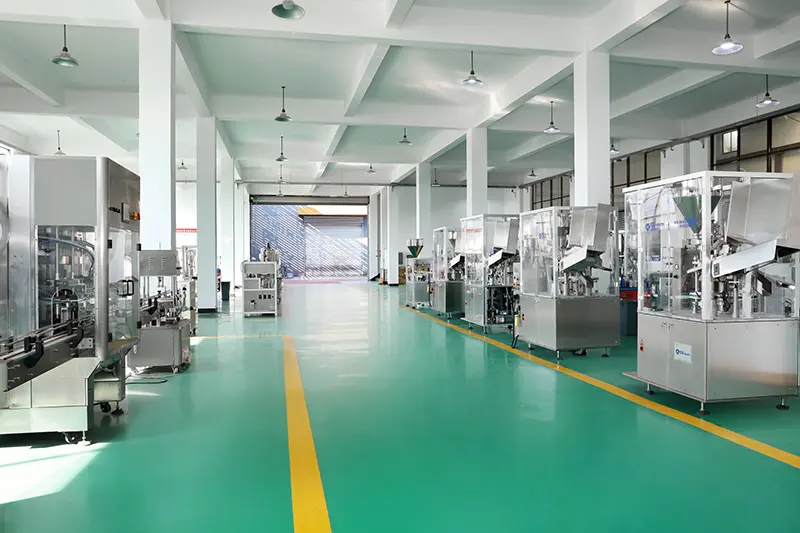
Modern cosmetics packaging facilities require flexible, high-precision equipment capable of handling diverse formulation viscosities, from watery liquid foundations to high-viscosity mascaras and hot-pour wax emulsions. Automatic makeup filling and capping systems must maintain extreme dosing accuracy, eliminate product waste, and guarantee airtight container closures to preserve formula shelf life.
As skincare and cosmetic brands scale up, the transition from semi-automatic machines to fully integrated production lines becomes essential. In regions like the European Union and North America, regulatory compliance dictates that machines must run on sanitary pathways (typically using SUS316L stainless steel) and incorporate clean-in-place (CIP) structures. The demand for highly flexible changeover designs has grown due to the rising trend of batch runs and frequent brand packaging updates.
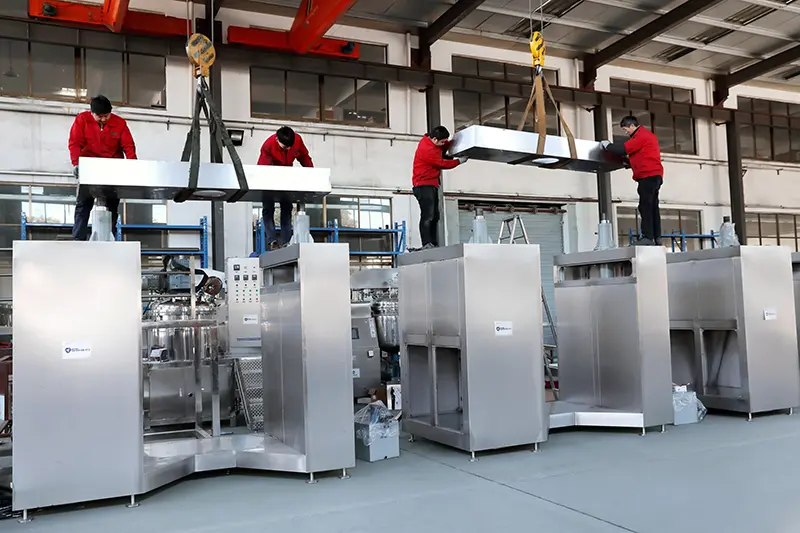
At SINAEKATO, we prioritize the philosophy that "Science and Technology are the primary productive forces." This continuous drive for R&D allows us to refine core processing technologies and supply lines. Every system undergoes extensive internal factory testing (FAT) before shipment to guarantee alignment with client goals.
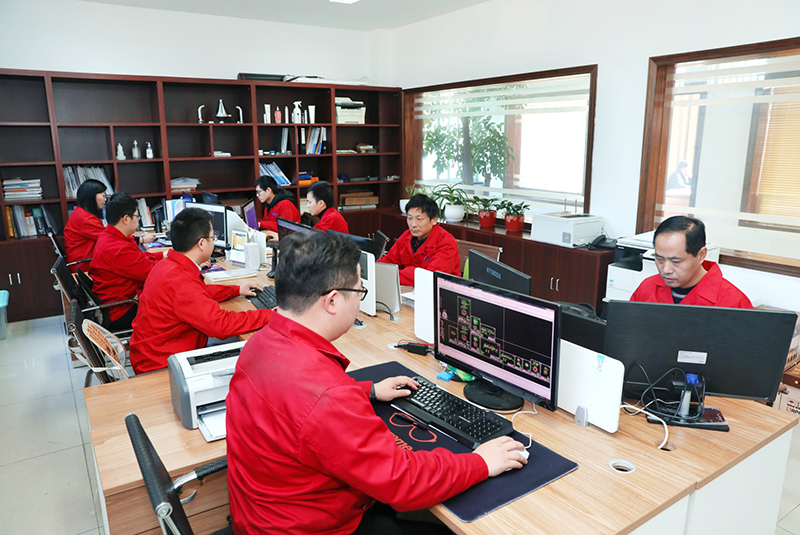
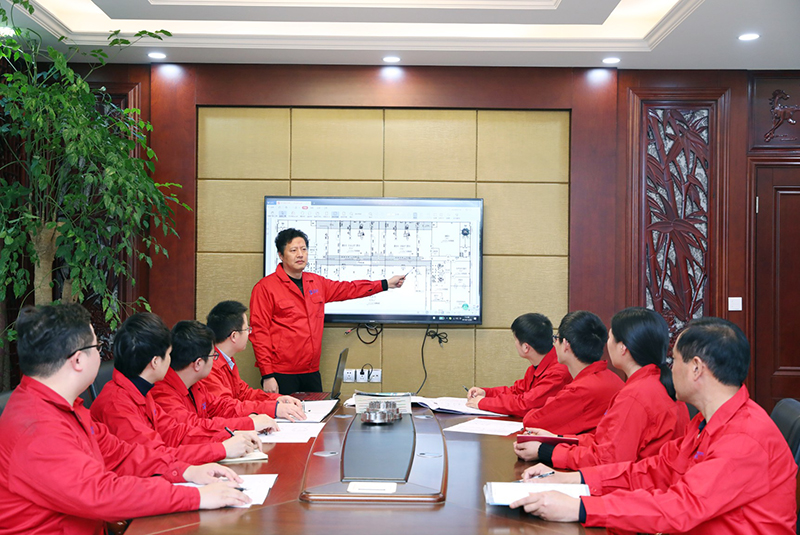
Procuring cosmetic processing equipment requires evaluating how individual units integrate with secondary lines. A fully functional system extends beyond basic filling. It coordinates raw material storage, water treatment, product homogenization, product transfer, coding, capping, and primary boxing.
Using a single OEM partner like SINAEKATO eliminates compatibility errors, reduces installation footprints, and simplifies maintenance protocols.
For decades, SINAEKATO has expanded its international footprint. Here is a summary of our developmental achievements, illustrating our manufacturing growth and technical depth.
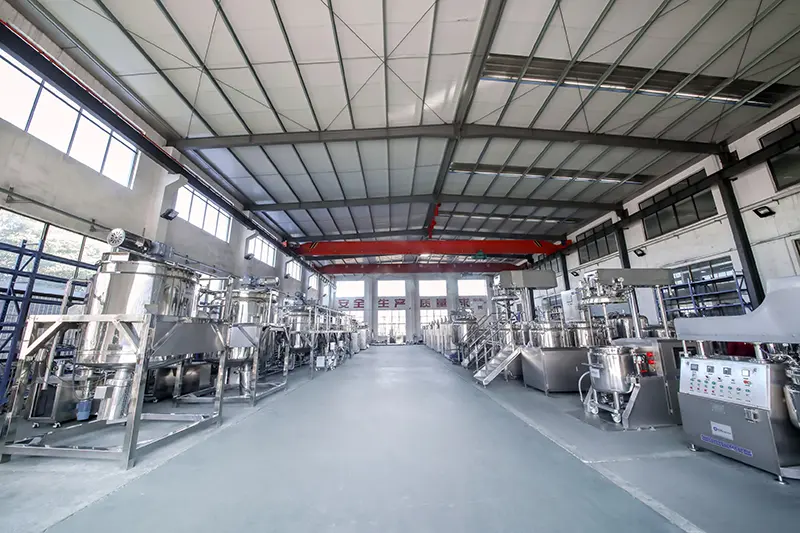
Engaged in the chemical machinery industry, building the foundation of our engineering team.
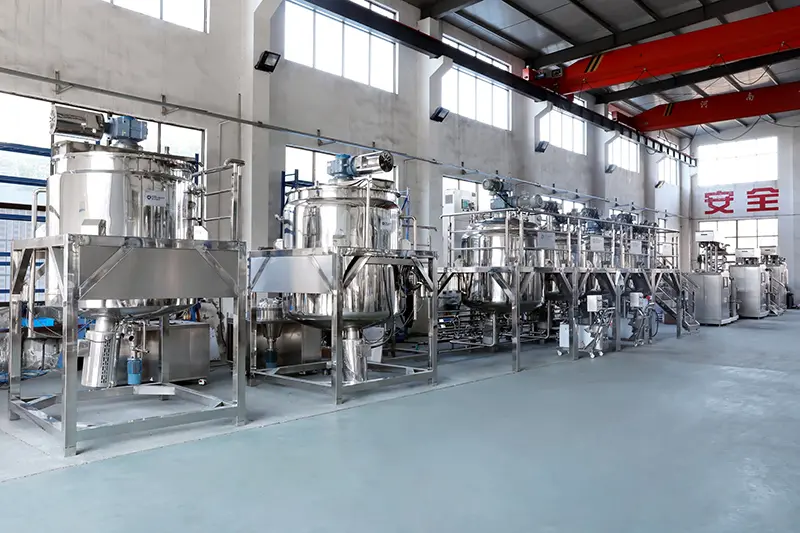
Guangzhou Sina Cosmetics Engineering Equipment Co., Ltd. was officially established.
Established Hong Kong Hantao International Investment Co., Ltd., expanding trade avenues.
Gaoyou Sina Chemical Machinery Equipment Factory was established; Guangzhou branch renamed.
Established Gaoyou Sina Light Industry Machinery Equipment Factory to scale production capacity.
Purchased 10,000 square meters of land in Gaoyou, initiating operation of the SINA EKATO CHEMICAL MACHINERY CO., LTD factory.
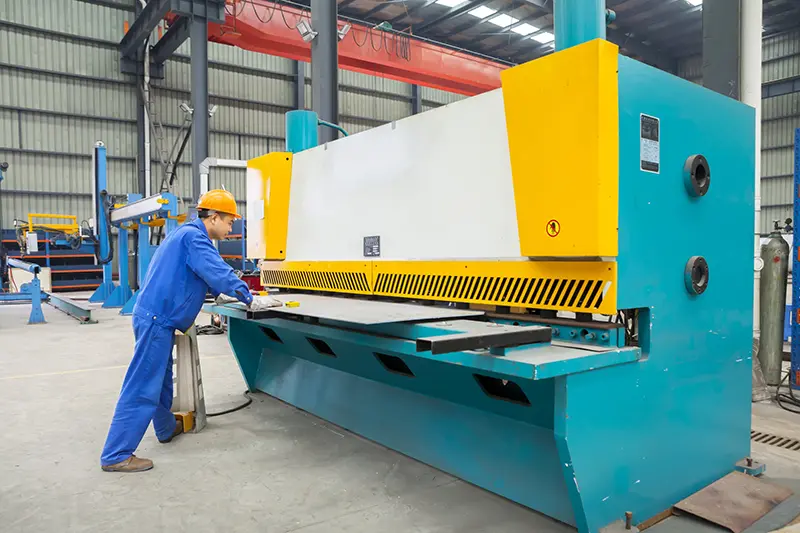
Established Yangzhou Hantao Chemical Machinery Co., Ltd. for focused parts assembly.
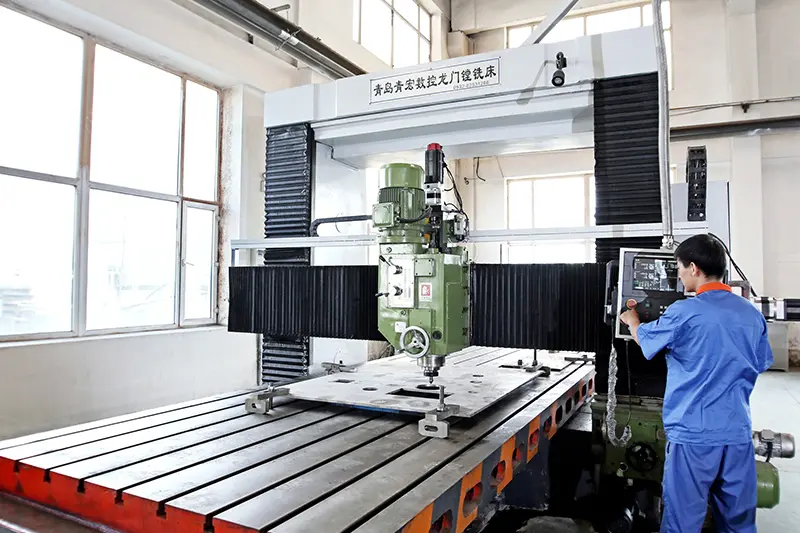
Acquired Guangzhou Jingcheng Machinery; built a large-scale machinery exhibition center for exports.
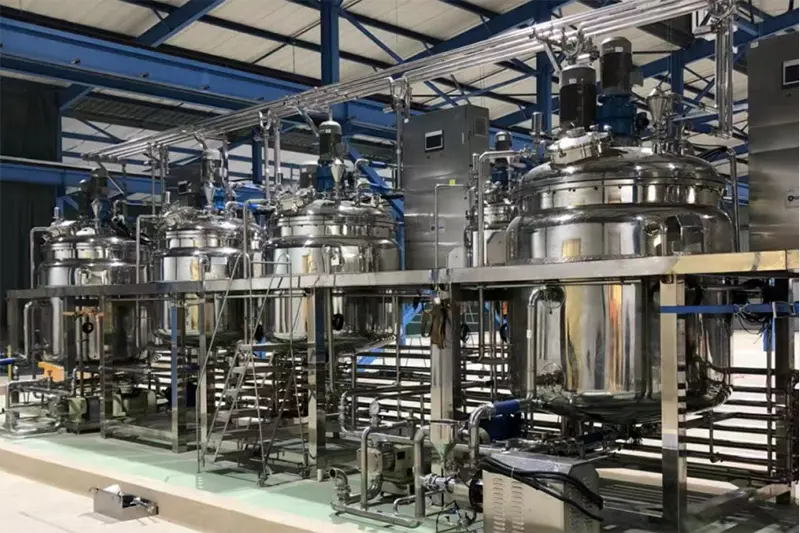
Guangzhou Sina Chemical Machinery renamed Guangzhou SINAEKATO Chemical Machinery Co., Ltd.
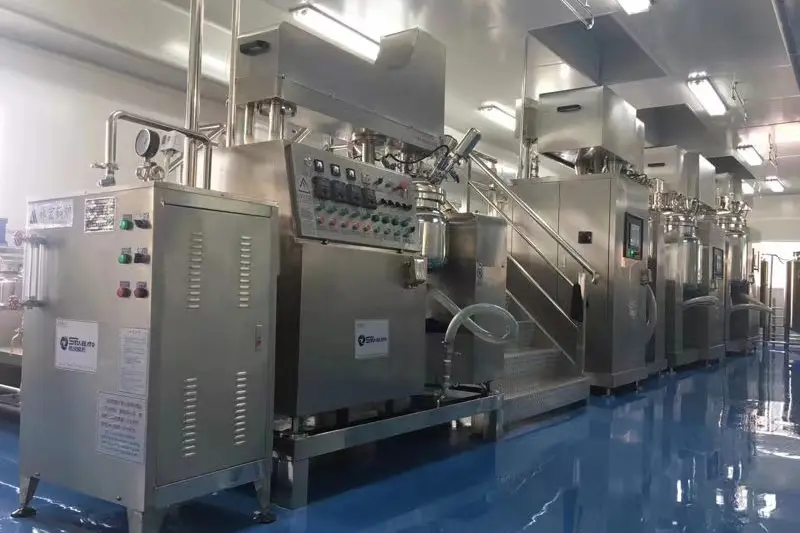
Acquisition of Guangzhou Suogao Machinery Equipment Co., Ltd. to secure specialized technology patents.
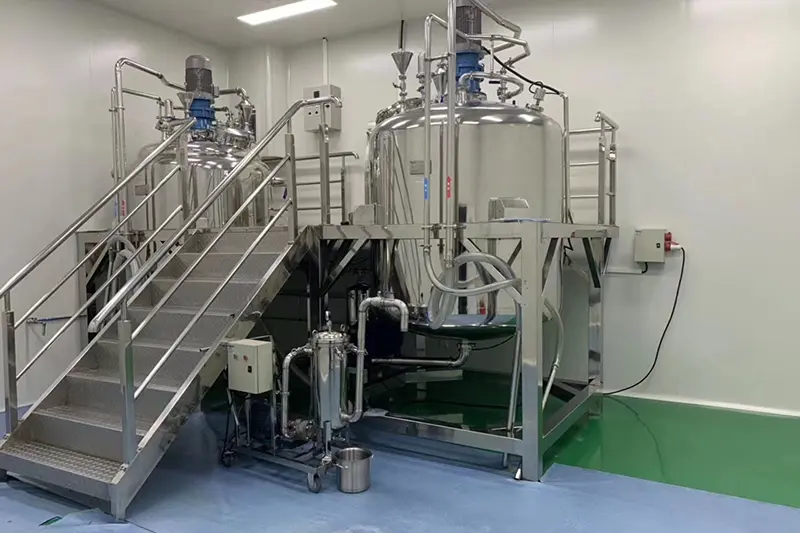
SINA EKATO in Gaoyou City established as the Production, Sales, and After-Sales head office.
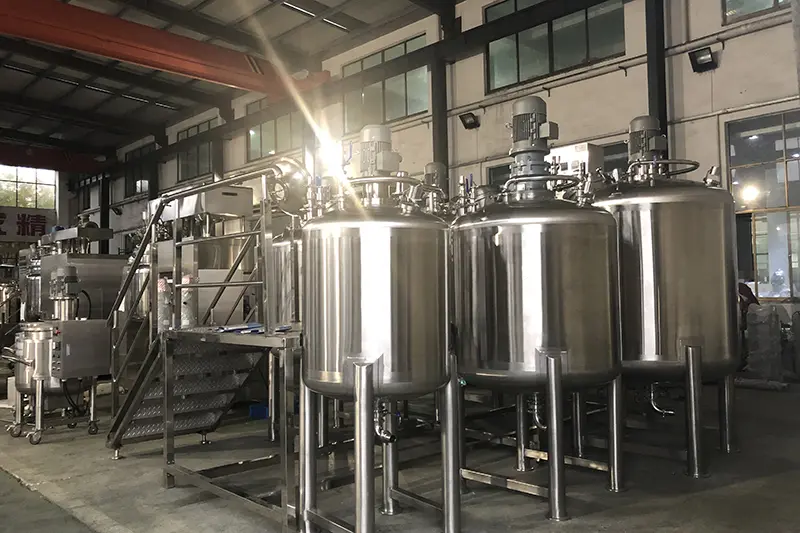
Established SINA EKATO Equipment (Jiangsu) Co., Ltd. to facilitate foreign trade partnerships.
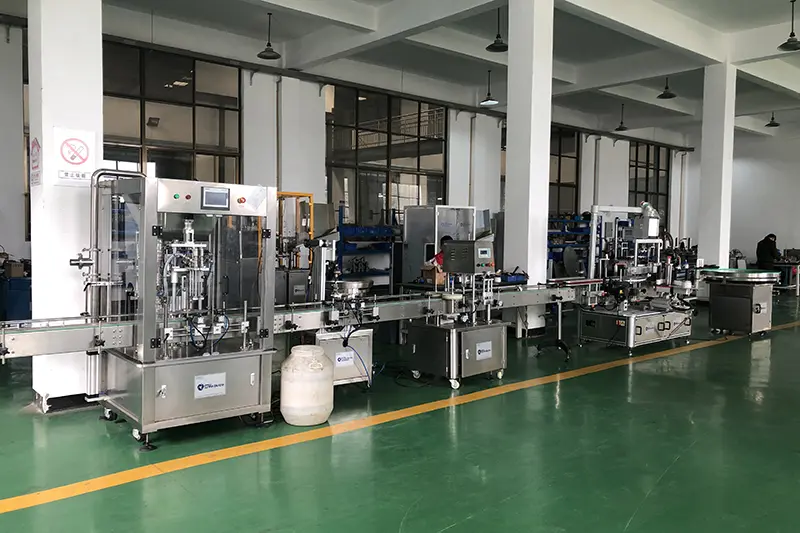
Partnered with FLEMAC in Europe to establish Germany SINAEKATO Group Co., Ltd.
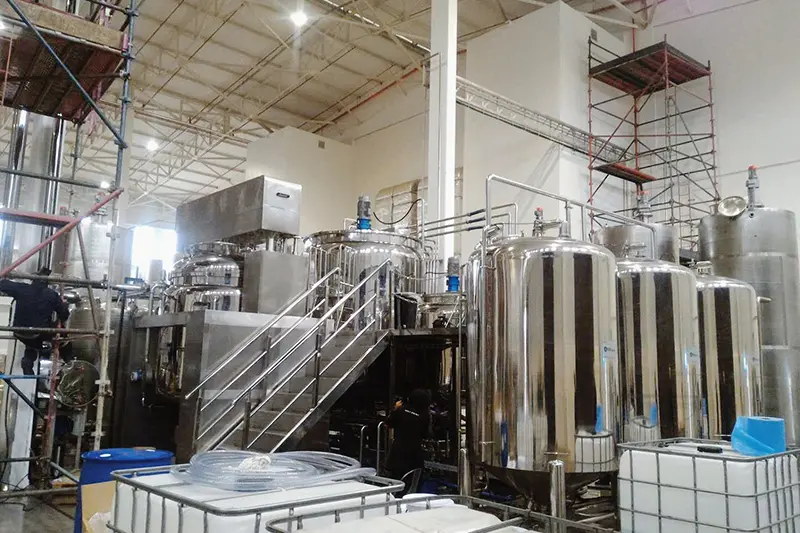
Cooperated with Unilever South Africa ($800k project) and Japanese SK-II Shiseido OEM ($1.5M project).
Secured and completed a major $1,000,000 detergent and liquid-washing line project for Japan.
Cosmetic factories are shifting toward Industry 4.0 configurations. Our engineering team is focusing R&D on three key automation areas:
CE Certification indicates compliance with EU safety, health, and environmental standards. For our automated filling and capping systems, it verifies adherence to the Machinery Directive (2006/42/EC), Low Voltage Directive (LVD 2014/35/EU), and Electromagnetic Compatibility Directive (EMC 2014/30/EU). This ensures low electrical risk, reliable emergency stopping, and appropriate shielding of components.
Our filling systems are configurable with volumetric piston pumps, rotary lobe pumps, or flow meters depending on the application. High-viscosity formulations, such as creams and gels, utilize a positive pressure feeder or double-jacketed hopper heating system to maintain flowability. Low-viscosity liquids utilize diving nozzles with bottom-up filling profiles to prevent aeration and foaming.
We utilize hysteresis magnetic clutches or servo-motor driven capping heads. Torque limits can be configured via the main HMI panel. When the system detects the target torque limit, the capping head disengages or reverses slightly. This protects delicate decorative caps from scuffing, cracking, or stripping threads.
Yes. Our modular control designs run on industrial communication protocols such as Profinet and EtherNet/IP. The PLC interface allows for seamless synchronization with upstream mixers and downstream labeling or carton packing machines, making it easy to fit into existing production lines.
We offer comprehensive validation support. Factory Acceptance Testing (FAT) is performed at our facility in Gaoyou City, and is documented via video or witnessed in person. Following delivery, our technical engineers provide onsite Site Acceptance Testing (SAT), alignment, and commissioning, as well as operator training.