In the modern landscape of high-precision chemical, cosmetic, food, and pharmaceutical processing, fluid logistics systems demand unwavering accuracy, cleanliness, and durability. Diagram pumps, commonly categorized in industry standards as diaphragm pumps, represent a key architectural component in positive displacement pump technologies. By utilizing a flexible membrane that oscillates to intake and discharge medium, these systems ensure zero fluid contamination. This makes them ideal for environments where physical contact with external mechanical gears or rotor components could compromise the integrity of high-purity chemicals or delicate organic products.
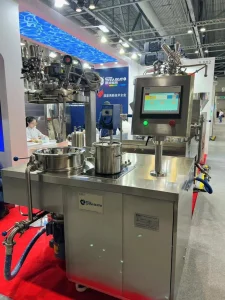
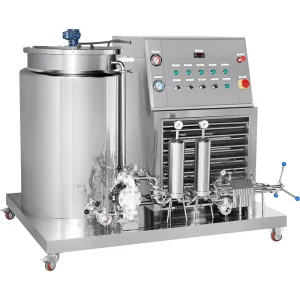
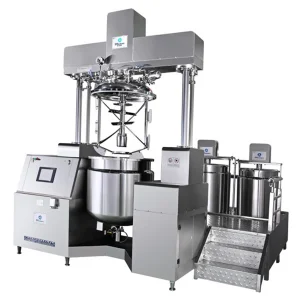
As a leading engineering hub, SINAEKATO designs vacuum homogenizers, high-shear mixers, and comprehensive chemical processing systems that inherently rely on premium-grade fluid delivery. High-quality diagram pumps serve as the heartbeat of these integrated networks, ensuring that high-viscosity pastes, shear-sensitive emulsions, and corrosive chemical agents are transferred smoothly across the production line without foaming, shearing, or temperature spikes.
Industry Insights: The integration of advanced fluid-handling technology in the cosmetics and food industries has evolved. Organizations are moving away from traditional mechanical seal pumps toward sanitary-designed, zero-leakage diagram pumps to achieve strict compliance with global sanitization benchmarks such as FDA, CGMP, and CE standards.
Globally, the commercial demand for sanitary processing lines has scaled drastically over the past decade. Manufacturers face dual pressures: optimizing processing yields while satisfying rigorous regulatory frameworks. The transition toward diagram pumps has accelerated because they eliminate dynamic seals—which are prone to leakage and harbor bacteriological growth.
Whether dealing with cosmetic emulsions (such as luxury creams and lotions produced by SINAEKATO homogenizers) or viscous food pastes, maintaining flow control under differing pressures is essential. Modern factories are investing in air-operated double diaphragm (AODD) systems and electrically operated variants to handle high dry-run capabilities, solid-handling capacity, and self-priming features.
Selecting a reliable supplier for diagram pumps requires deep expertise in material engineering. The chemical compatibility of the pump body (wetted parts) and the diaphragm material itself is crucial to preventing premature mechanical failure and batch contamination. Below is an overview of the materials commonly utilized in high-grade industrial processing lines:
| Pump Body Material | Diaphragm Elastomers | Best Suited Application | FDA/GMP Compliance Status |
|---|---|---|---|
| Stainless Steel 316L (SS316L) | PTFE (Teflon) | Corrosive chemicals, cosmetics, active ingredients | Fully Compliant (Highly Recommended) |
| Sanitary PP (Polypropylene) | Santoprene / EPDM | Industrial wash solutions, milder acids & bases | Standard Compliance |
| Hastelloy C | PTFE / Kalrez | Aggressive chemical synthesis, high-temperature fluids | Specialized Grade |
| Aluminum (Hard Anodized) | NBR (Nitrile) | Non-sanitary paint, solvents, oil-based slurries | Not Compliant (Industrial Use Only) |
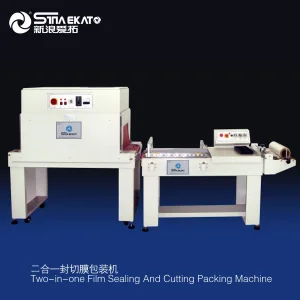
A diagram pump is never an island; it operates as the circulatory engine of a comprehensive manufacturing facility. To maximize processing efficiency, these pumps must be integrated with mixing, homogenization, filtration, and packaging systems.
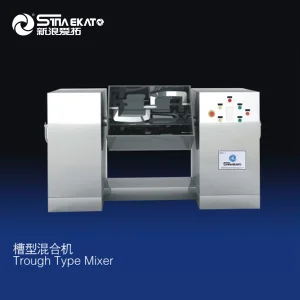
Precisely regulating raw material flow into high-shear mixers is necessary to maintain standard droplet sizes. Diagram pumps supply consistent pressure without introducing air pockets.
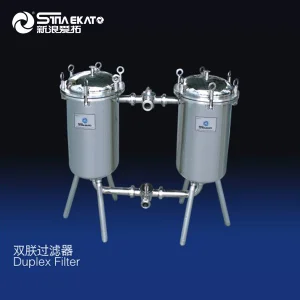
Maintaining a steady, non-pulsating flow through duplex bag filters and cartridge systems is critical to prevent clogging and filter rupturing during cosmetic purification processes.
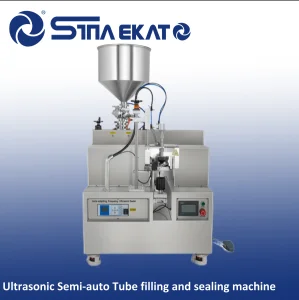
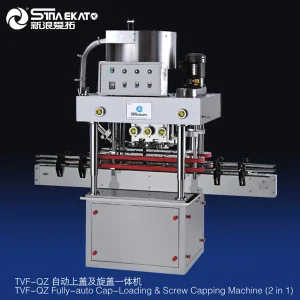
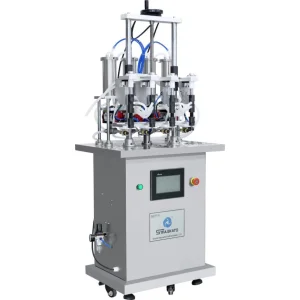
Pumps feed bulk tanks that supply multi-nozzle automatic liquid and tube filling machines. Controlled pressure ensures accurate volumetric dosages down to the milliliter.
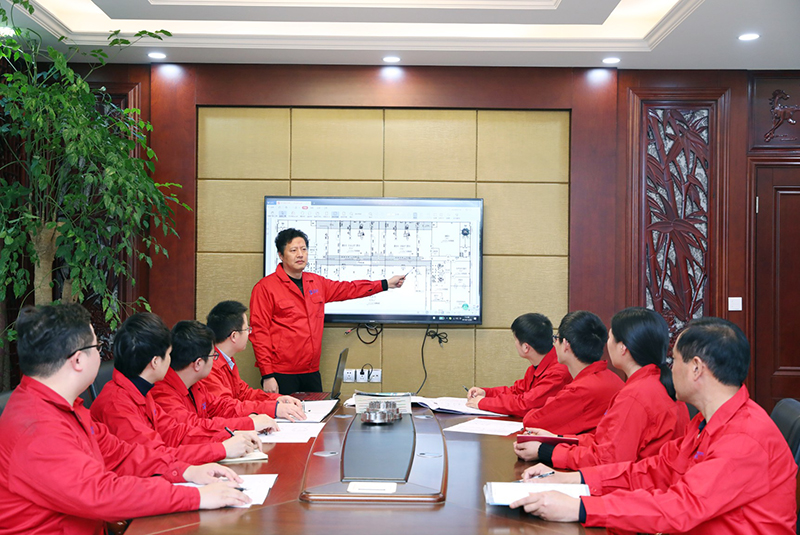
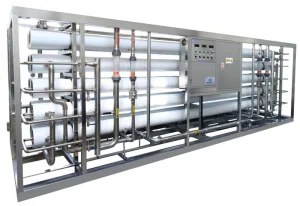
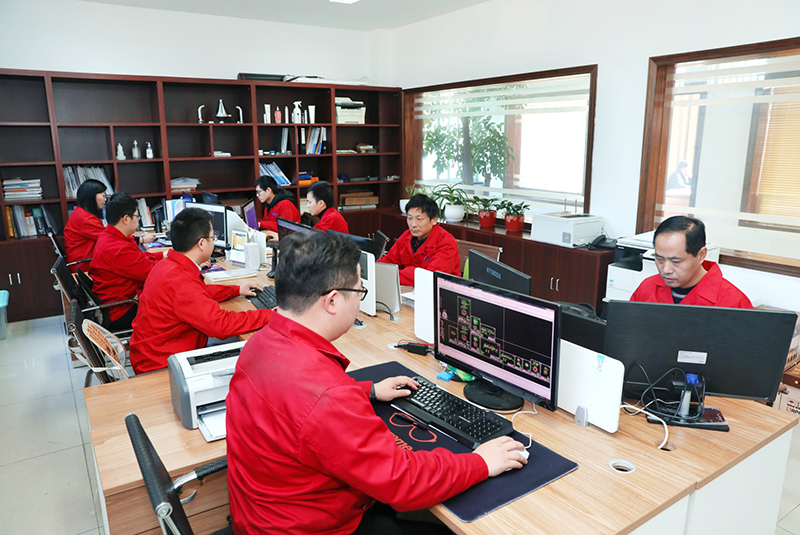
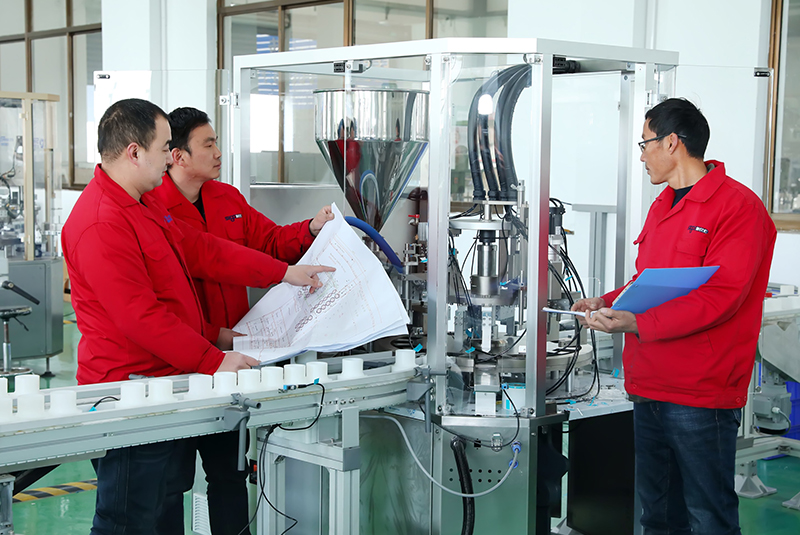
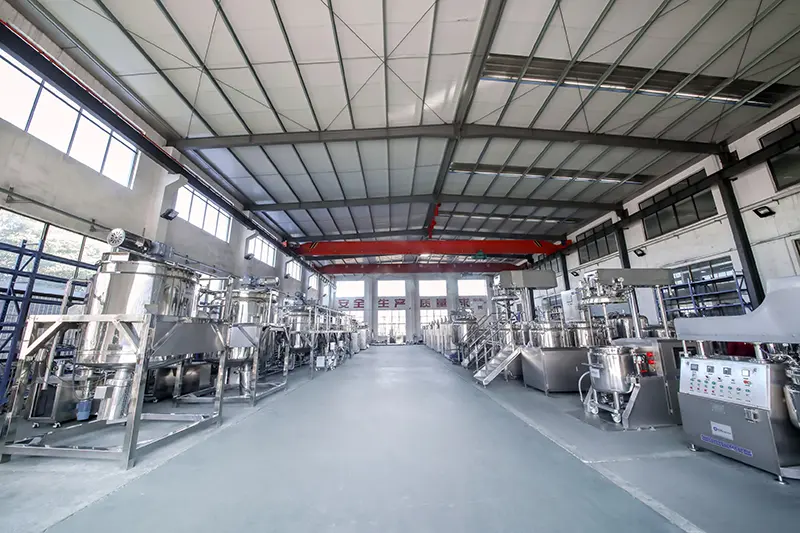
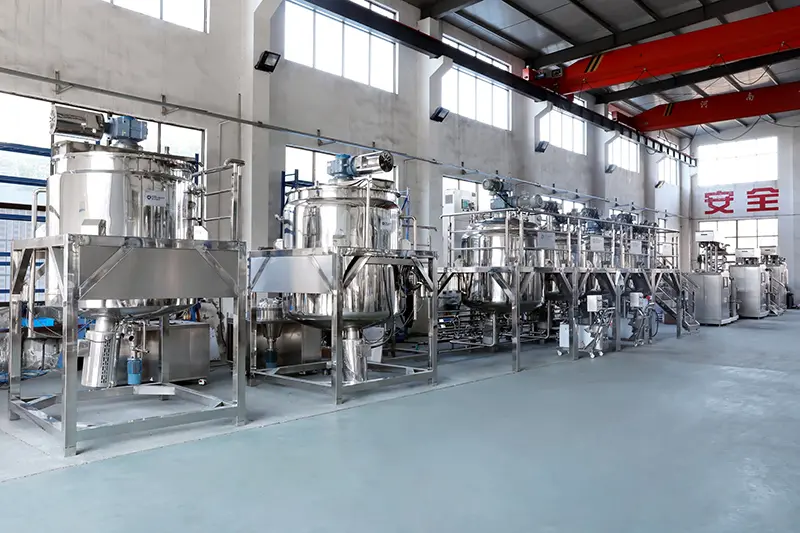
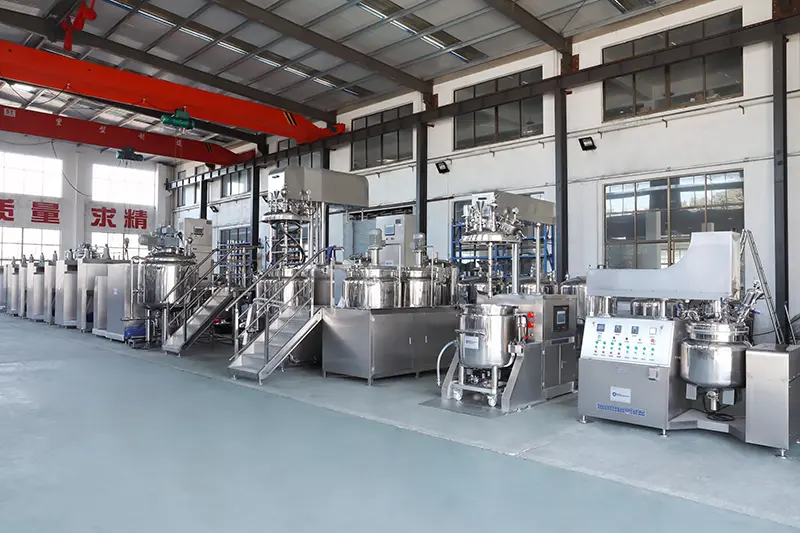
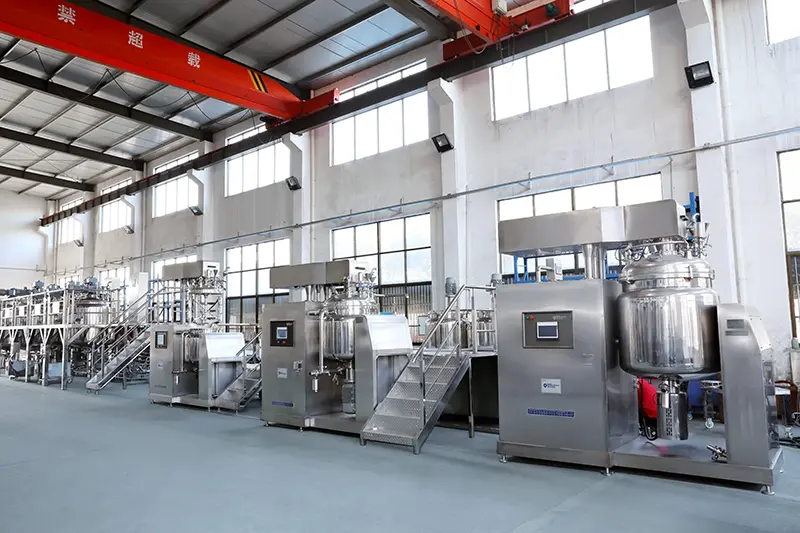
SINAEKATO, one of China’s leading machinery brands, was born in 1992. Over three decades of experience has yielded a rich history of designing and manufacturing vacuum emulsifying mixers, liquid-washing homogenizer mixers, perfume chiller production lines, toothpaste production mixers, fully-automatic and semi-automatic filling machines, storage tanks, RO water treatment series, labeling machines, and packaging machines. We provide a comprehensive, one-stop machinery solution for the skincare, cosmetics, pharmaceutical, and food industries.
On a global scale, SINAEKATO operates in nearly 55 countries, employing approximately 150 specialists in our Chinese manufacturing facilities and an international team of 10 staff members abroad. Our technical expertise in mixing systems, emulsifying/homogenizing equipment, and complete filling lines is internationally recognized.
Why Partner With SINAEKATO: Science and technology are primary productive forces and represent the core competitiveness of enterprises. We continuously strengthen our R&D and innovative core technologies, striving for excellence. Our advanced production equipment, strict quality management, and precise production testing processes guarantee the performance of every product.
To ensure the reliability of our complex machinery setups, 80% of our main machine components are sourced from the world's most renowned suppliers. Through decades of collaboration, we have accumulated valuable engineering experience, allowing us to offer customers durable equipment alongside efficient system guarantees.
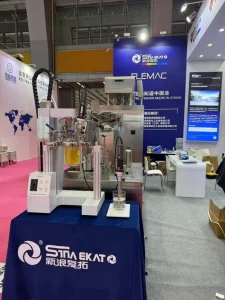
We hold a long-standing commitment to the society in which we operate. SINA EKATO aims to develop under the motto "LET THE WORLD KNOW MADE IN CHINA," supplying high-performance machinery and services worldwide. This commitment to the communities in which we operate reflects our belief that a corporation must be an active global citizen—contributing time, engineering skills, and financial support.
Our efforts and performance are recognized by clients globally. Stable, Reliable, Precise, and Intelligent—these are the baseline criteria for every machine that rolls off our production line. Choosing SINAEKATO means choosing professional technical support and dependable after-sales service. Step by step, we build the future of processing engineering.
First engaged in the chemical machinery industry, establishing our foundational technical skills.
Guangzhou Sina Cosmetics Engineering Equipment Co., Ltd. was officially established.
Established Hong Kong Hantao International Investment Co., Ltd. to coordinate international growth.
Gaoyou Sina Chemical Machinery Equipment Factory was established; Guangzhou Sina Cosmetics Engineering Equipment was renamed Guangzhou Sina Chemical Machinery Co., Ltd.
Established Gaoyou Sina Light Industry Machinery Equipment Factory to scale production capacity.
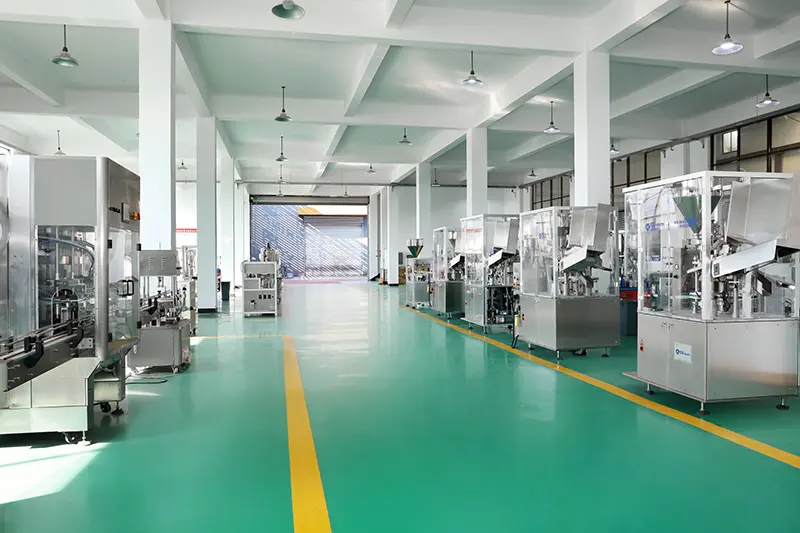
Purchased 10,000 square meters of land in Gaoyou. The new processing plant, SINA EKATO CHEMICAL MACHINERY CO., LTD (GAOYOU CITY), was commissioned.
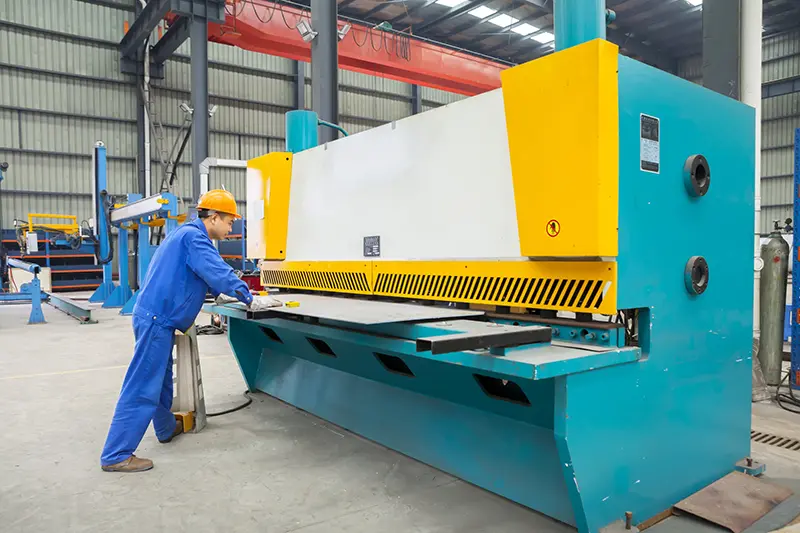
Established Yangzhou Hantao Chemical Machinery Co., Ltd. to optimize regional logistics.
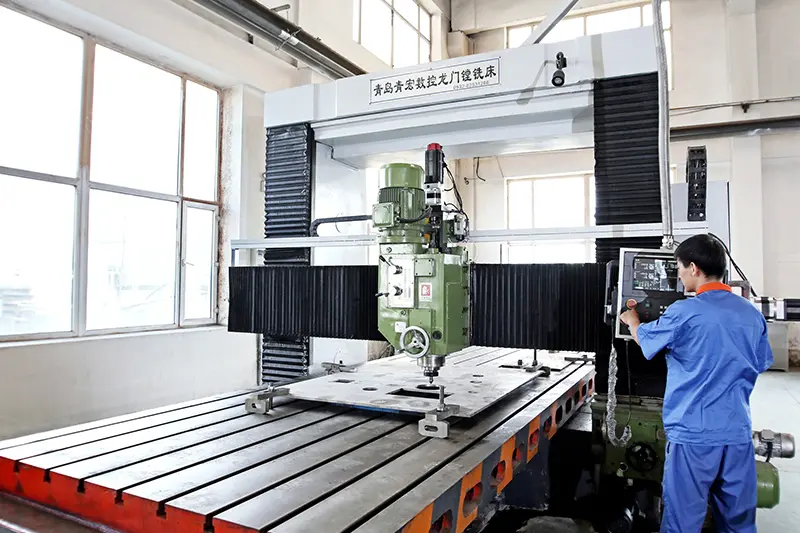
Acquired Guangzhou Jingcheng Machinery, established a large exhibition center, and launched global export routes.
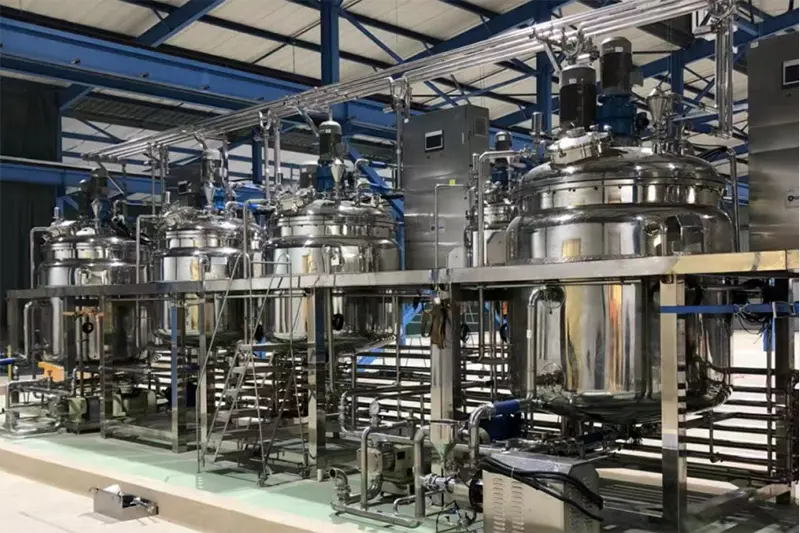
Guangzhou Sina Chemical Machinery Co., Ltd. was officially renamed Guangzhou SINAEKATO Chemical Machinery Co., Ltd.
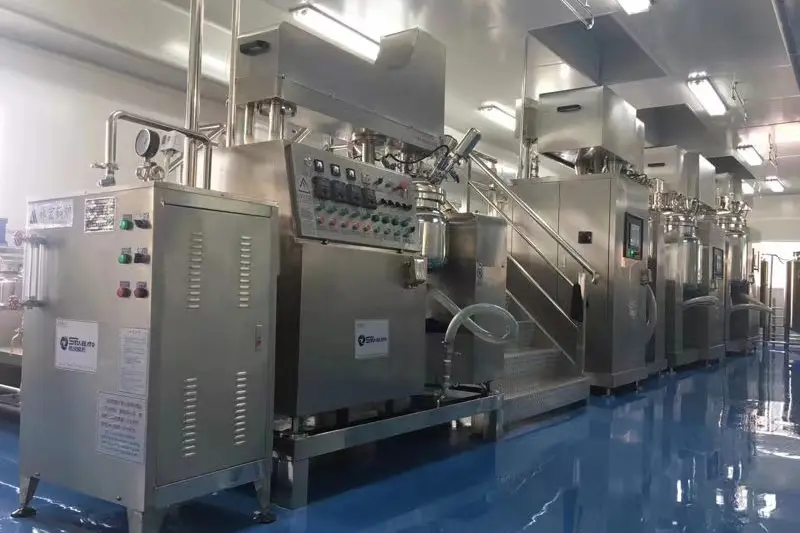
Acquired Guangzhou Suogao Machinery Equipment Co., Ltd. to consolidate market presence.
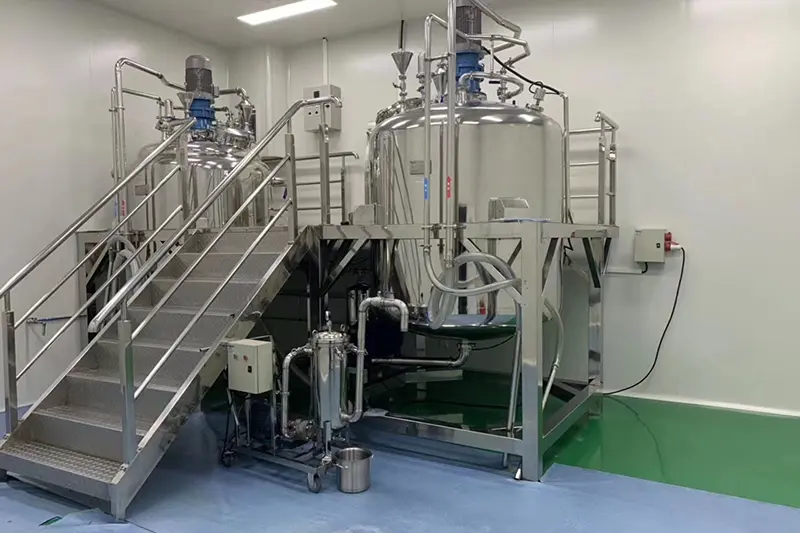
SINA EKATO CHEMICAL MACHINERY CO., LTD (GAOYOU CITY) designated as Production, Sale & After-sale headquarters.
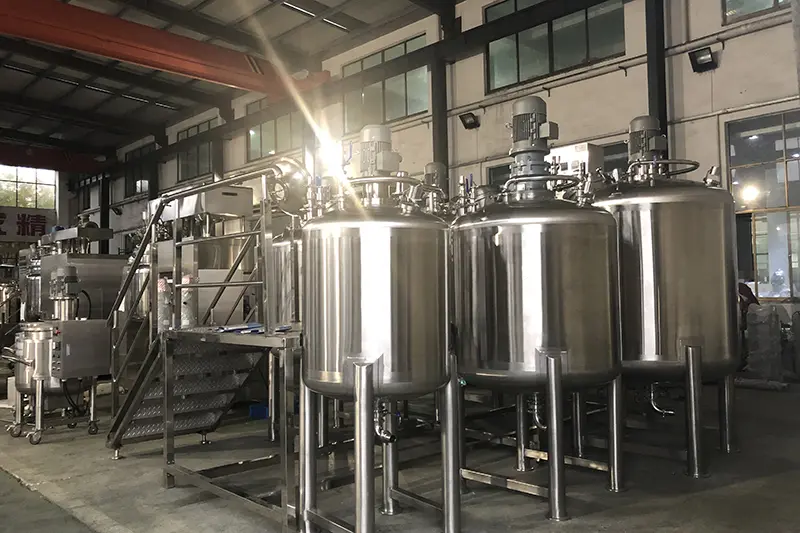
Established SINA EKATO Equipment (Jiangsu) Co., Ltd. to foster foreign technology partnerships.
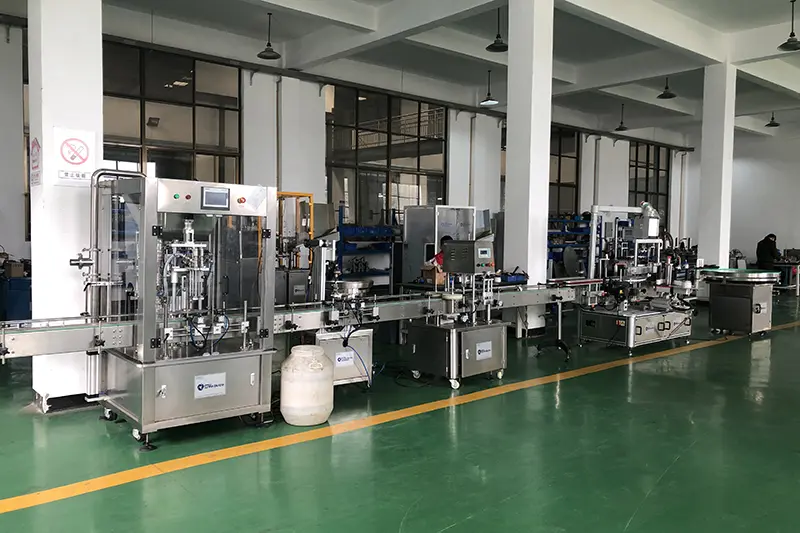
Partnered with Europe-FLEMAC to establish Germany SINAEKATO Group Co., Ltd.
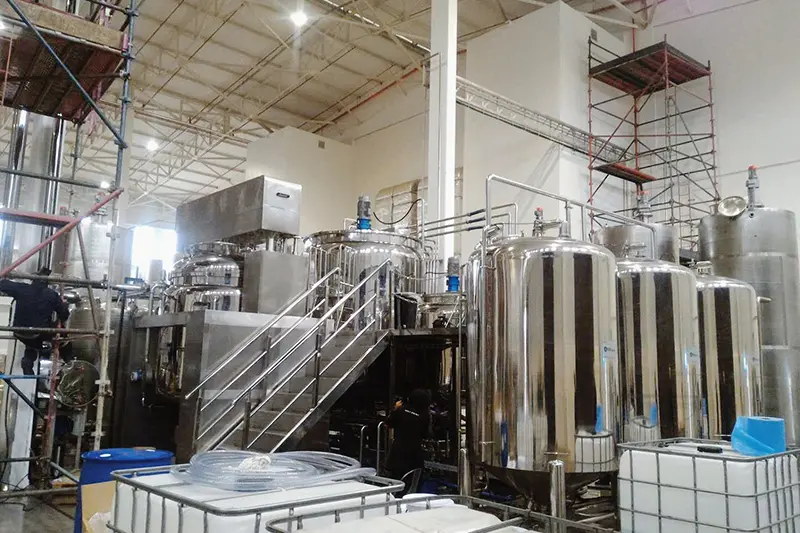
Secured $800,000 project with Unilever South Africa, and a $1,500,000 cosmetic production project with a major Japanese OEM manufacturer (SK-II & Shiseido lines).
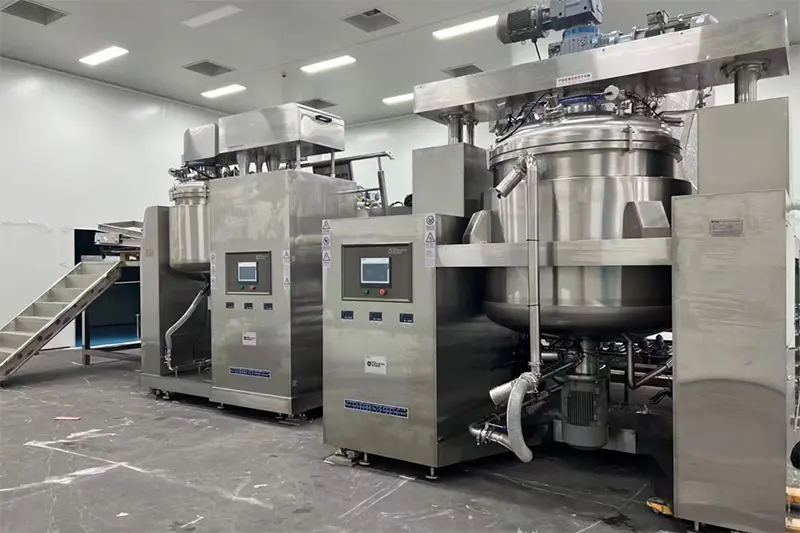
Secured a $1,000,000 contract for Japanese detergent liquid-washing lines, expanding automated surfactant mixing solutions.
In high-stakes industrial processing, mechanical downtime can disrupt supply chains. Establishing robust local engineering support and maintaining compliance with regional regulatory standards is non-negotiable for large-scale operations. When integrating diagram pumping components or large-scale emulsification installations, local field engineers ensure that your equipment adheres to local electrical codes (such as NEC, IEC, and UL listing criteria) and regional environmental protection mandates.
SINAEKATO meets these international standards by utilizing verified materials, conducting pressure-integrity testing, and offering documented validation protocols. Our engineering services cover the entire equipment lifecycle: from the initial design phase (DQ) and installation qualification (IQ) to operational qualification (OQ) and performance qualification (PQ) support.
Understanding local deployment challenges is key. For example, processing facilities located in high-temperature or high-humidity regions require custom motor cooling assemblies and moisture-resistant control units. Our diagram pump assemblies feature optional pneumatic air prep units to remove local moisture from supply air, preventing freeze-up issues and seal decay.
Preventative maintenance is critical. Implementing scheduled diaphragm replacement protocols based on runtime hours prevents unexpected ruptures. High-durability systems also incorporate leak-detection sensors that monitor the air exhaust chamber. This prevents cross-contamination and ensures the safety of the operating area.
The industrial fluid processing market is undergoing a transition driven by digitalization and Industry 4.0 standards. SINAEKATO is leading this transition by exploring smart-sensor technologies, integrated IoT monitoring systems, and highly efficient flow-control solutions.
Our vision for next-generation processing lines includes the integration of smart flow control systems, predictive diagnostics, and reduced air consumption. Advanced sensors will track physical parameters—such as pump pulsation, flow fluctuations, and temperature variations—allowing operators to monitor system health through touch-screen control panels.
Real-time diaphragm health monitoring checks for micro-fissures, allowing operators to schedule maintenance before structural failure occurs.
Optimizing air valves and pilot designs reduces air consumption in AODD systems, lowering energy costs in large production plants.
We are developing PFAS-free elastomer diaphragms that match the chemical resistance and lifespan of PTFE, meeting updated environmental criteria.
 Sina Ekato