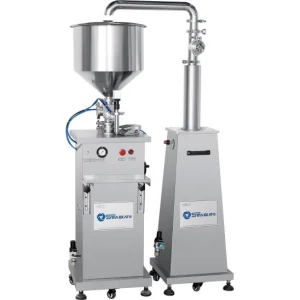
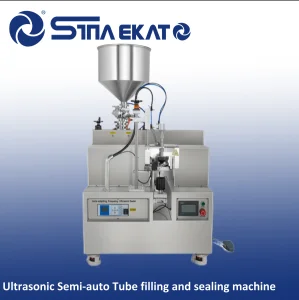
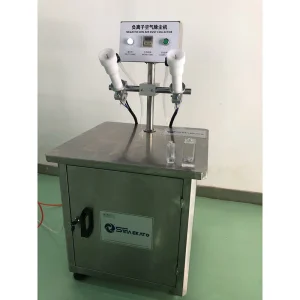
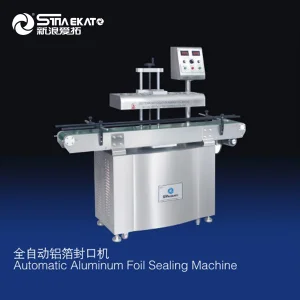
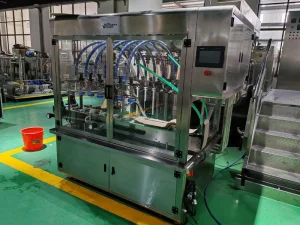
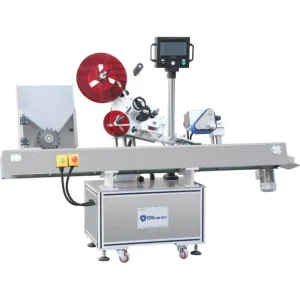
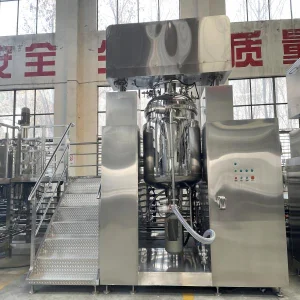
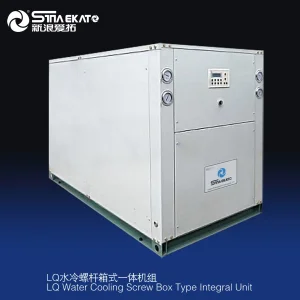
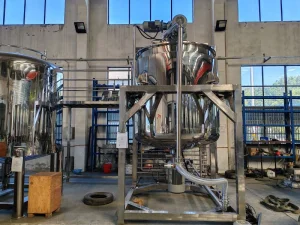
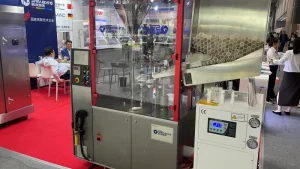
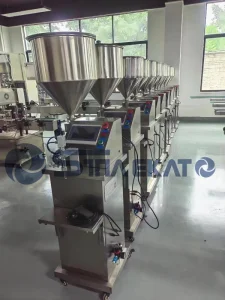
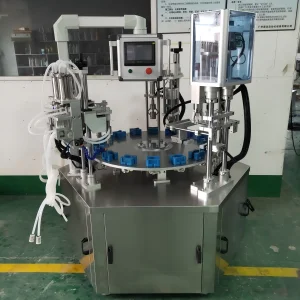
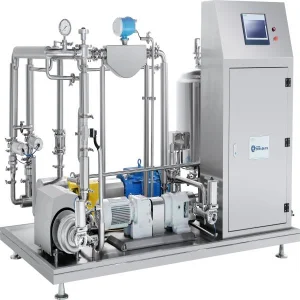
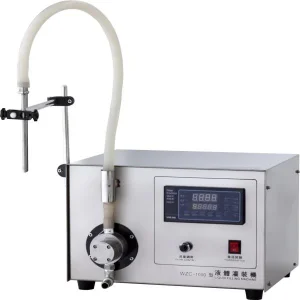
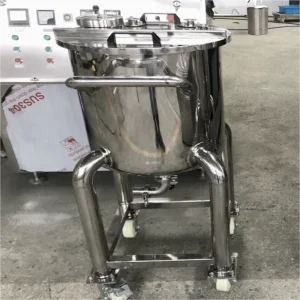
Featured manufacturing equipment, semi-automatic fillers, high shear emulsification units, and process optimization components designed by industry leaders.
Analyzing the evolution of mixing technology within modern chemical processing plants and detergent manufacturing lines.
In the contemporary FMCG (Fast-Moving Consumer Goods) landscape, the demand for highly stable, homogeneous, and cost-effective liquid formulations has transformed industrial mixing technologies. The production of liquid laundry detergents, liquid hand soaps, and industrial-grade surfactants requires an advanced mechanical approach. Standard agitation processes no longer suffice. Incorporating high-viscosity surfactants (such as AES/SLES) and unstable active ingredients demands state-of-the-art High Shear Homogenizing Mixers.
Modern plants must ensure consistent particle size reduction down to sub-micron ranges. This control stabilizes formulations against phase separation, sedimentation, and discoloration over extended shelf lives. This technical paper details the structural and mechanical methodologies of SINAEKATO, a leading chemical machinery manufacturer founded in 1992, highlighting their customized homogenizer production lines.
Evaluating regional manufacturing shifts, localized operational scenarios, and custom engineering adaptations.
The global demand for concentrated liquid detergents has escalated by over 40% in Western and Asian markets. This shift requires high shear mixers that handle higher viscosity ranges while reducing water and energy footprints in the processing line.
In developing markets like the Middle East and Africa, robust batch mixers with manual/semi-automatic operations are favored to combat voltage instability. In contrast, European manufacturers require complete Industry 4.0 IoT compliance with automated PLC controls.
Sinaekato utilizes China's integrated supply chain ecosystem in Gaoyou City. Sourcing up to 80% of main machinery parts from leading global suppliers allows us to construct high-performance machines with a significant cost advantage.
Understanding rotor-stator design, mechanical shear rates, and physical emulsification mechanics.
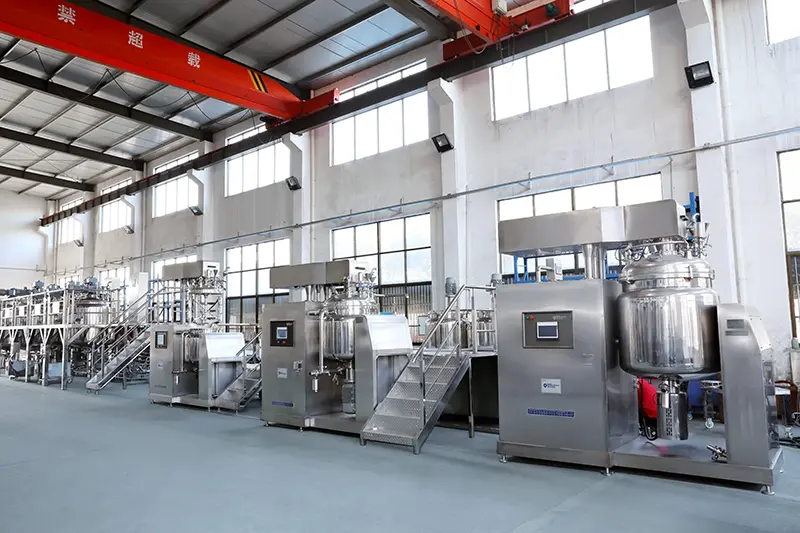
In a standard liquid-washing mixer, simple paddle agitators only distribute ingredients macroscopically. When introducing thickeners, surfactants, or functional oils, high-shear force is necessary to break down phase boundaries. SINA EKATO's high shear homogenizing mixers run at speeds ranging from 0 to 3000 RPM (regulated via Variable Frequency Drives). They draw the immiscible raw phases through micro-gaps within the rotor-stator tooling head, resulting in rapid micro-cavitation.
Tracing the evolution and growth of SINAEKATO over three decades of mechanical engineering history.
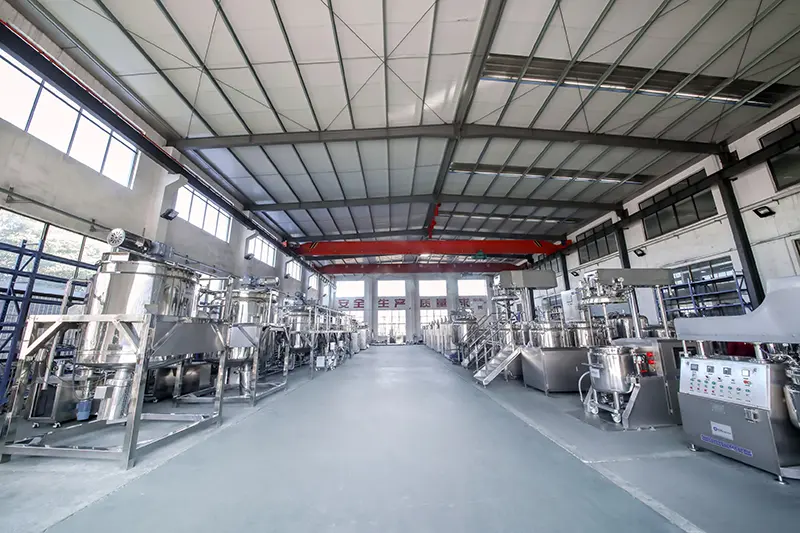
Formally engaged in the research, design, and manufacturing of chemical machinery.
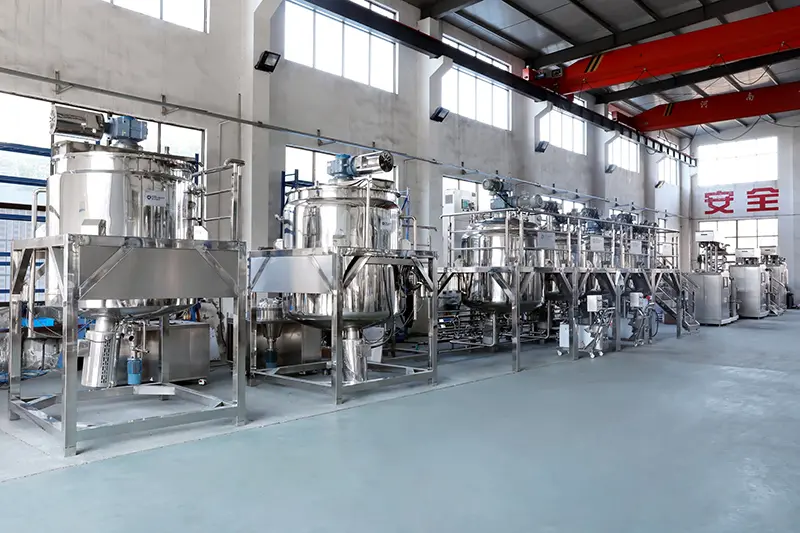
Guangzhou Sina Cosmetics Engineering Equipment Co., Ltd. was established to serve cosmetic brands.
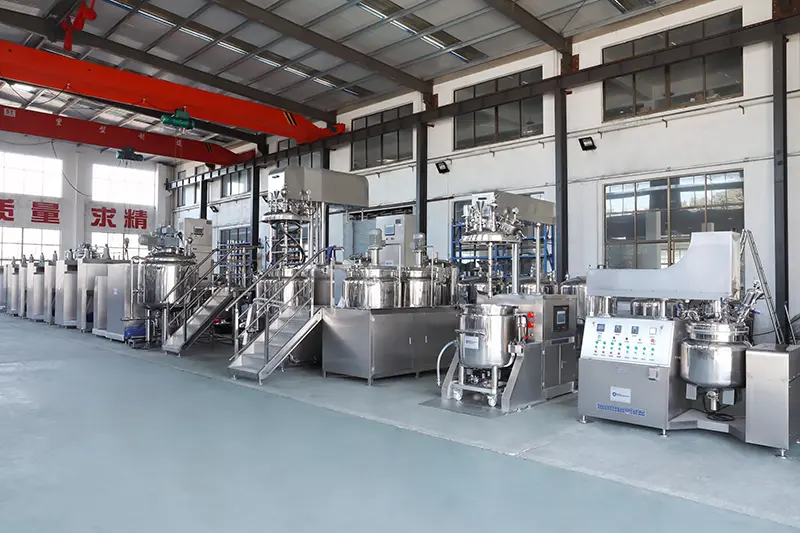
Established Hong Kong Hantao International Investment Co., Ltd. for global expansion.
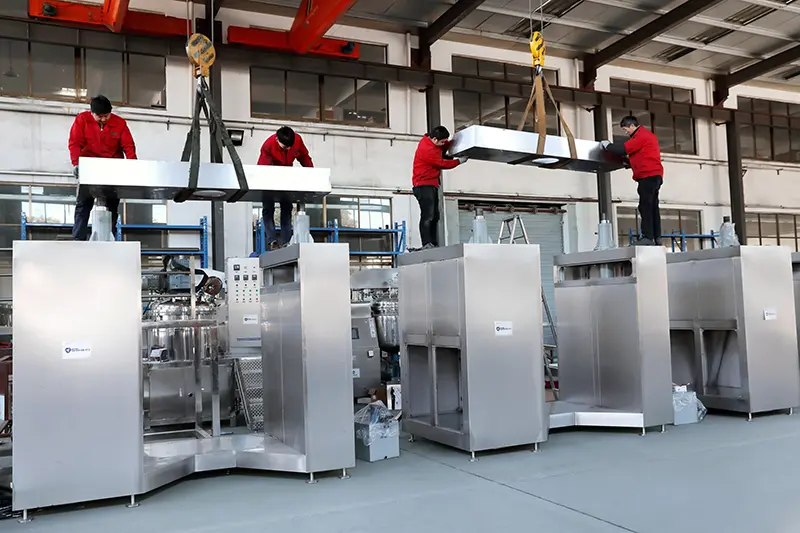
Gaoyou Sina Chemical Machinery Equipment Factory was established, scaling manufacturing space.
Established Gaoyou Sina Light Industry Machinery Equipment Factory to expand light industry production lines.
Purchased 10,000 square meters of industrial land in Gaoyou; SINA EKATO CHEMICAL MACHINERY CO., LTD was put into operation.
Established Yangzhou Hantao Chemical Machinery Co., Ltd. for enhanced manufacturing output.
Acquired Guangzhou Jingcheng Machinery and launched international export routes.
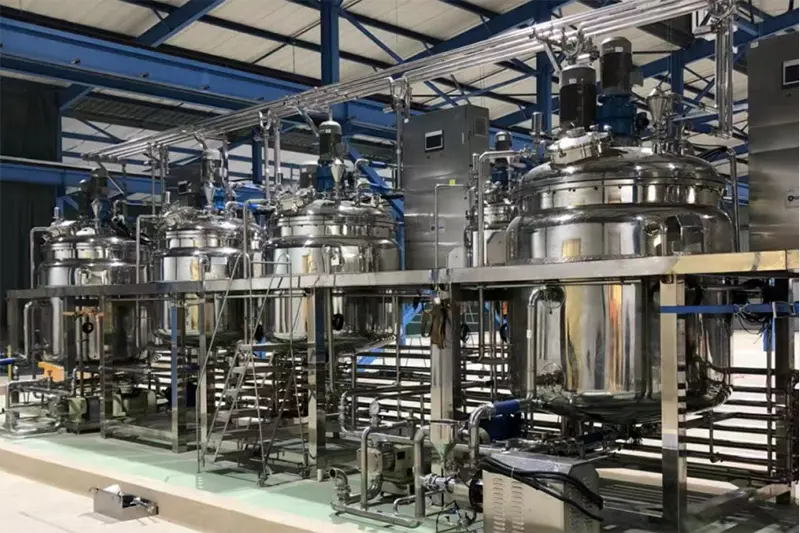
Original Guangzhou Sina Chemical Machinery renamed Guangzhou SINAEKATO Chemical Machinery Co., Ltd.
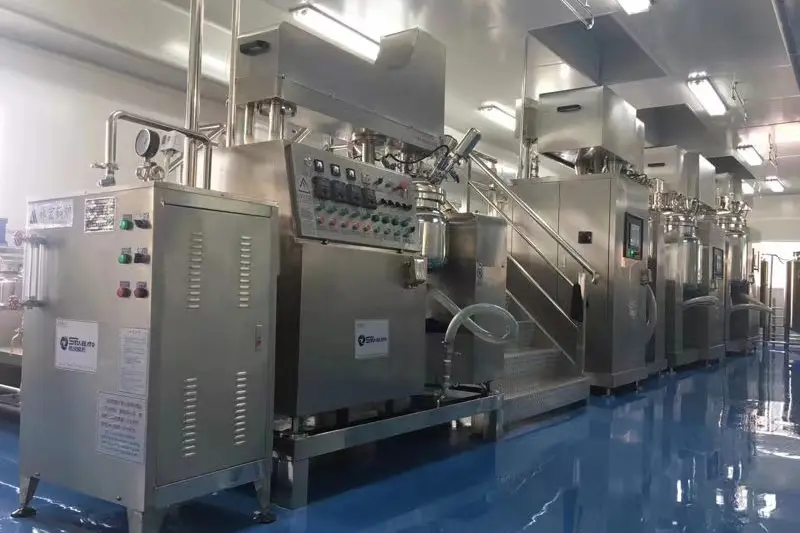
Acquisition of Guangzhou Suogao Machinery Equipment Co., Ltd., expanding structural capabilities.
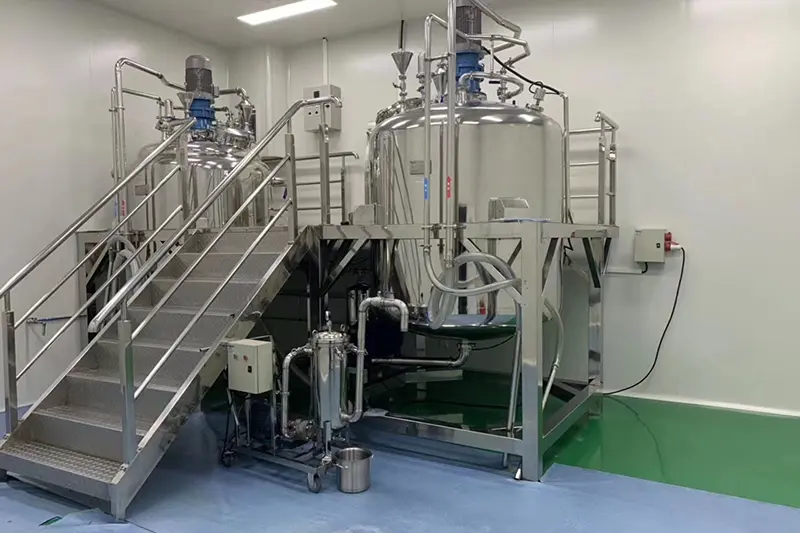
SINA EKATO (Gaoyou City) established as headquarter for production, global sales, and after-sale service.
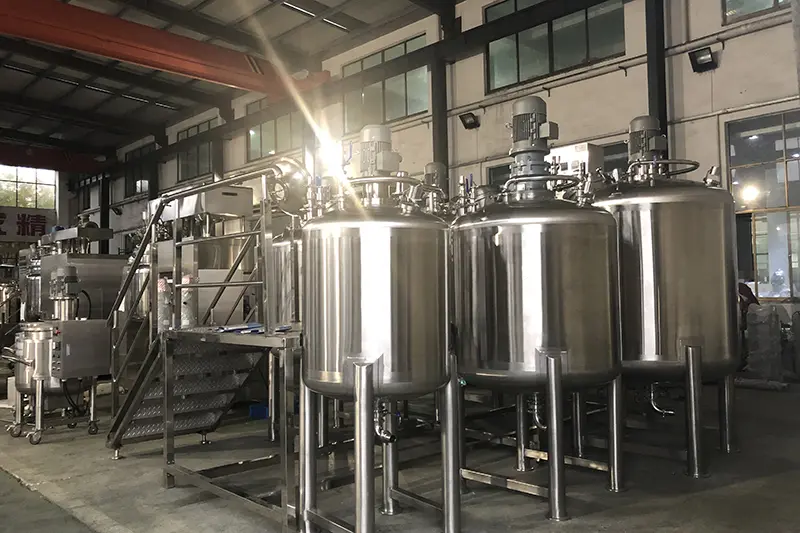
Established SINA EKATO Equipment (Jiangsu) Co., Ltd. for specialized foreign project collaborations.
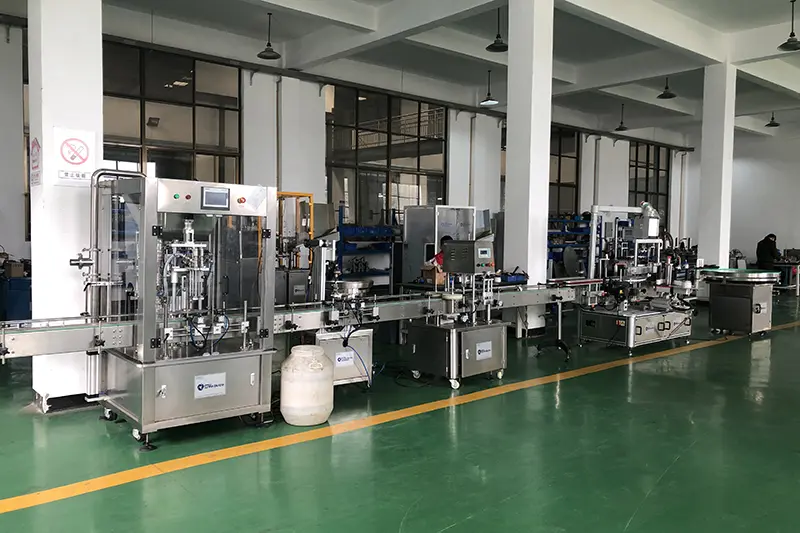
Partnered with European specialist FLEMAC to establish Germany SINAEKATO Group Co., Ltd.
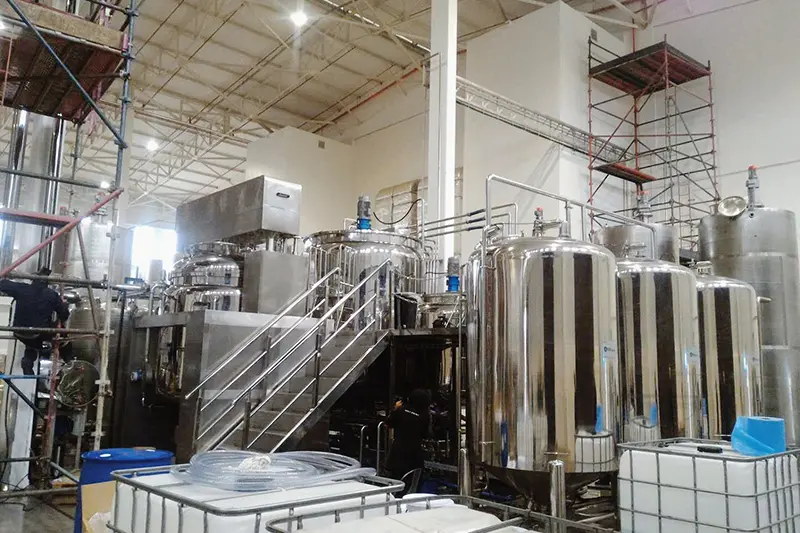
Supplied a $800k cosmetics project for Unilever South Africa and a $1.5M line for Japan SK-II Shiseido OEM.
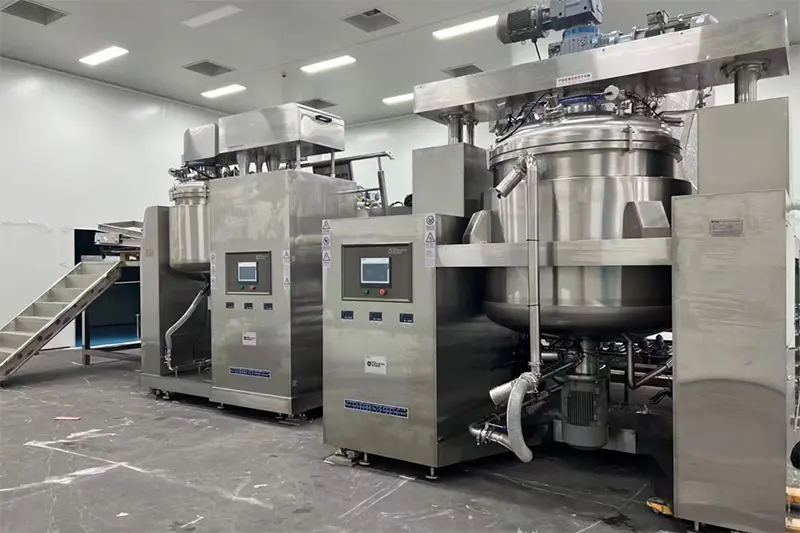
Completed a $1,000,000 liquid washing and detergent manufacturing equipment project for a Japanese firm.
Key metrics and structural considerations when purchasing industrial-scale homogenizing and mixing equipment.
Detergent making machinery and high shear homogenizers must utilize premium SUS304 and SUS316L stainless steel. This prevents corrosion from acidic surfactants and chlorine-bearing compounds. Internal surfaces should feature a mirror finish under 0.4μm for rapid CIP (Clean-In-Place) actions.
Rotor shafts running above 2,500 RPM generate substantial friction heat. Modern homogenizers should integrate double-end mechanical water cooling systems. This design prolongs seal lifetimes, eliminates thermal expansion failures, and isolates products from external lubricants.
To reduce maintenance complexity, verify that the equipment's core automation components conform to local safety certifications (CE, UL, CSA). SINA EKATO integrates SIEMENS touch-screen HMI systems, ABB variable frequency controllers, and Omron monitoring instruments.
Addressing the critical technical challenges faced by plant engineers and procurement managers globally.
Top homogenizers are mounted through the upper vessel cover. They are ideal for high-viscosity creams or cosmetic pastes as they utilize auxiliary scrapers to guide materials down into the shear zone. Bottom homogenizers are located at the base of the tank, where they receive the full gravity of the product. This layout is efficient for lighter liquid detergents, allowing for rapid batch circulation and direct bottom discharge.
Normally, dissolving AES/SLES in water is a slow, batch-limiting process that generates substantial foam. We design high-efficiency inline dilution loops (including our patented AES online dilution system) that mix the high-viscosity surfactant with water under precise pressure differentials. This prevents gel formation and air entrapment, shortening processing cycles by up to 65%.
High-speed mixing often entrains air into the fluid, causing oxidation and microbial contamination while limiting shelf stability. A vacuum emulsifying mixer seals the tank and draws a vacuum of up to -0.09 Mpa. This pulls out micro-bubbles before they are trapped, producing a dense, clear, and stable formulation.
Yes. For lines producing hand sanitizers with high alcohol content or flammable ingredients, we supply complete explosion-proof (EX-proof) setups. This includes Ex-d motors, explosion-proof control panels, anti-static seals, and physical barrier enclosures, complying with global ATEX or UL safety parameters.
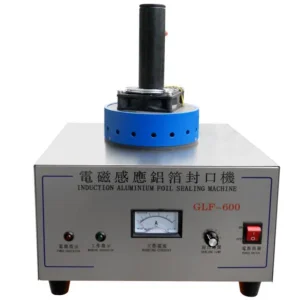
Integrate your production lines with compatible cooling towers, storage tanks, and high-efficiency induction sealers.
 Sina Ekato