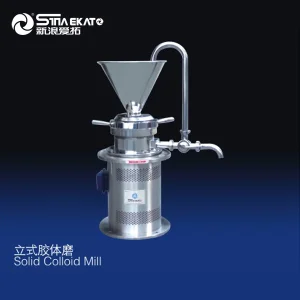
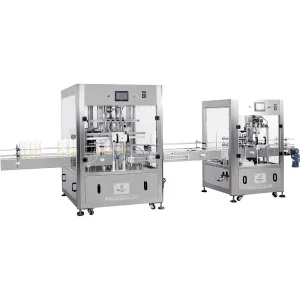
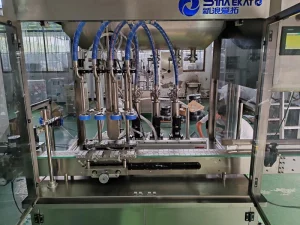
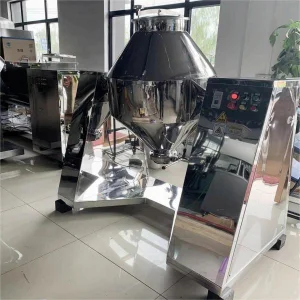
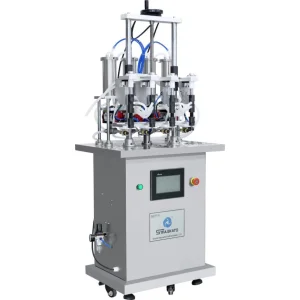
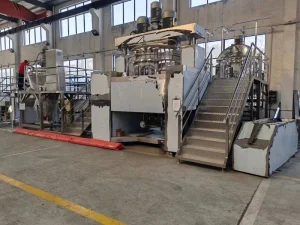
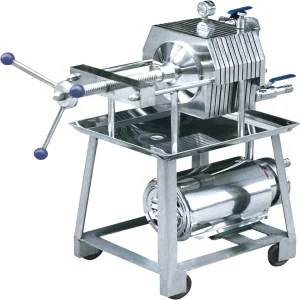
Explore our primary selection of industrial colloid mills, automatic filling lines, and homogeneous mixers with certified CE compliance.
The cosmetic and personal care manufacturing sector has experienced unprecedented globalization, driven by shifting demographics, premiumization of skincare formulations, and strict clean-beauty regulations. At the core of this industrial surge are specialized cosmetic cream filling equipment lines. As cosmetic emulsions transition from basic moisturizers to active-ingredient-dense, rheologically complex structures, manufacturers demand processing equipment that guarantees both chemical integrity and precise filling execution.
In contemporary cosmetic manufacturing facilities, filling equipment does not stand alone. It is the critical nexus between raw ingredient emulsification and the end-consumer packaging experience. Whether dispensing high-viscosity anti-aging creams into luxury glass jars or sealing protective toothpaste layers into composite laminate tubes, filling systems must process liquids under strict hygiene controls without inducing formula shear or degradation.
"Modern cosmetic packaging facilities must deploy automated machinery that seamlessly bridges high-throughput volume requirements with extreme dosage precision, particularly for high-value bioactive skin formulations."
The global machinery sector is undergoing a rapid transition toward digitization, modularity, and strict environmental accountability. These primary forces are shaping the design parameters of next-generation cosmetic cream filling lines:
Modern creams feature intricate colloidal structures. Equipment must employ advanced volumetric piston and progressive cavity pump systems that fill materials with viscosities exceeding 100,000 cPs without destabilizing the emulsion structure.
Cross-contamination is unacceptable. Leading manufacturers rely on fully integrated, automated CIP (Clean-In-Place) and SIP (Sterilize-In-Place) systems that flush, sanitize, and validate the complete filling path without necessitating manual teardowns.
Smart factories require smart machines. Real-time data logging, servo-motor control feedback loops, predictive maintenance analytics, and weight check-weigher integration assure batch traceability and minimize downtime.
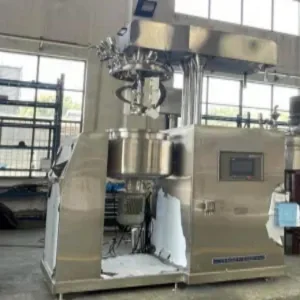
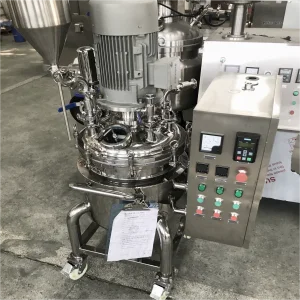
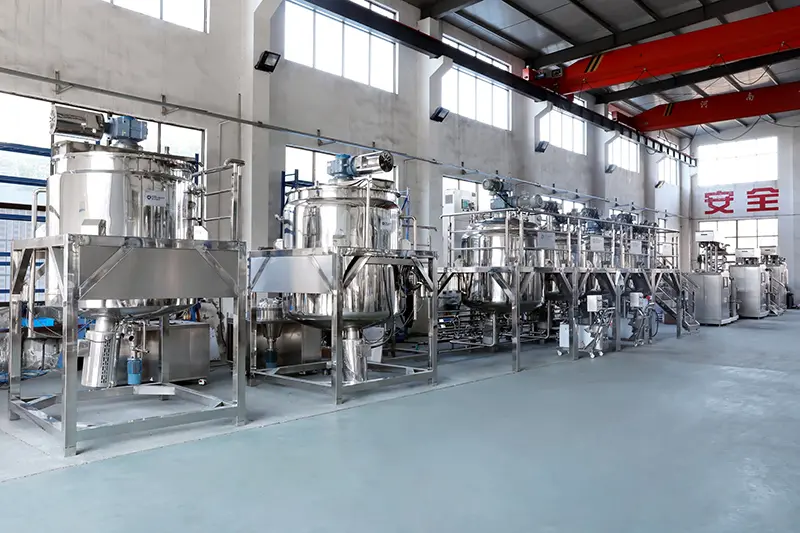
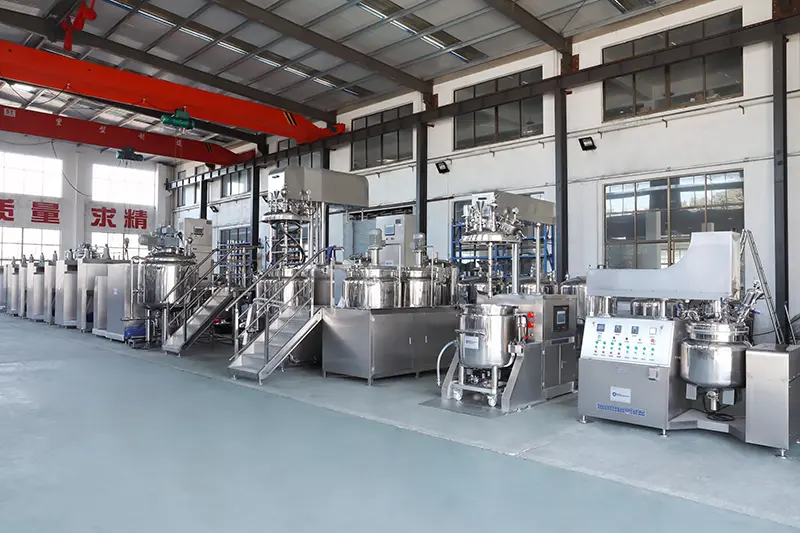
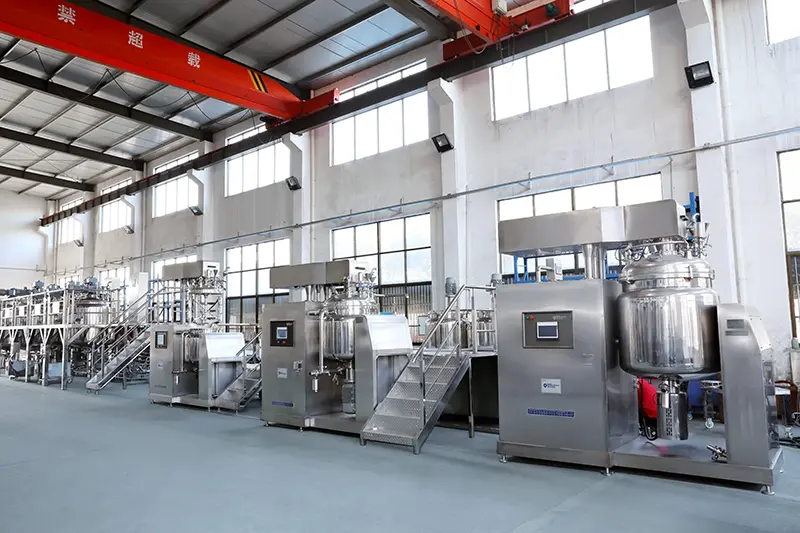
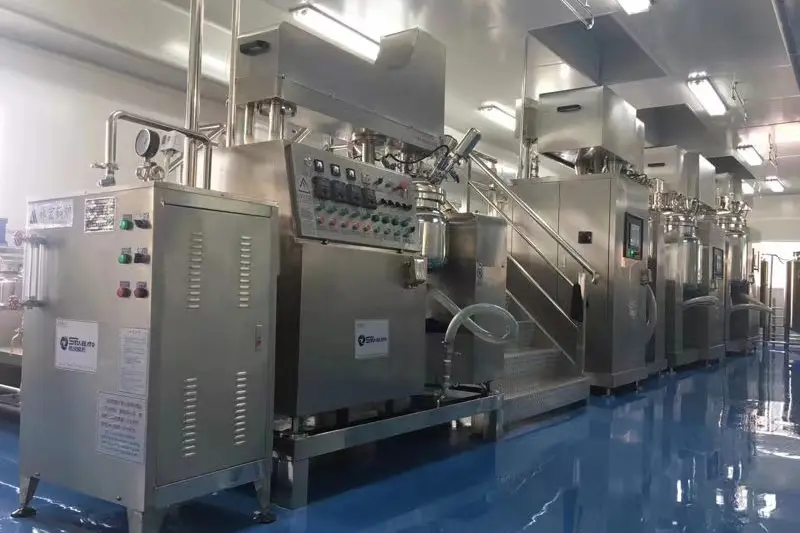
Vacuum Emulsifying Pot
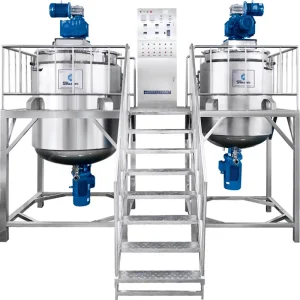
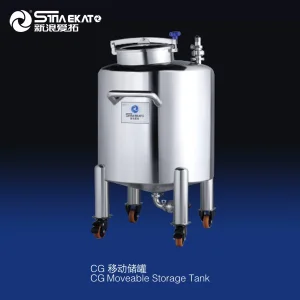
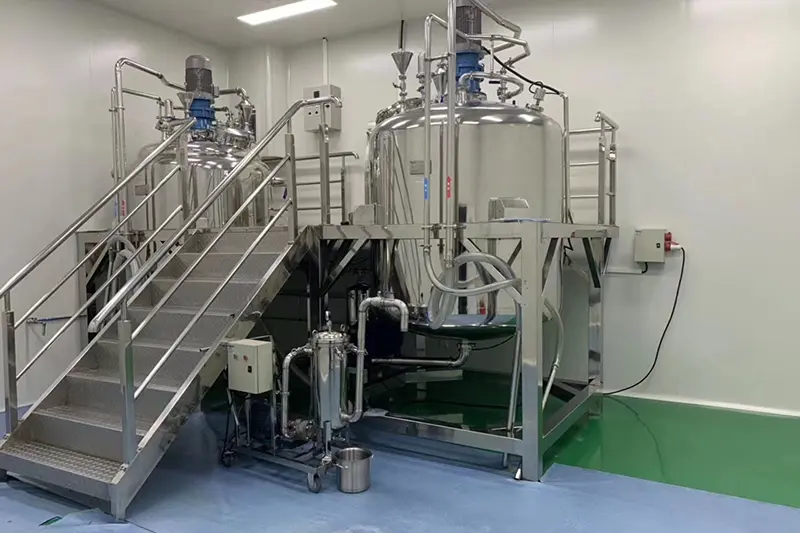
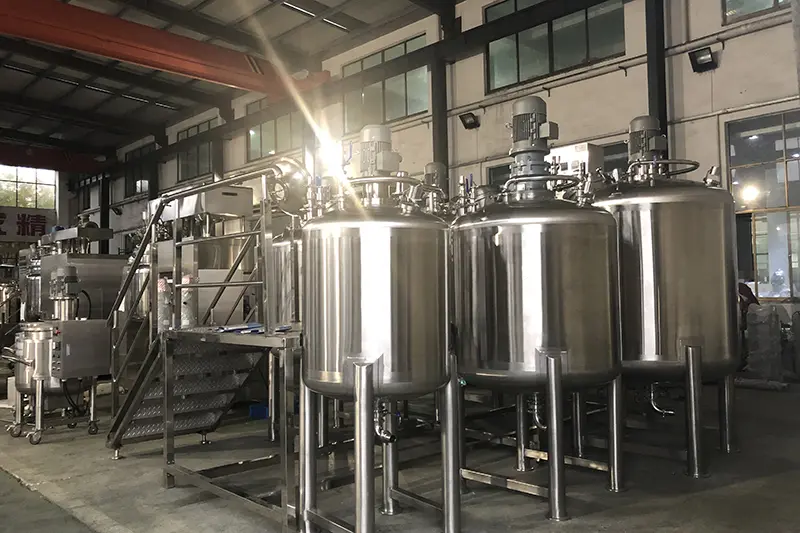
Stainless Steel Tanks
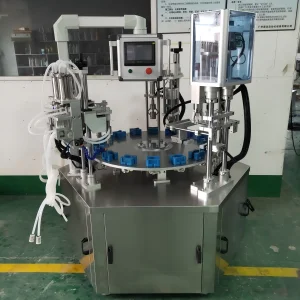
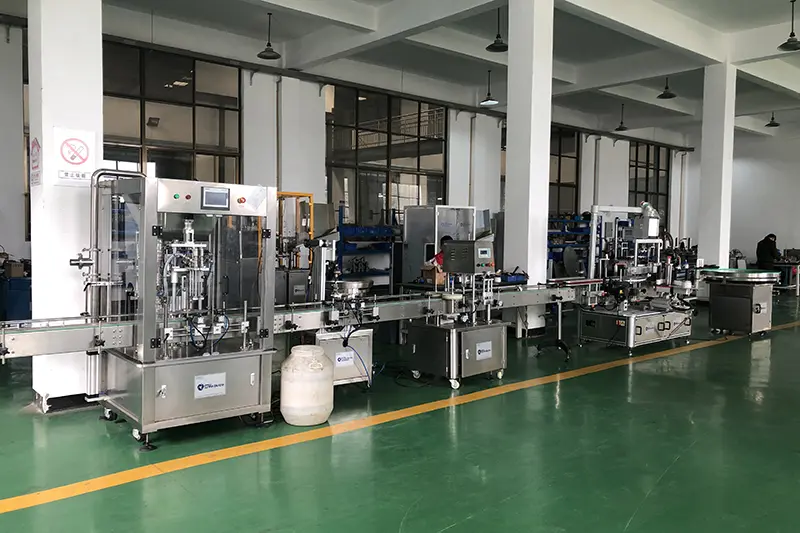
Automatic Piston Filler
Anti-drip Cap Applicator
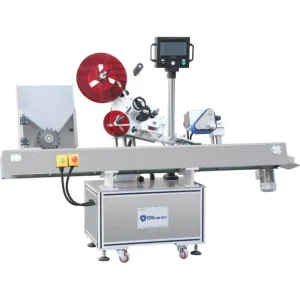
TBJ Labeling System
Operational environments vary depending on localized regulations, volume demands, and specific product categories. High-efficiency filling configurations are adapted for three primary industrial settings:
| Facility Type | Key Operational Challenge | Ideal Machinery Configuration | Applicable Standards |
|---|---|---|---|
| High-Volume Cosmetics OEMs (e.g., EU & North America) | Rapid line changeovers, minimizing product wastage during batch transitions, and high-speed throughput. | Multi-nozzle rotary or inline servo-driven filling lines with automated CIP systems. | CE Machinery Directive, FDA CFR 211, ISO 22716 |
| Premium Skincare Laboratories | Extreme fill accuracy (±0.5% margin), handling fragile micro-encapsulated active ingredients, and cleanroom compatibility. | Volumetric rotary lobe or piston fillers with integrated nitrogen purging to prevent oxidation. | Class 100 Cleanroom compatibility, CE Low Voltage Directive |
| Mass Market Personal Care (e.g., Toothpaste & Body Wash) | Continuous operation under high load, aggressive materials handling (abrasives in toothpaste). | High-speed tube filling and sealing machines (composite/plastic/metal) with ultrasonic sealing heads. | CE Directive 2006/42/EC, ATEX (if handling alcohol-based formulas) |
In the European Economic Area (EEA) and global markets that respect harmonized safety regimes, the CE Certification is not merely a label—it is a mandatory legal passport. For cosmetic filling and mixing machinery, CE compliance ensures that the equipment conforms to the essential health, safety, and environmental protection requirements outlined in the European Directives.
When evaluating CE Certified suppliers, buyers must verify compliance across three core directives:
The cosmetic filling lines of tomorrow will be defined by further automation, eco-design, and deep sensor integration. The developmental pathway includes:
SINAEKATO is one of China's premier cosmetic machinery brands, delivering engineering excellence since 1992.
SINAEKATO, one of the China's leading machinery brand was born in 1992, bring more than 30 years of experience, including a rich history of Vacuum Emulsifying Mixer, Liquid-washing Homogenizer Mixer, Perfume Chiller Production Line, Toothpaste Production Mixer, Filling Machines with Fully-automatic and Semi-automatic, Storage Tanks, RO Water Treatment Series, Labeling Machine, Packing Machines..ect one-stop machinery solution for Skincare products, Cosmetic products, Pharmaceutical, Food industry.
On the one hand, SINAEKATO operates in nearly 55 countries and employee around 150 people in China factory, around 10 people in aboard. Its technological expertise in mixing system, emulsifying/homogenizer system, filling line system internationally renowned.
Unifying leading-edge technology, global supply-chain excellence, and social responsibility.
Science and Technology are the primary productive forces, they are also the core competitiveness of enterprises. Continuously strengthen the research and development and innovation of core technologies, constantly strive for excellence, advanced production equipment, strict quality management, precise production testing process to ensure the excellent performance of each product.
A longstanding commitment to the social in which SINA EKATO aims to develop "LET THE WORLD KNOW MADE IN CHINA" to provide high-performance machinery and service. Also a commitment to communities in which it operates reflects belief that no individual or cooperation can be good citizen without getting actively involved - exercising imagination, donating time and skills and providing financial support.
80% of the main parts of our machines are provided by world's famous suppliers. During long-term cooperation and exchange with them, we have accumulated much valuable experience, so that we can provide customer with high quality machines and more effective guarantee.
Decades of chemical engineering milestones, manufacturing expansions, and strategic global partnerships.
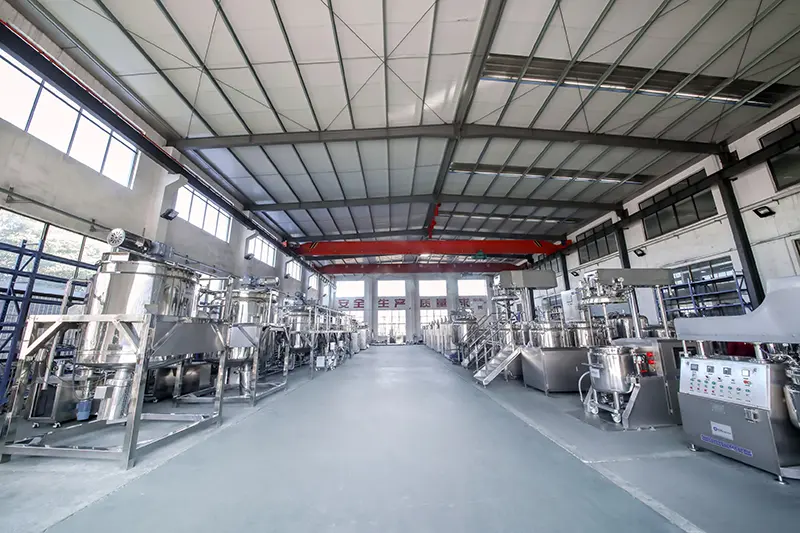
Engaged in the chemical machinery industry.
Guangzhou Sina Cosmetics Engineering Equipment Co., Ltd. was established.
Established Hong Kong Hantao International Investment Co., Ltd.
Gaoyou Sina Chemical Machinery Equipment Factory was established (Guangzhou Sina changed its name to Guangzhou Sina Chemical Machinery Co., Ltd.)
Established Gaoyou Sina Light Industry Machinery Equipment Factory.
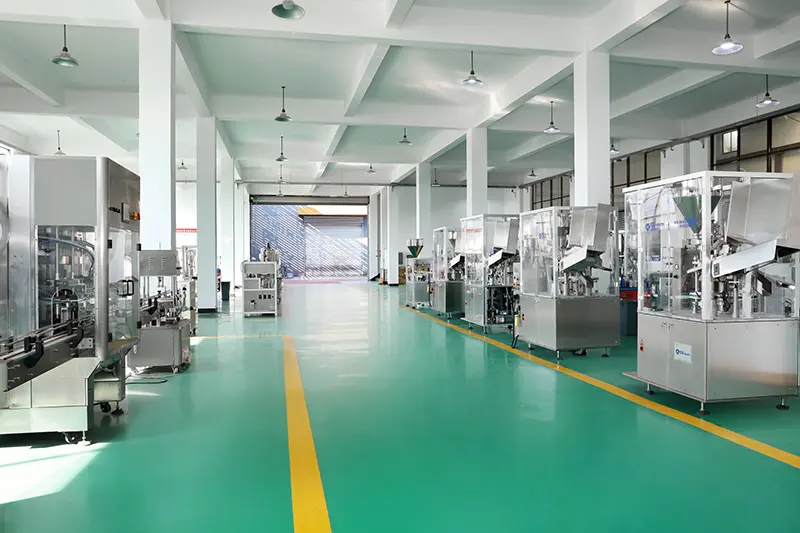
Purchased 10,000 square meters of land in Gaoyou. SINA EKATO CHEMICAL MACHINERY CO., LTD (GAOYOU CITY) put into operation.
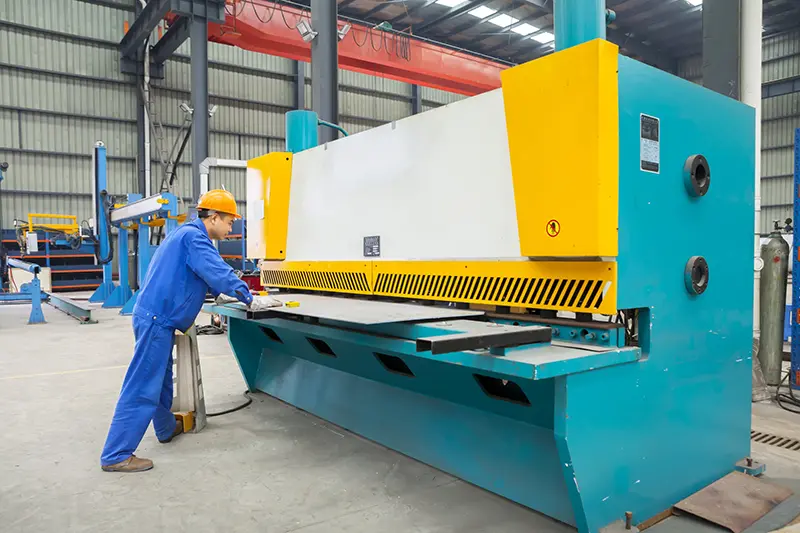
Established Yangzhou Hantao Chemical Machinery Co., Ltd.
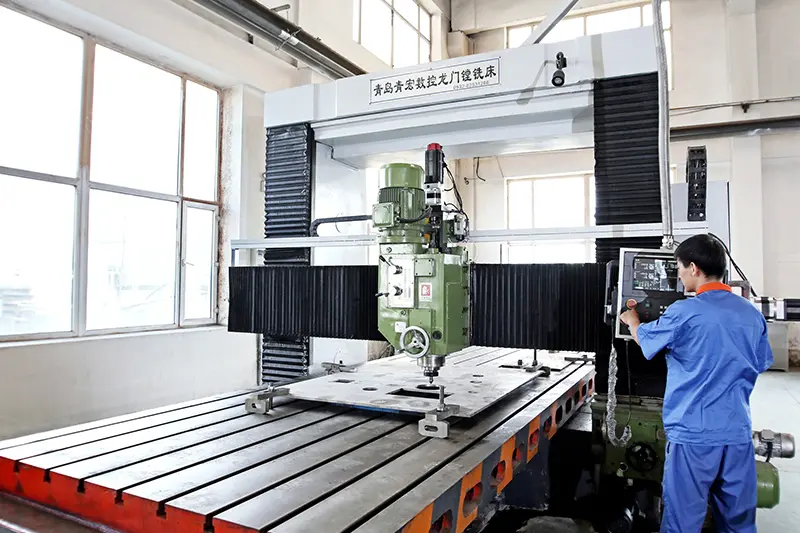
Acquisition of Guangzhou Jingcheng Machinery; Set up a large exhibition center and started global export sales routes.
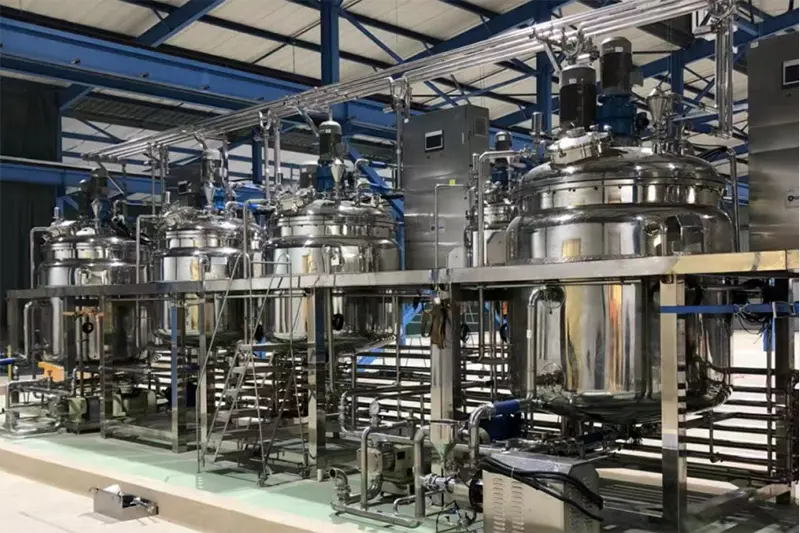
Original Guangzhou Sina Chemical Machinery Co., Ltd. renamed to Guangzhou SINAEKATO Chemical Machinery Co., Ltd.
Acquisition of Guangzhou Suogao Machinery Equipment Co., Ltd.
SINA EKATO CHEMICAL MACHINERY CO., LTD (GAOYOU CITY) established as the unified production, sale, and after-sales service headquarter.
Established SINA EKATO Equipment (Jiangsu) Co., Ltd. to foster advanced foreign cooperation.
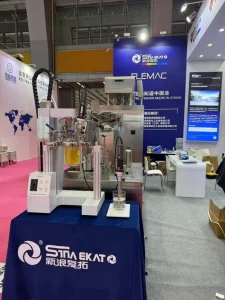
SINAEKATO cooperated with Europe-based FLEMAC to establish Germany SINAEKATO Group Co., Ltd.
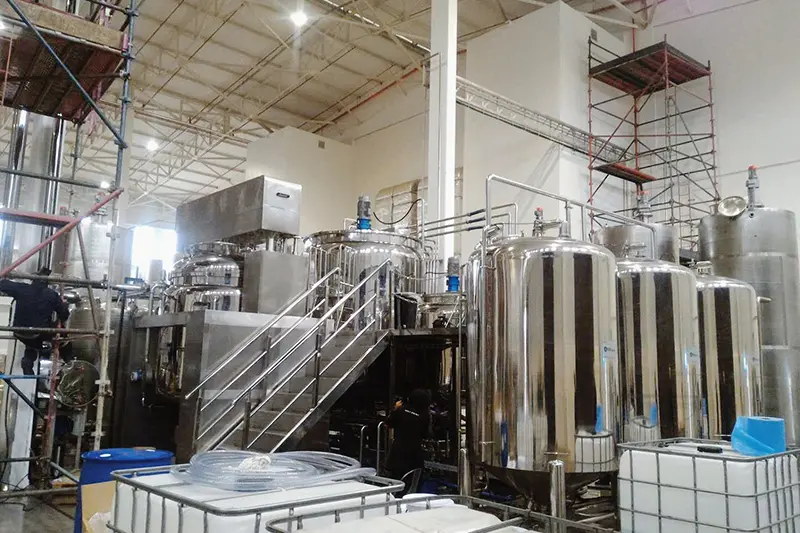
Cooperated with South Africa Unilever for Cosmetic Project ($800,000 USD order); Partnered with Japan SK-II / Shiseido OEM Cosmetics ($1,500,000 USD order).
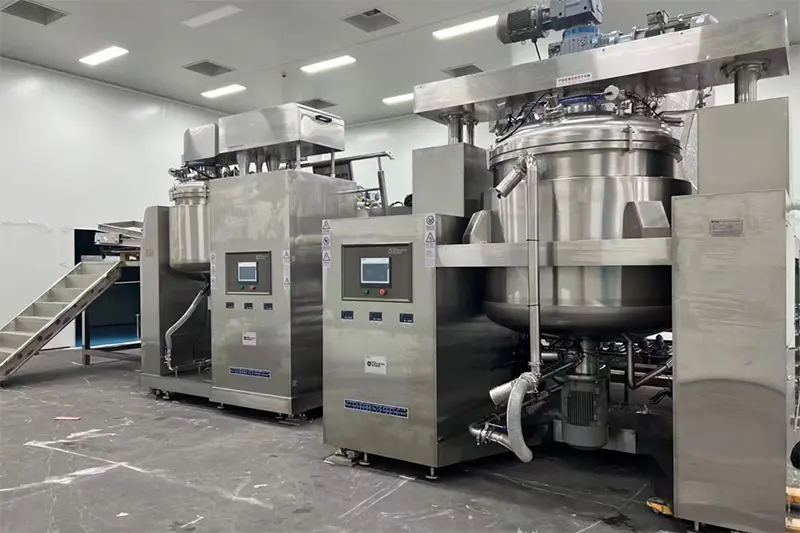
Cooperated with Japan Detergent Liquid-washing Products for a major $1,000,000 USD industrial project.
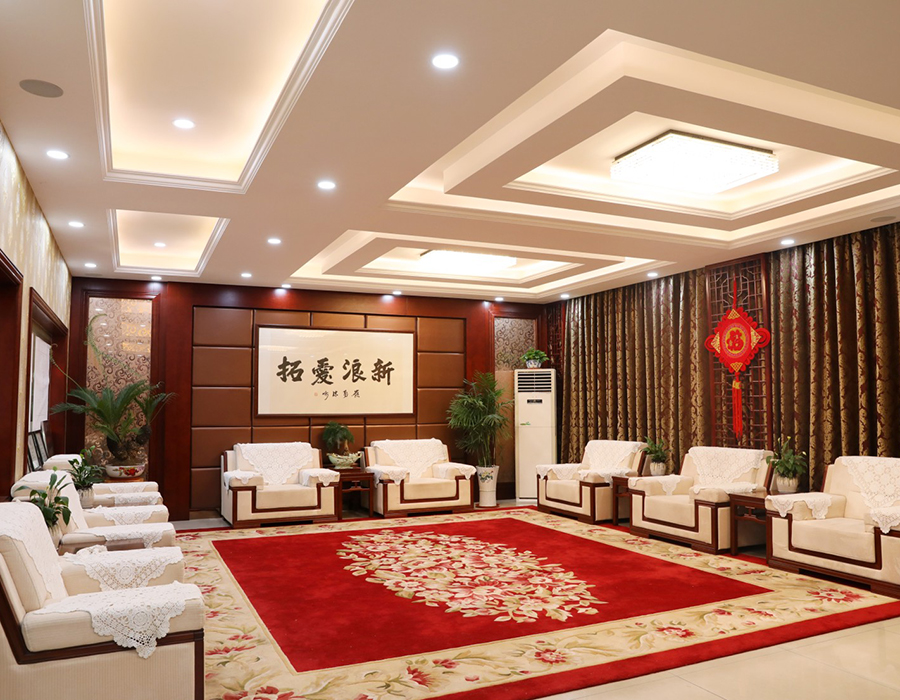
SINAEKATO’s efforts and performances are highly recognized by the global cosmetics community. Stable, Reliable, Precise, and Intelligent are the basic requirements we set for every single machine we build.
Choosing SINAEKATO is choosing professional technical support and lifetime after-sale service. We step by step, go to the future together with you!
Detailed answers to the most common engineering and procurement questions regarding CE Certified cream filling machines.
Complete your production facility layout with auxiliary tube sealing, mixing, filtration, and storage solutions.
 Sina Ekato