Explore our premium machinery range engineered to meet strict WHO GMP and EU CE certifications for global pharmaceutical and cosmetics brands.
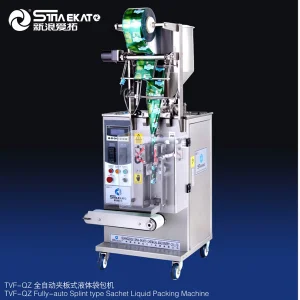
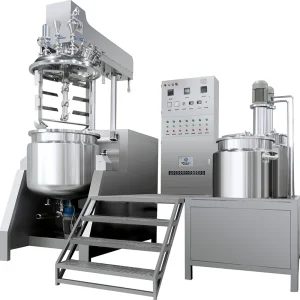
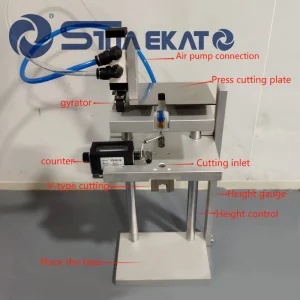
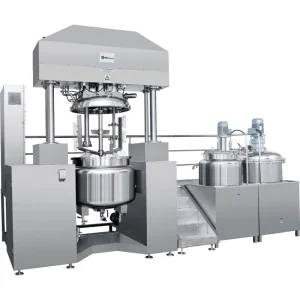
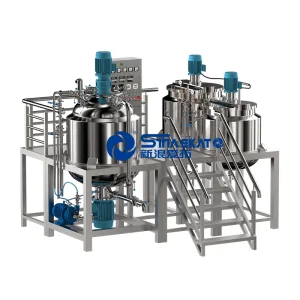
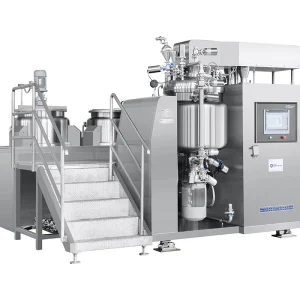
The global cosmetics market has entered a phase of ultra-purification and high shear technological dependence. Driven by changing consumer expectations for fast absorption, structural stability, and organic ingredients free of aggressive chemical emulsifiers, the role of Cosmetic Cream Production Equipment has evolved. To sustain success, factories must integrate sophisticated physical emulsification capabilities with automated process management systems.
Historically, cream processing relied on standard low-shear mixing tanks which yielded unstable emulsion drop sizes ranging from 5 to 10 microns, requiring high surfactant loading to prevent phase separation. Contemporary systems utilize high-shear rotor-stator dynamics operating under intense vacuum pressures to create sub-micron particle distributions (0.1 to 2 microns). The exclusion of atmospheric oxygen prevents product discoloration and biological degradation, eliminating the need for excessive chemical stabilizers and extending shelf life naturally.
International cosmetic brand procurement managers look for multi-purpose versatility and complete cleanability (CIP/SIP protocols) when selecting machinery. High priority is placed on materials of construction, ensuring all product-contact surfaces utilize SS316L mirror-polished stainless steel with a surface roughness index under 0.4 microns. Furthermore, modern global production requires modularity—meaning systems must allow fast changeovers between water-in-oil (W/O) and oil-in-water (O/W) emulsions with minimal downtime and zero risk of cross-contamination.
The next phase of manufacturing relies heavily on Industry 4.0 architecture. Real-time viscosity feedback loops, variable frequency speed controllers, and precise flow control systems allow cosmetics producers to reduce human error. By implementing cloud-connected sensors, factories can easily track energy metrics, process batch documentation automatically, and predict wear on mechanical seals, reducing unplanned maintenance shutdowns by up to 40%.
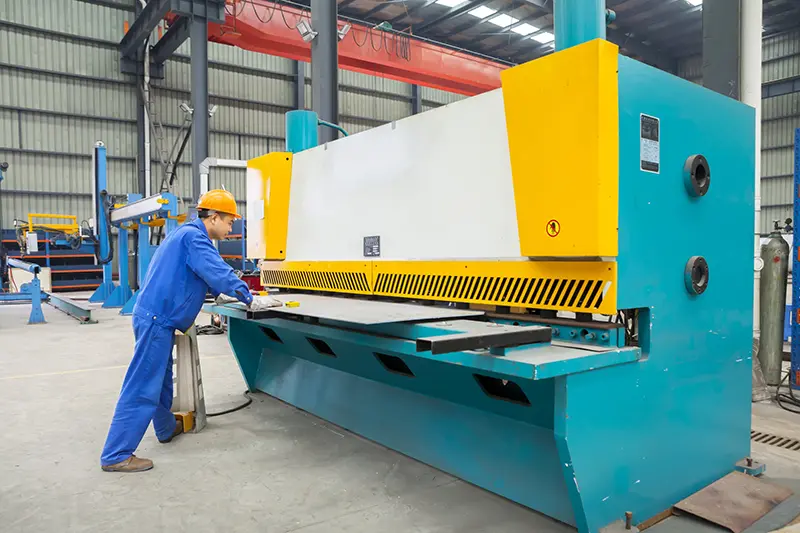
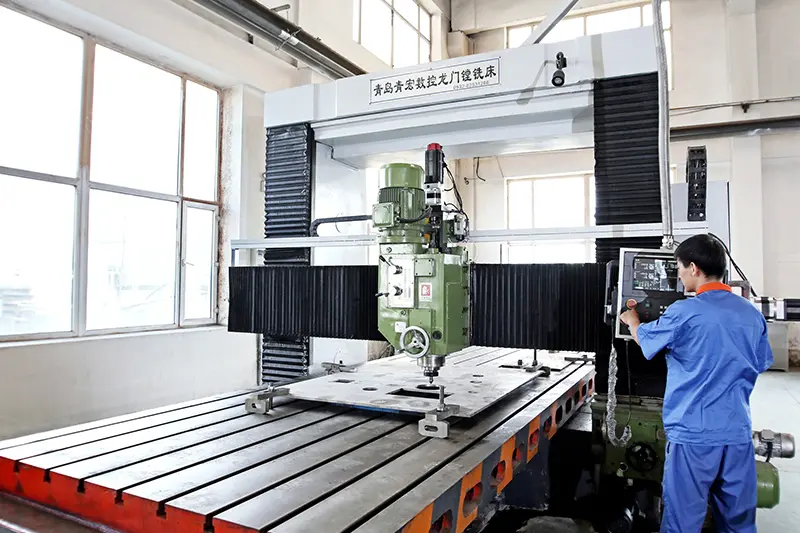
Providing cutting-edge manufacturing equipment backed by a comprehensive quality management ecosystem.
Our long-term engineering partnership with German FLEMAC has allowed us to fuse precise European mixing dynamics with cost-effective Chinese manufacturing operations.
Every emulsifier tank, filling line, and reverse osmosis (RO) system conforms to CE regulations, using certified mechanical seals and high-pressure-tested jacket structures.
Trusted supplier to multi-national operations including Unilever South Africa ($800,000 USD facility setup) and Japanese detergent manufacturers ($1,000,000 USD order).
Over three decades of expansion, technological breakthrough, and corporate development.
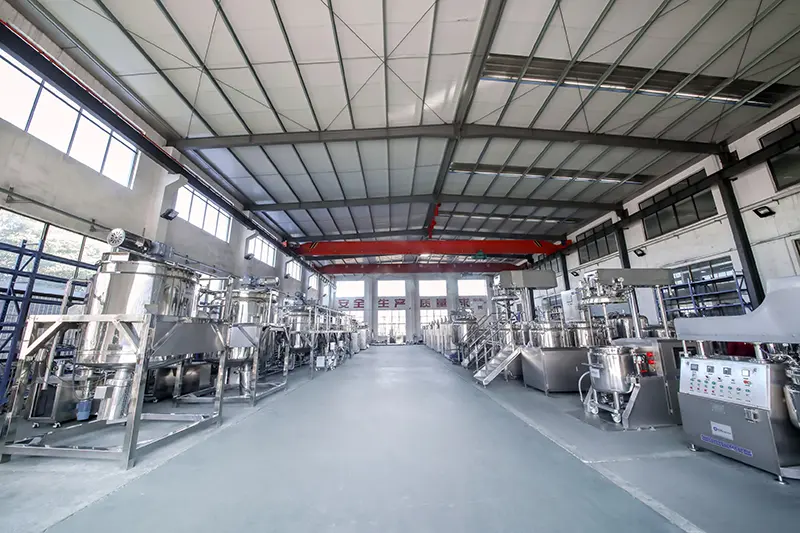
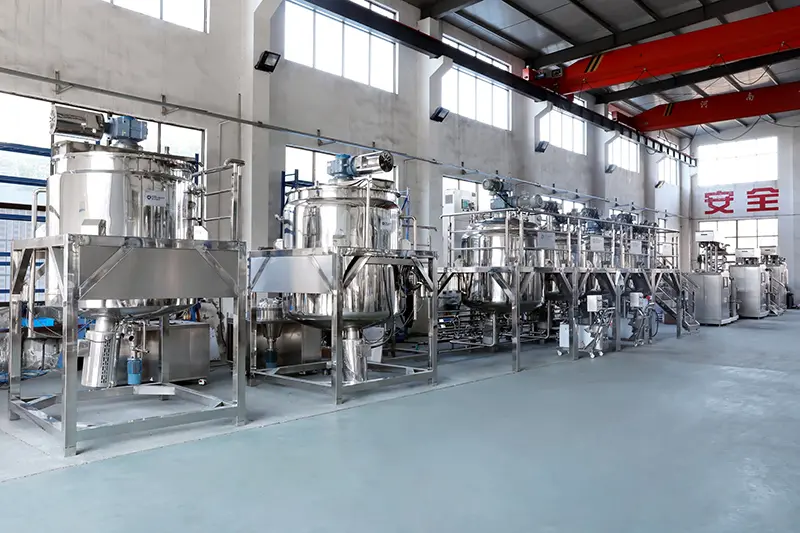
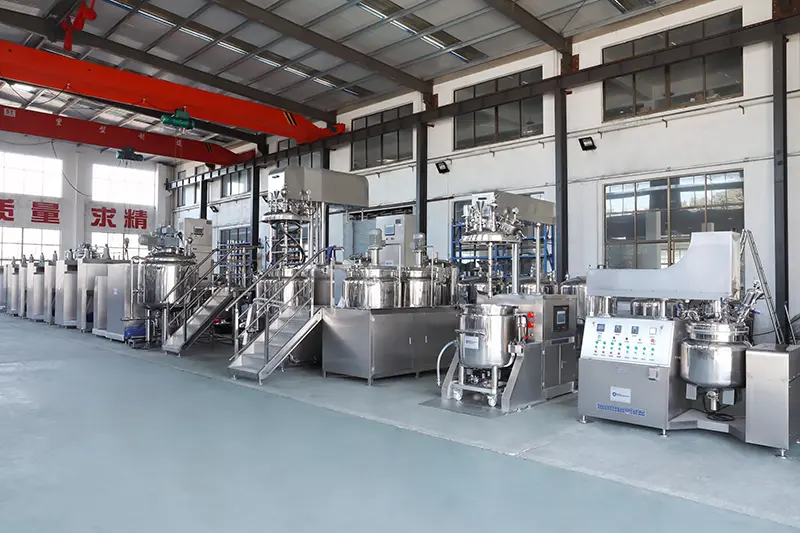
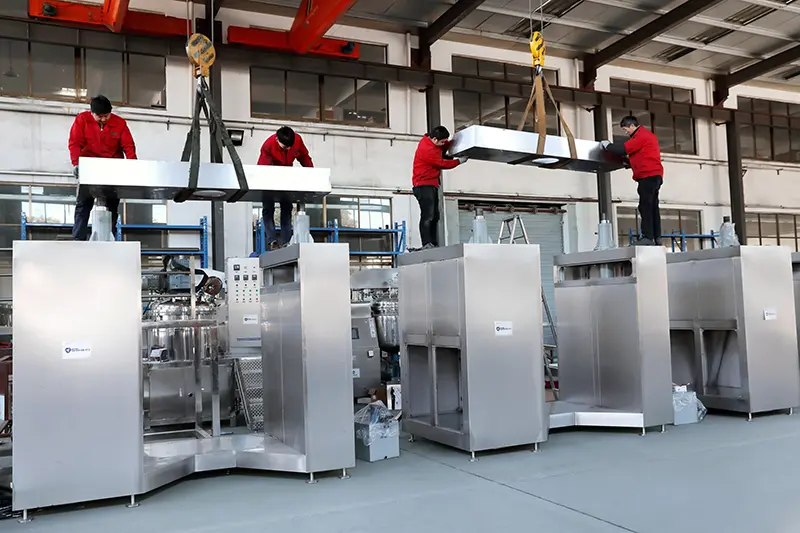
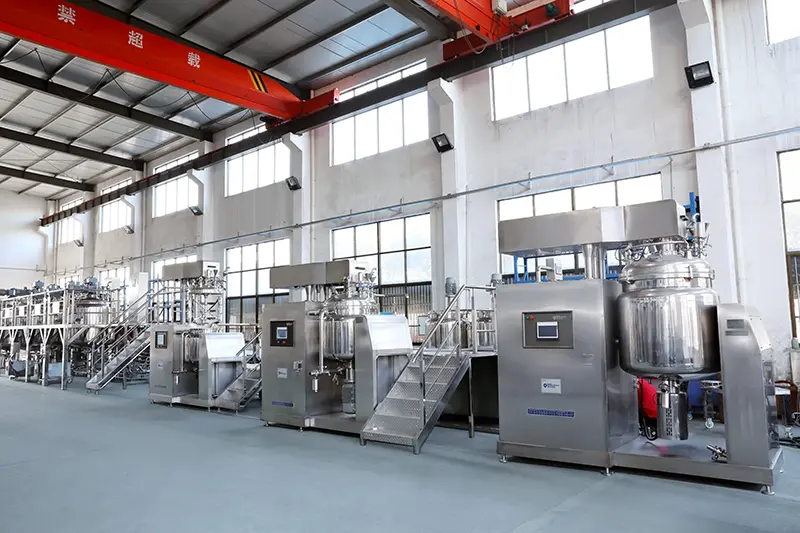
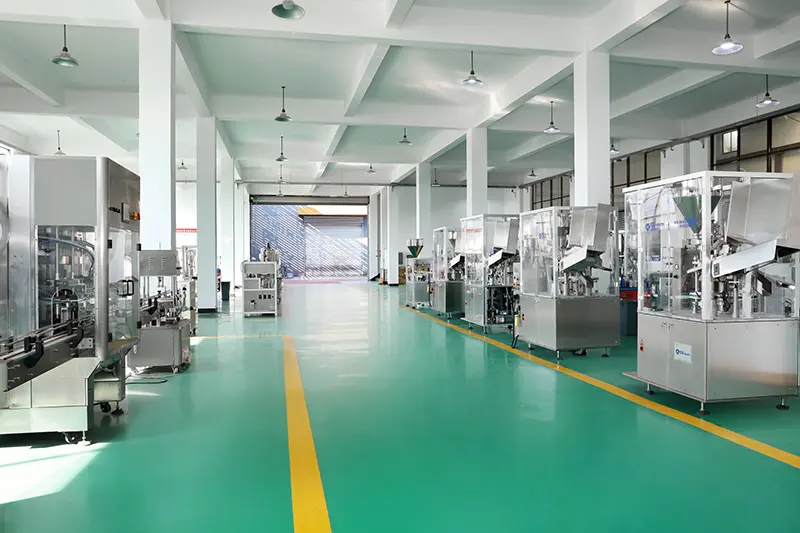
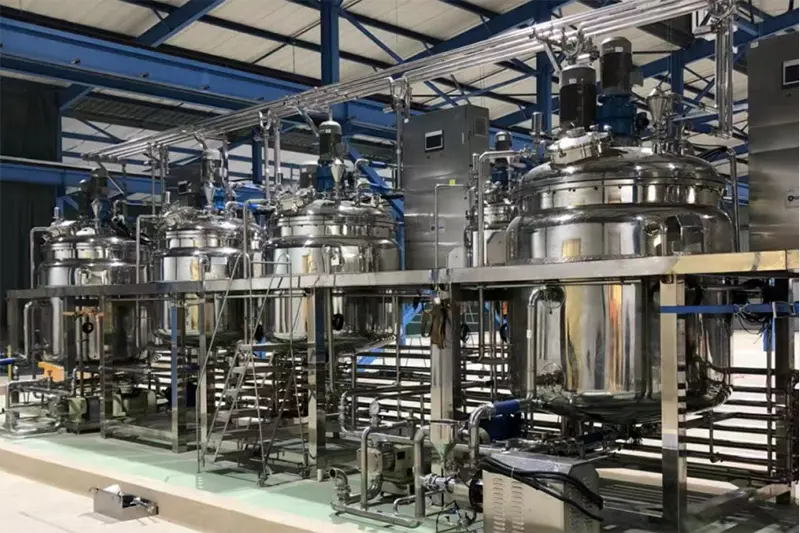
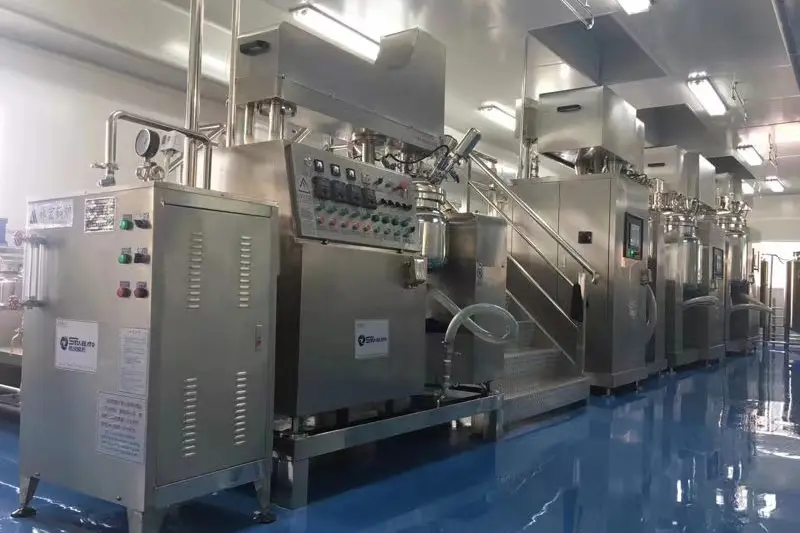
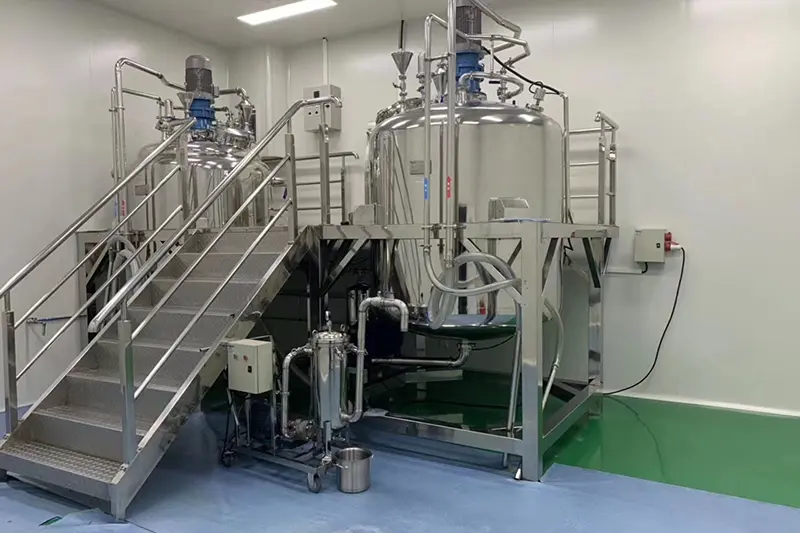
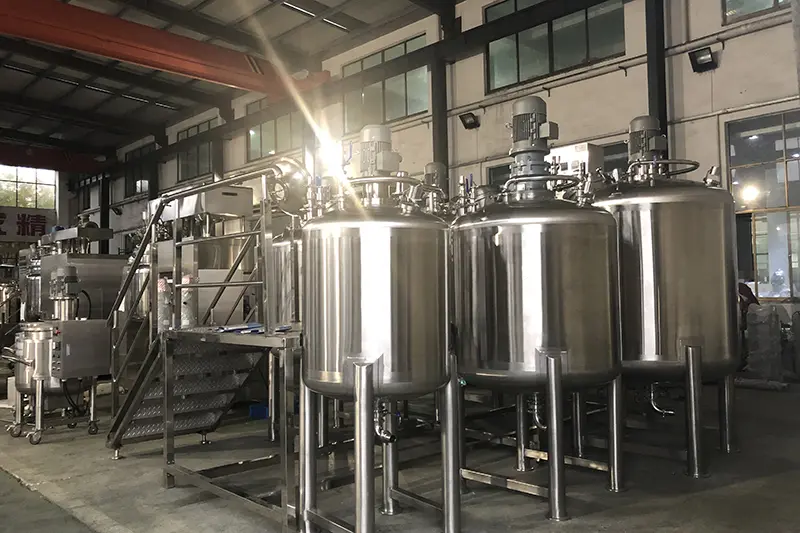
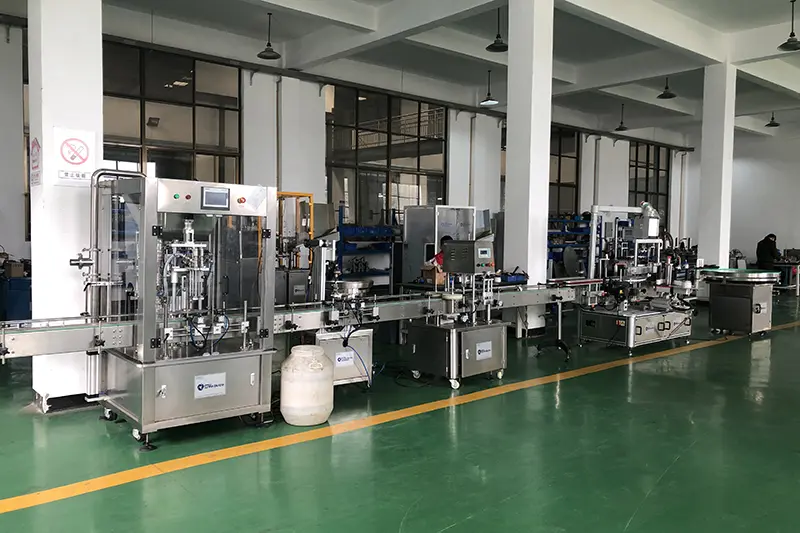
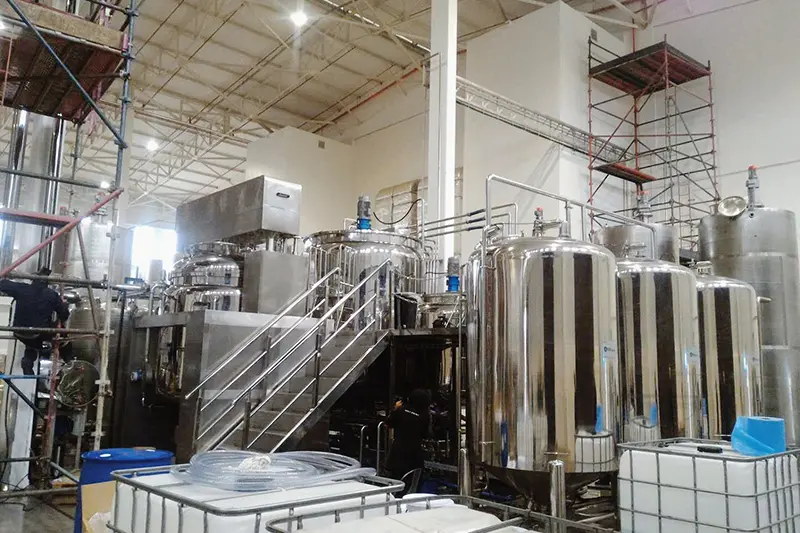
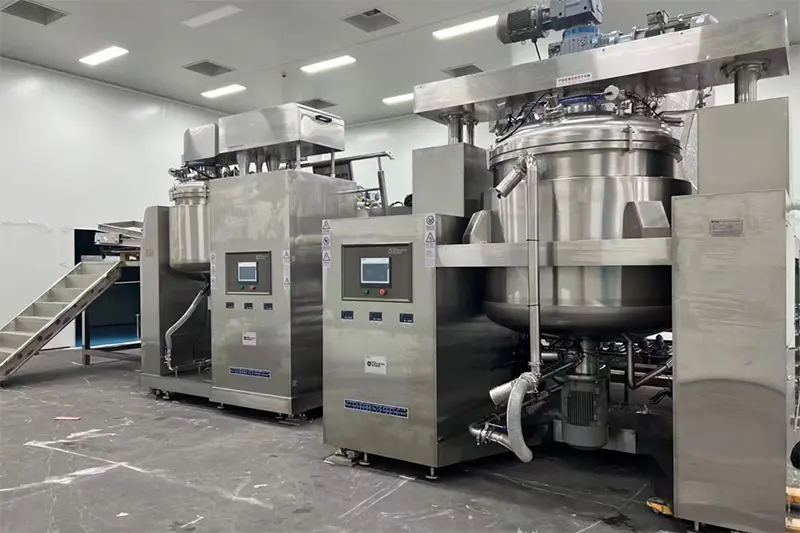
Processing formulations with a viscosity exceeding 100,000 cps (such as dental pastes and heavy skin-barrier ointments) presents significant challenges for typical manufacturing facilities. Conventional agitators can experience localized heating and poor heat transfer rates, which might damage sensitive biological elements. SINAEKATO addresses these issues with specialized scrapers and counter-rotating anchor designs. These configurations maintain constant surface contact with the vessel walls, ensuring uniform heat transfer and preventing product crystallization.
A standard cosmetic facility requires complete component integration rather than isolated machinery units. Our engineers design systems starting with raw water pre-filtration using Reverse Osmosis (RO) systems, moving through storage silos to the core emulsifying mixers. From there, products transition to filling, heat sealing, and final sachet or tube wrapping machinery. By designing the entire system under one control architecture, factories can avoid integration conflicts and minimize material waste during line clearance cycles.
With operational equipment running across nearly 55 countries, local field support is crucial. SINAEKATO maintains a global parts inventory program alongside local field engineers to guarantee rapid response. We understand that a downtime event on an emulsification line can cause significant revenue loss, which is why we utilize standard components from major global manufacturers (such as Siemens PLC, Omron electronics, and ABB motors) to ensure replacements are easily accessible worldwide.
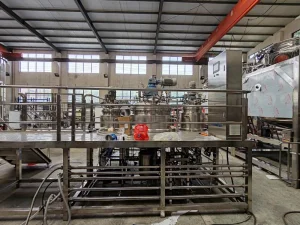
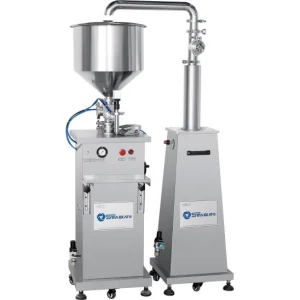
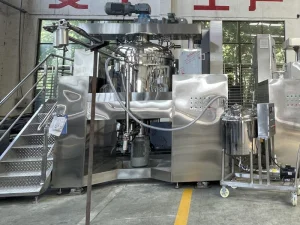
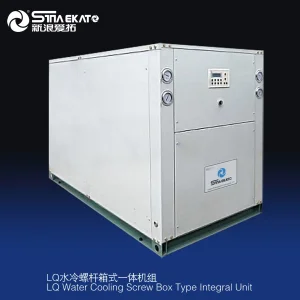
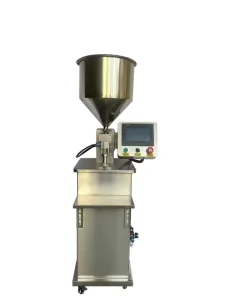
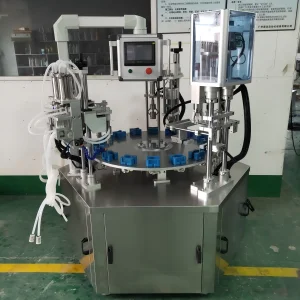
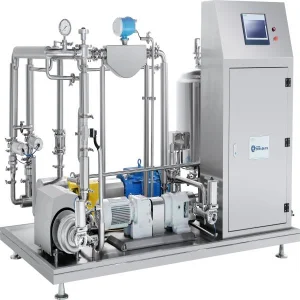
Complete systems designed to integrate seamlessly with your primary emulsifying machinery lines.
Find technical insights about our engineering standards, configuration capabilities, and operating parameters.
 Sina Ekato