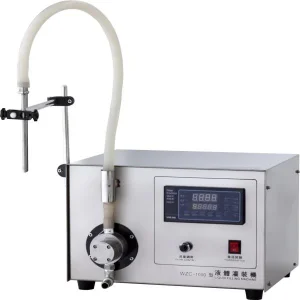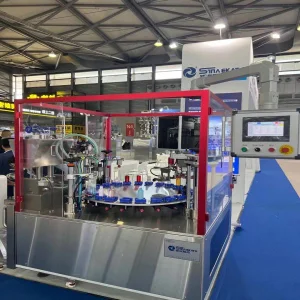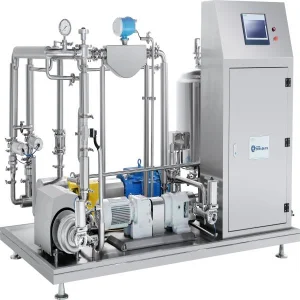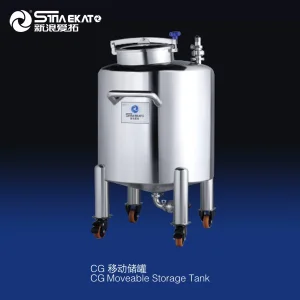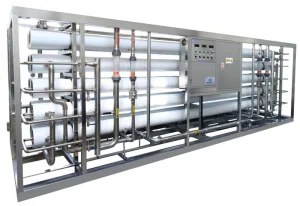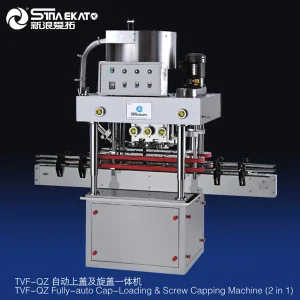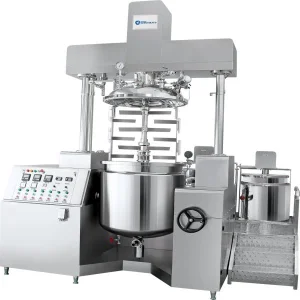
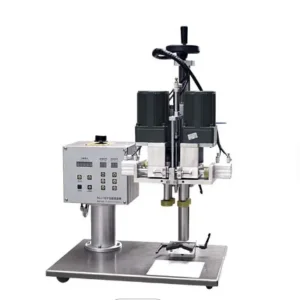
Highly specialized, low-CAPEX systems optimized for micro and medium enterprises in Dili and surrounding districts.
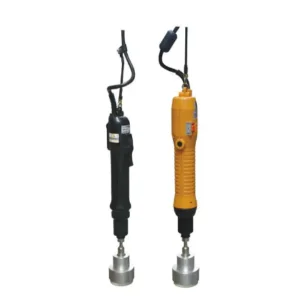
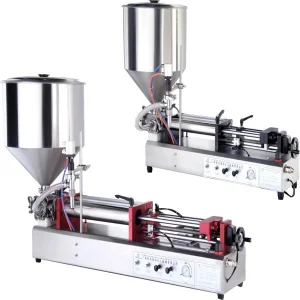
Timor-Leste, as one of the youngest sovereign states in the 21st century, is navigating a pivotal transition phase. The national strategic development plan prioritizes the expansion of non-oil sectors to build a resilient economy. Crucial among these sectors are agricultural processing, local food and beverage production, and the manufacturing of primary cosmetic and home care products. However, local manufacturers face distinct environmental and economic hurdles: fluctuating utility grids, high freight costs for raw components, and a developing technical labor pool.
This is where semi-automatic series machinery acts as a strategic bridge. Fully automated production lines require massive capital expenditures, constant high-load electric supplies, and specialized controls engineers who are rarely accessible locally. Semi-automatic solutions, conversely, combine the mechanical reliability of precision pumps and capping heads with manageable, manual positioning. This allows local manufacturers to scale production incrementally, maintain robust quality control, and adapt to varying daily targets without being bottlenecked by complex automation downtimes.
For operations based in Dili, Hera, Baucau, or Liquiçá, space, energy efficiency, and operational simplicity are paramount. Our semi-automatic lines feature highly durable, marine-grade SUS304 and SUS316L stainless steel structural components. This is vital for Timor-Leste's coastal manufacturing environments, where relative humidity and airborne salinity accelerate corrosion. By reducing electronic overhead (omitting complex multi-axis robotic arms while retaining highly accurate volumetric cylinder systems), the machines deliver consistent fill weights and airtight torque seals hour after hour.
Understanding which system architecture aligns with your regional operations, target outputs, and local technical skills.
| Performance Vector | Manual Processing | Semi-Automatic Systems (SinaEkato) | Fully Automatic Lines |
|---|---|---|---|
| Throughput Range | 100 - 300 units/hour | 800 - 2,400 units/hour | 3,000 - 6,000+ units/hour |
| Volumetric Accuracy | Low (Subject to operator fatigue) | High (Piston/Magnetic pump control) | Ultra-High (Sensor-driven loops) |
| Grid Dependency | None | Low-to-Medium (Single phase or pneumatic) | High (Three-phase power + compressed air) |
| Clean-in-Place (CIP) | Manual scrubbing | Quick disassembly / flush cycle | Integrated automatic CIP cycles |
| Optimal Local Applications | Micro craft products | Coffee liqueurs, Virgin Coconut oil, local honey | Mass national bottled water distribution |
Bringing over three decades of mechanical engineering pedigree directly to Timor-Leste's local enterprises.
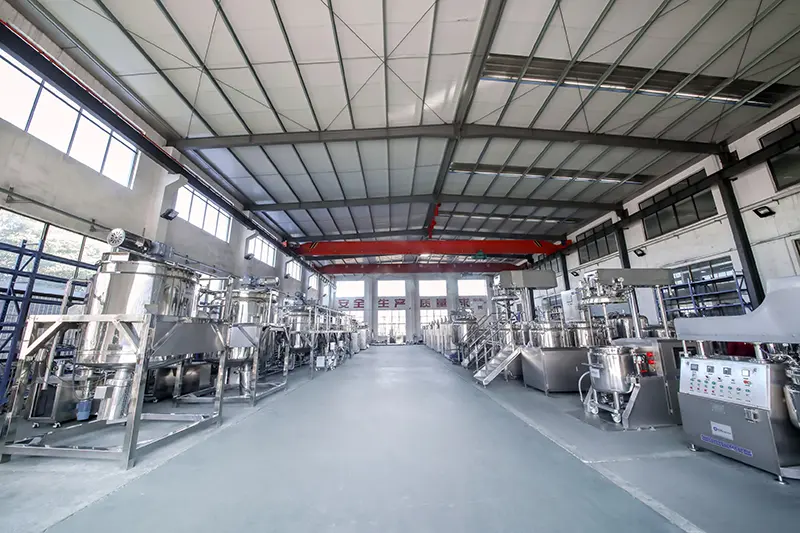
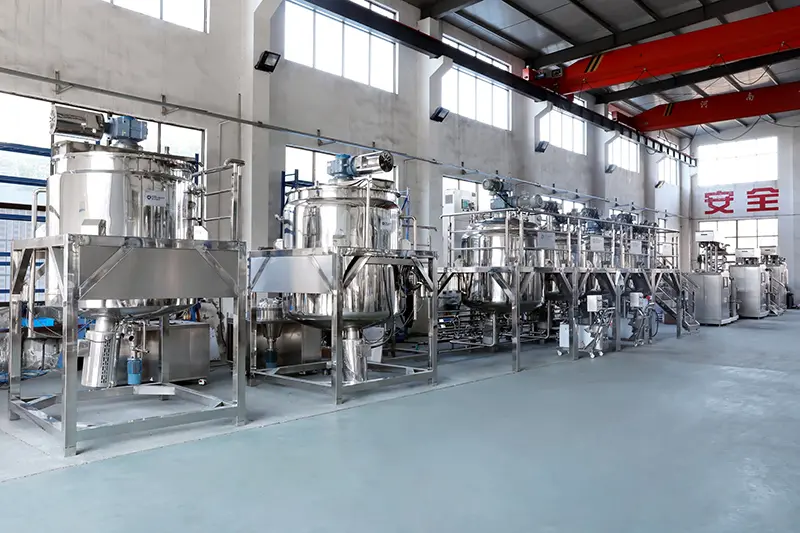
SINAEKATO, established in 1992, has evolved into a global leader in high-performance processing and packaging machinery. With more than 30 years of research and production expertise, we design and manufacture a comprehensive range of equipment, including Vacuum Emulsifying Mixers, Liquid-washing Homogenizers, Perfume Chiller Production Lines, Toothpaste Mixers, and Filling/Capping lines. Our global reach extends to over 55 countries, supported by a state-of-the-art production hub in China and dedicated international engineering desks.
Our commitment is simple: "LET THE WORLD KNOW MADE IN CHINA" by delivering robust, high-performance machinery. To ensure absolute reliability for our operators in remote regions, 80% of our core structural and electronic components are sourced from globally recognized brands. This high-standard supply chain ensures that operators in Timor-Leste receive equipment built with international reliability standards, minimizing the risk of downtime in regions where sourcing spare parts can be challenging.
A history of engineering excellence, scaling from local machinery assembly to multi-million dollar global turnkey projects.
Industry Entry
First steps in chemical processing and machinery engineering.
Establishment of Guangzhou Sina
Guangzhou Sina Cosmetics Engineering Equipment Co., Ltd. was established to address the expanding domestic cosmetics market.
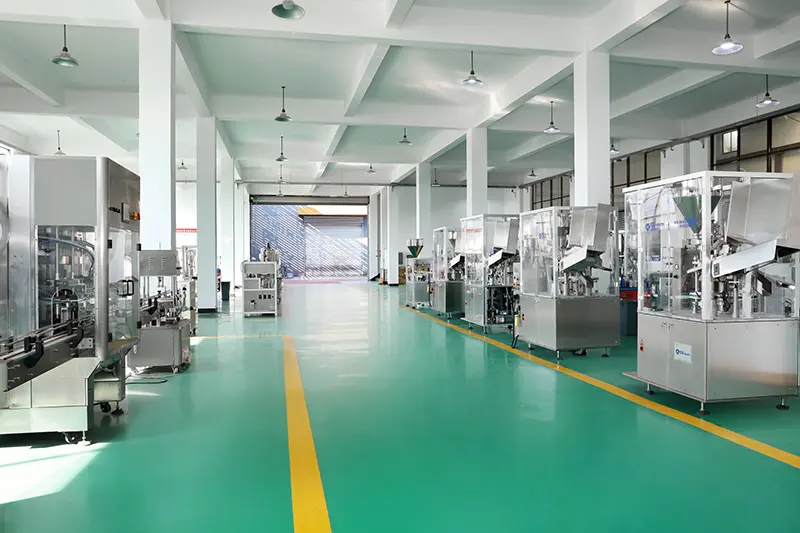
Gaoyou Production Base Opened
Acquired 10,000 square meters of land in Gaoyou for advanced heavy machinery manufacturing: SINA EKATO CHEMICAL MACHINERY CO., LTD.
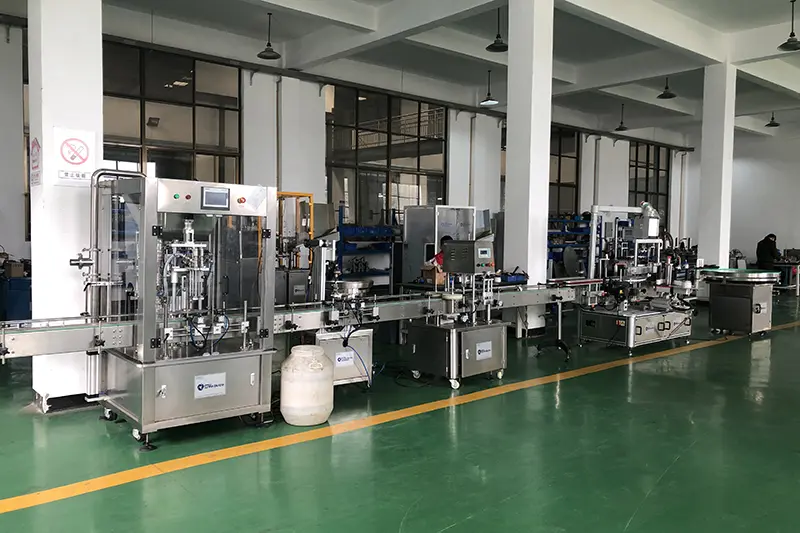
European Integration
Partnered with FLEMAC to establish Germany SINAEKATO Group Co., Ltd., integrating European styling and pneumatic standards.
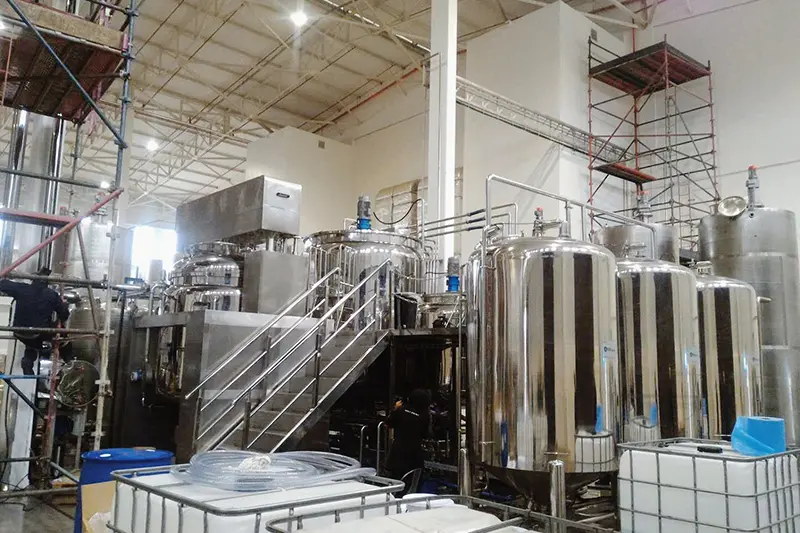
Multinational Partnerships
Executed cosmetic and packaging contracts with Unilever (South Africa, $800,000 USD) and Shiseido OEM partners ($1.5M USD).
Entering the Timor-Leste market requires more than just shipping a box of metal machinery. True E-E-A-T value means understanding the localized environment. Many remote manufacturing sites face voltage sags. To mitigate this risk, our engineering team offers the option to fit all electrical panels with under/over-voltage protectors and heavy-duty phase monitors, preventing motor damage during power fluctuations in local grids.
Whether you are packing organic virgin coconut oil for export to Europe or producing bottled mineral water for Dili's domestic market, hygiene compliance is non-negotiable. Our machinery meets stringent CE certification guidelines, constructed with food-grade contact surfaces. Key localized features include:
Our research team designs modern machines with scalability in mind. Today’s investment in a semi-automatic desktop filler from SINAEKATO can easily integrate into tomorrow’s automated system. By standardizing conveyor heights and implementing modular control ports, your business can transition from semi-automatic individual units to full in-line automatic systems without rendering your initial capital equipment obsolete.
Furthermore, as industrial practices prioritize energy efficiency, we are converting our pneumatic configurations to lower-volume air consumption levels. This permits local plants to use smaller, single-phase air compressors, significantly lowering the overall energy footprint of the production facility.
Operational, logistical, and technical queries regarding installation and sourcing in Timor-Leste.
1. How do you manage shipping and customs delivery to Timor-Leste?
We coordinate shipping through the port of Dili (Tibar Bay). All documentation, including Certificates of Origin and compliance paperwork, is managed by our dedicated export team to facilitate quick customs clearance.
2. Can your filling lines handle highly viscous liquids like raw honey or creams?
Yes. Our piston-driven systems are designed to process highly viscous materials. We also offer double-jacketed heating hoppers with slow mixing mechanisms to lower viscosity during the filling process.
3. What happens if a technical issue arises and there are no local technicians?
Our machines feature mechanical configurations designed for easy maintenance. We provide step-by-step video diagnostics, and our engineers are available for remote video calls. In addition, we ship standard, off-the-shelf components to simplify local replacements.
4. Do your machines comply with European CE certifications?
Yes, all our primary semi-automatic and automatic machines carry full CE certification, guaranteeing compliance with health, safety, and environmental protection standards.
Explore our secondary machinery line, storage systems, and water treatment plants engineered for local environments.
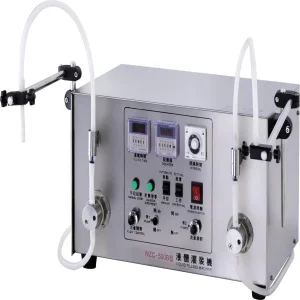
Contact our senior project engineering team for a customized machine design proposal, spatial layout analysis, and local logistics solutions.
Send Inquiry Now