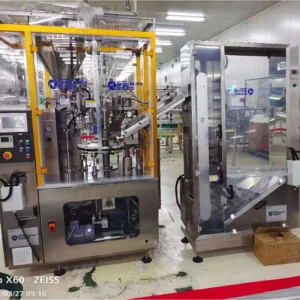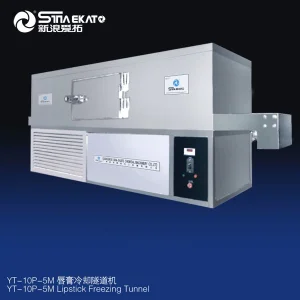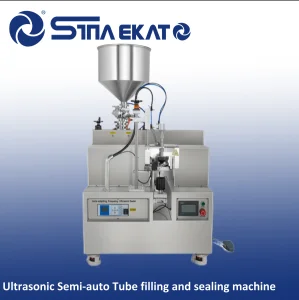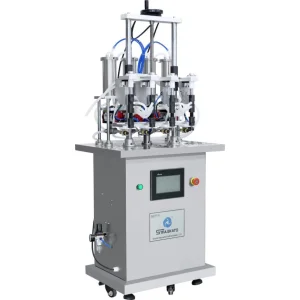
Explore our integrated equipment matrix designed for maximum automation, hygiene, and seamless batch processing.
Addressing semantic requirements for B2B procurement, hygiene protocols, and operational safety metrics.
In the global cosmetics industry, the facial sheet mask segment has experienced exponential growth. Historically, folding non-woven fabrics and placing them into aluminum foil bags was highly labor-intensive, introducing significant risks of human contamination. Today, strict GMP (Good Manufacturing Practices) and international ISO 22716 standards demand complete sterility, leading to the rapid deployment of fully automatic facial mask folding and bagging machinery.
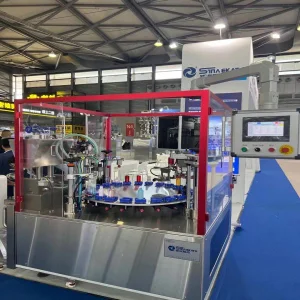
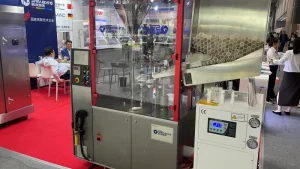
Modern automatic machinery integrates fabric feeding, multi-pattern folding (V-fold, Z-fold, W-fold, and custom shapes), bag placement, liquid filling, nitrogen flushing, and thermal sealing within a continuous, enclosed environment. The integration of high-performance servo-motors ensures fabric dimensions are kept aligned without stretching, preserving the liquid-absorption characteristics of advanced substrates such as bio-cellulose, cupra, and hydrogels.
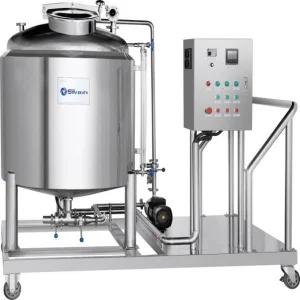
Furthermore, this automation mitigates microbial introduction. By matching high-speed volumetric pump dosing with integrated Clean-in-Place (CIP) capabilities, modern manufacturers can transition between cosmetic formulas within minutes, ensuring minimum downtime and maximum batch purity.
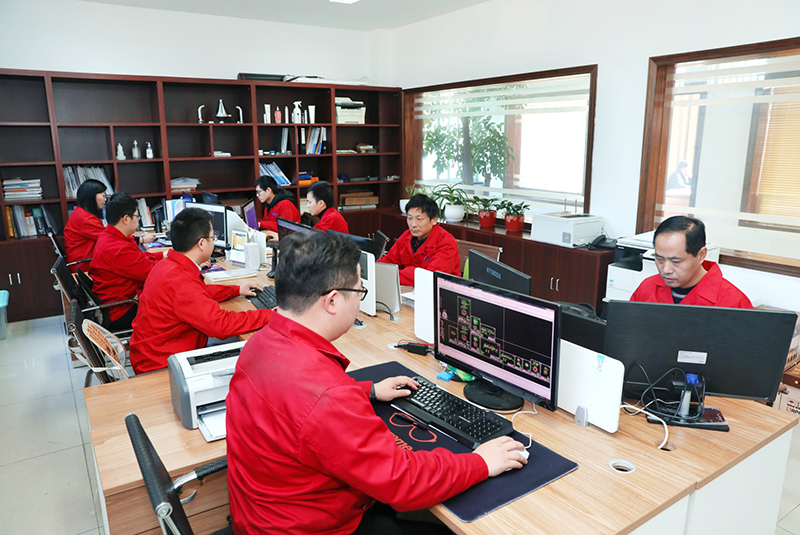
Why component-level optimization determines overall equipment effectiveness (OEE) and operational lifespan.
To guarantee stability in 24/7 industrial production environments, 80% of our machinery's core parts are sourced from leading global suppliers. We integrate Siemens PLCs, Omron digital temperature controllers, Festo pneumatics, and Schneider electrics to ensure minimal MTBF (Mean Time Between Failures).
Equipped with multi-axis synchronized servo control systems, our automatic folding units coordinate fabric tension and bag alignment dynamically. This mechanical precision prevents bag jamming and fabric folding misalignments, reducing packaging waste to less than 0.5%.
All components in contact with facial serums, essences, and lotions are engineered from high-grade AISI 316L stainless steel. The liquid pipeline undergoes internal mirror polishing (roughness Ra < 0.4 μm) to prevent bacterial adhesion and enable sanitary CIP cycles.
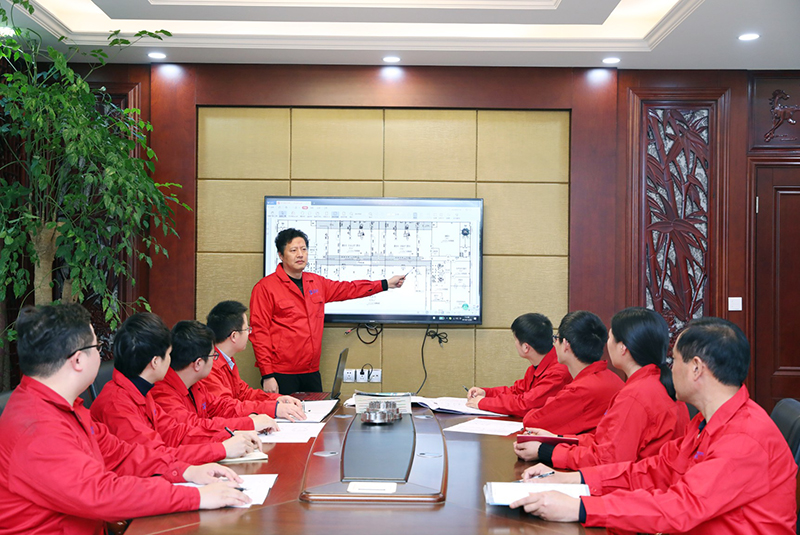
At SINAEKATO, our science and technology efforts are the primary driving force behind B2B growth. Every automatic folding and bagging unit undergoes factory acceptance testing (FAT) for a continuous 72 hours under full load. Testing is conducted using varying liquid viscosities and non-woven fabric GSM densities to confirm volumetric pump accuracy within ±0.5 grams.
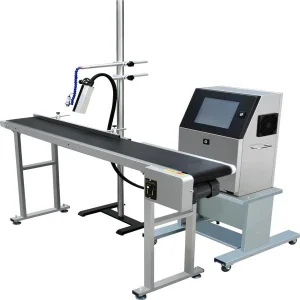
Our production verification follows standard calibration methods, integrating fiber-optic sensors to cross-check pouch seals, bag openings, and date-coding alignments. This guarantees that once our systems land on your factory floor, integration is swift, clean, and complies with local industrial health and safety standards.
Decades of industrial scaling, factory expansion, and specialized chemical engineering excellence.
Since our brand's birth in 1992, SINAEKATO has scaled from a regional chemical machinery workshop into a global one-stop machinery provider. Operating with high-performance manufacturing footprints, we leverage strategic raw material sourcing, engineering partnerships with Germany-based engineering standards, and robust design practices to serve tier-1 cosmetics brands worldwide.
Over 30 years of progressive technology, international expansion, and high-value partnerships.
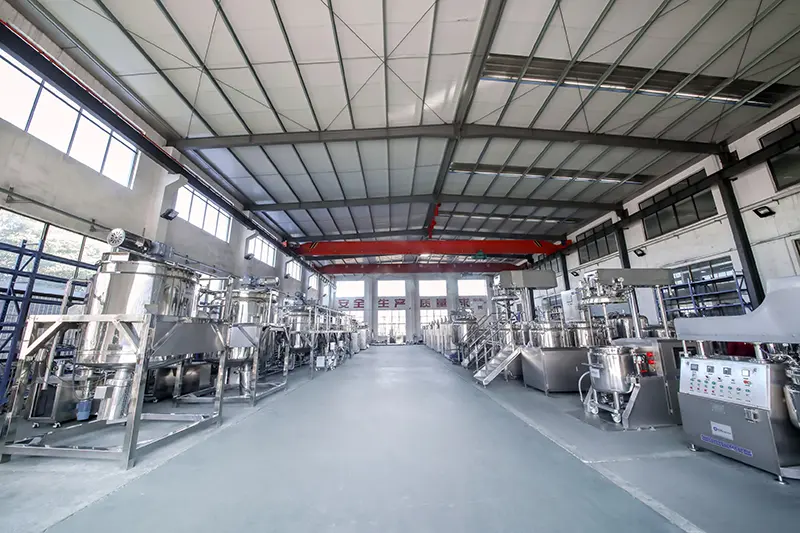
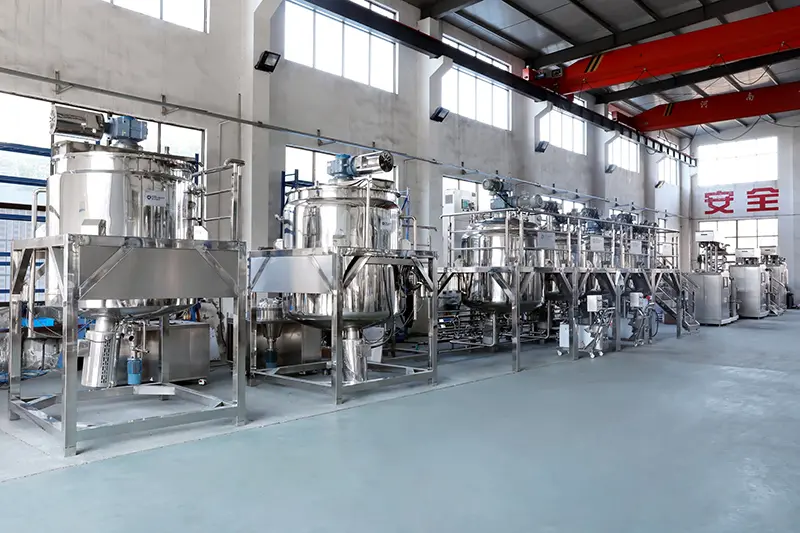
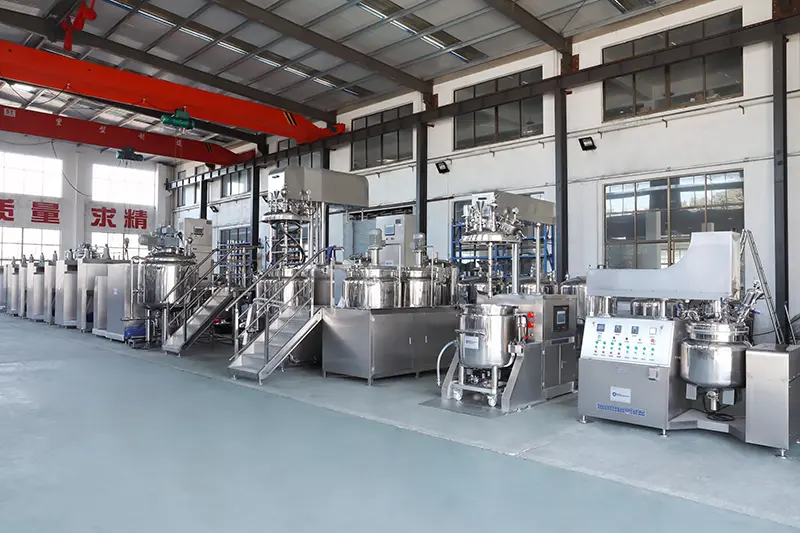
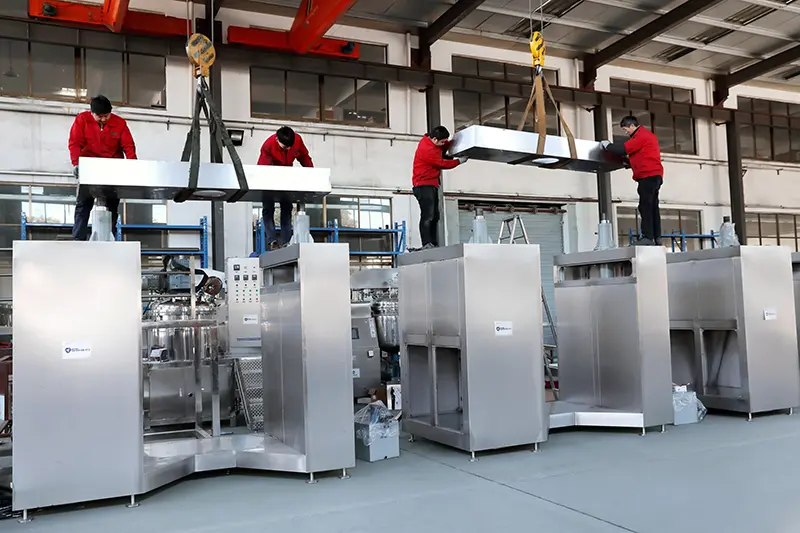
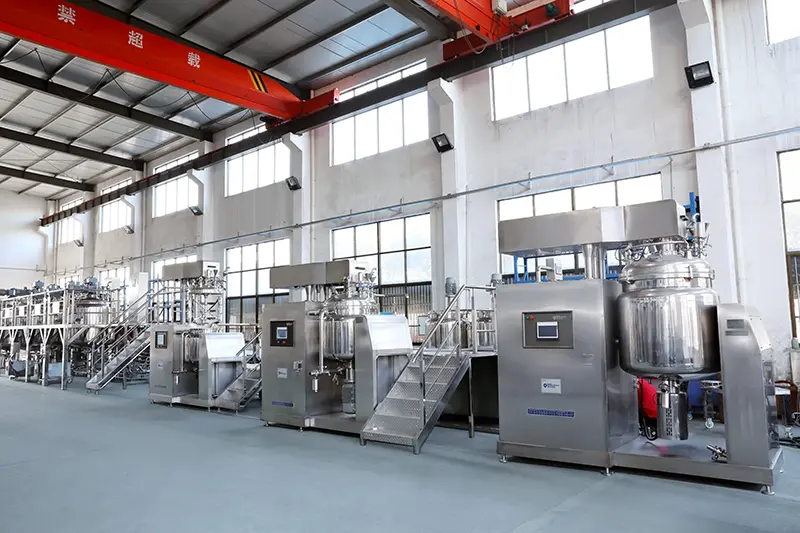
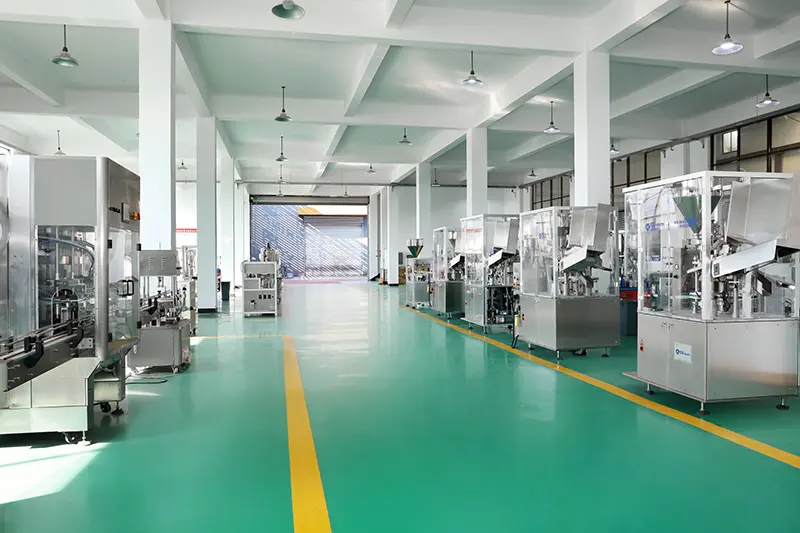
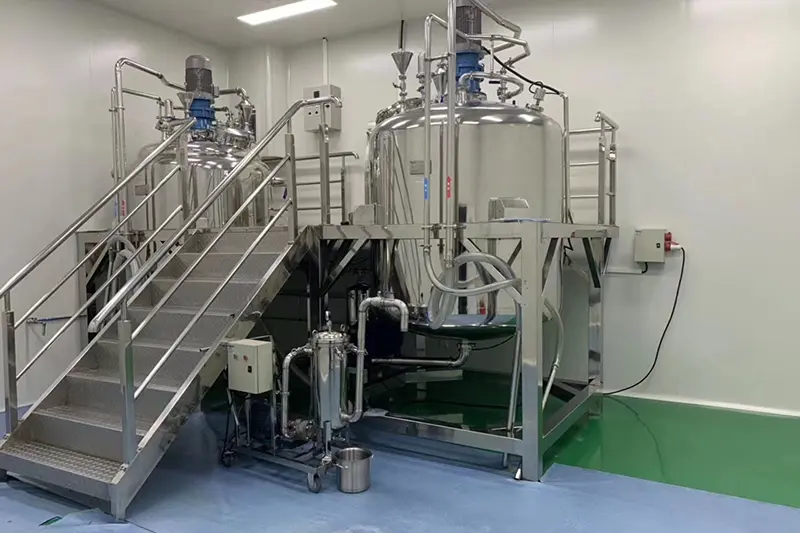
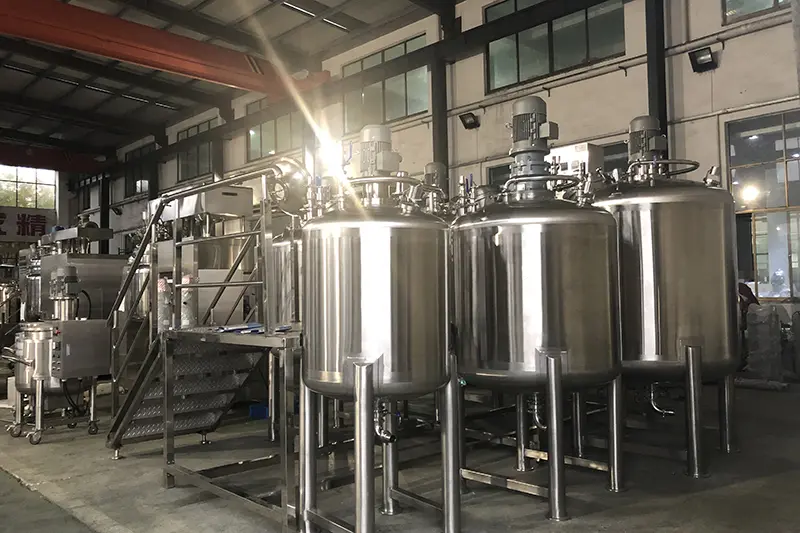
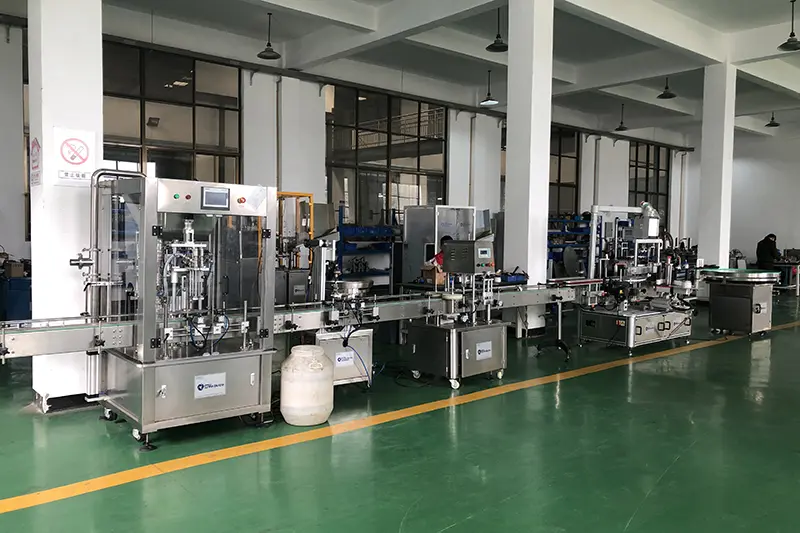
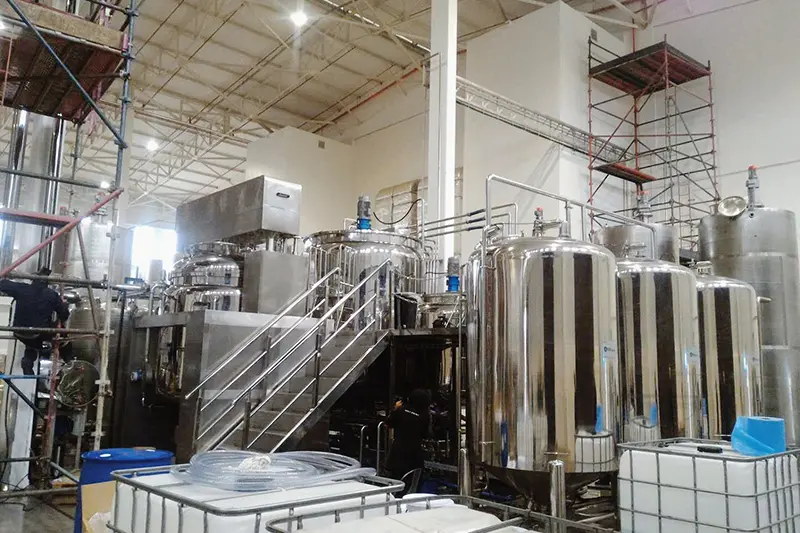
Why leading cosmetics brands rely on SINAEKATO's strategic fabrication ecosystem.
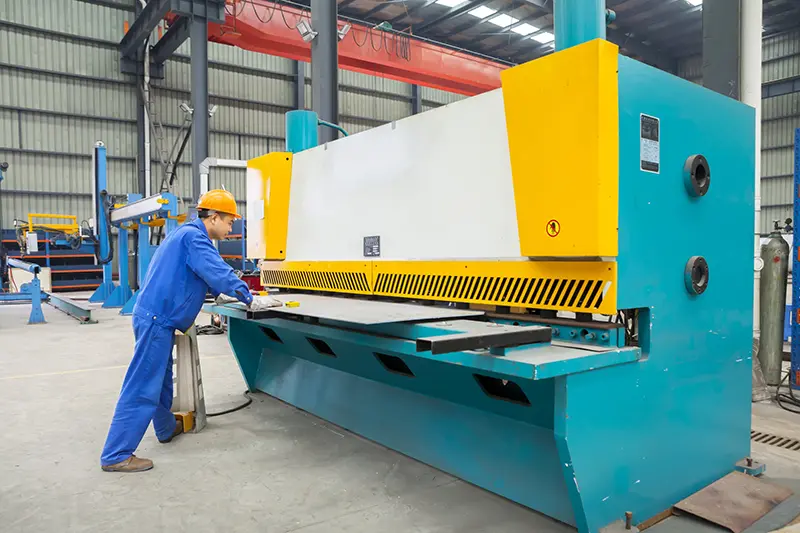
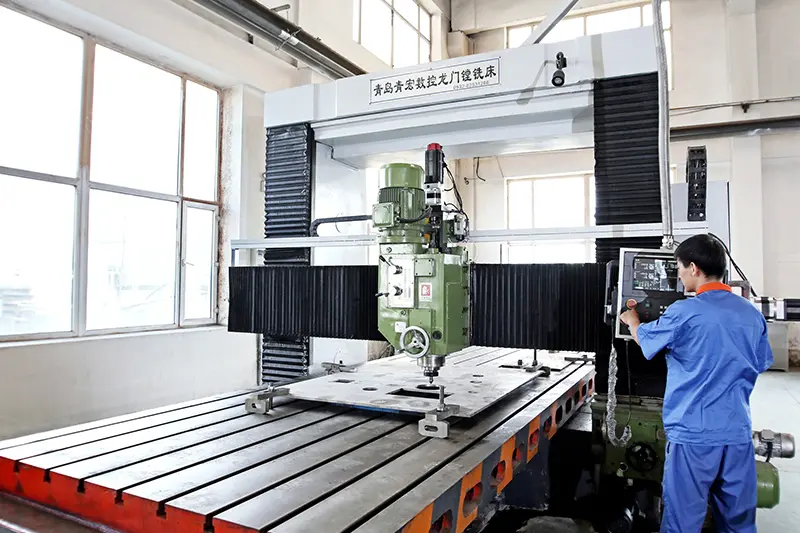
Operating from our advanced manufacturing facility in Gaoyou City, Jiangsu Province, SINAEKATO leverages a complete vertical integration model. By locating in China's industrial core, we source raw structural metals, high-precision laser-cutting processes, and customized electrical panels locally. This proximity reduces logistical lead times by up to 40% compared to Western machinery fabricators.
"LET THE WORLD KNOW MADE IN CHINA" is not just a slogan; it represents our commitment to delivering industrial-grade machinery that matches or exceeds European build quality at competitive pricing. The cost advantages derived from optimized labor productivity and high-efficiency material logistics are directly passed down to our global buyers.
Combined with design engineering support from our German cooperation branch, we configure facial mask automatic folding and bagging machines to comply with CE, UL, and CSA standards. This enables operators in North America, Europe, and Asia-Pacific to integrate our machines seamlessly into their existing facility architectures.

Ensuring operational continuity and safety alignments across global jurisdictions.
We offer full compliance with UL electrical codes and NEMA wiring standards. In addition, our automated packaging machinery line includes standard English HMI panel software configurations, ensuring your operators can navigate the system confidently.
Designed for European cosmetic operations, our facial mask machines carry CE certification, utilizing safety light curtains, emergency stop relays, and double-insulated wiring ducts to satisfy occupational safety standards.
Through partners and foreign service centers, SINAEKATO supports installation, system training, and local after-sales maintenance. If emergency troubleshooting is required, remote PLC diagnostic links allow online engineers to check the equipment instantly.
How digital integration and AI vision inspection are changing the factory floor.
As cosmetic brand cycles shorten, manufacturing facilities must handle quick material changeovers and diverse sheet shapes. Standard cotton masks are shifting toward delicate materials like bio-cellulose, micro-fiber, and ultra-thin plant-based membranes. Our latest folding machines utilize tension-sensitive photoelectric controls to handle fragile non-woven fibers without tearing or deforming.
Another emerging industry trend is the implementation of AI-driven vision inspection systems. Located prior to the sealing station, high-speed cameras scan the bag opening to detect excess liquid droplets, folded fabric protrusions, or misalignment. Our system triggers an automated reject gate to prevent defective products from entering the boxing line.
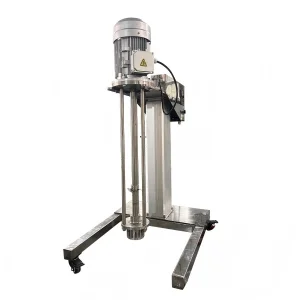
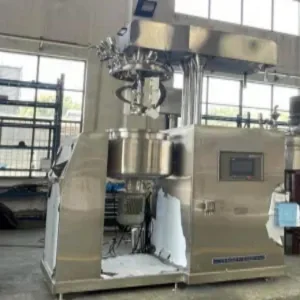
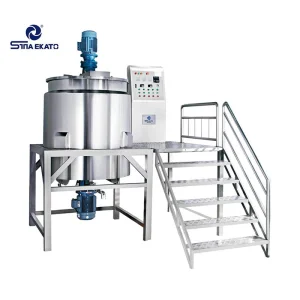
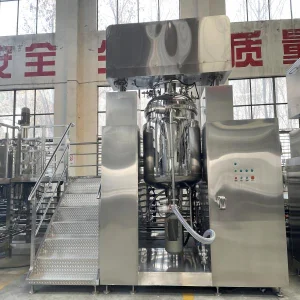
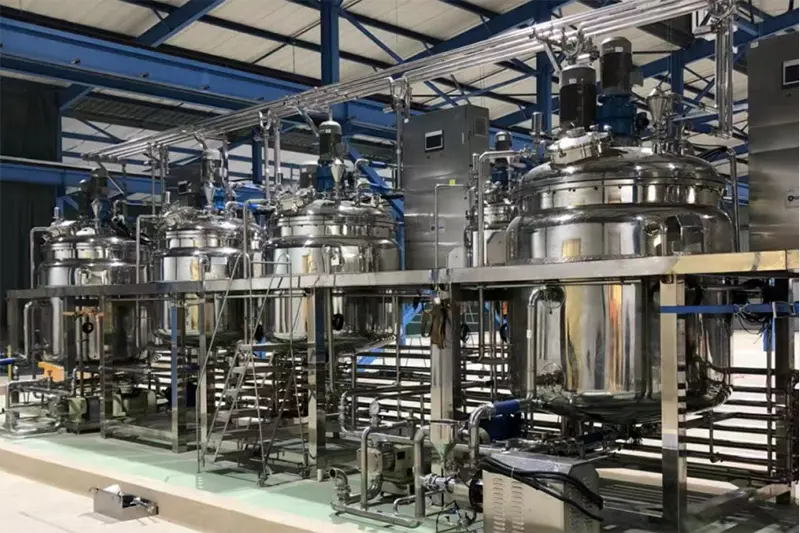
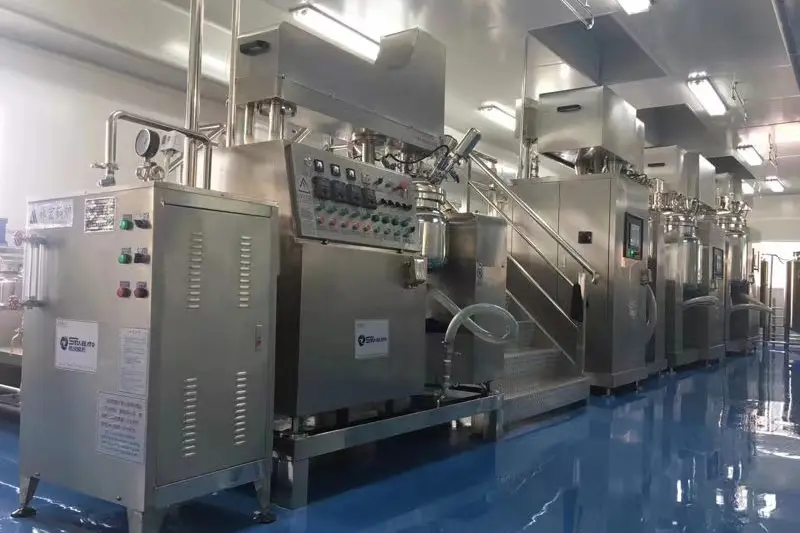
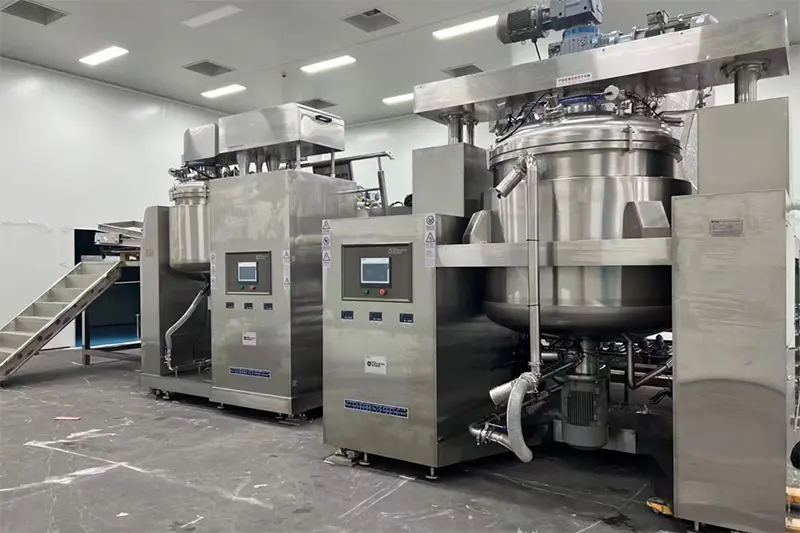
Finally, integration with upstream systems like high-shear emulsifiers and downstream cartoning lines is essential. Modern factories are building smart networks where PLC telemetry communicates production speeds, batch data, and error alerts directly to the ERP system, paving the way for Industry 4.0 in cosmetic packaging.
Detailed responses to technical, commercial, and operational B2B inquiries.
Create a highly integrated cosmetic factory floor with our professional machinery range.