The global color cosmetics market is undergoing a seismic shift. Modern consumers demand flawless aesthetics, long-lasting wear, and natural formulations. For manufacturers, translating these consumer desires into physical products requires highly precise thermal engineering at the crystallization phase.
Within lipstick and lip balm manufacturing lines, the Tunnel Type Lipstick Freezing Machine serves as the critical gatekeeper of final product quality. Traditionally, batch cooling tables or rudimentary static refrigerators were used to cool filled lipstick molds. However, these methods introduced extreme thermal inconsistency, resulting in "frosting" (wax crystallization on the lipstick surface), "sweating" (separation of oils), and structural weakness leading to breakage at the base.
Today, high-throughput production lines across North America, Europe, and Asia-Pacific rely on continuous-flow linear freezing tunnels. These systems apply controlled aerodynamic cooling to ensure uniform crystallization kinetics. As global demand for clean-label cosmetics rises—incorporating delicate plant waxes (like Carnauba, Candelilla, and Beeswax) and complex organic esters—precisely managing the cooling curve has transitioned from an operational option to a technical necessity.
Leading brands in Europe and Japan require OEL (Occupational Exposure Limit) compliant and fully cleanroom-compatible (ISO Class 7/8) tunnel freezing designs. Meanwhile, rapidly growing manufacturers in Southeast Asia and Latin America prioritize energy efficiency and adaptive humidity management controls to handle varying ambient factory environments.
Understanding the transition from basic refrigeration to high-velocity aerodynamic cooling systems.
Modern lipsticks are complex lipid systems. Slow cooling leads to large, brittle beta-type crystals. Advanced tunnels employ multi-stage cooling zones targeting the optimal glass transition temperatures to yield stable beta-prime micro-crystals, offering maximum luster and structural durability.
Microbiological safety is paramount. High-end freezing tunnels implement HEPA-filtered recirculated air arrays. Keeping the air velocity laminar across the molds eliminates airborne particulate contamination during the critical open phase before demolding and capping.
When metal molds are cooled to sub-zero temperatures (-5°C to -15°C), moisture condensation presents a serious quality risk. Modern systems integrate desiccant dry-air systems that keep the tunnel's internal dew point well below -20°C, preventing condensation and frost build-up.
The path forward focuses on environmental sustainability, energy recovery, and AI-driven predictive control loops.
Utilizing eco-friendly refrigerants (R448A/R449A) with electronic expansion valves linked directly to PLC modules. Temperature variances are kept within ±0.2°C along the entire conveyor path, maximizing batch-to-batch consistency.
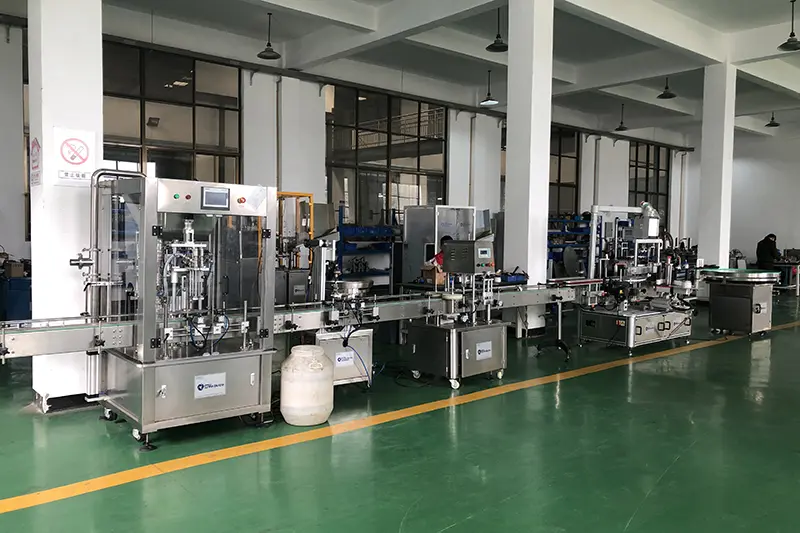
Direct mechanical synchrony with high-speed silicone mold and metal cup rotary filling systems. Automatic pick-and-place gantry loaders feed the chilled molds into the tunnel, reducing manual human intervention and potential product defects.
By leveraging sensors along the filling line, the system continuously predicts the heat load entering the freezing tunnel. If the fat-to-wax ratio of the current batch fluctuates, the tunnel automatically adjusts air velocity and stage-two cooling temperatures in real-time. This reduces waste and optimizes energy usage, ensuring consistent texture and appearance.
A freezing tunnel does not operate in isolation. Peak efficiency relies on seamless upstream and downstream machinery synchronization.
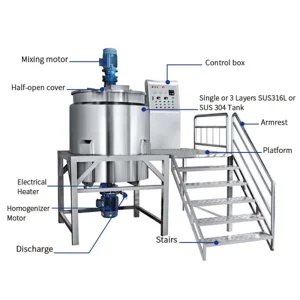
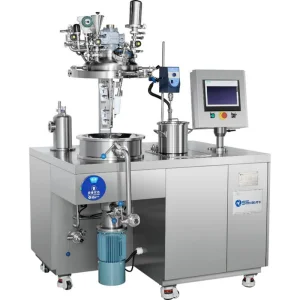
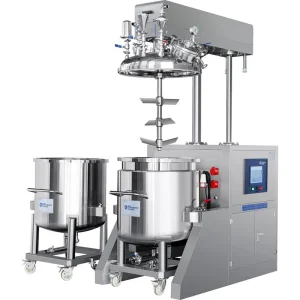
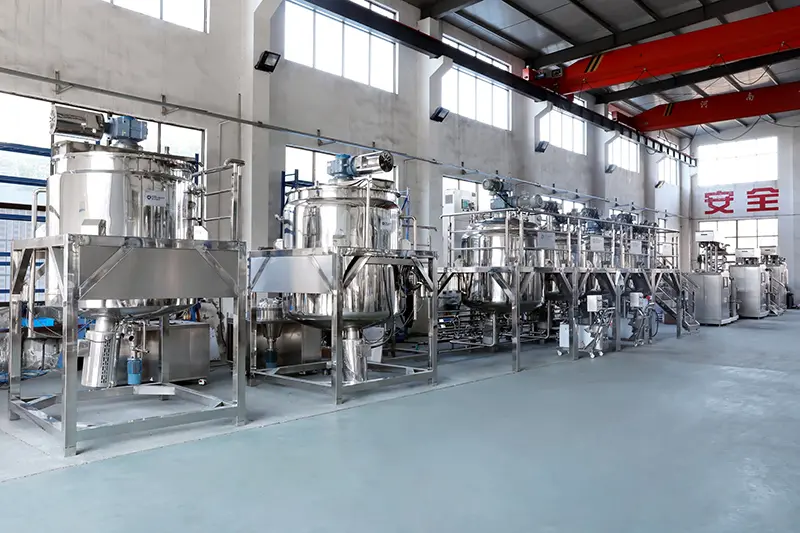
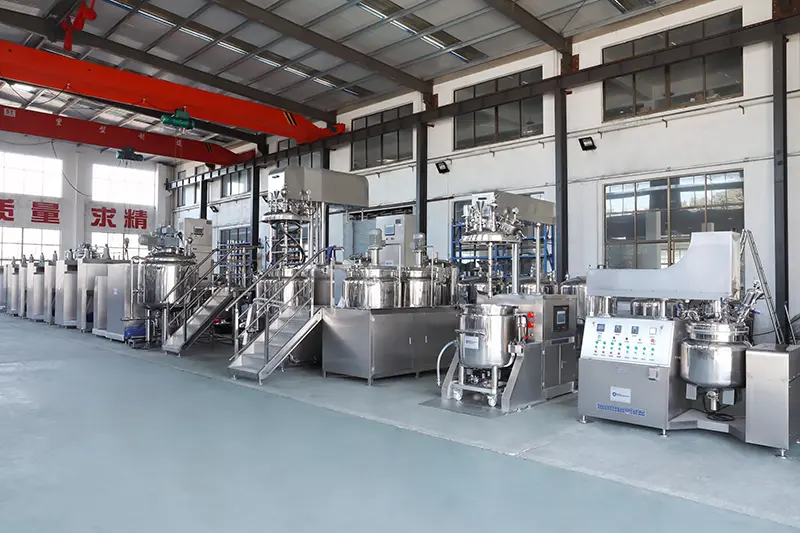
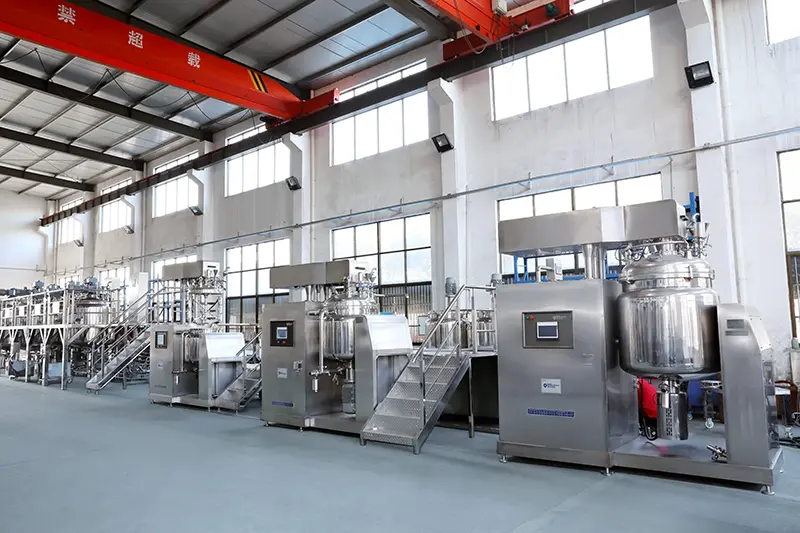
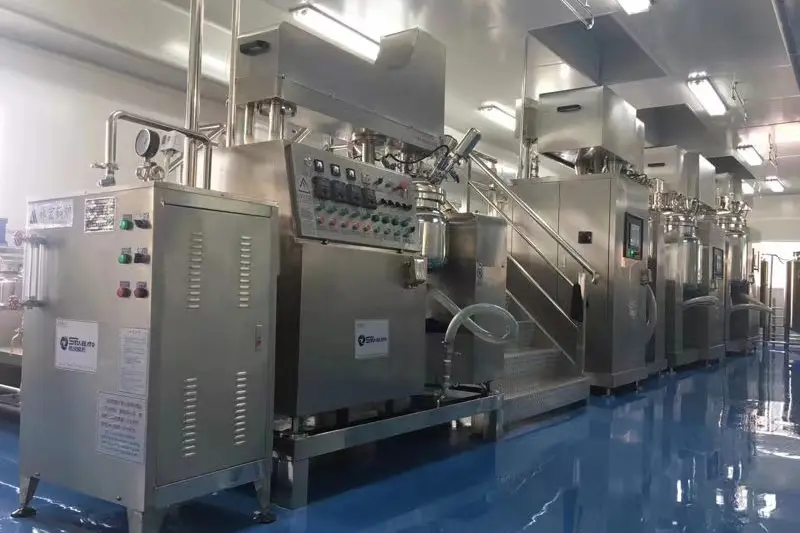
The journey of a high-quality lipstick begins with precision mixing. Raw pigments, waxy binders, and emollients are emulsified inside a SINAEKATO Vacuum Emulsifying Mixer. A uniform suspension of pigments within the wax matrix is critical; poor dispersion will lead to uneven cooling rates and micro-fissures inside the freezing tunnel.
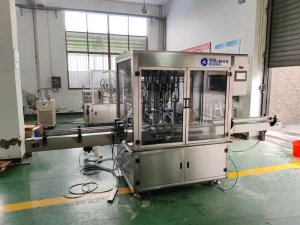
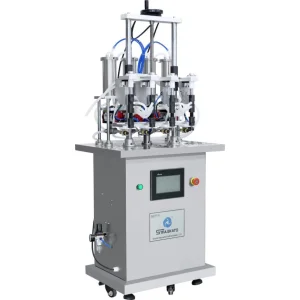
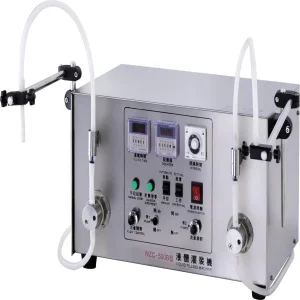
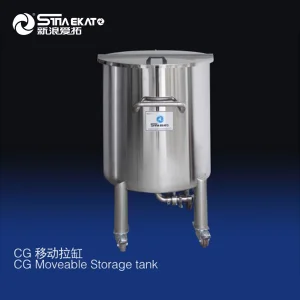
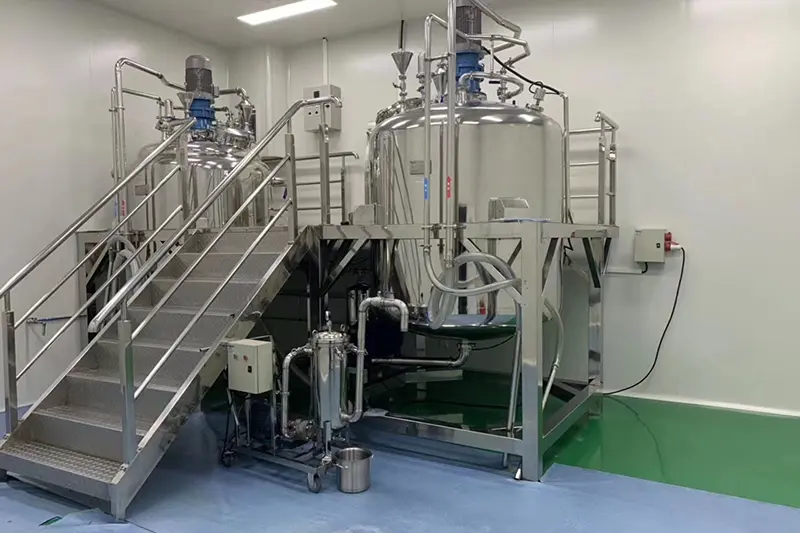
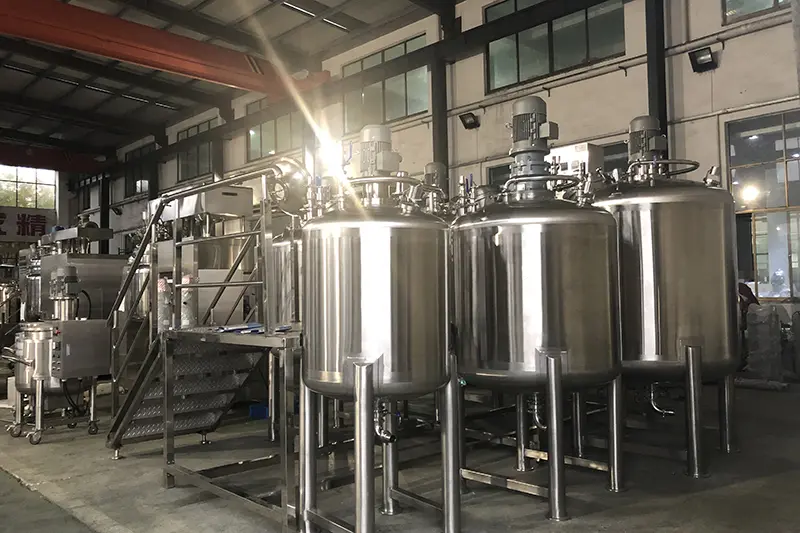
After mixing, the product is transferred to jacketed, temperature-controlled Stainless Steel Storage Tanks to maintain fluid mobility. Precision multi-head follow-filling machines deposit the hot liquid mixture (typically at 75°C to 85°C) into molds. Within seconds, the molds enter the Tunnel Type Lipstick Freezing Machine. Controlled zone-based temperature reduction quickly secures the pigment suspension, preventing phase separation, before the finished lipsticks are demolded, flamed, capped, and packaged.
With over three decades of industrial experience, SINAEKATO stands as a premier globally integrated partner for cosmetic, pharmaceutical, and food production equipment.
Founded in 1992, SINAEKATO has accumulated more than 30 years of engineering expertise in designing high-precision industrial machinery. Our product portfolio includes Vacuum Emulsifying Mixers, Liquid-Washing Homogenizer Mixers, Perfume Chiller Production Lines, Toothpaste Production Mixers, Fully-Automatic & Semi-Automatic Filling Lines, RO Water Treatment systems, and modern packaging lines.
We believe in technical innovation and strict quality control. Over 80% of our machine components are sourced from globally recognized suppliers, ensuring outstanding performance, durability, and operational longevity. Through close technical exchanges with international partners, we provide tailored machinery solutions that meet strict global regulatory frameworks, including FDA, GMP, and CE standards.
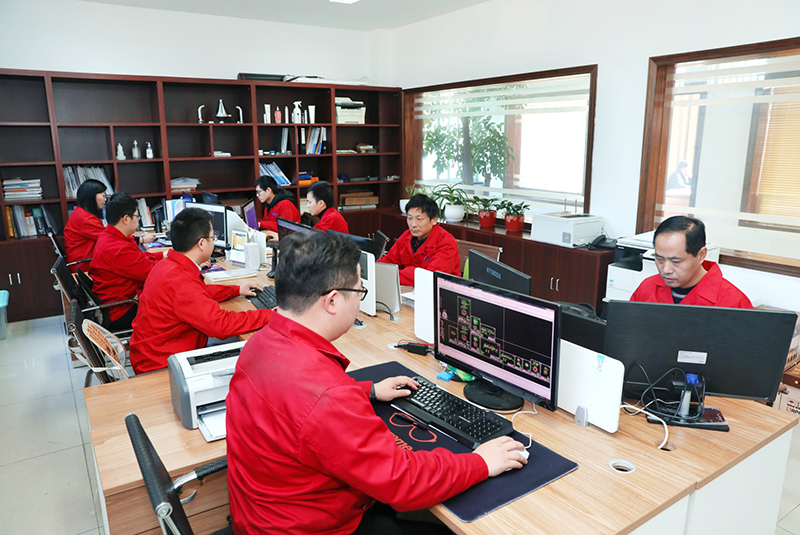
Investing in SINAEKATO machinery means securing professional, long-term technical support and robust, industry-compliant designs.
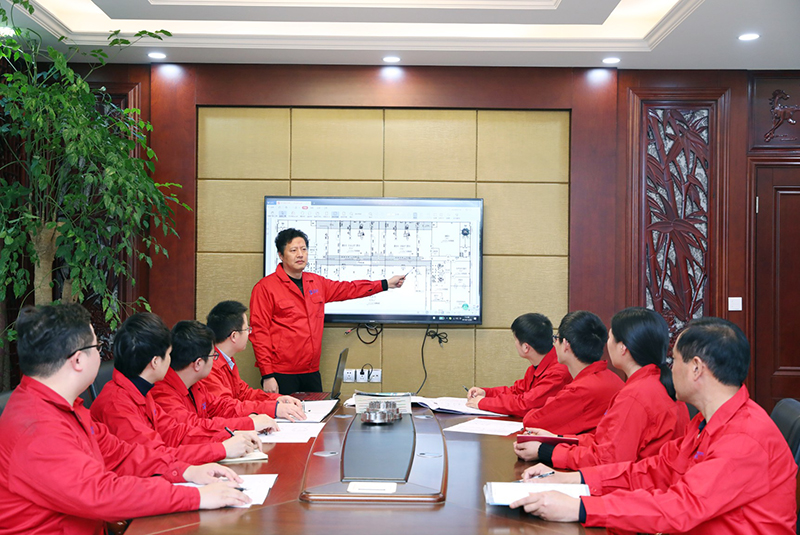
Science and technology drive modern production systems. We continuously refine our core technologies, utilizing advanced manufacturing tools and rigorous testing protocols to ensure every machine meets international requirements.
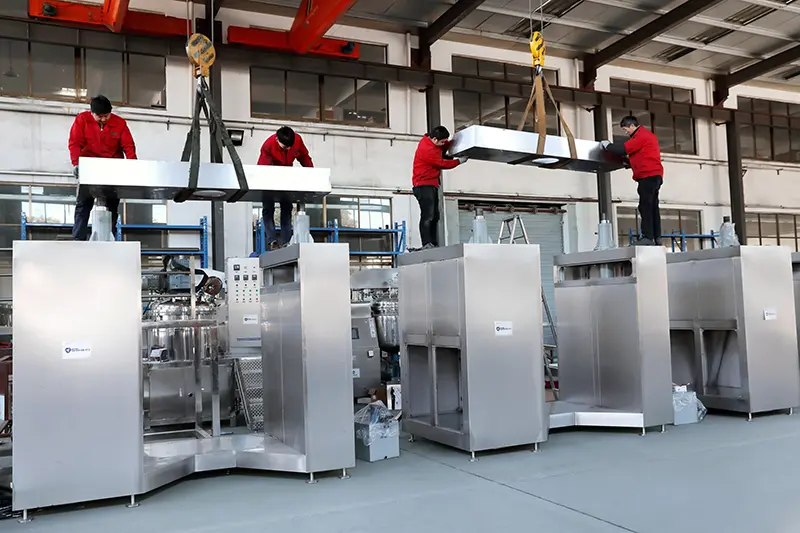
Our global presence is supported by a dedicated team of engineers in China and abroad, ready to assist with installation, optimization, and after-sales service. Guided by our vision, "LET THE WORLD KNOW MADE IN CHINA," we deliver high-performance machinery and services to partners across 55 countries, helping them scale production, minimize downtime, and maintain high product standards.
To guarantee reliability, 80% of our primary machinery components are supplied by world-leading brands. Our long-term partnerships with these component manufacturers enable us to incorporate the latest technical advancements and ensure spare parts availability, providing our clients with reliable, long-term system performance.
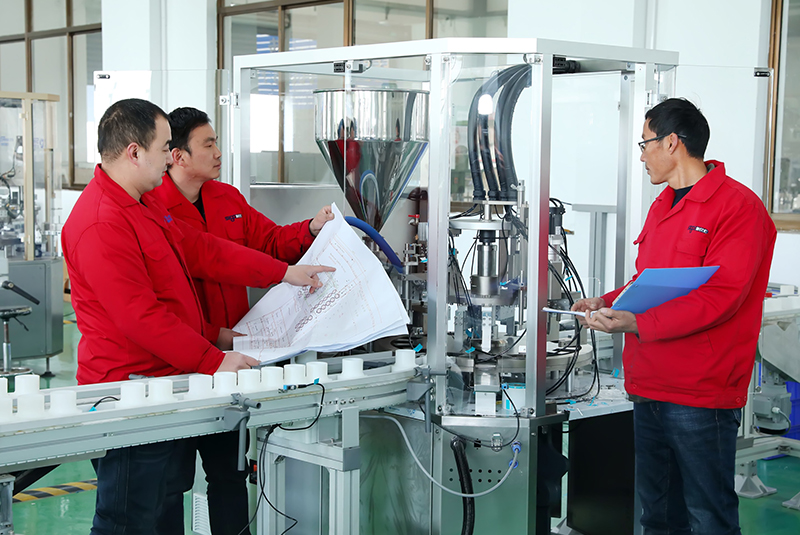
From a local workshop to a globally recognized cosmetics engineering manufacturer.
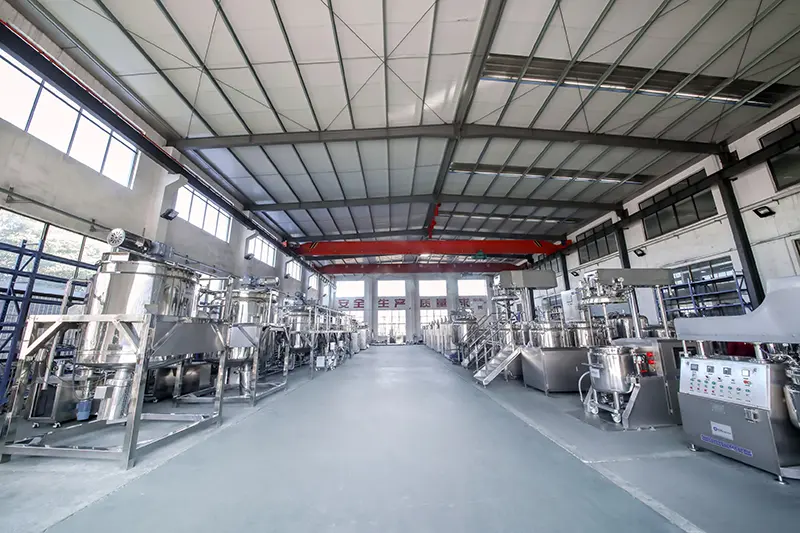
Engaged in the chemical machinery industry, laying the foundational engineering knowledge.
Guangzhou Sina Cosmetics Engineering Equipment Co., Ltd. was established to serve the domestic cosmetics market.
Established Hong Kong Hantao International Investment Co., Ltd. to initiate regional export and trade networks.
Gaoyou Sina Chemical Machinery Equipment Factory was established; Guangzhou Sina restructured and renamed.
Established Gaoyou Sina Light Industry Machinery Equipment Factory to diversify our production lines.
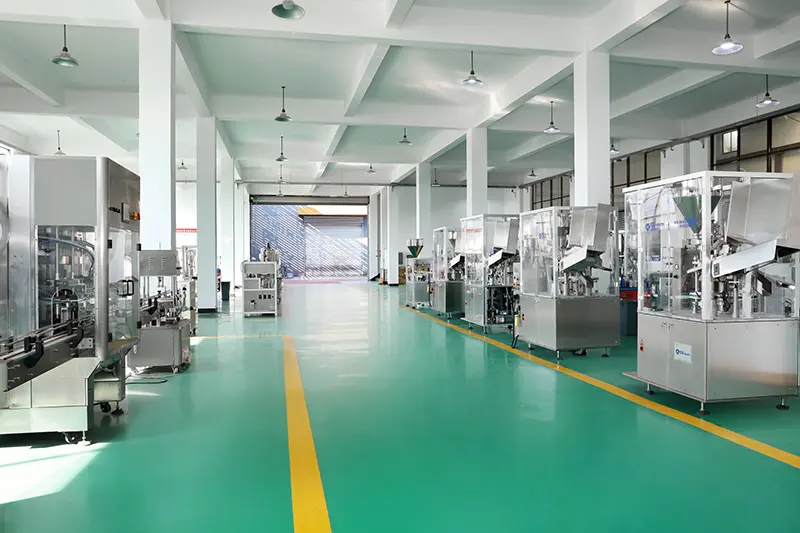
Purchased 10,000 square meters of land in Gaoyou City, establishing SINA EKATO CHEMICAL MACHINERY CO., LTD.
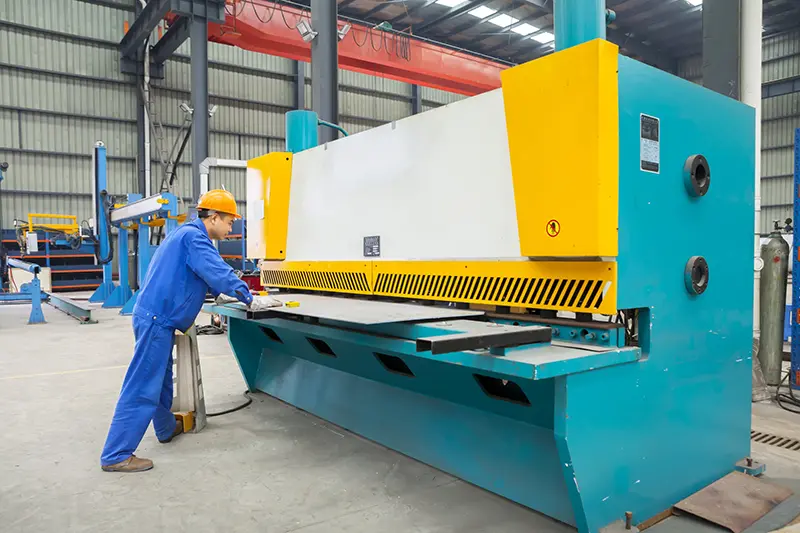
Established Yangzhou Hantao Chemical Machinery Co., Ltd. to enhance custom design capabilities.
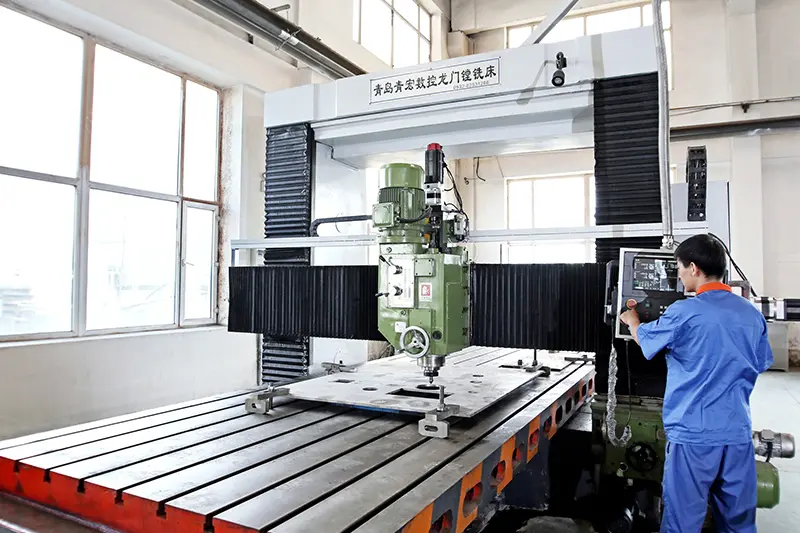
Acquired Guangzhou Jingcheng Machinery, built a large exhibition center, and expanded export sales channels.
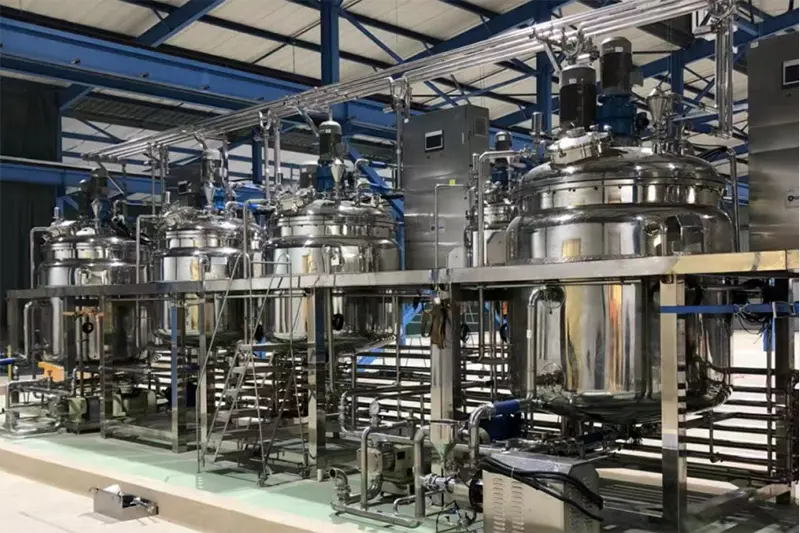
Guangzhou Sina Chemical Machinery Co., Ltd. was officially renamed to Guangzhou SINAEKATO Chemical Machinery Co., Ltd.
Acquired Guangzhou Suogao Machinery Equipment Co., Ltd. to integrate high-shear mixing technologies.
Established the Gaoyou City facility as our global production, sales, and after-sales service headquarters.
Established SINA EKATO Equipment (Jiangsu) Co., Ltd. to foster deeper international engineering collaborations.
Partnered with European specialist FLEMAC to establish Germany SINAEKATO Group Co., Ltd. for western market engineering standards.
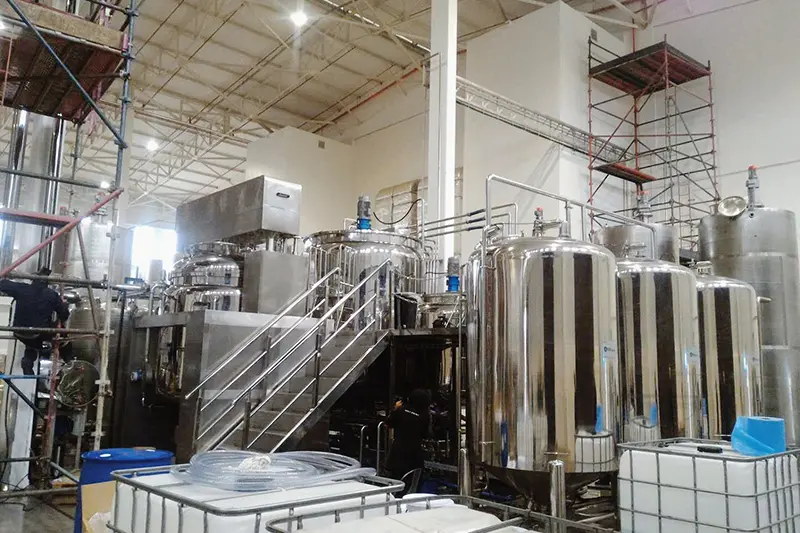
Partnered with South Africa Unilever ($800k project) and Japan SK-II Shiseido OEM manufacturer ($1.5M line setup).
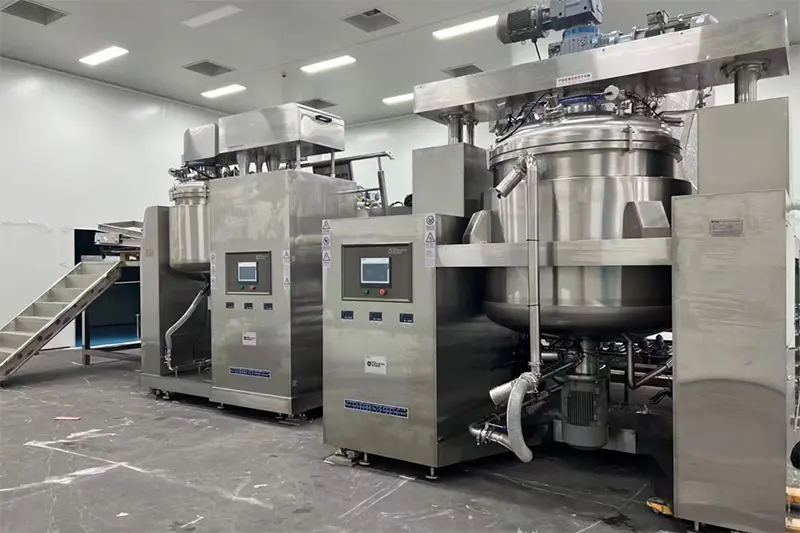
Executed a $1.0M high-throughput liquid-washing and detergent line project for a prominent Japanese personal care manufacturer.
Different regions present unique environmental challenges that directly affect thermodynamic cooling processes.
In hot and humid regions such as Southeast Asia and Latin America, cold metal molds can attract condensation, which can affect lipstick texture. Our custom configurations for these areas include integrated high-capacity air dryers and custom airlocks, keeping the inside of the tunnel dry and frost-free.
For pharmaceutical-grade cosmetic facilities in Europe and North America, our freezing tunnels feature fully welded stainless steel internals (SUS316L), tool-less disassembly for quick cleaning, and integrated clean-in-place (CIP) and dry-in-place (DIP) functions.
For contract manufacturers running multiple small batches, our tunnels support variable speed conveyors, adjustable cooling zones, and quick-change mold arrays. Operators can save and load profiles for lip balms, waxes, and lipsticks via the HMI touchscreen.
Answers to common engineering questions regarding the design, operation, and maintenance of modern cooling tunnels.
Choose SINAEKATO for professional technical support, reliable machinery, and responsive after-sales service. We are committed to helping you build stable, precise, and automated production systems. Let’s take the next step together.
Contact Our Technical Engineers Sina Ekato