Explore our industrial-grade, CE-certified systems designed for optimal fluid dynamics, emulsification, and liquid-powder compounding.
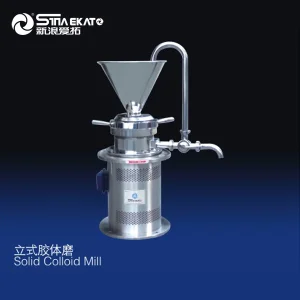
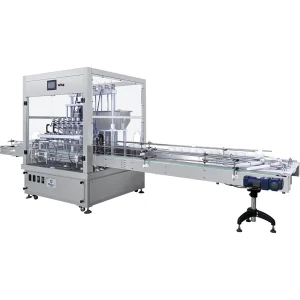
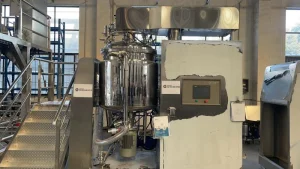
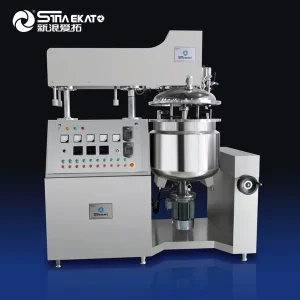
Addressing global efficiency pressures, feedstock variations, and the transition to ultra-low viscosity formulations.
In modern lubricant manufacturing, the requirement for absolute precision in additive injection and polymer dispersion is critical. Traditional batch blending systems struggle to yield uniform dispersion of high-molecular-weight polymers, particularly Viscosity Index Improvers (VII). This failure directly impacts the high-temperature high-shear (HTHS) properties of the finished lubricant.
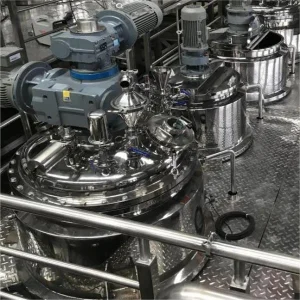
Our solutions incorporate advanced high-shear homogenizers and vacuum system technologies that allow for seamless mechanical dispersion and structural stabilization of polymers. By combining thermal precision with highly controlled mechanical shear, we eliminate hotspots and local base-oil degradation, guaranteeing strict adherence to SAE standards.
Information Gain Insight: Our blending equipment achieves a homogenization variance of less than 0.15% across a standard 10,000-liter batch, saving up to 8% in raw additive costs by optimizing chemical yield.
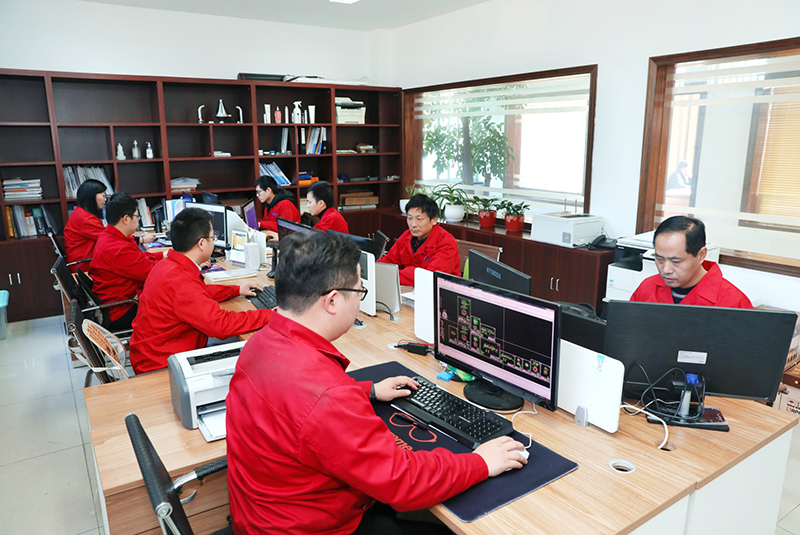
Designed for high-throughput factories, SMB continuously feeds base stocks and additives into a common header pipe, ensuring high speed, reduced clean-up waste, and minimum hold-up volume.
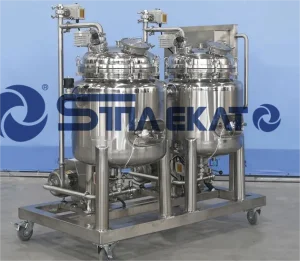
Ideal for complex formulations with variable run sizes. Scaled blending vessels equipped with multi-speed agitators and high-precision load cells manage multi-grade engine oil batches from 1 to 50 tons.
Avoid product cross-contamination using automatic pigging systems. Rapidly purge transport lines with zero dilution, securing extreme clean-in-place (CIP) and product recovery metrics.
A trusted global machinery brand born in 1992, engineering precision-focused blending, homogenizing, and packaging equipment for blue-chip operators.
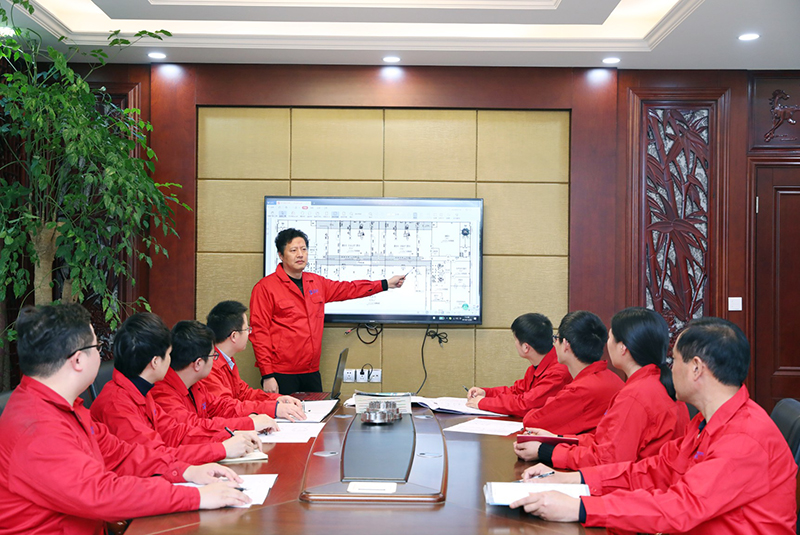
SINAEKATO, one of the China's leading machinery brands, was born in 1992. Over more than 30 years, we have built a rich history of designing Vacuum Emulsifying Mixers, Liquid-washing Homogenizer Mixers, Filling Lines, and Turnkey Storage systems. Our technology scales across industrial sectors, providing reliable machinery solutions for cosmetics, chemical, food, and automotive lubrication applications.
Today, SINAEKATO operates in nearly 55 countries, employing approximately 150 skilled staff in our primary China manufacturing facilities and an international support network of over 10 direct service agents worldwide. This technological expertise in mixing systems, inline high-shear emulsification, and complete high-viscosity fluid handling is internationally recognized.
How macro-economic shifts, environmental guidelines, and electric vehicle adoption shape lube oil blending demand worldwide.
The global lubrication landscape is shifting toward ultra-high-efficiency oils (0W-16, 0W-20) and synthetic industrial formulations. Under the API and ACEA framework, lubricant blending is no longer a simple paddle-mixing exercise. It is a precise thermal and mechanical process that requires accurate temperature controls to protect base oil molecules from oxidative stress.
In Europe, strict regulatory regimes demand carbon neutral blending operations, steering engineering focus toward heat-recovery jackets and bio-degradable esters. Meanwhile, in high-growth developing economies, the priority remains rapid plant mobilization, quick-change batch flexibility, and scalable automation to meet growing industrial demand.
SINAEKATO bridges these demands by integrating high-performance German-engineered components and structural steel configurations. 80% of our core machine parts are sourced from world-class suppliers (such as Siemens PLC systems, ABB motors, and Omron electrical systems). This allows us to provide localized technical support and guarantees long-term durability on any continent.
| Blending Parameter | Conventional Blending Plant | SINAEKATO Advanced LOBP Systems |
|---|---|---|
| Additive Injection Accuracy | +/- 1.0% by weight | +/- 0.05% using Coriolis mass flow meters |
| Viscosity Index Dissolution Time | 6 to 8 hours (atmospheric) | 1.5 to 3 hours (via high-shear vacuum system) |
| Residual Hold-Up (Cross Contamination) | High (Requires extensive flushing) | Negligible (Integrated line-purging pigging systems) |
| Energy Consumption (per Ton) | 18 - 25 kWh | 11 - 14 kWh (Optimized hydrofoil impellers & thermal recovery) |
Deep-dive analysis of polymer dispersion and blending kinetics inside modern industrial-scale reactors.
Viscosity Index Improvers (VII) are long-chain polymers that expand at high temperatures to offset base oil thinning. These polymers (primarily OCP - Olefin Co-polymer, or PMA - Polymethacrylate) are supplied in large solid blocks or highly viscous concentrates. Dissolving and blending these blocks requires high mechanical shear to prevent "gel-eyes" while avoiding over-shearing, which can permanently break the polymer chains and diminish their viscosity-index boosting properties.
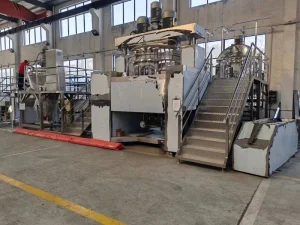
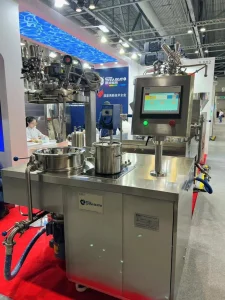
Our custom-built homogenizing vessels utilize a dual-impeller design: a slow-speed counter-rotating scraper agitator that ensures efficient bulk heat transfer along the vessel wall, combined with a high-shear bottom-entry homogenizer. The high-shear rotor-stator design subjects the polymer aggregates to intensive localized shear forces, resulting in an exceptionally fast particle-size reduction and a stable dispersion phase.
Maintains processing temperatures between 80°C and 120°C with highly responsive PID-loop feedback. Prevents thermal cracking of delicate esters and synthetic base stocks.
Eliminates microscopic air bubbles during blending. Preventing air entrainment reduces oxidation rates during storage and improves the shear stability of the finished oil.
Automated raw material tracking, inventory level alerts, real-time mass calculations, and dynamic formulation management via an intuitive operator interface.
How SINAEKATO evolved from a localized chemical equipment manufacturer to a global machinery powerhouse.
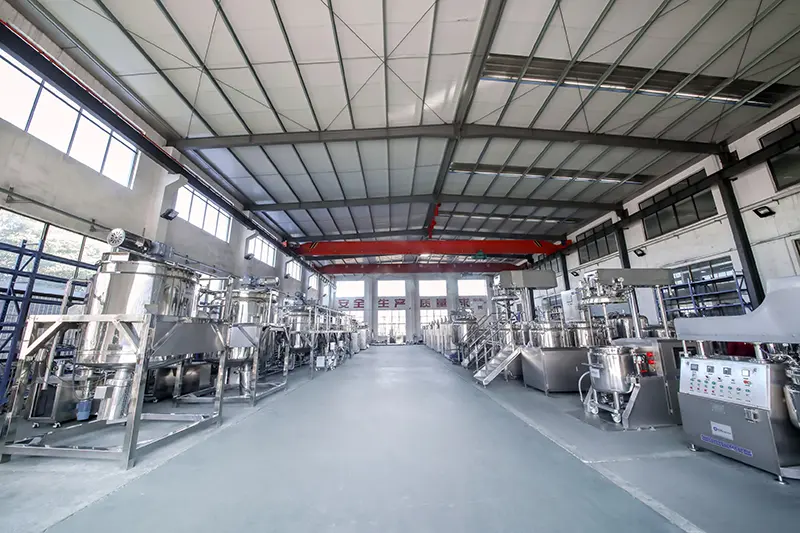
Engaged in the chemical machinery industry, establishing foundational expertise in high-viscosity agitator design and metallurgy.
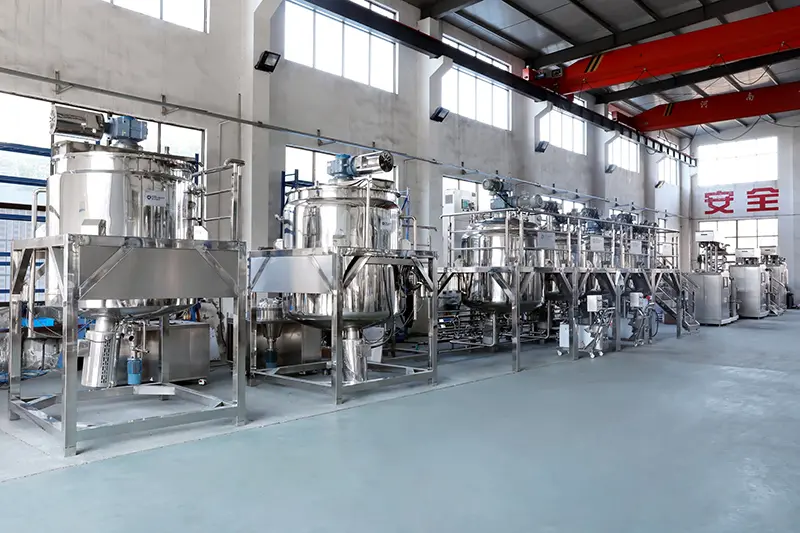
Guangzhou Sina Cosmetics Engineering Equipment Co., Ltd. was established to design complex mixing plants.
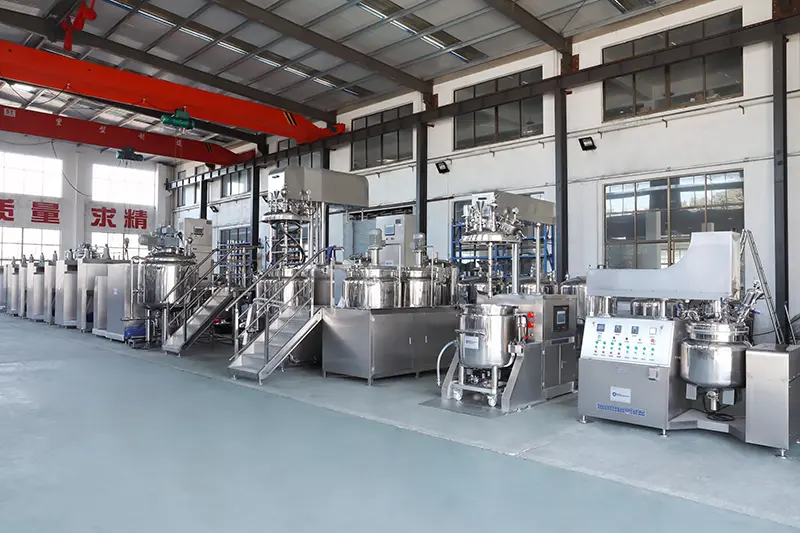
Established Hong Kong Hantao International Investment Co., Ltd. to initiate global supply routes.
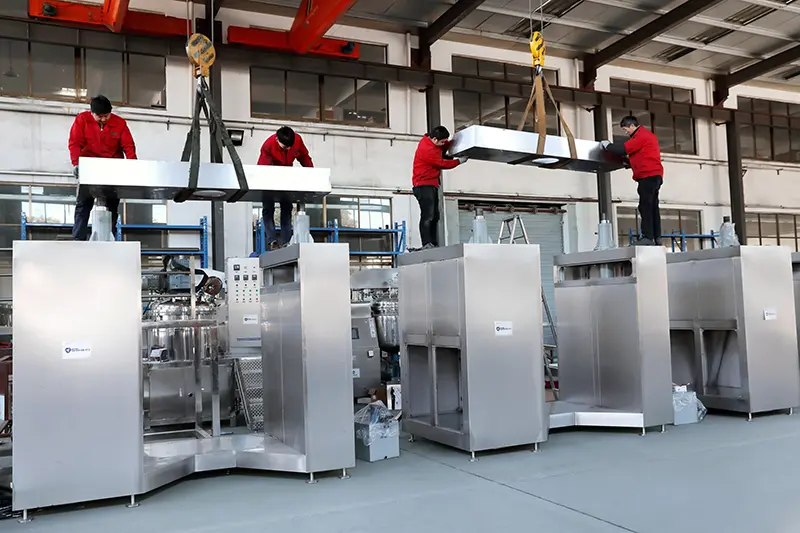
Gaoyou Sina Chemical Machinery Equipment Factory was established (simultaneously renamed Guangzhou Sina Chemical Machinery Co., Ltd.).
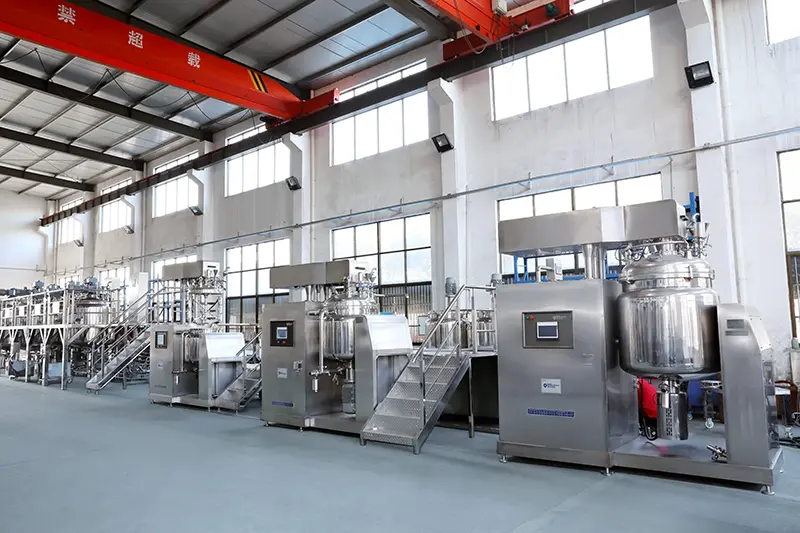
Established Gaoyou Sina Light Industry Machinery Equipment Factory to scale process options.
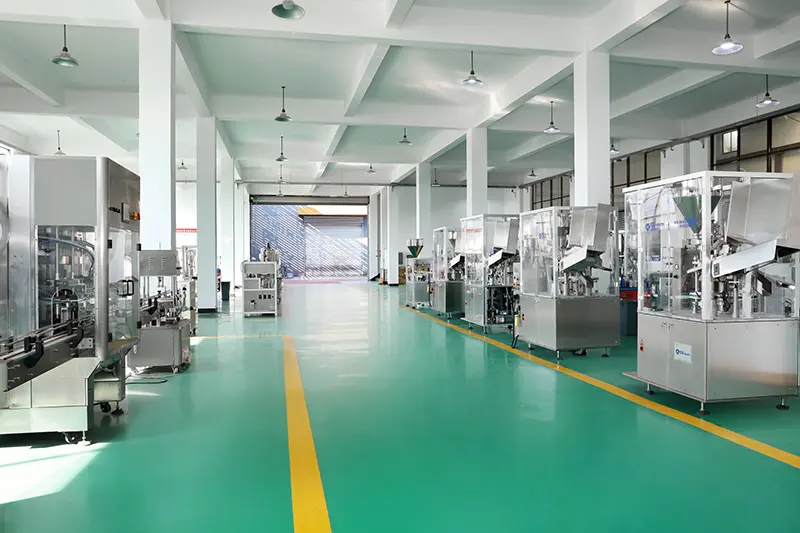
Purchased 10,000 square meters of land in Gaoyou. A new processing plant was put into operation under the name: SINA EKATO CHEMICAL MACHINERY CO., LTD(GAOYOU CITY).
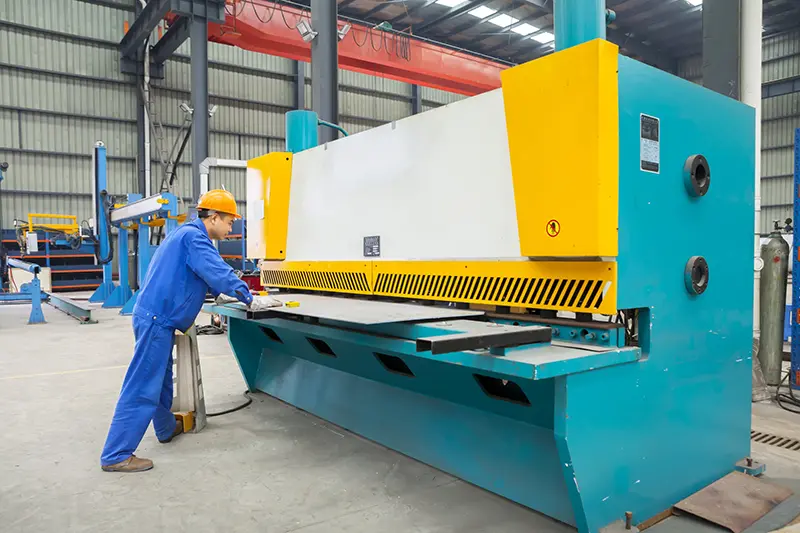
Established Yangzhou Hantao Chemical Machinery Co., Ltd. for larger fabrication and pressure vessel production.
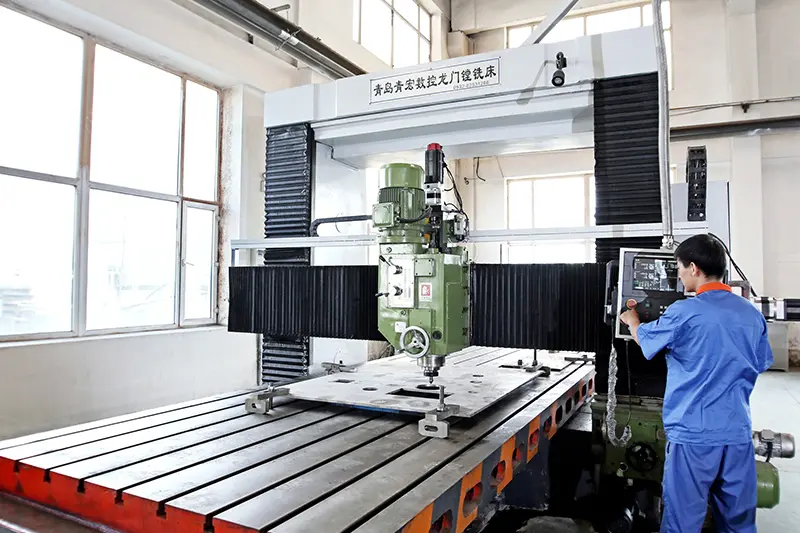
Acquisition of Guangzhou Jingcheng Machinery; set up a large exhibition center and initiated export sales routes.
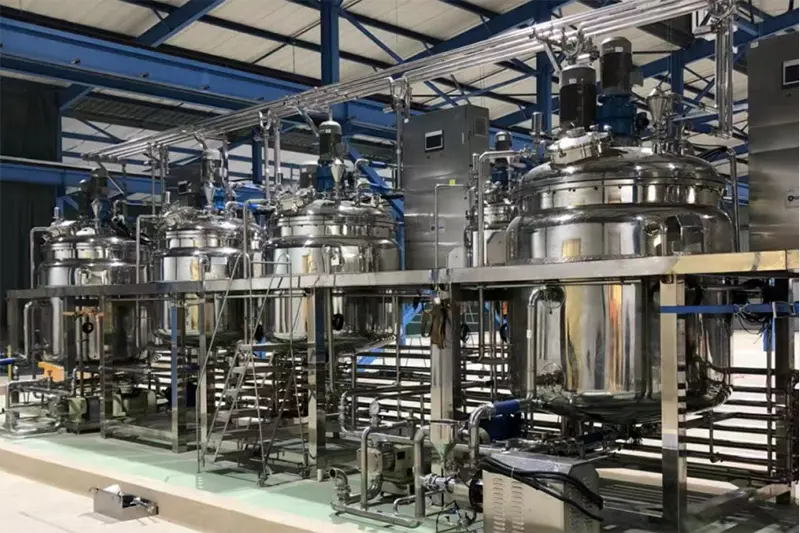
Original Guangzhou Sina Chemical Machinery Co., Ltd. renamed to Guangzhou SINAEKATO Chemical Machinery Co., Ltd. to unify global branding.
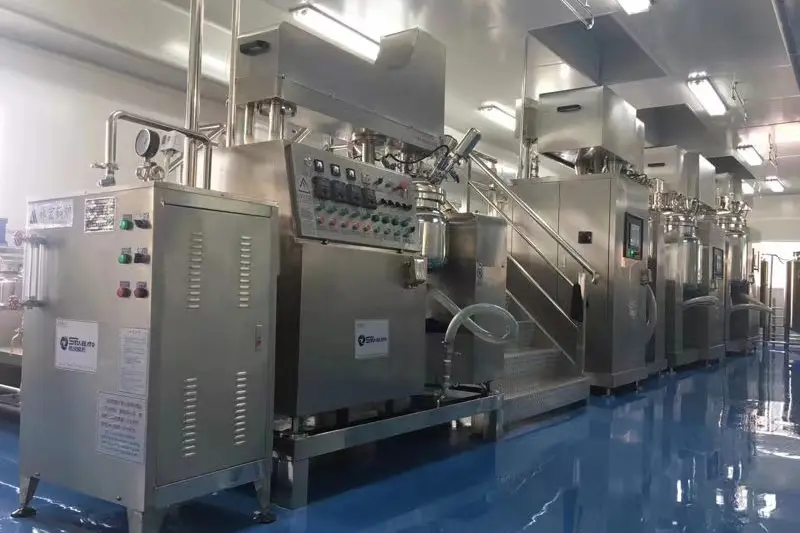
Acquisition of Guangzhou Suogao Machinery Equipment Co., Ltd., integrating advanced packing line designs.
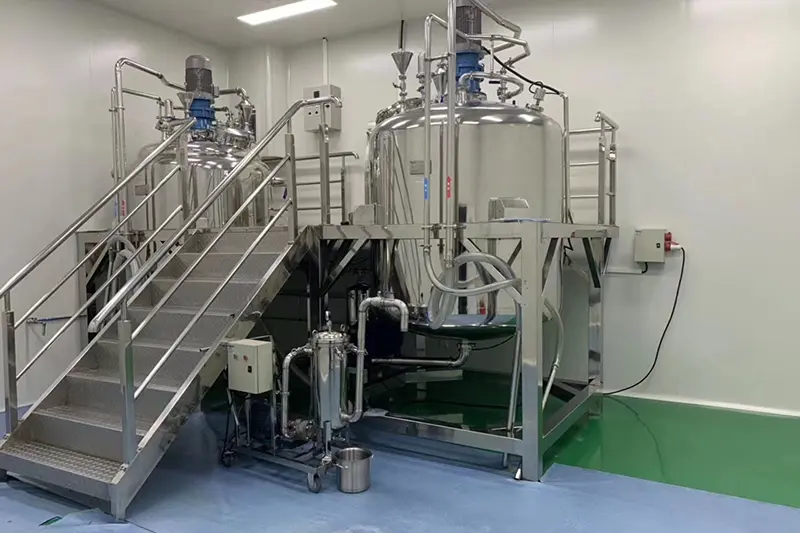
SINA EKATO CHEMICAL MACHINERY CO., LTD(GAOYOU CITY) designated as Production, Sale, and After-sale Service Headquarters.
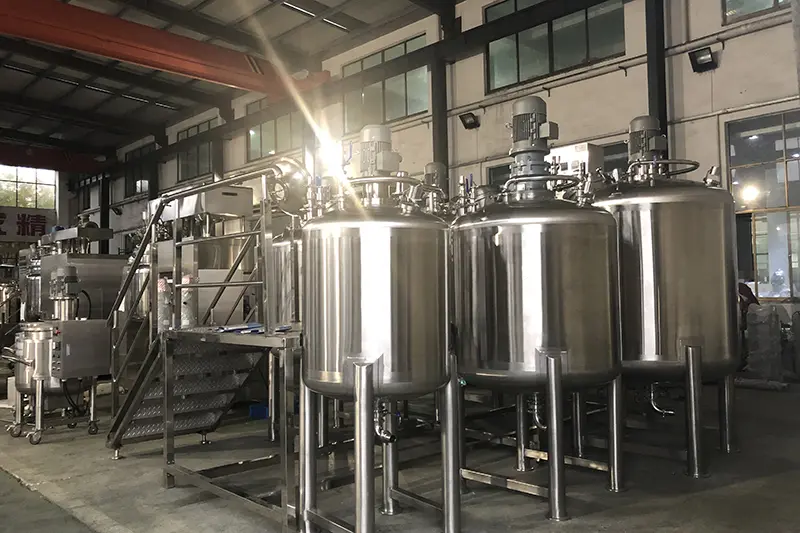
Established SINA EKATO Equipment (Jiangsu) Co., Ltd. (Foreign cooperation) targeting high-level automated chemical processes.
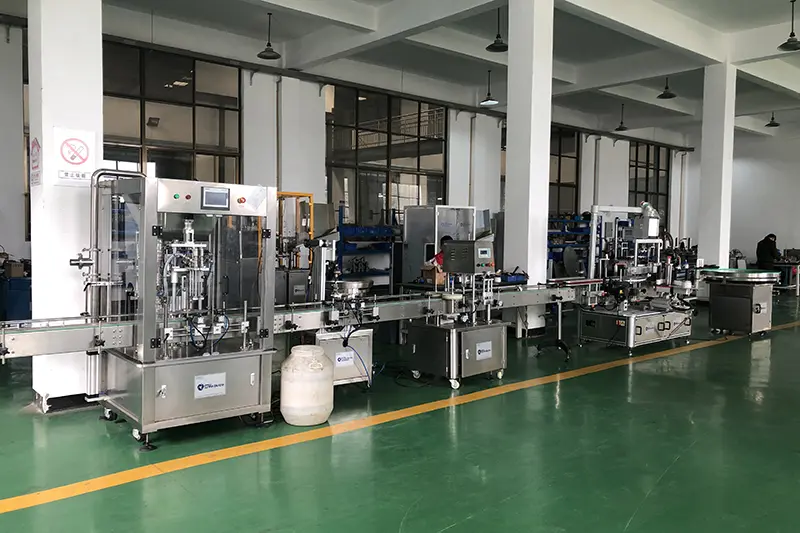
SINAEKATO partners with European group FLEMAC to establish Germany SINAEKATO Group Co., Ltd., importing high-performance homogenizer designs.
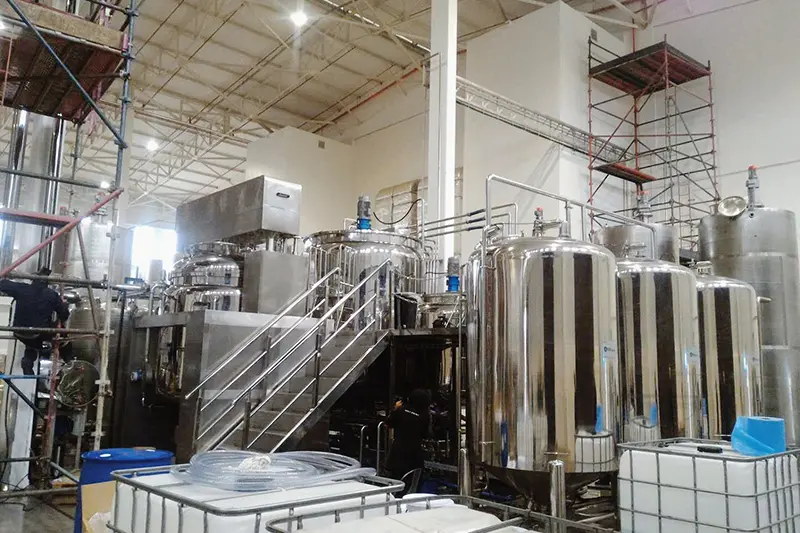
Delivered a $800,000 cosmetic production line for Unilever South Africa, and a $1,500,000 manufacturing system for a major Japanese OEM (SK-II / Shiseido products).
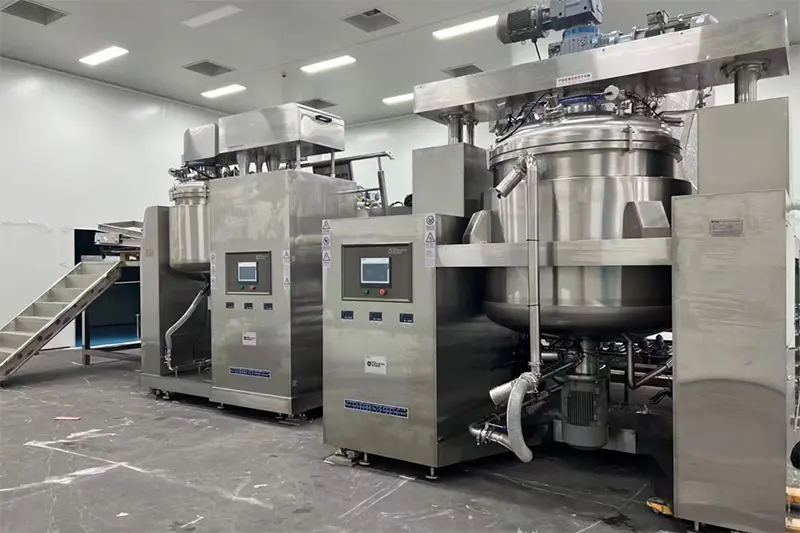
Cooperated with a Japanese partner to build a large-scale detergent liquid-washing plant, completing a $1,000,000 order during global supply limitations.
Tailored configurations to meet distinct regional standards including ATEX, CE, ASME, and local environmental limitations.
Because base oils and additives can have flashpoints requiring protective handling, and chemical environments often contain volatile vapours, explosion-proof plant engineering is essential. Our equipment is manufactured in strict compliance with ATEX and IECEx specifications, featuring explosion-proof motors, load cells, and junction boxes.
Furthermore, our integrated CIP (Clean-In-Place) cleaning systems operate under closed-loop controls, using acid, alkali, and hot water rinse cycles to purge residual product with zero atmospheric venting. This design satisfies the requirements of US EPA and European CE clean-water initiatives, saving money while ensuring compliance.
Factory Safety Integration: Automatic shut-off valves, thermal containment barriers, and oxygen-deprived nitrogen blanketing inside reactors protect your operators and secure high insurability ratings globally.
Whether processing high-end synthetic automotive lubricants, complex metalworking fluids, or marine cylinder oils, we align the materials (Stainless Steel 304, 316L, or specialized Duplex steels) to resist corrosion and chemical attack over decades of service.
Detailed engineering answers addressing operational challenges in modern lubricant and chemical production plants.
Our bottom-entry homogenizer utilizes variable frequency drives (VFD) coupled with customized stator geometry. By monitoring continuous viscosity indicators, the PLC control system automatically adjusts shear speeds to ensure rapid dispersion of Viscosity Index Improvers (VII) without breaking the primary molecular backbones of the polymers.
Yes. Our modular Automatic Batch Blending (ABB) designs combine pigged manifold systems with multiple additive injection points. By completely evacuating transport lines between batches using pneumatic pig launching, we prevent cross-contamination and allow immediate transitions between grades.
A vacuum system prevents moisture condensation and air entrainment during the blending process. Moisture causes additive breakdown (specifically in zinc dialkyldithiophosphates, or ZDDP), while aeration induces oxidation. Vacuum-blended oils have a cleaner appearance and exhibit longer shelf stability.
We mount blending vessels on high-accuracy, shear-beam load cells connected directly to the central SCADA system. Multi-stage batch controllers regulate filling valves, adding ingredients by precise mass calculations rather than volume, compensating for temperature-induced density changes.
We deliver complete technical documentation packages including CE conformity declarations, pressure vessel certifications (ASME/GB), ATEX classification drawings, and complete layout blueprints. Our global support team handles onsite mechanical assembly, electrical integration, and commissioning.
Looking ahead at AI-controlled plants, automated quality verification, and low-carbon processing methods.
The next generation of lubricant manufacturing plants will feature self-optimizing blending loops driven by real-time viscosity measurements and machine learning models. Instead of taking laboratory samples post-blending, NIR (Near-Infrared) sensors in the circulation line continuously analyze additive ratios and base oil consistency, adjusting feed rates on the fly.
SINAEKATO is at the forefront of this shift, preparing our control platforms to integrate with global ERP and predictive maintenance systems. Our smart agitator gearboxes monitor vibration and heat generation to forecast bearing wear, reducing unexpected downtime and maximizing plant efficiency.
We invite global partners to collaborate with us as we step forward into the future of automated, clean, and highly efficient manufacturing systems.
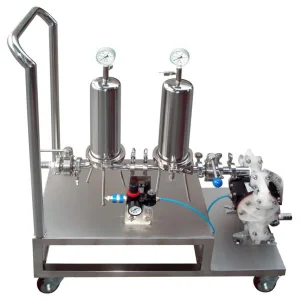
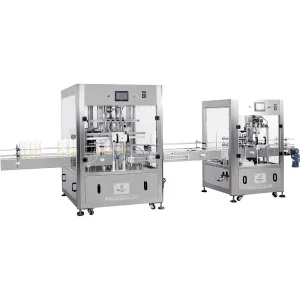
Complete your production configuration with vacuum dispersing mixers, chemical cooling systems, filtration skids, and automated packaging equipment.
 Sina Ekato