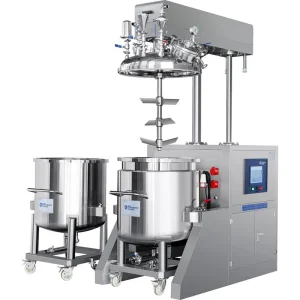
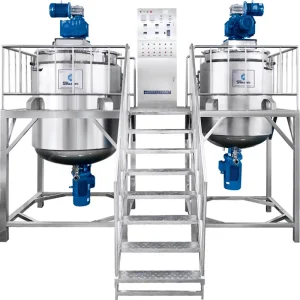
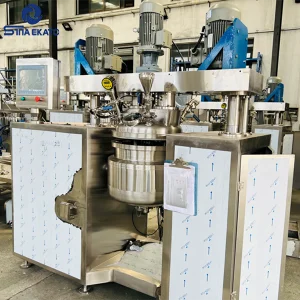
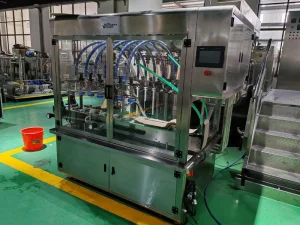
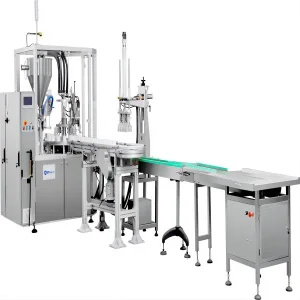
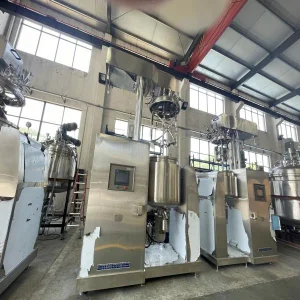
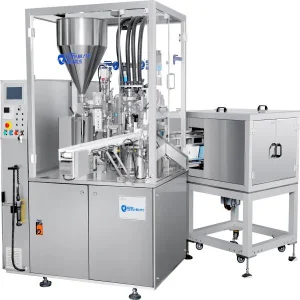
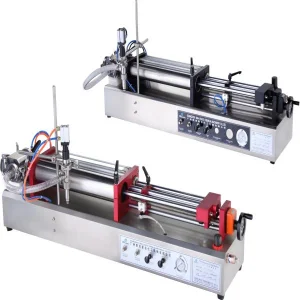
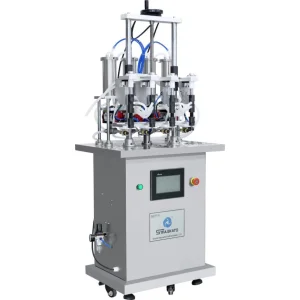
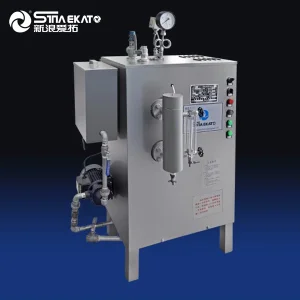
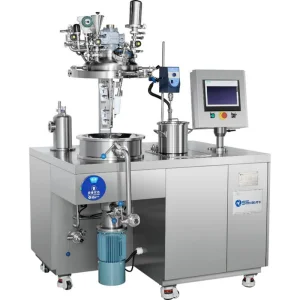
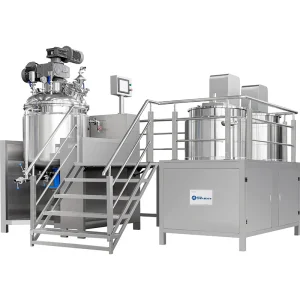
Explore our core manufacturing units optimized for high-volume cosmetics, skincare, and pharmaceutical production plants. All machines conform to CE certifications and cGMP industrial standard guidelines.
In the cosmetics manufacturing sector, achieving absolute homogeneity in dry formulations is a rigorous engineering challenge. Powders for eye shadows, foundations, face blushes, and mineral-based skincare formulas consist of various particulate ingredients with disparate bulk densities, particle size distributions, and surface morphologies. V-type mixers (also known as twin-shell blenders) leverage a gravity-driven convective and diffusive mixing mechanism to produce consistent particle dispersion without introducing excess heat or damaging fragile ingredients.
The asymmetrical shape of the V-type mixer vessel is engineered to split the powder bed dynamically as it rotates. With every complete 360-degree rotation of the cylinder, the blend is repeatedly divided into two separate halves and then recombined at the convergence point of the V-junction. This continuous splitting and coalescing flow pattern accelerates macro-blending across the longitudinal axis. Simultaneously, individual particles tumble downward over one another in a process of sliding and sliding-diffusion. This ensures micro-blending of micronized color pigments, binders, mica, and dry talc matrices down to microscopic uniformity.
Maintains structural integrity of fragile pearl micas and complex organic-inorganic composite pigments. Eliminates attrition and structural breakdown.
Asymmetrical twin shells generate high-frequency split-flow dynamics, reducing mixing duration and energy consumption by up to 30%.
Smooth inner surface geometry (polished to Ra < 0.4μm) leaves no dead corners, making the entire unit easy to wash and sanitize.
As clean beauty formulations become standard worldwide, cosmetics brands are shifting toward dry, preservative-free powder formulations, waterless beauty bars, and custom mineral complexes. These products demand highly repeatable mixing machines to guarantee shade consistency across varying production runs. Additionally, international brands are consolidating their production equipment setups to comply with strict safety rules under the FDA (Modernization of Cosmetics Regulation Act - MoCRA) and European Union Cosmetics Regulation (EC No. 1223/2009).
When evaluating suppliers, corporate procurement teams focus on three primary operational aspects: compliance verification, processing versatility, and the total cost of ownership (TCO). A reliable V-type mixer must feature premium material tracing (SUS316L for all contact parts) and demonstrate minimal dust emission during operation. SINAEKATO addresses these requirements by integrating hermetically sealed sanitary butterfly valves and vacuum conveyor feeding options to prevent airborne particle leakage, keeping the workspace clean and safe.
| Procurement Indicator | Legacy Industry Standard | SINAEKATO Advanced Standard | Operational Impact |
|---|---|---|---|
| Material Contact Parts | Stainless Steel SUS304 | Stainless Steel SUS316L (Mirror Polished) | Resists corrosion from acidic binder liquids; minimizes product adherence. |
| Internal Roughness | Ra < 0.8 μm | Ra < 0.4 μm (Electro-polished optionally) | Prevents pigment micro-deposition; simplifies batch cleanup. |
| Control Systems | Basic Analog Controls | Siemens / Delta PLC with touchscreen HMI | Supports recipe storage and complies with 21 CFR Part 11 auditing. |
| Safety & Interlocks | Basic emergency button | Smart perimeter guard rails + magnetic interlocks | Guarantees operator safety by halting rotation if the safety zone is breached. |
For cosmetics brands aiming to scale their production from research lab sizes up to mass-market manufacturing, our engineering department offers customized twin-shell powder blenders. Our systems range from compact 5-liter laboratory models up to 5,000-liter high-output production installations. To handle cohesive materials or break down stubborn lumps, you can equip the mixing cylinder with an internal high-speed intensifier bar.
The table below lists standard operational parameters for SINAEKATO V-type mixers. You can request custom configurations for specific bulk densities, high-viscosity binder spraying, or hazardous locations (Explosion-Proof ATEX rating):
| Model Designation | Total Volume (L) | Max Working Charge (L) | Rotational Speed (RPM) | Motor Power (kW) | Dimensions (L*W*H) (mm) |
|---|---|---|---|---|---|
| SK-V-5 | 5 | 2 | 24 | 0.55 | 1100 * 550 * 950 |
| SK-V-50 | 50 | 20 | 20 | 1.1 | 1600 * 750 * 1350 |
| SK-V-180 | 180 | 72 | 15 | 2.2 | 1900 * 900 * 1650 |
| SK-V-500 | 500 | 200 | 12 | 4.0 | 2600 * 1200 * 2200 |
| SK-V-1000 | 1000 | 400 | 10 | 5.5 | 3200 * 1500 * 2600 |
| SK-V-3000 | 3000 | 1200 | 8 | 11.0 | 4500 * 2100 * 3700 |
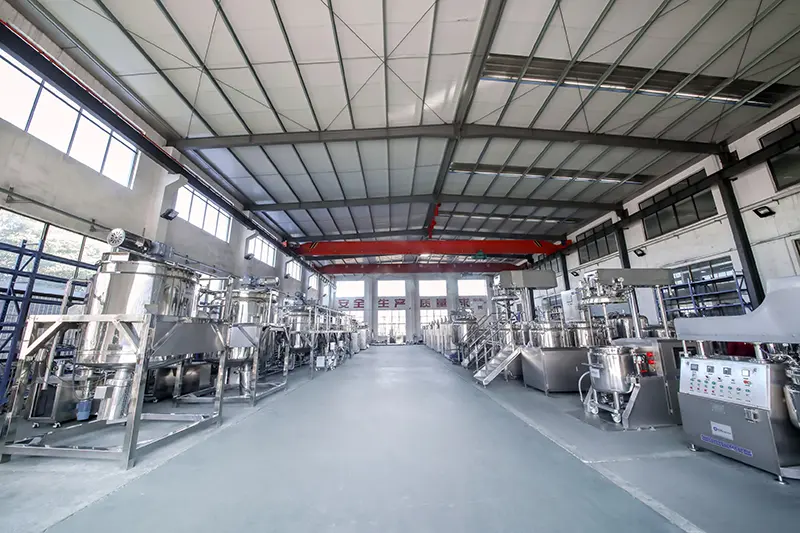
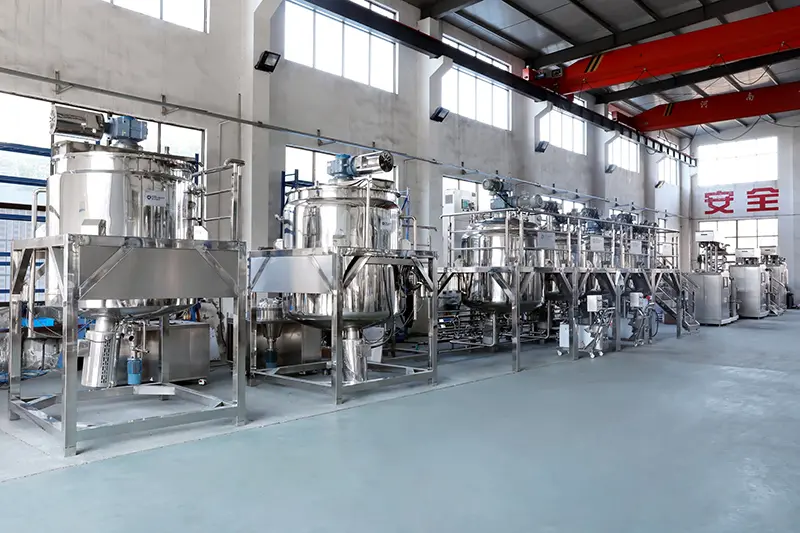
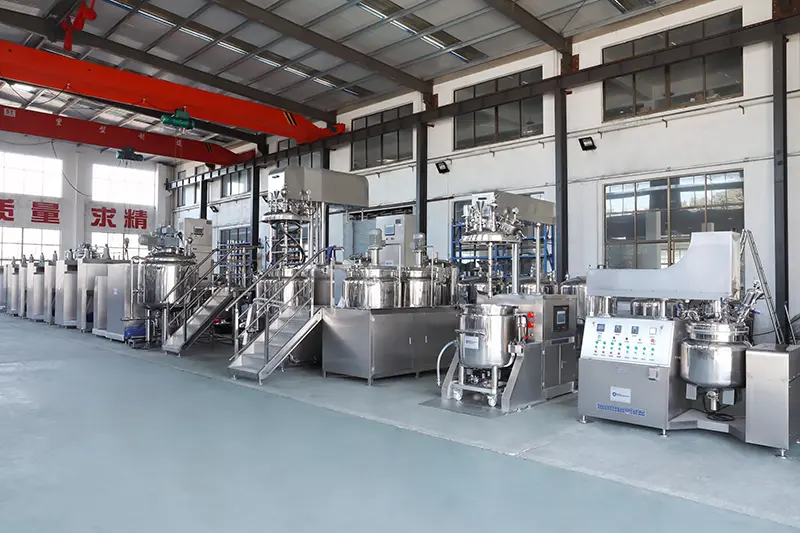
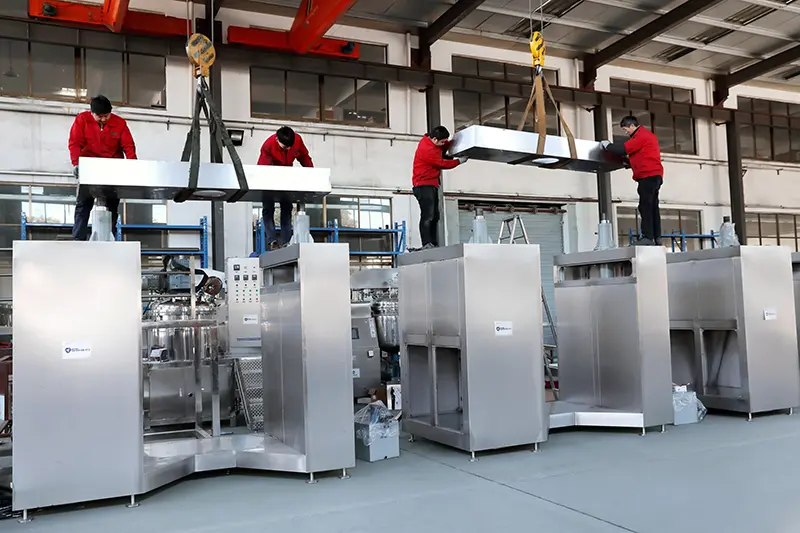
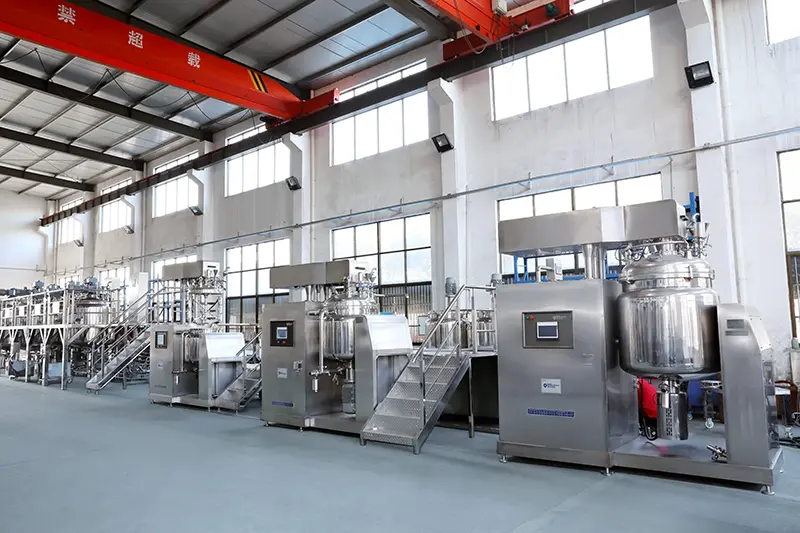
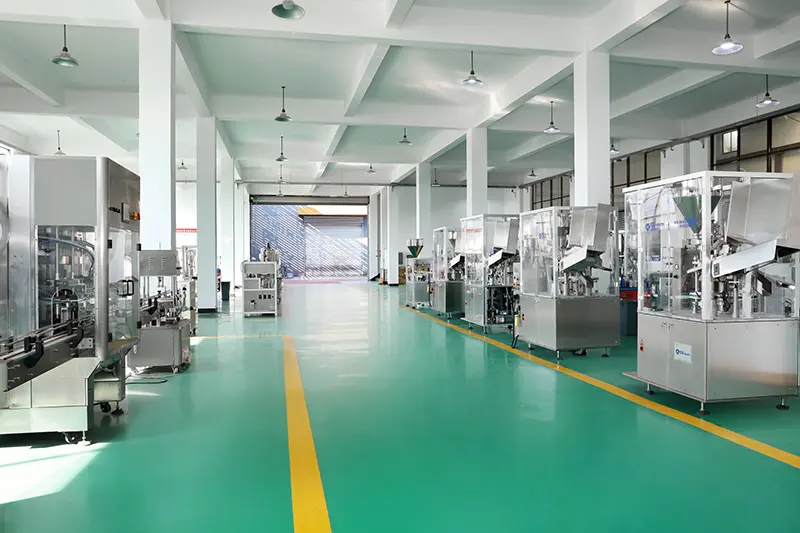
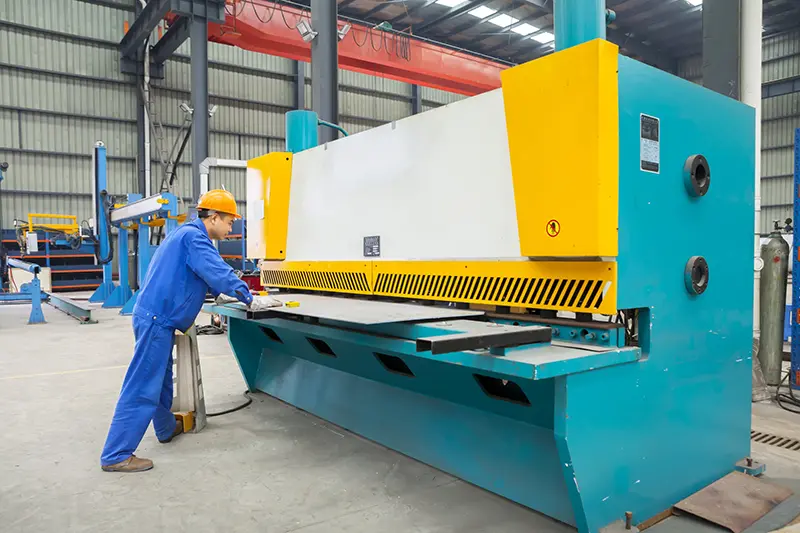
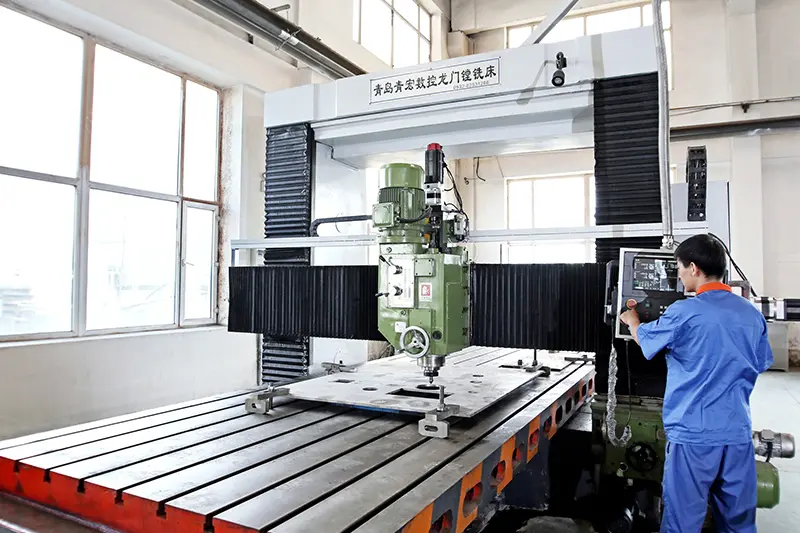
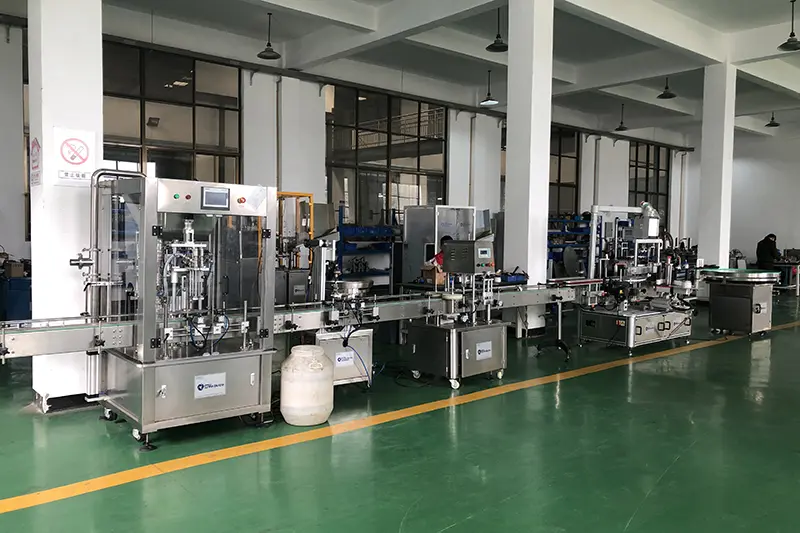
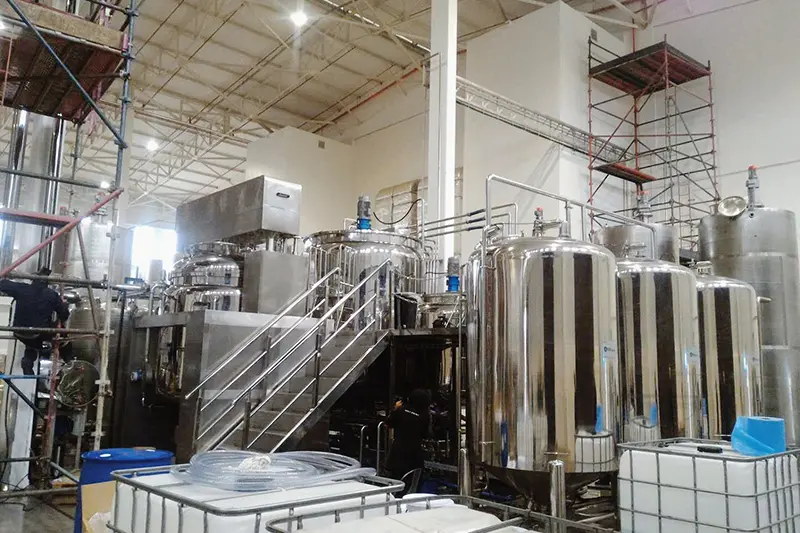
Founded in 1992, SINAEKATO has grown to become a leading Chinese machinery designer, with over 30 years of technical expertise in industrial blending, liquid emulsification, and downstream packaging lines. Our production plant operates with 150 dedicated engineers and technicians, complemented by a global operations team that coordinates support across 55 countries. By sourcing 80% of our machinery components from internationally recognized premium manufacturers—such as ABB, Siemens, Schneider, and Festo—we deliver reliable equipment and consistent quality.
"LET THE WORLD KNOW MADE IN CHINA" is our core mission. We focus on continuous research and development, strict quality management, and thorough testing protocols. Our collaboration with global leaders—such as Unilever's cosmetics plant in South Africa and Shiseido's OEM production lines in Japan—demonstrates our commitment to meeting strict international engineering and sanitary standards.
Explore our history from 1988 to the present day, highlighting our growth, acquisitions, and major international contracts.
The future of cosmetics processing lies in automation, real-time quality monitoring, and green manufacturing. SINAEKATO is currently developing its next generation of intelligent powder blenders, focusing on three major areas:
Integrating Near-Infrared (NIR) sensors inside the V-mixer cylinder allows operators to monitor powder blending uniformity in real-time, helping to prevent both under-mixing and over-mixing.
Transitioning to IE4 permanent magnet synchronous motors coupled with variable frequency drives. This design minimizes start-up electrical currents and reduces operating power draw.
Integrating retractable spray nozzles that wash the interior surfaces of the twin-shell blender between batches. This setup minimizes manual cleanup time and limits downtime.
Learn more about the technical details, maintenance, and purchasing guidelines for our cosmetics powder mixing systems.
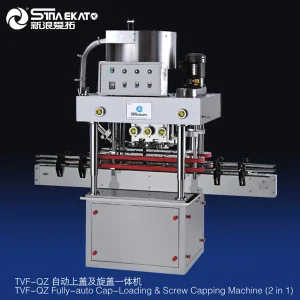
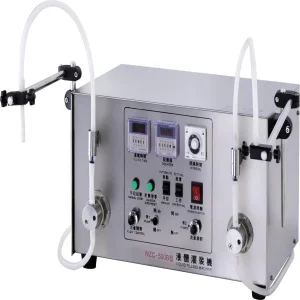
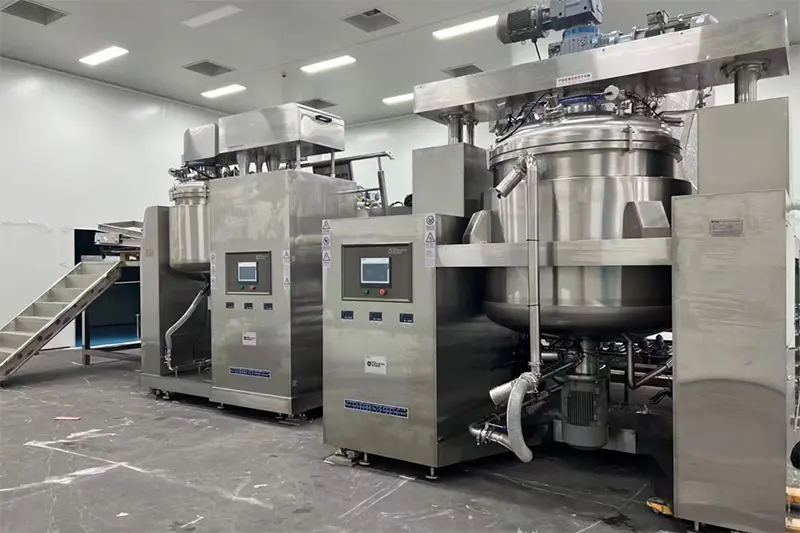
Complete your production line with our premium downstream equipment, including high-accuracy tracking fillers, perfume vacuum packaging lines, and lab-scale cosmetics emulsifiers.
 Sina Ekato