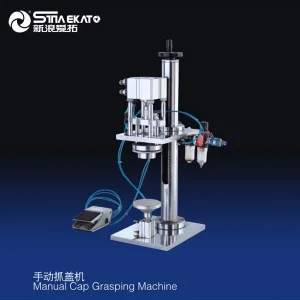
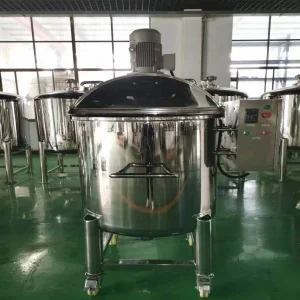
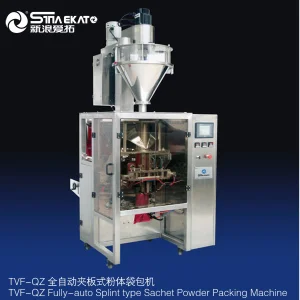
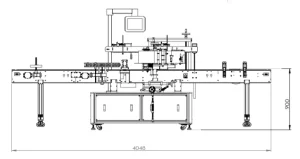
Explore our premium machinery line designed for seamless chemical, pharmaceutical, and cosmetic processing.
An in-depth analysis of shear-stress dynamics, metallurgy, and formulation processing.
The Alloy Three Roller Grinder (or triple roller mill) represents the pinnacle of mechanical wet-dispersion technology for high-viscosity materials. Unlike conventional media mills or planetary mixers, the three-roller grinder relies on the differential speed and microscopic gaps between three horizontally positioned, counter-rotating alloy rollers to apply massive hydraulic shear forces.
The processing cycle begins at the feed roll, which rotates at a slower speed. The material is fed between the feed roll and the center roll. Due to the tight clearance and the velocity gradient (the center roll rotates faster than the feed roll), the material undergoes intense shear stress that deagglomerates solid particles and distributes them uniformly throughout the liquid phase. The material is then transferred to the apron (or discharge) roll, which operates at the highest speed, where the final dispersion takes place before being scraped off by a take-off blade.
"Sinaekato’s research demonstrates that utilizing optimized chilled alloy steel rollers increases wear resistance by up to 300% compared to standard carbon steel alternatives, maintaining micron-level dispersion accuracy over thousands of operational hours."
The physical properties of the rollers dictate the limit of particle size reduction. Our standard discount alloy three roller grinders utilize rollers fabricated from centrifugally cast chilled alloy iron. The exterior layer of the roller is alloyed with nickel, chromium, and molybdenum, producing an exceptionally hard surface (ranging from 68 to 72 Shore C scale) while maintaining a resilient, shock-absorbing inner core.
For metal-sensitive applications, such as high-grade cosmetic formulations (e.g., active cosmetic ingredients, lipsticks, and liquid foundations) and electronic components, we design customized rollers made of high-purity alumina (Al2O3), zirconia (ZrO2), or silicon carbide. These materials prevent trace metal contamination, ensuring that the chemical composition and color purity of the batch remain uncompromised.
Equipped with manual micrometer adjustment wheels or electro-hydraulic closed-loop positioning systems to control roll clearance down to 1-5 microns.
Hollow roll design allows internal water cooling or steam heating to maintain stable temperatures during continuous high-shear operations.
Precisely engineered gears provide a constant 1:3:9 or custom speed ratio distribution, maximizing shear stress for diverse formulation requirements.
Why international brands trust Sinaekato for high-performance chemical machinery.
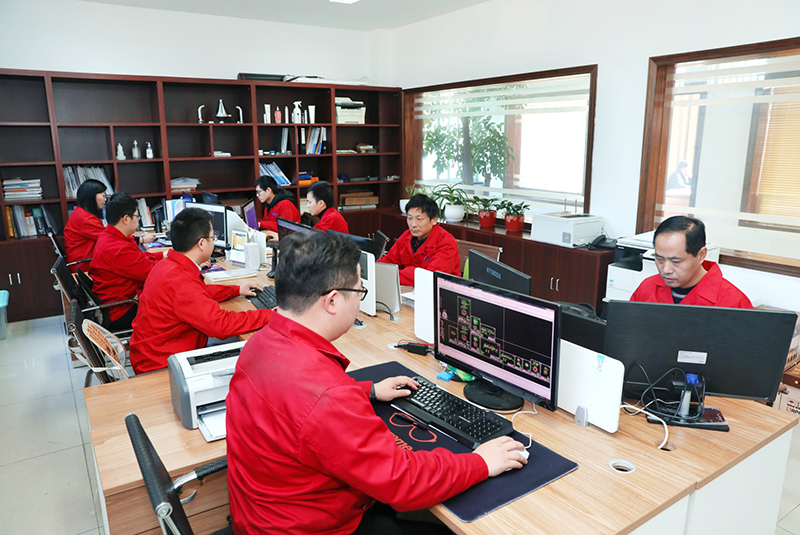
Operating from our state-of-the-art manufacturing plants in Gaoyou City, Jiangsu Province, and Guangzhou, Guangdong Province, Sinaekato leverages a highly integrated industrial cluster. China's unparalleled mechanical supply chain allows us to procure raw materials and precision components, such as heavy-duty castings and custom gears, at highly optimized rates.
By sourcing 80% of our core mechanical and electronic components from globally renowned suppliers (such as Siemens PLC systems, ABB motors, Schneider switchgear, and Omron electronics), we combine international quality standards with local manufacturing efficiencies. This unique synthesis allows us to offer premium, industrial-grade discount alloy three roller grinders at a fraction of the cost of European or North American counterparts.
Our in-house foundry and advanced CNC machining centers allow for rigorous control over casting, boring, grinding, and surface hardening. The result is a highly reliable machine that stands up to continuous industrial use while offering long-term reliability and low maintenance costs.
Over three decades of engineering excellence, powering global cosmetic, pharmaceutical, and chemical brands.
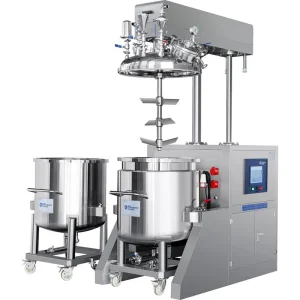
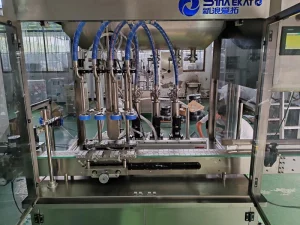
Born in 1992, SINAEKATO has grown to become one of China's premier machinery brands, delivering one-stop solutions for the cosmetics, skin care, pharmaceutical, food, and chemical industries. Our comprehensive product portfolio includes Vacuum Emulsifying Mixers, Liquid-washing Homogenizer Mixers, Perfume Chiller Production Lines, Toothpaste Production Mixers, Fully-automatic and Semi-automatic Filling Machines, Storage Tanks, Reverse Osmosis (RO) Water Treatment Systems, Labeling Machines, and high-performance alloy roller grinders.
We are dedicated to proving that "Made in China" represents world-class quality and performance. Through partnerships with global industry giants, such as Unilever in South Africa (achieving an $800,000 cosmetic system contract) and major Japanese OEM cosmetics manufacturers for SK-II/Shiseido products (reaching $1,500,000 and $1,000,000 contracts), we have demonstrated our capacity to meet the most demanding clean-room, GMP, and high-throughput production requirements.
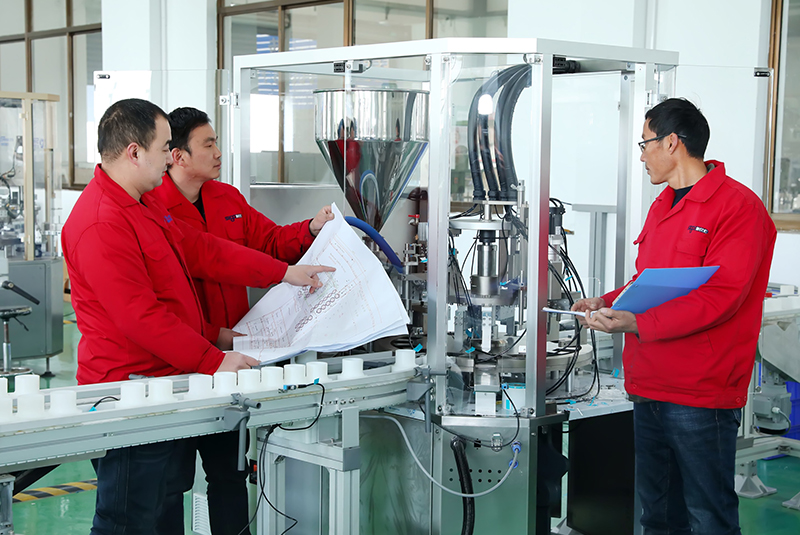
Ensuring seamless integration, safety, and regulatory alignment across international jurisdictions.
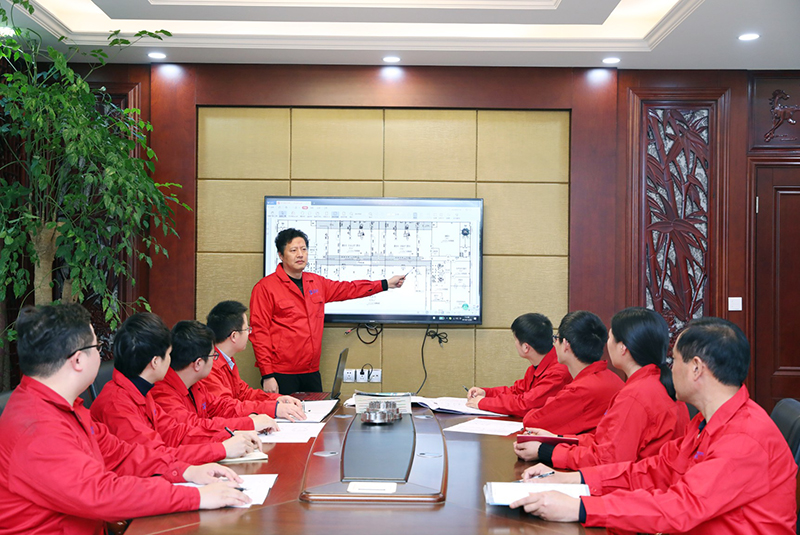
For multinational chemical, pharmaceutical, and cosmetic companies, procuring industrial processing equipment requires strict adherence to international safety and engineering standards. Sinaekato understands these stringent protocols, providing comprehensive engineering documentation, materials traceability, and certifications to guarantee quick validation and risk-free integration into existing production lines.
Our alloy three roller grinders are engineered to comply with European CE Machinery Directive 2006/42/EC and electrical standards (EN 60204-1). UL-certified electrical components are available upon request for North American installations.
When grinding solvent-based inks, paints, or flammable materials, our equipment can be fully configured with ATEX-rated explosion-proof motors, enclosed control panels, and static grounding options.
Featuring AISI 316L or 304 stainless steel contact parts, sanitary tri-clamp fittings, and polished non-porous surfaces that simplify cleaning validation (CIP/SIP) for pharmaceutical ointment manufacturing.
A major challenge for global procurement managers is obtaining timely technical support and replacement parts for imported machinery. Sinaekato addresses this gap with a dedicated network of ten overseas engineering specialists and partnerships with localized distributors in over 55 countries.
We guarantee the long-term availability of wear items, including customized alloy and ceramic scraper blades (aprons), replacement rollers, drive belts, and bearings. We offer detailed mechanical drawings, digital troubleshooting consultations, and on-site commissioning support to keep your production lines running continuously.
Tailored dispersion setups optimized for cosmetic, pharmaceutical, and electronic formulations.
Lipstick mass, lip glosses, liquid foundations, and mascara formulations require absolute dispersion of fine pigment particles within oily bases. The alloy three roller grinder breaks up color pigment agglomerates without causing temperature-induced oil separation, ensuring uniform color payout and zero grittiness.
For topical creams and ophthalmic ointments, active pharmaceutical ingredients (APIs) must be distributed uniformly to guarantee precise dosing. Our three roller mills process highly viscous ointment bases under strict temperature limits, avoiding thermal degradation of heat-sensitive chemical structures.
Modern printed electronics rely on conductive silver pastes, carbon nanotube dispersions, and ceramic dielectric inks. By configuring our grinder with high-purity zirconia or silicon nitride rollers, manufacturers can mill electronic formulations to sub-micron dimensions while avoiding metallic contamination.
Three decades of continuous expansion, joint ventures, and global engineering achievements.
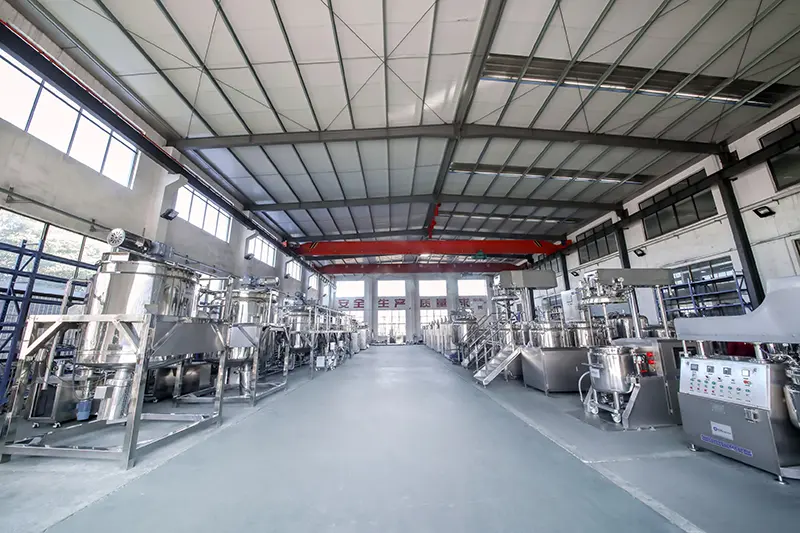
Engaged in the chemical machinery industry, laying the foundation for future innovation.
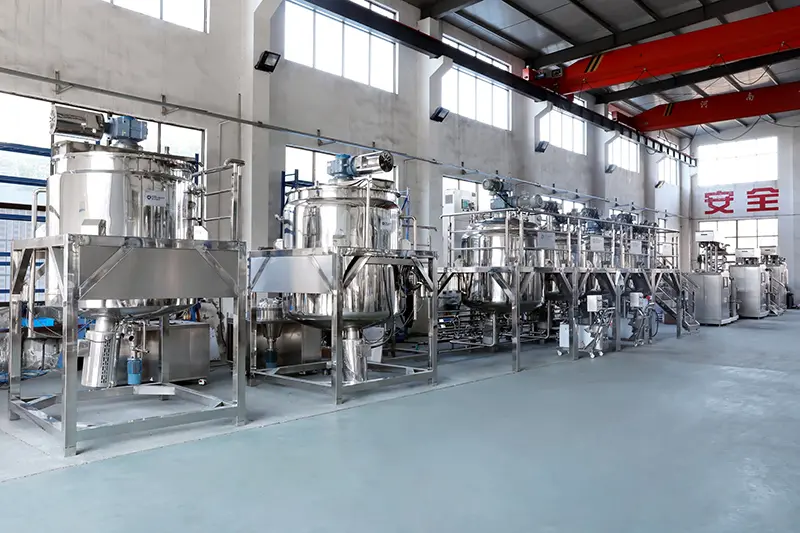
Guangzhou Sina Cosmetics Engineering Equipment Co., Ltd. was established to focus on cosmetic processing systems.
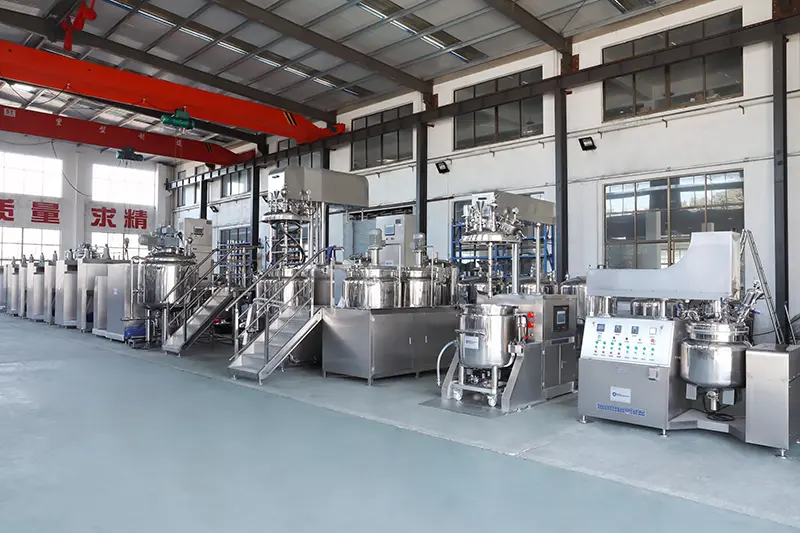
Established Hong Kong Hantao International Investment Co., Ltd. to coordinate international growth and asset management.
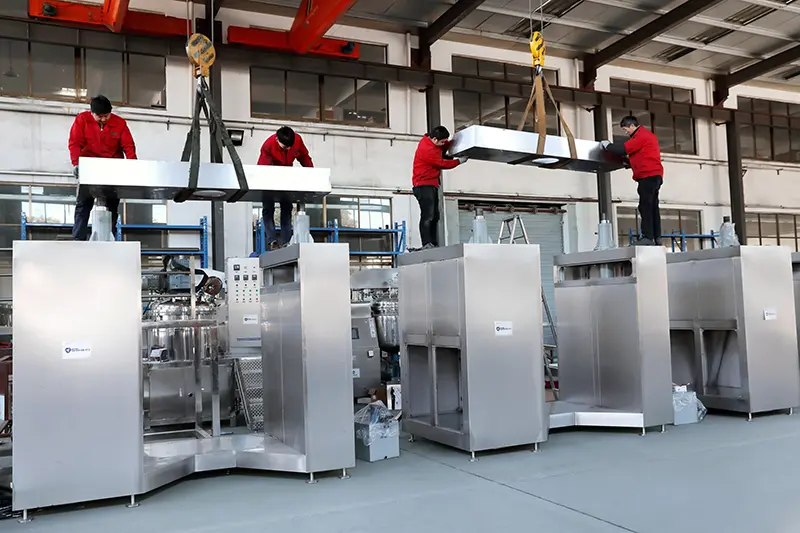
Gaoyou Sina Chemical Machinery Equipment Factory was established; Guangzhou operations renamed to Guangzhou Sina Chemical Machinery Co., Ltd.
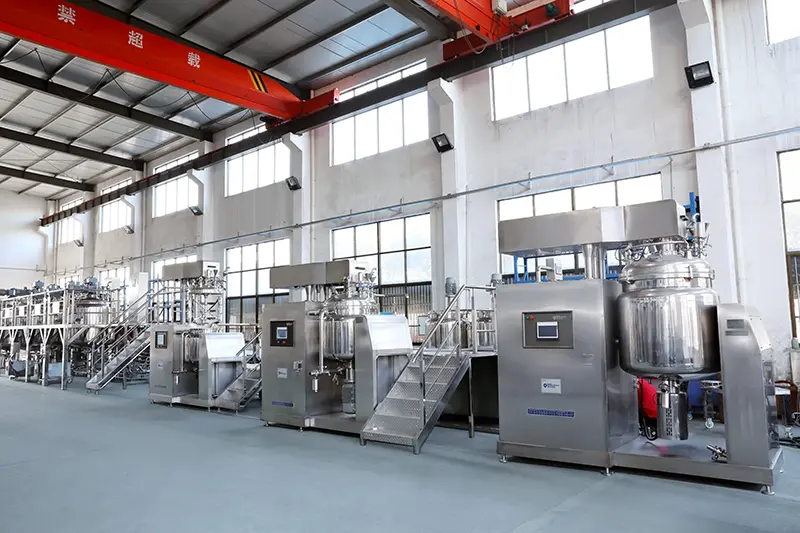
Established Gaoyou Sina Light Industry Machinery Equipment Factory to scale up heavy fabrication capabilities.
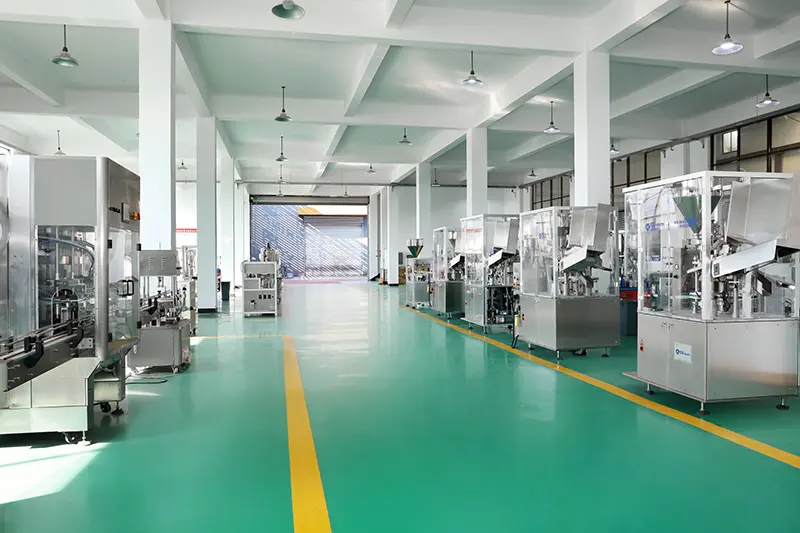
Purchased 10,000 square meters of land in Gaoyou. New processing plant commissioned as SINA EKATO CHEMICAL MACHINERY CO., LTD (GAOYOU CITY).
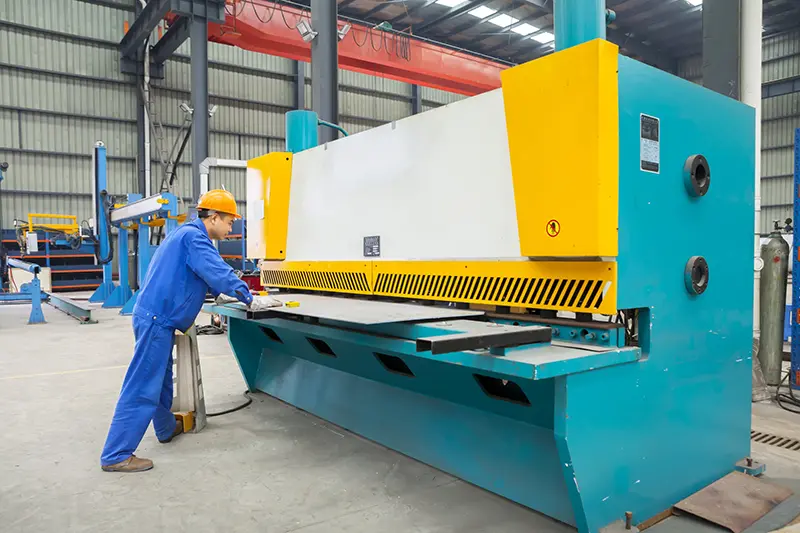
Established Yangzhou Hantao Chemical Machinery Co., Ltd. to expand localized processing operations in Jiangsu province.
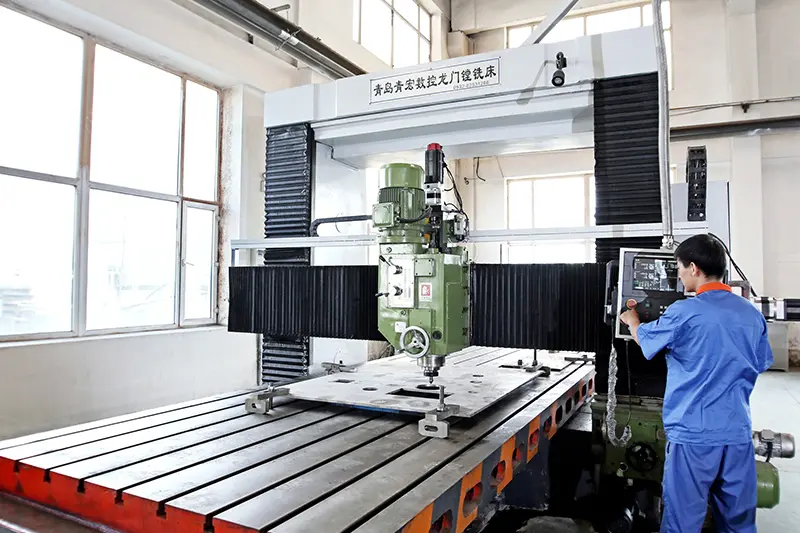
Acquired Guangzhou Jingcheng Machinery; launched a large-scale exhibition center and established direct export sales routes.
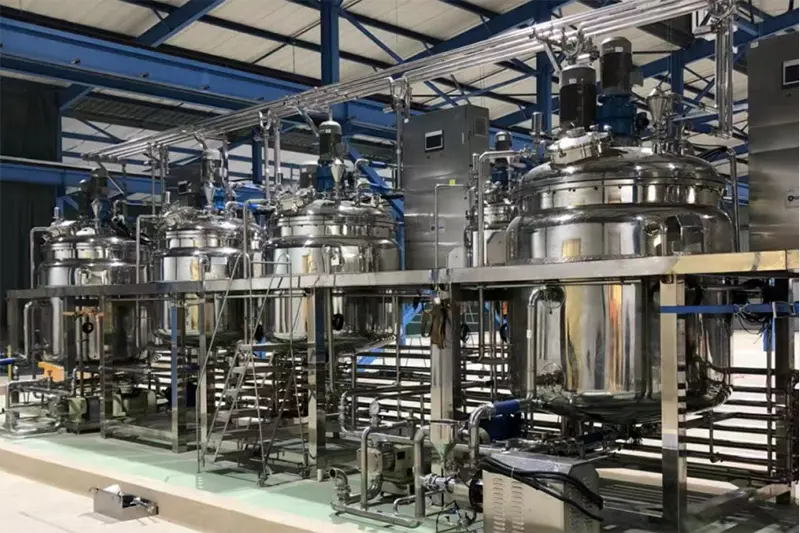
Guangzhou Sina Chemical Machinery Co., Ltd. officially renamed to Guangzhou SINAEKATO Chemical Machinery Co., Ltd.
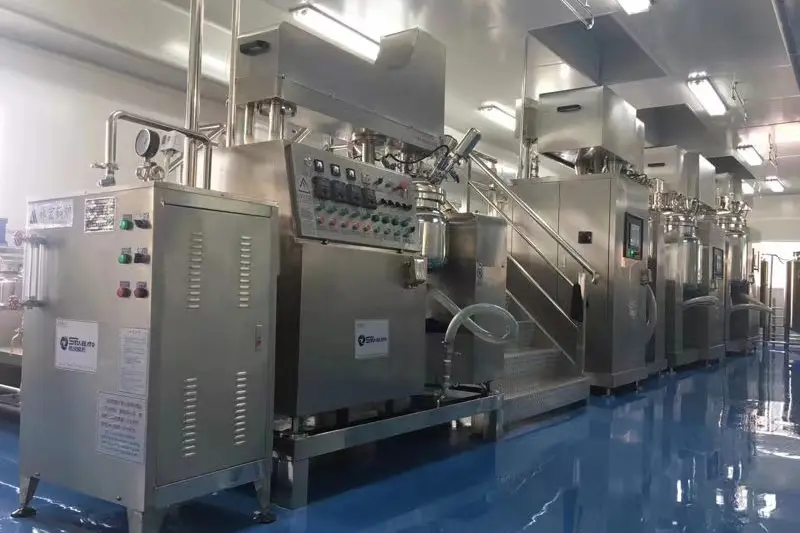
Acquired Guangzhou Suogao Machinery Equipment Co., Ltd. to consolidate regional processing patents and technology.
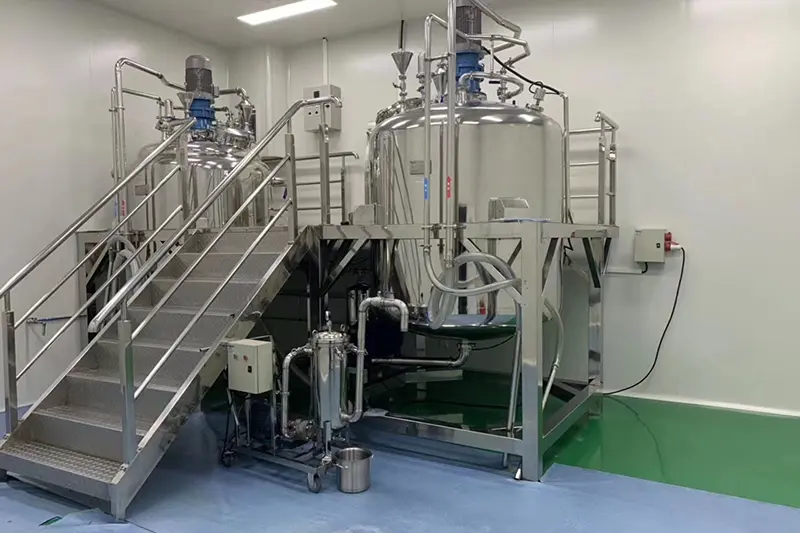
Established SINA EKATO CHEMICAL MACHINERY CO., LTD (GAOYOU CITY) as global headquarters for production, sales, and service.
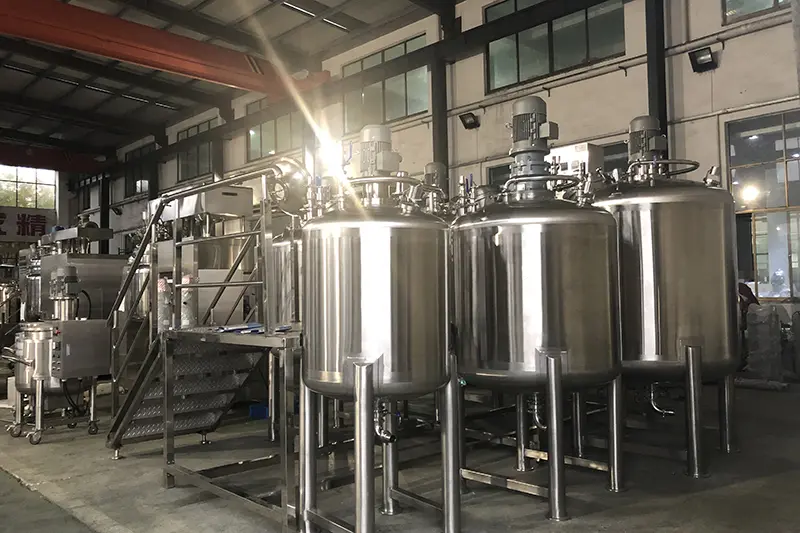
Founded SINA EKATO Equipment (Jiangsu) Co., Ltd. to foster advanced foreign cooperative engineering ventures.
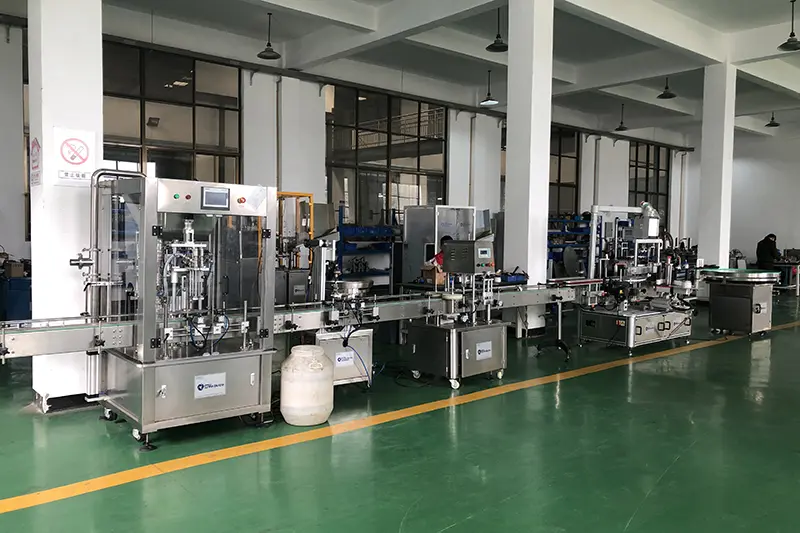
Partnered with European developer FLEMAC to establish Germany SINAEKATO Group Co., Ltd., driving R&D for advanced processing equipment.
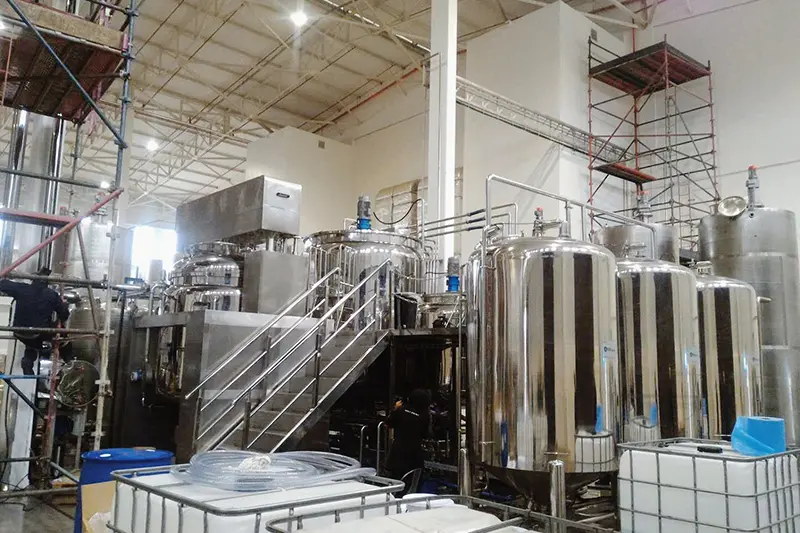
Delivered $800,000 cosmetic system to South Africa Unilever; completed $1,500,000 processing equipment delivery for Japanese SK-II/Shiseido OEM.
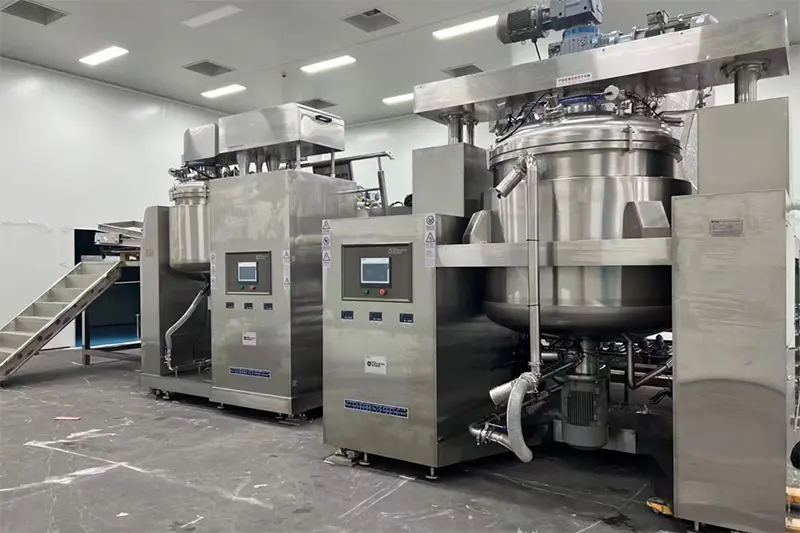
Completed $1,000,000 manufacturing equipment installation for high-capacity Japanese detergent and washing formulations.
At SINAEKATO, we believe that advanced technology combined with strict quality control delivers the best value for our clients. We strive for excellence in every machine we build, adhering to our core requirements: Stable, Reliable, Precise, and Intelligent.
Choosing SINAEKATO means partnering with a team that offers robust technical support and reliable after-sales service. We look forward to working with you to advance your production capabilities. Contact our engineering team today to request a quote or design a custom dispersion system tailored to your specific application.
Detailed technical answers to help you select, operate, and maintain your dispersion machinery.
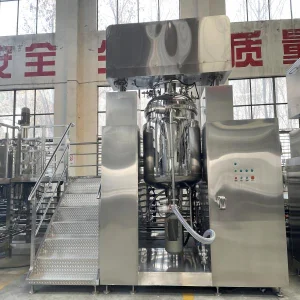
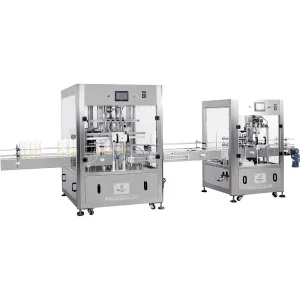
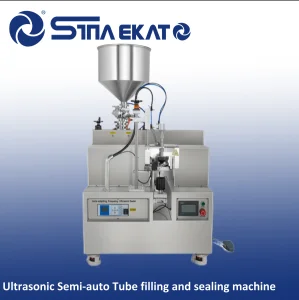
Select from our widely exported production machinery line to streamline your facility.
 Sina Ekato