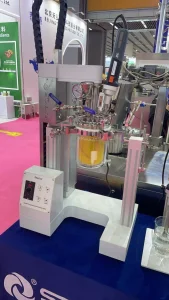
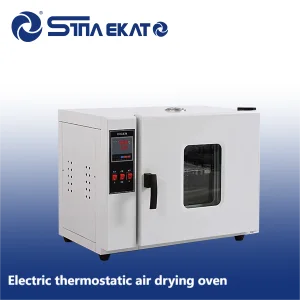
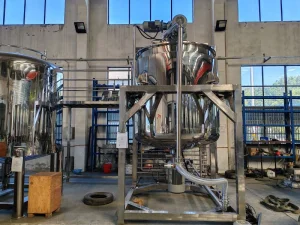
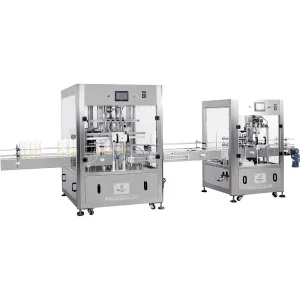
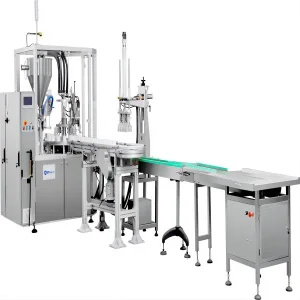
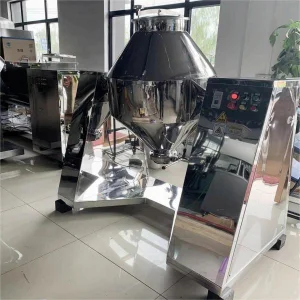
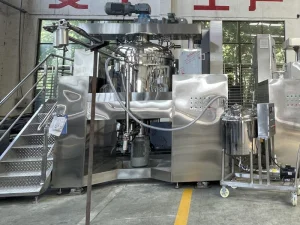
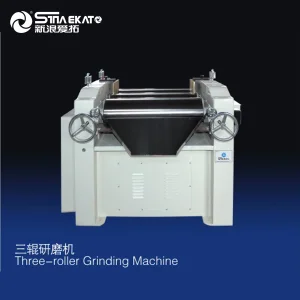
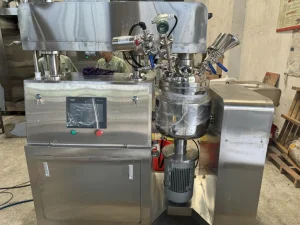
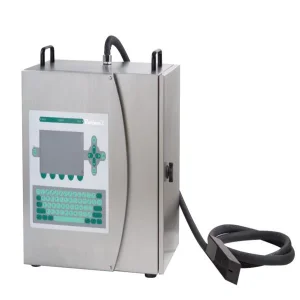
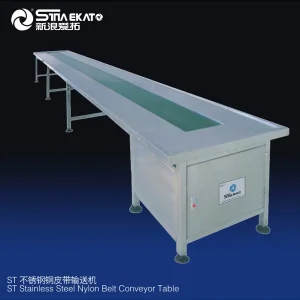
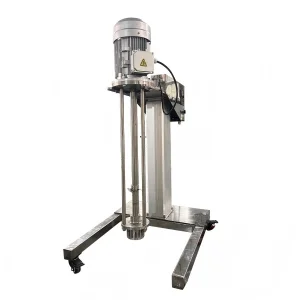
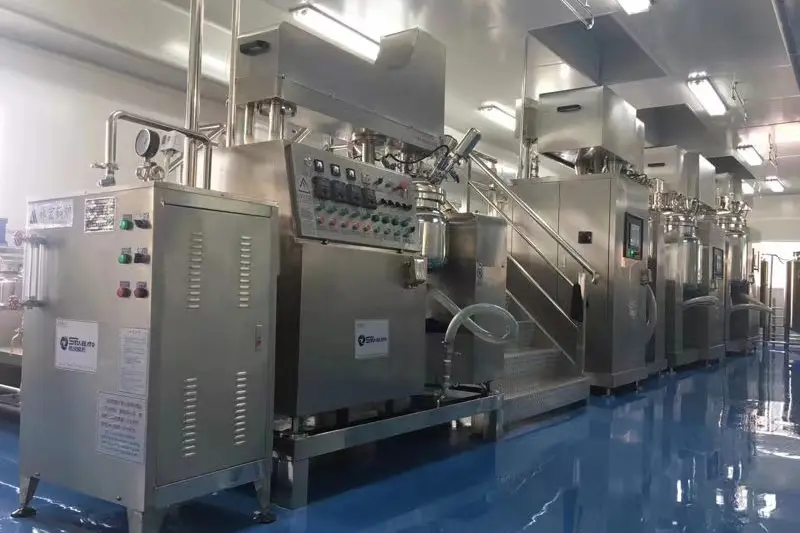
Explore our primary industrial vacuum emulsifiers, reactors, and thermal control units engineered for maximum manufacturing efficiency.
In modern process engineering, the demand for highly stable, ultra-fine emulsions is rising at an unprecedented rate. The global Custom Vacuum Emulsifier Homogenizer Market represents the cutting edge of industrial fluid dynamics, providing indispensable machinery for cosmetics, pharmaceuticals, food, and fine chemical sectors. An emulsifier homogenizer is not merely a mixing vessel; it is a highly controlled thermo-mechanical reactor engineered to resolve challenging thermodynamic phases.
Industrial formulations require droplets to be sheared to sub-micron dimensions (often between 0.2 to 2 microns) to prevent phase separation, coalescence, and sedimentation. Vacuum conditions within the process vessel play a key role by preventing aeration, oxidation, and foaming. These factors can degrade active ingredients and compromise the shelf life of high-end skincare creams, parenteral emulsions, and chemical dispersions. Leading suppliers and factories have transitioned from manufacturing basic batch mixers to delivering fully integrated, customized, and automated processing suites.
The commercial landscape for custom industrial emulsifiers is shaped by tightening global regulatory standards (such as US FDA, EU Annex 1, and GMP requirements) and shifting consumer preferences towards clean-label, preservative-free cosmetics and organics. Regionally, the market is segmented into three primary zones, each presenting distinct application dynamics and technological expectations:
Driven by pharmaceutical applications, biotech-based skincare, and strict regulatory standards. The demand centers around 100% sterile designs, comprehensive validation support, and advanced control systems.
Led by China, Japan, South Korea, and Southeast Asia. This region is a major global hub for cosmetic manufacturing. Manufacturers seek high-throughput, versatile plants that handle frequent formula changes.
Latin America, the Middle East, and Africa are experiencing rapid growth in local manufacturing facilities. The primary need is for reliable, cost-effective machinery backed by solid global engineering support.
As global manufacturers establish regional plants to serve localized consumer preferences, their procurement criteria are shifting. Today's engineers evaluate suppliers based on total cost of ownership (TCO), material grades (e.g., AISI 316L, mirror finish surface roughness Ra < 0.4 μm), and the availability of responsive, remote diagnostics.
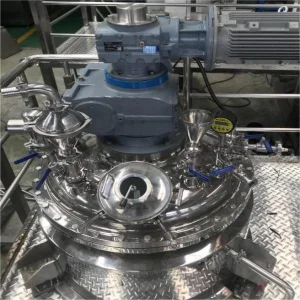
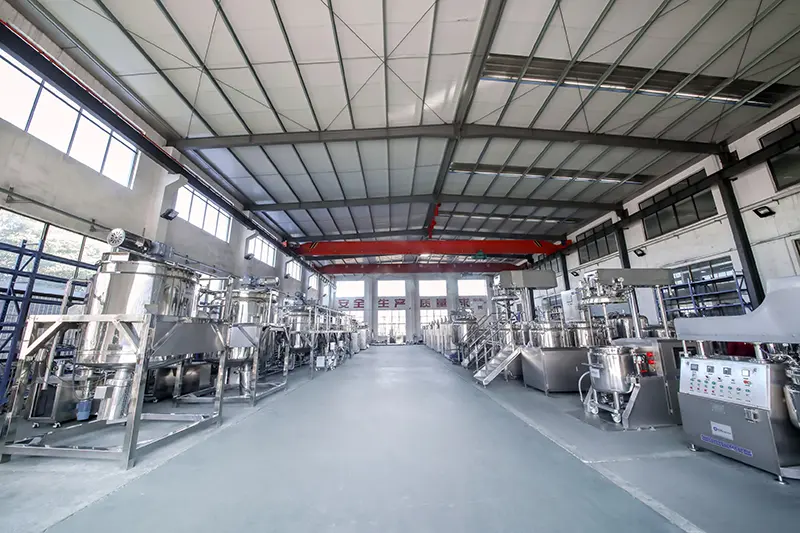
The performance of an emulsifier is determined by the design of its mixing and shearing components. A state-of-the-art custom vacuum emulsifying plant typically integrates four key mechanical networks:
The core of high-shear processing. Dynamic linear tip speeds exceeding 25 m/s generate high hydraulic shear, turbulence, and cavitation, breaking down droplets and particles into the sub-micron range.
Combines a central anchor agitator with wall-scraping Teflon blades and an inner counter-rotating paddle system. This ensures uniform macro-mixing and prevents burning or product build-up on the heated vessel walls.
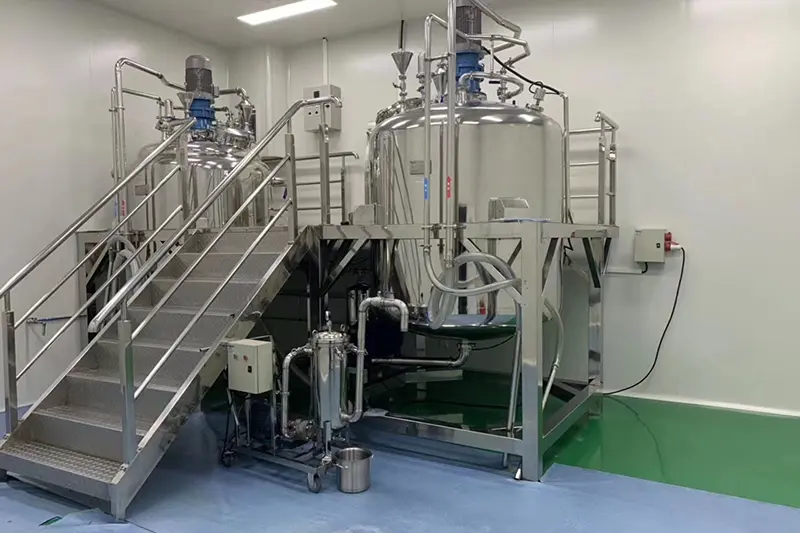
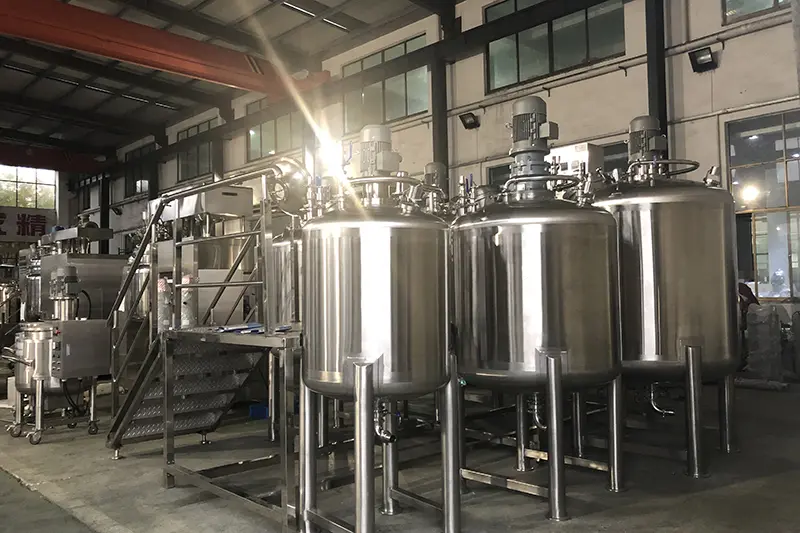
Manufactured from premium AISI 316L stainless steel for product-contact areas. Triple-jacketed structures allow for rapid heating (steam or thermal oil) and cooling, with outer insulation minimizing thermal loss.
Advanced systems feature automated lift mechanisms (either hydraulic or mechanical) to lift the vessel lid, facilitating easy maintenance, cleaning, and sanitization. Modern PLC architectures monitor real-time viscosity changes, adjusting rotational speed dynamically to save energy and protect the product's structure.
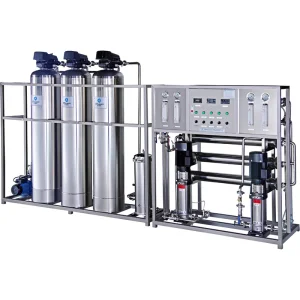
For a production facility, the vacuum emulsifier does not operate in isolation. Modern industrial setups demand a continuous, modular fluid pathway. This process begins with raw water treatment and ends with the final packaged product:
Born in 1992, SINAEKATO has grown into one of China's leading machinery brands, bringing over 30 years of industrial experience to the global process market. As a comprehensive machinery provider, SINAEKATO designs, manufactures, and integrates custom vacuum emulsifying mixers, liquid-wash homogenizers, perfume chillers, toothpaste mixers, filling lines, RO water treatment plants, and end-of-line packaging systems.
Operating in nearly 55 countries, our engineering team consists of around 150 specialists at our Chinese production headquarters, supported by dedicated overseas service personnel. Through collaborations with global brands (such as FLEMAC Germany) and high-profile production projects for Unilever, SK-II, and Shiseido, SINAEKATO has proven its capability to meet demanding international standards.
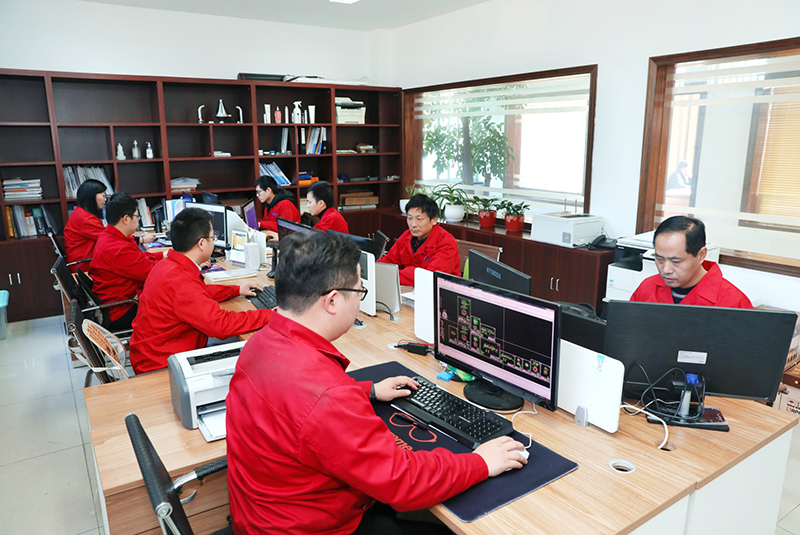
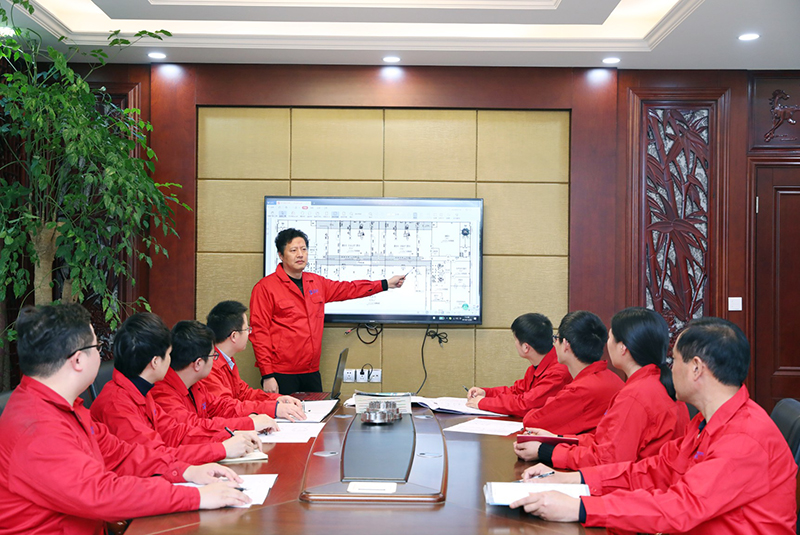
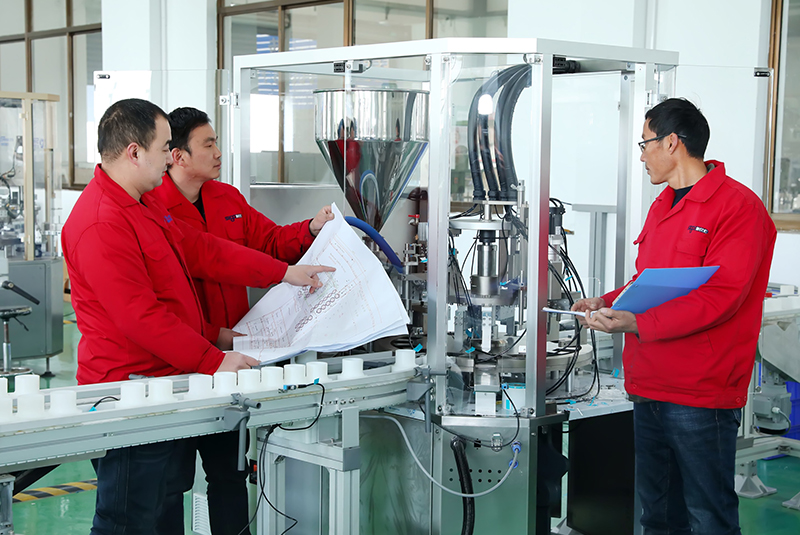
To ensure reliability, 80% of our machinery's primary components are sourced from world-class suppliers (including Siemens, Schneider, Omron, ABB, and Busch). This integration of premium components, combined with precise manufacturing processes, ensures that every SINAEKATO machine operates with high stability, reliability, and precision.
Our journey of growth, expansion, and technological innovation over the last three decades.
Began operations in the chemical machinery sector, focusing on localized industrial mixing equipment.
Guangzhou Sina Cosmetics Engineering Equipment Co., Ltd. was established to specialize in cosmetic processing machinery.
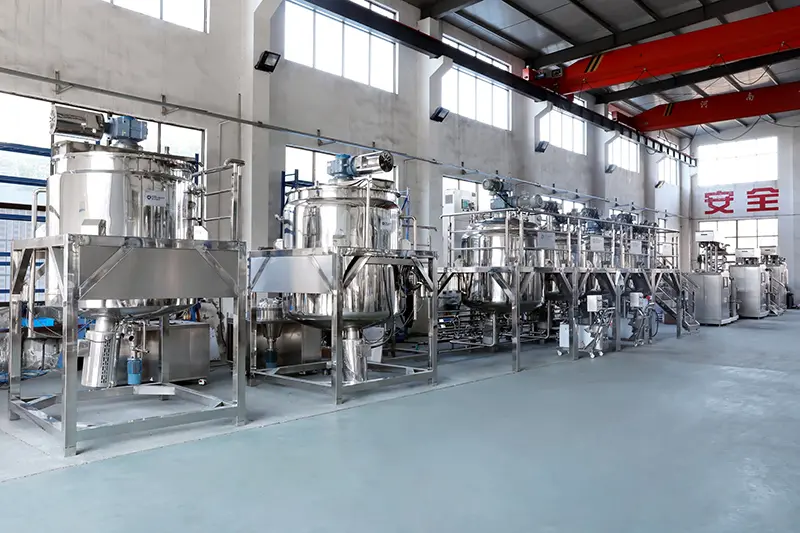
Established Hong Kong Hantao International Investment Co., Ltd. to support international trade and business operations.
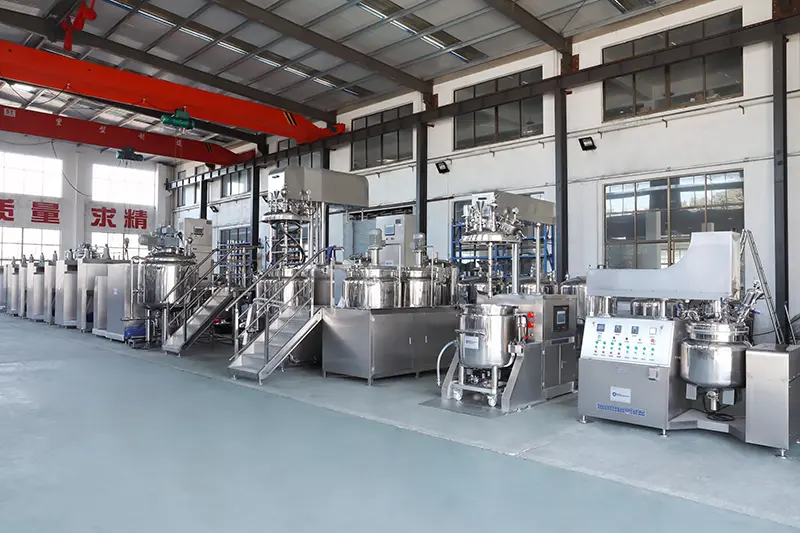
Gaoyou Sina Chemical Machinery Equipment Factory was established, and the Guangzhou branch was renamed Guangzhou Sina Chemical Machinery Co., Ltd.
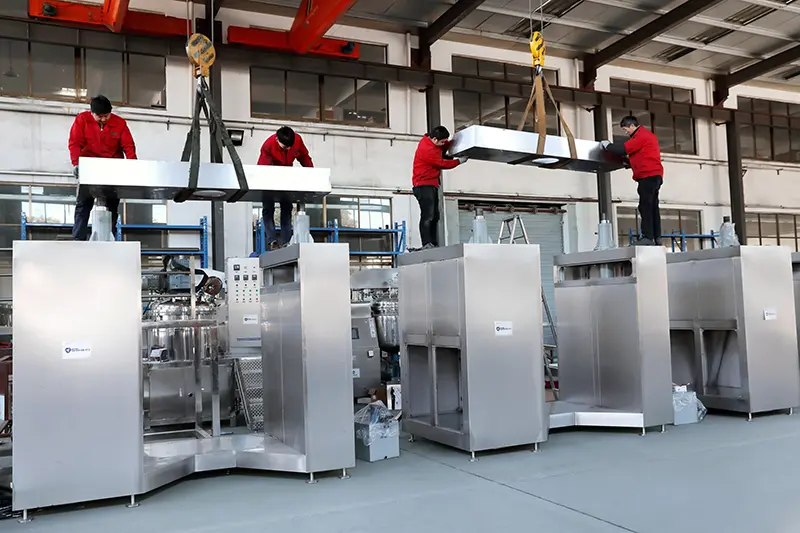
Established Gaoyou Sina Light Industry Machinery Equipment Factory to scale up the production of light industrial machinery.
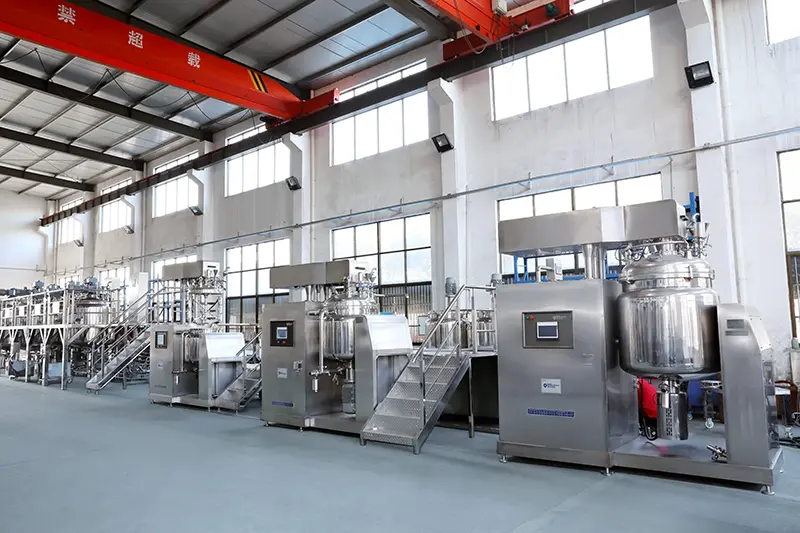
Acquired 10,000 square meters of industrial land in Gaoyou. A new processing plant commenced operations under the name: SINA EKATO CHEMICAL MACHINERY CO., LTD (GAOYOU CITY).
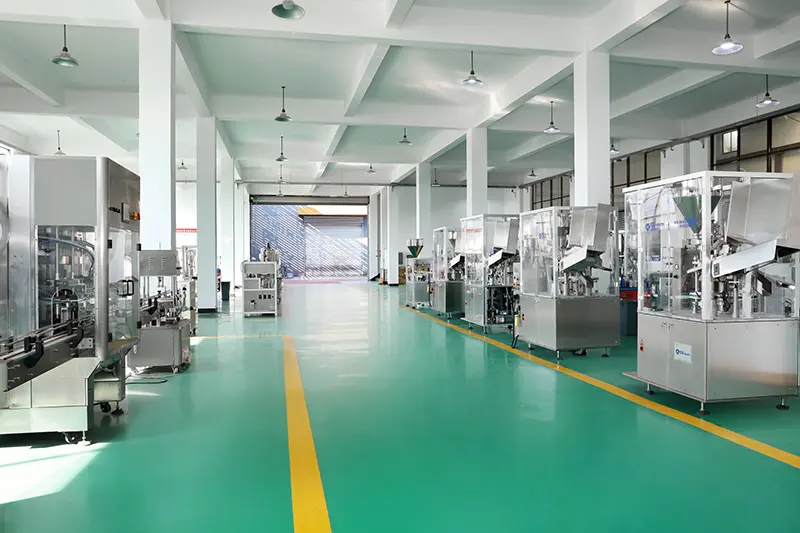
Established Yangzhou Hantao Chemical Machinery Co., Ltd. to further strengthen manufacturing capacity in Jiangsu province.
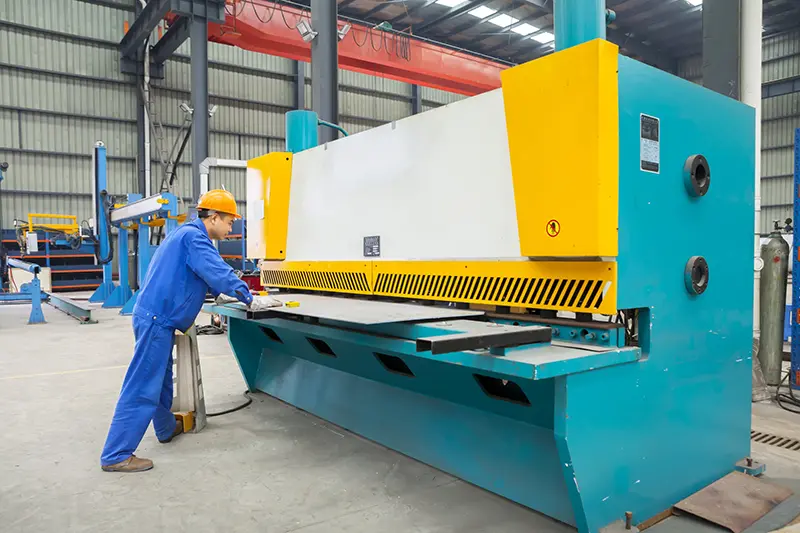
Acquired Guangzhou Jingcheng Machinery, built a large product exhibition center, and established dedicated export sales routes.
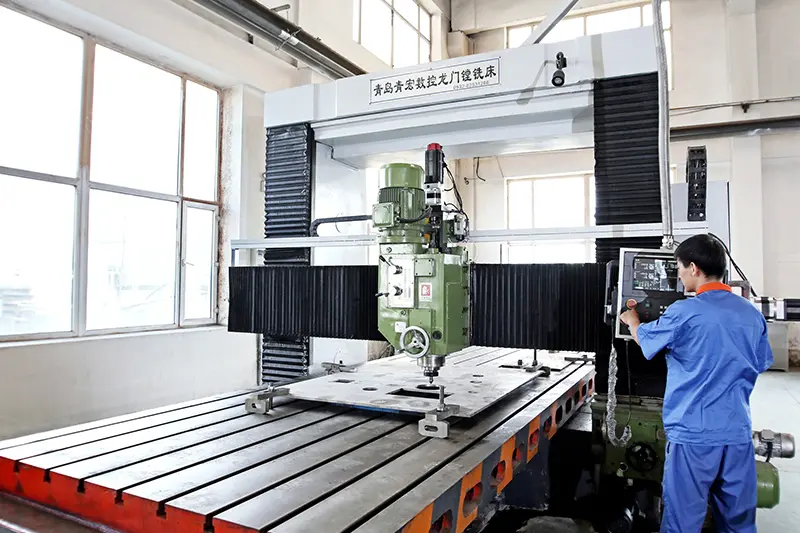
Guangzhou Sina Chemical Machinery Co., Ltd. officially renamed to Guangzhou SINAEKATO Chemical Machinery Co., Ltd.
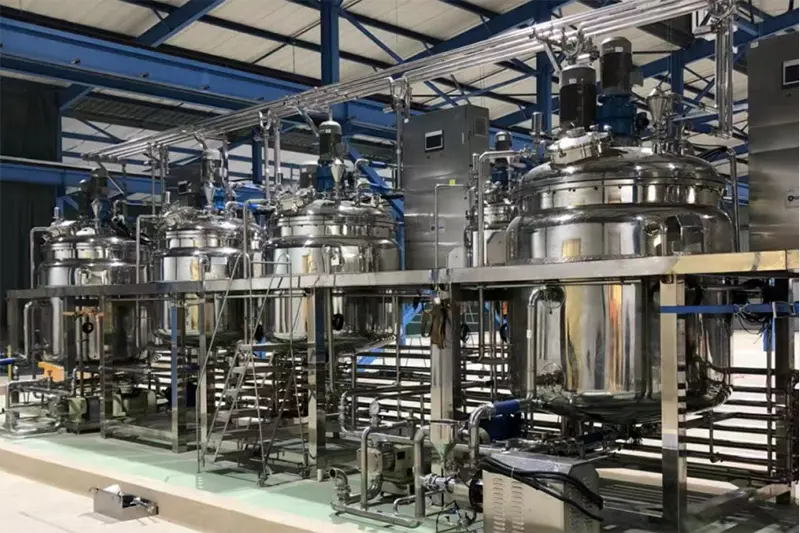
Acquired Guangzhou Suogao Machinery Equipment Co., Ltd. to consolidate production resources in Southern China.
SINA EKATO CHEMICAL MACHINERY CO., LTD (GAOYOU CITY) designated as the official headquarters for production, sales, and global after-sales support.
Established SINA EKATO Equipment (Jiangsu) Co., Ltd. to foster foreign joint-venture opportunities and technical exchange.
Partnered with FLEMAC Europe to establish Germany SINAEKATO Group Co., Ltd., introducing European standards into our product line.
Partnered with Unilever South Africa on an $800,000 cosmetic machinery project, and secured a $1,500,000 project for SK-II/Shiseido cosmetics OEMs.
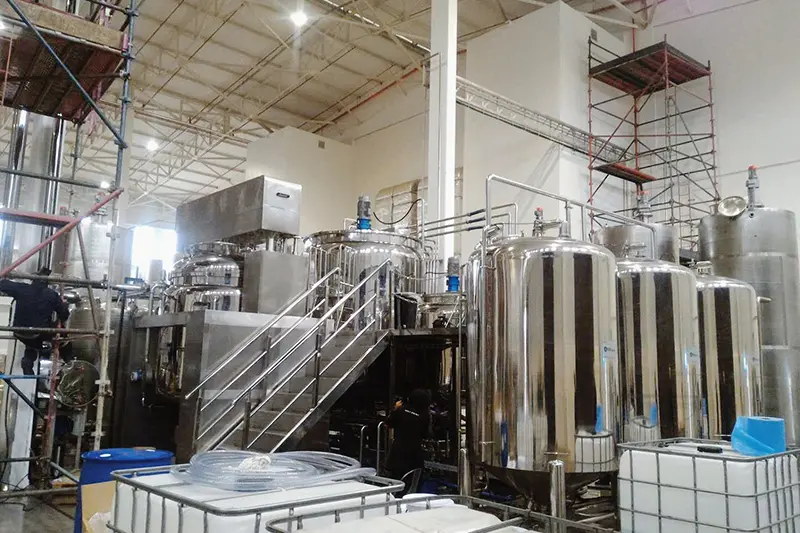
Secured a $1,000,000 detergent liquid-washing machinery order from a leading Japanese brand, expanding our liquid processing footprint.
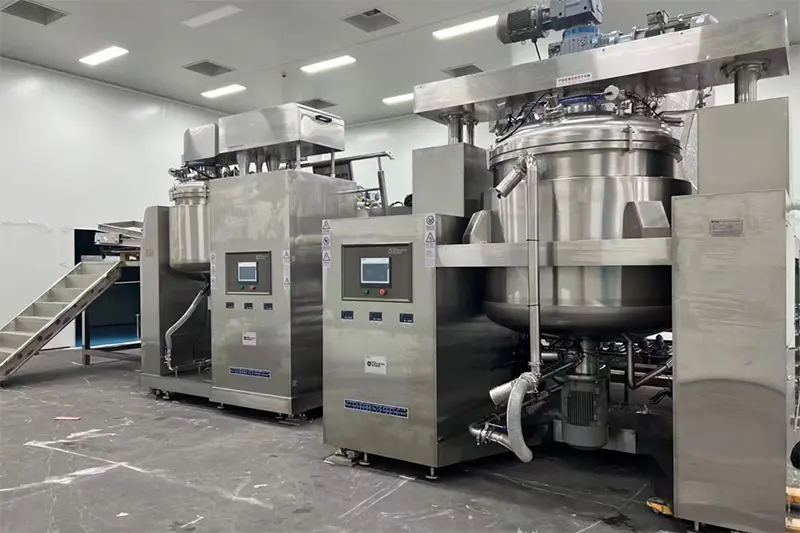
At SINAEKATO, we believe that science and technology are the primary drivers of enterprise competitiveness. We continuously strengthen our core technical capabilities to provide reliable and high-performing machinery.
By choosing SINAEKATO, you secure professional technical support and responsive after-sales service. We offer complete customization options, FAT/SAT validation support, and overseas installation assistance to help you scale production.
Expert engineering insights regarding the operation, design, and customization of vacuum emulsification mixers.
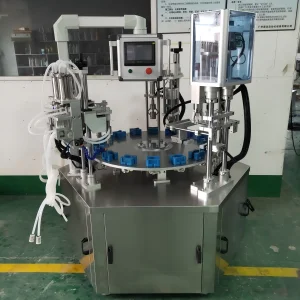
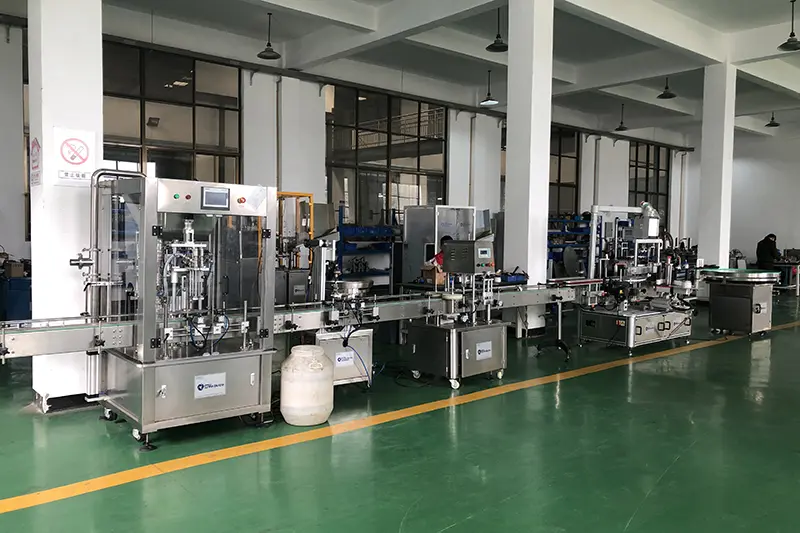
Explore our advanced filling lines, roller mills, and high-efficiency auxiliary equipment designed to round out your production floor.
 Sina Ekato