Explore our core selection of state-of-the-art machinery engineered for maximum efficiency, sanitary operation, and long-term durability.
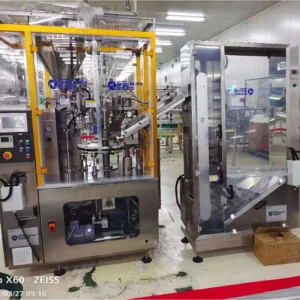
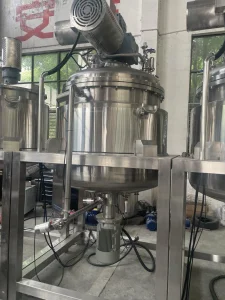
In the hyper-competitive personal care and dermatological industries, the packaging line acts as the final gatekeeper of product integrity, brand appeal, and manufacturing profit margins.
Over the past decade, the globally surging demand for natural, organic, and preservative-free cosmetic formulations has fundamentally altered the viscosity and chemical composition of product bases. Traditional filling systems are no longer sufficient to handle these complex rheological profiles without risk of separation, aeration, or shear damage. At the same time, the global shift toward sustainability has driven packaging materials away from virgin plastics toward recycled PCR (Post-Consumer Resin), biodegradable materials, mono-material laminates, and classic protective aluminum.
This dynamic shift demands highly adaptable, custom-engineered Cosmetic Tube Filling and Sealing Machines. These modern production assets must seamlessly cycle through diverse material properties while preserving strict sterile parameters. For high-volume producers, adapting to diverse sealing temperature thresholds, variable structural wall thicknesses, and strict anti-contamination standards is no longer optional—it is a baseline operational requirement.
A closer look at the advanced mechanical and electrical subsystems that ensure precision, consistency, and clean execution at high speeds.
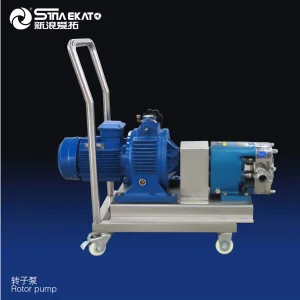
By employing high-torque servo motors coupled with rotary piston pumps, our machines achieve dosing accuracies within ±0.5%. This eliminates product giveaway and accommodates shear-sensitive emulsions without compromising structural composition.
A single rotary indexing platform can easily switch between hot-air heating systems (for polyethylene, co-extruded and laminated tubes) and mechanical cold-folding stations (for aluminum cosmetic/pharmaceutical tubes) with minimal tool changeover times.
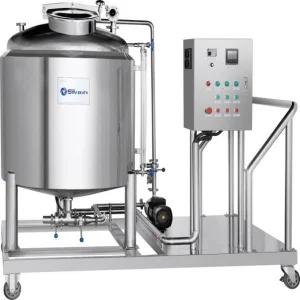
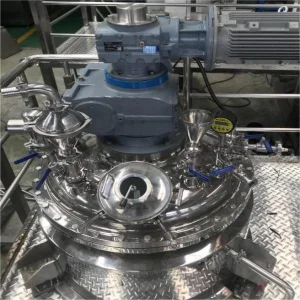
Engineered with complete sanitary liquid pathways utilizing SS316L, mirror-polished to Ra < 0.4µm. The internal piping structure supports automatic CIP cycles, preventing cross-contamination between batch runs.
A critical engineering bottleneck in tube filling is the prevention of product stringing or tailing after the dosing stroke. This is especially true for sticky gel-based formulations or dense ointments. To resolve this, our customized filling nozzles feature advanced pneumatic blow-off or mechanical cut-off mechanisms coupled with a synchronized bottom-up filling sequence. By dipping the nozzle deep inside the tube and gradually lifting it during the dosing process, we displace air pockets, prevent product contact with the sealing zone, and guarantee clean, airtight seals every time.
Procurement directors and plant engineering leads face intense pressure to maximize Overall Equipment Effectiveness (OEE) while lowering the Total Cost of Ownership (TCO).
Procuring a packaging machine is not just about purchasing hardware; it is about securing a long-term production partner. The main challenges facing global manufacturing operations include:
To address these challenges, SINAEKATO utilizes a dual-track strategy. First, we design our machinery using a modular architecture. This allows individual dosing pump heads, tube feeding hoppers, or sealing modules to be detached, serviced, or swapped without tearing down the entire machine frame. Second, we standardize our critical component sourcing, using global industry giants to ensure that key parts are easy to source locally.
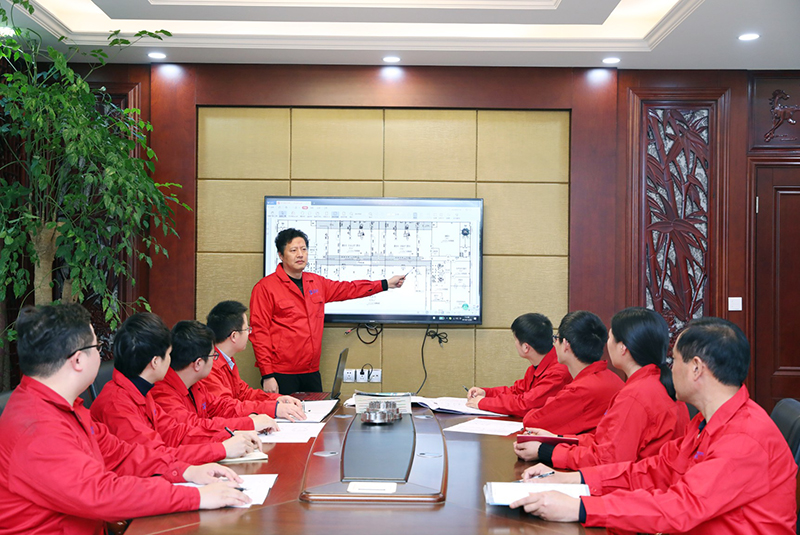
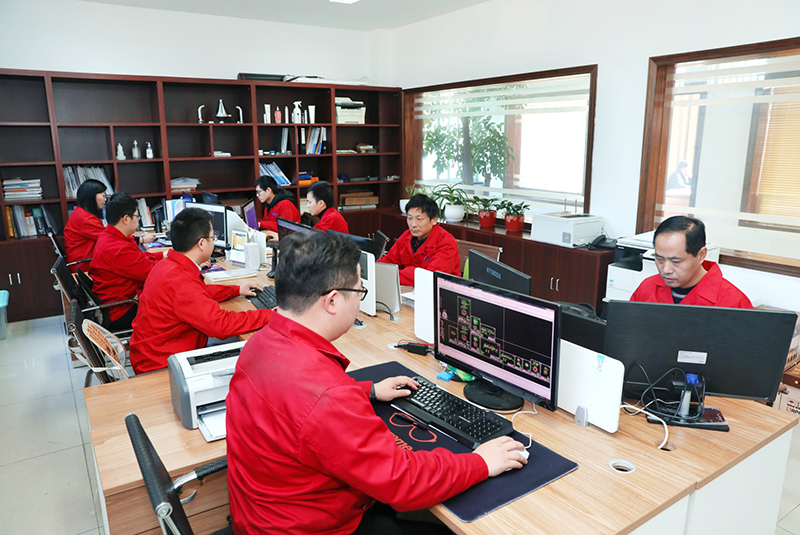
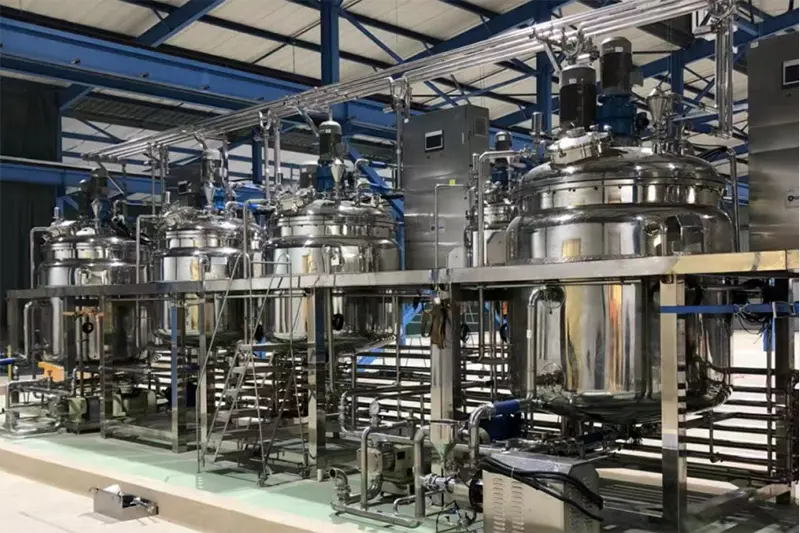
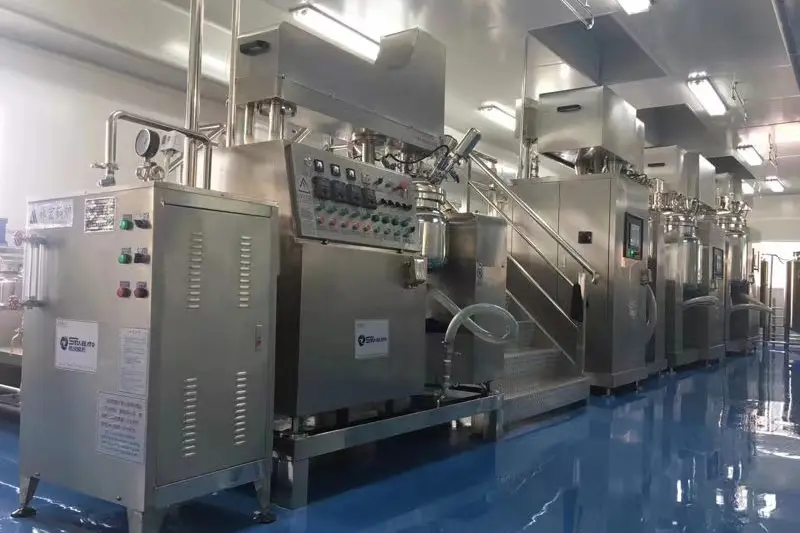
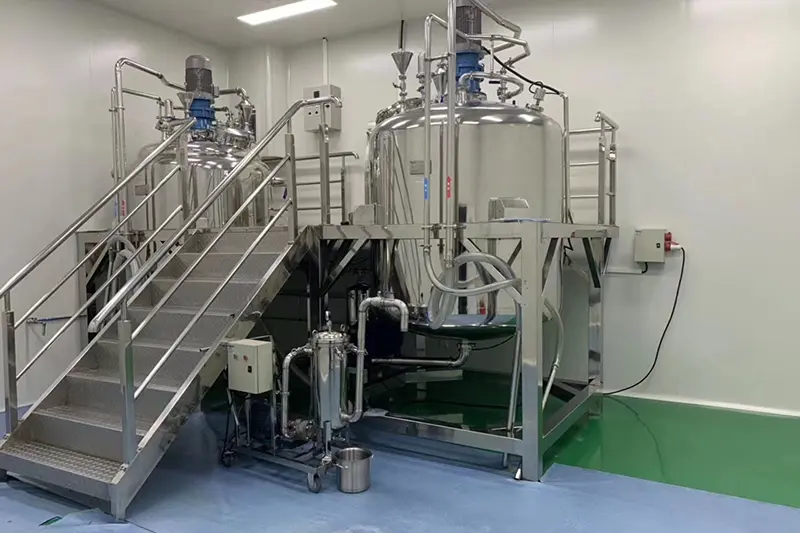
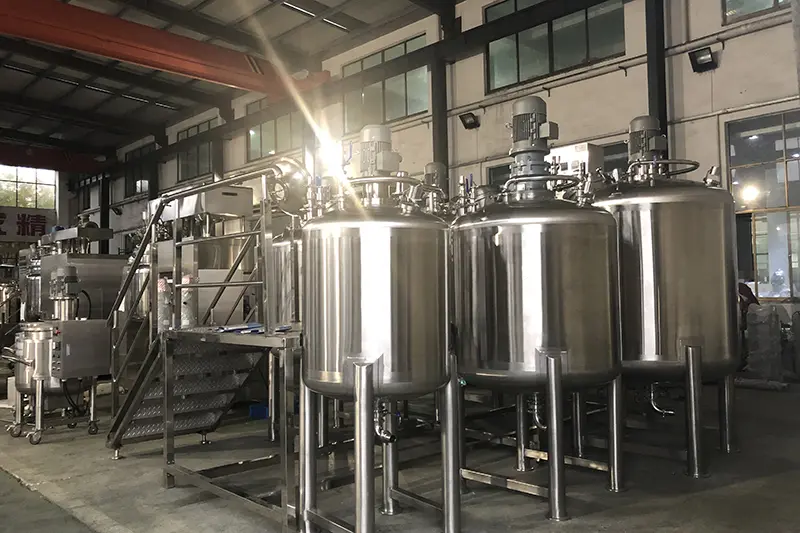
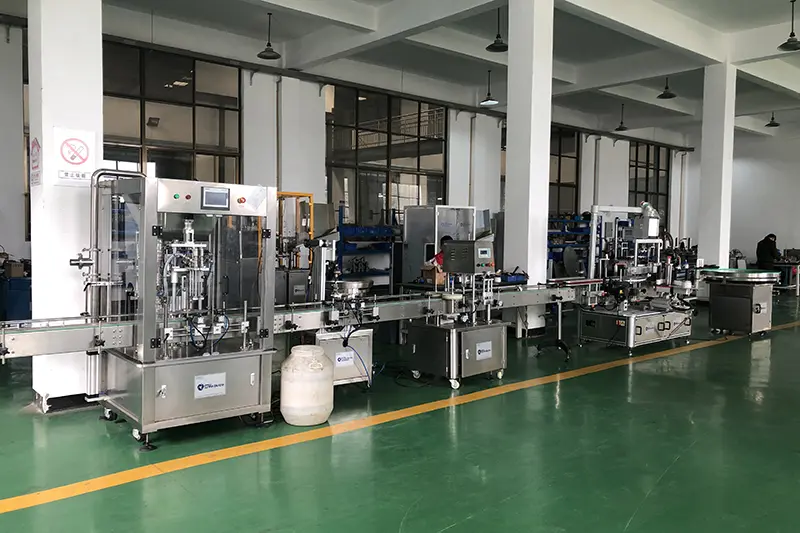
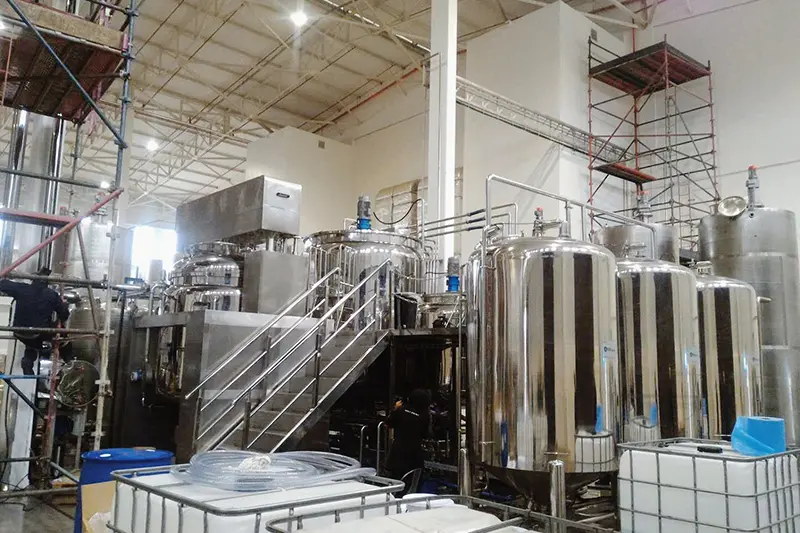
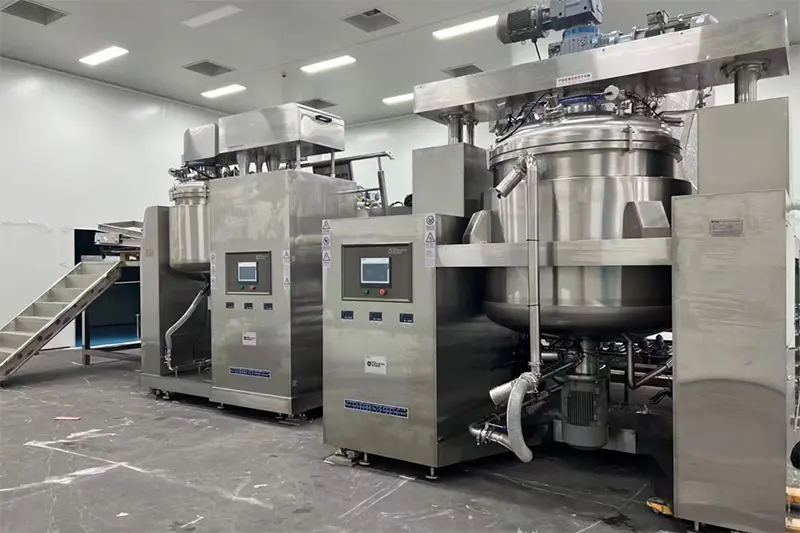
Over three decades of designing and manufacturing high-performance mixing, homogenizing, and packaging machinery for the global beauty and health sectors.
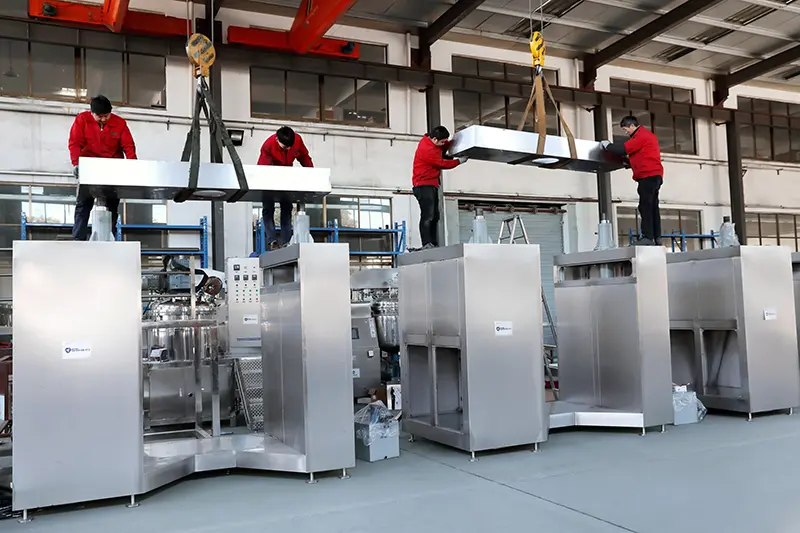
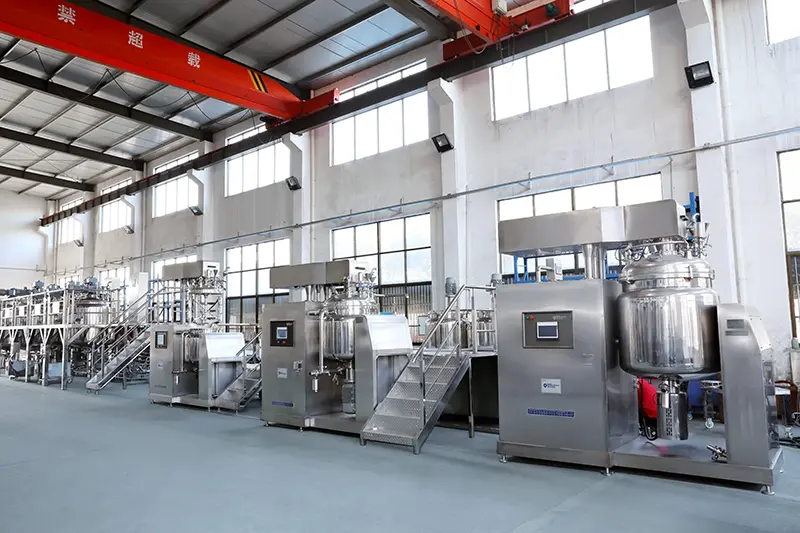
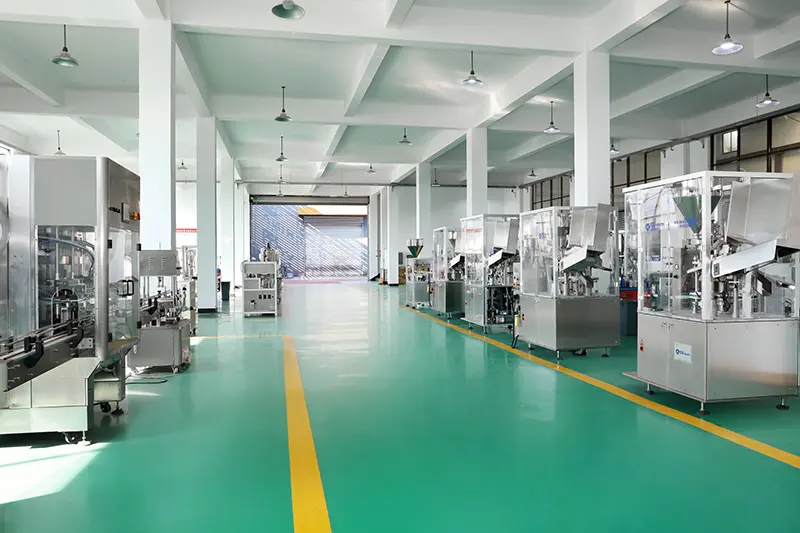
Established in 1992, SINAEKATO has grown into one of China's premier engineering brands. We provide turnkey machinery solutions for skincare, cosmetic, pharmaceutical, and food production facilities worldwide.
Our comprehensive production catalog spans Vacuum Emulsifying Mixers, Liquid-Washing Homogenizer Mixers, Perfume Chiller Production Lines, Toothpaste Production Mixers, Fully-Automatic & Semi-Automatic Filling Lines, RO Water Treatment Series, Labeling Machines, and Outer Case Cartoning Equipment.
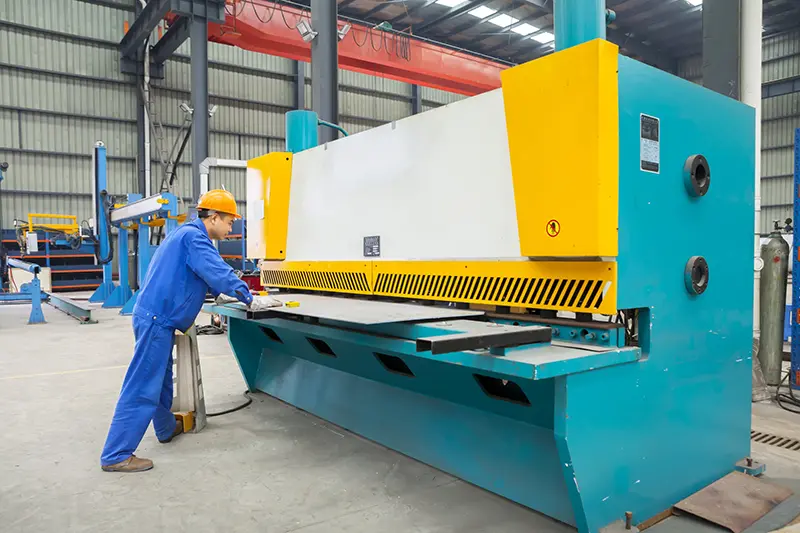
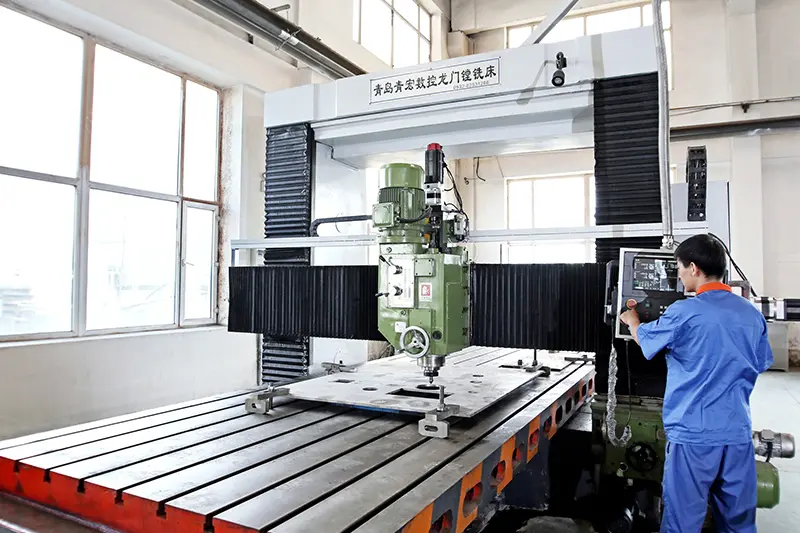
We believe that core technological innovation is the primary driver of enterprise growth. We continuously invest in upgrading our CNC machining facilities, refining our quality testing protocols, and verifying our process pipelines. This ongoing commitment ensures that every machine leaving our facility delivers exceptional performance, reliability, and precision.
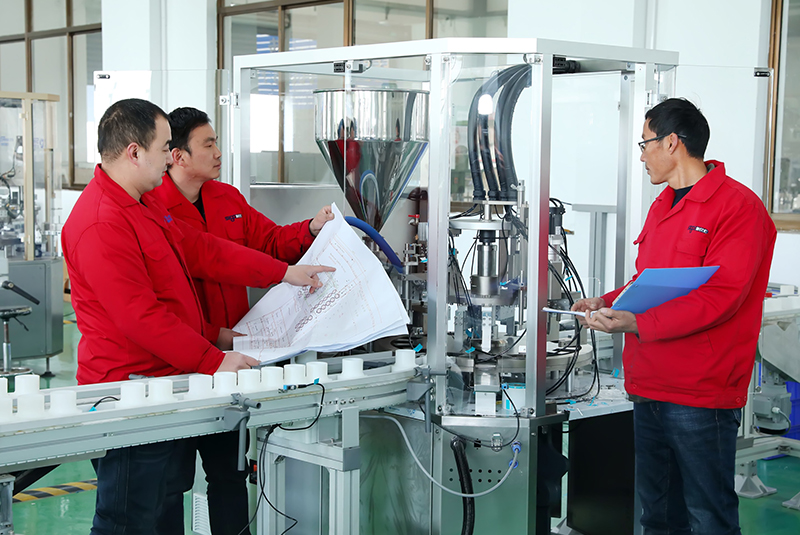
"By sourcing over 80% of our key components from world-class brands like Siemens, Festo, Schneider, Omron, and SMC, we ensure our clients enjoy seamless regional integration, reliable long-term operations, and easy local parts sourcing."
A history of continuous innovation, facility expansions, and global partnerships with leading consumer brands.
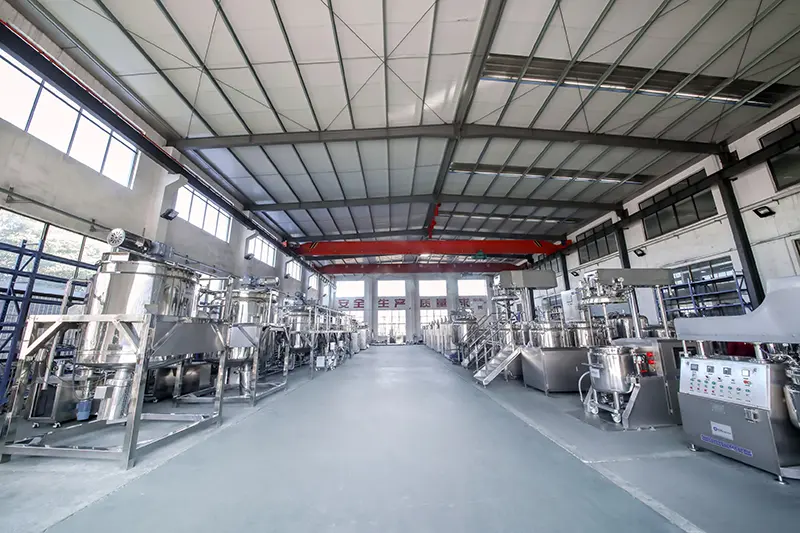
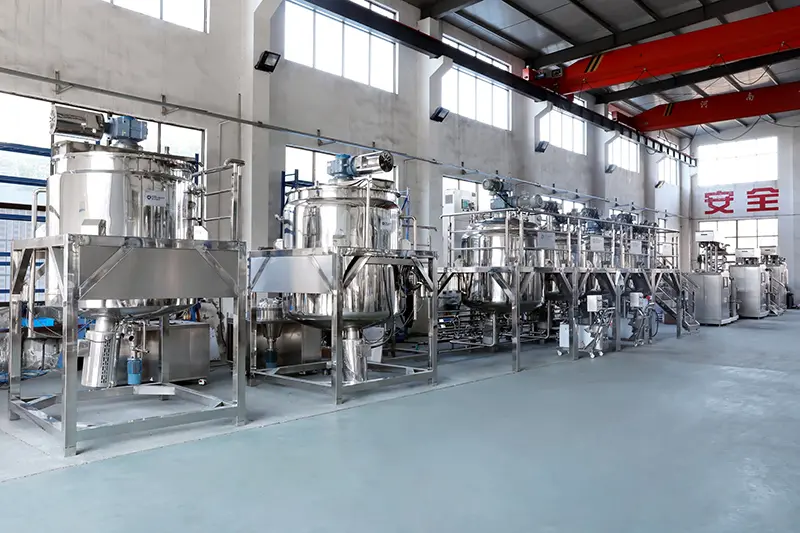
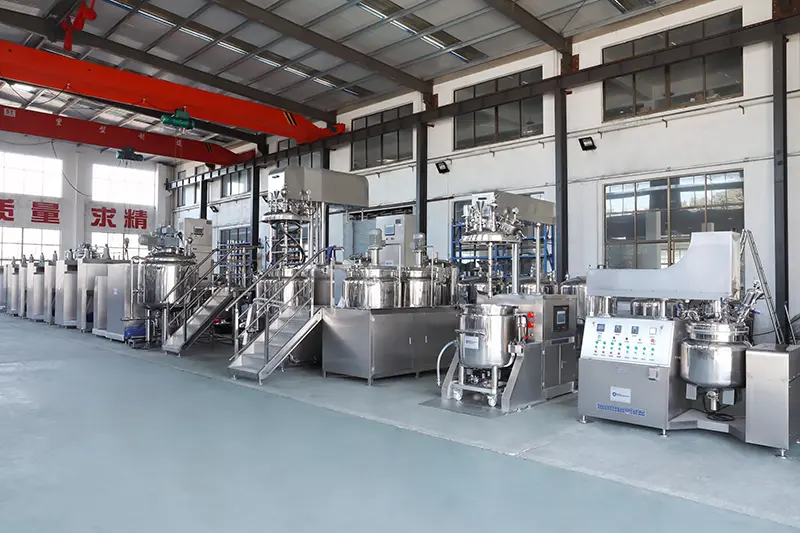
As the industrial landscape shifts toward Industry 4.0, we design our machinery to integrate future-ready features today.
Our vision for the future of cosmetic packaging centers on three core pillars:
By integrating specialized vibration and thermal sensors into main drive shafts and servo actuators, our control software can identify wear patterns before they lead to machine downtime.
By pairing downstream checkweighers with the filling HMI, the machine automatically adjusts dosing volumes on the fly to compensate for density fluctuations in the product hopper.
We aim to reduce line changeover times to under 15 minutes by using quick-lock clamps, standardized alignment pins, and digital recipe recall on the HMI.
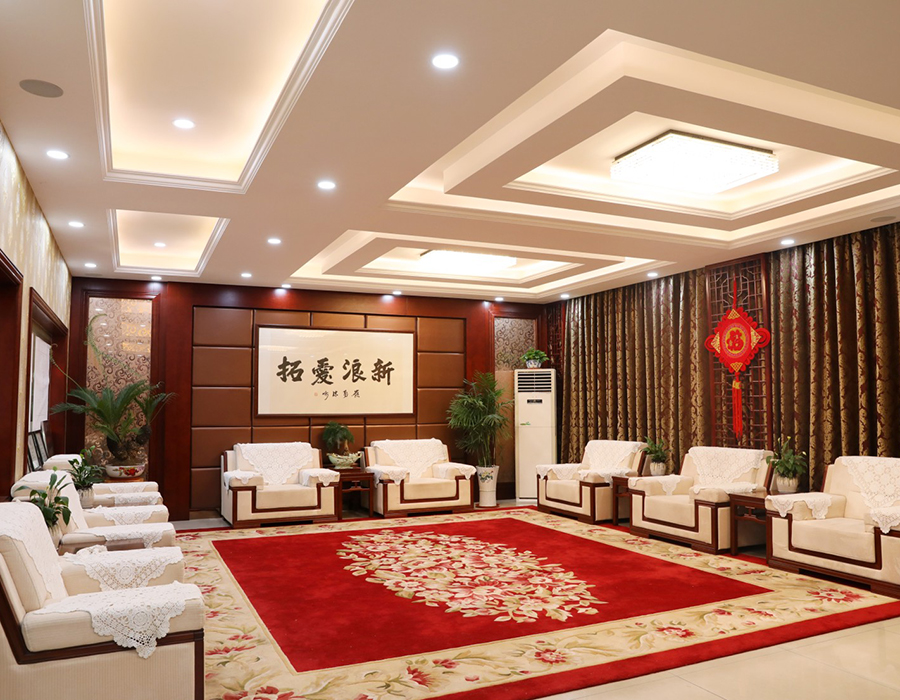
Explore our complete range of processing, emulsifying, and secondary packaging equipment designed to form a unified production line.
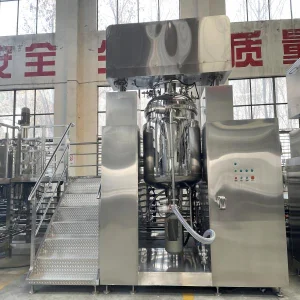
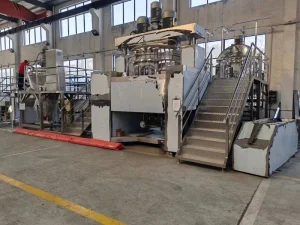
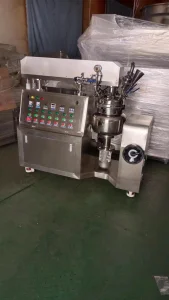
In-depth, technical answers addressing the key sourcing, operational, and maintenance questions raised by production managers.
Hot-air sealing uses a heated nozzle to warm the inner walls of the tube tail before mechanical jaws press and seal them closed. This method is highly reliable and cost-effective for standard plastic and laminated tubes. Ultrasonic sealing, on the other hand, uses high-frequency acoustic vibrations to generate friction-based heat inside the plastic molecules. It is ideal for eco-friendly mono-materials, PCR, or tubes containing ingredients that are highly sensitive to heat, as it focuses the thermal energy only on the seal interface.
To prevent product stringing, we utilize a combination of clean blow-off nozzles, pneumatic drop-cut nozzles, and bottom-up filling technology. The dosing nozzle lowers into the tube and retracts as it dispenses the product, preventing air pockets and keeping product residue away from the sealing area to ensure a secure seal.
Yes. Our custom-engineered machinery can feature interchangeable sealing stations on a single indexing rotary table. By swapping out the hot-air heating nozzles and sealing jaws for mechanical folding stations (which fold and press aluminum tube ends), you can run both materials on a single machine frame with minimal changeover time.
All SINAEKATO machines intended for pharmaceutical, cosmetic, or food production are built to meet strict GMP standards. The product-contact pathways are made from SS316L stainless steel, mirror-polished to Ra < 0.4μm. Additionally, we offer options for HEPA laminar flow hoods, sterilization systems for tube interiors, and integrated CIP/SIP cleaning hookups.
We provide a complete validation support package, including factory design audits, IQ (Installation Qualification), OQ (Operational Qualification), and assistance during PQ (Performance Qualification). Factory Acceptance Testing (FAT) is conducted at our primary manufacturing facility under simulated production runs. Upon arrival and installation, our engineers conduct Site Acceptance Testing (SAT) and support validation documentation.
Lead times range from 45 to 90 days depending on the level of customization needed (such as custom feeding systems, unique tube shapes, or complex dosing requirements). Because we manage our own machining centers, fabrication shops, and engineering offices, we can customize components to meet your exact space and production requirements.
 Sina Ekato