High-performance vacuum emulsifying systems, filling assemblies, and packing lines engineered for compliance-driven cosmetic manufacturers.
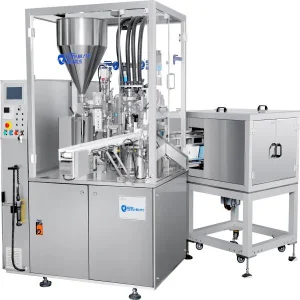
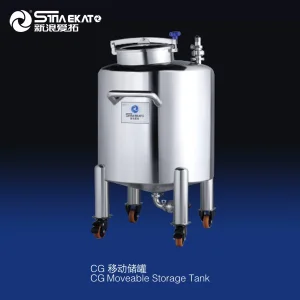
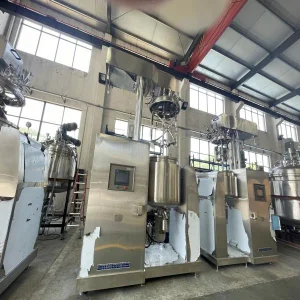
The manufacturing of cosmetic topicals, particularly lipid-based protective products such as lip balms, salves, and lipsticks, requires precise control over thermo-physical parameters. As the global personal care market shifts toward organic compositions, clean-label waxes, and active sun-protection ingredients, manufacturers face strict operational standards. Producing high-stability, clean-molded, or soft-fill lip balms demands specialized emulsifying mixers and temperature-regulated volumetric filling systems that conform to international regulations like the European Union's Conformité Européenne (CE) marking.
CE certification confirms that production equipment complies with strict European health, safety, and environmental protection standards. For lip balm production—which involves handling flammable plant-derived oils, high-melting-point waxes (carnauba, beeswax, candelilla), and direct heating systems—CE-certified machinery guarantees structural safety, low electromagnetic emission, and robust containment under high pressure and vacuum conditions.
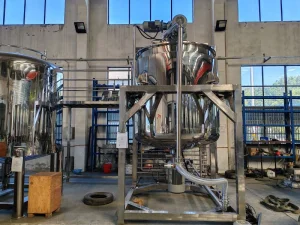
Across the globe, industrial cosmetic processing factories are updating their facilities to keep pace with changing consumer demands. The market is shifting away from batch-based production with manual transfers and moving toward closed-loop, automated, inline systems. This transition minimizes contamination risks, improves batch consistency, and significantly increases throughput. The modern lip balm factory must integrate high-shear mixing, efficient vacuum degassing, uniform jacketed heating, and rapid cooling to prevent crystallization and air pockets in the finished product.
Strict structural adherence to sanitary requirements, utilizing premium SUS316L stainless steel, mirror-polished surfaces, and FDA-approved elastomer seals to prevent product contamination.
Jacketed hot water or steam circulation systems linked to PID controllers maintain precise wax melting temperatures, preventing thermal degradation of active ingredients.
HMI touchscreens with PLC integration allow operators to monitor shear speeds, cooling rates, vacuum depth, and filling volumes in real time, minimizing manual errors.
Lip balm formulations rely on a precise balance of structured waxes (such as beeswax, carnauba, and candelilla) and liquid oils (such as castor oil, jojoba oil, or mineral oils), often enhanced with active skin protectants, SPF blockers (titanium dioxide, zinc oxide), and flavorants. Liquid waxes and oils behave differently under varying temperatures, presenting unique challenges during processing:
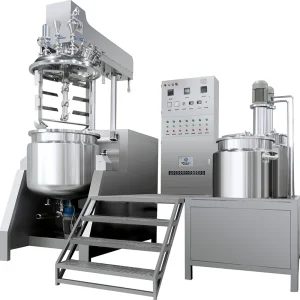
Without proper dispersion, solid particles like zinc oxide or color pigments can agglomerate, causing a gritty texture. Vacuum emulsifiers solve this by applying high mechanical shear to break down particles to the sub-micron scale. Performing this process under vacuum (typically -0.09 MPa) prevents air bubbles from forming in the warm mixture. De-aeration is critical: trapped micro-bubbles cause aesthetic defects, accelerate oxidation of natural oils, and lead to structural collapse when the balm cools in its container.
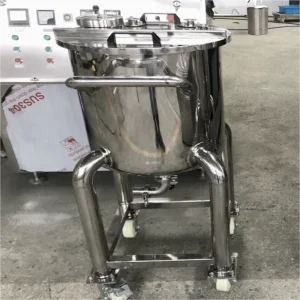
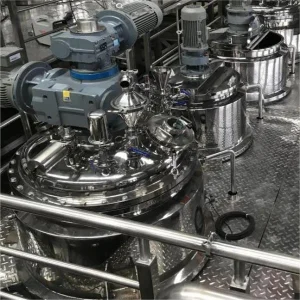
Precise temperature control is essential. Natural waxes require specific melting ranges (often between 60°C and 85°C). If the temperature drops too low during processing, premature crystallization occurs, creating clogs in the piping and filling nozzles. If the temperature runs too high, botanical extracts may degrade, and oils can oxidize. Jacketed vessels with heated water circulation ensure uniform heat distribution, preventing hot spots and keeping the mixture at the ideal viscosity for transfer.
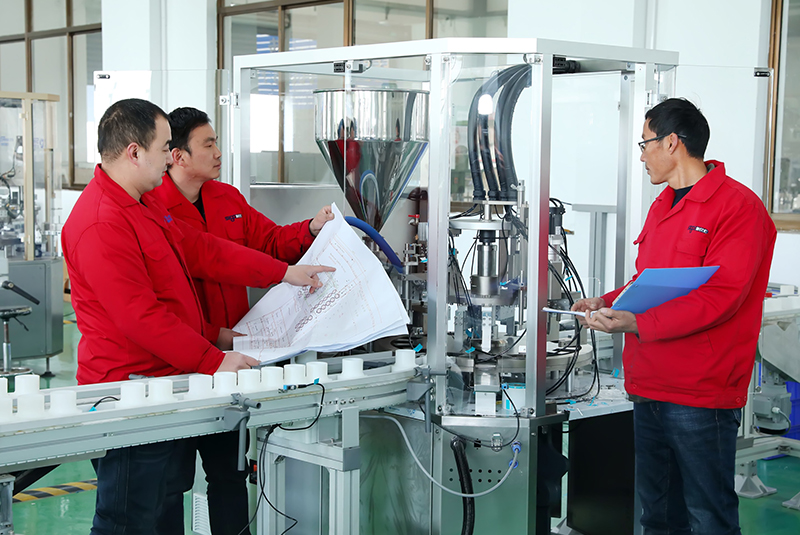
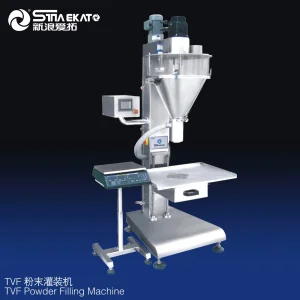
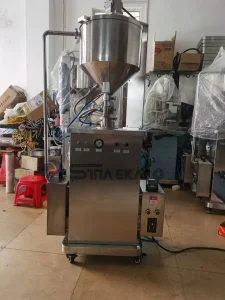
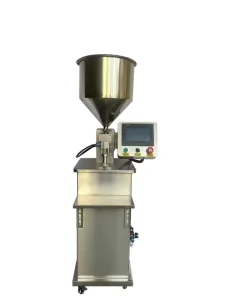
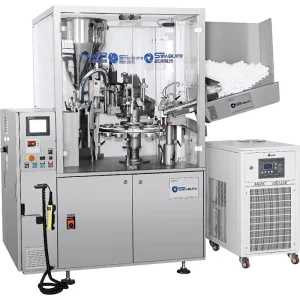
Standard liquid filling pumps often struggle with the rapid cooling and solidifying behavior of warm lip balm waxes. SINAEKATO's gear pump and piston dosing systems utilize heated nozzle manifolds and constant water recirculation. This setup prevents the formulation from solidifying at the nozzle tip, ensuring smooth, consistent filling and clean cut-offs without dripping or tailing.
The cosmetic manufacturing landscape is rapidly evolving, driven by automation, sustainability, and data-driven quality control. Below are the key trends shaping the future of lip balm and personal care production lines:
Under the banner "LET THE WORLD KNOW MADE IN CHINA," SINAEKATO has grown into a globally recognized engineering partner, delivering reliable machinery to world-class personal care brands.
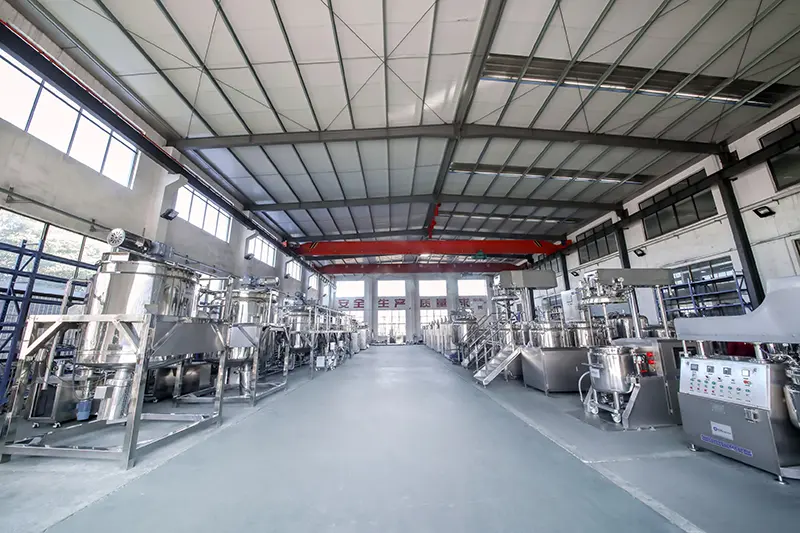
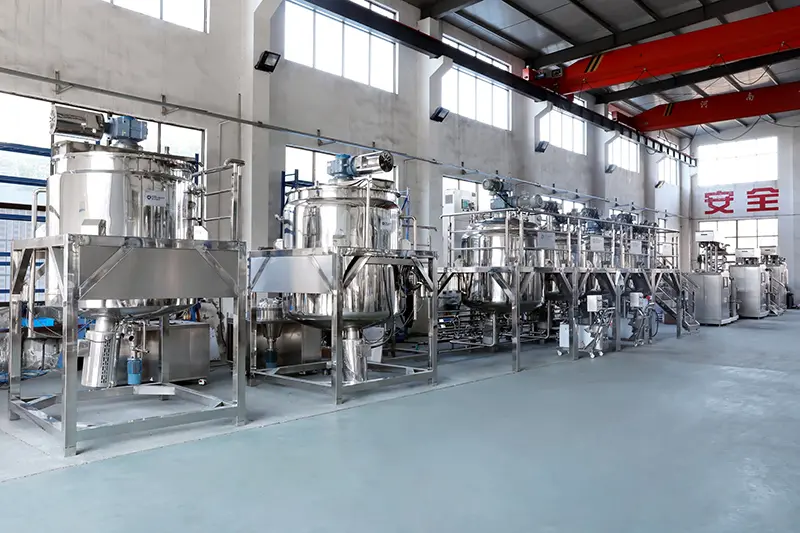
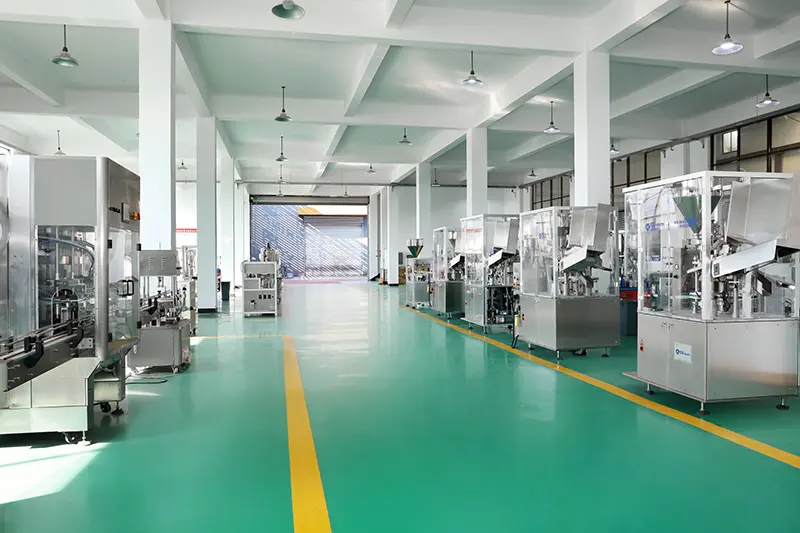
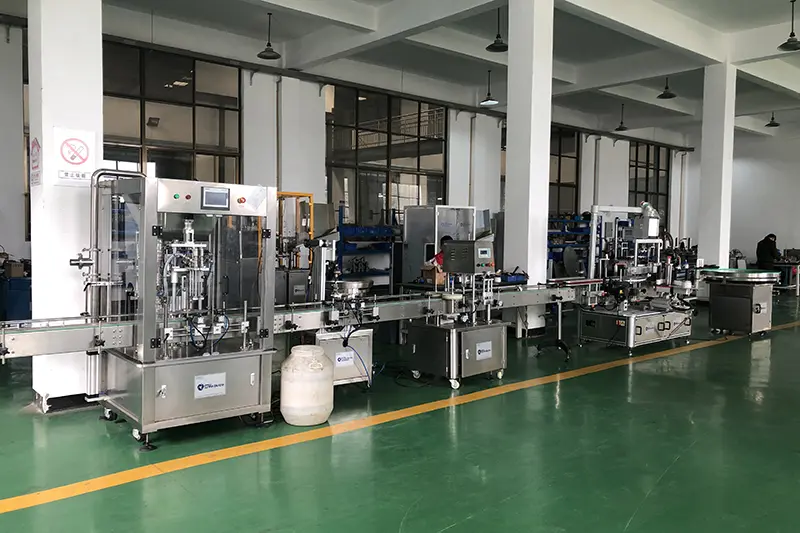
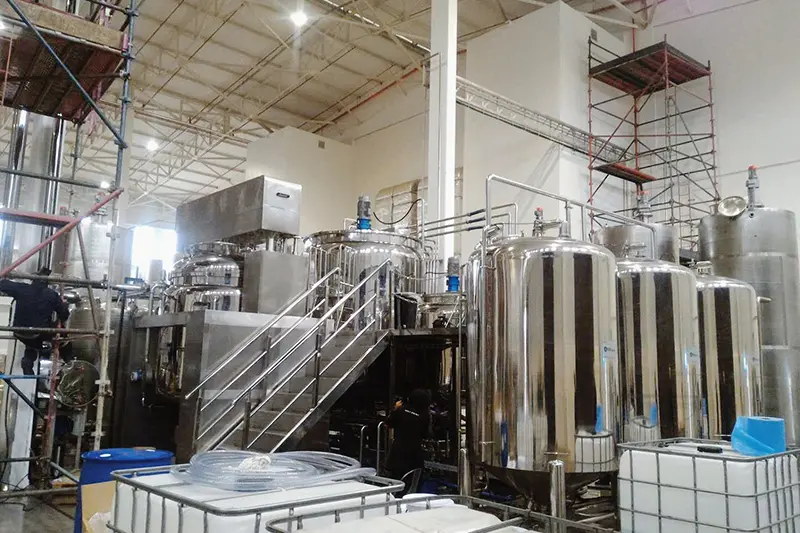
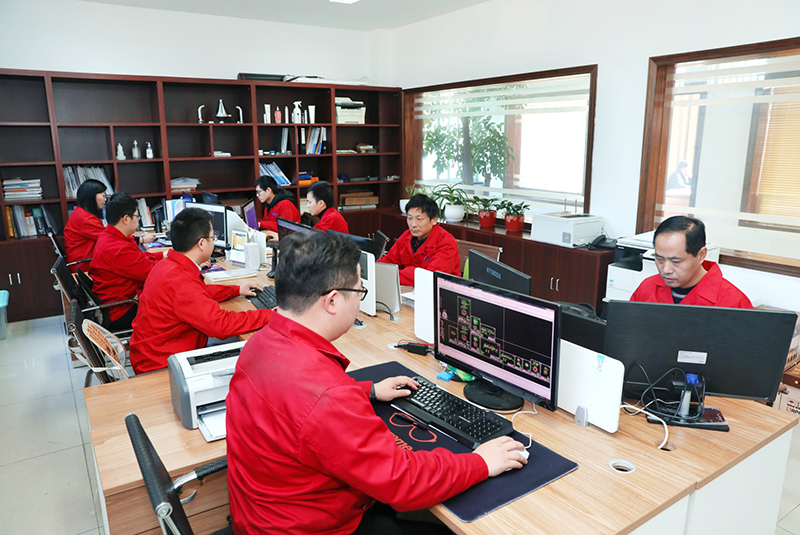
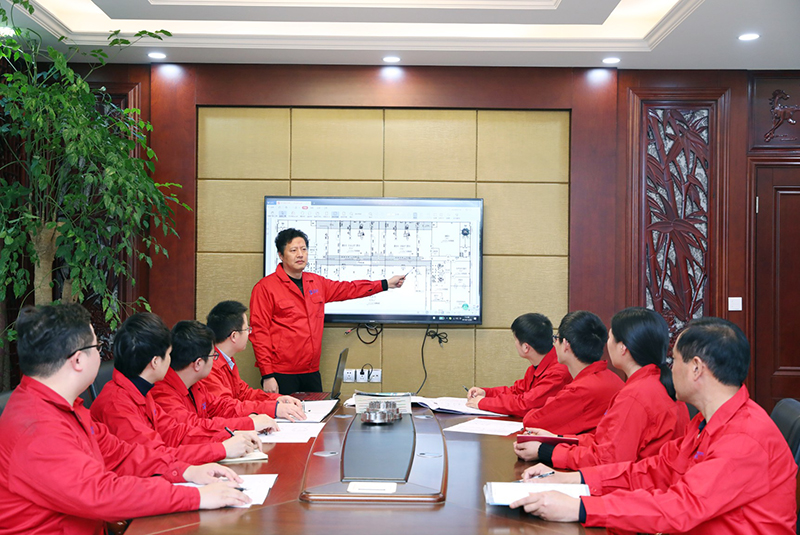
SINAEKATO provides complete, end-to-end processing lines designed for skincare, pharmaceutical, and lip care applications. We support our customers from project planning and engineering design to line integration, validation, and start-up.
Our complete production systems integrate several key stages, each designed to maintain chemical stability and product consistency:
Technical advice and solutions from our engineers for common lip balm and cosmetic manufacturing challenges.
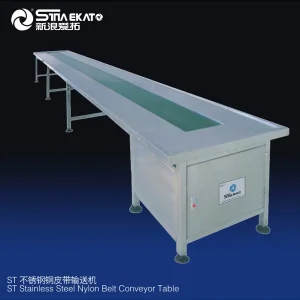
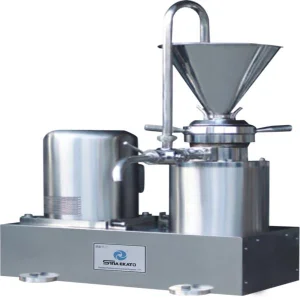
Add-on storage, conveyor systems, colloid mills, and tube sealing machinery to complete your cosmetic manufacturing lines.
 Sina Ekato