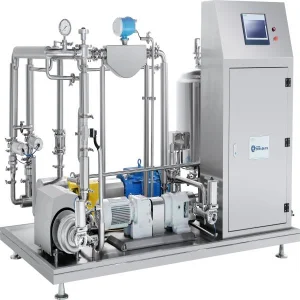
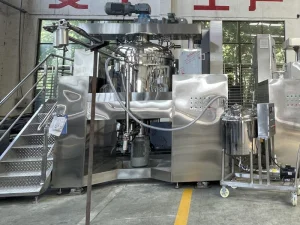
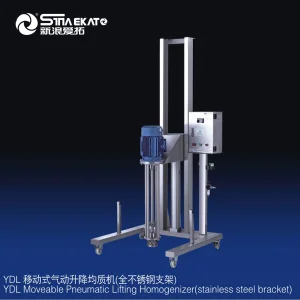
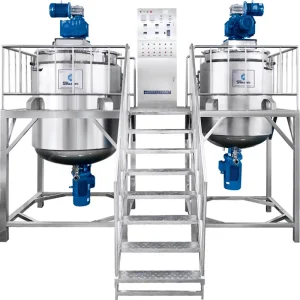
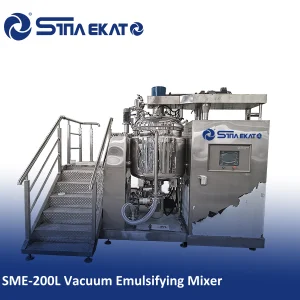
Explore our top-tier manufacturing systems designed for cosmetics, pharmaceuticals, food, and chemical processing.
Fluid dynamics within industrial production processes require more than just moving product from Point A to Point B. In highly regulated sectors like cosmetics, pharmaceuticals, food, and biotechnology, the mechanical displacement of fluids dictates product consistency, molecular stability, and hygienic integrity. Finding the best transfer pump supplier is a core business decision that impacts operational uptime, process performance, and compliance benchmarks.
Sanitary transfer pumps are engineered to prevent internal accumulation, eliminate cross-contamination, and handle delicate, shear-sensitive fluids. Whether transporting a low-viscosity surfactant or a highly viscous toothpaste base, the selection of the correct pump architecture determines the efficiency of the entire process loop. Without proper pump calibration, plants suffer from cavitation, mechanical seal failures, product shearing (which can break down emulsions), and costly unscheduled shutdowns.
Many cosmetic creams and pharmaceutical suspensions are structurally unstable. High shear speeds can cause separation. Selecting low-shear rotary lobe or twin-screw pumps preserves formulation integrity.
Dead spaces inside pumps harbor bacteria. Advanced industrial design incorporates electropolished surfaces (Ra < 0.4µm), CIP/SIP configurations, and FDA-approved elastomeric seals.
By pairing high-efficiency motors with Variable Frequency Drives (VFD) and PLC systems, smart factories optimize flow rates and reduce operational footprint.
Industrial processing relies on several distinct pump typologies, each designed for specific rheological properties and operational challenges. A high-performing transfer pump factory must possess the technical capacity to supply and customize these distinct architectures:
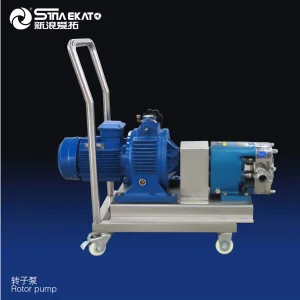
Commonly referred to as the workhorses of the cosmetics and pharmaceutical industries, rotary lobe pumps employ non-contacting, counter-rotating lobes. This configuration produces a gentle pumping action, making it ideal for large particles, high-viscosity emulsions, gels, and shear-sensitive liquids. The absence of metal-to-metal contact prevents product contamination, rendering it optimal for skin creams, shampoos, and complex emulsions.
Screw pumps excel in handling extremely high-viscosity media with virtually no pulsation. A single-screw (progressive cavity) pump utilizes a rotor turning inside a flexible stator, making it highly effective for thick pastes and abrasive materials. Twin-screw pumps, on the other hand, offer the unique capability of handling both high-viscosity products and low-viscosity CIP (Clean-in-Place) fluids, eliminating the need for a secondary CIP pump in the processing loop.
For high-volume, low-viscosity applications, centrifugal pumps represent the most cost-effective and reliable solution. Leveraging centrifugal force through a high-speed impeller, these pumps are commonly used in RO (Reverse Osmosis) water treatment systems, alcohol transfer, light oils, and aqueous solutions. However, they are generally unsuitable for high-viscosity or shear-sensitive materials due to high internal fluid velocities.
Air-Operated Double Diaphragm (AODD) pumps are highly versatile, self-priming, and capable of running dry without damage. Because they run on compressed air, they are inherently explosion-proof, making them the standard choice for flammable solvents, alcohol-heavy perfume formulations, and hazardous chemical transfers.
Positioned at the intersection of fluid transfer and mechanical processing, homogenizer pumps use high-shear rotor-stator systems to reduce droplet sizes and disperse ingredients simultaneously. They act as inline mixers, transforming coarse mixtures into stable, micro-fine emulsions during product circulation.
| Pump Type | Viscosity Range (cP) | Shear Intensity | Primary Application Areas | CIP Cleanability |
|---|---|---|---|---|
| Rotary Lobe | Up to 1,000,000 cP | Low | Cosmetic Creams, Gels, Pastes, Lotions | Excellent |
| Twin-Screw | Up to 2,000,000 cP | Very Low | Toothpaste, Toothpastes, Thick Food Pastes | Excellent (Dual Use) |
| Centrifugal | Up to 500 cP | High | Water, Alcohol, Milk, Light Solvents | Good |
| AODD | Up to 50,000 cP | Medium | Perfume, Essential Oils, Hazardous Solvents | Moderate |
| Homogenizer Pump | Up to 20,000 cP | Extremely High | Active Ingredient Dispersion, Emulsification | Excellent |
Globally, the demand for sanitary fluid handling systems is experiencing unprecedented expansion. As regulatory bodies like the US Food and Drug Administration (FDA) and the European Medicines Agency (EMA) tighten controls on cross-contamination, manufacturing facilities are phasing out industrial-grade hardware in favor of highly specialized sanitary systems. This transition is particularly pronounced in the cosmetic and personal care markets, which are growing rapidly due to the expansion of consumer segments in developing economies.
Modern global brands require system interoperability. When a multinational cosmetics producer builds a new line in Southeast Asia, Latin America, or Europe, they expect identical performance profiles from their machinery. Therefore, the best transfer pump suppliers must not only deliver high-quality components but also integrate these machines into broader production lines. These integrations include automatic vacuum emulsifying mixers, tube filling machines, and downstream packaging networks. This holistic configuration minimizes line losses, enhances cycle efficiency, and guarantees repeatable product quality.
China has evolved from a basic manufacturing hub to a global powerhouse in advanced mechanical engineering. The concentration of component suppliers, raw material refineries, and metallurgical processing centers provides Chinese factories with unmatched agility. For global buyers, this supply chain integration translates into three core benefits: rapid turnaround times, vast customization capabilities, and excellent price-to-performance metrics.
At SINAEKATO, this supply chain synergy is utilized to deliver high-performance, long-lasting machinery. Rather than operating in isolation, the brand sources **80% of its critical system parts** from world-renowned tier-1 suppliers, including Siemens, Schneider Electric, Omron, ABB, and Festo. By combining global component standardizations with local precision fabrication, SINAEKATO guarantees that every rotary lobe, screw, or homogenizer pump operates reliably under challenging conditions, while maintaining competitive cost advantages. This dual sourcing methodology ensures that spare parts are easily accessible globally, minimizing production downtime for international partners.
Industrial transfer pumps operate under highly diverse environmental and raw material conditions. Understanding these specific application scenarios allows operators to design resilient systems:
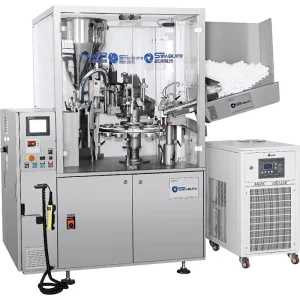
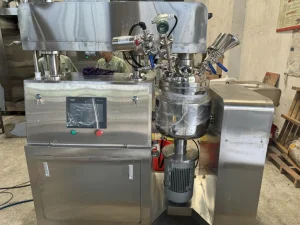
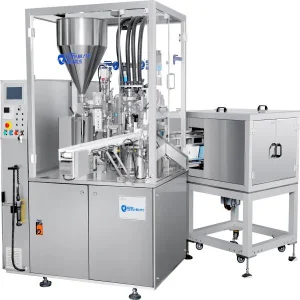
In cosmetics, a classic application is the transfer of high-viscosity face creams from a vacuum emulsifying mixer to storage holding tanks and onward to automatic tube filling machines. In this scenario, using a standard centrifugal pump is impossible due to the cream's high viscosity. A rotary lobe pump with a variable-speed motor is the ideal choice. Operating at lower speeds, it gently moves the product without generating excessive heat, which would otherwise destabilize the emulsion and cause oil-water separation.
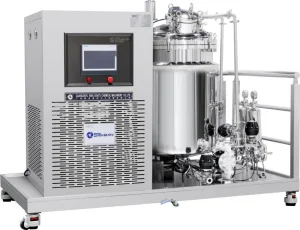
Perfume formulation presents explosion hazards due to high ethanol concentrations. Here, the transfer system must utilize ATEX-rated, explosion-proof components. SINAEKATO's frozen mixing explosion-proof perfume machine integrates specialized pneumatic diaphragm pumps. Because these pumps run on compressed air, they operate safely without electrical spark hazards, ensuring compliance with strict safety directives.
Toothpaste is a highly abrasive, non-Newtonian paste containing polishing silica and binding agents. A standard pump would degrade rapidly. This scenario requires a heavy-duty twin-screw pump or progressive cavity pump constructed from hardened stainless steel. The pump must operate under constant high pressures to move the dense paste through piping networks into high-speed tube filling lines, maintaining a constant flow rate without pulsing.
The sanitary fluid handling industry is experiencing a technological transformation driven by digitalization, automation, and environmental regulations. Over the next decade, several key innovations will shape the design and operation of industrial transfer systems:
A pump's performance depends on the quality of its installation and the reliability of its long-term maintenance. As an exporter to over 55 countries, SINAEKATO has built a comprehensive support infrastructure to assist clients throughout the equipment lifecycle. This setup provides overseas technical engineering support, ready-to-ship spare parts, and design support to ensure smooth integration with existing processing lines.
Additionally, complying with regional regulations is crucial. From European CE certification to strict GMP standards for pharmaceutical production, SINAEKATO ensures that every piece of machinery complies with relevant regulatory frameworks, simplifying validation processes and easing audits for our clients.
Established in 1992, SINAEKATO has developed into a premier manufacturer of cosmetic, pharmaceutical, and chemical machinery.
SINAEKATO, one of China's leading machinery brands, was born in 1992. Leveraging more than 30 years of experience, we provide a rich portfolio of high-quality machinery, including Vacuum Emulsifying Mixers, Liquid-washing Homogenizer Mixers, Perfume Chiller Production Lines, Toothpaste Production Mixers, Fully-automatic and Semi-automatic Filling Machines, Storage Tanks, RO Water Treatment Series, Labeling Machines, and Packing Machines. We offer a comprehensive, one-stop machinery solution for skincare products, cosmetics, pharmaceuticals, and the food industry.
On the one hand, SINAEKATO operates in nearly 55 countries and employs around 150 people in our China factory and around 10 people abroad. Our technological expertise in mixing systems, emulsifying/homogenizer systems, and filling line systems is internationally renowned. Science and Technology are the primary productive forces; they are also the core competitiveness of enterprises. We continuously strengthen our research, development, and innovation in core technologies, constantly striving for excellence, utilizing advanced production equipment, maintaining strict quality management, and employing precise production testing processes to ensure the excellent performance of every product.
On the other hand, a longstanding commitment to the society in which SINA EKATO operates is reflected in our goal to develop "LET THE WORLD KNOW MADE IN CHINA" by providing high-performance machinery and services. Our longstanding commitment to the communities in which we operate reflects our belief that no individual or corporation can be a good citizen without getting actively involved—exercising imagination, donating time and skills, and providing financial support.
Engaged in the chemical machinery industry, establishing the foundation of our engineering expertise.
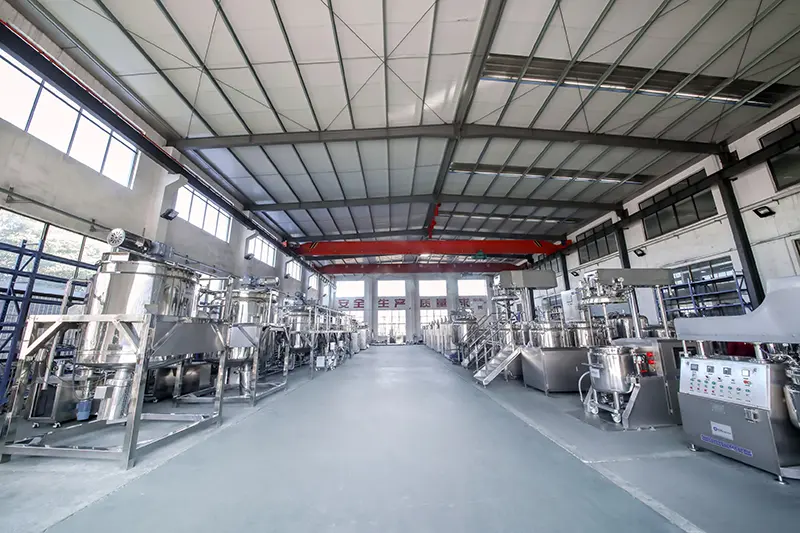
Guangzhou Sina Cosmetics Engineering Equipment Co., Ltd. was established to specialize in cosmetic manufacturing lines.
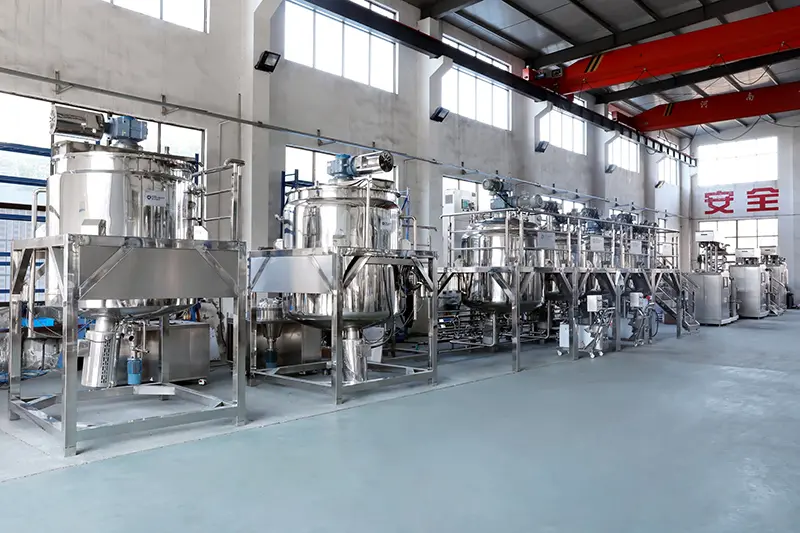
Established Hong Kong Hantao International Investment Co., Ltd., expanding financial and global trade capabilities.
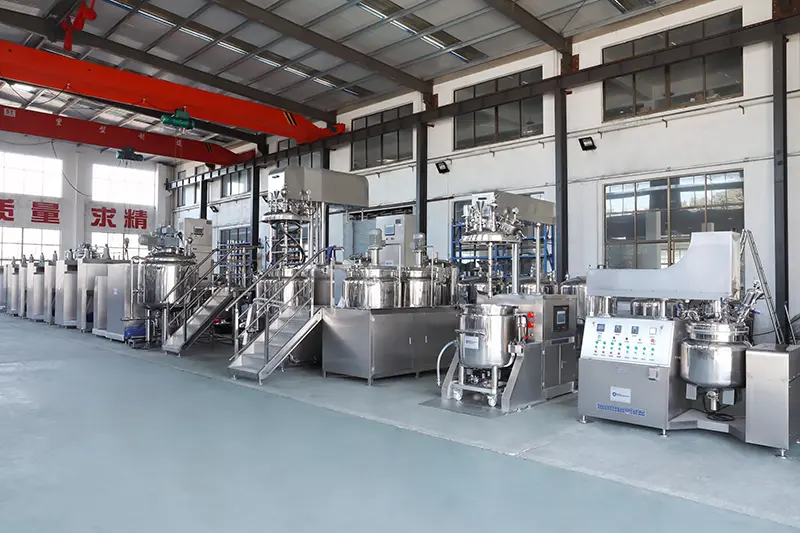
Gaoyou Sina Chemical Machinery Equipment Factory was established (Guangzhou Sina cosmetics engineering equipment changed its name to Guangzhou Sina Chemical Machinery Co., Ltd.).
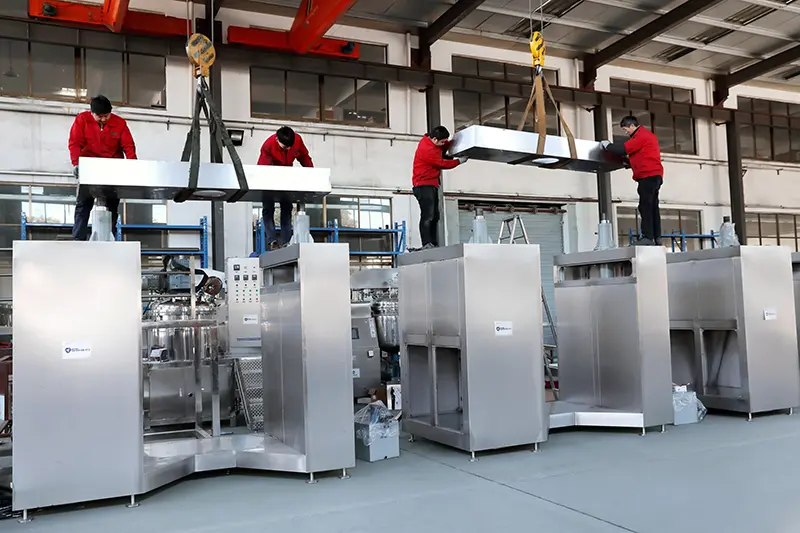
Established Gaoyou Sina Light Industry Machinery Equipment Factory to scale up local component manufacturing.
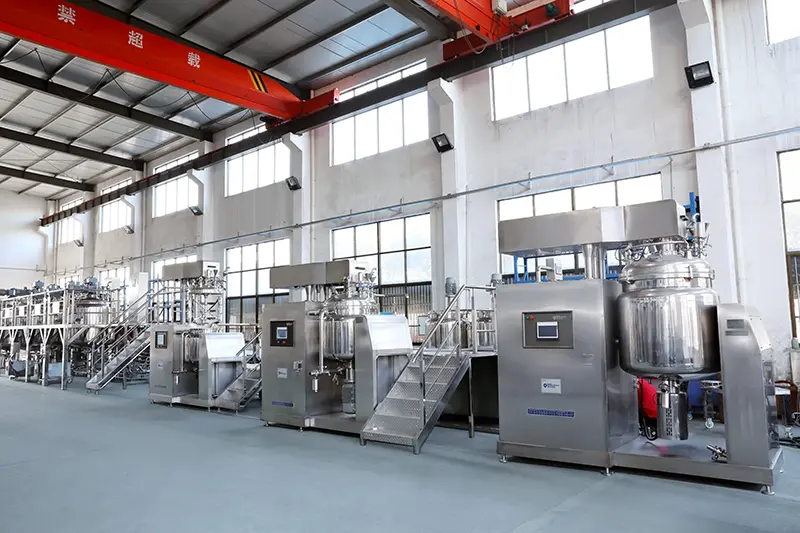
Purchased 10,000 square meters of land in Gaoyou, and the new processing plant was put into operation under the name: SINA EKATO CHEMICAL MACHINERY CO., LTD (GAOYOU CITY).
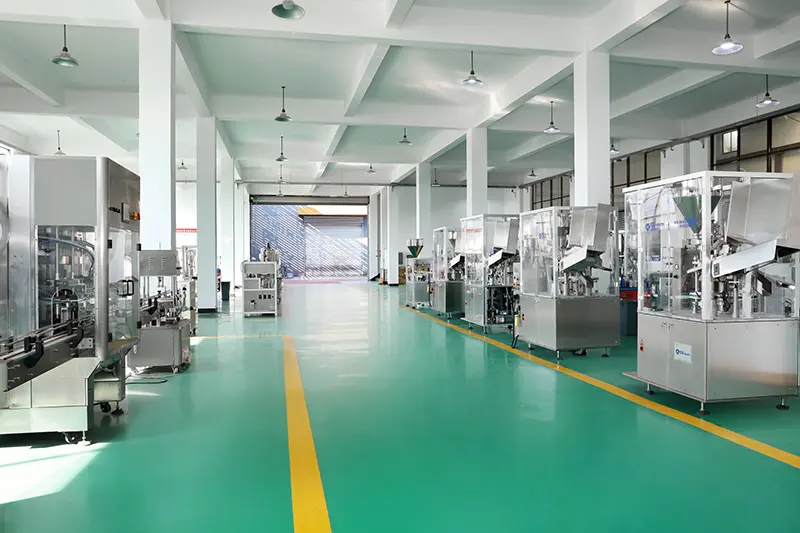
Established Yangzhou Hantao Chemical Machinery Co., Ltd. to capture regional industrial supply chain benefits.
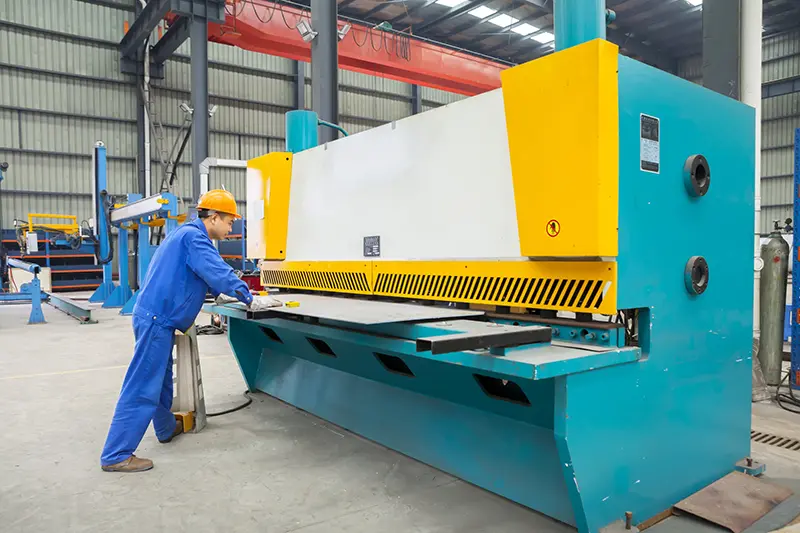
Acquisition of Guangzhou Jingcheng Machinery; set up a large exhibition center and established international export sales routes.
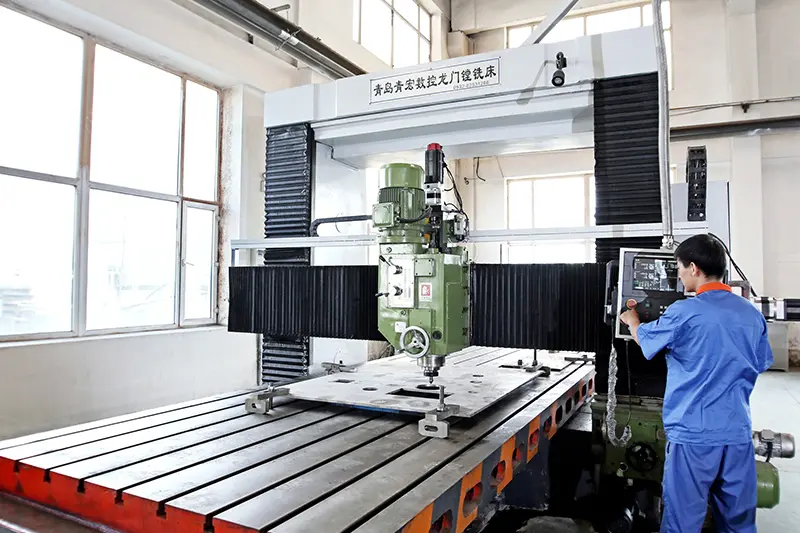
Original Guangzhou Sina Chemical Machinery Co., Ltd. renamed to Guangzhou SINAEKATO Chemical Machinery Co., Ltd.
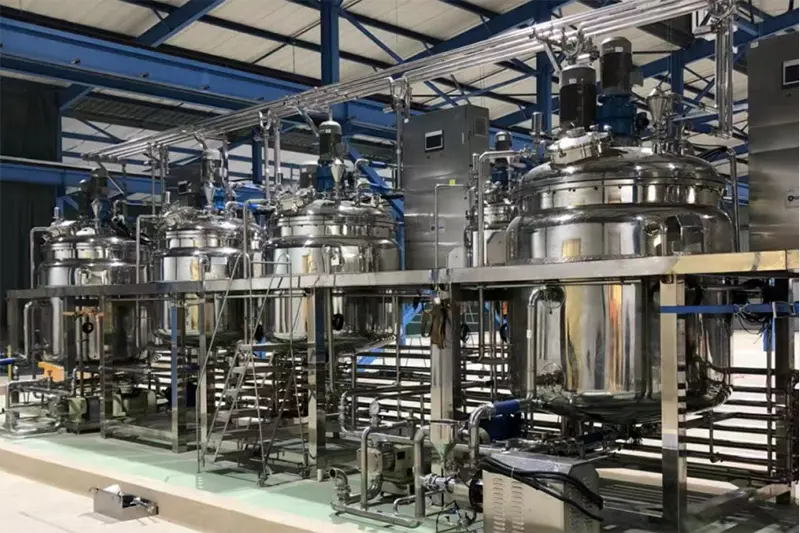
Acquisition of Guangzhou Suogao Machinery Equipment Co., Ltd. to increase high-speed manufacturing capacity.
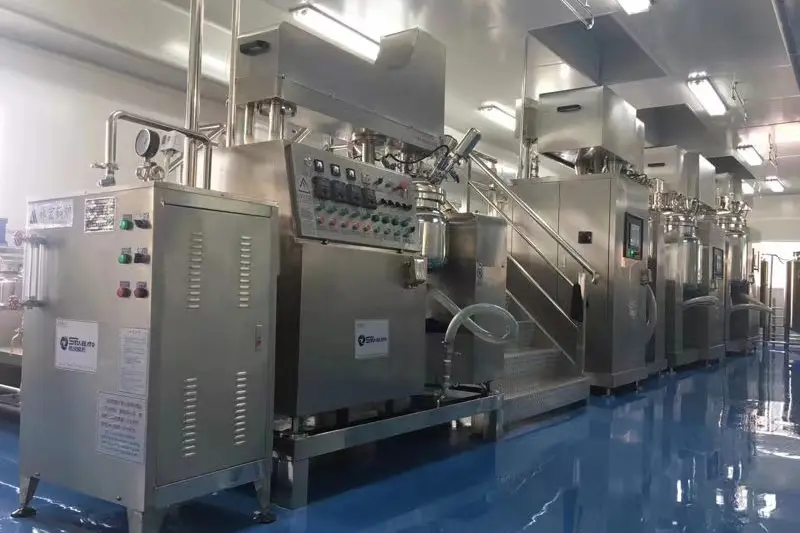
SINA EKATO CHEMICAL MACHINERY CO., LTD (GAOYOU CITY) designated as Production, Sales, and After-sales Headquarter.
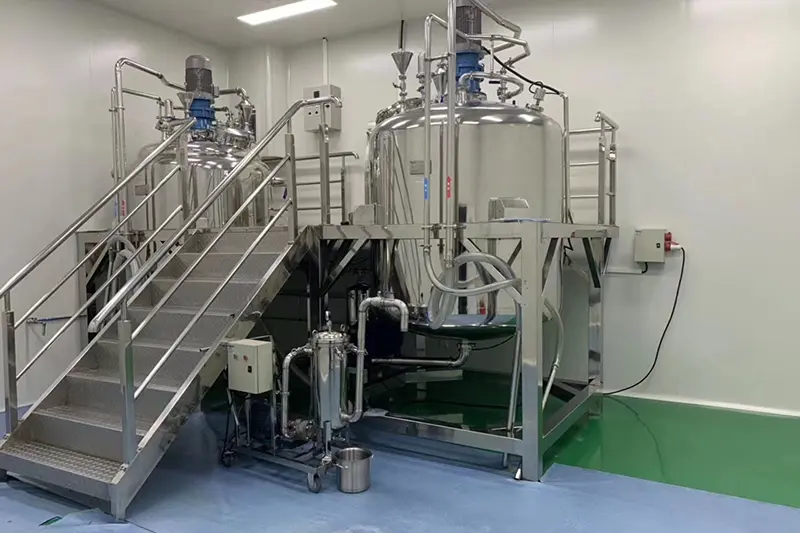
Established SINA EKATO Equipment (Jiangsu) Co., Ltd. focused on foreign cooperation and joint venture development.
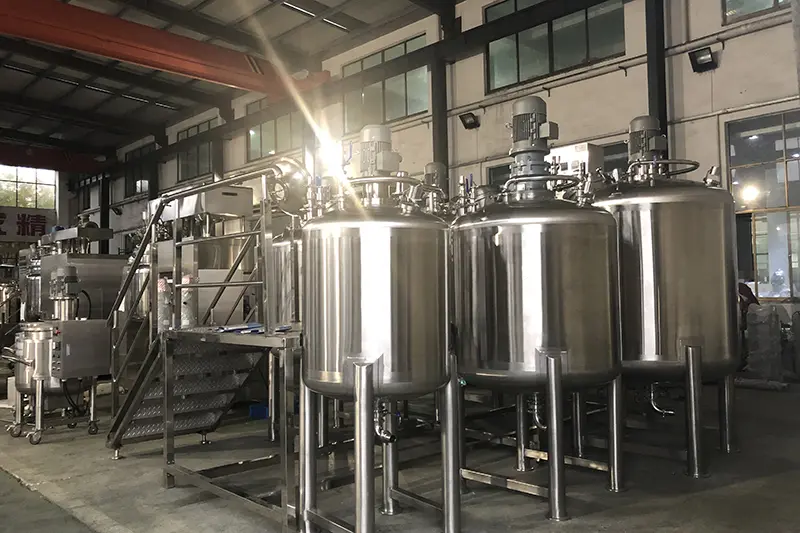
SINAEKATO cooperated with Europe-based FLEMAC to establish Germany SINAEKATO Group Co., Ltd.
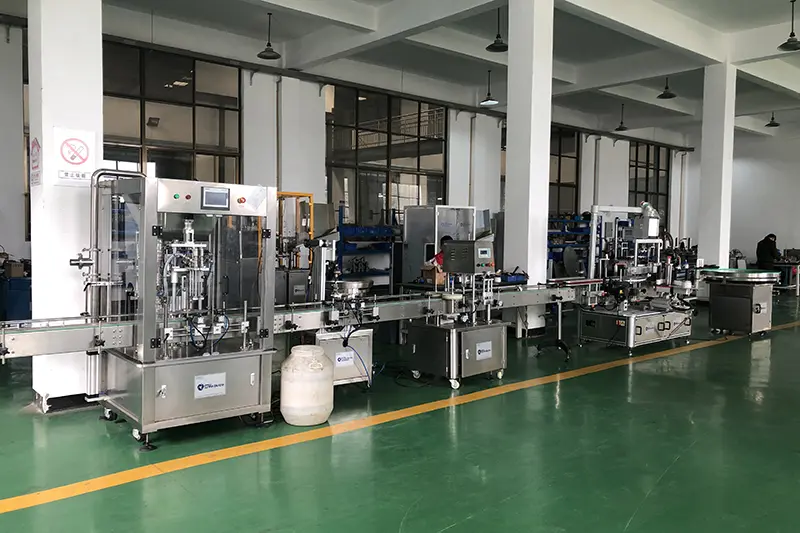
Partnered with Unilever (South Africa) for a cosmetic project ($800,000 order); Partnered with Japan SK-II Shiseido OEM for cosmetics equipment ($1,500,000 order).
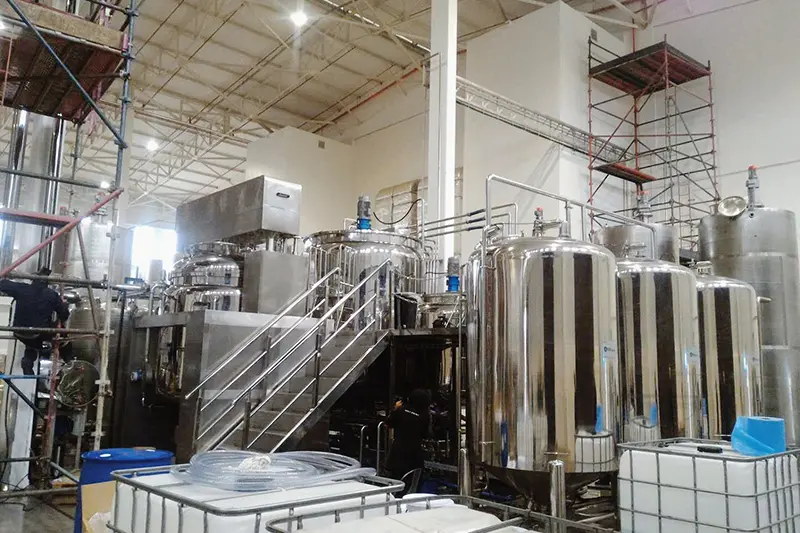
Partnered with a Japanese detergent liquid-washing products provider for a $1,000,000 manufacturing project.
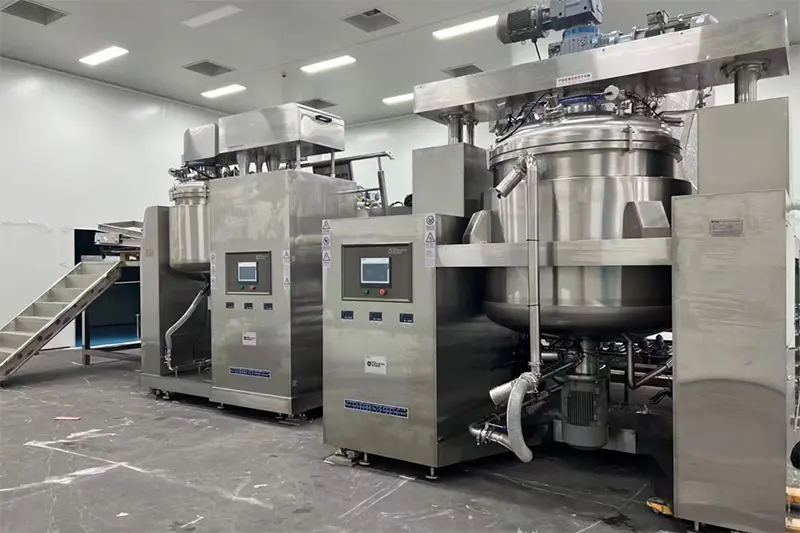
Expert answers regarding sanitary fluid transfer systems and engineering installations.
Q: Which pump type is best for handling high-viscosity skincare products like emulsions?
A: For high-viscosity emulsions, rotary lobe pumps or twin-screw pumps are recommended. Lobe pumps provide a low-shear, gentle action that prevents emulsion separation, while twin-screw pumps excel in maintaining steady, pulsation-free flow rates even under high pressure. Standard centrifugal pumps should be avoided as their high speeds can cause product separation.
Q: What steps are taken to ensure sanitary compliance in cosmetic production lines?
A: All contact components are fabricated from premium stainless steel (SS316L) and electropolished to a surface roughness of Ra < 0.4µm. We utilize FDA-compliant elastomeric seals and design systems to eliminate internal dead spaces. This configuration supports thorough Clean-in-Place (CIP) and Sterilize-in-Place (SIP) cycles, preventing bacterial growth and batch contamination.
Q: What is the benefit of sourcing transfer systems from SINAEKATO compared to other suppliers?
A: SINAEKATO integrates global technology with local supply chain efficiencies. While our primary fabrication is centered at our 10,000-square-meter facility in China, approximately 80% of our critical electrical and mechanical components are sourced from tier-1 global brands like Siemens, Schneider Electric, and Omron. This combination delivers high system reliability, cost-efficiency, and simple global access to spare parts.
Q: Can transfer pumps be integrated into automated production systems?
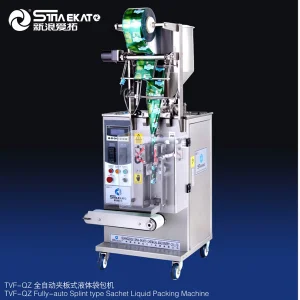
A: Yes. Our transfer pumps are designed to interface with PLC controllers and HMI touchscreens. By incorporating flow meters, pressure sensors, and Variable Frequency Drives (VFDs), the pump can dynamically adjust its flow rate to match downstream packaging demands, such as automatic tube filling or sachet packing machines.
Complete your factory setup with our specialized mixers, dilution systems, and filling lines.
 Sina Ekato