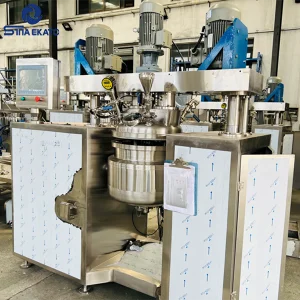
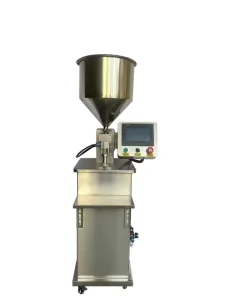
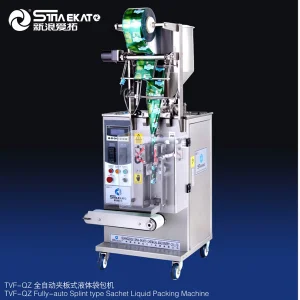
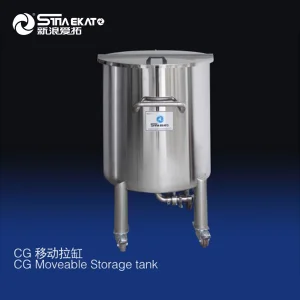
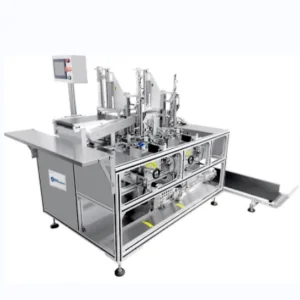
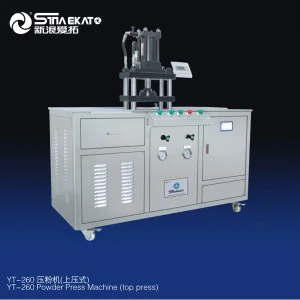
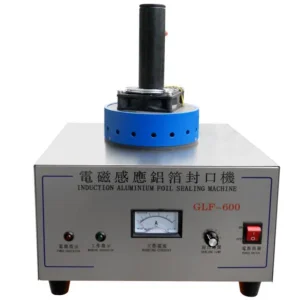
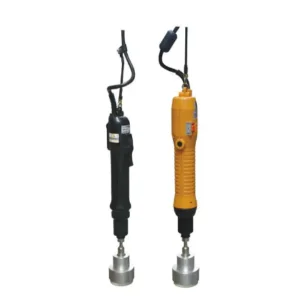
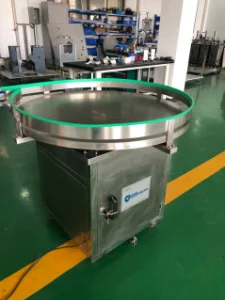
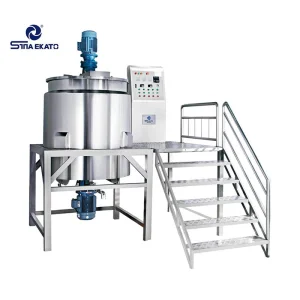
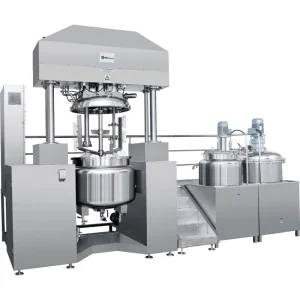
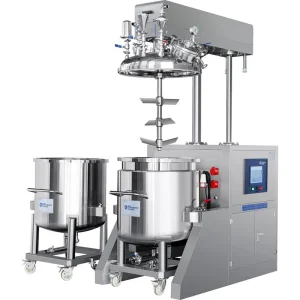
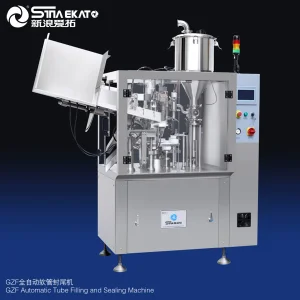
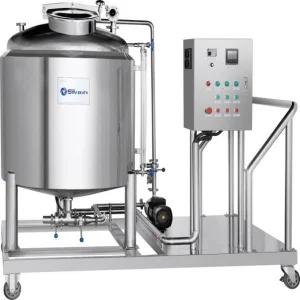
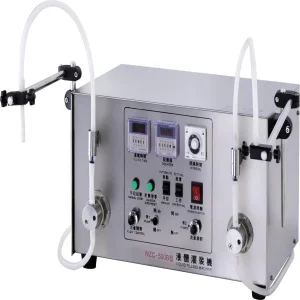
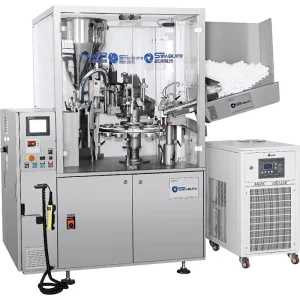
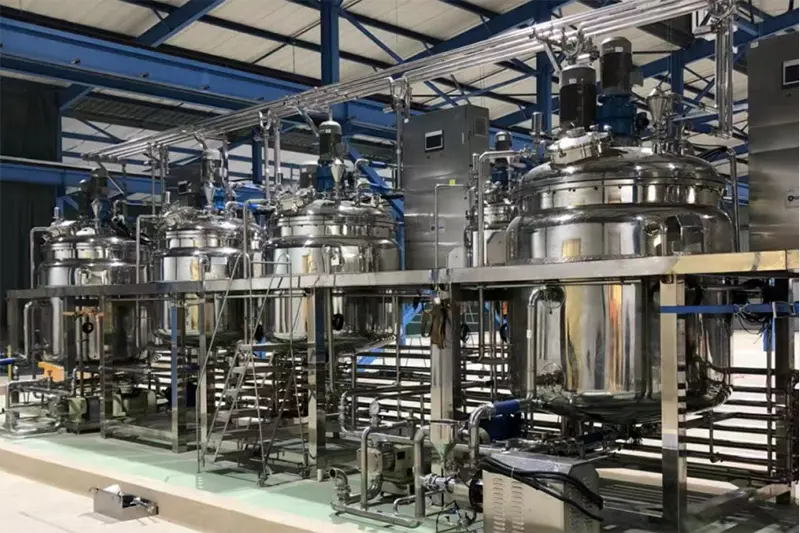
Explore our advanced processing modules, from high-viscosity vacuum dispersing emulsifiers to automatic rotary pump filling machinery.
In modern high-viscosity fluid handling, mechanical reliability, sanitary configuration, and volumetric efficiency dictate process yield. Rotary pumps—ranging from positive displacement rotary lobe pumps, circumferential piston pumps, to industrial gear systems—stand at the heart of cosmetic compounding, pharmaceutical dosing, and dairy processing line operations. As regulatory bodies enforce strict quality control standards, including FDA, 3-A, and EHEDG certifications, selecting the optimal rotary pump supplier transcends simple sourcing; it is a critical variable in engineering operational success.
Features SS316L mirror-polished contact surfaces (Ra < 0.4μm) and specialized mechanical seals supporting Clean-in-Place (CIP) regimes.
Volumetric engineering reduces bypass slip, optimizing continuous throughput for shear-sensitive fluids, lowering power demands.
Standardized integration with PLC networks and dynamic sensors monitoring pressure, speed, and real-time wear coefficients.
The global demand for industrial positive displacement rotary pumps is experiencing a structural upturn, driven by expansion across cosmetic, pharmaceutical, chemical, and food industries. In North America and Western Europe, stringent public health laws command sanitary pumps designed to prevent batch cross-contamination. Meanwhile, the Asia-Pacific region, led by chemical and cosmetic centers in China, India, and Southeast Asia, presents massive demand for heavy-duty industrial systems capable of handling extreme viscosity.
Market dynamics show shift towards integrated packaging setups. Filling machines and emulsifiers no longer function in isolation; modern plants demand inline sanitary gear pumps and lobe pumps that interface directly with PLC controls and automated storage tanks. By deploying high-precision positive displacement systems, manufacturing plants minimize product waste, control product dosing down to fractions of a gram, and maintain continuous material feed lines.
Understanding the internal dynamics of rotary lobe and gear systems reveals how leading manufacturers guarantee low-shear fluid conveyance:
The versatility of rotary pump systems is demonstrated by their functional role across highly specialized industrial verticals:
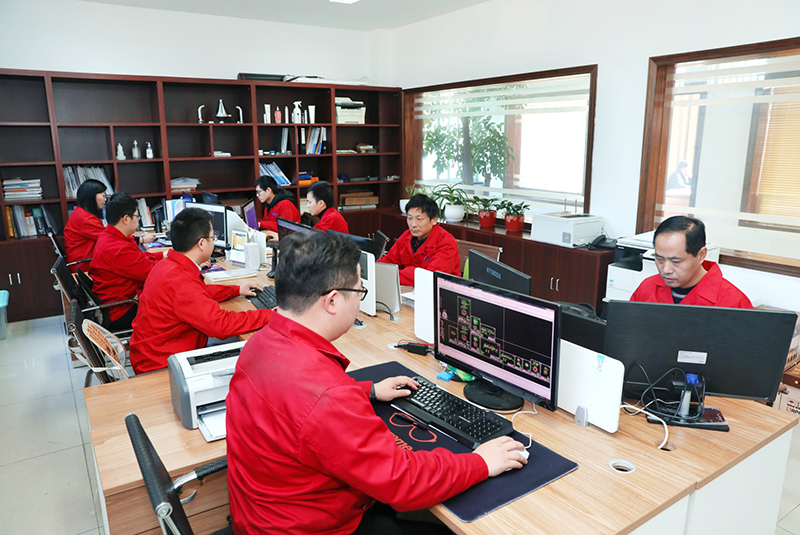
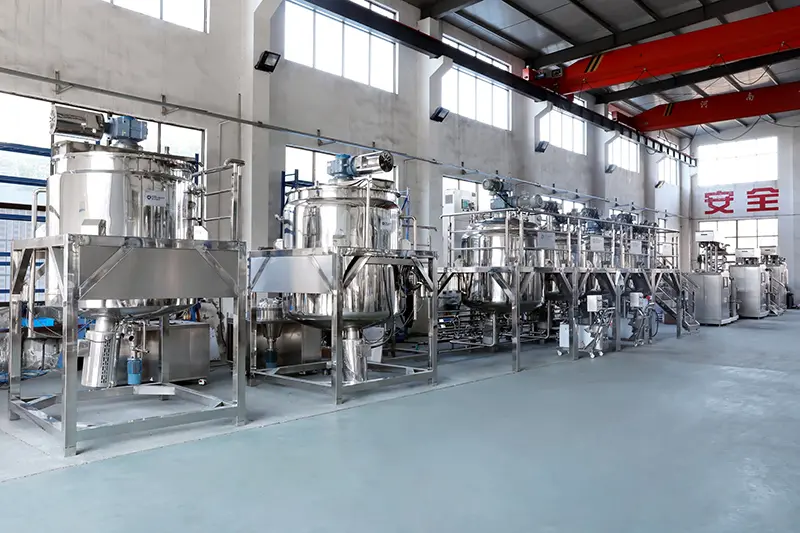
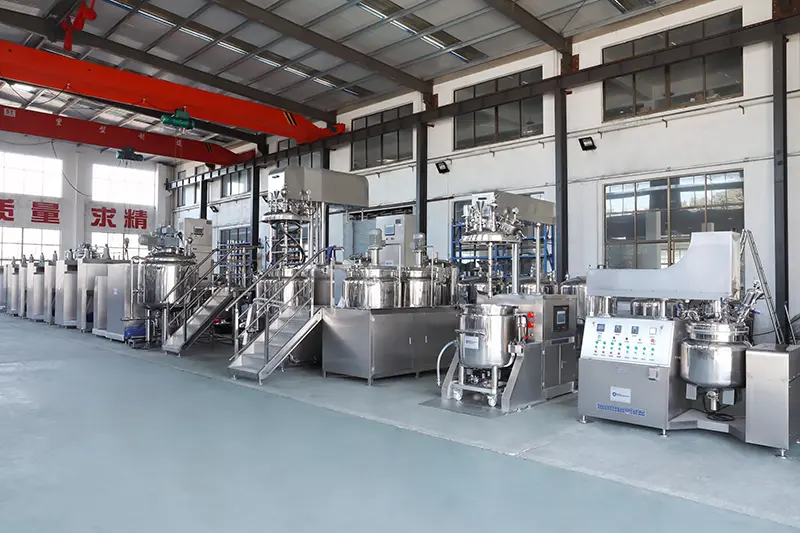
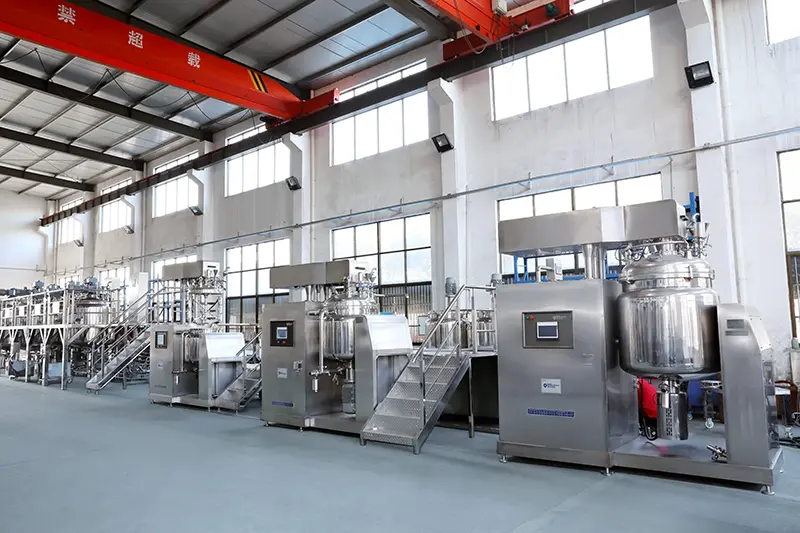
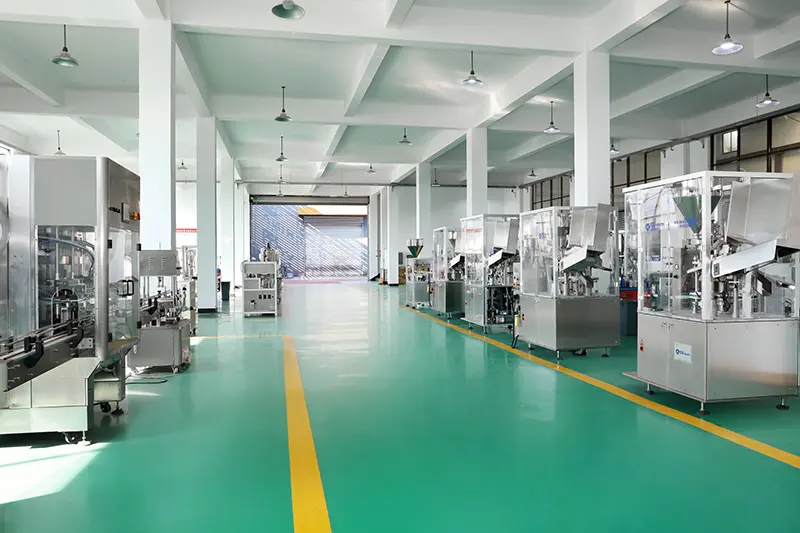
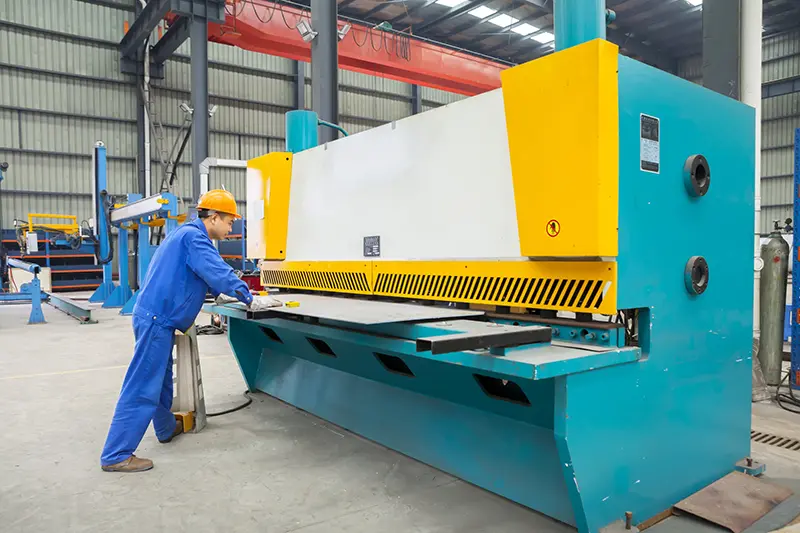
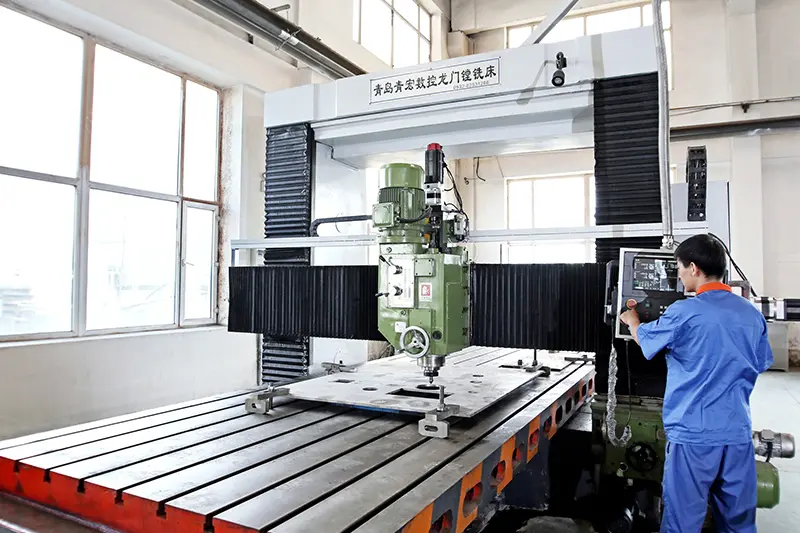
Science and Technology are the primary productive forces, serving as the core competitiveness of SINA EKATO. We continuously strengthen the research, development, and innovation of core technologies, striving for excellence across all advanced production equipment and strict quality management protocols.
Our precise production testing processes ensure the excellent performance of each mechanical component. To provide our customers with high-quality machines and reliable guarantees, 80% of our main machine components are provided by world-famous industrial suppliers.
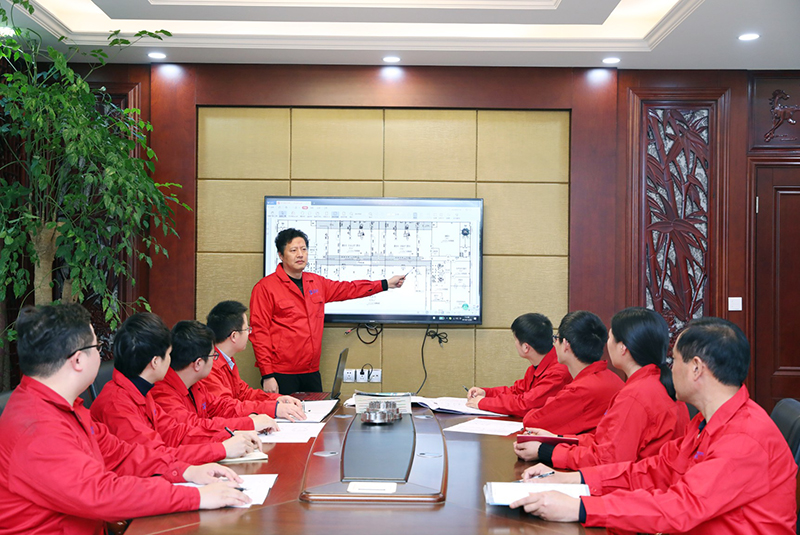
Our commitment to communities and global markets is reflected in our guiding principle: "LET THE WORLD KNOW MADE IN CHINA." We provide high-performance machinery and services to partners across 55 countries, fostering active cooperation and donating technical expertise and resources to international industrial developments.
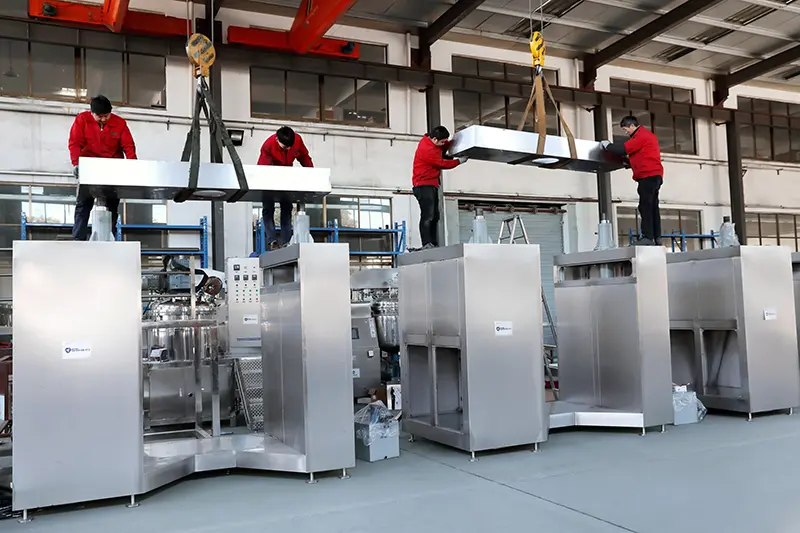
SINAEKATO operates a factory in China with around 150 employees, supported by a specialized team of overseas service engineers. This setup allows us to coordinate installation, commissioning, and maintenance processes seamlessly across global borders.
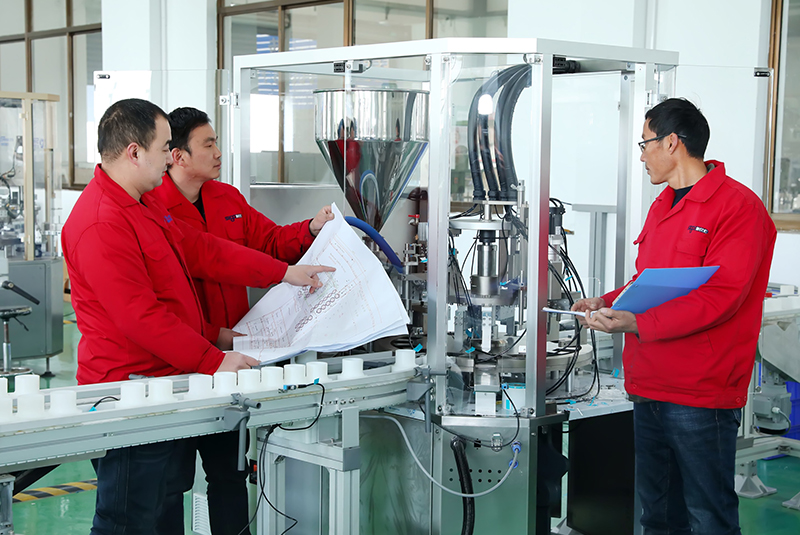
SINAEKATO’s efforts and performances are recognized by the general public. Stable, Reliable, Precise, and Intelligent are the basic requirements we set for every machine we build.
Choosing SINAEKATO means choosing professional technical support and responsive after-sales service. We step by step, go to the future together with you, developing customized chemical, cosmetic, and pharmaceutical processing systems.
A journey of innovation, strategic acquisitions, and global expansion since 1988.
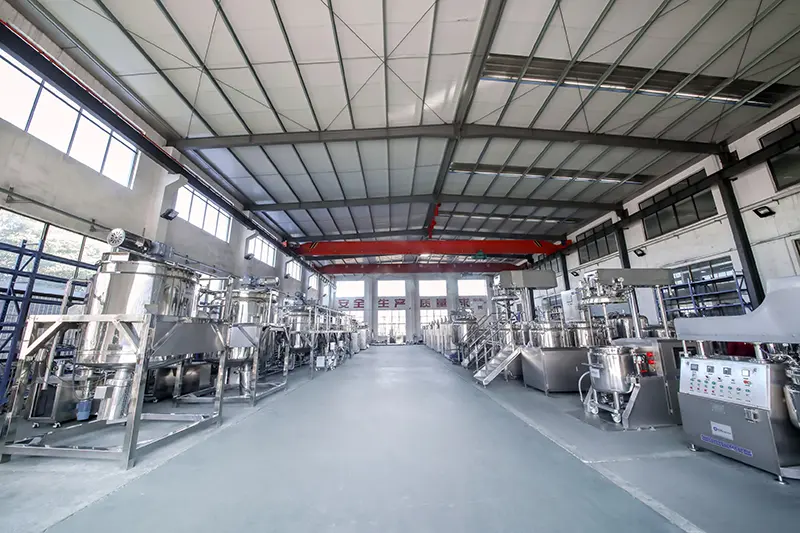
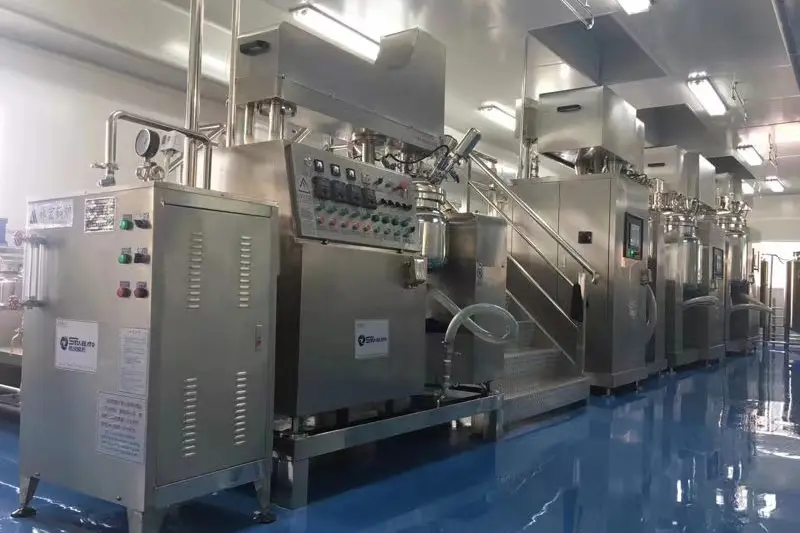
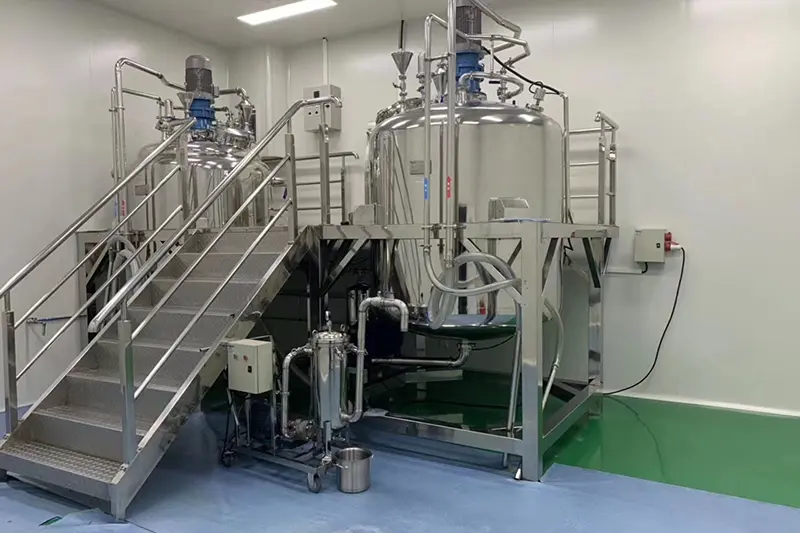
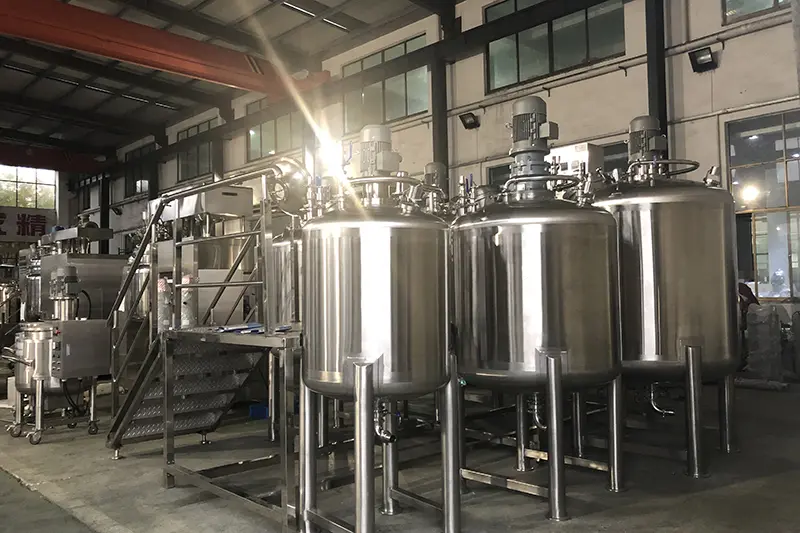
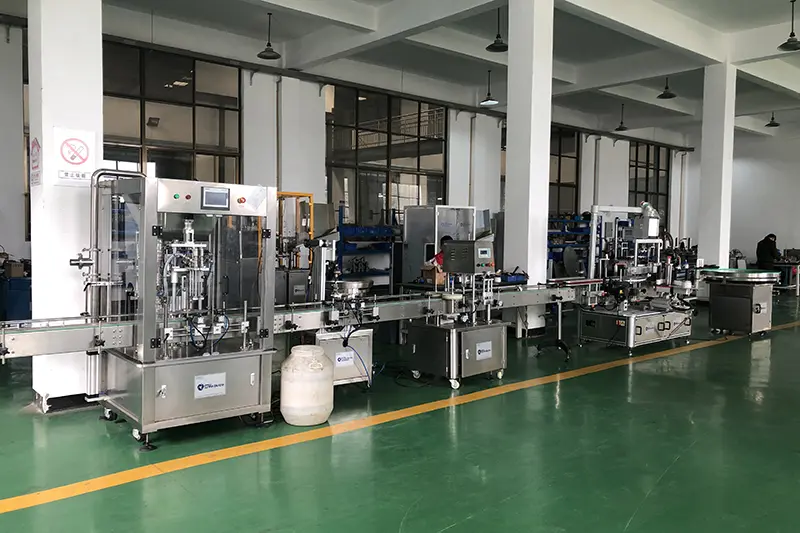
The fluid dynamic machinery industry is transitioning towards digital, energy-efficient operation. Key trends shaping the research and development roadmap at SINA EKATO include:
By integrating multi-axis accelerometers and temperature sensors into the pump head housing, operators can track real-time vibration signatures and temperature spikes. These parameters feed directly into machine learning models, forecasting seal wear and bearing degradation before catastrophic failures occur. This predictive maintenance strategy reduces downtime in 24/7 continuous cosmetic emulsification lines.
Traditional elastomers face limitations under temperature fluctuations and aggressive solvents. The integration of modified PTFE (Polytetrafluoroethylene), fluorocarbon, and perfluoroelastomer (FFKM) compounds ensures chemical resistance. We utilize advanced FEA (Finite Element Analysis) to model mechanical stresses on seal faces, extending working life by up to 40% under high-pressure conditions.

Matching positive displacement pump speeds with high-efficiency IE4/IE5 motors and Variable Frequency Drives (VFDs) significantly reduces energy consumption. Traditional bypass regulation loops often waste energy; modern systems adjust motor RPM in real-time to match processing flow demands, minimizing carbon footprints in line with ISO 50001 guidelines.
Expert answers addressing selection criteria, performance configurations, and maintenance guidelines.
Rotary lobe pumps perform highly with viscous fluids. As viscosity increases, internal slip decreases, resulting in higher volumetric efficiency. However, viscous fluids require lower rotor speeds to prevent cavitation and high pressure losses, requiring careful motor torque calculations.
Clean-in-Place (CIP) and Sterilize-In-Place (SIP) allow fluid systems to be thoroughly cleaned and sterilized without disassembly. This minimizes the risk of bacterial contamination and batch cross-contamination, which is essential for pharmaceutical and cosmetic manufacturing.
Gear pumps utilize continuous meshing gears to deliver precise, low-viscosity flows, making them ideal for high-speed liquid dosing. Rotary lobe systems, with larger cavities, are better suited for shear-sensitive fluids, high-viscosity pastes, or media containing particulates.
For abrasive applications, such as toothpaste or silica-laden cosmetics, double mechanical seals with a pressurized barrier fluid are recommended. This barrier system keeps abrasive particles away from the seal faces, extending component life.
Over 80% of our key mechanical and electronic components are sourced from globally recognized suppliers (such as Siemens, ABB, Omron, and Schneider). This ensures spare parts are easy to source globally and guarantees machine reliability.
We require the fluid's dynamic viscosity under working shear rates, flow rate, inlet/outlet pressure conditions, operating temperature, vapor pressure, and chemical compatibility profiles of the media.
Explore our industrial components, high-speed unscramblers, emulsifiers, tube sealing, and CIP systems.
 Sina Ekato