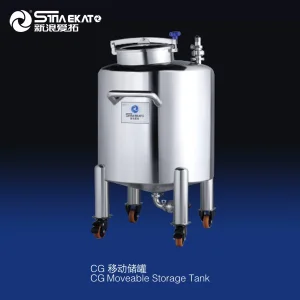
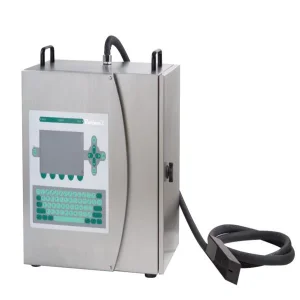
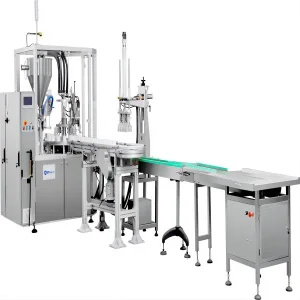
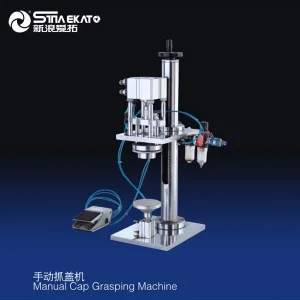
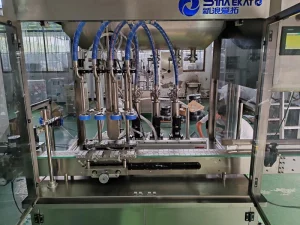
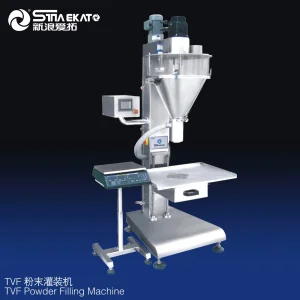
Explore our premium machinery array, engineering industry standards in emulsification, storage, and precision filling.
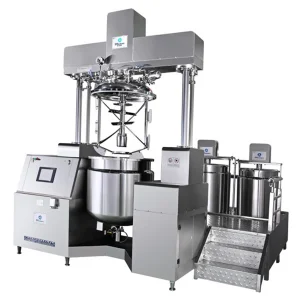
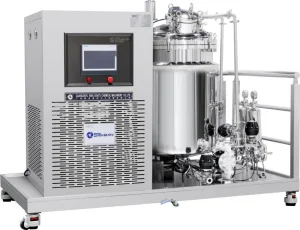
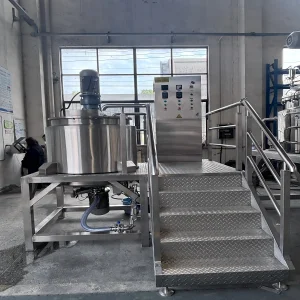
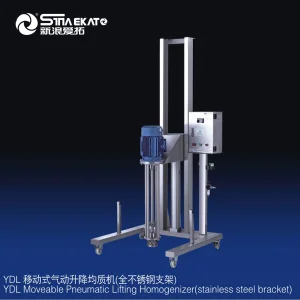
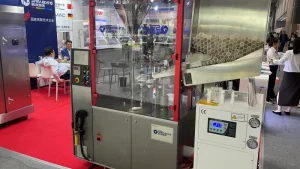
In the competitive landscape of cosmetic manufacturing, the mascara segment represents one of the most challenging technical categories. Characterized by high-viscosity formulations, precise dosing requirements, and complex container geometries (including wipers, brushes, and slim-neck bottles), mascara processing demands specialized engineering. The modern mascara production facility must balance high operational efficiency (OEE) with stringent quality standards to minimize product loss and prevent microbial contamination.
Historically, cosmetic filling relied heavily on manual or semi-automated operations, resulting in inconsistent fill volumes, higher waste, and increased exposure to ambient air. Today, the global trend towards Clean Beauty formulations—which often employ fewer preservatives—has made fully automated, enclosed, and aseptic environment configurations essential. An Automatic Mascara Filling Machine is no longer just a packing device; it is a critical process control node.
"Information Gain Highlight": Viscous formulas containing structural waxes and heavy pigments exhibit thixotropic behavior. A professional mascara filling line must employ dynamic temperature profiling and specialized hopper agitation to maintain ideal fluid characteristics during the filling cycle.
From a macro perspective, the global cosmetics packaging market is growing rapidly. Brand owners require machines capable of fast changeovers to handle varied stock-keeping units (SKUs) without extensive downtime. Our automated solutions integrate advanced PLC control systems, servo-motor driven filling nozzles, and smart sensors to satisfy these complex demands.
High-torque servo-driven piston filling handles heavy viscosities with an accuracy of ±0.1g, eliminating product giveaway.
CIP (Clean-in-Place) compatible designs utilizing sanitary stainless steel 316L for all contact parts.
Modular styling parts and toolless adjustment mechanisms allow switching between different vial shapes in under 20 minutes.
Over three decades of pioneering cosmetic and pharmaceutical machinery innovation, serving clients across 55 countries.
Science and technology serve as our primary productive forces. By strengthening the research and development of core systems, SINAEKATO guarantees performance for skincare, cosmetic, pharmaceutical, and food production.
Over 80% of our key mechanical and electrical components are sourced from globally recognized suppliers, providing our customers with durable machines, low maintenance costs, and dependable production lines.
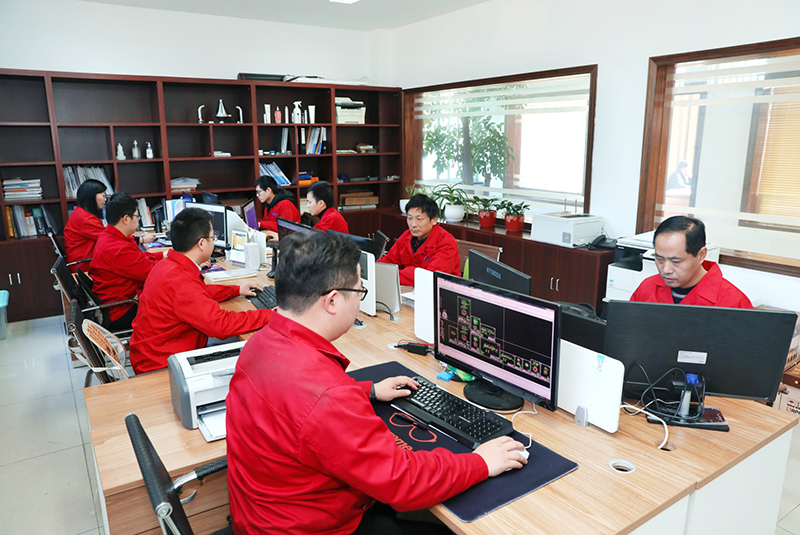
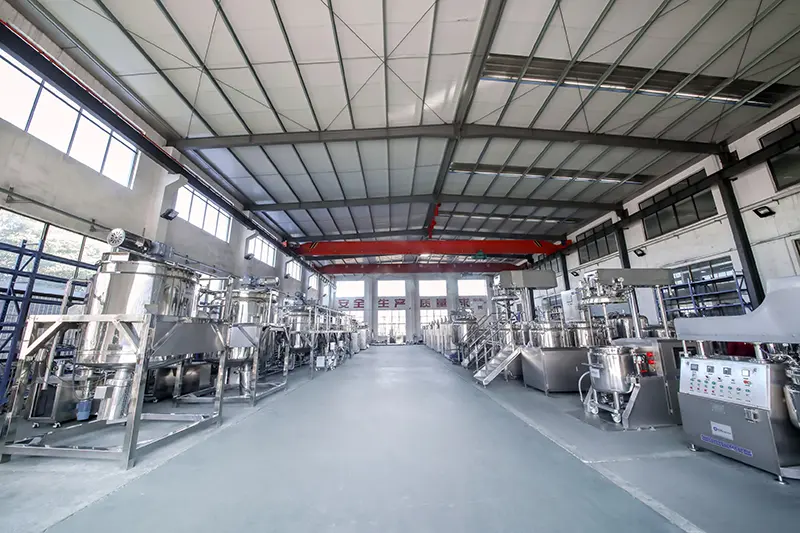
Engaged in the chemical machinery industry, establishing core foundations.
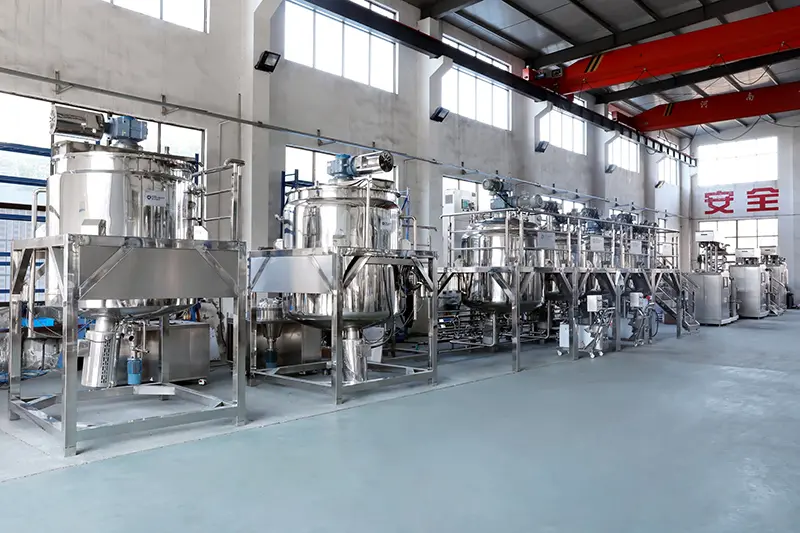
Guangzhou Sina Cosmetics Engineering Equipment Co., Ltd. was established.
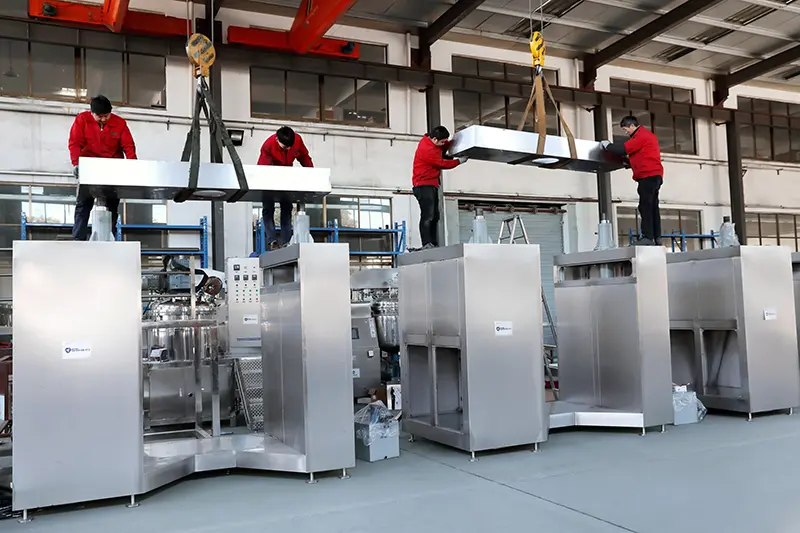
Established Gaoyou factory to scale up engineering capabilities.
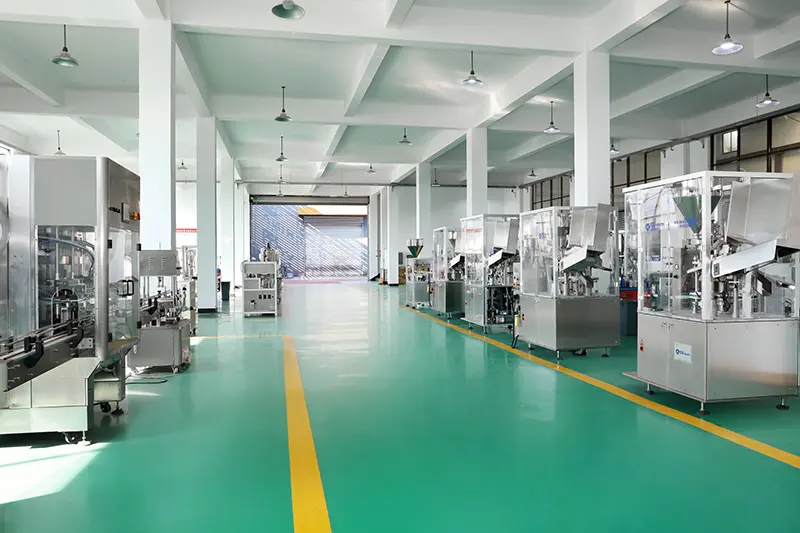
Purchased 10,000 sqm land in Gaoyou, initiating major operations.
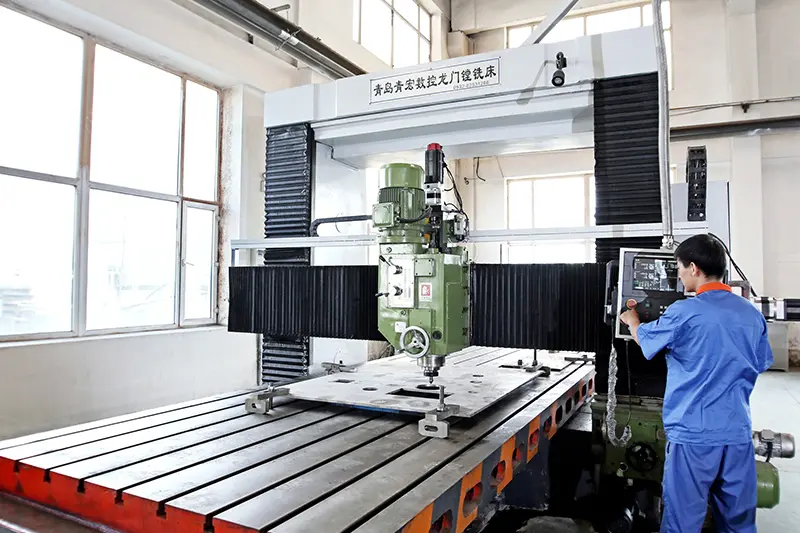
Acquired Guangzhou Jingcheng Machinery; launched global export routes.
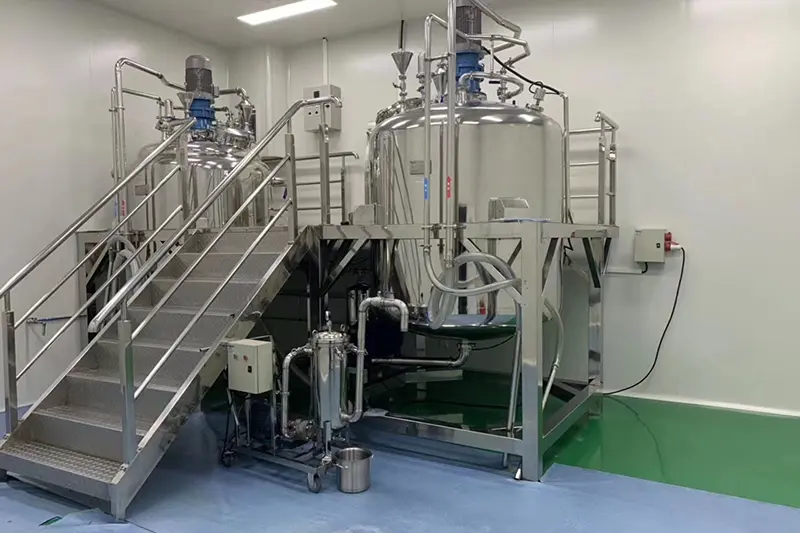
Established SINA EKATO Gaoyou City as production and sales headquarter.
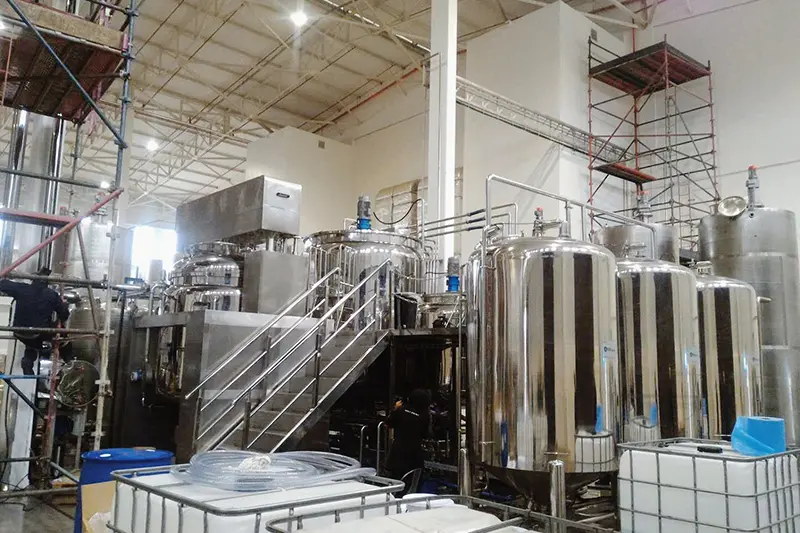
Cooperated with South Africa Unilever ($800k) & Japan SK-II Shiseido OEM ($1.5M).
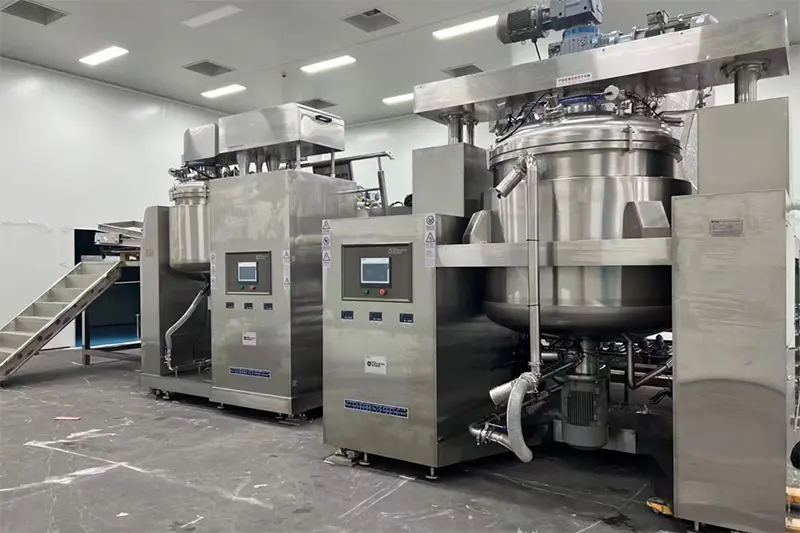
Cooperated with Japanese detergent liquid-washing line ($1.0M project).
Designing a mascara filling line requires integrating several key subsystems: empty bottle sorting, precision product dosing, wiper insertion, brush capping, and downstream check-weighing/labeling. The schematic configuration details how these automated steps operate:
| Operation Module | Technical Mechanism | Performance Indicator | Engineering Advantage |
|---|---|---|---|
| Dosing Station | Servo piston pump with mechanical valve cut-off | ±0.1% fill volume tolerance | No tailing or dripping of viscous mascara bulk |
| Wiper Insertion | Pneumatic pick-and-place with vision detection | >99.9% insertion yield rate | Ensures perfect wiper seating in slim necks |
| Brush Capping | Magnetic hysteresis torque chuck | Configurable torque (±0.2 Nm) | Prevents thread stripping and leaks |
| Cleansing System | Automated Clean-In-Place (CIP) cycle | Full cycle in under 30 minutes | Reduces cross-contamination risks |
High-viscosity mascara formulas can experience phase separation under erratic pressure. To address this, our filling machines utilize a jacketed hopper with a slow-speed paddle agitator. This design keeps the mascara at a uniform, pre-defined temperature, ensuring stable flow characteristics throughout the production run.
Manufacturing needs differ based on region and scale. In North America and Europe, cleanroom-compatible and GMP-compliant modular machines are key. In contrast, emerging cosmetic hubs prioritize rapid size changeovers and flexible product runs.
Our systems adapt to these requirements by offering dual-nozzle configurations, customizable puck systems, and integration with downstream cartoning, wrapping, and labeling systems.
Technical guidance from SINAEKATO's senior engineering department on mascara filling challenges.
We use bottom-up filling, where the nozzle plunges to the bottom of the mascara bottle and gradually retracts while dispensing the product. This method keeps the nozzle submerged and prevents air pockets from forming in the viscous formula.
Yes. The machine uses customizable pucks that hold containers securely on the conveyor. Changing container shapes requires only swapping out the pucks and adjusting the nozzle heights, minimizing production downtime.
All contact parts, including the hopper, rotary valves, pistons, and nozzles, are built from 316L stainless steel. Seals and O-rings are made from FDA-approved Teflon (PTFE) or Viton to handle high temperatures and sanitizing chemicals.
Our machines are equipped with PLC systems that feature Ethernet capability. This allows our engineers to perform remote diagnostics, program updates, and troubleshooting. We also keep a large stock of spare parts ready for quick worldwide shipping.
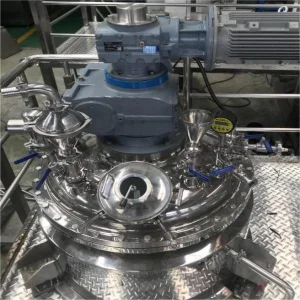
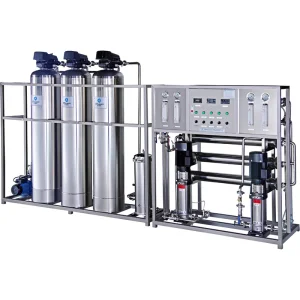
Integrate your production line with our high-shear mixers, water treatment units, and end-of-line packaging systems.
 Sina Ekato