Engineered for cosmetics, pharmaceuticals, food, and high-tech chemical applications
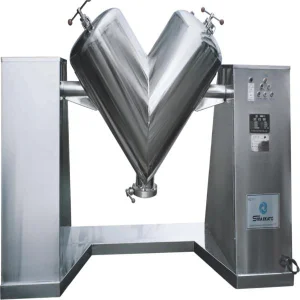
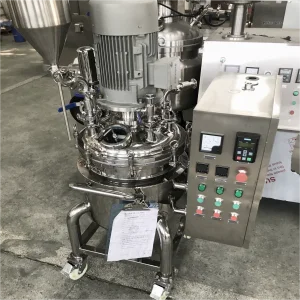
Deciphering fluid mechanics and dispensing accuracy for highly viscous pastes, gels, and emulsions.
In modern packaging industrial workflows, handling "sticky" materials—often defined engineering-wise as fluid compositions exhibiting non-Newtonian, thixotropic, or high-viscosity behavior—requires deep mechanical integration. Simple gravimetric or basic pressure-based filling models fail when subjected to materials like cosmetics pastes, highly concentrated emulsions, toothpastes, heavy silicones, and food-grade gels. As leading sticky filling machine manufacturers, SINAEKATO designs machinery that optimizes fluid dynamics to overcome resistance while keeping dosing tolerance within micro-limits.
High-viscosity filling depends heavily on understanding the material's yield stress—the minimum force required to initiate flow. Without proper engineering, shearing forces can degrade product structure, cause aeration, or result in dripping. SINA EKATO systems employ positive-displacement servo-actuated pumps to cleanly shear and accurately deposit high-density media without compromising chemical stability.
The international market demand for sticky filling machinery is growing. From automated cosmetic plants in Europe to pharmaceuticals packing units in North America, manufacturing processes require systems that combine high efficiency with sanitary designs. This shift highlights the need for modular, automated systems capable of fast changeovers, minimum product waste, and strict adherence to global safety and hygiene regulations.
The technical details behind accurate dosage systems for thick, sticky fluids.
Utilizing high-torque servo drives, our piston systems allow real-time adjustments of velocity curves and stroke profiles. This prevents splashing, controls tailing, and keeps volume deviations below ±0.5%.
Features an active blow-back and positive cut-off design. The pneumatically controlled nozzles pull the material back up into the spout after dispensing, ensuring clean container seals.
Fully sealed sanitary pathways allow automatic washing and sanitizing without disassembling the system. Fully compatible with high-temperature steam sterilization procedures.
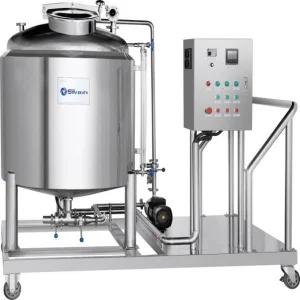
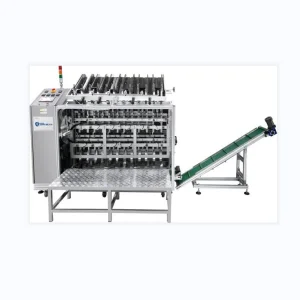
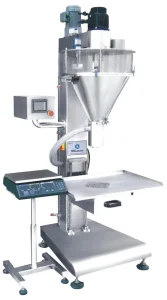
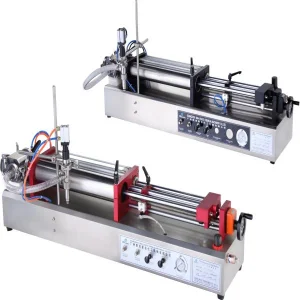
SINAEKATO, one of China’s leading machinery brands, was established in 1992. Over three decades, we have developed a comprehensive machinery solution portfolio, including Vacuum Emulsifying Mixers, Liquid-washing Homogenizer Mixers, Perfume Chiller Production Lines, Toothpaste Production Mixers, Fully-automatic and Semi-automatic Filling Machines, Storage Tanks, Reverse Osmosis (RO) Water Treatment Systems, and downstream labeling and cartoning systems.
Our technology centers are located in main industrial hubs, allowing us to manage turnkey installations in nearly 55 countries. With about 150 employees in our primary China production base and a specialized overseas field engineering support team, we provide technical advice, fast installations, and reliable after-sales services globally.
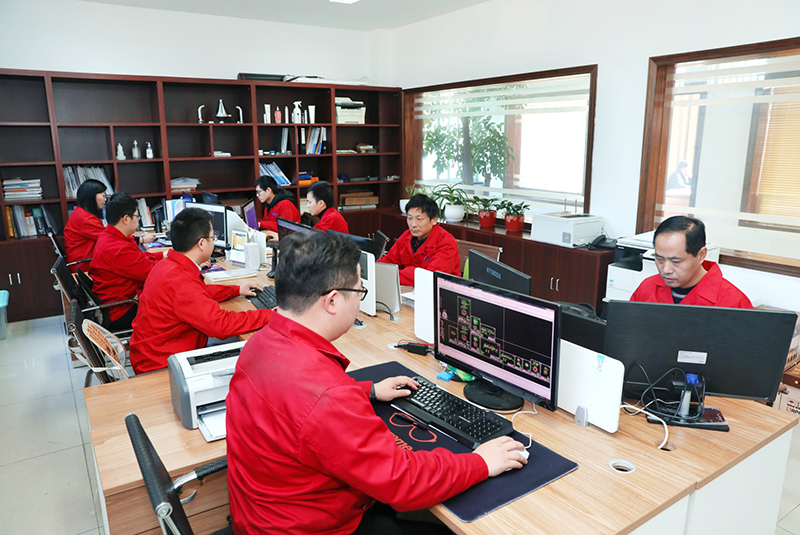
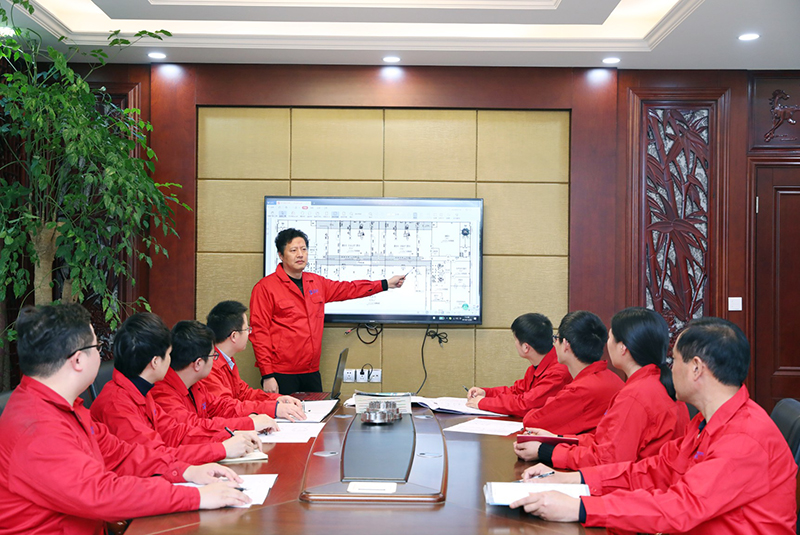
Continuous research and technological innovation are the foundation of SINA EKATO's equipment. To ensure long-term performance, we source 80% of our critical components from industry-leading international brands (including Siemens, Schneider, Omron, ABB, and SMC).
This collaborative engineering model helps us produce machinery with better reliability, long-term stability, and high operational safety. Every machine undergoes strict testing under loaded pressure conditions before export to guarantee seamless startup at the customer site.
Decades of technical growth, global partnerships, and innovation.
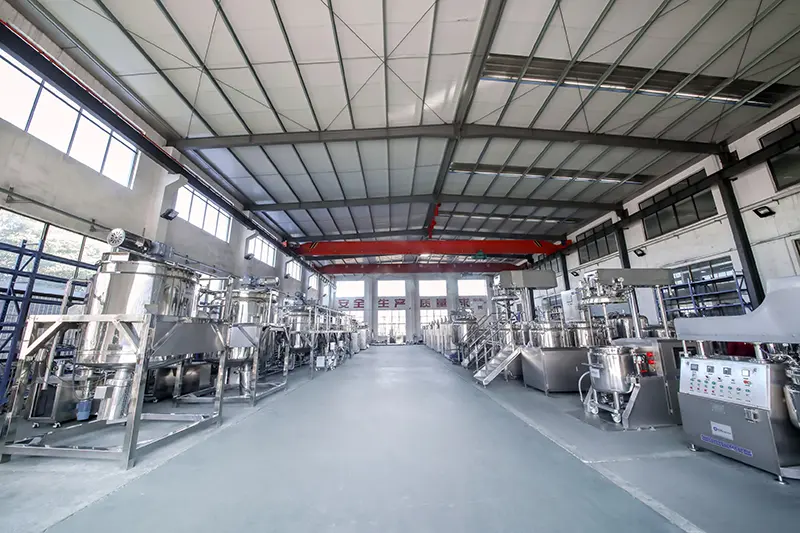 1988
1988
Engaged in the chemical machinery industry, laying the groundwork for fluid mixing and filling technologies.
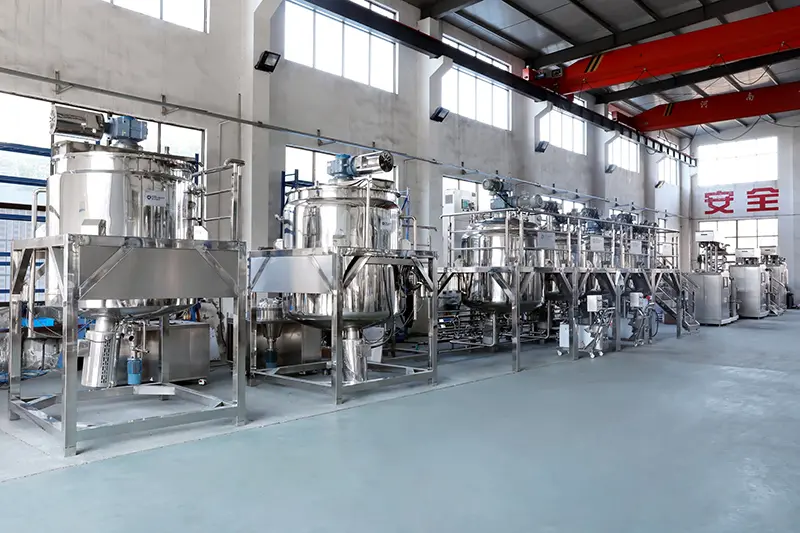 1998
1998
Guangzhou Sina Cosmetics Engineering Equipment Co., Ltd. was established to serve the cosmetic industry.
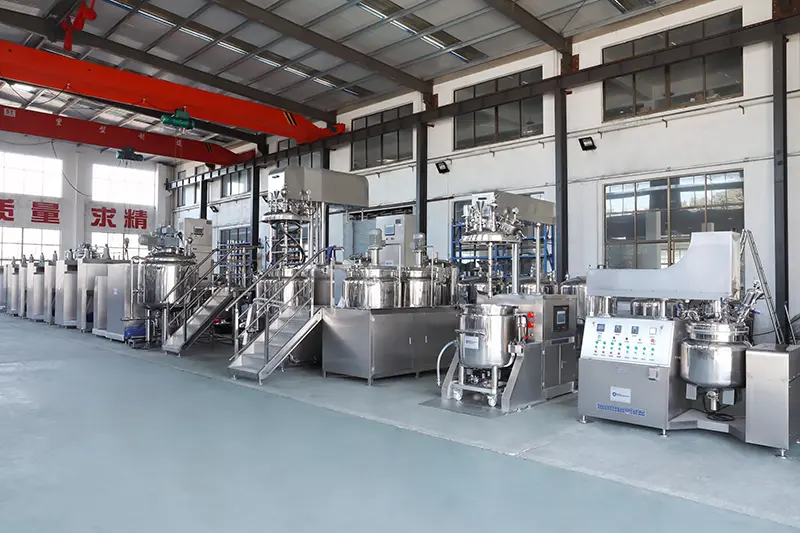 1999
1999
Established Hong Kong Hantao International Investment Co., Ltd. to expand into international markets.
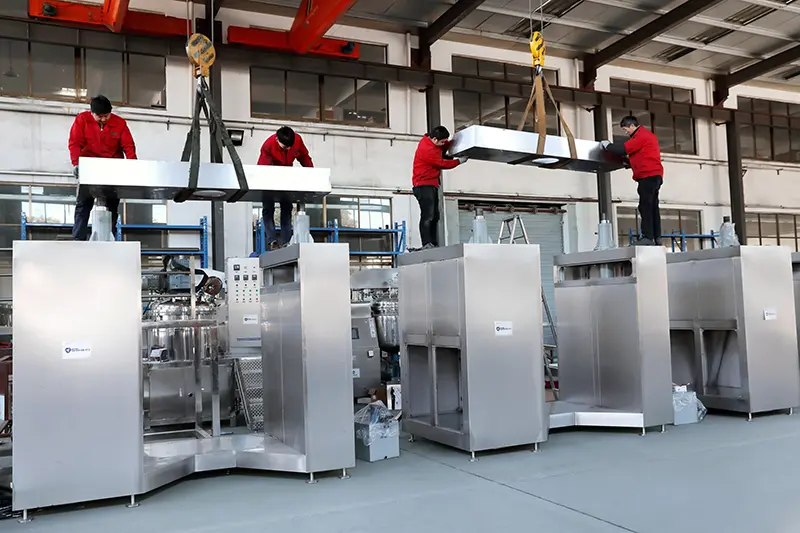 2000
2000
Gaoyou Sina Chemical Machinery Equipment Factory was established; Guangzhou operations renamed Guangzhou Sina Chemical Machinery Co., Ltd.
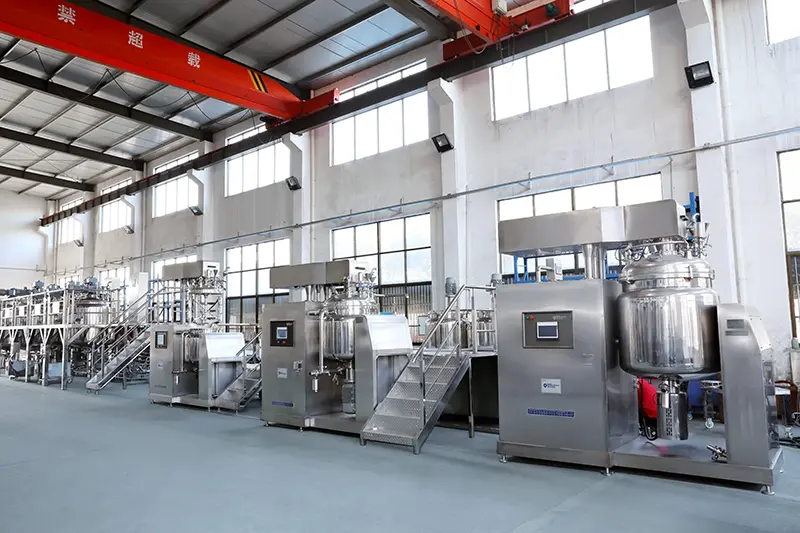 2001
2001
Established Gaoyou Sina Light Industry Machinery Equipment Factory to scale up manufacturing capacity.
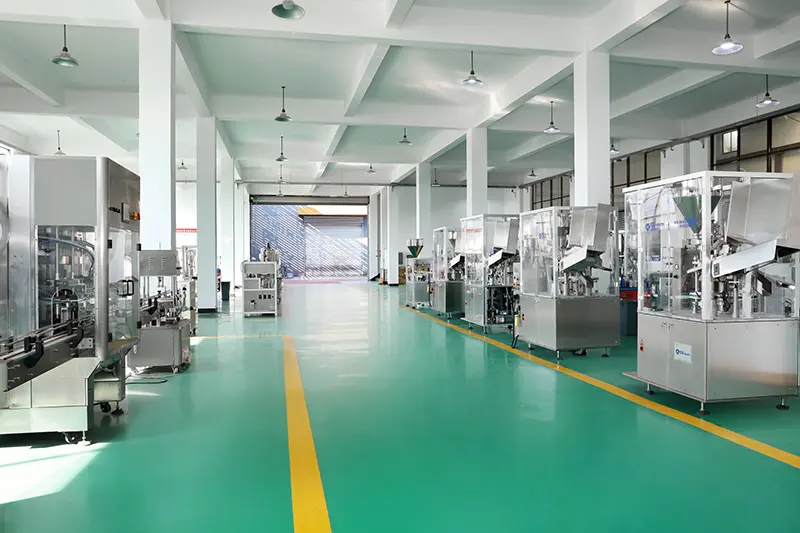 2006
2006
Purchased 10,000 square meters of land in Gaoyou. The new plant, SINA EKATO CHEMICAL MACHINERY CO., LTD (GAOYOU CITY), was built and put into operation.
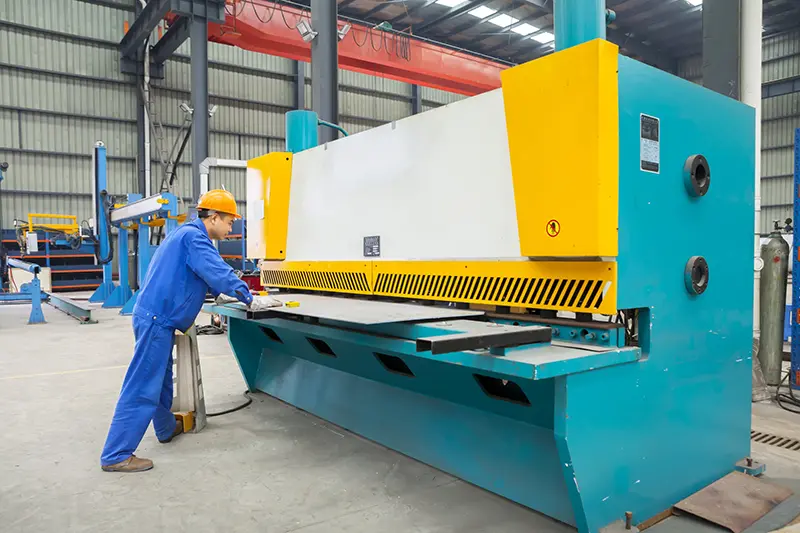 2007
2007
Established Yangzhou Hantao Chemical Machinery Co., Ltd. to focus on industrial mixing systems.
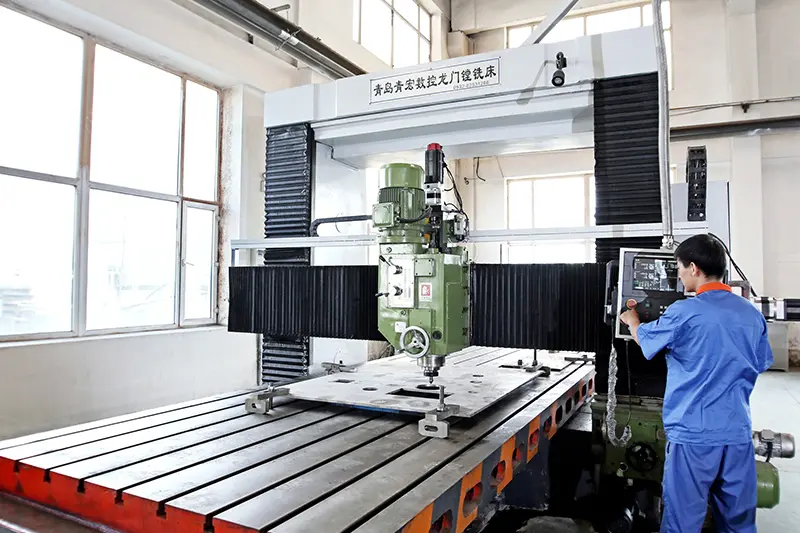 2008
2008
Acquired Guangzhou Jingcheng Machinery, built a large exhibition center, and expanded export sales channels.
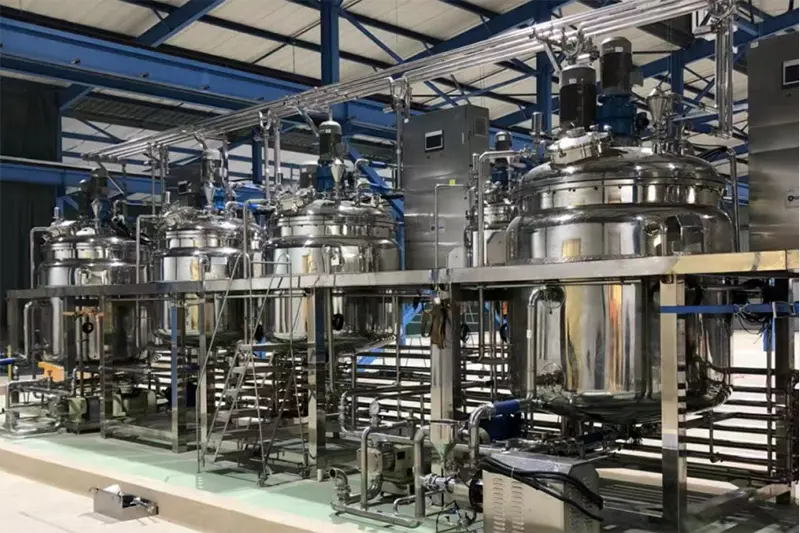 2009
2009
Guangzhou Sina Chemical Machinery Co., Ltd. was officially renamed Guangzhou SINAEKATO Chemical Machinery Co., Ltd.
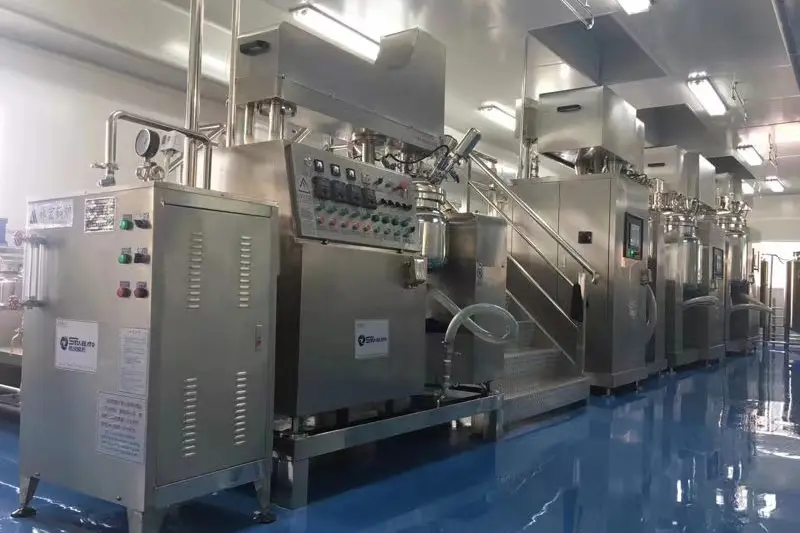 2011
2011
Acquired Guangzhou Suogao Machinery Equipment Co., Ltd. to increase market share and scale production.
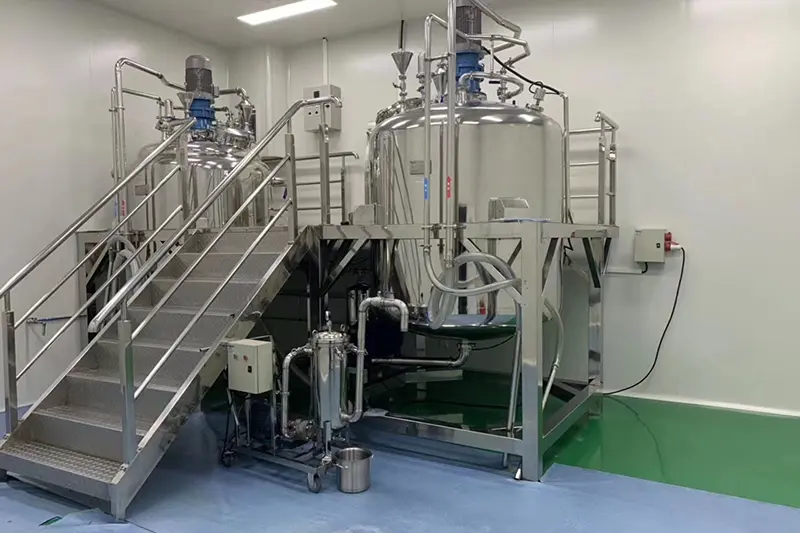 2013
2013
SINA EKATO CHEMICAL MACHINERY CO., LTD (GAOYOU CITY) designated as Production, Sale, and After-Sales headquarter.
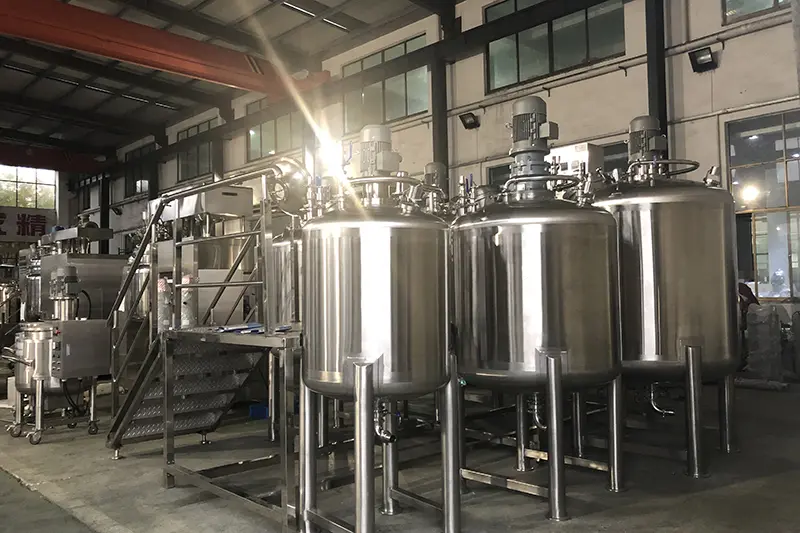 2015
2015
Established SINA EKATO Equipment (Jiangsu) Co., Ltd. to support foreign joint ventures and technology exchange.
 2017
2017
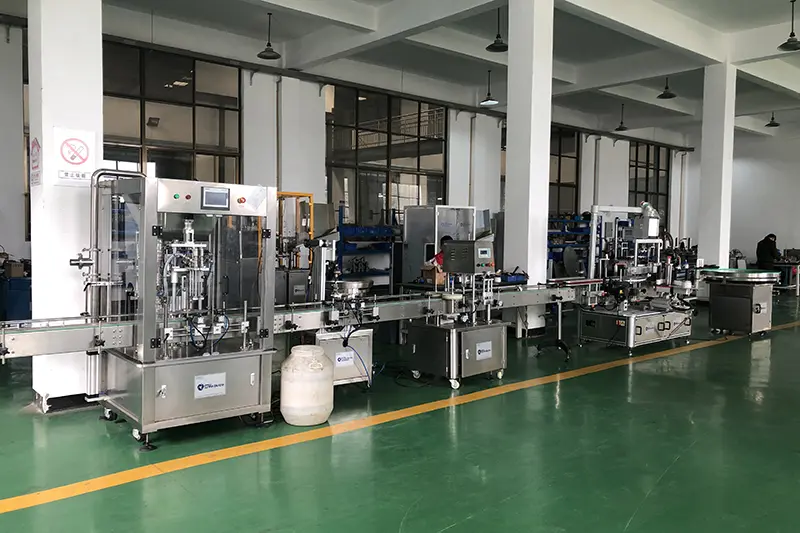
Partnered with European developer FLEMAC to establish Germany SINAEKATO Group Co., Ltd.
 2018
2018
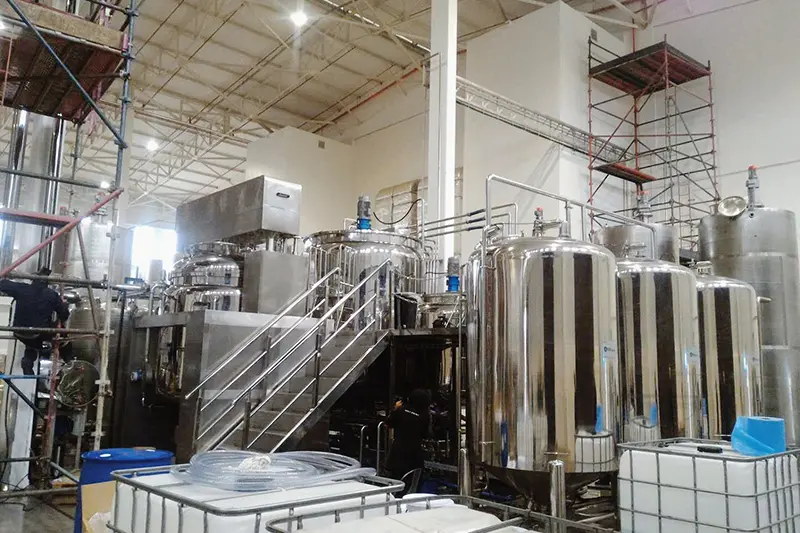
Completed $800,000 project for Unilever South Africa, and delivered $1,500,000 in equipment to SK-II & Shiseido OEM plants.
 2021
2021
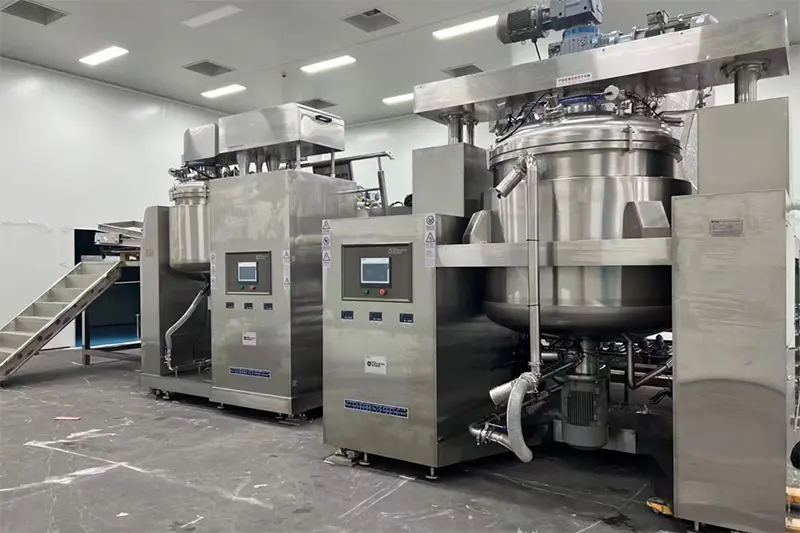
Partnered with Japanese detergent and liquid-washing plants, securing a major $1,000,000 project delivery.
How engineering designs solve common manufacturing challenges for highly viscous fluids.
Accurate handling of sticky materials requires solving several mechanical challenges. Highly viscous fluids resist flowing, stick to machinery walls, and can trap air bubbles. Our filling machinery uses specific technologies to address these challenges:
Gravity hoppers often fail to feed high-viscosity materials efficiently. SINA EKATO uses pressurized jacketed hoppers or positive-pressure follower plates to continuously push products into the dosing cylinder, preventing cavitation and air pockets.
Viscosity decreases as temperature increases. Our hoppers and fluid pathways feature hot water circulation jackets that temporarily reduce product viscosity during filling, which improves flow and dosing accuracy.
Products that separate or settle require continuous movement. Integrated counter-rotating scraper systems keep the material homogeneous in the hopper, maintaining consistent density and temperature before filling.
Shear-sensitive materials can break down under excessive physical force, changing their texture or performance. SINA EKATO designs wider internal fluid channels and uses low-velocity, positive-displacement pumps to move materials gently, preserving product quality.
Future developments in automated sticky filling technologies.
As the packaging industry changes, manufacturing systems must evolve. SINA EKATO's development roadmap focuses on three main technological goals:
Next-generation filling lines use digital inline flowmeters and real-time viscosity tracking. If temperature or ambient humidity changes the product's flow properties, the servo-piston automatically adjusts its dosing speed to maintain consistent volumes.
To minimize downtime between batches, our upcoming filling heads feature toolless clamps and modular parts. This allows operators to swap nozzles and product pathways quickly, improving plant productivity.
Product left in filling lines at the end of a run represents waste. Our newer system designs feature evacuation pistons that reclaim residual paste, reducing waste and simplifying the cleaning process.
Technical answers to help engineers and production managers select the right machinery.
Positive displacement piston pumps and rotary lobe pumps are the industry standard for handling high-viscosity materials. Piston systems draw product into a chamber and push it out mechanically, providing reliable dosing accuracy for thick creams, gels, and pastes.
We use specialized nozzles with positive-close valves and vacuum-drawback systems. Once the dosing stroke ends, the nozzle valve closes and a small suction action pulls back any residual material, ensuring clean packaging and consistent seals.
Yes. We build contact parts using corrosion-resistant materials such as 316L stainless steel, Hastelloy, and specialized PTFE seals. This ensures durability and safety when processing chemical mixtures or acidic foods.
Our machinery is designed to connect to central CIP systems. The smooth internal flow channels and sanitary connections prevent bacteria buildup, enabling easy cleaning and sterilization between production runs.
Complete plant machinery to support your filling lines
 Sina Ekato