Explore our foundational lines of advanced packaging, drying, and emulsification systems configured to interface seamlessly with high-volume perfume mixing lines.
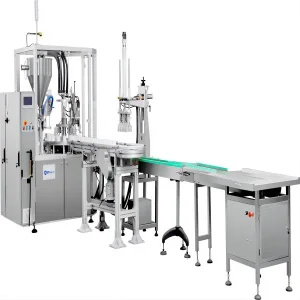
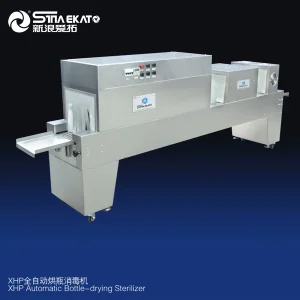
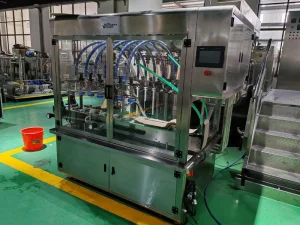
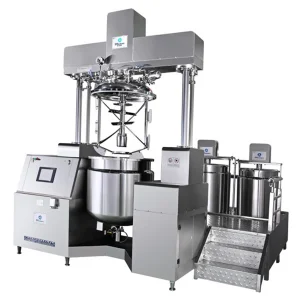
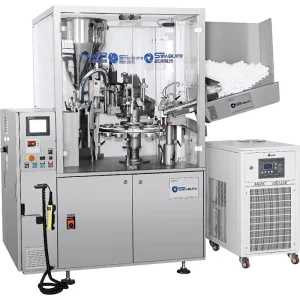
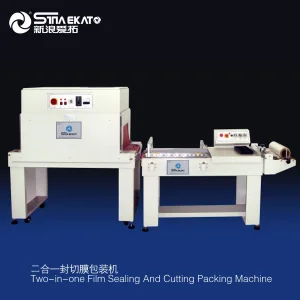
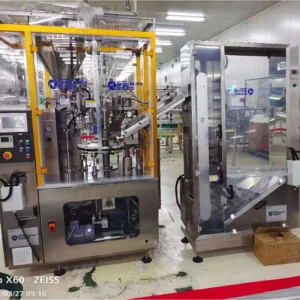
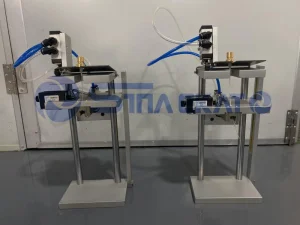
In the highly lucrative and brand-sensitive global fragrance industry, raw component processing demands unprecedented precision. Perfume formulation is not merely the mixing of oils, water, and ethanol; it is an intricate science of molecular stabilization, esterification, and absolute clarity. Large-scale manufacturing lines require robust, ATEX-compliant explosive-proof configurations, as bulk ethanol acts as both a primary solvent and volatile organic compound (VOC).
Internationally, cosmetic brands are facing stringent regulatory frameworks (such as ISO 22716, FDA guidelines, and EU Cosmetics Regulation EC 1223/2009). These laws enforce rigorous sanitary control points. Consequently, manufacturers require systems featuring SUS316L contact zones, automated CIP/SIP (Clean-In-Place) sequences, and highly efficient cooling profiles. Modern fragrance mixing relies heavily on minimizing light, air, and heat exposure to prevent oxidation of delicate floral extracts, essential oils, and synthetic aromatics.
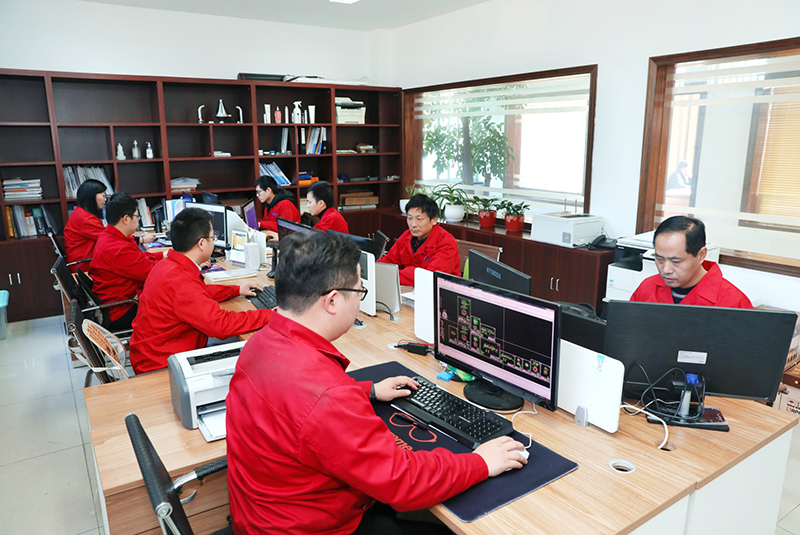
High-quality perfume mixers must manage multiple critical phases: chemical incorporation, uniform distribution of lipids, aging stabilization, cold filtration, and high-efficiency discharge. The heart of the plant is the combination of the aging storage tank, chiller unit, and diatomaceous earth or polypropylene filter press.
| System Module | Technical Features | Operational Purpose | Material Configuration |
|---|---|---|---|
| Pre-treatment Mixing Vessel | Pneumatic agitation, variable-frequency drives, low shear impellers. | Dissolution of perfume concentrates into ethanol without thermal degradation. | SUS316L, inner wall polished to Ra < 0.4μm. |
| Chilling Unit (0°C to -10°C) | Titanium coil evaporators, eco-friendly refrigerants (R404A/R134a). | Forced crystallization of waxes and impurities under low temperatures. | High-performance anti-corrosive jacketed titanium alloy. |
| Multi-Stage Filtration | Micro-porous membrane filters (0.2μm to 1.0μm pores). | Removal of microscopic precipitates, ensuring long-term liquid clarity. | Polytetrafluoroethylene (PTFE) & stainless steel housing. |
| Pneumatic Delivery System | Diaphragm pumps, anti-static grounding, explosion-proof piping. | Safe transport of volatile fluids across the plant floor. | ATEX-rated cast steel, FDA-approved internal gaskets. |
This systematic layout prevents cloudiness or sedimentation when the end perfume is subjected to cold ambient temperatures during transport or storage—a common quality-control failure in sub-standard manufacturing lines.
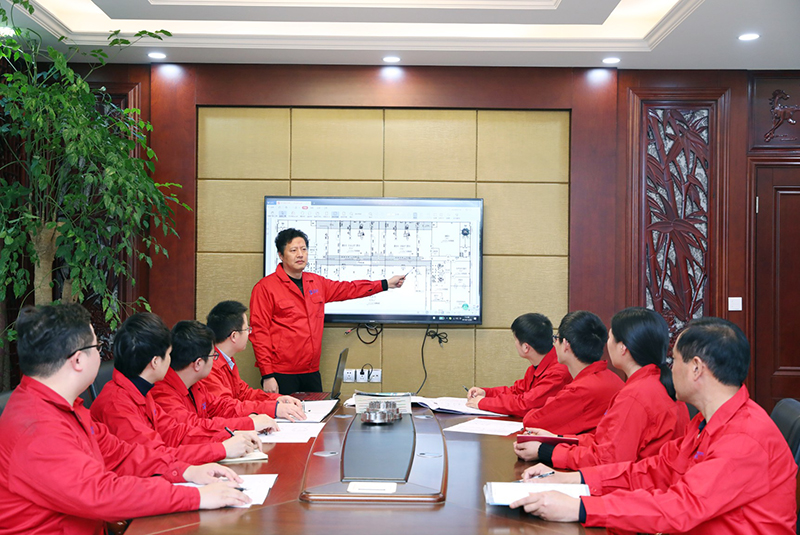
By situating our major production sites within the industrial epicenters of Gaoyou and Guangzhou, SINAEKATO blends cost-optimal production structures with cutting-edge German technical engineering designs (via our strategic alliance with FLEMAC Germany). We deploy local supply chain clusters that dramatically reduce lead times for custom CNC fabrication, structural assembly, and testing of complex high-pressure mixing systems.
Rather than relying on localized manufacturing systems, 80% of our key components—including variable frequency drives, PLC displays, pneumatic valves, and sensors—are sourced from market-leading suppliers like Siemens, Schneider Electric, ABB, and Omron. This guarantees that while the system layout and modular physical footprints leverage highly optimized Chinese labor costs and raw stainless steel sourcing efficiencies, the heart of the machinery delivers European levels of runtime, precision, and diagnostic reporting.
Perfume processing requirements differ radically depending on product lines, localization parameters, and regulatory settings. The application configurations can be summarized into three central scenarios:
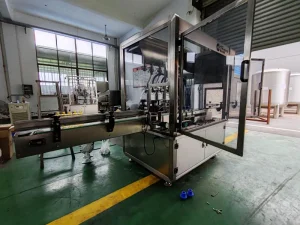
For multinational personal care brands, batch sizes exceed 5,000L. The mixing phase must integrate into continuous in-line feeding systems, linked directly with high-performance packaging matrices (such as our SF-600 filling lines). Total process automation minimizes worker chemical exposure and optimizes output throughput.
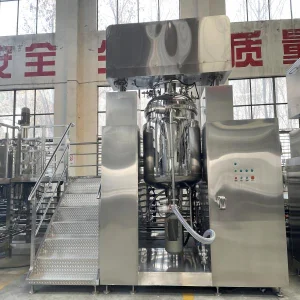
Boutique perfume houses prioritize olfactory stability over speed. Here, vacuum homogenizing mixers and double-jacketed temperature regulation vessels are deployed to manage low-temperature steeping (aging) cycles without inducing condensation or contamination of organic solvents.
OEM factories require versatile mixers capable of processing light cosmetic milks, facial creams, and high-alcohol perfumes on a single shift. Fast product turnover necessitates rapid CIP (Clean-in-Place) spray balls, low product hold-up geometries, and modular sanitizing systems.
As sustainability and carbon-neutral targets dominate corporate guidelines, the perfume engineering sector is shifting toward energy-efficient chiller systems that capture exhaust heat, alongside smart IoT sensory integrations. Industrial operators can now monitor tank temperature, shear rate, filtration pressure, and solvent concentrations in real-time. Automated density sensors detect the precise end of cold maturation phases, eliminating excessive cooling cycles and maximizing electricity savings.
For international supply chain managers and global procurement executives, purchasing manufacturing equipment requires deep technical vetting. When sourcing perfume mixing systems, ensure your Request for Proposal (RFP) covers the following parameters:
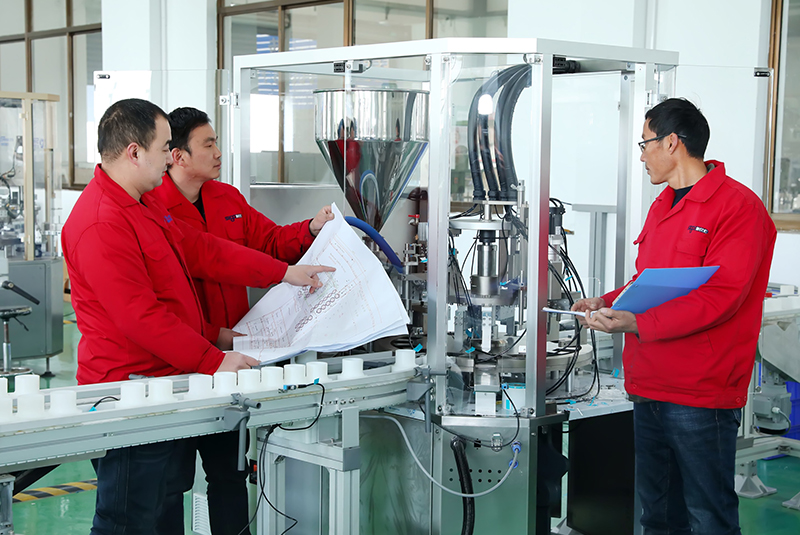
Established as a pioneering mechanical workshop, SINAEKATO has grown into a world-class manufacturing brand. Today, our advanced systems support skincare, cosmetic, pharmaceutical, and food processing lines globally. We approach production with an unyielding mandate: "Stable, Reliable, Precise, Intelligent." This design philosophy is integrated into every vacuum emulsifying mixer, water treatment unit, and custom perfume chiller we manufacture.
Our collaborative pedigree is highlighted by major international accomplishments. This includes managing custom cosmetic lines for Unilever South Africa ($800,000 USD contract value), setting up automated cream production systems for Japanese OEM suppliers supporting SK-II & Shiseido ($1,500,000 USD contract value), and designing custom formulation plants in Japan ($1,000,000 USD contract value). Partnering with SINAEKATO ensures your facility receives robust engineering support and dedicated after-sales service.
Over the past three decades, we have continuously scaled our production capacity, global sales networks, and engineering capabilities. Follow our growth path below.
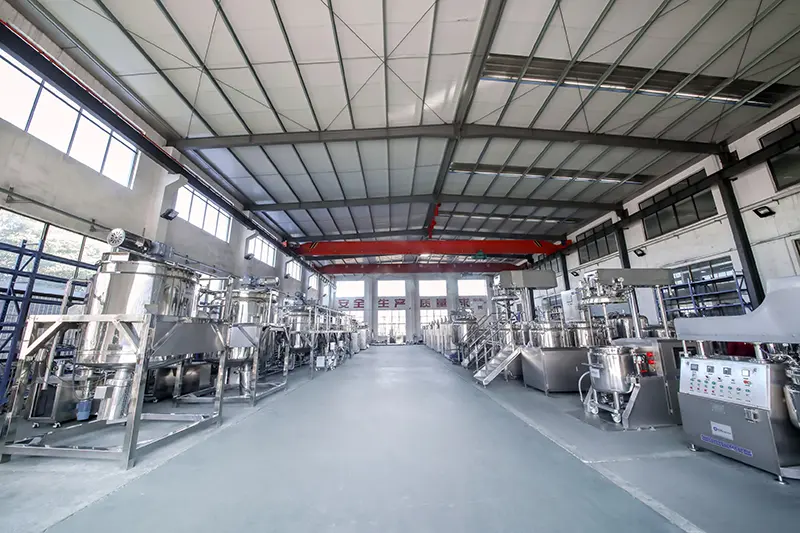
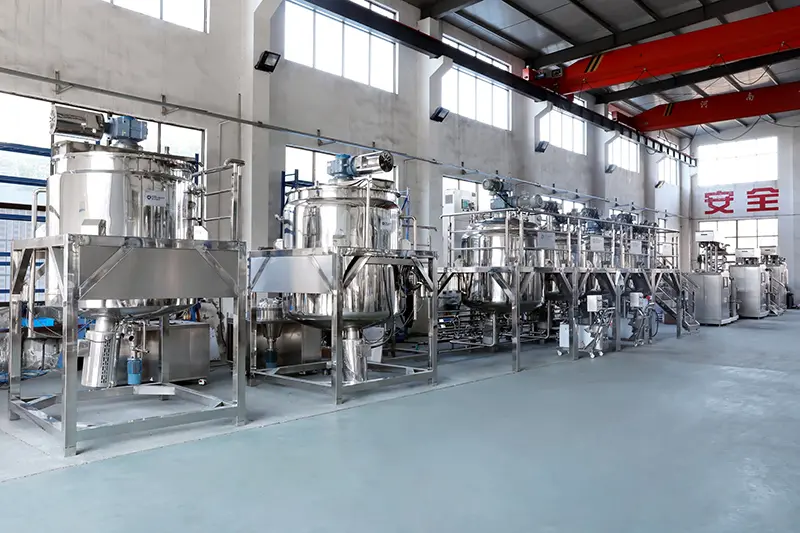
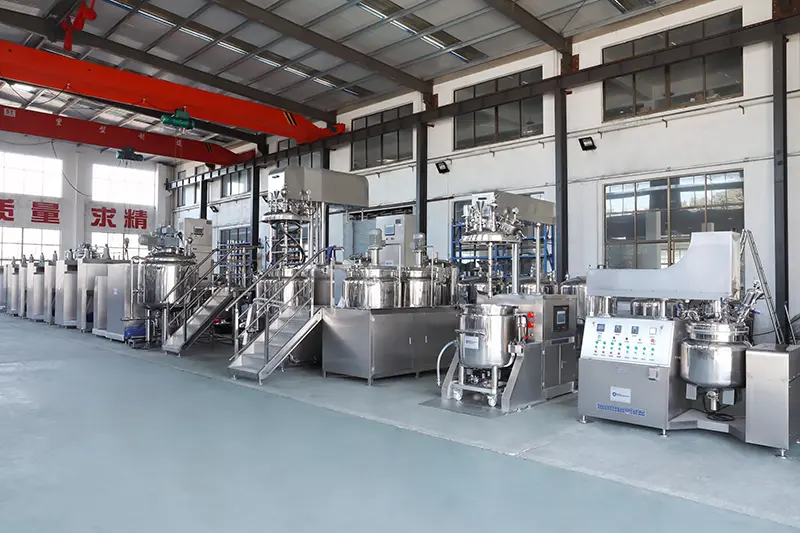
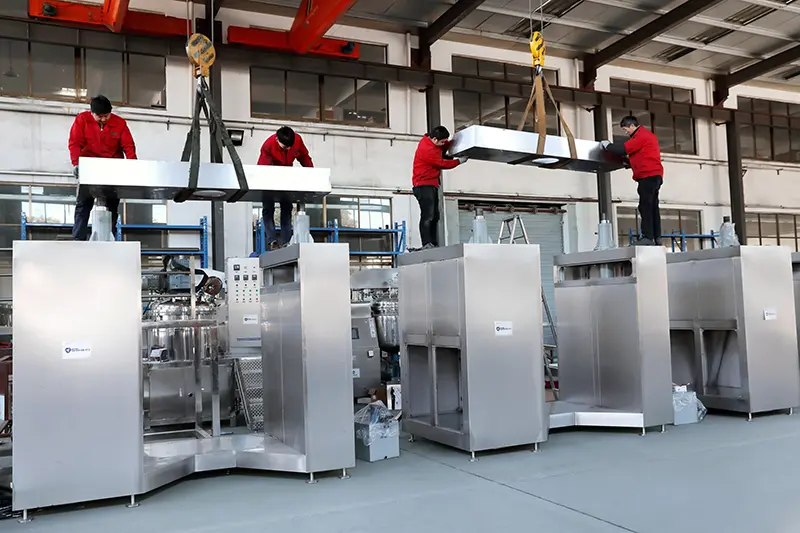
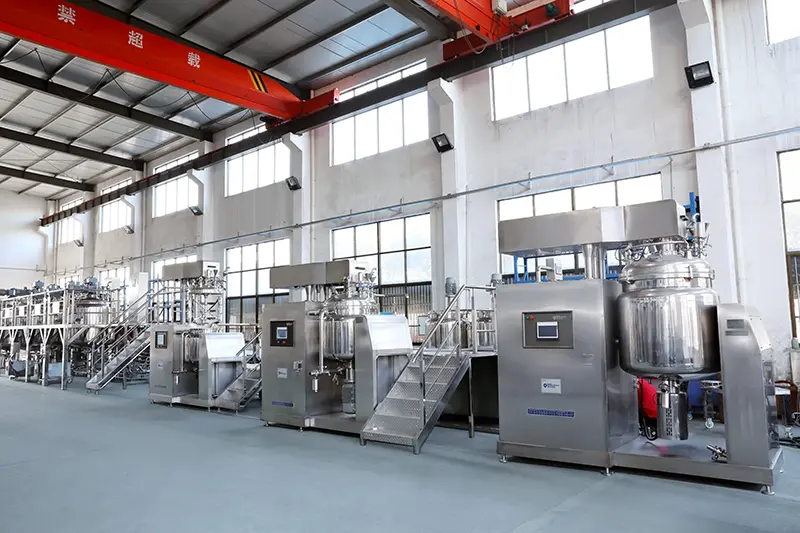
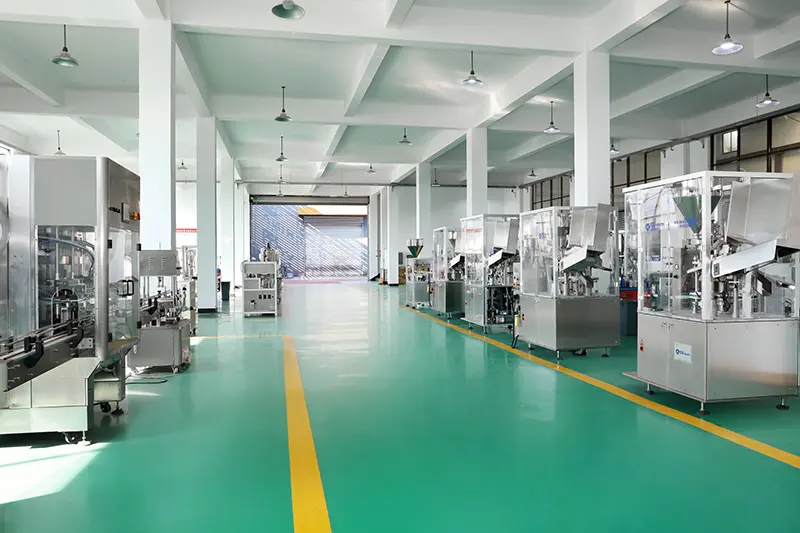
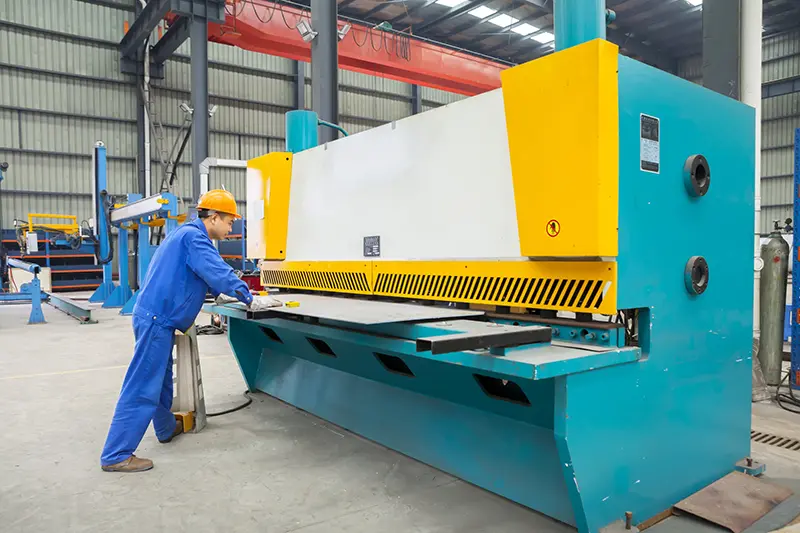
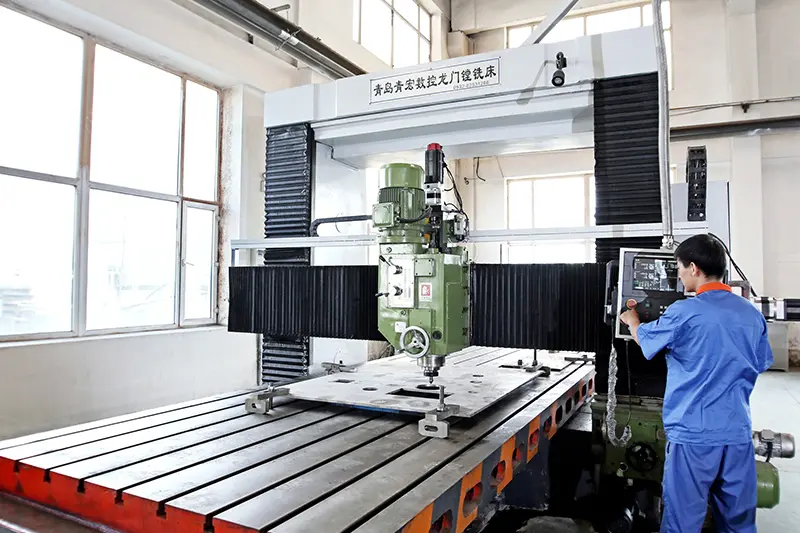
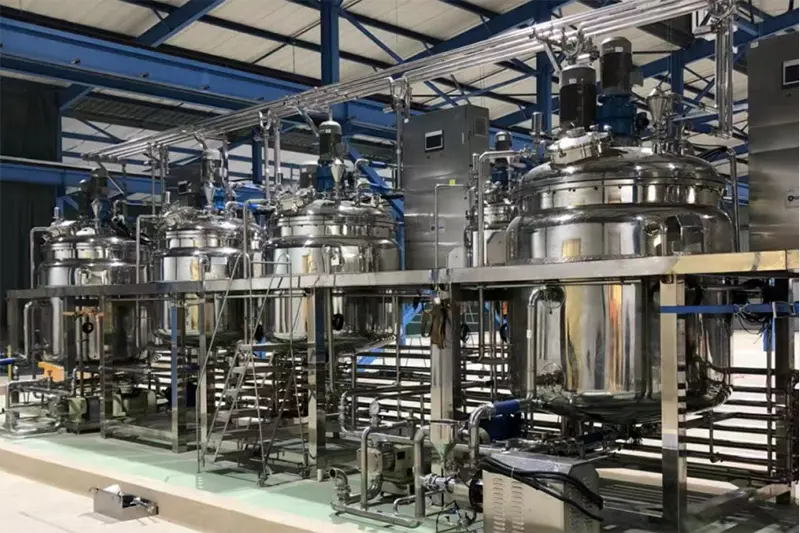
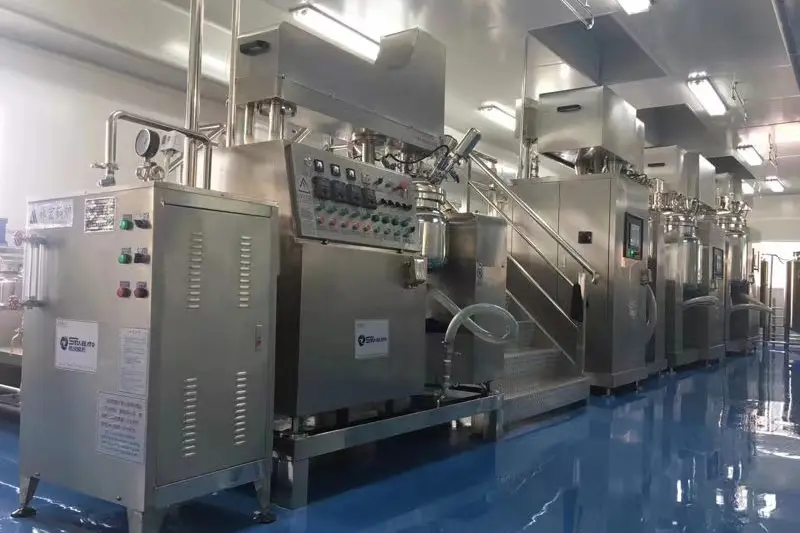
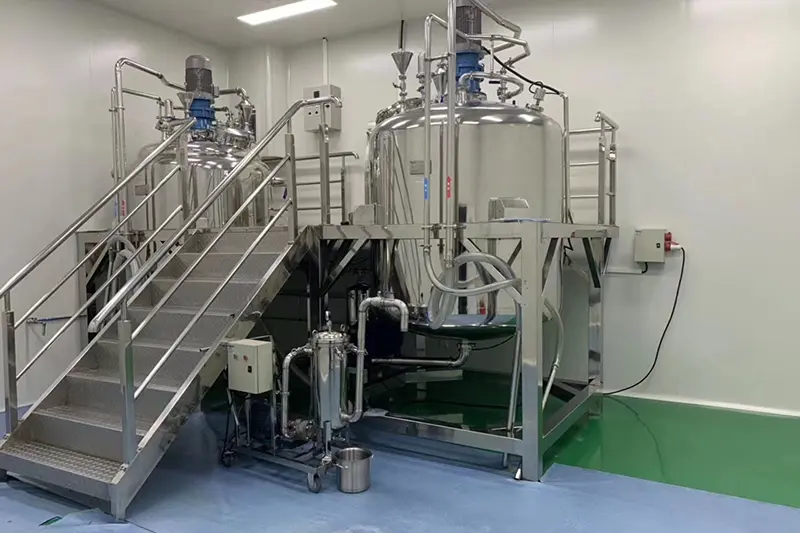
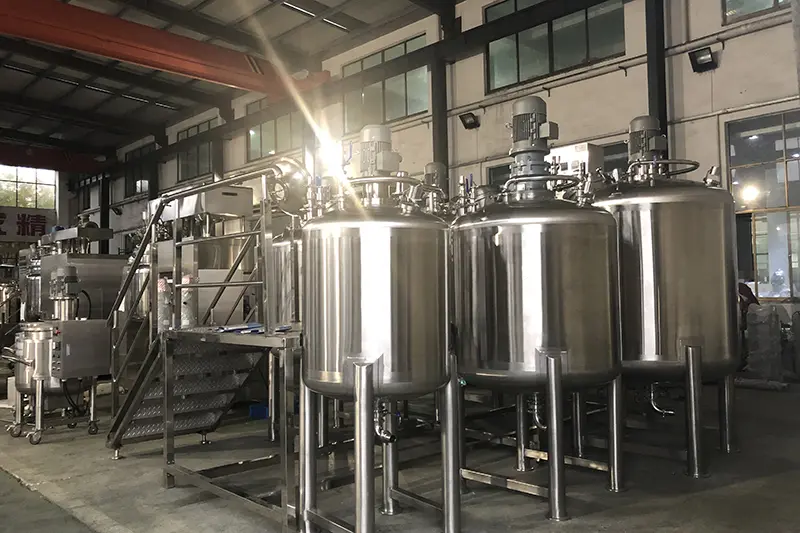
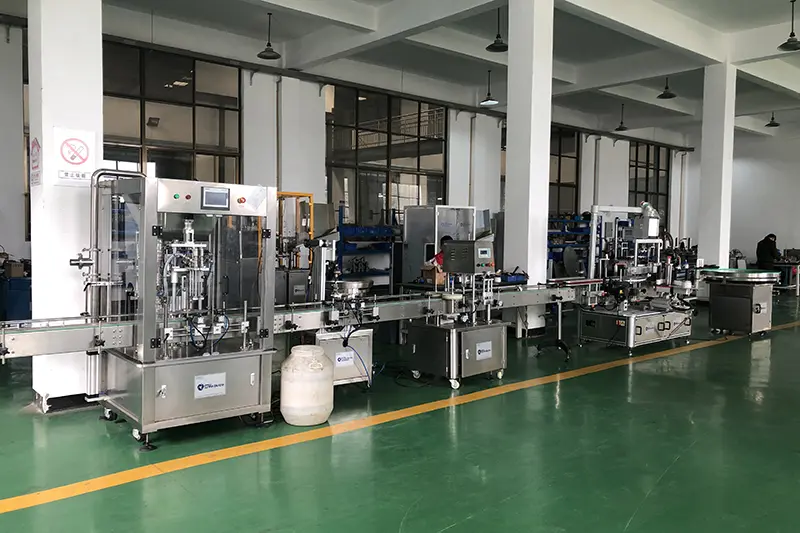
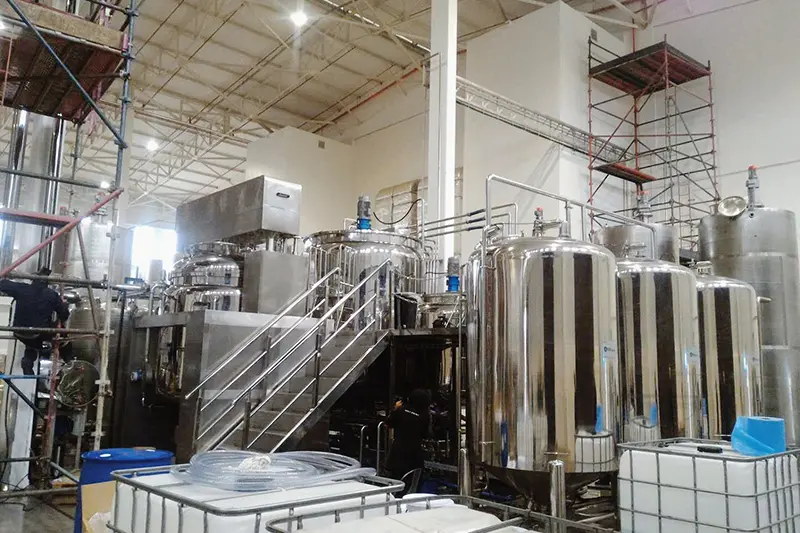
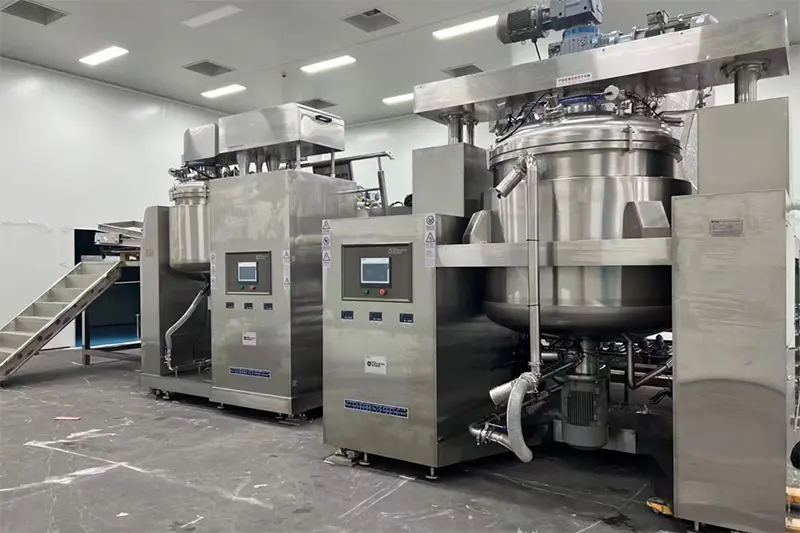
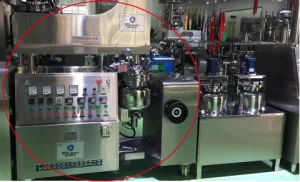
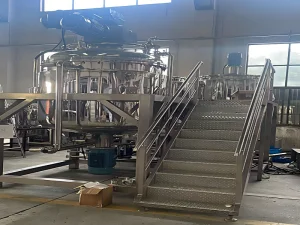
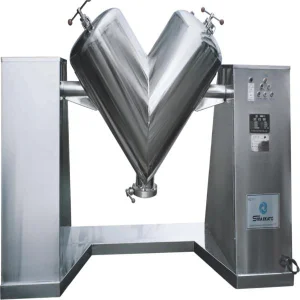
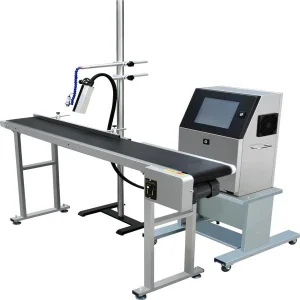
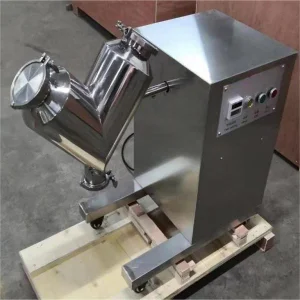
Upgrade your manufacturing lines with our high-performance emulsifiers, screw capping devices, powder blenders, and digital batch printers.
Find technical and commercial answers directly from our engineering team regarding perfume processing, validation, and maintenance protocols.
At ambient temperatures, certain natural waxes, lipids, and essential oils remain suspended in ethanol. However, when subjected to temperature shifts during logistics, these molecules precipitate, creating a cloudy appearance. Chilling forces these impurities to solidify, allowing them to be filtered out through micro-porous membrane filters, ensuring the perfume remains clear.
SINAEKATO equipment features flameproof motors, anti-static grounding mechanisms, pneumatic control panels, and ATEX-certified components. The processing tanks are designed with pressure relief valves and vapor recovery systems to keep work environments safe and compliant with regional environmental guidelines.
Yes, our multi-use vacuum emulsification systems are highly versatile. A facility can process low-viscosity solutions like colognes, then switch to high-viscosity emulsions like face creams. Dual-rotor scrapers and variable-speed homgenizers ensure the system can be configured for various cosmetic formulations.
We partner with international component suppliers to source critical electrical, pneumatic, and hydraulic parts. This ensures our global clients can easily source local replacements while enjoying highly reliable machinery operations, backed by SINAEKATO's system integration expertise.
Standard systems are usually ready for testing within 45 to 60 working days from drawing sign-off. Highly customized, fully automated processing facilities requiring complex PLC integrations or large storage tanks may require 75 to 90 working days. Factory Acceptance Testing (FAT) is conducted on all units prior to dispatch.
Yes, we provide IQ/OQ (Installation Qualification/Operational Qualification) documentation support along with materials certificates, wiring schematics, and performance logs to assist your facility in passing GMP and FDA validation audits.
 Sina Ekato