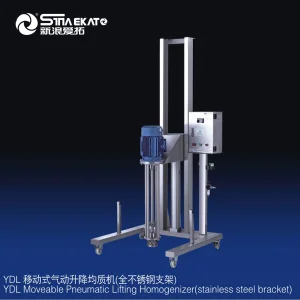
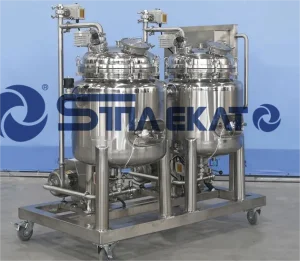
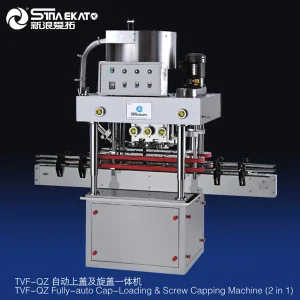
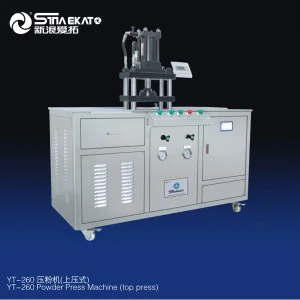
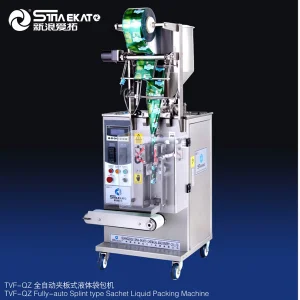
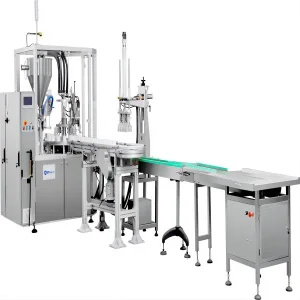
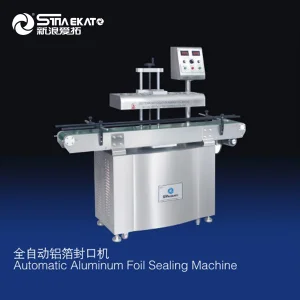
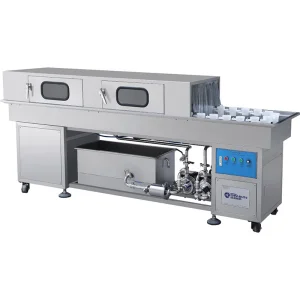
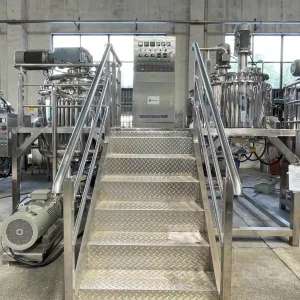
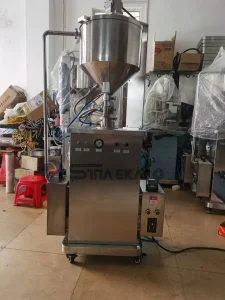
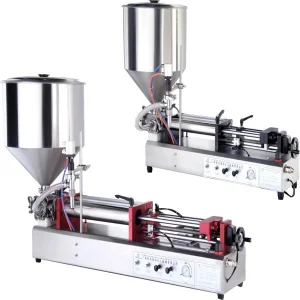
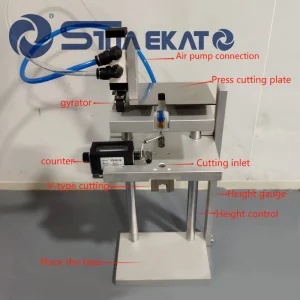
Explore our core engineering catalog optimized for integration with industrial circulating water cooling setups.
In modern heavy and precision manufacturing, managing thermal loads is critical to maintaining product quality, equipment longevity, and operational safety. A circulating water cooling system acts as the thermodynamic heart of these plants, transferring waste heat generated by mechanical shear, chemical reactions, and physical phase changes away from processing zones into secondary environments. Globally, the demand for high-efficiency circulating cooling systems is rising, driven by strict environmental regulations regarding thermal water pollution and freshwater conservation.
Industries such as skincare formulation, chemical emulsification, and pharmaceutical synthesis depend heavily on these systems. In processing lines using vacuum emulsifiers, high-shear homogenizers, and jacketed storage vessels, keeping temperature profiles precise is essential. Without automated, high-precision circulating cooling, emulsion phases can separate, active pharmaceutical ingredients (APIs) can degrade, and processing times can increase significantly. Choosing a supplier that integrates custom cooling thermodynamics with process vessels is a critical step in engineering growth.
Reduces water consumption by over 95% compared to once-through setups, saving resources and cutting operating costs.
Integrates dynamic sensors and PLC units to adjust pump speeds and chilling cycles based on real-time process heat loads.
Constructed with SUS304 and SUS316L stainless steel to meet FDA, GMP, and CE standards for high-purity processes.
The global circulating water cooling market is moving away from static, oversized chilling systems toward modular, demand-responsive units. Key industry developments include:
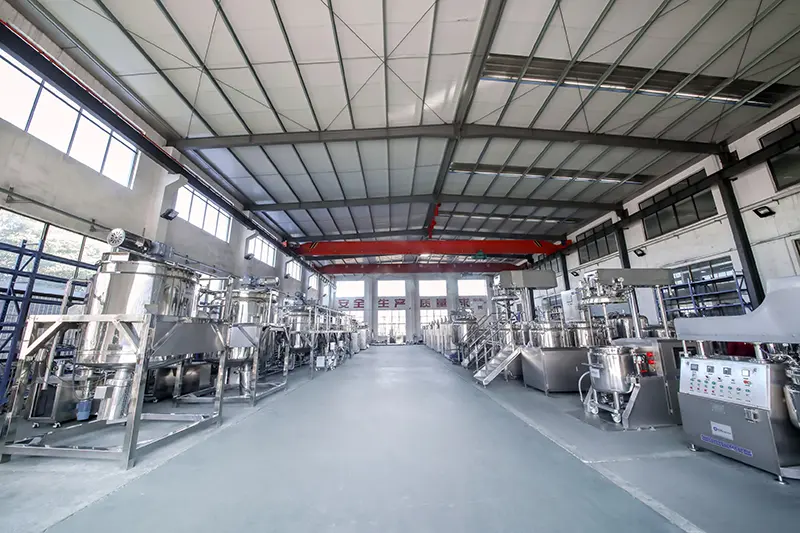
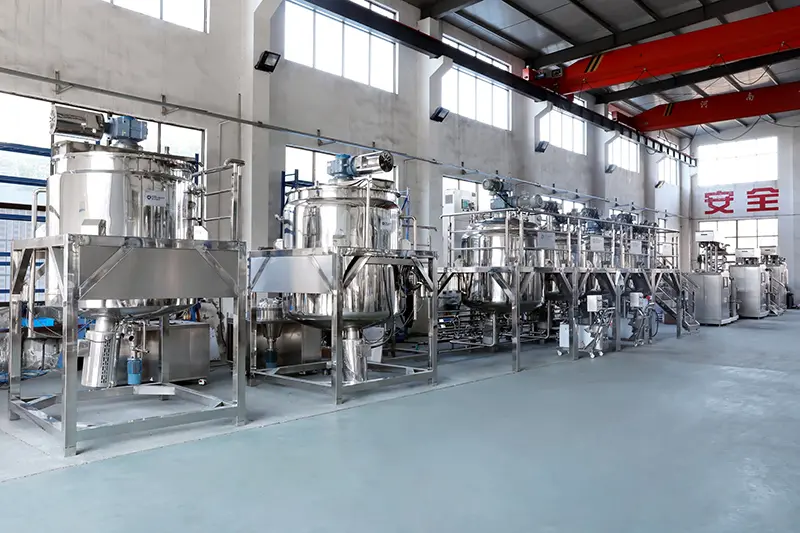
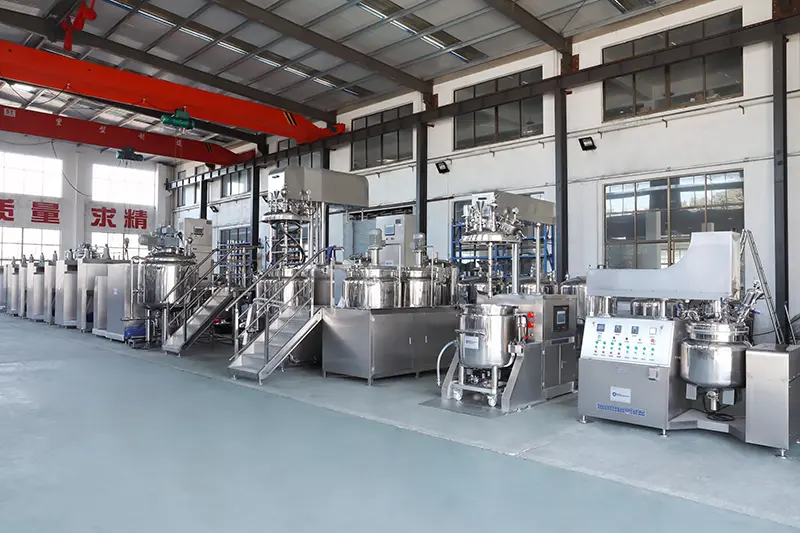
In processing setups, the cooling system is directly integrated with the jacketed structures of emulsifiers and mixing tanks. As ingredients are mixed, friction from high-shear homogenizers generates thermal energy that must be removed. This cooling process is divided into three main stages:
Chilled water enters the vessel jacket at a controlled pressure and temperature. The heat from the product is transferred across the polished inner vessel wall (typically SUS316L) to the circulating water, which warms up as it travels through the jacket channels.
The warmed water is pumped back to the central heat exchanger or chilling plant. Systems with multi-zone jackets use automatic valves to direct cooling water only to active product zones, preventing thermal shock in empty areas.
In a closed-loop system, the warm water is cooled down again using a plate heat exchanger linked to a cooling tower or mechanical chiller. Once cooled, the water is pumped back to the vessel jacket, repeating the cycle.
Established in 1992, SINAEKATO has built more than 30 years of engineering expertise as a premier brand in chemical and industrial machinery. We provide end-to-end, one-stop equipment solutions for the cosmetic, pharmaceutical, food, and chemical industries. Our core products include vacuum emulsifying mixers, liquid-washing homogenizers, toothpaste production lines, filling machines, stainless steel storage tanks, reverse osmosis (RO) water treatment plants, and complete auxiliary cooling systems.
We focus on integrating process vessels with automated, energy-efficient circulating cooling water loops. Over 80% of our systems' key components are sourced from globally recognized suppliers. This ensures that every system we deliver is reliable, efficient, and compliant with international standards, helping our customers run stable production processes.
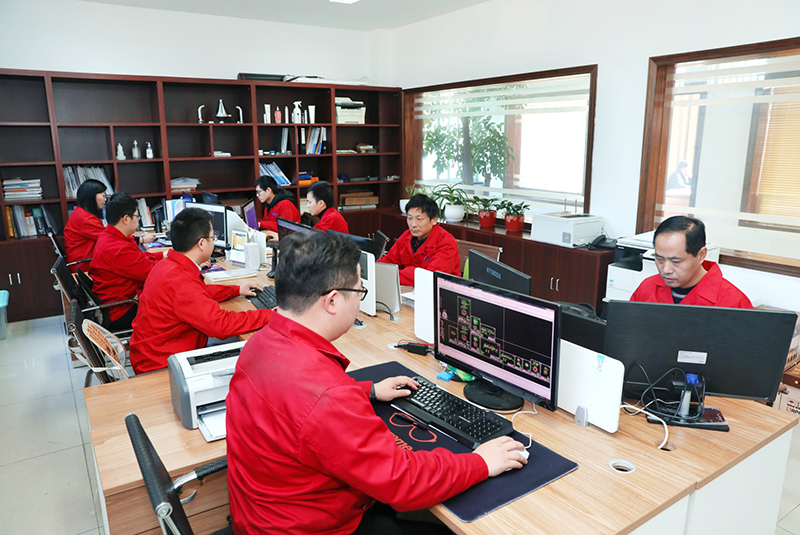
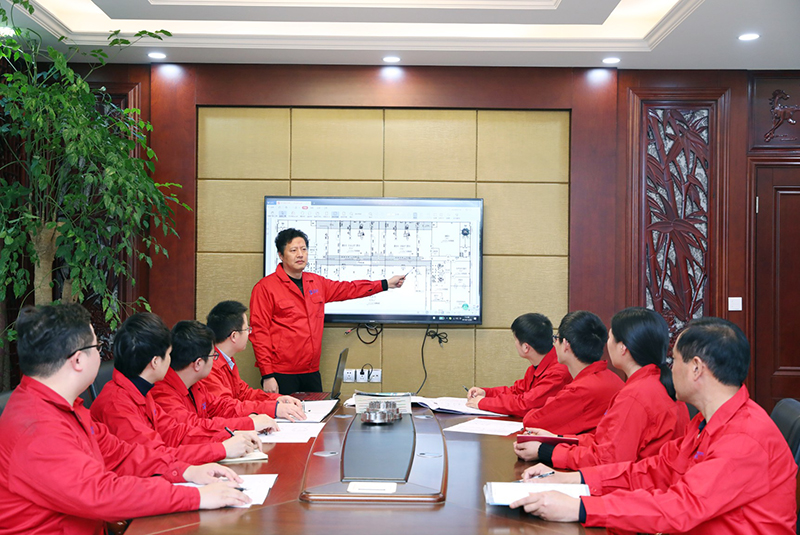
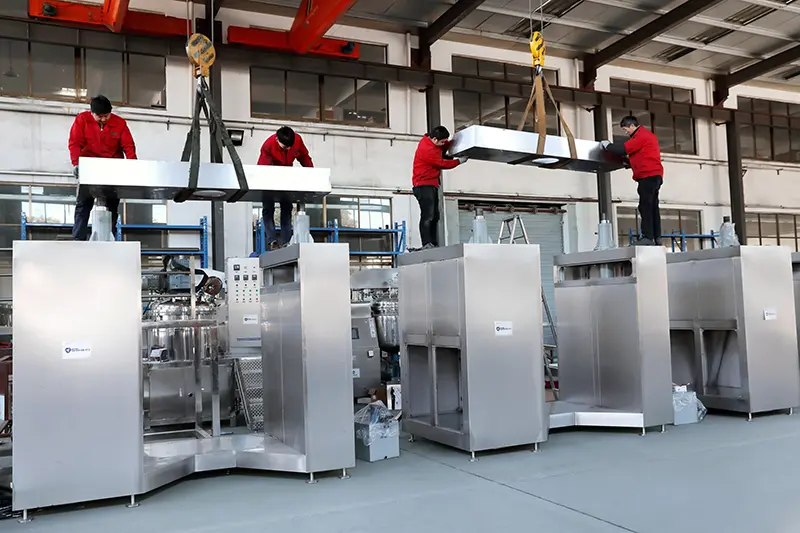
We believe that technology and scientific design are the primary drivers of enterprise growth. SINAEKATO continuously invests in technology R&D, utilizing modern manufacturing equipment, rigorous quality checks, and precise performance testing to ensure every machine performs reliably.
Our motto, "LET THE WORLD KNOW MADE IN CHINA," is backed by high-performance products and dedicated customer service. We are committed to supporting our clients with active technical guidance, customized designs, and responsive after-sales service.
A history of growth, innovation, and global expansion in chemical processing and thermal management systems.
Entered the chemical machinery industry, building the foundation for our mechanical engineering and thermal management capabilities.
Established Guangzhou Sina Cosmetics Engineering Equipment Co., Ltd., focusing on cosmetics and pharmaceutical processing technology.
Established Hong Kong Hantao International Investment Co., Ltd. to support international partnerships and technology exchange.
Established Gaoyou Sina Chemical Machinery Equipment Factory, and renamed our Guangzhou facility to Guangzhou Sina Chemical Machinery Co., Ltd.
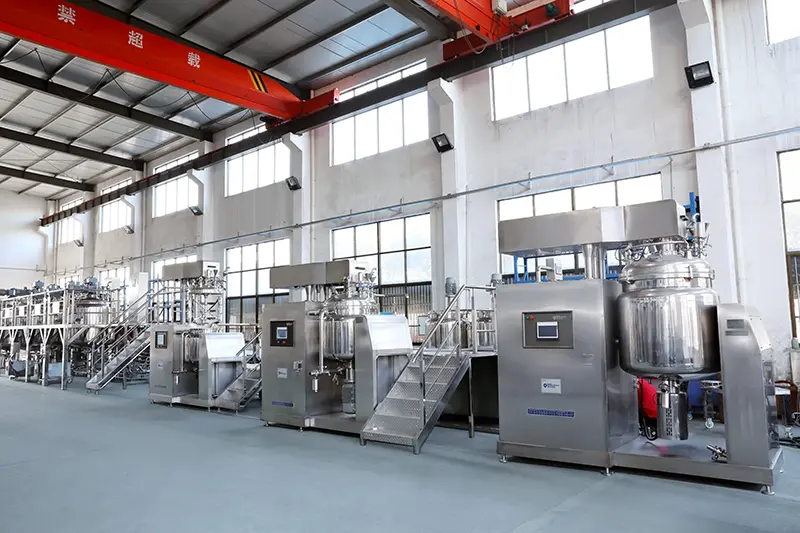
Established Gaoyou Sina Light Industry Machinery Equipment Factory, expanding our manufacturing capabilities for processing systems.
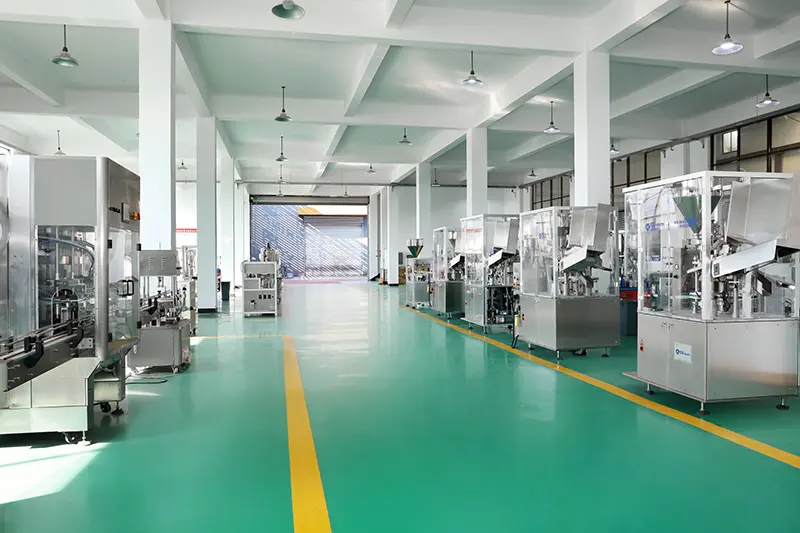
Acquired 10,000 square meters of land in Gaoyou and opened a new manufacturing plant under the name SINA EKATO CHEMICAL MACHINERY CO., LTD (GAOYOU CITY).
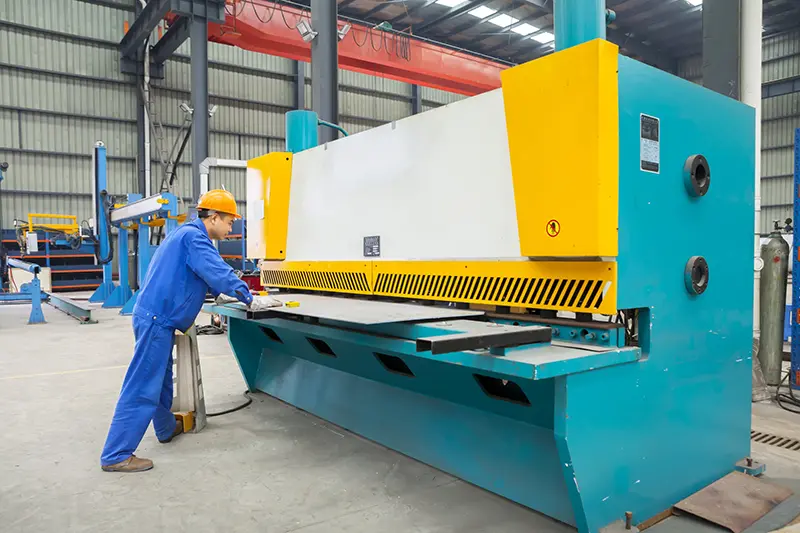
Established Yangzhou Hantao Chemical Machinery Co., Ltd. to support custom engineering projects.
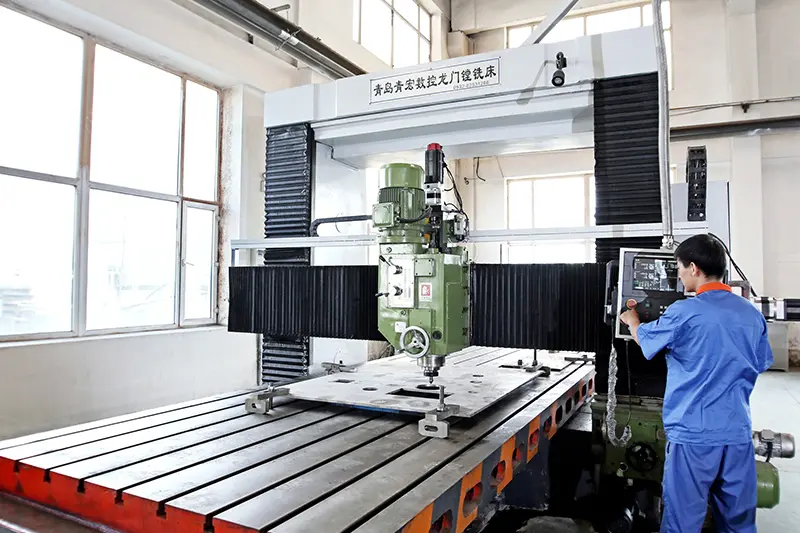
Acquired Guangzhou Jingcheng Machinery, built a large exhibition center, and expanded our international export operations.
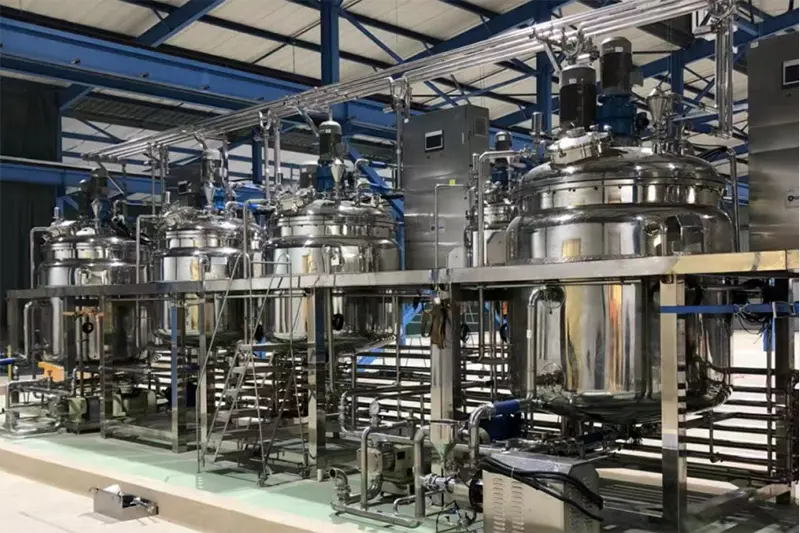
Officially renamed the company to Guangzhou SINAEKATO Chemical Machinery Co., Ltd., unifying our brand identity.
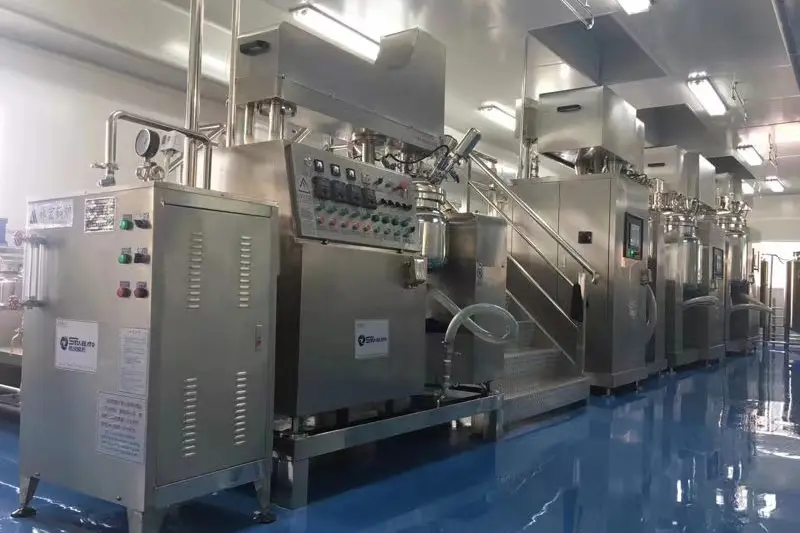
Acquired Guangzhou Suogao Machinery Equipment Co., Ltd. to expand our precision filling and packaging technology lines.
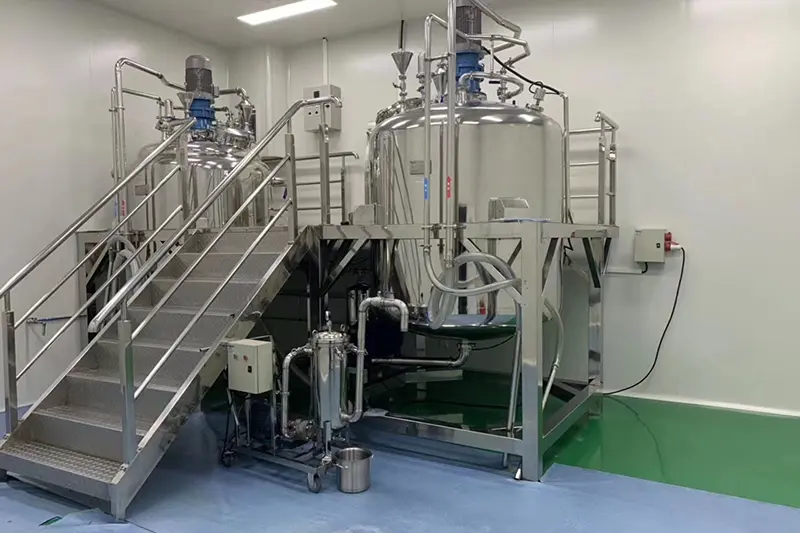
Designated SINA EKATO CHEMICAL MACHINERY CO., LTD (GAOYOU CITY) as our main headquarters for production, sales, and service support.
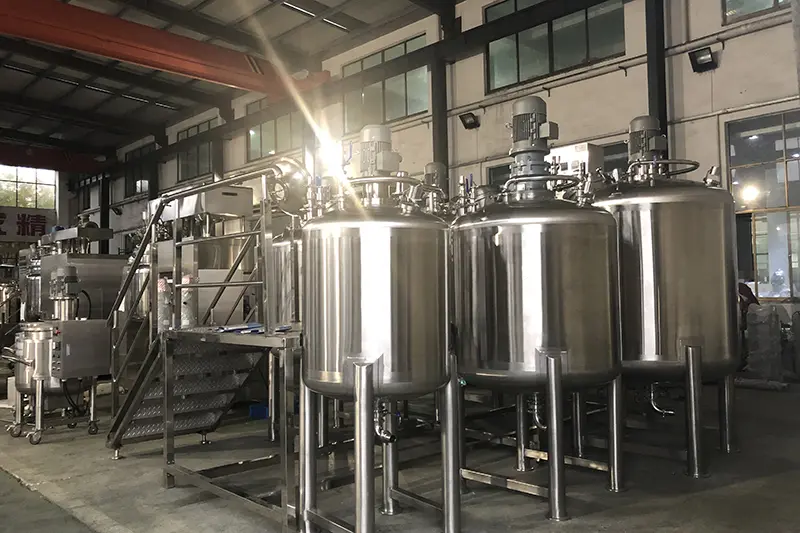
Established SINA EKATO Equipment (Jiangsu) Co., Ltd. to focus on international partnerships and custom engineering.
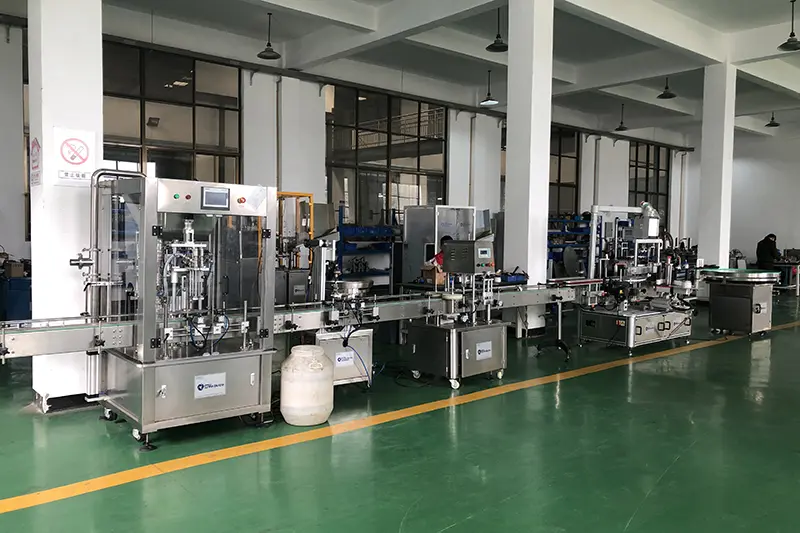
Partnered with FLEMAC in Europe to establish Germany SINAEKATO Group Co., Ltd., helping us offer regional support in European markets.
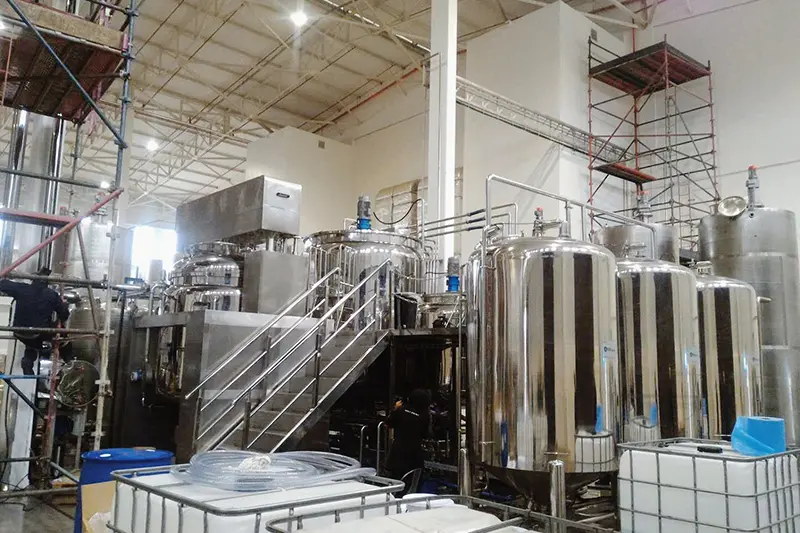
Delivered an $800,000 cosmetic processing project for Unilever in South Africa, and completed a $1,500,000 processing line for SK-II and Shiseido OEM cosmetic facilities.
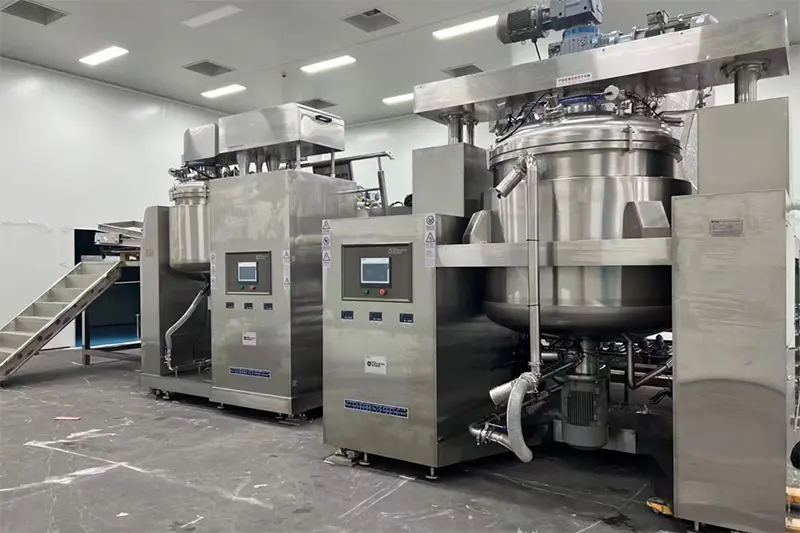
Completed a $1,000,000 production line for liquid detergent and washing products in Japan, meeting strict local environmental and water cooling standards.
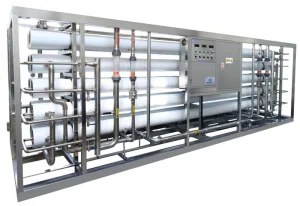
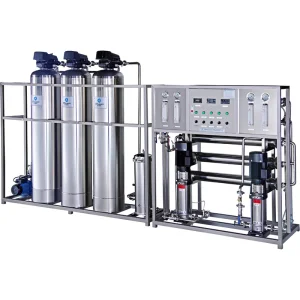
A high-performance cooling system requires clean feed water to operate efficiently. Using untreated raw water can lead to scaling and corrosion in heat exchangers, reducing thermal transfer rates and increasing energy use. This is why SINAEKATO integrates its industrial RO Water Treatment systems directly with our circulating cooling loops.
By using a single-stage or two-stage reverse osmosis water treatment plant (ranging from 500L/Hour to 5000L/Hour), we remove dissolved salts, minerals, and organic impurities from the feed water. Feeding purified water to the cooling loops prevents scaling on heat exchanger surfaces and inner jacket walls, ensuring consistent heat transfer over long cycles.
This integrated setup is valuable for cleanroom operations in pharmaceutical and cosmetic plants. Combining water treatment, emulsification vessels, and cooling systems into a single managed loop helps plants maintain high uptime and lower maintenance costs.
As industrial processing moves toward digital integration, cooling technology is changing in several ways:
Expert answers about industrial cooling system design, integration, maintenance, and performance optimization.
Explore more equipment from our line, including water treatment systems, packaging machinery, and custom mixers.
 Sina Ekato