In the modern cosmetic and pharmaceutical manufacturing landscape, micro-dosing and exact powder filling systems play a vital role. The demand for cosmetic powders—ranging from high-end translucent loose face powders, mineral foundation formulas, and baby talcum products to specialized biochemical dry formulations—is expanding at an unprecedented rate. This growth has put immense pressure on global manufacturers to secure reliable, highly accurate, and cost-effective equipment. Among these solutions, the Semi Automatic Loose Powder Filling Machine stands out as the ultimate strategic asset for mid-scale operations, pilot lines, and flexible production settings.
Sourcing equipment from premium, discounted, yet high-performance factories allows processing plants to scale their capacity while ensuring rigorous compliance with international safety protocols. In countries with rapidly expanding industrial bases, finding a factory direct partner who understands both mechanical engineering and complex powder properties is crucial. Loose powder is notoriously challenging to handle; its behavior changes based on ambient humidity, particle sizes, density fluctuations, and oil content. Consequently, selecting an optimized semi-automatic auger system ensures that micro-dosages remain consistent without compromising the physical qualities of the raw materials.
Advanced dust collection rings and closed hopper environments guarantee cleanroom compatibility and limit cross-contamination risks.
Interchangeable screw drives permit seamless transition between ultra-fine face powders and granular pharmaceutical compounds.
Multi-lingual touch screen interfaces allow operators in diverse manufacturing hubs to program and calibrate fill profiles on the fly.
Global supply chain managers look beyond unit pricing when identifying partners for manufacturing. A true Discount Semi Automatic Loose Powder Filling Machine Factory provides structural savings, not by compromising construction materials, but through standardizing high-value components, refining manufacturing logistics, and providing comprehensive mechanical warranties. The modern purchasing checklist for packaging machinery prioritizes durability: standardizing on SUS304 or SUS316L stainless steel for contact parts, integrated Siemens or Omron PLCs, and high-performance load-cells.
Over the past decade, manufacturers have encountered shifting regulatory landscapes. Equipment must fit seamlessly into current GMP-certified processes. Thus, having transparent documentation, CE certificates, and direct access to factory engineers prevents extended delays during operational validation. Sourcing directly from reputable brands, such as SINAEKATO, ensures that the initial discount is matched by low total cost of ownership (TCO) and rapid availability of replacement wear-parts.
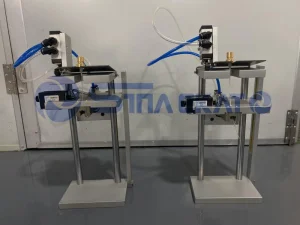
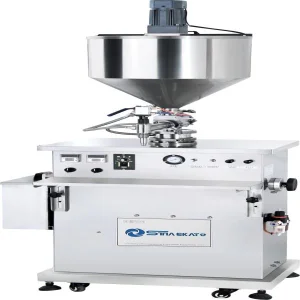
Precision filling of micro-powders depends on the mechanical design of the auger drive. Semi-automatic powder fillers use a servo-motor assembly to control the revolutions of a machined vertical screw. The machine dispenses powder downward through a tightly engineered funnel nozzle directly into containers, jars, pouches, or boxes. Standard filling mechanisms without servo control often suffer from drifting accuracy when powder density shifts under pressure.
To combat this, leading-edge manufacturers incorporate real-time feedback loops. Digital scale assemblies located at the base of the machine record filled weights and feed back signals to the PLC control unit. The system then self-adjusts next-cycle rotation counts to account for packing and voiding changes inside the hopper. An integrated vertical agitator runs in the opposite direction of the dispensing auger, ensuring that the powder density remains homogeneous and prevents clogging or bridge formation above the dosing throat.
Custom pitch designs matched precisely to the bulk density of client powders prevent uncontrolled powder dripping during packaging cycles.
Quick-release split hoppers allow operators to perform deep cleaning and product changeovers within 15 minutes, maximizing daily throughput.
Integrated recipes recall precise filling parameters for dozens of individual product SKUs, reducing human calibration errors to near zero.
Founded in 1992, SINAEKATO has grown into one of China's most trusted manufacturers of heavy industrial machinery, cosmetics packaging solutions, and pharmaceutical mixers. Over the past three decades, the company has expanded its manufacturing footprint, setting up cutting-edge facilities, integrating European technology partnerships, and providing complete processing turnkeys to multi-national corporations.
With a strong team of engineers and manufacturing staff across specialized factories, SINAEKATO ensures that over 80% of its critical mechanical and electronic components are sourced from internationally renowned suppliers. This approach delivers robust machinery backed by an extensive global sales and service network.
Engaged in the chemical machinery industry, building foundational mechanical and system engineering capabilities.
Guangzhou Sina Cosmetics Engineering Equipment Co., Ltd. was established to serve the booming cosmetic sector.
Established Hong Kong Hantao International Investment Co., Ltd. to initiate structural export expansion.
Gaoyou Sina Chemical Machinery Equipment Factory was established, scaling heavy production capabilities.
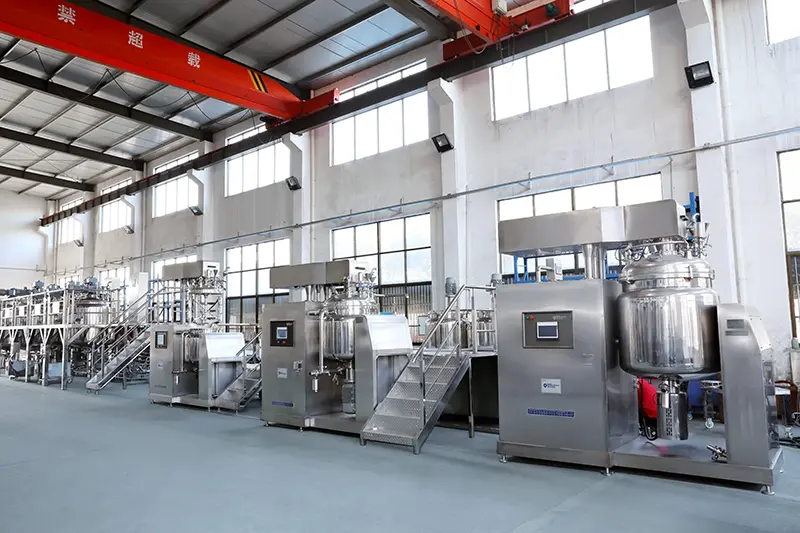
Established Gaoyou Sina Light Industry Machinery Equipment Factory to diversify production specialties.
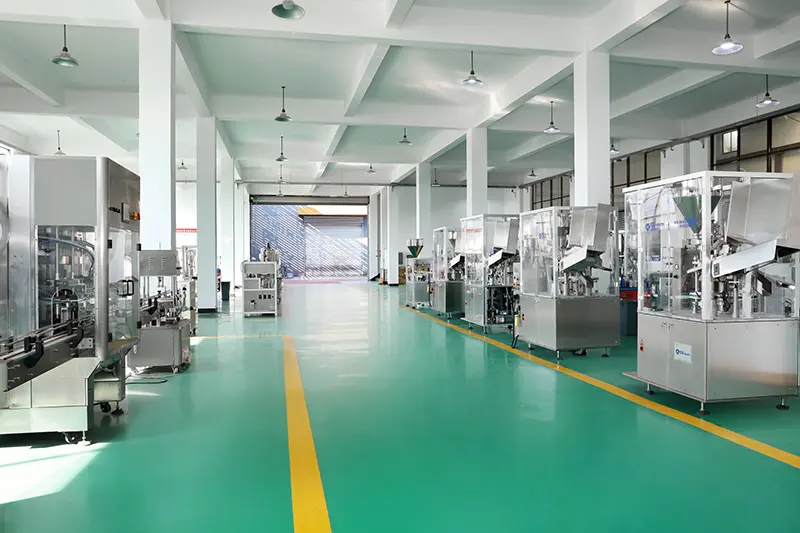
Purchased 10,000 sqm in Gaoyou; SINA EKATO CHEMICAL MACHINERY CO., LTD (GAOYOU CITY) begins operation.
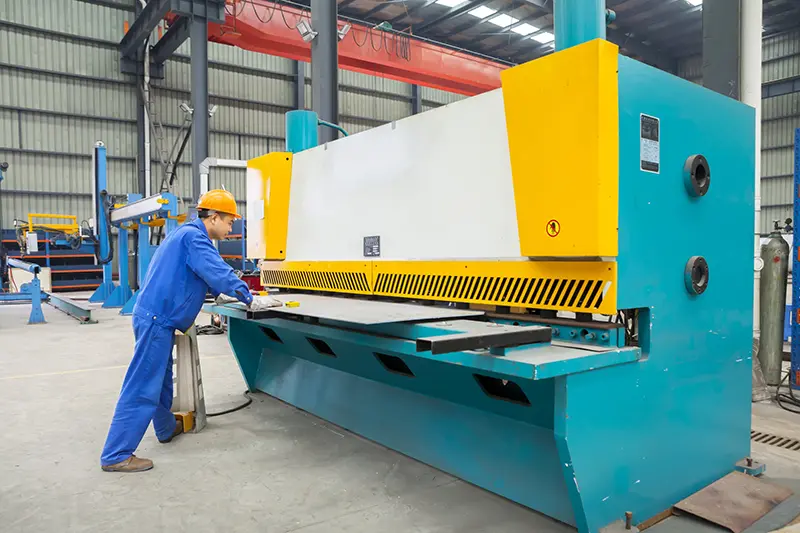
Established Yangzhou Hantao Chemical Machinery Co., Ltd. for specialized heavy component fabrication.
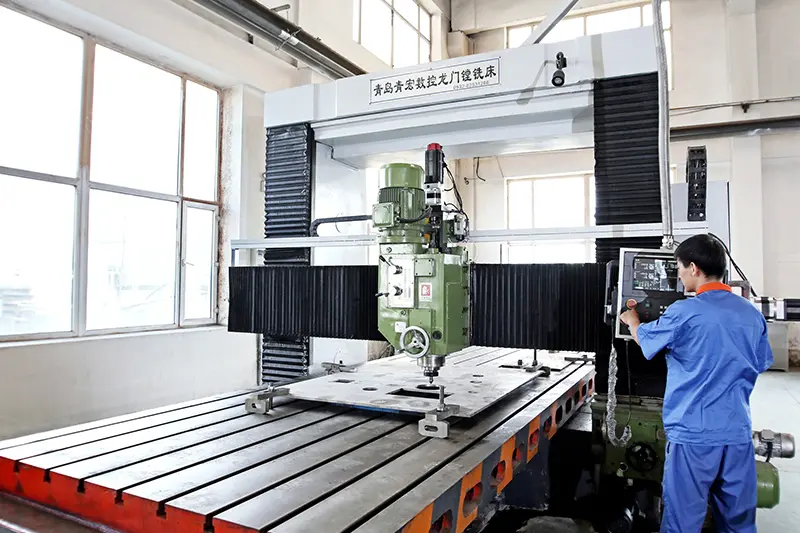
Acquisition of Guangzhou Jingcheng Machinery and development of a massive export-oriented exhibition center.
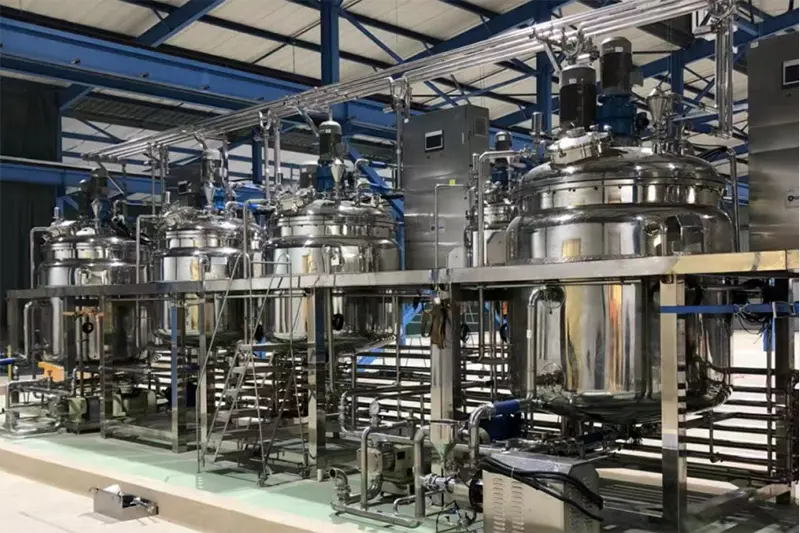
Guangzhou Sina Chemical Machinery Co., Ltd. officially renamed to Guangzhou SINAEKATO Chemical Machinery Co., Ltd.
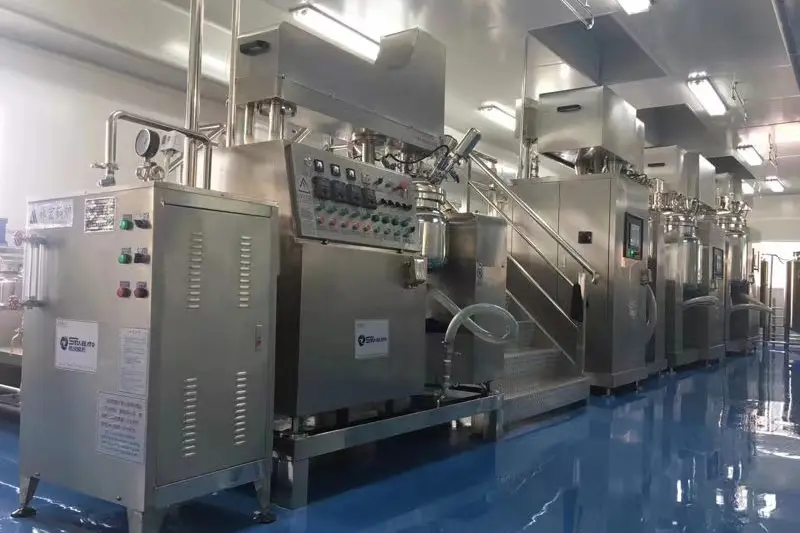
Acquisition of Guangzhou Suogao Machinery Equipment Co., Ltd. to secure key automated technologies.
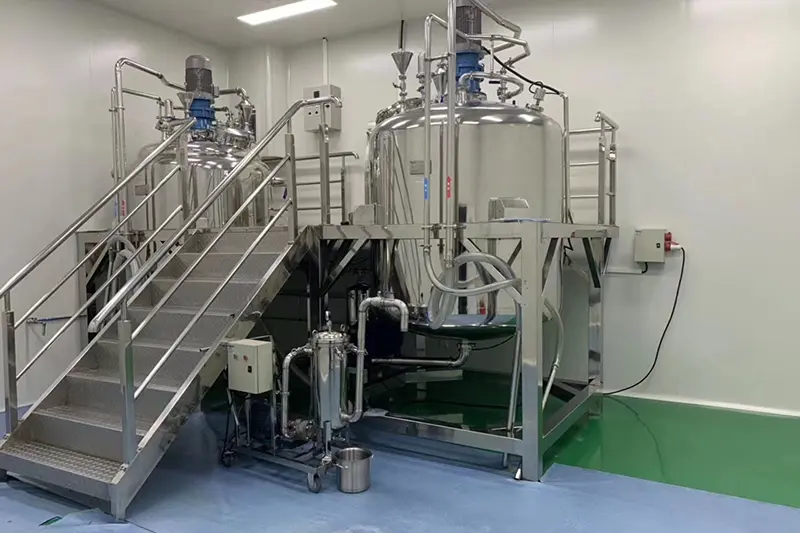
Established SINA EKATO (GAOYOU CITY) as the core unified production, sale, and after-sale service headquarters.
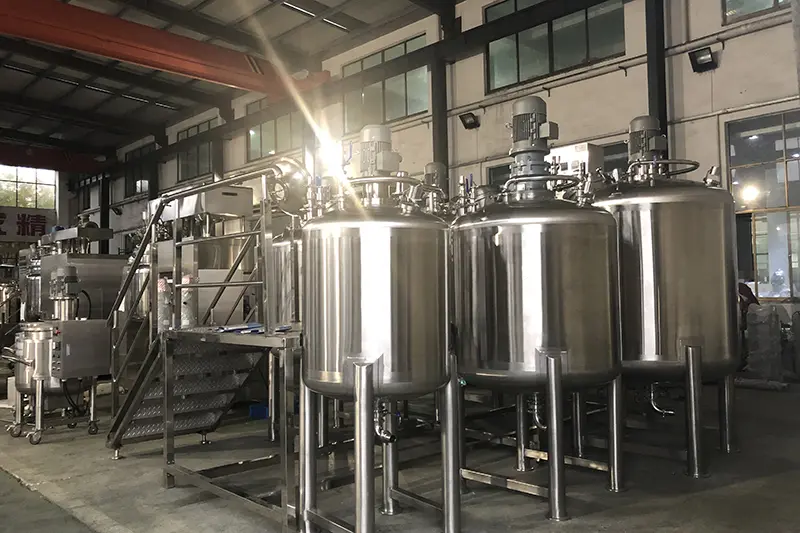
Established SINA EKATO Equipment (Jiangsu) Co., Ltd. focused on high-precision foreign technical cooperation.
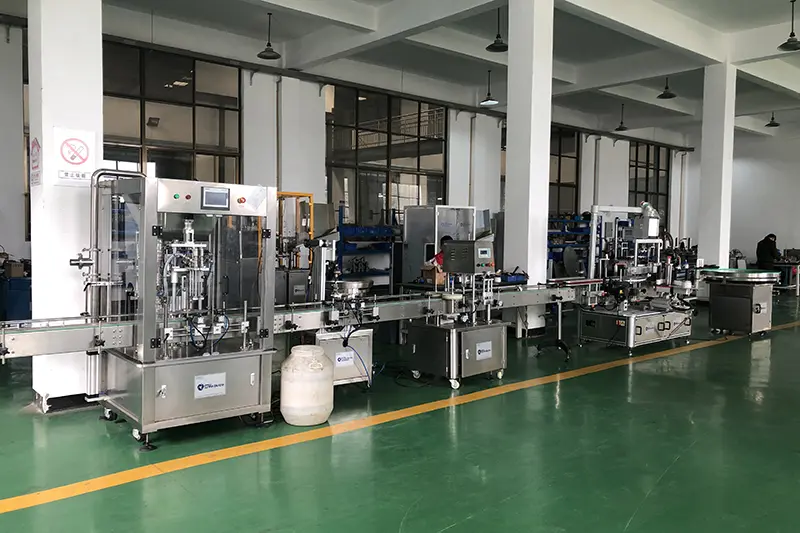
Cooperated with European FLEMAC to establish Germany SINAEKATO Group Co., Ltd., upgrading global design standards.
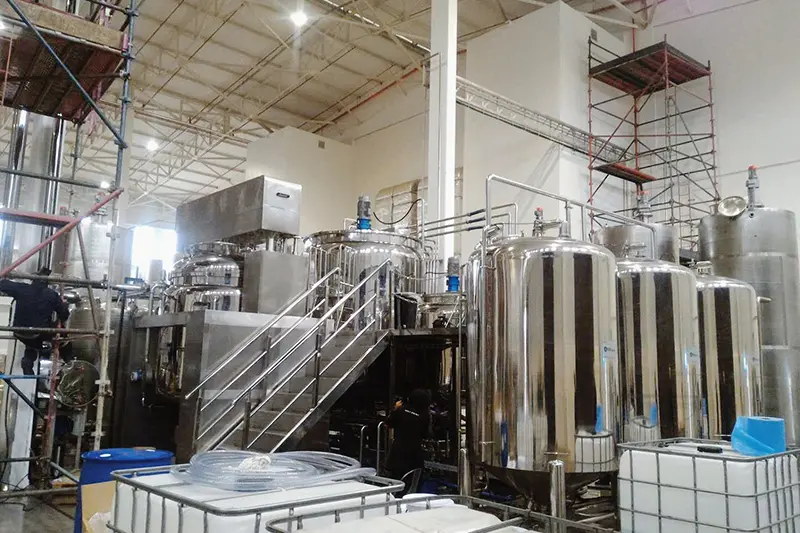
Secured $800k project with South Africa Unilever, and a $1.5 million line for Japan SK-II Shiseido OEM supplier.
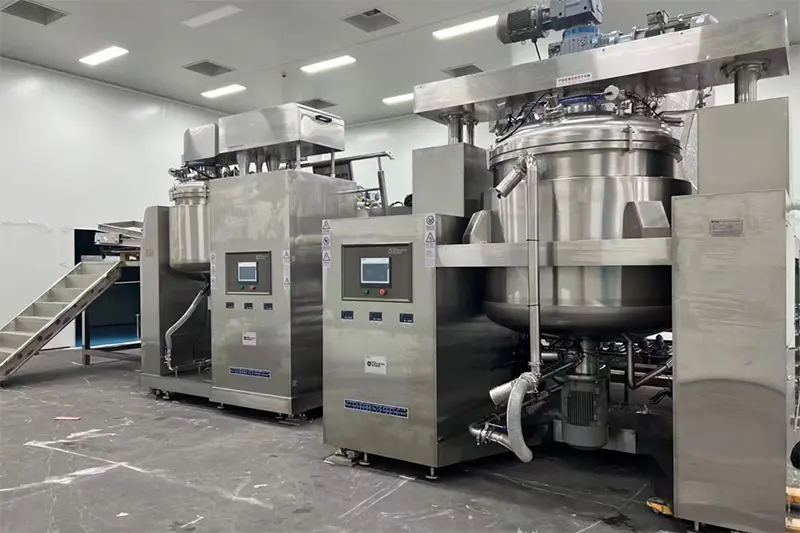
Delivered a comprehensive $1,000,000 detergent liquid-washing production line to a leading Japanese brand.
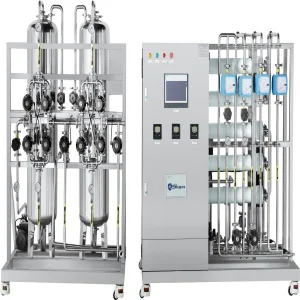
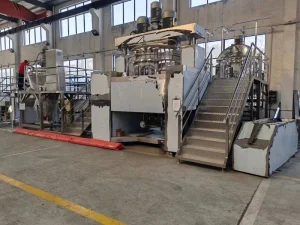
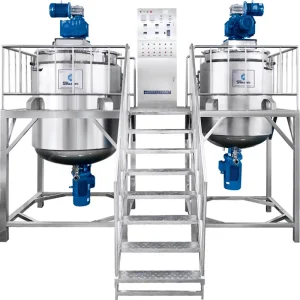
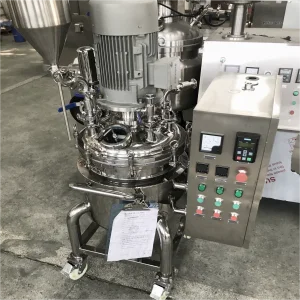
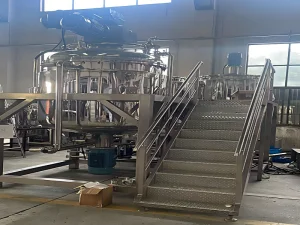
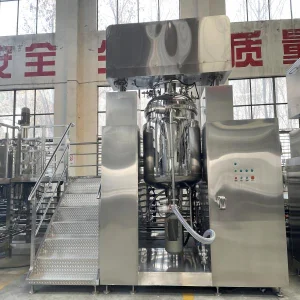
Investing in a standalone Semi Automatic Loose Powder Filling Machine is often the first step in building a complete industrial packaging and mixing process. To maximize output and ensure product safety, plants require an integrated ecosystem of auxiliary equipment. Before powder can be filled, it must be thoroughly mixed and pulverized. For liquid or cream-based items, high-shear homogenizers and vacuum emulsifiers prepare the bases, while industrial RO water purification systems provide pure, chemical-free processing water.
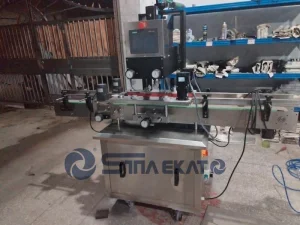
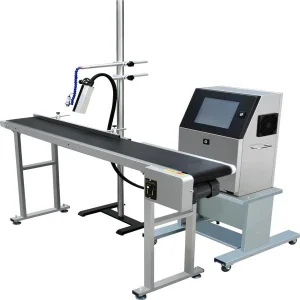
After the filling step, products transition to capping machines and batch printers to secure the container and apply traceability codes. System builders who select equipment from a unified manufacturer ensure that communication protocols, physical interfaces, and conveyor heights are synchronized, minimizing configuration errors.
Deploying machinery internationally requires adherence to strict industrial standards. SINA EKATO designs its filling systems to comply with CE certification, GMP standards, and ISO quality protocols. Every machine undergoes a comprehensive factory acceptance test (FAT) prior to shipment. Detailed mechanical blueprints, wiring diagrams, and testing logs are generated, giving operations teams the material needed for local health department or regulatory approvals.
Moreover, localized service networks are essential. Having support staff across main industrial regions ensures that help is available if issues arise. With systems operating in nearly 55 countries, SINAEKATO supports installation, training, and troubleshooting globally. This helps minimize downtime and maintains high production throughput.
Depending on powder flow characteristics, bulk density stability, and the choice of auger tooling, dosing accuracy typically ranges within ±0.5% to ±1%. Systems with weight-feedback sensors can consistently hold tighter margins, especially for fine cosmetic and pharmaceutical powders.
Machines are fitted with custom dust extraction shrouds at the nozzle tip, which connect to external industrial vacuum systems. In addition, the use of fully sealed, transparent acrylic hoppers minimizes the migration of fine dust into the workspace.
Yes, our systems are highly modular. By switching the auger screw and the nozzle attachment, operators can easily adjust the machine to fill fine talcs, coarse granules, or dense spices with minimal mechanical adjustment.
All contact parts are manufactured using high-grade SUS304 or pharmaceutical-grade SUS316L stainless steel. Surfaces are polished to meet hygienic standards and prevent product buildup.
Yes, SINAEKATO maintains a global service network with agents across 55 countries. We provide remote video diagnostic support, on-site technician installation, and detailed operation guides to ensure successful commissioning.
The touchscreen operator panel features an intuitive interface where users can save parameters like motor speeds, auger rotation counts, and delay times. Up to 100 separate recipes can be saved and recalled in seconds.
 Sina Ekato