In modern industrial operations, wastewater management has transitioned from a basic compliance obligation to a central component of resource recovery and environmental stewardship. At the core of every high-performance wastewater plant lies the chemical feeding and dosing system. This specialized machinery regulates the input of coagulants, flocculants, neutralizing agents, and biocides to match changing raw effluent metrics. Even minor deviations in dosing accuracy can lead to system failures, environmental fines, or accelerated wear on downstream filtration systems.
Historically, finding a balance between initial capital expenditure and long-term operating reliability has been a challenge for procurement managers. The search for "discount chemicals feeding equipment" often raised concerns about build quality and operational risks. However, modern manufacturing techniques and optimized supply chain systems allow suppliers like SINAEKATO to deliver highly engineered, reliable systems at competitive prices. By choosing optimized, factory-direct chemical feeding systems, global operators can achieve precise process control without overstretching their investment budgets.
Global environmental standards (such as the EU Water Framework Directive and the US EPA Clean Water Act) are driving industrial facilities to update their effluent treatment systems. These regulatory frameworks require continuous monitoring and lower thresholds for key discharge parameters, including Chemical Oxygen Demand (COD), Biological Oxygen Demand (BOD), Total Suspended Solids (TSS), and heavy metal concentrations. Consequently, the demand for integrated chemical preparation and dosing systems is growing rapidly across North America, Europe, the Middle East, and Asia-Pacific.
Purchasing direct from established Chinese manufacturers cuts initial equipment costs by up to 35%, freeing up budget for advanced sensor arrays and automation integrations.
Sinaekato utilizes global brand components (including Siemens PLCs and SEW Eurodrive motors) for 80% of critical parts, ensuring easy maintenance and parts availability globally.
Automated preparation and dosing minimize chemical waste by up to 22%, protecting downstream membrane bioreactors (MBR) from chemical overload and fouling.
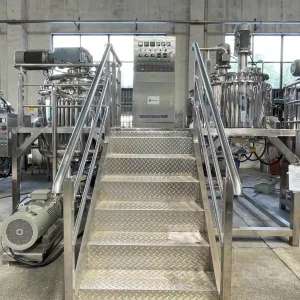
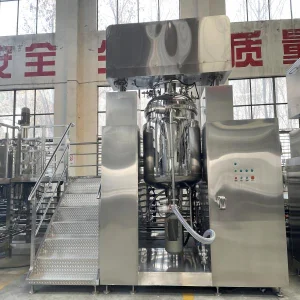
A professional chemical feeding system is more than just a storage tank and a pump. It is an integrated process control system designed to mix solid or liquid concentrated chemicals, dilute them to exact concentrations, and inject them into the main stream under changing pressures. Modern industrial systems use a three-chamber structure for dry polymer preparation, ensuring optimal aging time and preventing the formation of undissolved particles (often referred to as "fish-eyes") that can reduce chemical efficiency and clog injection nozzles.
Key Engineering Subsystems:
Sinaekato utilizes advanced CFD (Computational Fluid Dynamics) software to model mixing behaviors within the reaction chambers. This guarantees uniform dilution and prevents dead zones in storage, ensuring that the chemical delivered to the treatment loop has a consistent, active concentration.
Effluent profiles vary significantly across different manufacturing sectors. A standardized dosing unit rarely meets the needs of specialized industries. Sinaekato provides tailored engineering packages designed for specific wastewater challenges:
Designed for effluents with high organic loads and active pharmaceutical ingredients (APIs). Features corrosion-resistant Hastelloy or PVDF pump heads and clean-in-place (CIP) setups to handle strong acids, bases, and oxidizing agents.
Addresses complex emulsions, oils, and high surfactant levels. Integrates advanced coagulation-flocculation dosing loops with dissolved air flotation (DAF) controls, maximizing the separation of fats, oils, and greases (FOG).
Handles highly corrosive and temperature-variable process effluents. Utilizes heavy-duty lined storage tanks, dual-contained piping systems, and leak detection technologies to ensure operator safety and environmental compliance.
The wastewater treatment sector is moving rapidly toward automation and digital integration. The goal is a self-optimizing dosing system that responds dynamically to changes in incoming wastewater chemistry without requiring manual operator intervention.
Integrating inline sensors for continuous monitoring of pH, oxidation-reduction potential (ORP), turbidity, and specific ions.
Developing feed-forward control algorithms that adjust chemical doses based on flow rates and incoming organic concentrations before pH or turbidity shifts occur.
Establishing secure, cloud-enabled SCADA connections for remote diagnostics, predictive maintenance alerts, and compliance reporting.
Optimizing system performance to minimize the carbon footprint associated with chemical manufacturing, shipping, and energy consumption.
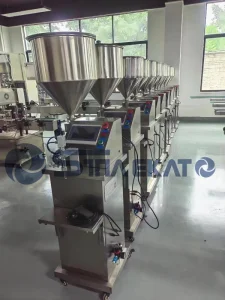
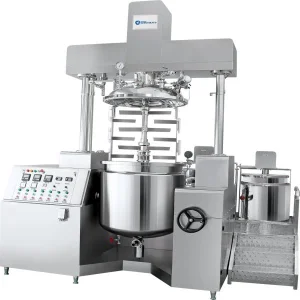
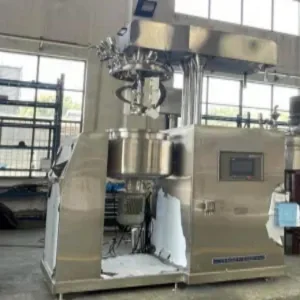
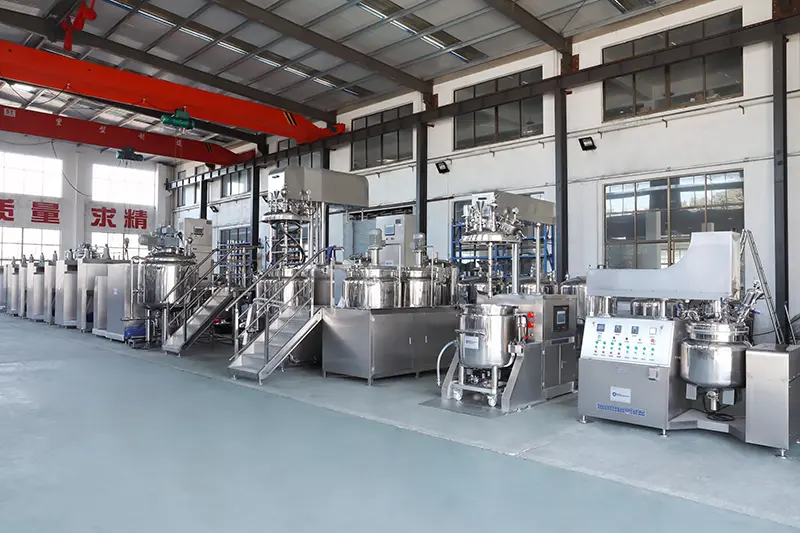
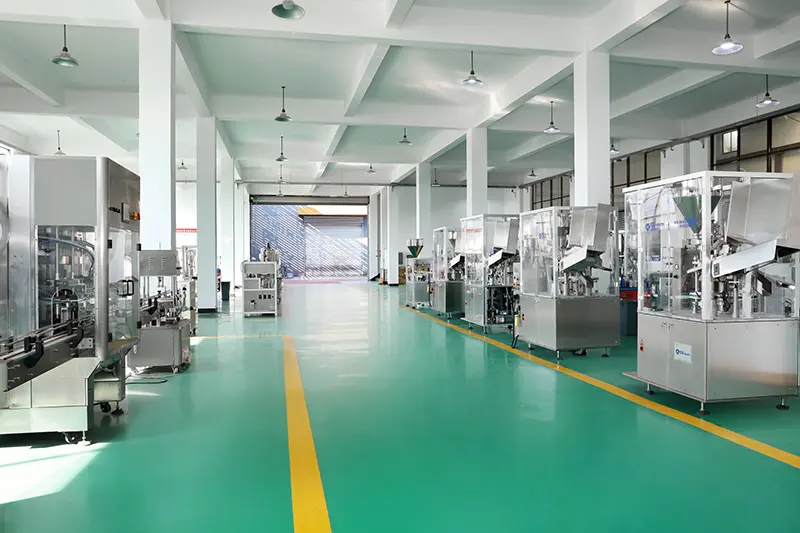
Established in 1992, SINAEKATO has built a strong reputation as a trusted manufacturer of industrial processing machinery. With over 30 years of experience, the company design and manufactures high-performance Vacuum Emulsifying Mixers, Liquid-washing Homogenizers, RO Water Treatment systems, automated filling lines, and chemical storage systems. Our one-stop engineering solutions serve the cosmetics, pharmaceutical, food, and industrial chemical processing sectors globally.
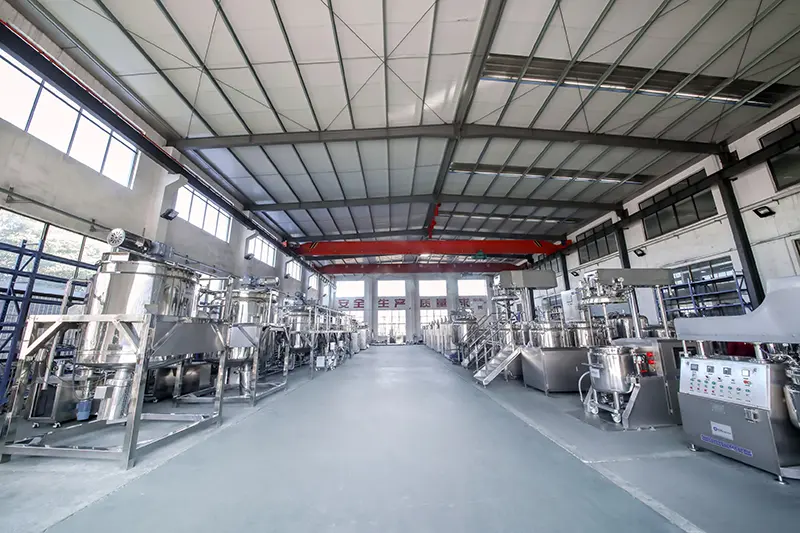
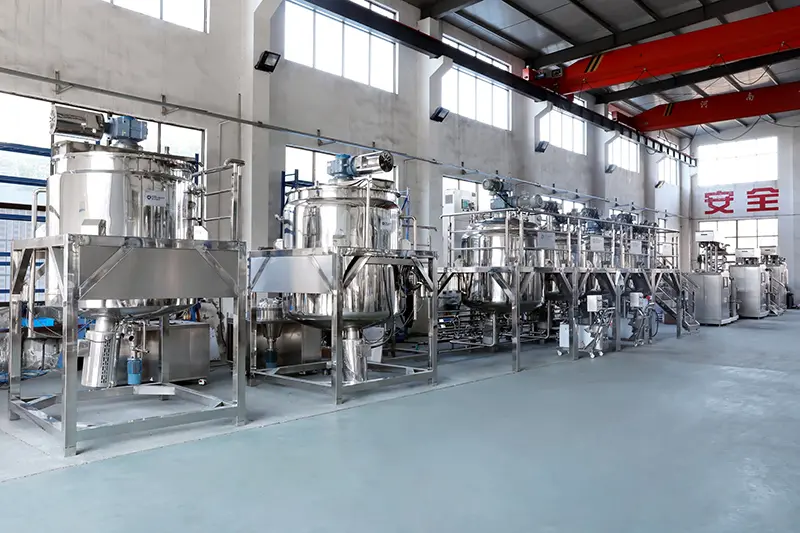
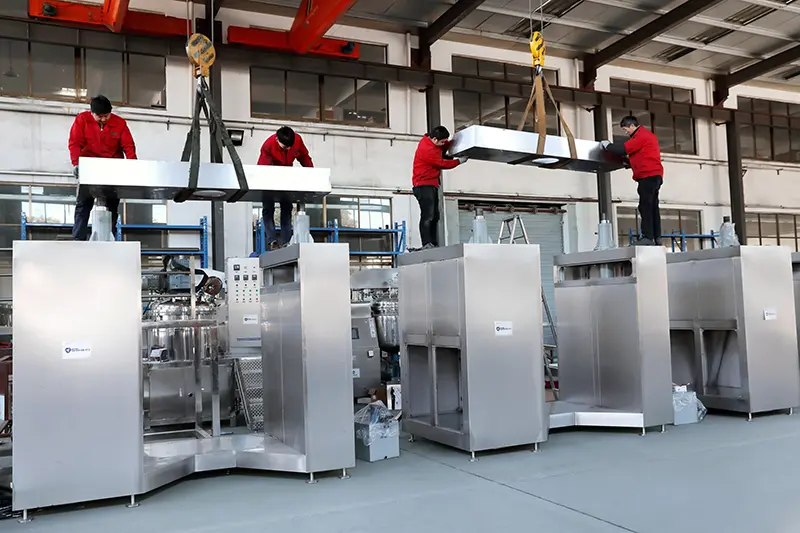
Operating in 55+ countries, SINAEKATO maintains a 10,000-square-meter modern production facility in Gaoyou, Jiangsu Province, alongside a dedicated sales and engineering headquarters in Guangzhou. By sourcing critical components from world-class suppliers, we ensure our systems meet strict international standards for reliability and performance.
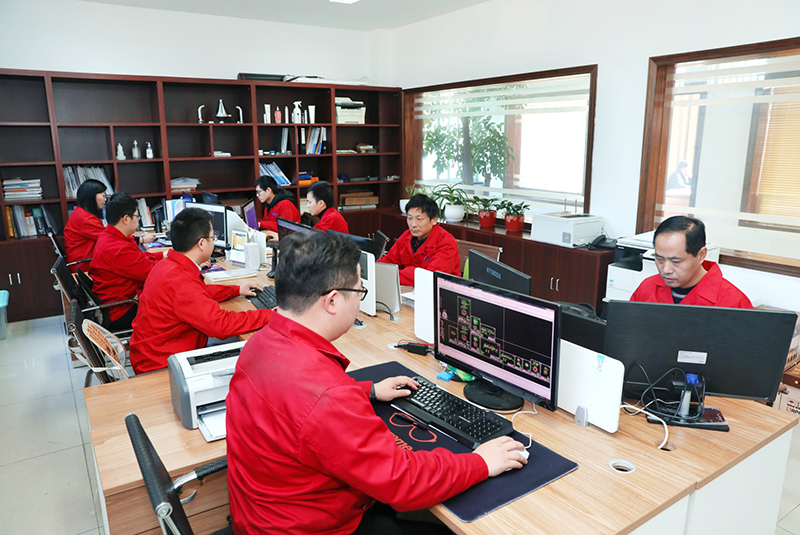
Our engineering philosophy is built on four core pillars: Stable, Reliable, Precise, and Intelligent. By integrating European design standards with cost-efficient Chinese manufacturing, we provide high-performance systems that offer an excellent return on investment. Our dedicated service teams offer overseas installation support, commissioning, and lifecycle maintenance to ensure continuous uptime.
Engaged in the chemical machinery industry, establishing core technical foundations.
Guangzhou Sina Cosmetics Engineering Equipment Co., Ltd. was established to scale up machinery manufacturing.
Established Hong Kong Hantao International Investment Co., Ltd. to initiate international trade pathways.
Gaoyou Sina Chemical Machinery Equipment Factory was established; renamed Guangzhou company to Guangzhou Sina Chemical Machinery Co., Ltd.
Established Gaoyou Sina Light Industry Machinery Equipment Factory to expand local industrial supply lines.
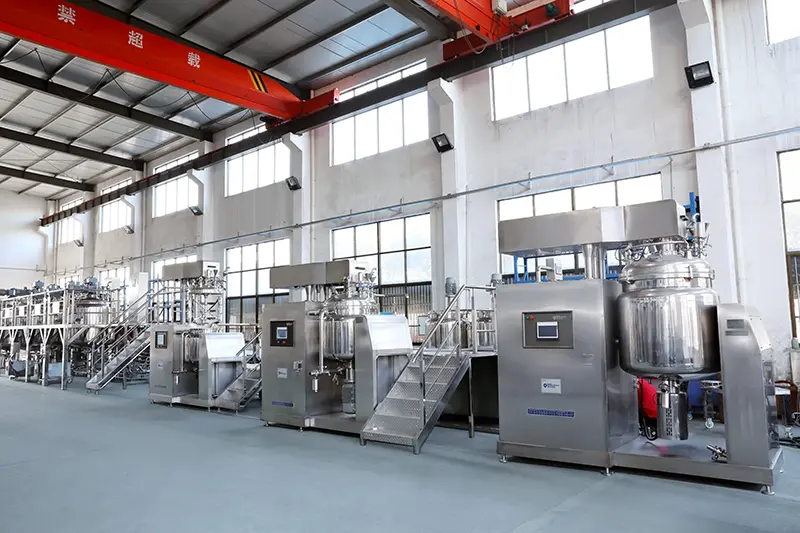
Purchased 10,000 square meters of land in Gaoyou; the new processing plant, SINA EKATO CHEMICAL MACHINERY CO., LTD (GAOYOU CITY), was put into operation.
Established Yangzhou Hantao Chemical Machinery Co., Ltd. to specialize in high-capacity vessel fabrications.
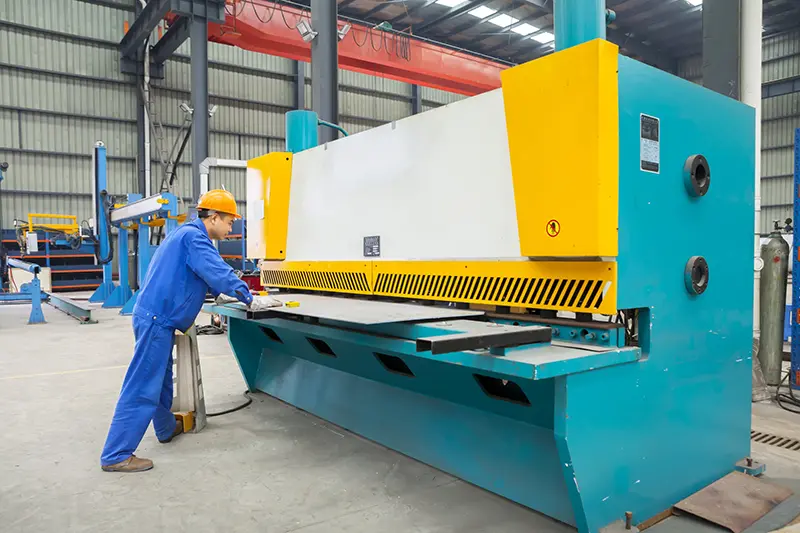
Acquired Guangzhou Jingcheng Machinery; set up a large exhibition center and launched direct export sales routes.
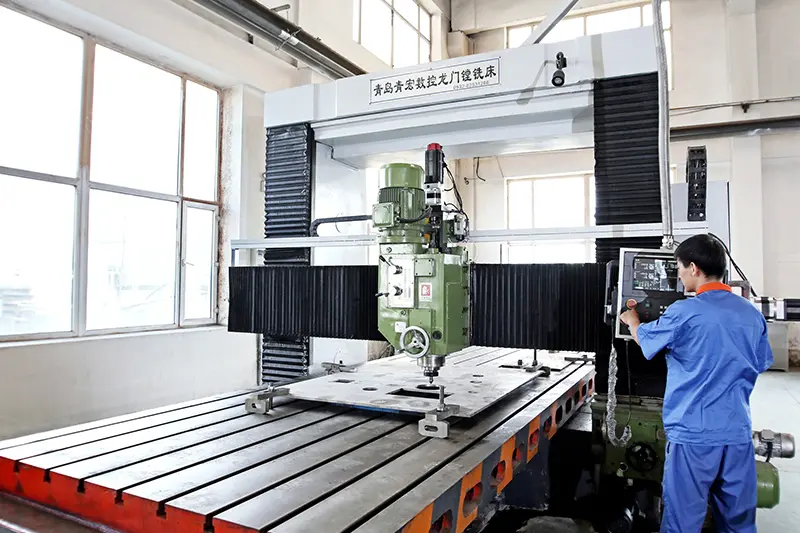
Original Guangzhou company officially renamed to Guangzhou SINAEKATO Chemical Machinery Co., Ltd.
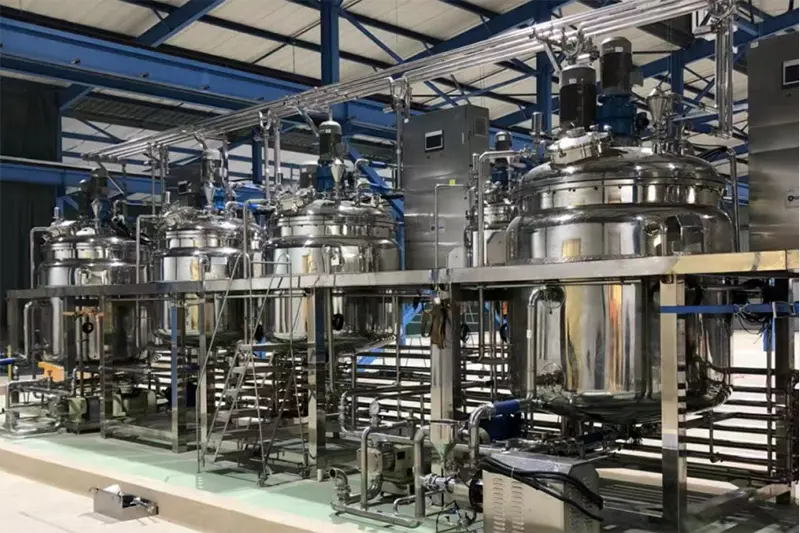
Acquisition of Guangzhou Suogao Machinery Equipment Co., Ltd., strengthening industrial blending lines.
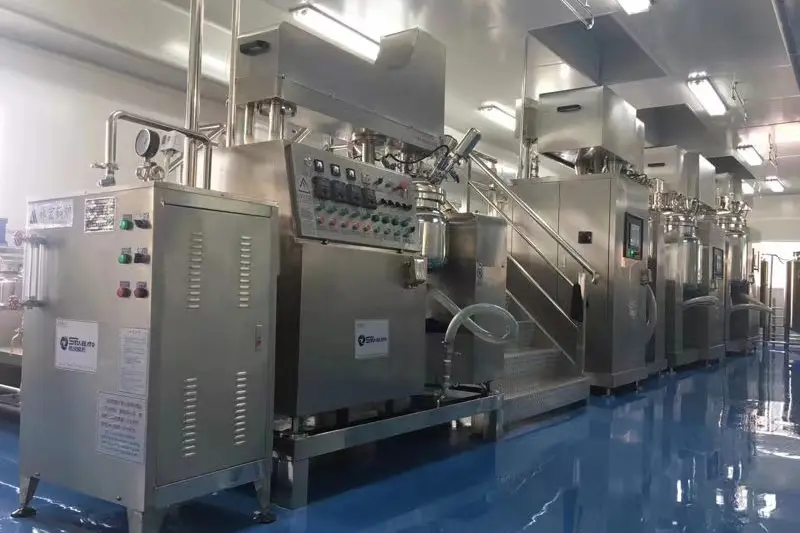
SINA EKATO CHEMICAL MACHINERY CO., LTD (GAOYOU CITY) designated as Production, Sale & After-sale service Headquarter.
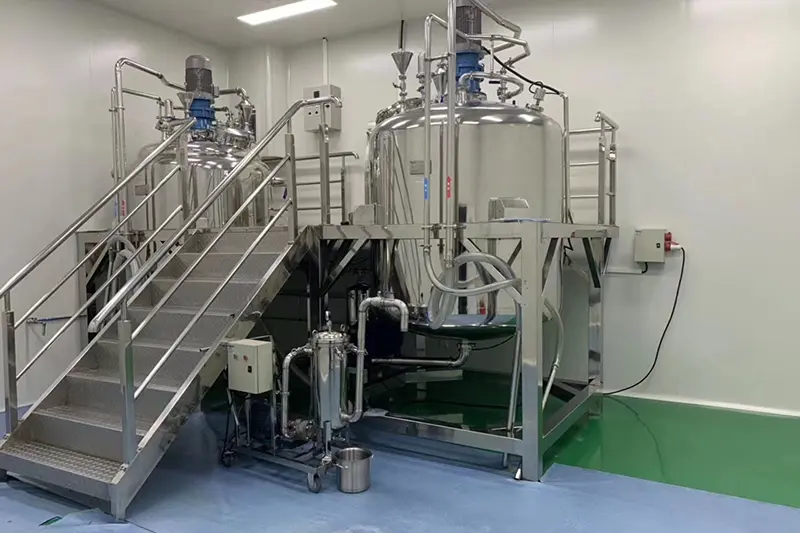
Established SINA EKATO Equipment (Jiangsu) Co., Ltd. to foster advanced foreign technology collaborations.
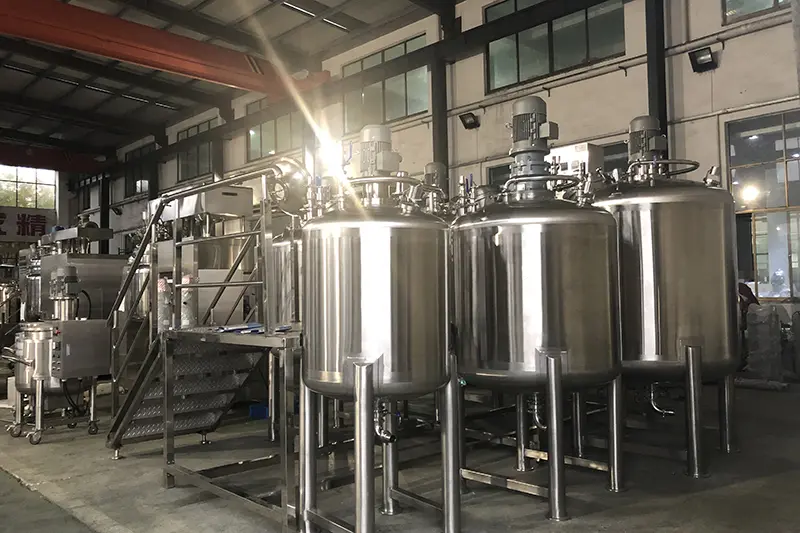
Collaborated with European firm FLEMAC to establish Germany SINAEKATO Group Co., Ltd., upgrading engineering designs.
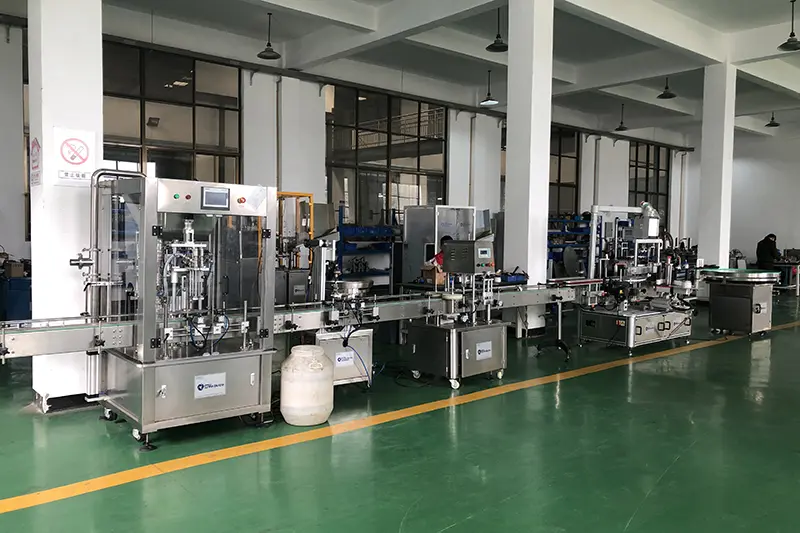
Cooperated with Unilever South Africa on a $800,000 cosmetic plant project, and with Shiseido OEM on a $1,500,000 project.
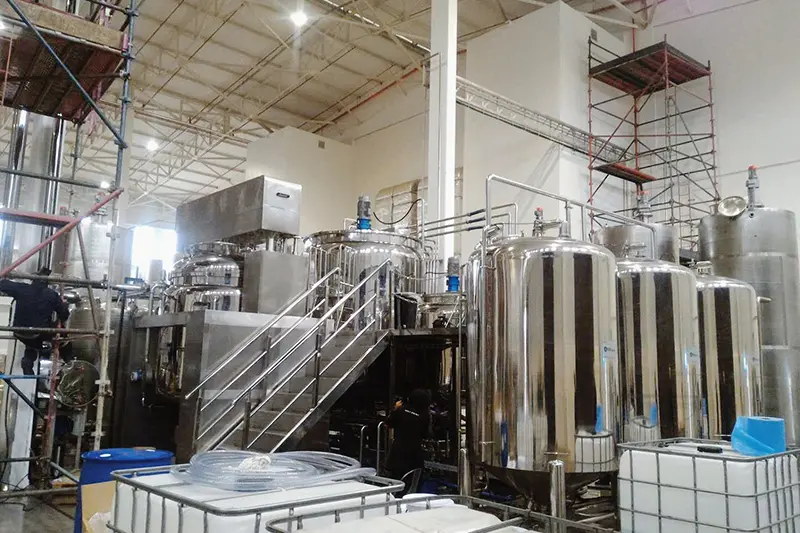
Cooperated on a major liquid-washing project in Japan, securing a $1,000,000 order.
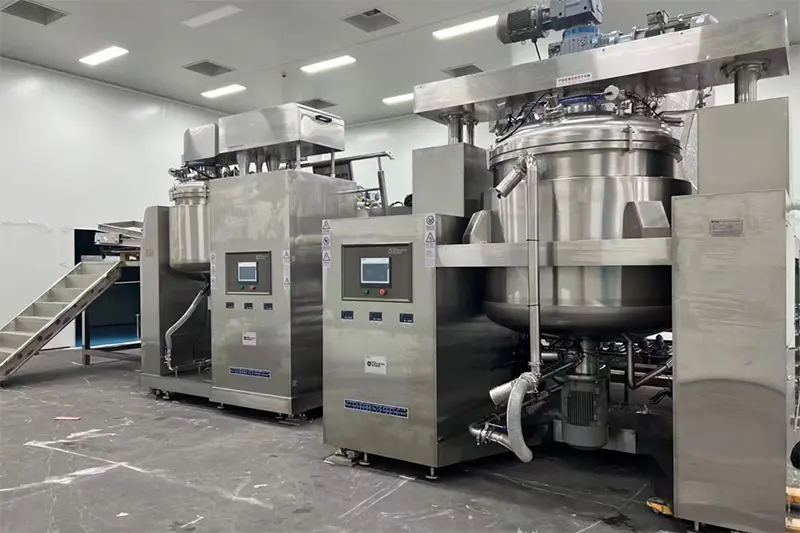
Exporting machinery to regions with strict regulatory frameworks, such as the EU and North America, requires adherence to international standards. SINAEKATO systems are built to meet these compliance requirements:
All automated and semi-automated machinery lines conform to EU machinery, low voltage, and electromagnetic compatibility directives.
From raw steel receipt to final hydro-testing, our manufacturing processes are audited and certified to ISO 9001:2015 standards.
For hazardous area installations, we offer ATEX and Class 1 Division 1 compliant motors, junction boxes, and instrumentation systems.
 Sina Ekato