Custom Three-Roller Grinding Mill Manufacturer & Factories

Pioneering Ultra-Precise Dispersion & High-Shear Wet Milling Solutions for Global Chemical, Pharmaceutical, & Cosmetic Leaders

Featured Industrial Mixing & Filling Equipment

Discover our high-precision processing machinery designed to integrate seamlessly with custom three-roller grinding mills for comprehensive manufacturing workflows.
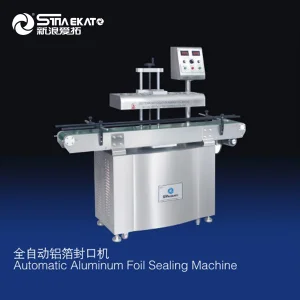
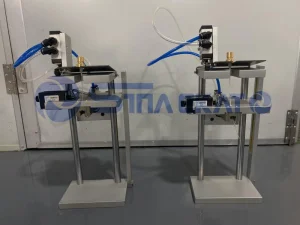
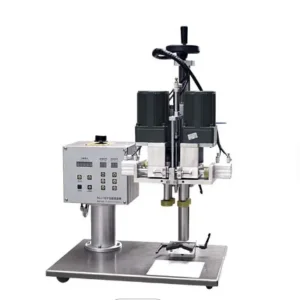
Best LBFK Automatic Manual Aluminum Foil Sealing Machine

Best LBFK Automatic Manual Aluminum Foil Sealing Machine Induction Sealer

View Manufacturer Details
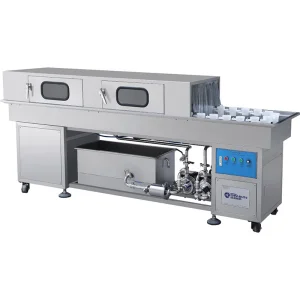
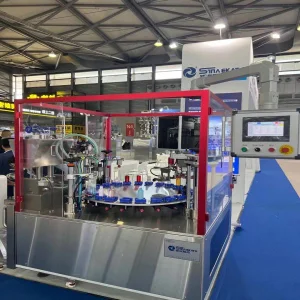
Automatic Glass PET Bottle Washer

Best Full Automatic Glass PET Bottle Rinser Washer Bottle Cleaning Equipment

View Supplier Details
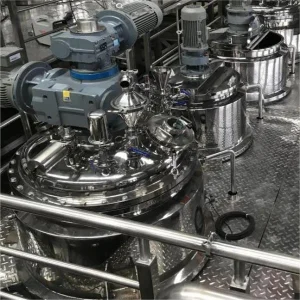
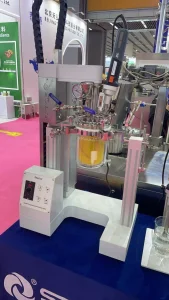
Anchor type vacuum reactor

Best Anchor Type Wall Scraping Stirring Shear Disperse Vacuum Reactor

View Engineering Specifications
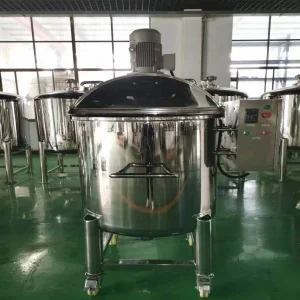
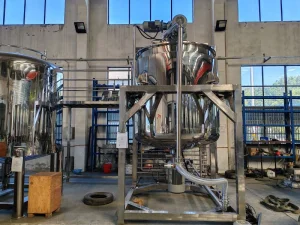
Movable Mixing Storage Tank

Discount 500L Movable Mixing Storage Tank

View Factory Direct Pricing
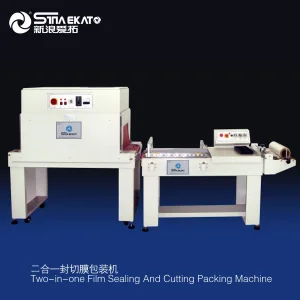
Semi Automatic wrapping machine

Custom Semi Automatic Cutting Sealing Shrinking Wrapping Machine 2 In 1 Wrapper

View Manufacturing Systems
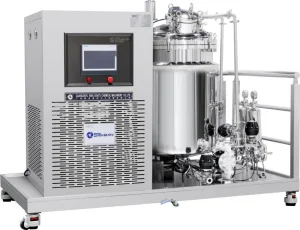
Vacuum Emulsifying Mixer

Discount Fixed Type Bottom Homogenizer Vacuum Emulsifying Mixer

View Mixer Customizations
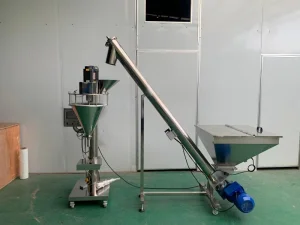
Powder Filling Machine

Discount Powder Filling Machine: Precise, Efficient, Versatile System

View Technical Performance
Constant Temperature Filling Machine

Discount Semi-automatic Vertical Constant Temperature Filling Machine

View Supplier Pricing

The Science of Three-Roller Grinding Mills in Advanced Material Dispersion

The industrial demand for fine-tuned material dispersion has entered a new era. A Three-Roller Grinding Mill (often referred to as a three-roll mill) represents the apex of wet milling technology for highly viscous materials. Unlike traditional bead mills or high-speed dispersers that rely purely on kinetic collision, the three-roll mill utilizes extremely high shear stress generated by differential speeds and narrow gaps between three horizontally positioned, counter-rotating rollers.

By adjusting the gaps to the sub-micron scale, materials are forced through progressive shear fields, breaking down agglomerates of pigments, metal oxides, cosmetics, and electronics pastes with unmatched consistency. This process is essential for achieving a homogenous mixture without destroying delicate particulate structures, making it the preferred method for producing high-tech electronic conductive pastes, cosmetic foundation slurries, dental composites, and pharmaceutical ointments.
  • Sub-Micron Control: Precision mechanical or hydraulic gaps ensure reliable particle size distribution down to the nanoscale.
  • Rheological Adaptability: Handles thixotropic and high-viscosity formulations up to several million centipoise (cP).
  • Thermal Stability: Internally cooled rollers prevent product degradation and maintain constant temperature under high shear load.
SINAEKATO Research and Development of Core Mixing Technologies

SINAEKATO: Empowering Global Factories with Custom Milling Excellence

Since 1992, SINAEKATO has been synonymous with robust engineering, strict quality control, and innovative chemical machinery configurations. We supply more than 55 countries with high-end, reliable production systems.
1992 Year Founded
30+ Years Experience
150+ Factory Staff
55 Countries Active
80% Global Premium Parts
SINAEKATO Commitment to Quality Manufacturing

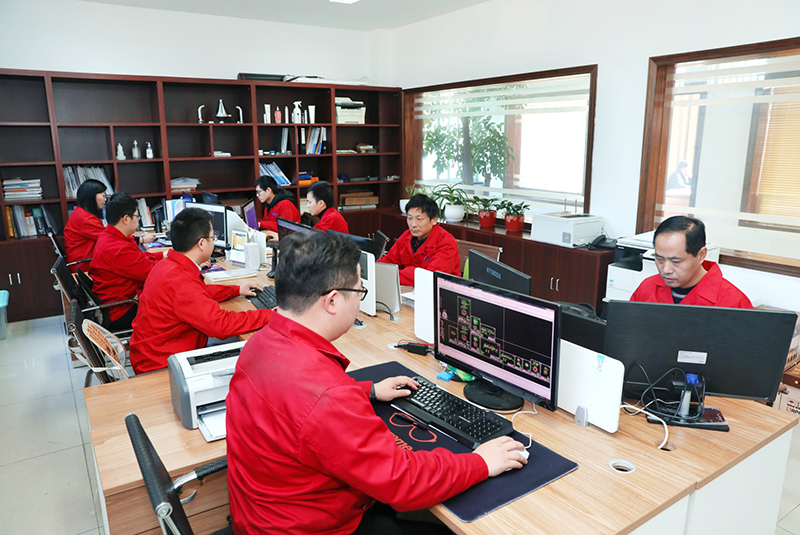
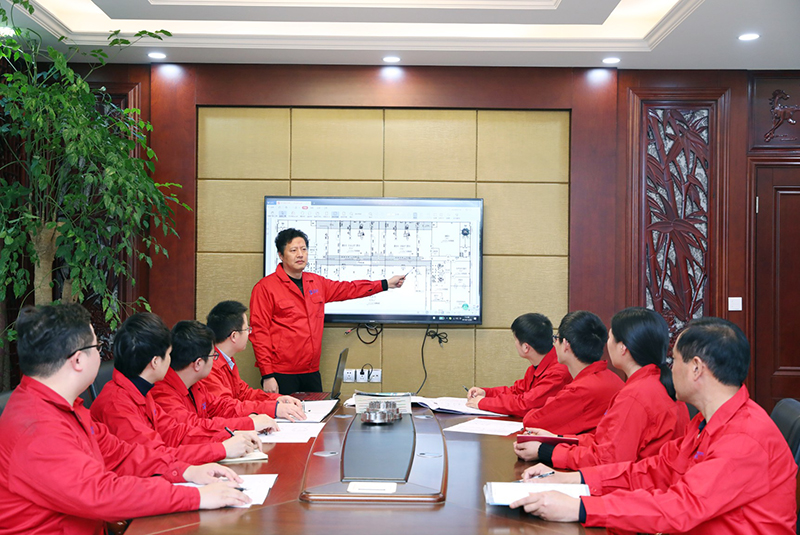
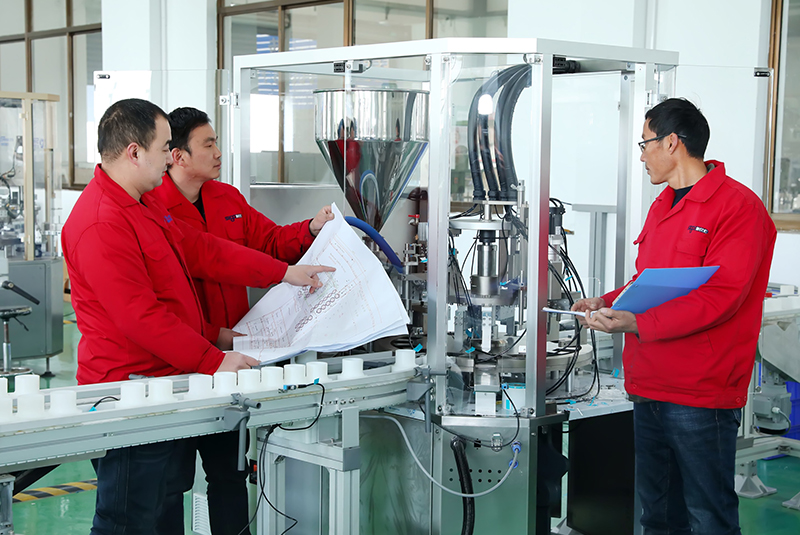
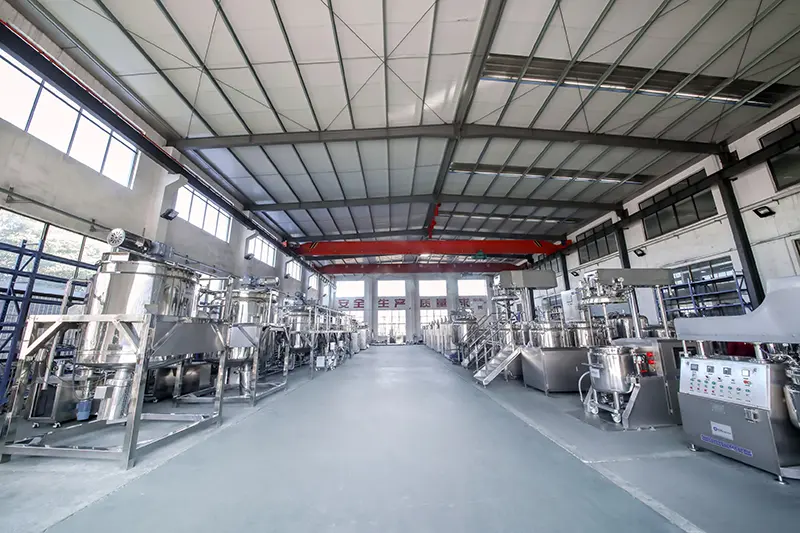
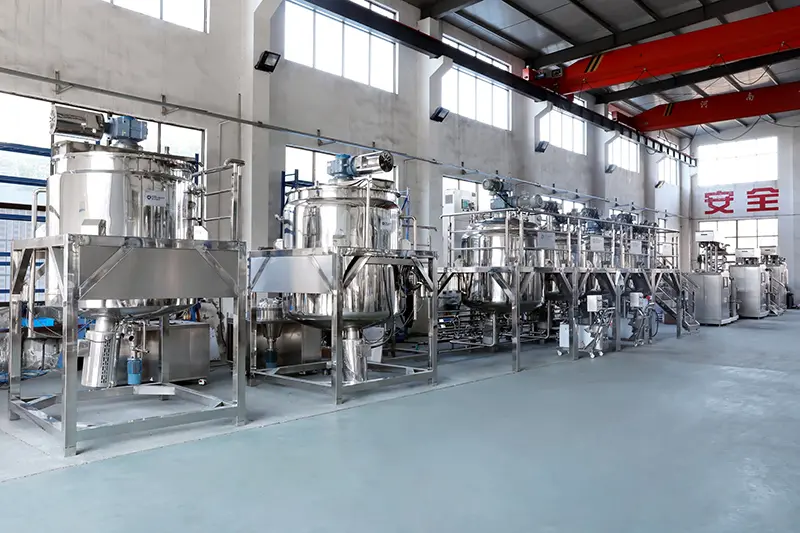
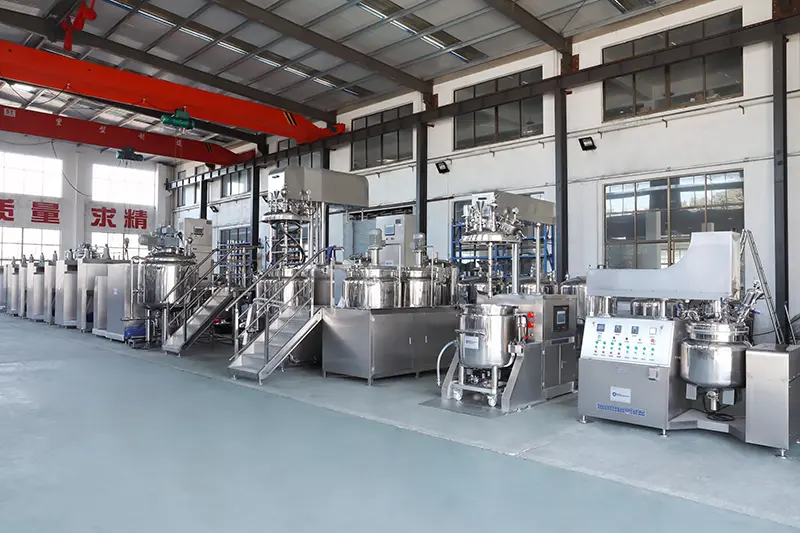
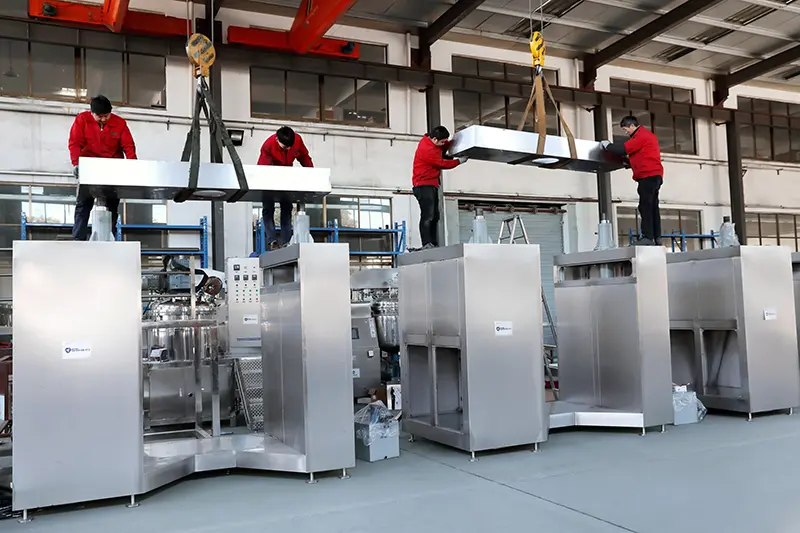
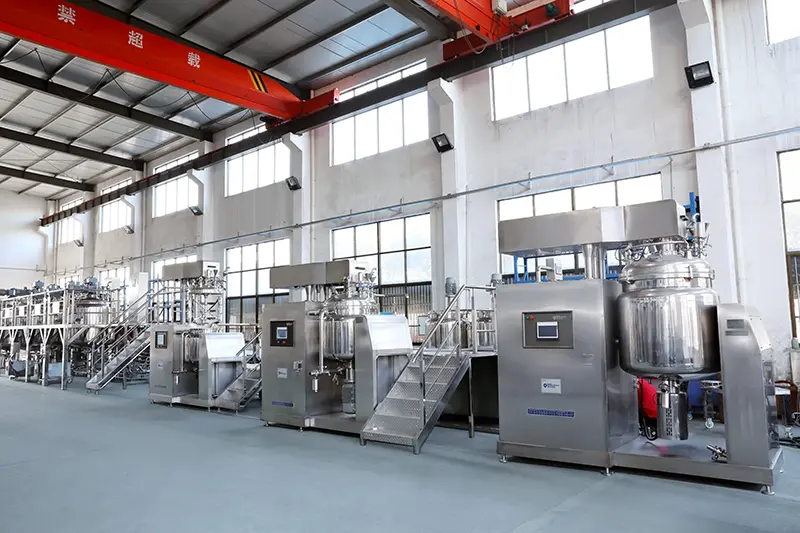
At SINAEKATO, our core philosophy is driven by the belief that "Science and Technology are the primary productive forces." Our manufacturing facility integrates advanced processing equipment, strict quality inspections, and state-of-the-art testing systems. This guarantees the excellent performance of every three-roller grinding mill, emulsifying mixer, and packing line that leaves our floors.

Over 80% of our key component parts are sourced from internationally renowned suppliers (including Omron, Siemens, ABB, and Schneider), providing our global customers with a high level of machine durability, electrical safety, and overall reliability. From custom roller materials (such as zirconia ceramics or high-alloy hardened steel) to integrated PLC automatic gap and temperature monitoring systems, we build solutions tailored specifically to the chemical properties of your formulations.

Key Technological Developments in Modern Roll Milling

As manufacturing moves toward Industry 4.0, roll milling systems are evolving. Explore the key advancements shaping the future of global wet grinding factories.

Zirconia & Ceramic Roller Technology

To prevent metallic contamination in high-end electronic pastes, cosmetic foundation formulations, and biomedical materials, modern factories rely on engineered ceramic rollers (ZrO2, Al2O3, Si3N4) offering superior hardness and wear resistance.

Automatic Hydraulic Gap Positioning

Replacing manual handwheels with electronic, PLC-controlled hydraulic gap settings allows operators to input parameters directly, achieving 0.5-micron accuracy and perfect batch-to-batch processing reproducibility.

IoT Smart Control & Sensor Fusion

Real-time thermal imaging, speed sensors, and pressure strain gauges feed constant diagnostics back to centralized systems, stopping thermal runaways and predicting maintenance cycles before damage occurs.

Localized Application Scenarios & Global Industry Trends

Different industrial landscapes present distinct manufacturing challenges. SINAEKATO designs processing systems to meet localized regulatory standards and operational needs across diverse geographic markets:

  • North American Aerospace & Electronics: Precise dispersion of conductive silver, gold, and carbon nanotube pastes. Requires strict compliance with UL/CSA standards and high structural durability.
  • European Premium Cosmetics & Pharmaceuticals: GMP-compliant design with mirror-polished surfaces, clean-in-place (CIP) setups, and ceramic materials to prevent skin-irritating contamination.
  • Asian Chemical & Ink Industrial Clusters: High-throughput, automated three-roller mills integrated with multi-vessel mixing plants to satisfy rapid paint and coating manufacturing demands.

By offering customized scraper configurations, specialized roller cooling/heating manifolds, and chemical-resistant elastomer seals, we ensure that our mills handle aggressive solvents, abrasives, and delicate formulations safely and effectively.
SINAEKATO Global Standards and Premium Component Integration

Beyond Milling: Turnkey Macro Industry Solutions

SINAEKATO Welcome Cooperation - Turnkey Production Lines

A three-roller mill rarely operates in isolation. Maximum efficiency is achieved when the mill is part of a synchronized production line. SINAEKATO specializes in designing and installing end-to-end processing systems that minimize material handling, limit human error, and keep throughput stable.

We configure production systems starting with raw material handling and water purification (RO Series Water Treatment), moving through vacuum emulsifying mixers, onto three-roller grinding mills for final pigment/viscosity adjustments, and finishing with automated storage, bottling, capping, labeling, and packing machinery.

Whether you are setting up a premium cosmetic line (lipsticks, eyeliners, creams), a pharmaceutical gel factory, or a high-end coating plant, choosing SINAEKATO means securing expert technical support, responsive service, and robust engineering at every step of your process.

SINAEKATO Corporate History & Milestones

Our journey of innovation, engineering excellence, and global expansion spans over three decades.

1988

First engaged in the chemical machinery industry, building the foundation of engineering expertise.
1988 chemical machinery industry
1998

Guangzhou Sina Cosmetics Engineering Equipment Co., Ltd. was established to focus on cosmetic machinery.
1998 Guangzhou Sina Cosmetics
1999

Established Hong Kong Hantao International Investment Co., Ltd. to facilitate overseas expansion.
1999 HK Hantao
2000

Gaoyou Sina Chemical Machinery Equipment Factory founded. Guangzhou Sina renamed to Guangzhou Sina Chemical Machinery Co., Ltd.
2000 Gaoyou Sina Factory
2001

Established Gaoyou Sina Light Industry Machinery Equipment Factory to scale up local production capabilities.
2001 Light Industry Factory
2006

Purchased 10,000 square meters of land in Gaoyou. A new processing plant was commissioned under SINA EKATO CHEMICAL MACHINERY CO., LTD.
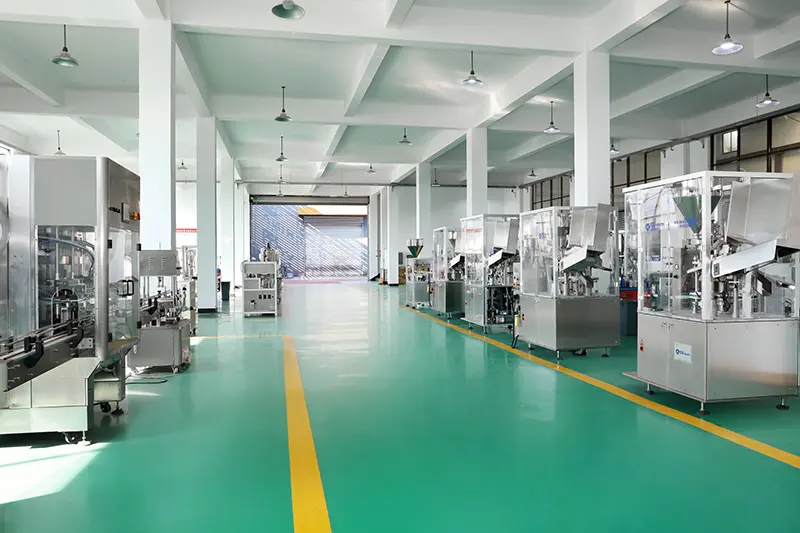
2006 Gaoyou expansion
2007

Established Yangzhou Hantao Chemical Machinery Co., Ltd. to expand localized manufacturing output.
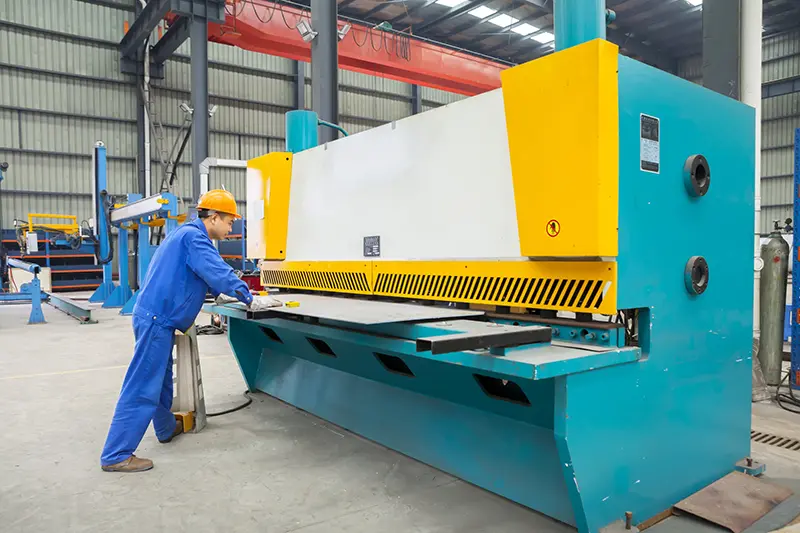
2007 Yangzhou Hantao
2008

Acquisition of Guangzhou Jingcheng Machinery; built a large product exhibition center and established international export routes.
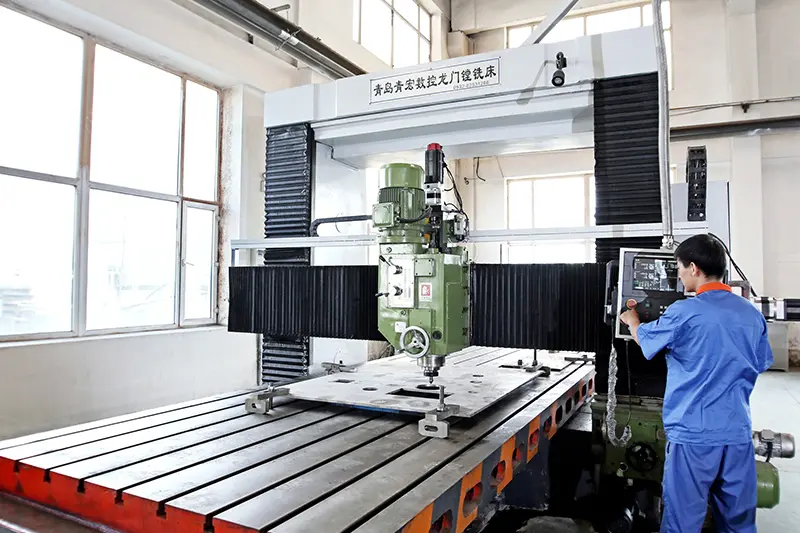
2008 Jingcheng Acquisition
2009

Reorganized and officially renamed to Guangzhou SINAEKATO Chemical Machinery Co., Ltd. as brand identity unified.
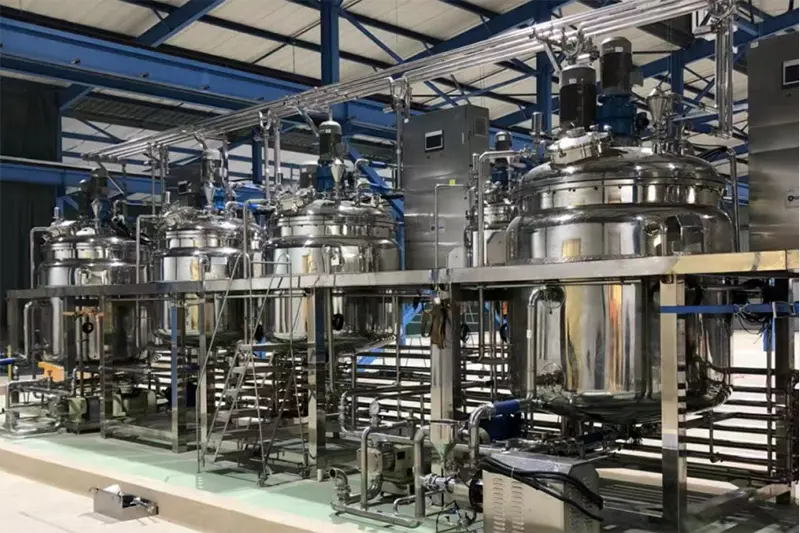
2009 SINAEKATO name
2011

Acquired Guangzhou Suogao Machinery Equipment Co., Ltd. to strengthen design and engineering talent.
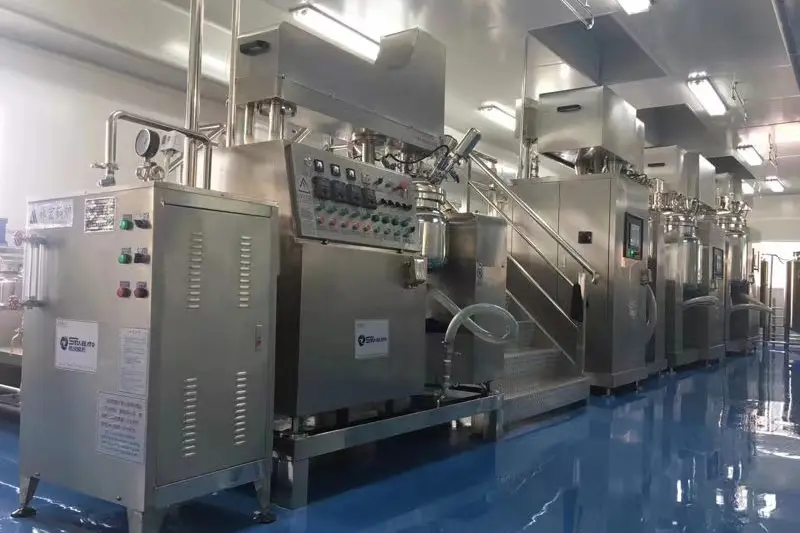
2011 Suogao Acquisition
2013

Set SINA EKATO Chemical Machinery Co., Ltd (Gaoyou City) as the Production, Sales, and After-Sales Headquarter.
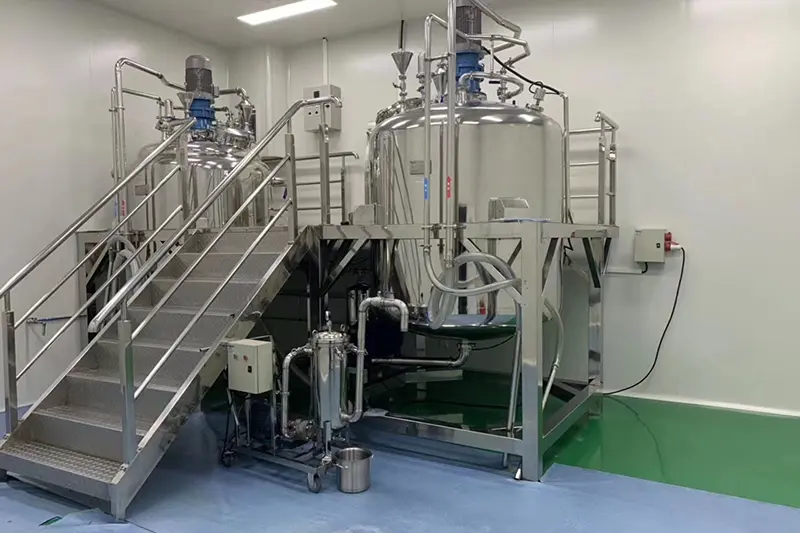
2013 Gaoyou HQ
2015

Established SINA EKATO Equipment (Jiangsu) Co., Ltd. to manage expanding foreign machinery collaborations.
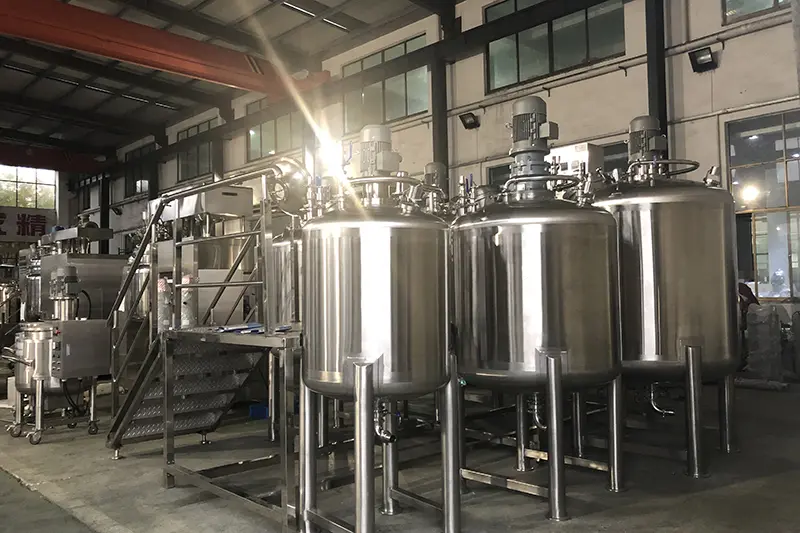
2015 SINA EKATO Equipment
2017

Partnered with European brand FLEMAC to establish Germany SINAEKATO Group Co., Ltd. for engineering advancements.
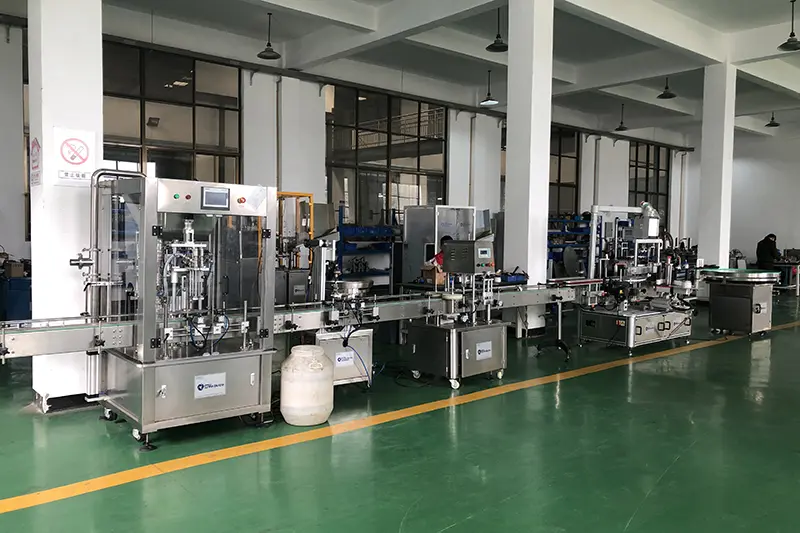
2017 Germany group partnership
2018

Completed an $800,000 cosmetic system project for South Africa Unilever and a $1,500,000 system for Japan SK-II / Shiseido OEM.
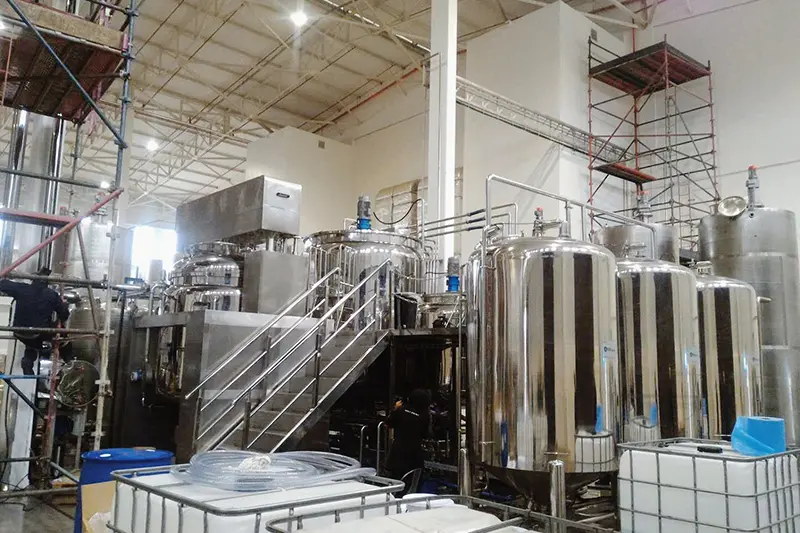
2018 Major Brand partnerships
2021

Delivered a custom $1,000,000 liquid-washing detergent system for a leading Japanese manufacturer.
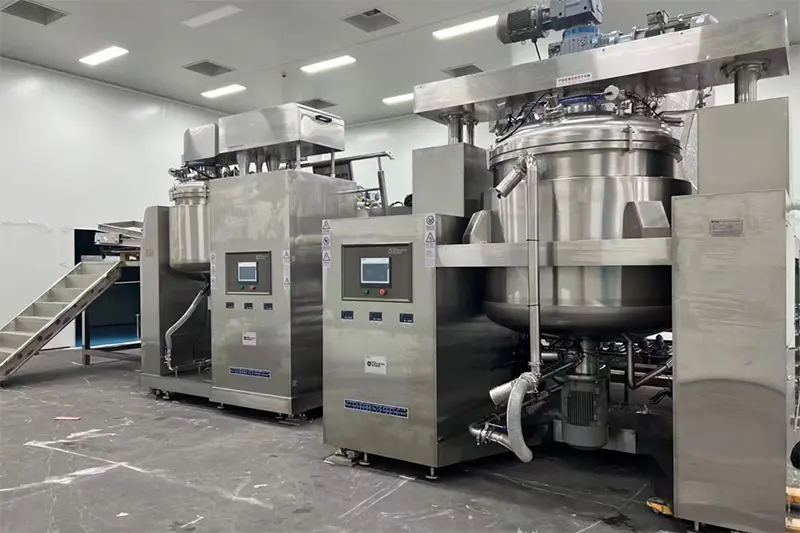
2021 Japanese customer project

Industrial Three-Roller Grinding Mills: FAQ

Technical answers to key questions about three-roller mill operation, selection, and customization.

1. What materials are best processed on a three-roller mill?
Three-roller mills excel with high-viscosity materials and pastes, including thick cosmetic foundations, dental composites, ceramic pastes, silver conductive pastes, lithographic inks, ointments, and pigment dispersions. If a mixture is too viscous for high-speed dispersers or bead mills, a three-roll mill is typically the ideal solution.
2. Why choose ceramic (zirconia or alumina) rollers over alloy steel?
Ceramic rollers are highly recommended for applications requiring zero metal contamination. In cosmetic foundations and electronics pastes, metal particles from steel wear can cause color shifts or short circuits. Zirconia (ZrO2) and alumina (Al2O3) rollers prevent this contamination while offering high chemical resistance and wear performance.
3. How is temperature controlled during high-shear operations?
The shear force in a three-roll mill generates friction heat, which can damage heat-sensitive polymers, cosmetics, or pharmaceutical compounds. To prevent this, SINAEKATO designs rollers with internal cooling channels. Water or chilled glycol is circulated inside the rollers to regulate surface temperatures.
4. What is the difference between mechanical and hydraulic gap adjustment?
Mechanical adjustments use handwheels and spring tension, requiring skilled operators to balance pressure by feel. Hydraulic gap adjustments utilize electronic sensors and actuators controlled via a PLC touchscreen. This allows the operator to set precise gap targets (down to 0.5 microns) for high batch-to-batch consistency.
5. Can three-roller grinding mills handle nanoparticles?
Yes. While they do not break primary chemical bonds, three-roll mills are highly effective at deagglomerating nanoparticle clusters. The high shear force overcomes the strong Van der Waals forces holding nanoparticles together, resulting in uniform dispersions.
6. How does SINAEKATO ensure operator safety?
Safety is a top priority. Our mills include pull-cord safety switches, emergency stop buttons, physical roller guards, and auto-reverse functions to prevent operator injury. Explosive ink or paste formulations can also be accommodated with full ATEX explosion-proof configurations.
7. How does the scraper design affect product recovery?
The scraper knife (or apron blade) is positioned against the apron roller to scrape off the processed paste. SINAEKATO offers custom scrapers made from engineering plastics, copper, or hardened steel. Proper alignment and knife angle are key to ensuring complete material discharge and reducing product waste.
8. What parameters are crucial for optimizing dispersion quality?
Optimizing the milling process relies on three key parameters: the gap size between rollers (which determines shear rate), the rotational speed ratio (differential speed), and temperature control. Maintaining a consistent feed rate across the width of the rolls is also essential to prevent uneven wear and maintain uniform dispersion.

Explore Our Supporting Processing Machinery

Review our additional production equipment designed to work alongside custom three-roller mills to complete your production workflow.

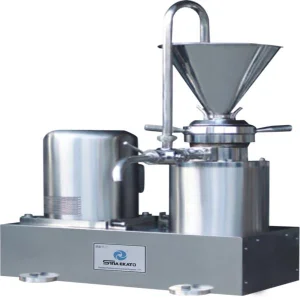
CE Certification Colloid Mill

CE Certification Movable Operation Stand Colloid Mill

View Factory Specifications
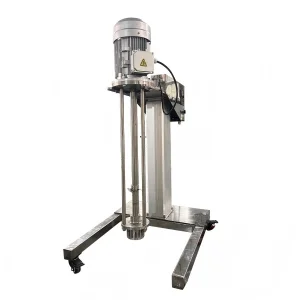
Custom Mobile High shear emulsifying

Custom Mobile High Shear Emulsifying System

View Supplier Details
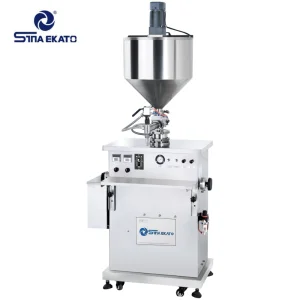
CE Certification Cream Filling Machine

CE Certification Cream Filling Machine

View Packaging Machinery
Custom Perfume pump cutting machine

Custom Perfume Pump Head Pipe V or Oblique Cutting Machine

View Cutting Equipment
Custom PME-4000L Liquid Shampoo Making Machine

Custom PME-4000L Liquid Shampoo Detergent Cleanser Making Machine

View Manufacturer Spec Sheet
Automatic Mascara Nail Polish Filling Machine

Discount SM-400 High Production Full Automatic Mascara Nail Polish Filling Line

View Factory Customizations
Stainless steel mixing chilling machine

Best 300L Stainless Steel Brightening Mixing and Chilling Machine

View System Details
Semi-auto Bottle Capping Machine

CE Certification Table Type Semi-auto Bottle Capping Screw Cap Sealing Machine

View Machine Quote