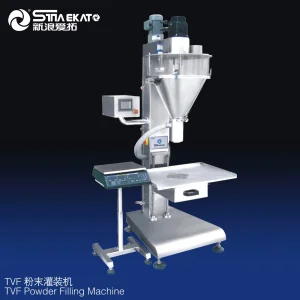
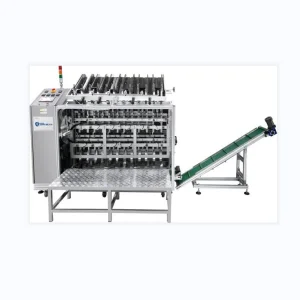
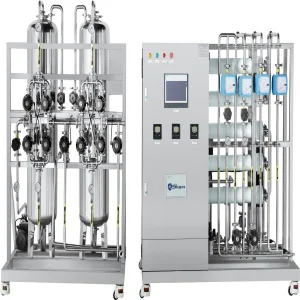
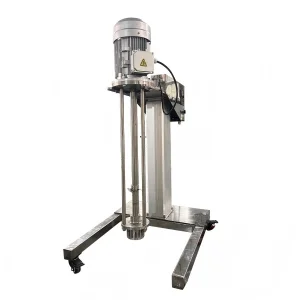
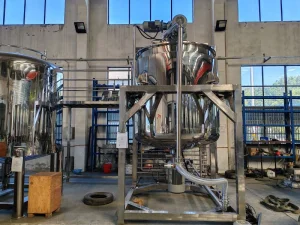
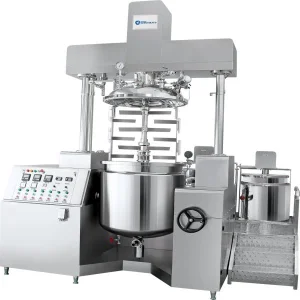
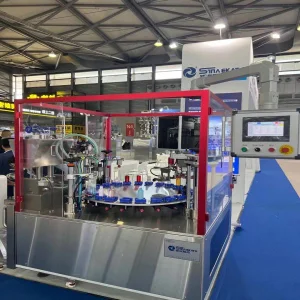
Explore our state-of-the-art machinery engineered for top-tier skincare, chemical, and general packaging applications.
In modern manufacturing ecosystems, the demand for modular, robust, and cost-effective secondary packaging systems has catalyzed significant innovation. At the heart of this shifting paradigm sits the Semi-Automatic Cutting Sealing Shrinking Wrapper. Operating as a critical link between manual batch assembly and fully continuous automation, these systems enable businesses to significantly optimize their throughput without assuming the prohibitive capital expenditure (CapEx) associated with fully automated lines.
The transition from traditional L-bar manual sealers to pneumatically-assisted semi-automatic cutting and sealing mechanisms guarantees consistent seam pressure and uniform thermal application. This eliminates weak sealing seams and structural defects across common shrinkable substrates like Polyolefin (POF), Polyvinyl Chloride (PVC), and Polyethylene (PE).
Energy efficiency is a key design driver. Modern shrink wrappers incorporate recirculating hot air technology within the heating tunnel, leveraging PID controllers for heat regulation. This minimizes heat dissipation, reducing overall carbon footprints and operating expenditures (OpEx).
Semi-automatic equipment bridges human physical operation and raw automated force. Consequently, safety architectures have evolved. Photoelectric sensors, anti-cutting safety guards on sealing jaws, and dual-hand control systems prevent workplace injuries while maintaining continuous operations.
Born in 1992, SINAEKATO has grown to become a cornerstone of chemical, pharmaceutical, cosmetic, and packaging machinery in China. With over 30 years of manufacturing experience, we have committed ourselves to translating engineering excellence into reliable manufacturing realities.
Our core technical expertise spans specialized mixing, emulsifying systems, filling line solutions, and robust secondary packaging systems like the Semi-Automatic Cutting Sealing Shrinking Wrapper.
By designing machines that prioritize stability, reliability, precision, and intelligence, we empower manufacturers globally to achieve unparalleled operational efficiency. Over 80% of our key mechanical and pneumatic components are sourced from globally renowned brands, ensuring international standards of performance and mechanical longevity.
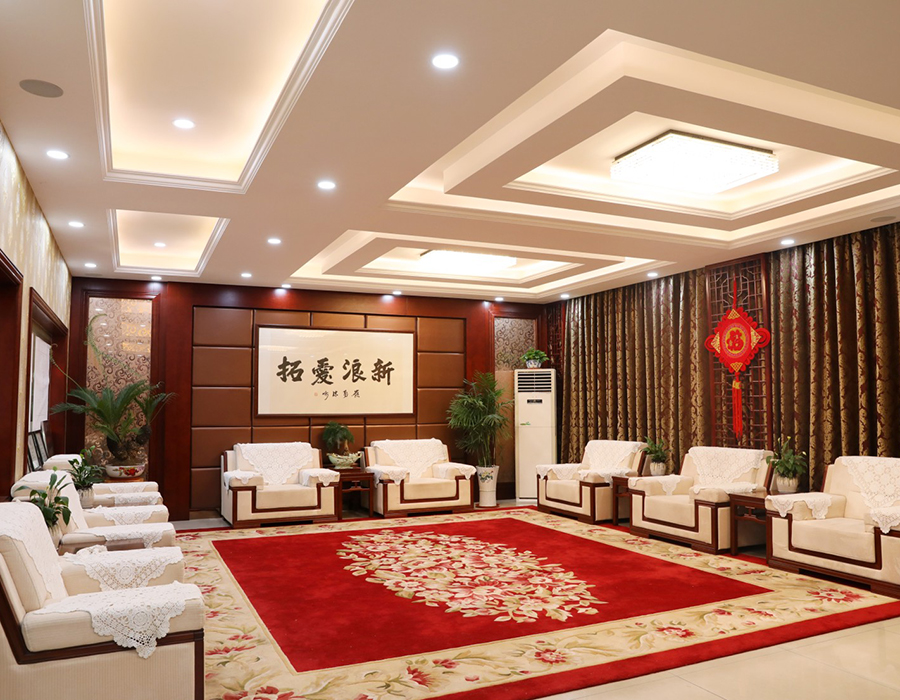
Science and Technology are the primary productive forces. We continuously strengthen our core technical competencies, maintaining a strict quality management regime and precise testing processes to ensure every piece of machinery runs flawlessly in production environments.
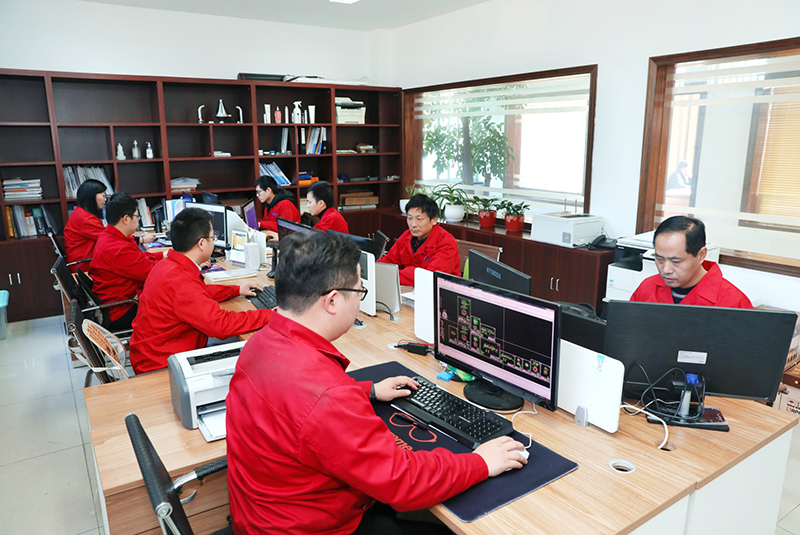
Each machine undergoes stringent performance evaluation and heat-cycle stress testing prior to export dispatch.
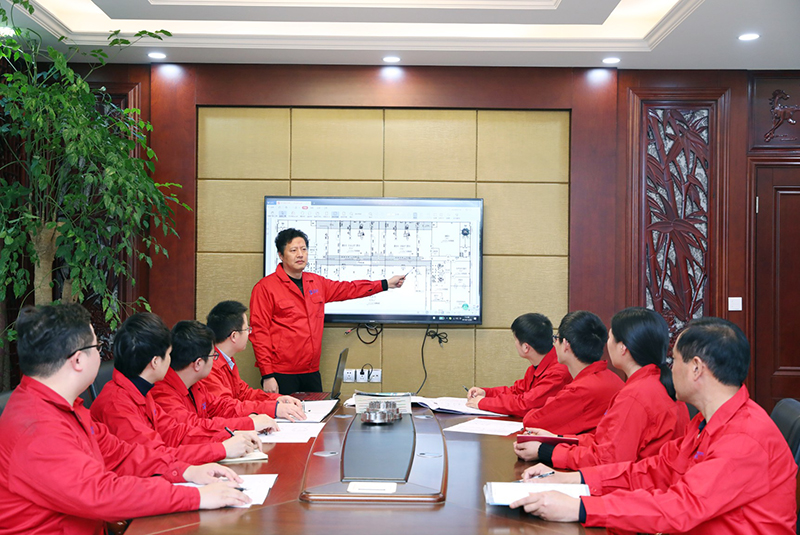
Developing "LET THE WORLD KNOW MADE IN CHINA" by delivering robust, long-term machinery and services to the international manufacturing community.
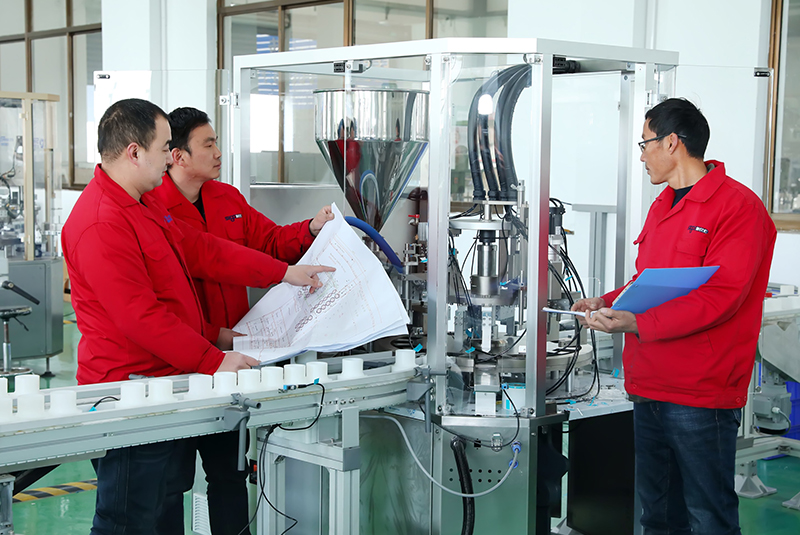
80% of main component structures are provided by world-famous suppliers, ensuring easily accessible replacement parts globally.
For procurement managers and packaging engineers operating in FMCG, pharmaceutical, and cosmetics industries, sourcing a Custom Semi Automatic Cutting Sealing Shrinking Wrapper Manufacturer involves balancing multi-dimensional parameters. Procurement is not merely about finding a machine vendor; it is about securing production stability, safety, and equipment adaptability.
Global production lines handle varying SKU shapes and sizes. Shrinking wrappers must support fast changeovers. Features like adjustable L-bar sealers, modular film loading racks, and variable tunnel heights are crucial to minimizing line downtime.
With strict global sustainability guidelines, wrappers must handle ultra-thin POF and recycled films. Advanced temperature profile controllers prevent film tearing, ensuring clean seals and minimizing plastic waste on the factory floor.
The wrapper must align with upstream primary lines—such as vacuum emulsifiers, liquid filling machines, and labeling setups. SINA EKATO's portfolio provides a unified upstream-to-downstream system to ensure smooth workflow handoffs.
Tracing the evolution of SINA EKATO from a localized chemical machinery fabricator to an internationally trusted engineering brand.
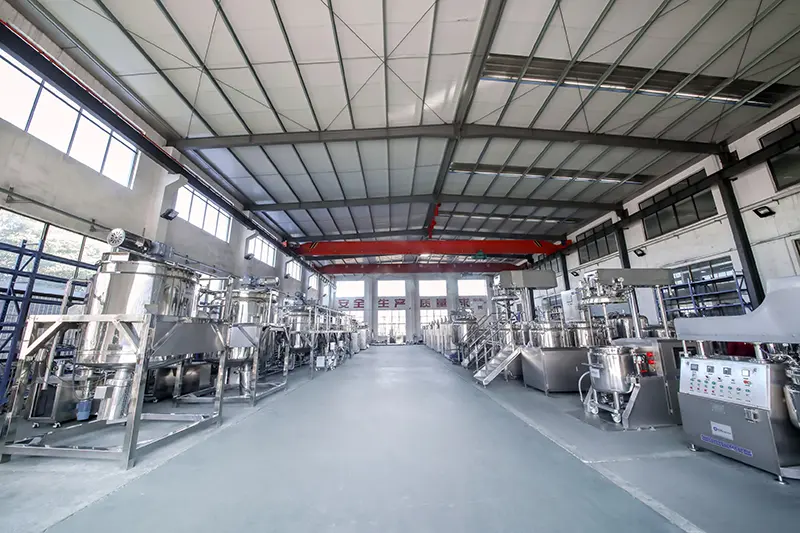
Engaged in the chemical machinery industry and laid down engineering foundation.
Guangzhou Sina Cosmetics Engineering Equipment Co., Ltd. was established.
Established Hong Kong Hantao International Investment Co., Ltd. for global expansion.
Gaoyou Sina Chemical Machinery Equipment Factory established; Guangzhou corporate office renamed.
Established Gaoyou Sina Light Industry Machinery Equipment Factory to expand production footprint.
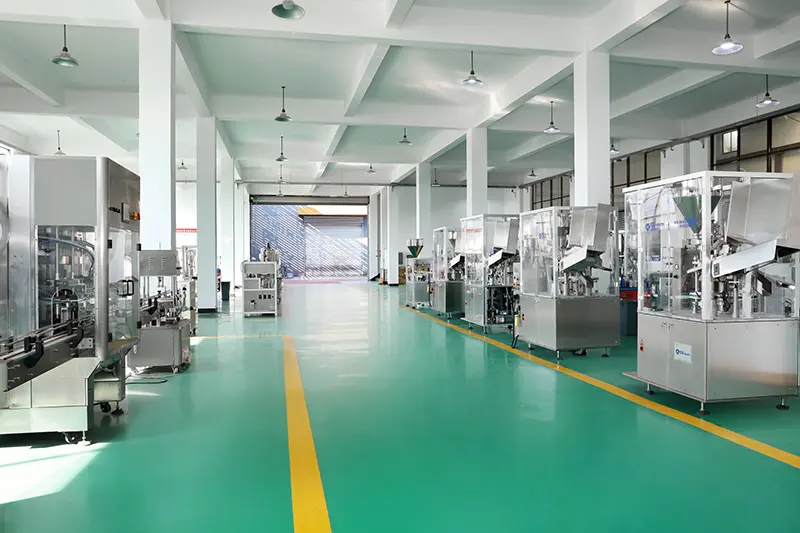
Purchased 10,000 sqm processing plant in Gaoyou: SINA EKATO CHEMICAL MACHINERY CO., LTD.
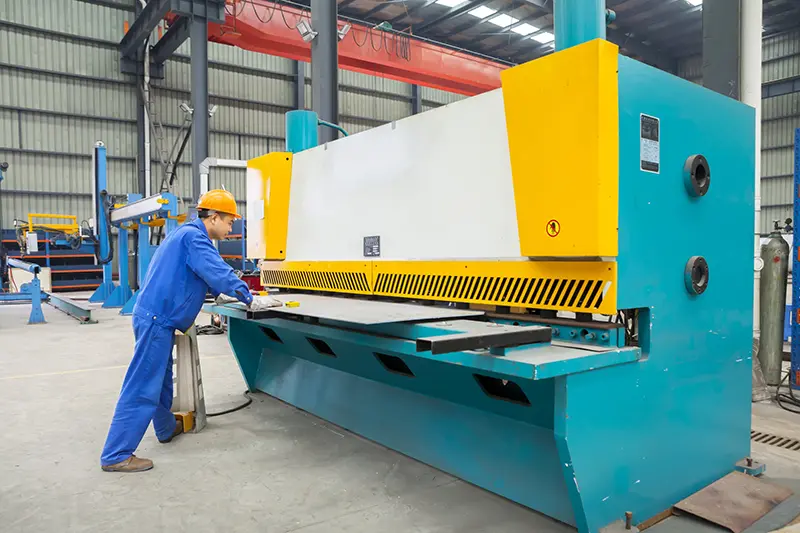
Established Yangzhou Hantao Chemical Machinery Co., Ltd. for enhanced manufacturing logistics.
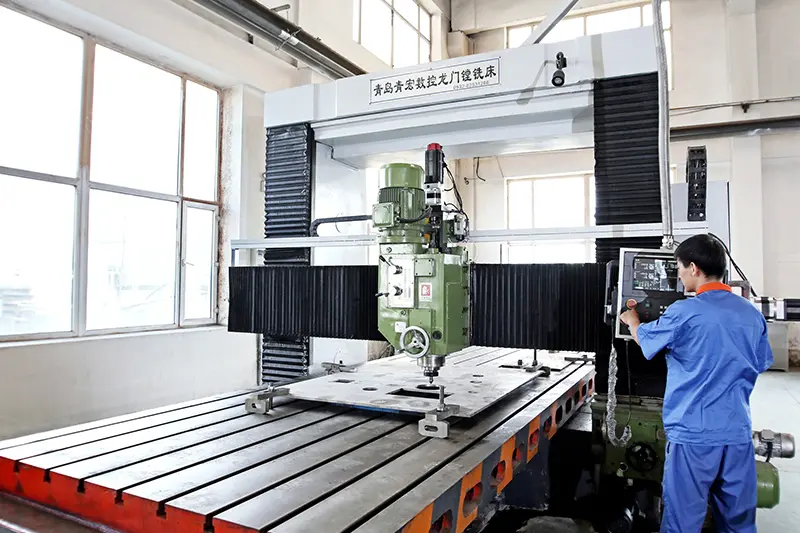
Acquired Guangzhou Jingcheng Machinery; built a large exhibition center and launched export routes.
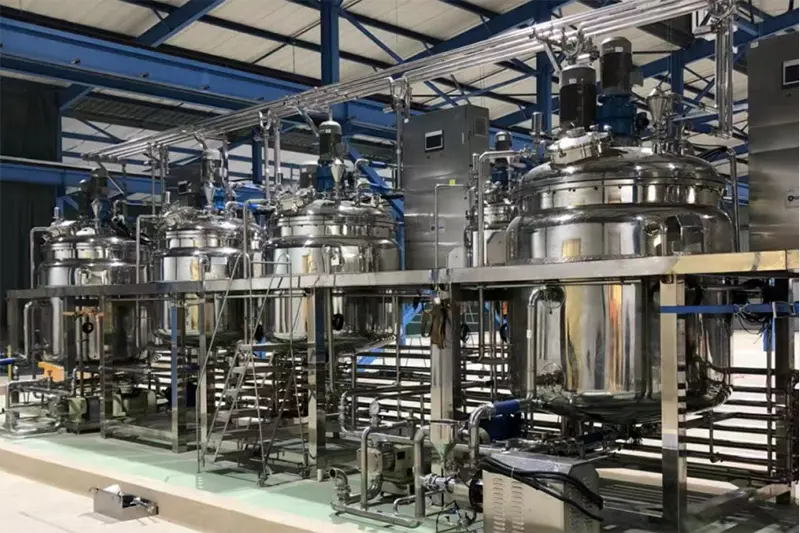
Original Guangzhou Sina entity officially renamed to Guangzhou SINAEKATO Chemical Machinery Co., Ltd.
Acquired Guangzhou Suogao Machinery Equipment Co., Ltd. to capture more high-end engineering sectors.
Gaoyou Factory consolidated as Headquarter for global production, sales, and after-sales service.
Established SINA EKATO Equipment (Jiangsu) Co., Ltd. focusing on foreign technological cooperation.
Partnered with European brand FLEMAC; established Germany SINAEKATO Group Co., Ltd.
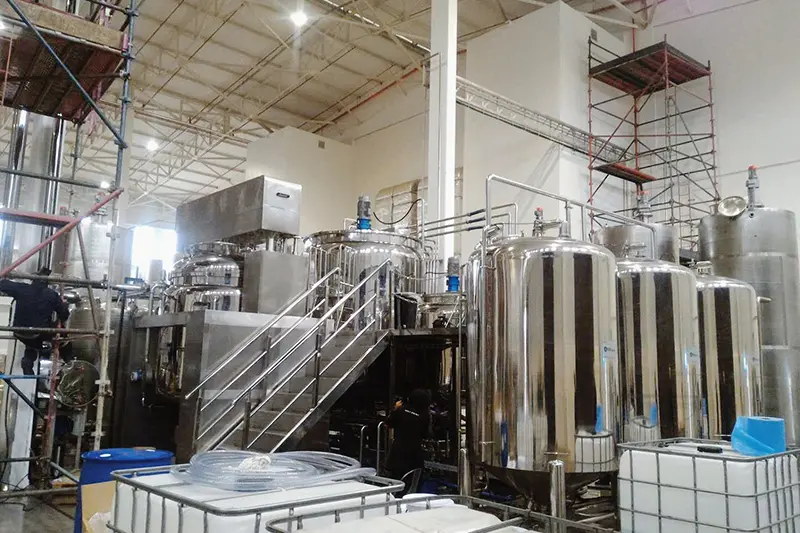
Partnered with South Africa Unilever ($800k project) and Shiseido OEM cosmetic line ($1.5M project).
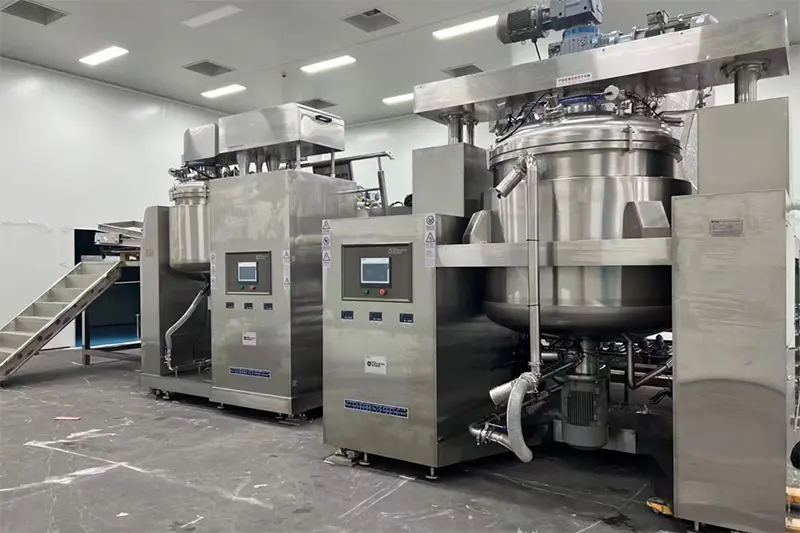
Executed large-scale detergent liquid-washing product project in Japan, exceeding $1.0M.
For modern processing facilities, a shrink wrapper does not work in isolation. The ultimate objective is a continuous, automated flow from raw chemical handling to palletized, retail-ready products. SINAEKATO addresses this holistically by integrating downstream shrink wrappers with upstream raw material processing units.
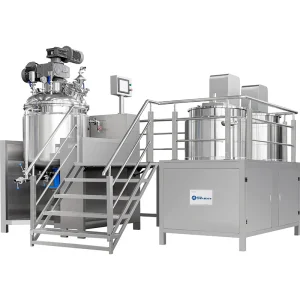
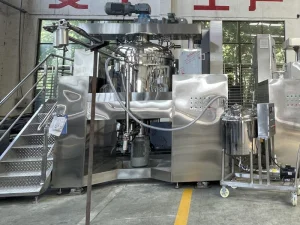
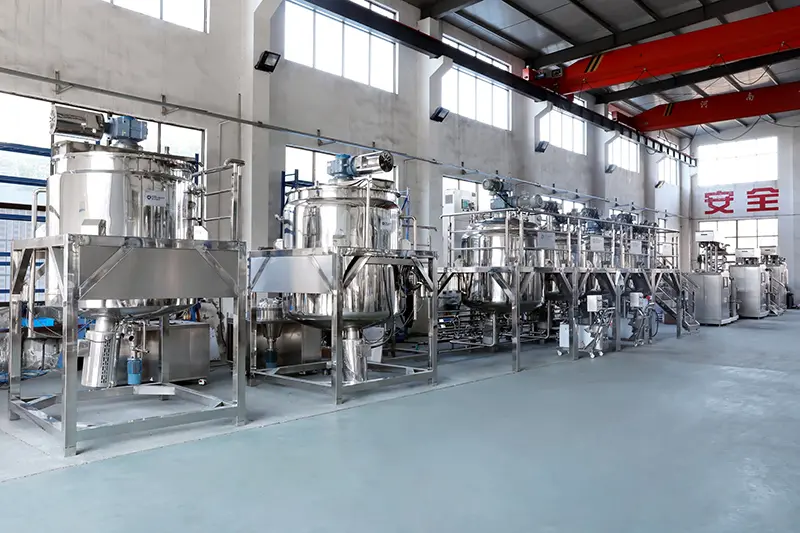
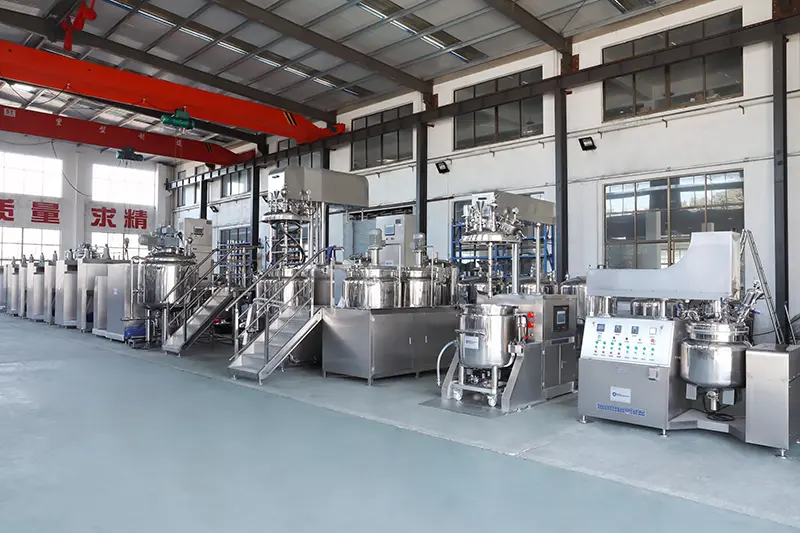
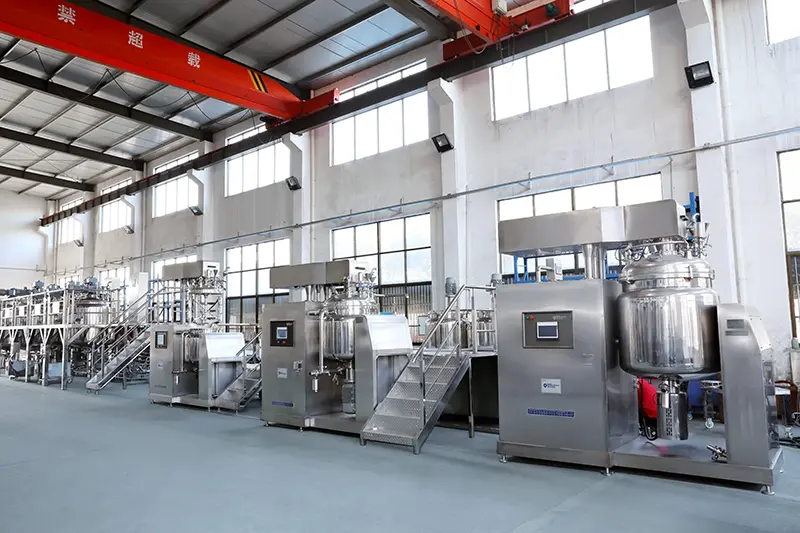
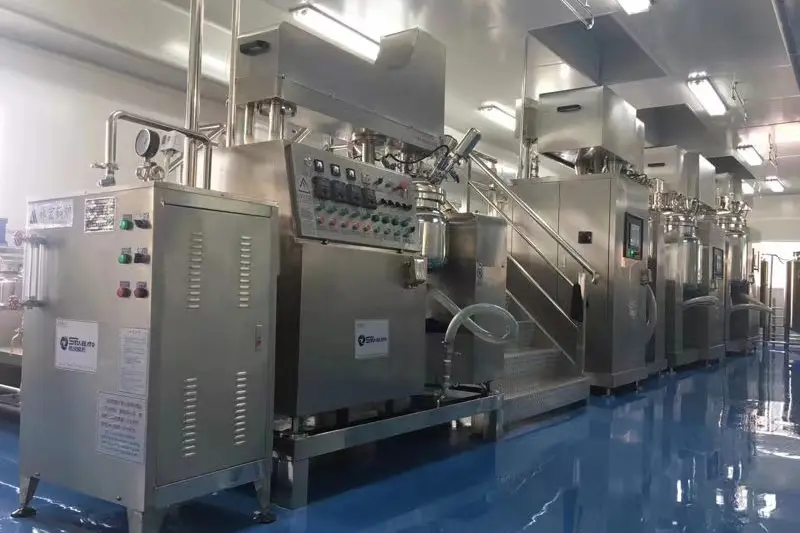
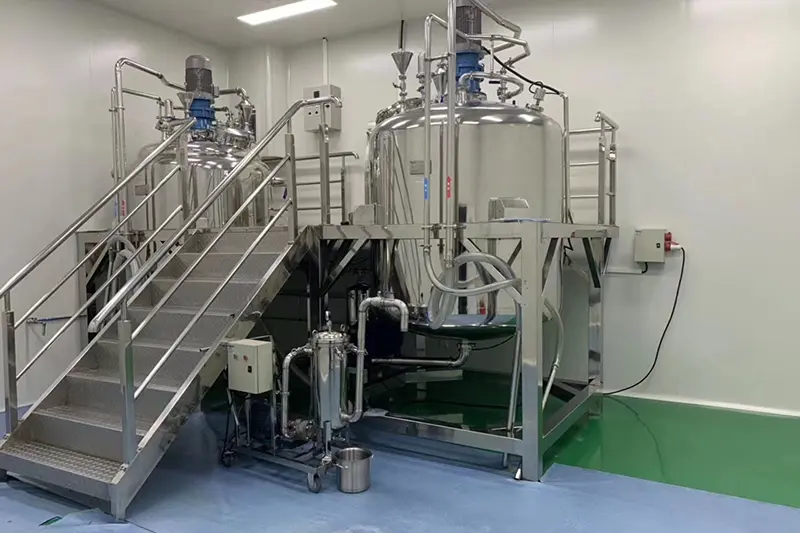
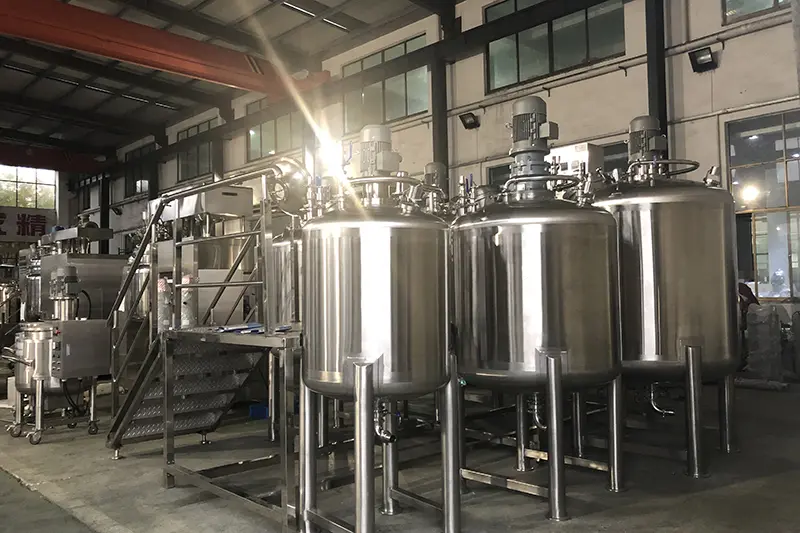
The process starts with our industry-leading Vacuum Emulsifying Mixers. Capable of processing high-viscosity body creams, lotions, and toothpastes, they prepare stable emulsions under precise thermal control.
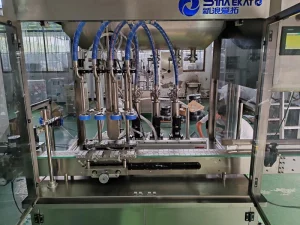
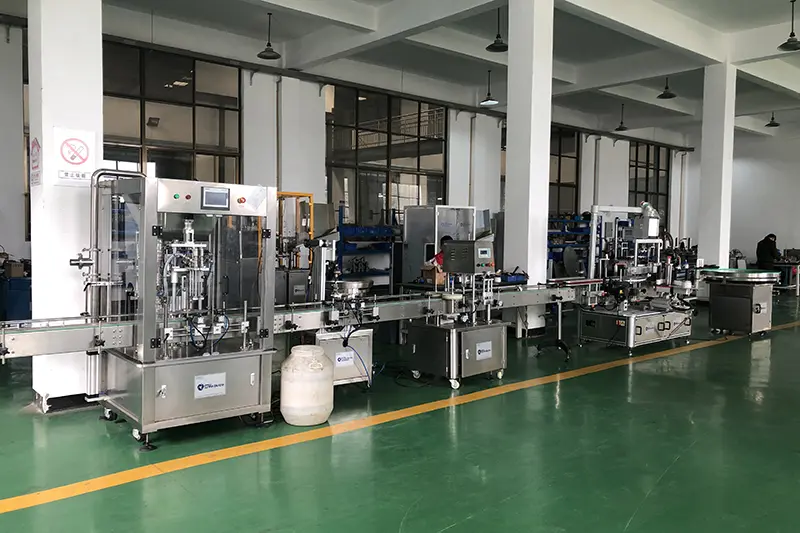
Emulsified fluids are pumped directly into following-style filling machines (handling volumes from 50ml to 2500ml). These machines minimize splashing and optimize product throughput.
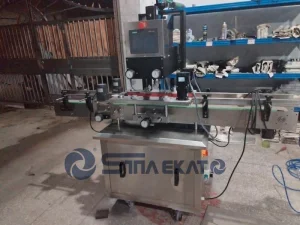
Finally, capped bottles are grouped and routed into the semi-automatic cutting, sealing, and shrinking wrapper. This applies a secure wrap that protects the items during global transport.
Our future engineering focus targets deeper integration with IoT analytics. We are developing smart sealing heads equipped with predictive maintenance sensors. These sensors detect deviations in thermal output or pneumatic cylinder pressures, alerting operators before failures occur. This proactive approach helps factories minimize unexpected downtime.
Get technical insights and operational answers regarding secondary shrink-wrapping machinery.
Discover further production machinery solutions for complete factory-floor optimization.
 Sina Ekato