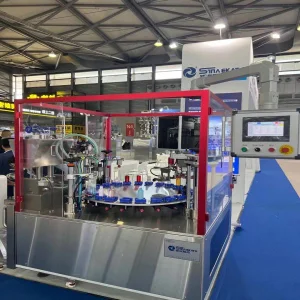
Explore our industrial-grade, CE-certified chemical and cosmetics processing solutions.
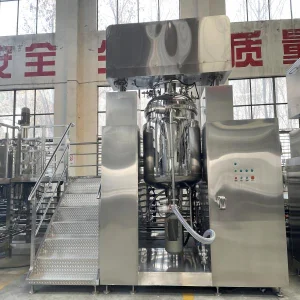
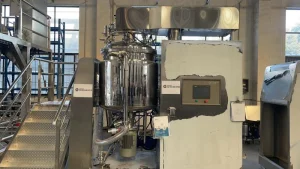
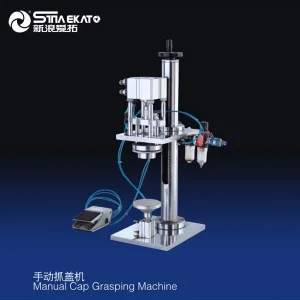
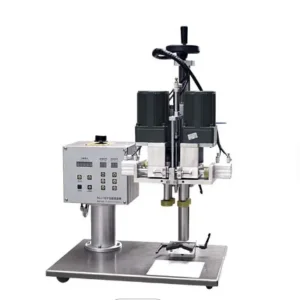
In the ultra-luxurious world of fragrance packaging, visual fidelity is just as critical as the scent itself. A perfume bottle is a work of art, and its closure system defines the user's tactile relationship with the brand. Among the machinery configurations required to achieve a flawless packaging seal, the Semi-Auto Perfume Collaring Machine plays an irreplaceable role.
Typically situated immediately downstream from the liquid filling and nozzle crimping phases, the collaring machine presses decorative metal collars (often made of anodized aluminum, brass, or specialized alloys) over the crimped pump assembly. This covers the rugged, structural elements of the pump, creating a seamless, sleek profile that bridges the glass bottle body to the cap. Without precise collaring, high-end perfumes risk visual misalignment, leaking, or loose collars—flaws that undermine brand integrity in competitive consumer markets.
Information Gain Concept: Modern perfume collaring goes beyond basic force application. It requires exact pneumatic pressure regulation, stabilizing fixtures to safeguard custom glass molds, and adaptive tooling to secure varying collar diameters (typically 13mm to 20mm) without marring polished metal surfaces.
As a leading global partner in chemical packaging, SINAEKATO designs semi-automatic collaring solutions with these mechanical nuances in mind. Our systems are engineered to facilitate rapid transition between production runs while providing the pneumatic consistency needed to minimize reject rates to less than 0.1%.
For international procurers, European conformity (CE) is not just a regulatory marking—it is the ultimate metric of reliability, safety, and mechanical integrity. A CE-certified semi-auto perfume collaring machine must adhere strictly to the Machinery Directive 2006/42/EC and the Electromagnetic Compatibility (EMC) Directive 2014/30/EU.
When evaluating suppliers, global purchasing managers prioritize systems that mitigate operational hazards. CE certification demands that SINAEKATO machines undergo meticulous risk analysis:
Equipped with dual pressure-relief valves preventing catastrophic structural failure under transient pneumatic spikes.
Forces operators to use both hands simultaneously to actuate the press, removing the risk of hand-pinch injuries.
Ensures that internal wiring and pneumatic controllers are fully protected from splashes of ethanol-rich perfume formulas.
This level of safety compliance makes SINAEKATO's machinery highly sought after across demanding regulatory environments in North America, Western Europe, and APAC countries.
SINAEKATO operates out of advanced manufacturing facilities located in Gaoyou and Guangzhou, China. By leveraging the geographic concentration of raw materials, metallurgical expertise, and specialized electronics supply chains, we pass significant cost efficiencies onto our clients without compromising product precision.
While domestic manufacturing keeps entry costs highly competitive, our technology integration remains strictly international. Indeed, 80% of our machinery's critical component systems are sourced from world-class global suppliers, including Festo/SMC pneumatics, Omron electrical sensors, and Siemens controls. This hybrid manufacturing strategy ensures that global enterprises receive reliable, long-lasting machinery with internationally recognizable components that are easy to source locally for quick repairs.
| Component Group | Primary Global Brands Integrated | Direct User Benefit |
|---|---|---|
| Pneumatic Actuators & Valves | SMC (Japan) / Airtac (Taiwan) | Consistent stroke velocity, minimizing impact glass damage. |
| Sensor Technology | Omron (Japan) / Sick (Germany) | Micron-level detection of bottle alignment prior to press. |
| Electrical Systems | Schneider Electric (France) / Siemens (Germany) | Strict adherence to global voltage, thermal, and current safety standards. |
| Surface Machining & Alloys | SUS304 / SUS316L Stainless Steel | Resistant to high ethanol exposure, corrosion, and wear. |
Whether you run a high-volume cosmetics manufacturing facility in Southern Europe, or a craft perfume studio in North America, having access to our localized support agents and standardized, global-brand internal components guarantees minimal downtime and highly stable production cycles.
The global fragrance sector is rapidly shifting towards personalized, small-batch, and luxury customization. Traditional massive production lines struggle to stay agile, giving rise to localized packaging units.
In response, semi-automatic collaring solutions are growing in popularity. They fit perfectly within flexible, modular workflows where changeover times must be kept under 10 minutes. A localized workshop in Paris or Grasse, for example, needs to transition seamlessly from a 15mm collar to a custom 18mm gold-plated design. Our tool-less quick-change heads allow changeovers to happen rapidly, and the small equipment footprint matches the space constraints of metropolitan high-end labs.
Moreover, the modern emphasis on sustainability has led to the adoption of heavier, recycled glass perfume bottles and thinner aluminum collars. The machine's pneumatic controller must adapt dynamically to these materials. Excess force will crack the eco-friendly glass, while insufficient pressure fails to secure the thin-gauge metal collar. SINAEKATO’s precision controls enable fine micro-adjustments, ensuring that your ecological initiatives are met without sacrificing physical packaging quality.
Since our inception, SINAEKATO has grown from a regional machinery manufacturer into a dominant global machinery provider. Review our journey of technological advancements and strategic partnerships:
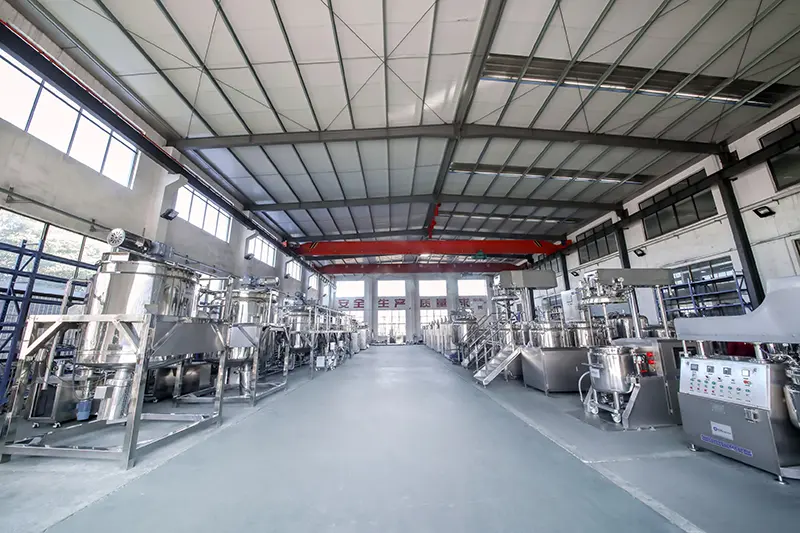
Our pioneers officially engaged in the chemical machinery industry, establishing the core engineering principles for emulsifying, mixing, and cosmetic filling.
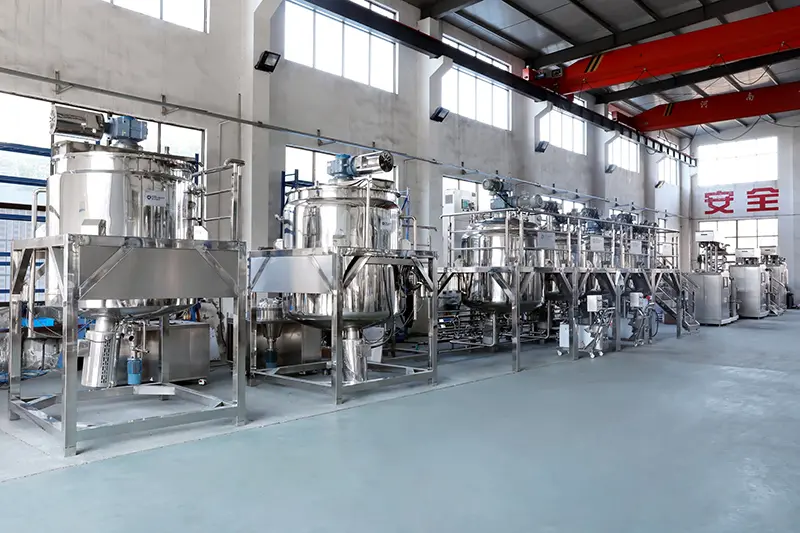
Guangzhou Sina Cosmetics Engineering Equipment Co., Ltd. was established to specialize in cosmetic sector engineering systems.
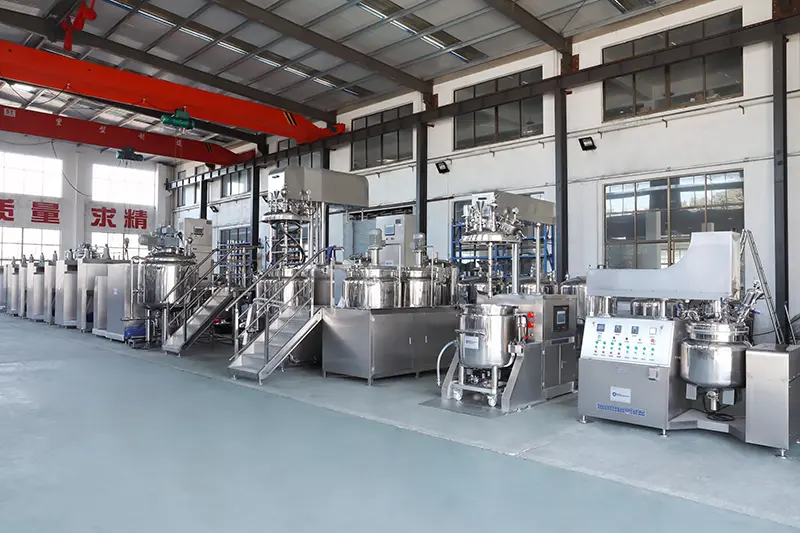
Established Hong Kong Hantao International Investment Co., Ltd., driving brand expansion into international markets.
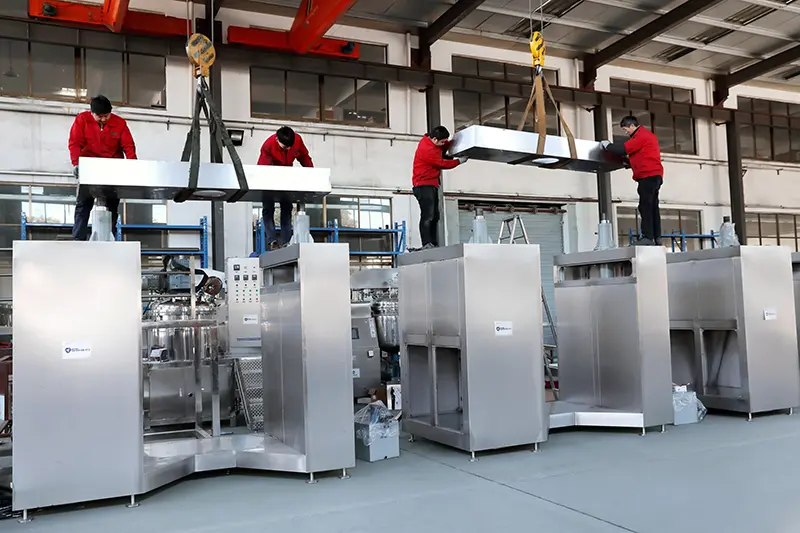
Gaoyou Sina Chemical Machinery Equipment Factory was established. Concurrently, our Guangzhou operations were officially renamed Guangzhou Sina Chemical Machinery Co., Ltd.
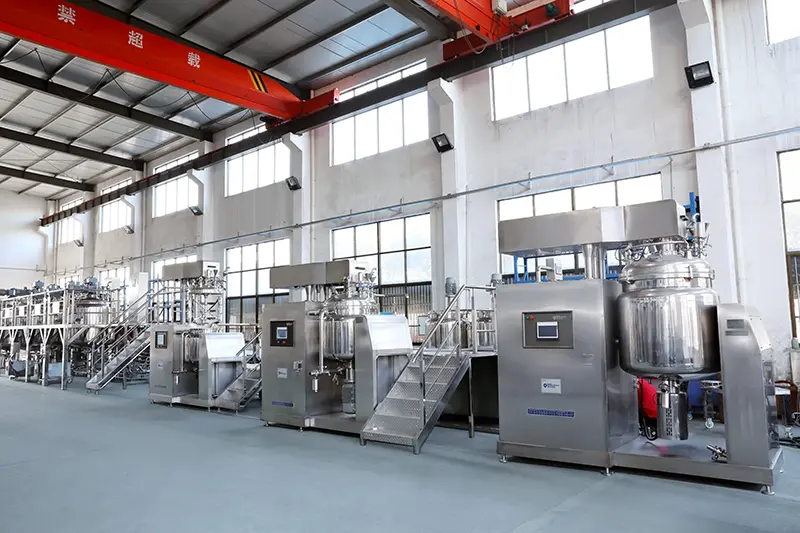
Established Gaoyou Sina Light Industry Machinery Equipment Factory, dedicated to lightweight packaging and cosmetic tools.
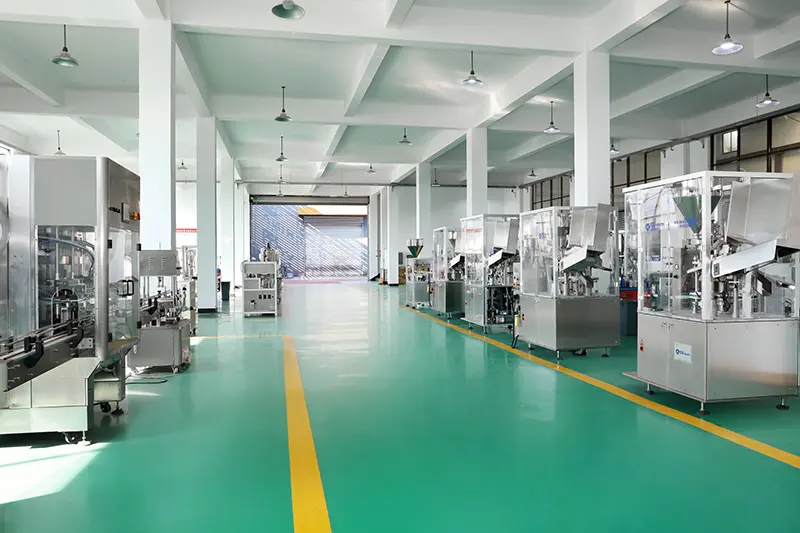
Purchased 10,000 square meters of industrial land in Gaoyou. The new advanced processing plant commenced operations under the name: SINA EKATO CHEMICAL MACHINERY CO., LTD (GAOYOU CITY).
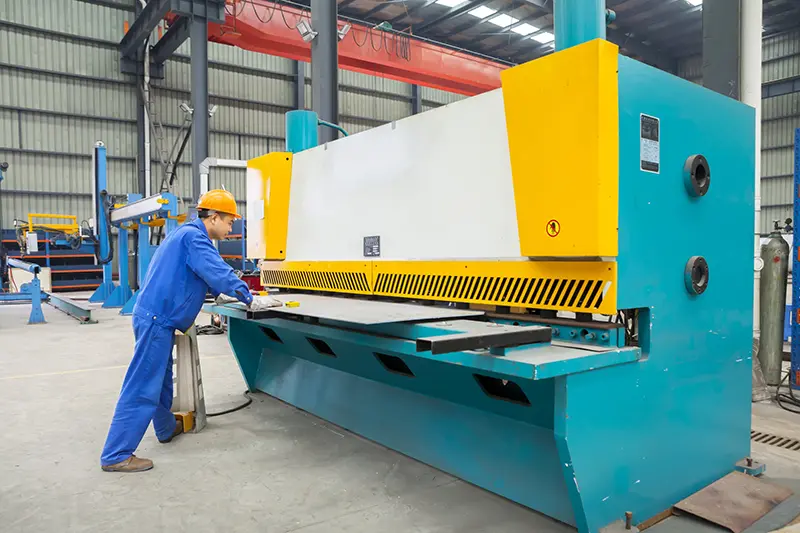
Established Yangzhou Hantao Chemical Machinery Co., Ltd., focusing on massive reaction vessels and emulsifying mixers.
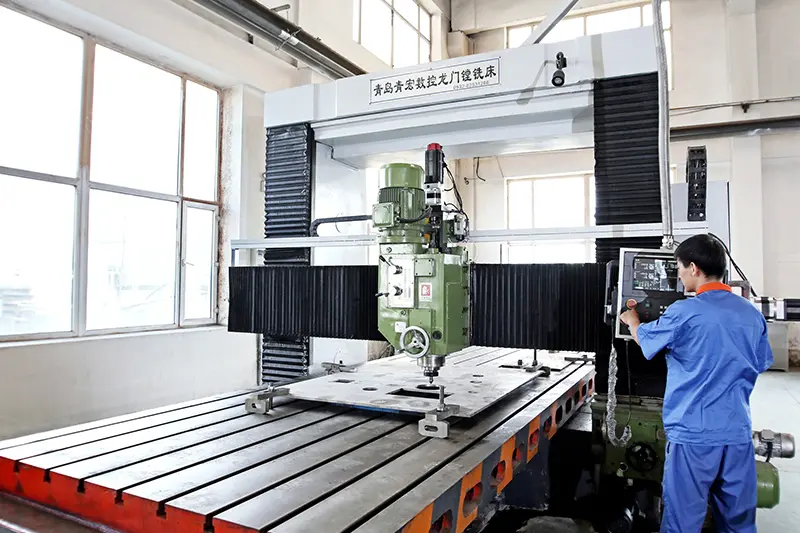
Acquisition of Guangzhou Jingcheng Machinery. We built a spacious exhibition center and formally launched our export sales route.
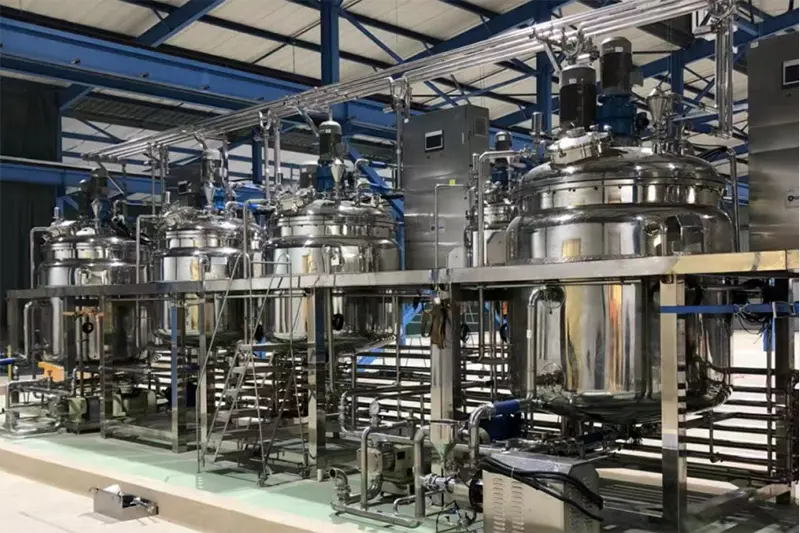
Guangzhou Sina Chemical Machinery Co., Ltd. was officially renamed to Guangzhou SINAEKATO Chemical Machinery Co., Ltd.
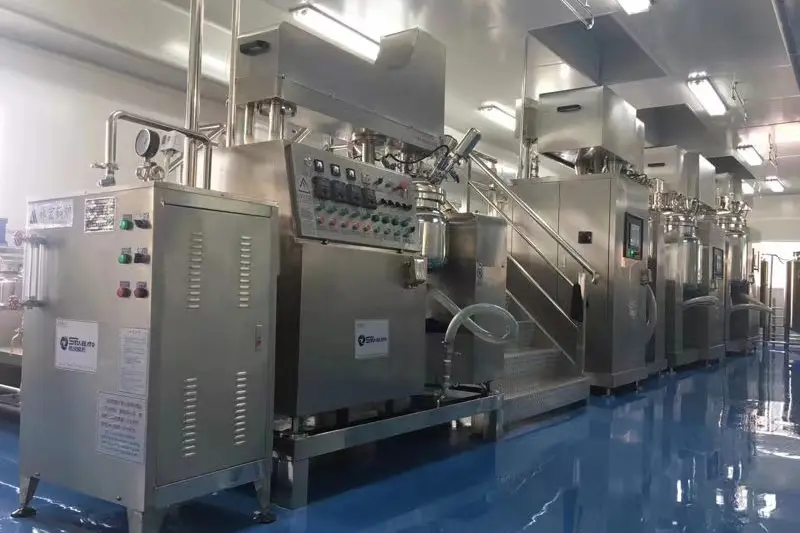
Acquisition of Guangzhou Suogao Machinery Equipment Co., Ltd. to integrate high-shear emulsification patents.
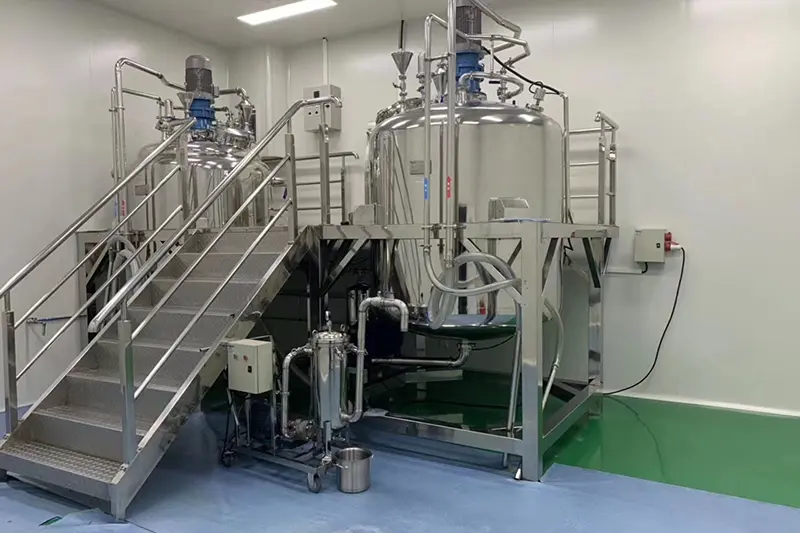
Positioned SINA EKATO CHEMICAL MACHINERY CO., LTD (GAOYOU CITY) as our absolute Production, Sales, and After-Sales Service Headquarter.
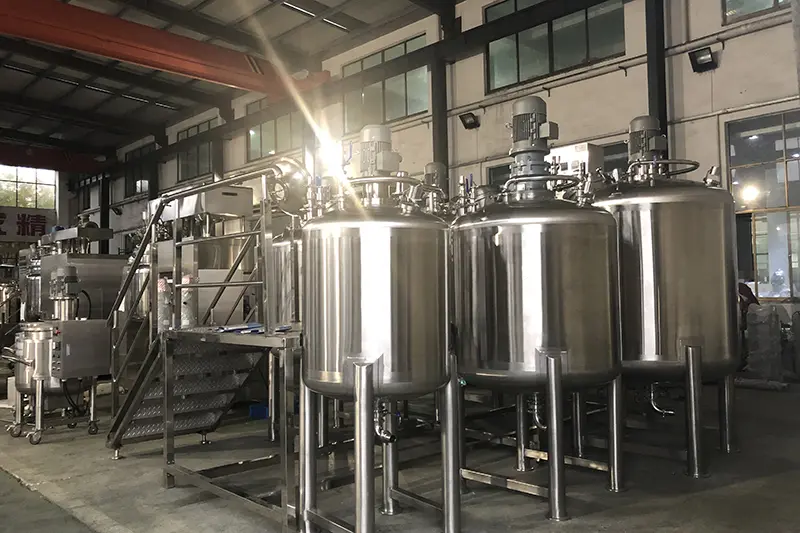
Established SINA EKATO Equipment (Jiangsu) Co., Ltd. specifically targeting overseas technology integration.
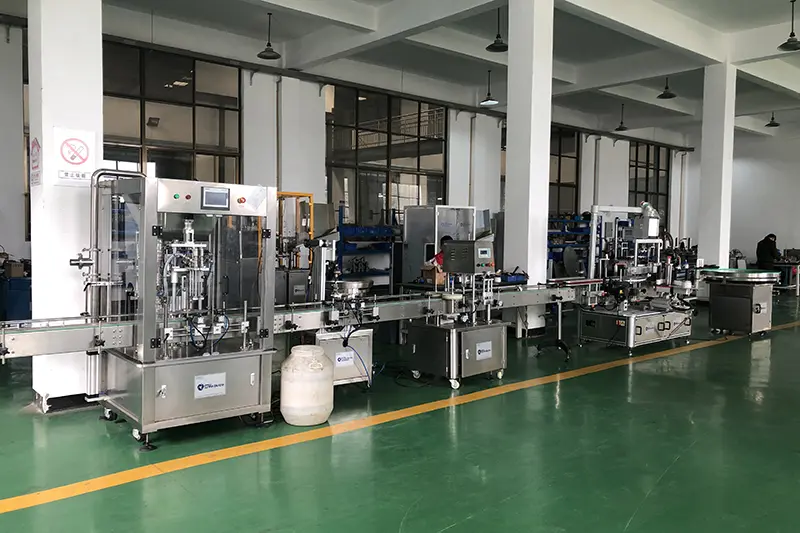
SINAEKATO partnered with Europe FLEMAC, establishing Germany SINAEKATO Group Co., Ltd. to implement European precision engineering standards.
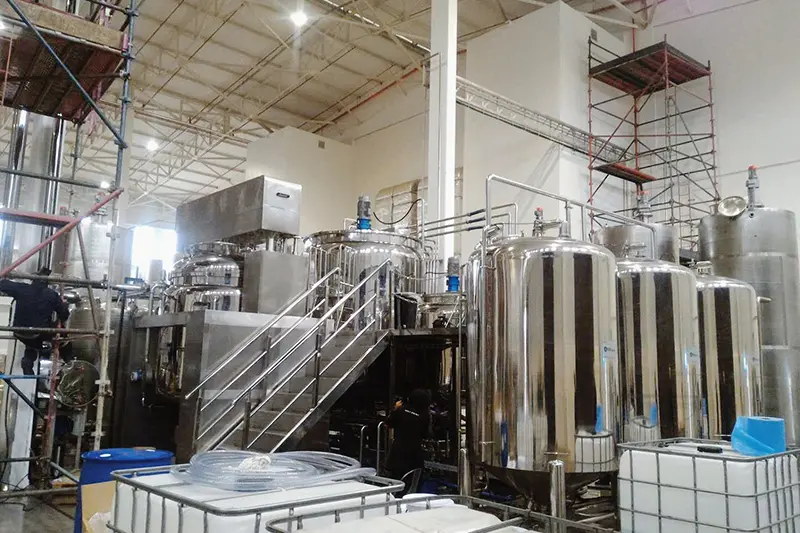
Collaborated with Unilever South Africa for a $800,000 cosmetic machinery project; partnered with Japan SK-II Shiseido OEM for a $1,500,000 system installation.
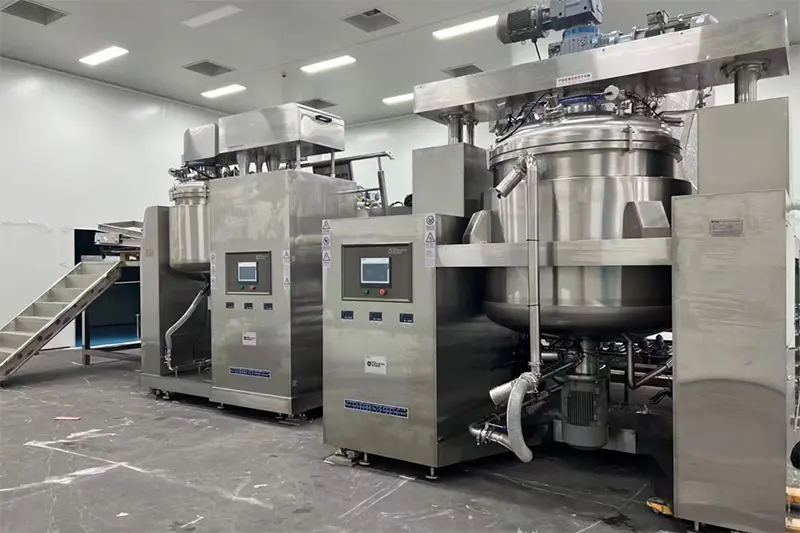
Executed a massive detergent and liquid-washing production line layout for a key Japanese brand, totaling a $1,000,000 order.
Explore direct technical answers detailing calibration, safety standards, and daily operation protocols.
Complete your production ecosystem with our highly durable manufacturing components.
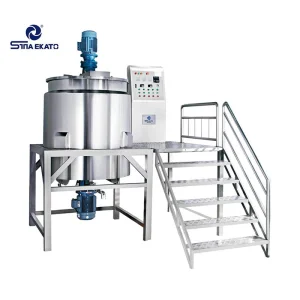
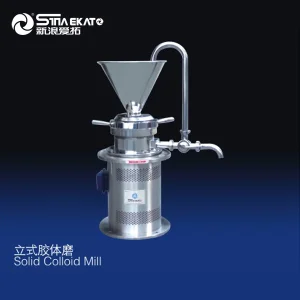
 Sina Ekato