CE Certification Hair Oil Bottle Filling Machine Supplier & Factories

Global Benchmark in High-Viscosity Liquid Packing Automation, Intelligent Control Systems, and E-E-A-T Sourcing Compliance

Industry Insight Paper

Strategic Engineering of Hair Oil Filling Systems: An E-E-A-T Procurement Analysis

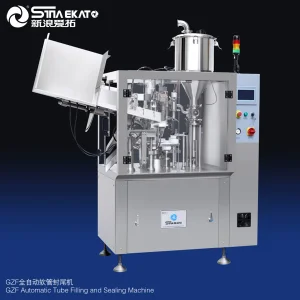
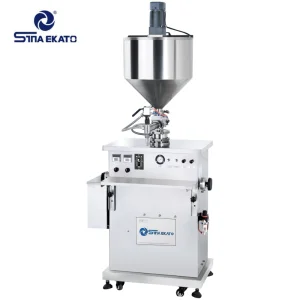
In the cosmetics and specialized hair treatment industry, precision packaging remains the primary driver of operational efficiency, cost control, and product integrity. Achieving consistent filling standards with complex oil bases—often carrying fluctuating viscosities and requiring specific thermal conditions—requires heavy reliance on advanced automation architectures. For global procurement teams, choosing a certified CE Certification Hair Oil Bottle Filling Machine is not simply a regulatory safety check; it represents an investment in system safety, precision dosing, and machine reliability.

SINAEKATO, founded in 1992, has dedicated over 30 years to refining cosmetic mixing, homogenization, and automatic filling configurations. Moving from simple mechanical systems to today's smart factories, the modern filling machine has evolved into an integrated, network-connected node on the Factory 4.0 floor. This whitepaper analyzes the mechanical, regulatory, and supply chain elements that make our systems a reliable standard for cosmetics manufacturers worldwide.

1992
Established Year
30+
Years of Experience
55+
Countries Covered
150+
Factory Experts
80%
Global Tier-1 Parts

1. Global Industry Trends in Hair Oil Filling & Packaging Automation

The global hair care market is seeing a major shift toward high-viscosity formulations, organic active ingredients, and sustainable, varied bottle designs. Products like cold-pressed argan oil, heavy castor blends, and volatile herbal serums require precise physical handling. Unlike simple aqueous liquids, hair oils show unique fluid behaviors:

  • Temperature-Dependent Viscosity: Oils change thickness rapidly with ambient temperature changes. Filling systems must adapt dynamically or include thermal jackets to keep temperatures stable.
  • Surface Tension & Drip Challenges: Oils tend to cling and form tails. Left unchecked, this leads to messy bottlenecks, inconsistent weights, and poor seals, which can hurt brand trust.
  • Oxidation Sensitivity: Many premium hair oils contain natural ingredients that break down when exposed to oxygen. Modern packaging requires inert gas purging (such as nitrogen injection) before and after filling to extend shelf life.

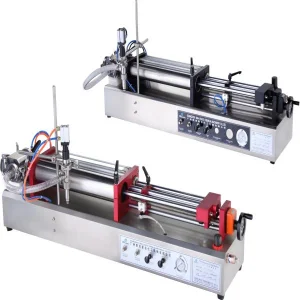
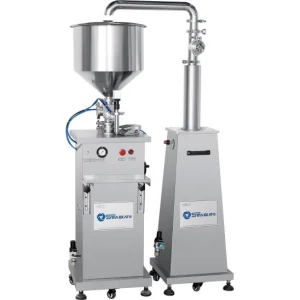
To meet these needs, current industrial systems utilize high-resolution PLC units integrated with servo-driven piston pumps. This setup controls the filling process with sub-millimeter precision, preventing air bubbles and dripping. In addition, quick-change tooling allows plants to switch bottle styles in minutes, helping operators keep pace with fast-changing market demands.

Why Choose SINAEKATO

Our engineering philosophy is built on the phrase: "Science and Technology are the primary productive forces." We continuously invest in R&D to deliver advanced production equipment, enforce strict quality control, and maintain precise testing processes. This focus ensures reliable performance for every machine we ship.

To guarantee durability, 80% of our core components are sourced from globally recognized brands like Siemens, Omron, Schneider, and Festo. This strategy ensures long-term operational stability and makes sourcing spare parts simple for our customers worldwide.
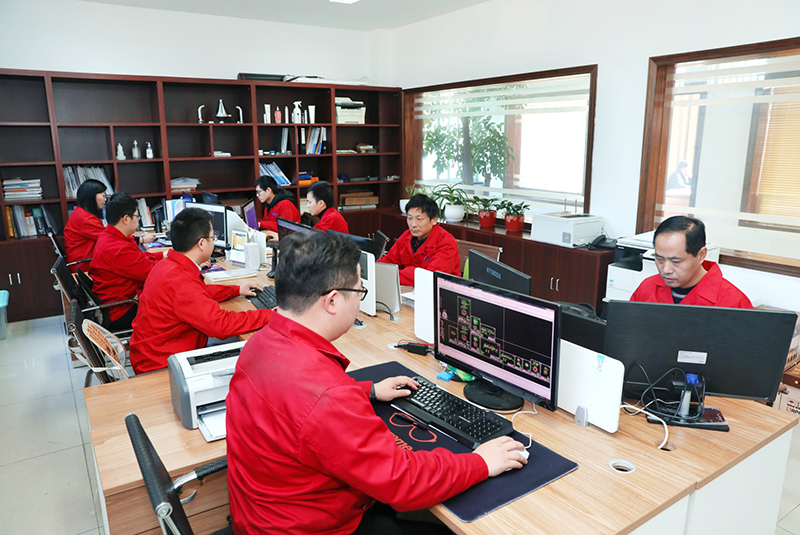
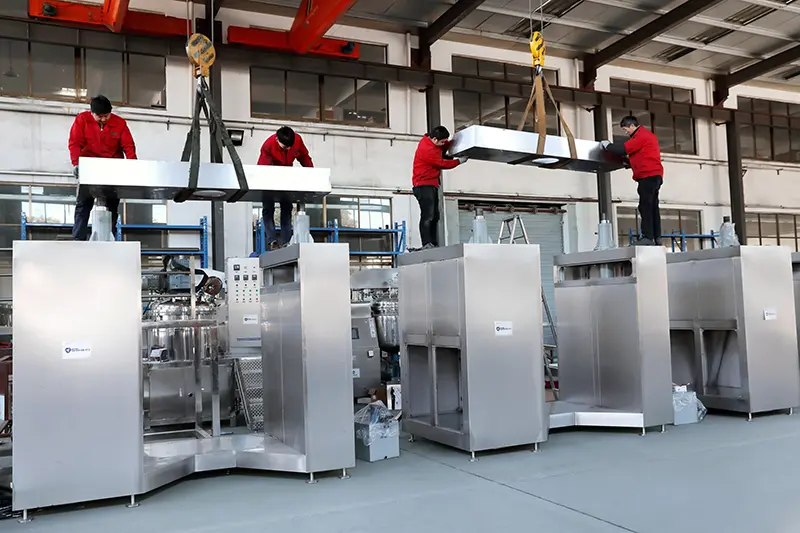
SINAEKATO Precision Production R&D

2. The Importance of CE Certification: Safety, Quality, and Compliance

For European markets and global regions with strict safety standards, the CE marking is a mandatory requirement. A CE-certified hair oil filling machine meets essential health and safety standards under European Directives. Specifically, this covers:

The Machinery Directive (2006/42/EC): Ensures the machine is designed to protect operators from hazards, including moving parts, high temperatures, and electrical components.

The Electromagnetic Compatibility Directive (2014/30/EU): Guarantees the machinery does not create electrical interference that could disrupt other factory equipment, and remains unaffected by external electromagnetic fields.

The Low Voltage Directive (2014/35/EU): Verifies that all electrical components operate safely within standard voltage ranges, protecting personnel from shocks and prevention of fire hazards.

At SINAEKATO, CE compliance is built into our designs from the start. We use food-grade SUS316L stainless steel for all parts that touch your product. We also include safety interlocks, emergency stop systems, and clean-in-place (CIP) pathways to keep your production line safe, clean, and fully compliant.
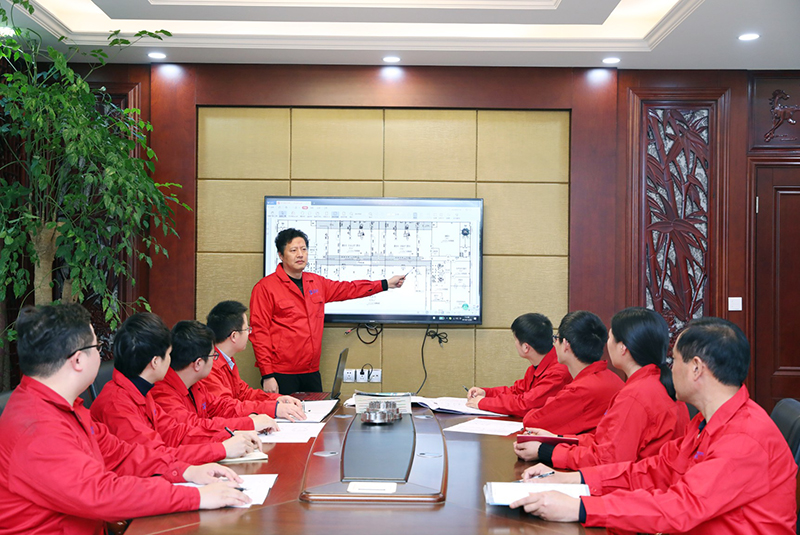
SINAEKATO Global Quality Control Standards

China Factory 4.0: Supply Chain Resilience & Cost Efficiencies

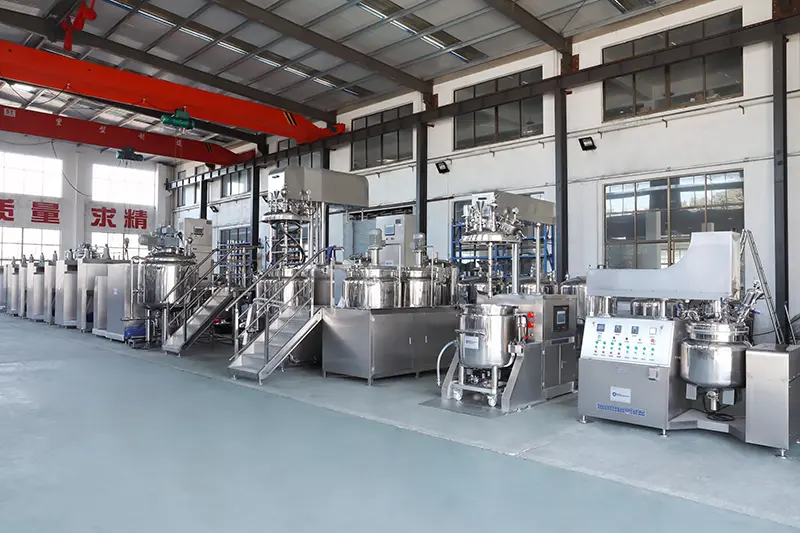
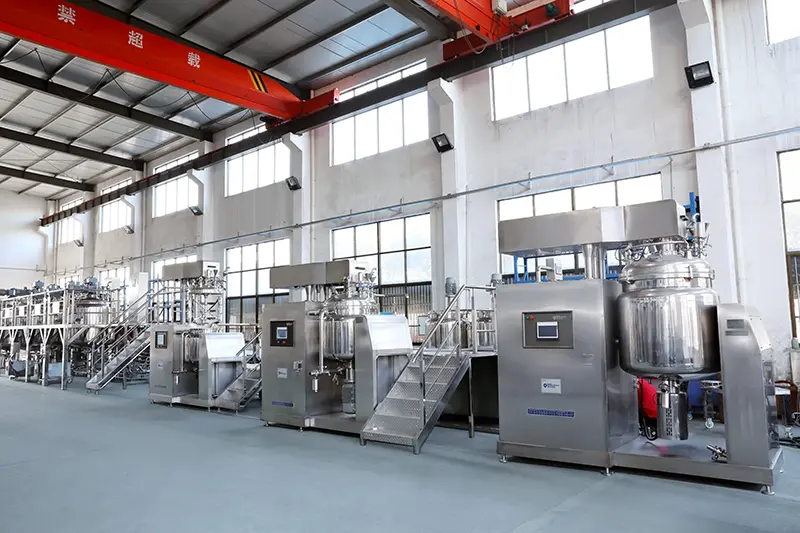
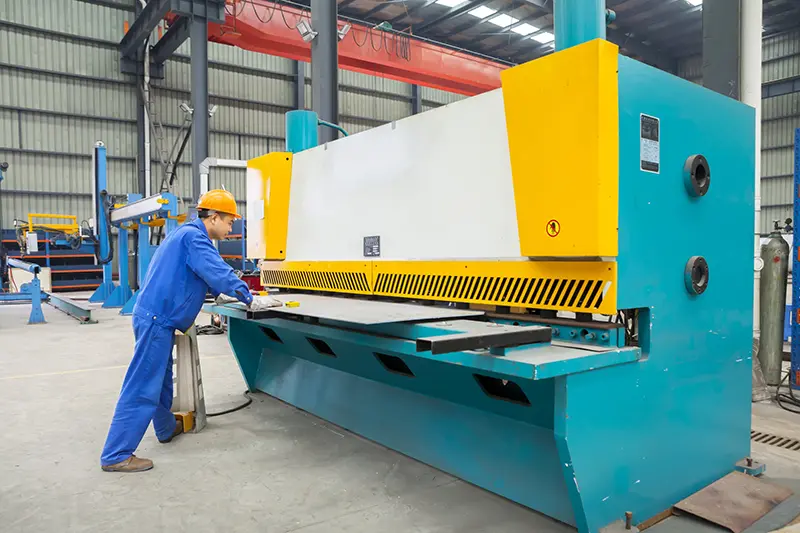
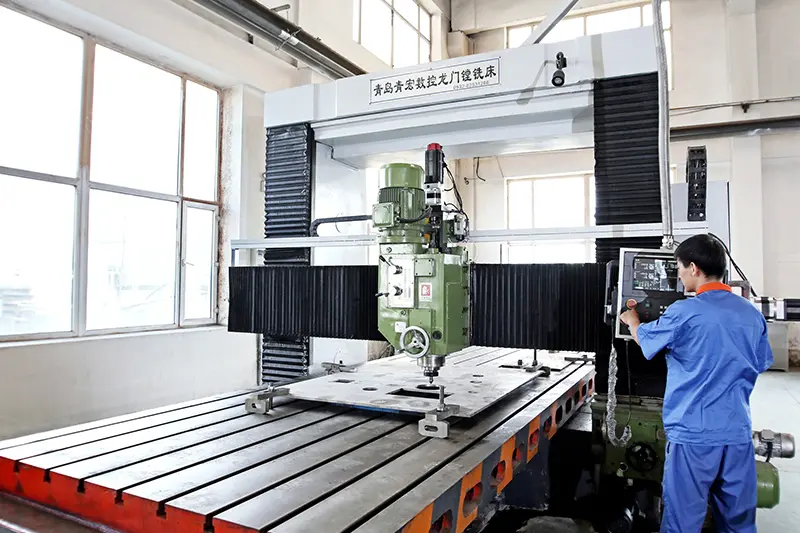
Our manufacturing centers in Gaoyou (Jiangsu) and Guangzhou (Guangdong) are designed to provide both durability and cost advantages. By adopting Factory 4.0 standards, we integrate digital control systems and automated CNC machining to keep production quality consistent across all product lines.

This localized setup allows us to keep manufacturing costs competitive while maintaining strict global quality standards. By managing the supply chain efficiently, we ensure reliable delivery timelines, even during periods of global logistics challenges.

3. Localized Applications & Commercial Scenarios

Our filling equipment is built to handle different regional needs, production scales, and product types:

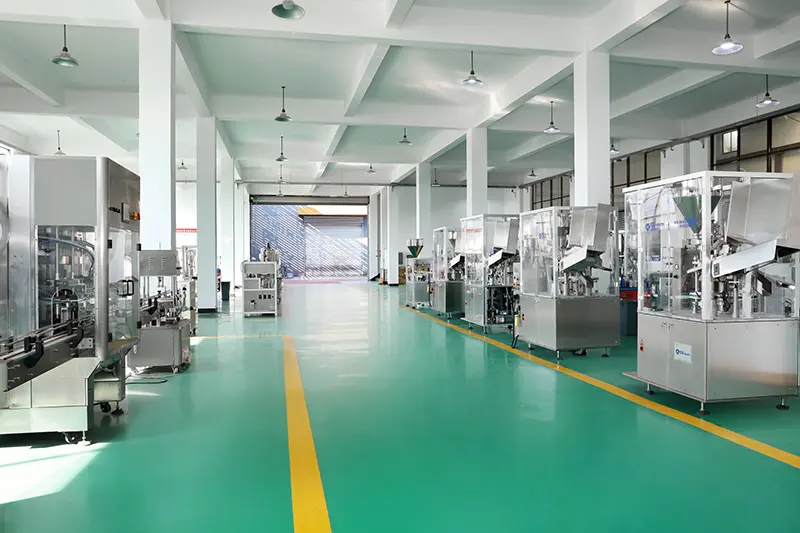
  • Mid-Scale Regional Operations (Semi-Automatic setups): Ideal for growing brands and smaller facilities. These units combine manually loaded bottles with automated, high-precision piston filling, keeping startup costs low while ensuring accurate dosing.
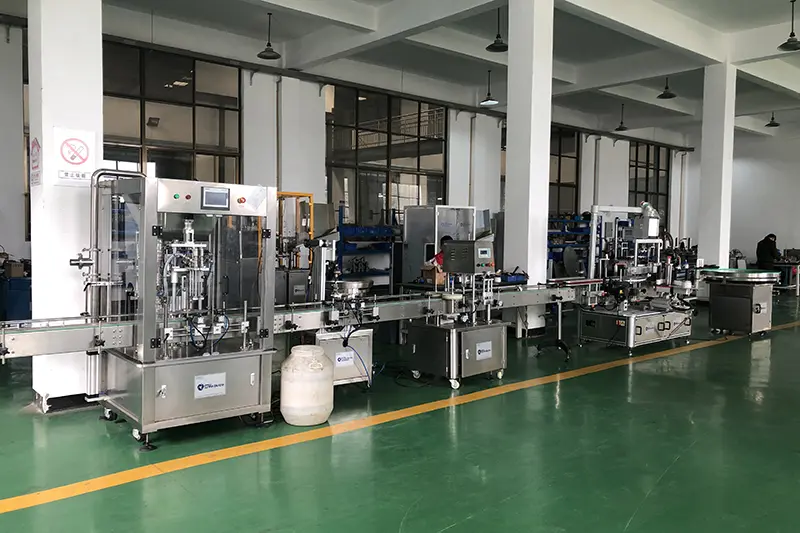
  • High-Speed Automated Plants (Fully integrated setups): Designed for large cosmetic plants. These lines connect rotary bottle feeders, multi-nozzle inline filling, automatic capping, and label application in one continuous process, maximizing output and reducing labor costs.
  • Explosion-Proof Setups for Specialty Products: Essential for formulations that contain volatile organic solvents or alcohol bases. These systems use fully pneumatic controls and spark-free components to ensure safe operation.

Global Partnerships & Proven Industry Experience

With installations in over 55 countries, SINAEKATO equipment is trusted by leading international brands. Key highlights from our history include major manufacturing projects with Unilever in South Africa (an 800,000 USD cosmetic production line setup) and a 1.5 million USD project for SK-II and Shiseido OEM plants in Japan.

These projects show our ability to meet the strict quality and documentation standards required by leading multinational cosmetic brands.
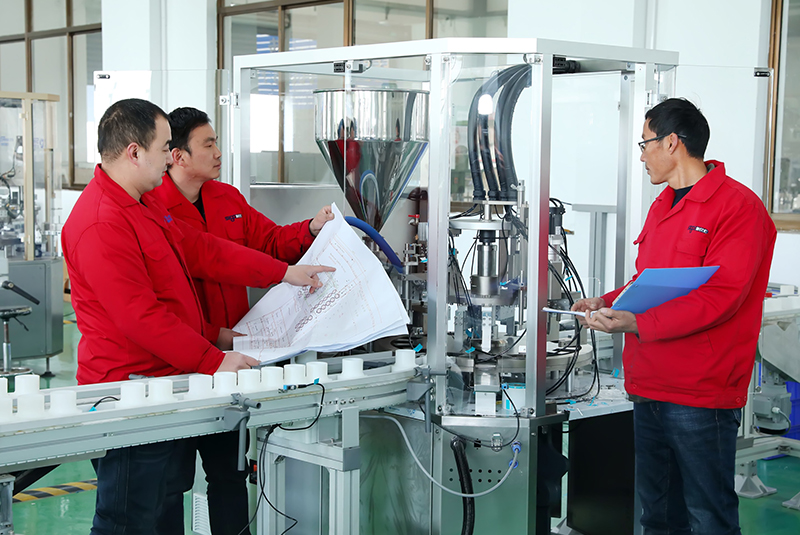
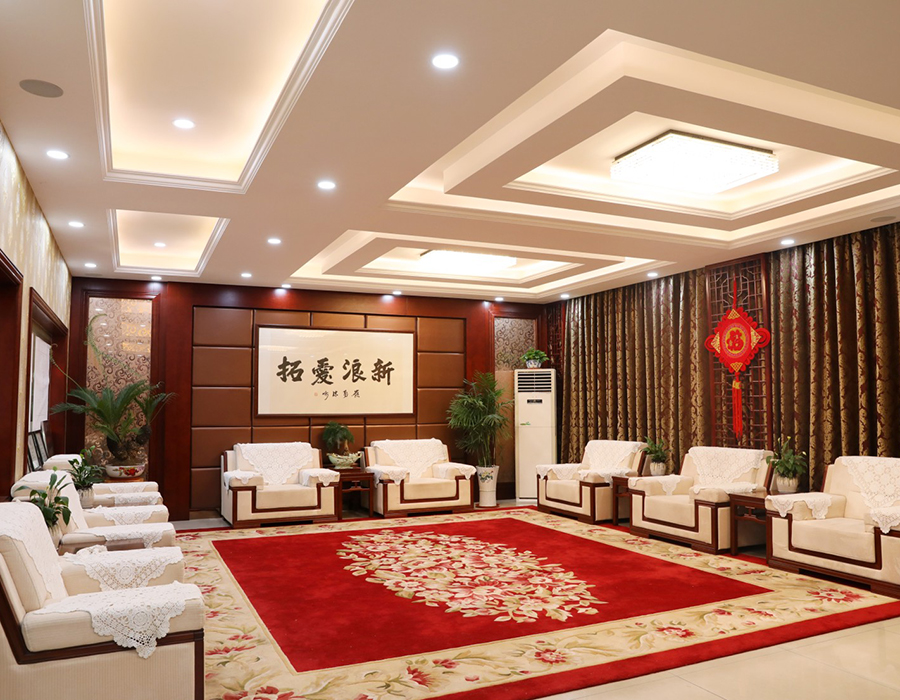
SINAEKATO Global Partnerships and Projects
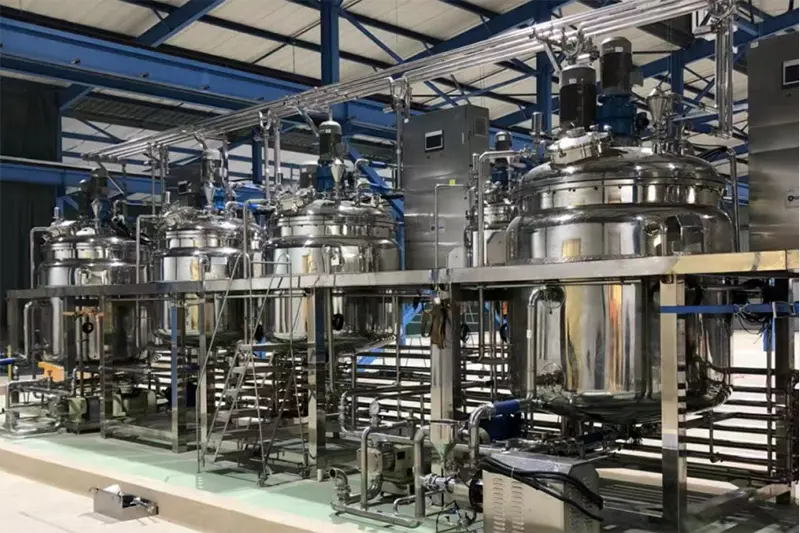
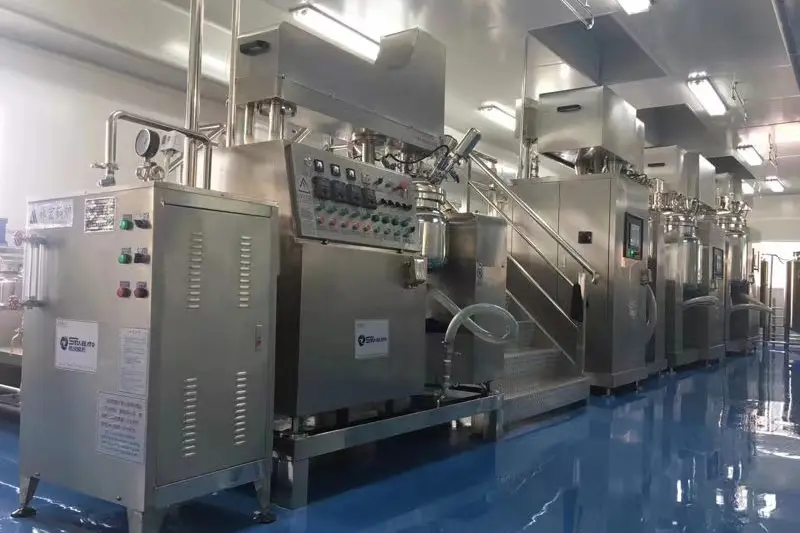
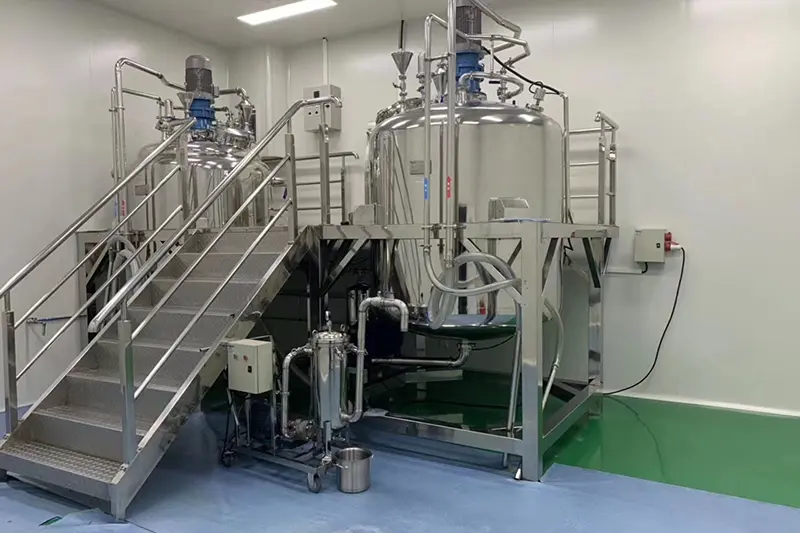
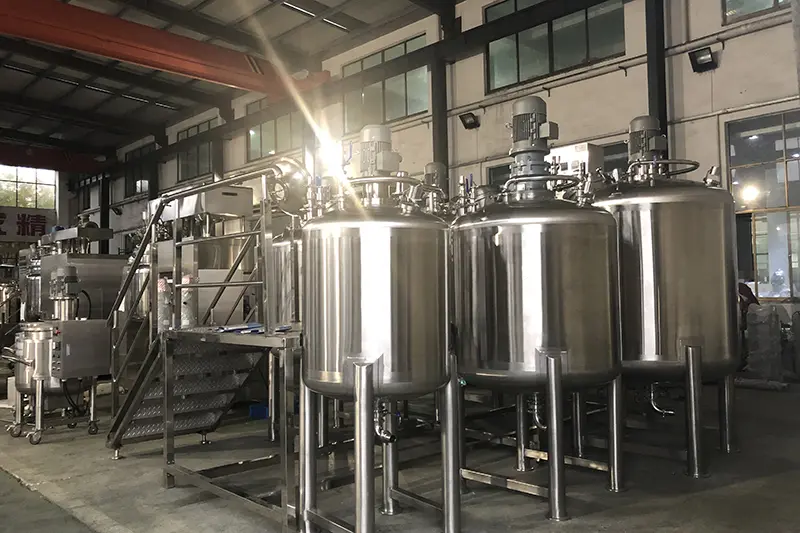
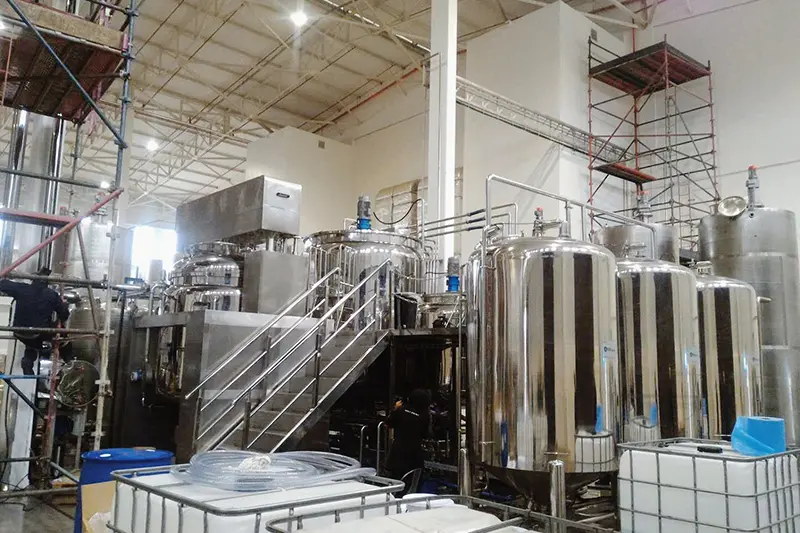
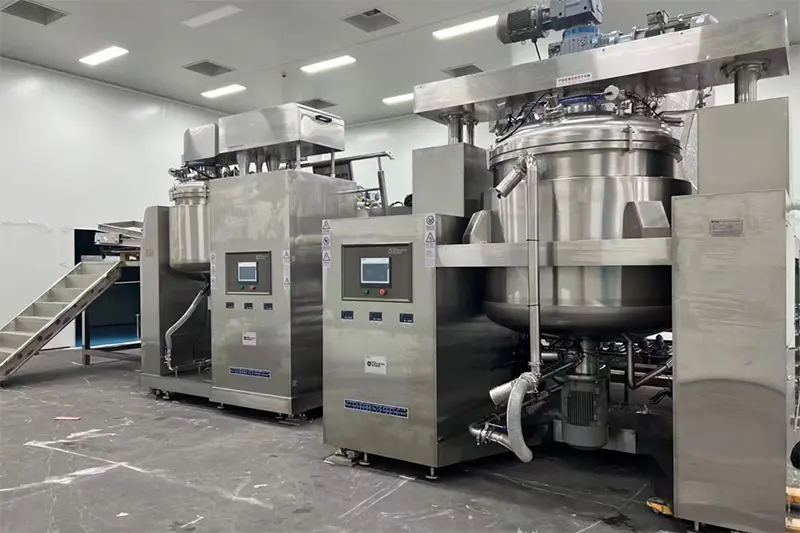
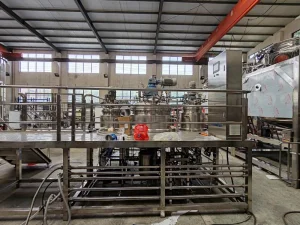
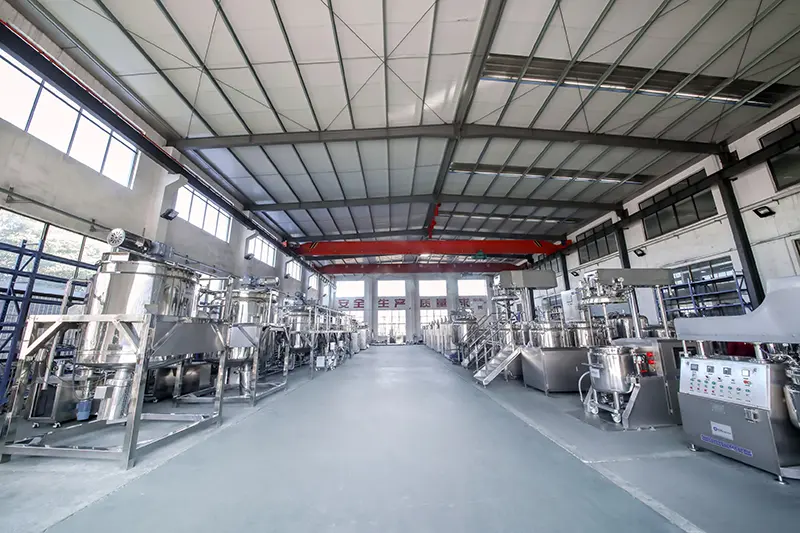
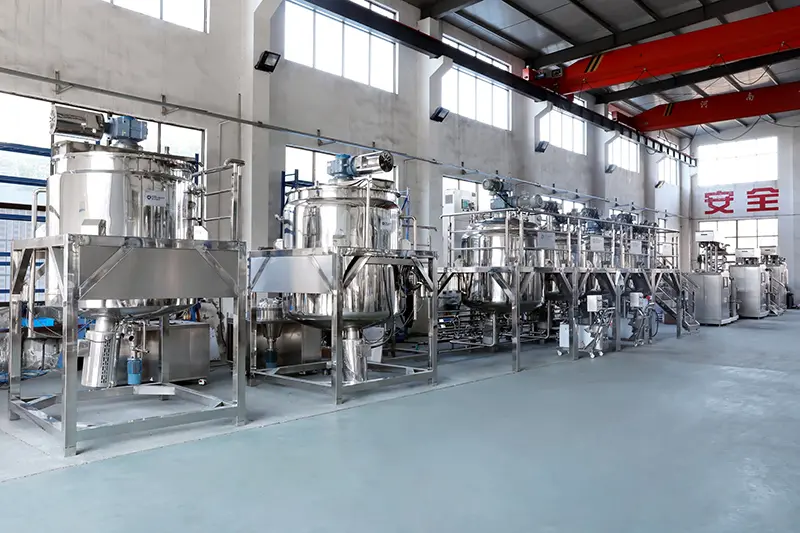
SINAEKATO Modern Technology Workshop

Welcome Cooperation

Our machines are built to be stable, reliable, precise, and user-friendly. We focus on providing prompt technical support and reliable after-sales service, helping our customers maintain efficient production lines for years to come.

As packaging technology continues to evolve, we remain dedicated to refining our systems to help our partners succeed in competitive global markets.

Company Milestones & Historical Evolution

From our foundations in chemical engineering to our current status as a key global exporter of cosmetics and packaging machinery.
1988
1988 History
Established operations in the chemical machinery industry, focused on basic liquid mixing and process vessels.
1998
1998 History
Guangzhou Sina Cosmetics Engineering Equipment Co., Ltd. was established to specialize in cosmetic manufacturing machinery.
1999
1999 History
Established Hong Kong Hantao International Investment Co., Ltd. to coordinate export expansion.
2000
2000 History
Gaoyou Sina Chemical Machinery Equipment Factory was established; Guangzhou headquarters renamed to reflect specialized industry focus.
2001
2001 History
Established Gaoyou Sina Light Industry Machinery Equipment Factory to scale up manufacturing capacity.
2006
2006 History
Purchased 10,000 square meters of industrial land in Gaoyou; SINA EKATO CHEMICAL MACHINERY CO., LTD. (GAOYOU CITY) began production.
2007
2007 History
Established Yangzhou Hantao Chemical Machinery Co., Ltd. to focus on advanced mixing machinery design.
2008
2008 History
Acquisition of Guangzhou Jingcheng Machinery. Created our first international exhibition center to serve global markets.
2009
2009 History
Guangzhou Sina Chemical Machinery Co., Ltd. officially renamed to Guangzhou SINAEKATO Chemical Machinery Co., Ltd.
2011
2011 History
Acquired Guangzhou Suogao Machinery Equipment Co., Ltd. to increase capacity in high-precision parts manufacturing.
2013
2013 History
Established the Gaoyou production facility as the central headquarter for manufacturing, sales, and global after-sales service.
2015
2015 History
Established SINA EKATO Equipment (Jiangsu) Co., Ltd. to handle complex international engineering projects.
2017
2017 History
Partnered with European systems firm FLEMAC and established Germany SINAEKATO Group Co., Ltd. for engineering development.
2018
2018 History
Delivered custom cosmetic projects for Unilever South Africa (800K USD) and high-speed filling systems for SK-II & Shiseido OEM plants (1.5M USD).
2021
2021 History
Expanded production capacity in the clean-liquid sector, securing a 1,000,000 USD order for detergent washing systems in Japan.

Technical Q&A / FAQ

Common technical questions regarding our CE-certified hair oil and cosmetic filling machinery.

What does CE compliance mean for hair oil filling machines?
CE compliance indicates that the filling machinery meets essential European standards for mechanical safety (2006/42/EC), electrical safety (2014/35/EU), and electromagnetic compatibility (2014/30/EU). This certification is required for importing and operating equipment safely within Europe and other countries that align with EU safety regulations.
How does the system prevent dripping and leakage during operation?
Our systems use custom-designed mechanical filling nozzles featuring suction-back valves and pneumatic cut-off mechanisms. These elements draw residual oil upward at the end of each cycle, preventing drips and keeping bottle shoulders and caps clean.
Can the machine handle varied oil viscosities and bottle types?
Yes. The PLC allows you to store parameters for different liquid viscosities. By adjusting the servo-motor speeds, you can handle thin oils or thick hair serums. The bottle gating systems and guide rails can also be adjusted to accommodate different bottle shapes with minimal downtime.
What grades of stainless steel are used in your machines?
We use food-grade SUS316L stainless steel for all parts that come into direct contact with the product, ensuring corrosion resistance and compliance with GMP standards. Non-contact structural elements are made of SUS304 stainless steel.
How does the heating option help with thick fluids?
For thick creams or solid waxes that melt at higher temperatures, our optional heated hopper with built-in mixing blades keeps the product warm and fluid. This prevents the formulation from cooling and clogging the valves during the filling cycle.
Where do you source your machine parts?
To ensure reliability and make finding spare parts easy, 80% of our key mechanical and electrical components come from trusted global brands, including Siemens (PLC/Screens), Omron (Sensors), Festo (Pneumatic valves), and Schneider (Electrical components).