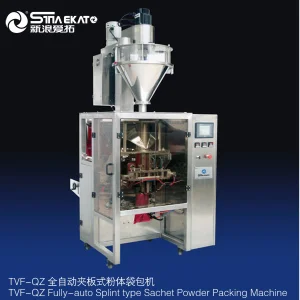
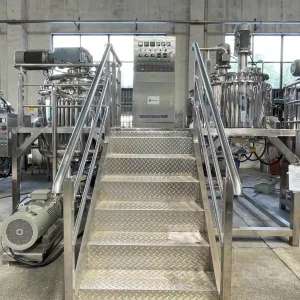
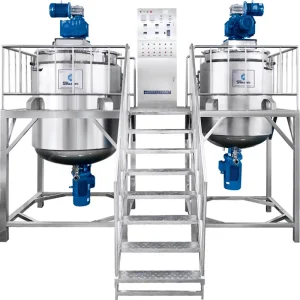
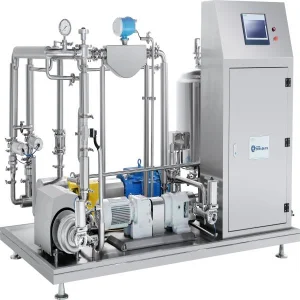
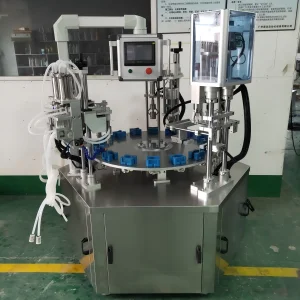
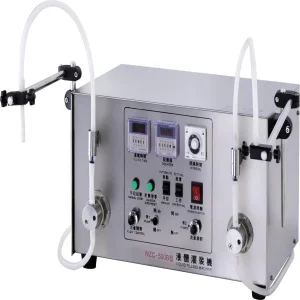
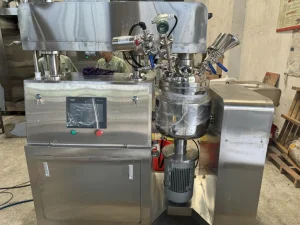
Explore our high-performance systems for professional cosmetic manufacturing
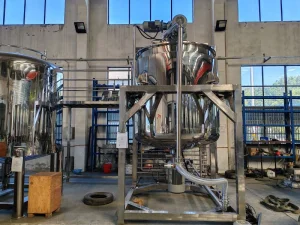
The global beauty market is undergoing a seismic shift. Modern consumers no longer seek simple coloring agents; they demand multi-functional cosmetics that deliver gloss, volume, long-wear capabilities, and lash-conditioning health benefits. The rise of "Glaze Mascara"—characterized by its high-gloss, viscous, and polymer-heavy formulation—has placed unprecedented demands on packaging equipment. Conventional cosmetic filling systems struggle with the structural thixotropy, viscosity variability, and sensitive drying profiles of these modern formulas.
To overcome these challenges, globally certified manufacturing lines rely on specialized CE Certified Glaze Mascara Filling Machines. As a leading engineering brand established in 1992, SINAEKATO has engineered processing and filling lines designed to preserve the physical properties of luxury glaze formulations while maintaining high-speed throughput and stringent hygiene standards. By implementing advanced piston dosing mechanisms, vacuum-assisted wiper assembly, and automated sealing components, our machines ensure cosmetic brands achieve consistent weight accuracy, zero container leakage, and premium shelf presentation.
Controlled shear rates prevent polymer degradation, preserving the optical gloss and formulation thickness of premium glaze products.
Servo-driven volumetric pumps control dosing down to ±0.05g, eliminating product wastage and maintaining packaging compliance.
Quick changeover parts support dual-phase formulas, plastic or fiber brushes, and varying cosmetic container geometries.
Years of R&D Experience
Exporting Countries Globally
World-Class Siemens/SMC Parts
Precision Servo Filling Accuracy
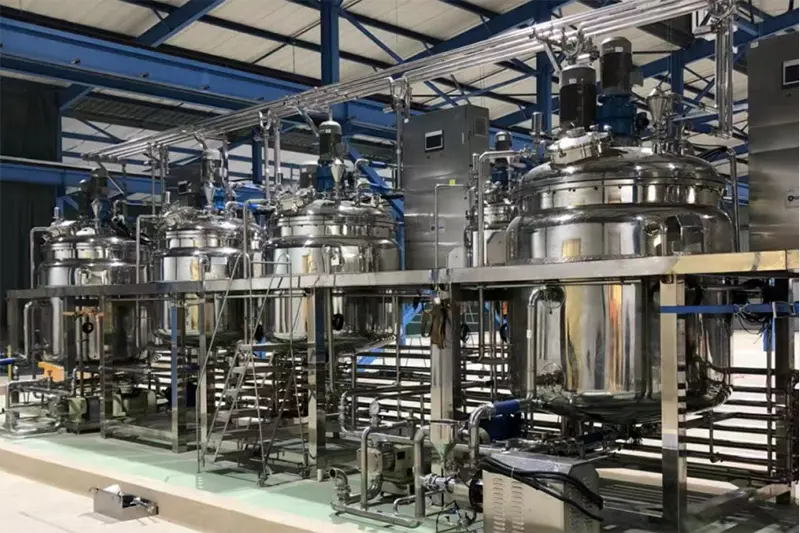
At the core of the SINAEKATO Glaze Mascara Filling Machine is a closed-loop pneumatic and electrical control loop. High-viscosity waxy materials present extreme flow resistance, particularly when cold. The SINAEKATO system incorporates a heated, double-walled product hopper with an integrated anchor agitator. This keeps the glaze formula at an optimal, uniform temperature, ensuring reliable flow behavior without altering its chemical stability.
The dosing process utilizes a high-precision rotary valve system coupled with a servo-driven piston. Unlike traditional mechanical cam systems, servo control allows engineers to customize the filling profile. The nozzle descends deep into the mascara bottle, filling from the bottom up while simultaneously retracting. This dynamic control prevents air entrapment, which causes oxidation and product deterioration.
| Machine Parameters | Semi-Automatic System | Fully Automatic Rotary Line |
|---|---|---|
| Production Capacity | 15 - 25 bottles / minute | 40 - 60 bottles / minute |
| Filling Volume Range | 2ml - 20ml (Customizable) | 1ml - 30ml (Customizable) |
| Filling Accuracy | ≤ ± 0.1g | ≤ ± 0.05g |
| HMI Controls | Digital Touch Panel | Siemens Smart PLC / IPC Panel |
| Contact Material | SUS304 / SUS316L Stainless Steel | SUS316L Stainless Steel (Pharmaceutical Grade) |
| Main Electrical Parts | Schneider / Omron / Delta | Siemens / SMC / Festo / Omron |
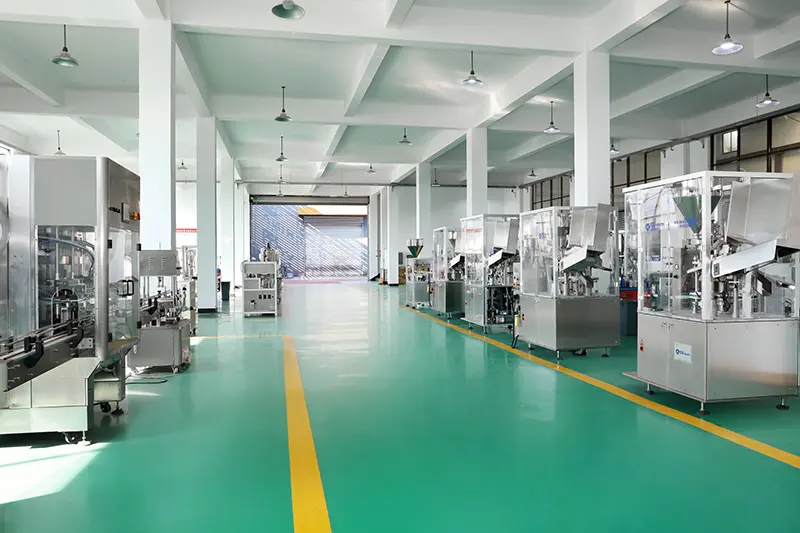
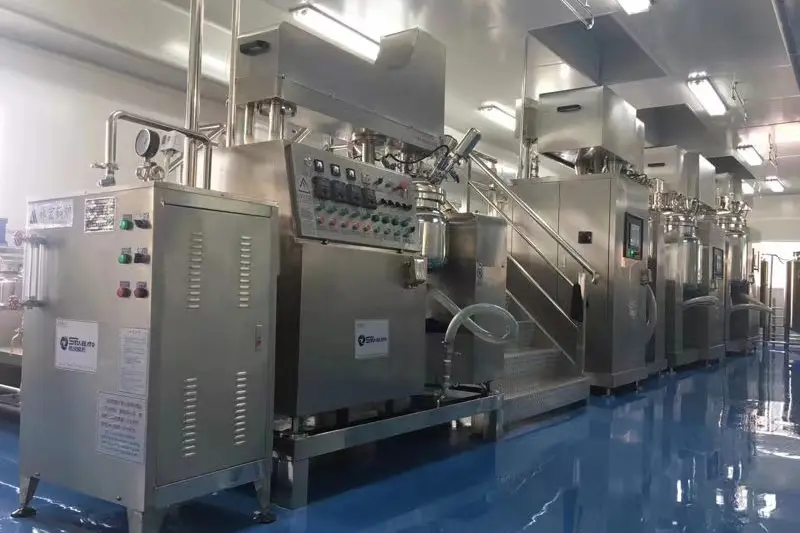
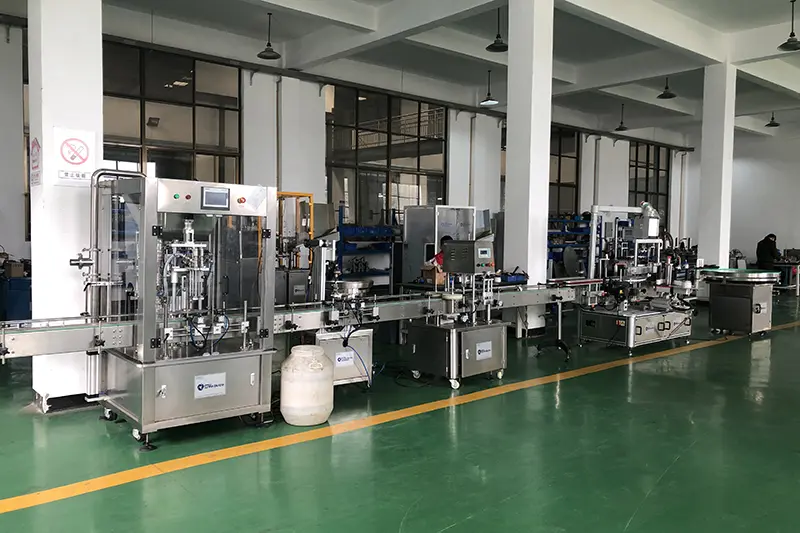
A fully automatic rotary mascara line runs on an indexed turntable system. Bottles are fed via a centrifugal sorting bowl or conveyor, verified by an optical sensor, and filled under clean-room conditions. Next, the wiper insertion station uses a mechanical pick-and-place head to seat the wiper in the bottle neck. Finally, the capping head applies a preset torque to the cap, ensuring a hermetic seal that prevents solvent evaporation.
For procurement directors and factory owners, calculating the total cost of ownership (TCO) and return on investment (ROI) is critical. The capital expenditure (CAPEX) for a Glaze Mascara Filling Machine varies depending on the level of automation, cleanroom integration, customized components, and regional compliance standards. Here is an overview of the global pricing structures:
China is a hub for industrial machinery fabrication. The industrial ecosystems of Guangdong and Jiangsu provinces provide an integrated supply chain that allows manufacturers like SINAEKATO to build, calibrate, and ship heavy cosmetic machinery efficiently.
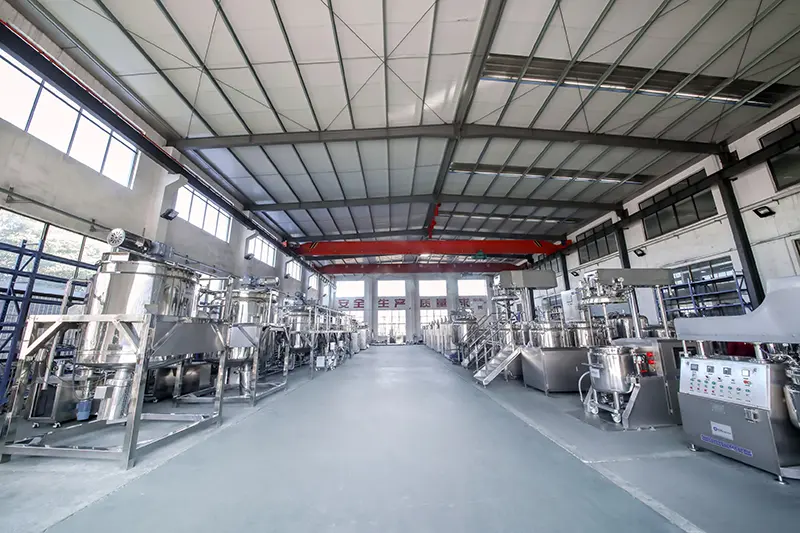
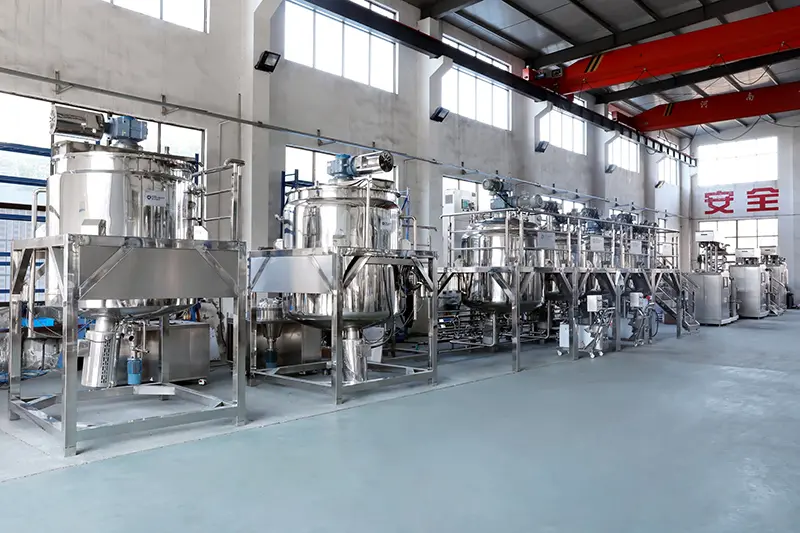
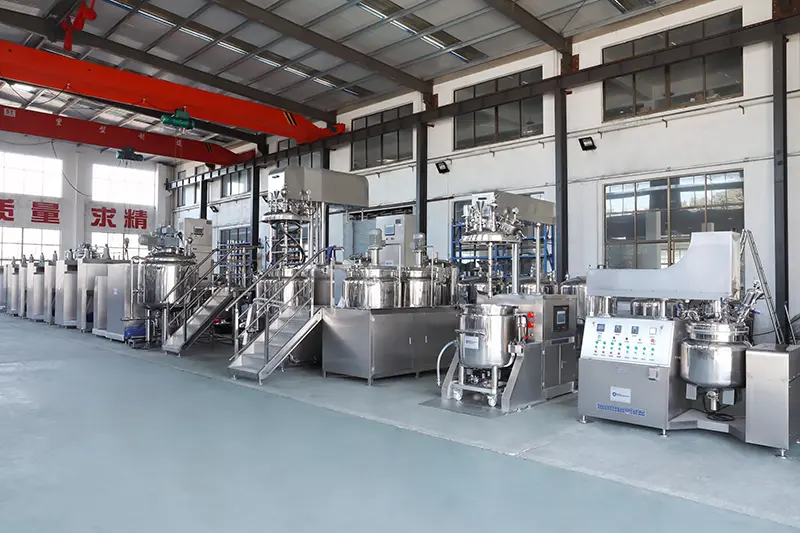
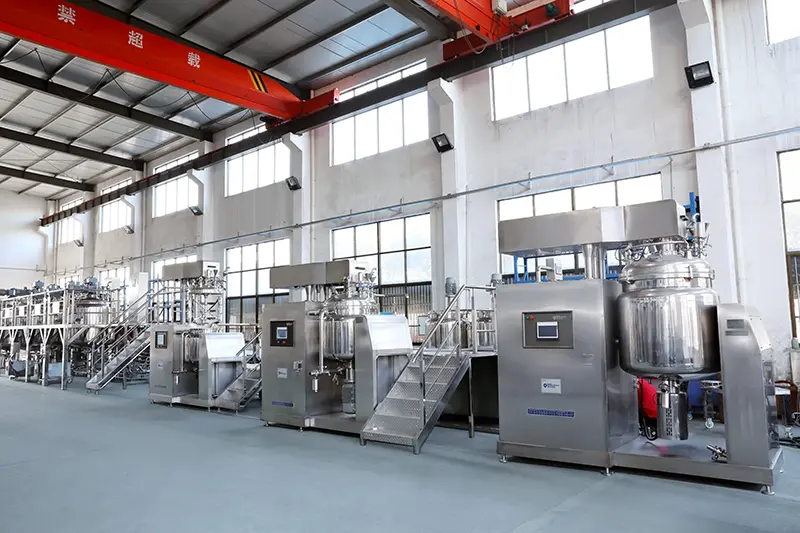
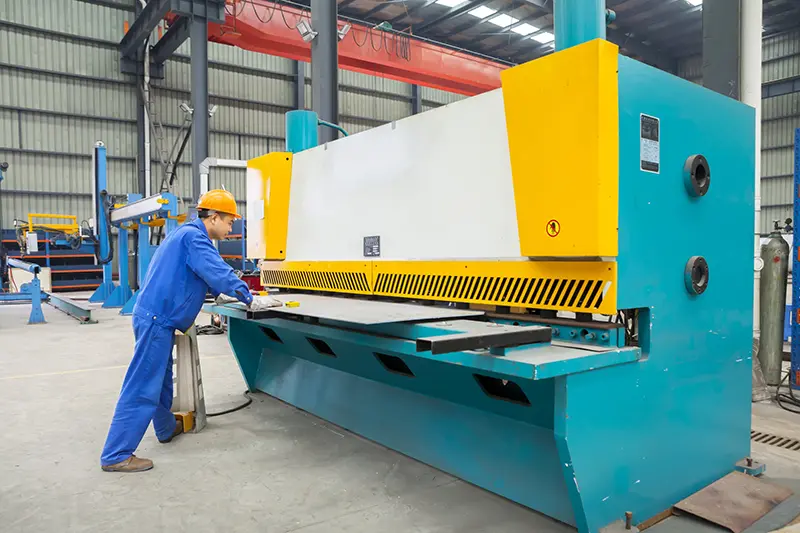
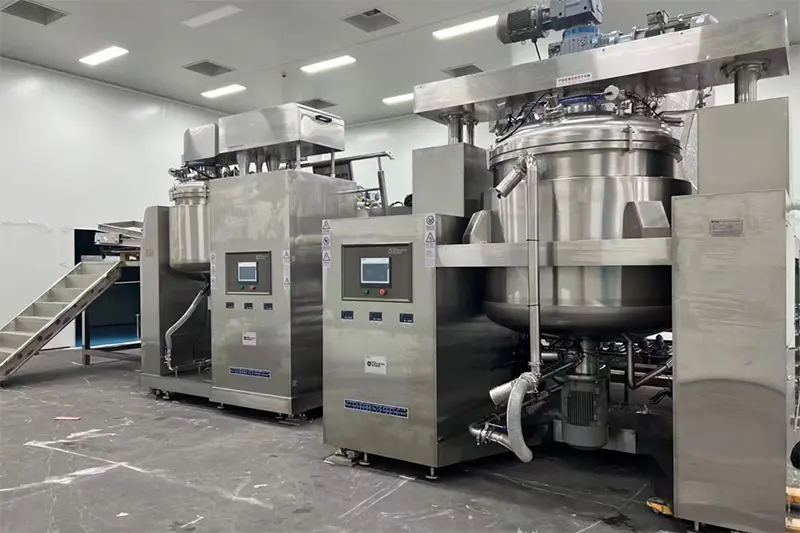
Since 1988, SINAEKATO has built a robust manufacturing presence in Gaoyou and Guangzhou. With a production facility covering over 10,000 square meters, our plant employs more than 150 skilled engineers, assembly technicians, and quality assurance specialists. We maintain close relationships with local steel mills and component manufacturers, allowing us to secure premium raw materials (like SUS316L stainless steel) at competitive rates.
Our localized supply chain ensures that custom requests, such as custom-shaped bottle holders, multi-nozzle adaptations, and specialized scraper blade geometries, can be prototyped and tested quickly. This allows us to offer shorter lead times than European competitors without compromising on build quality or accuracy.
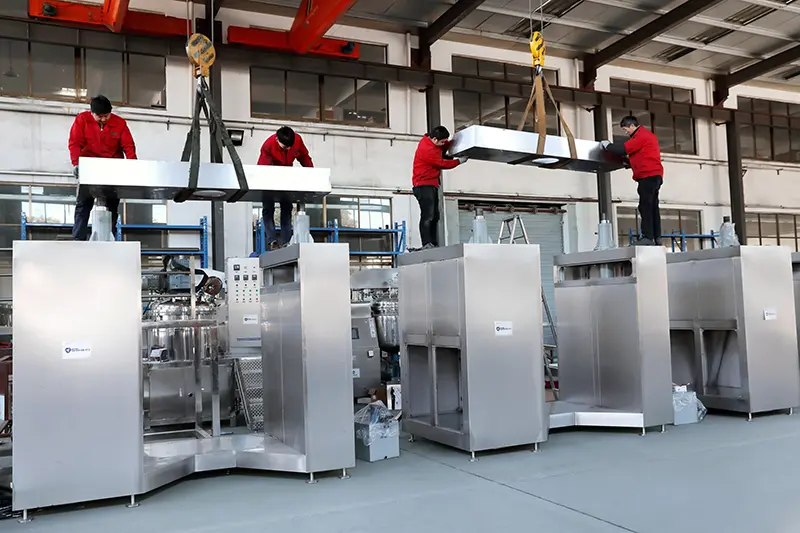
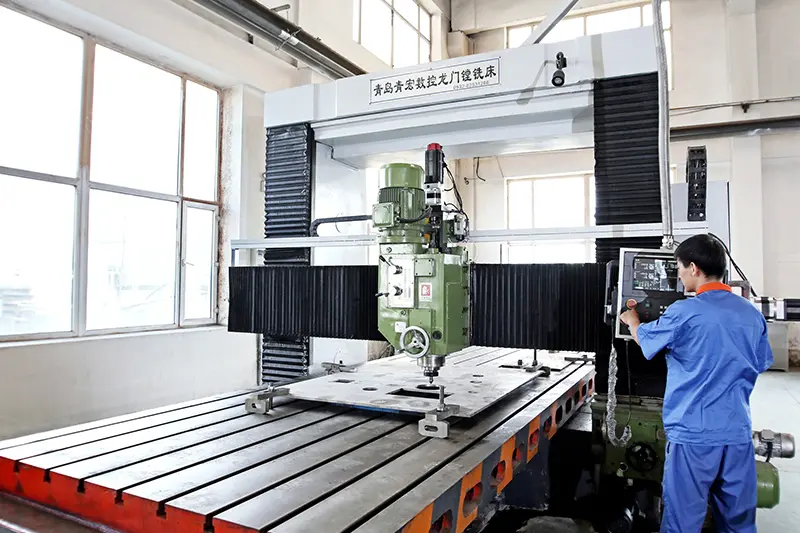
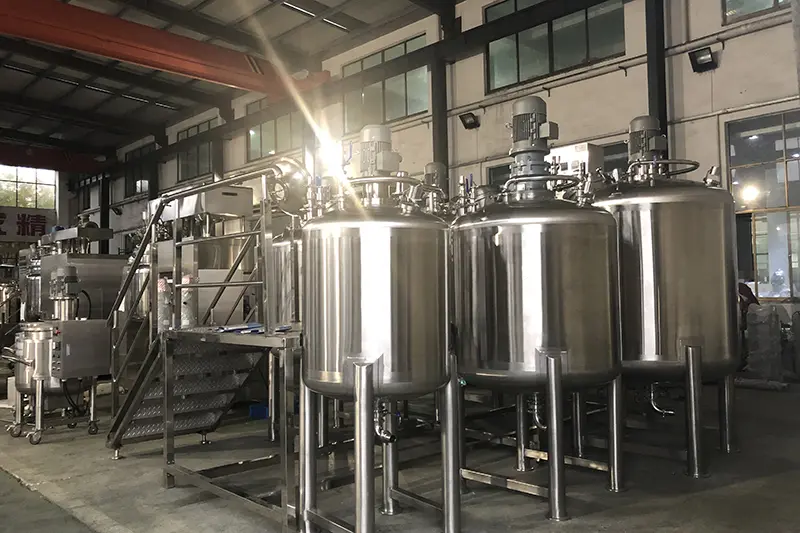
We use precision CNC machining centers to fabricate core parts in-house, ensuring precise alignment and long-term mechanical reliability.
Our 150+ factory workers and export sales team coordinate closely to manage your project from custom engineering to final delivery.
Every machine undergoes a continuous 72-hour stress test before leaving the factory floor, ensuring seamless startup at your facility.
In the cosmetics industry, regulatory compliance is non-negotiable. Machines exporting to the European Economic Area (EEA), North America, and other highly regulated regions must comply with strict safety and sanitary standards. Our glaze mascara filling machines are fully CE Certified, indicating compliance with the following directives:
Beyond safety, cleanability is crucial for preventing cross-contamination. SINAEKATO machines feature product-contact parts fabricated from high-grade SUS316L stainless steel, polished to a mirror finish (roughness Ra < 0.4 μm). This helps prevent product buildup and ensures compliance with EU Cosmetics Regulation (EC) No 1223/2009 and FDA Good Manufacturing Practices (GMP).
With machines operating in 55+ countries, SINAEKATO has built a reliable global support network. We provide comprehensive FAT (Factory Acceptance Testing) documentation, IQ/OQ validation protocols, and on-site engineering support. Whether your production facility is located in Germany, the United States, Brazil, South Africa, or Japan, our field engineers are available to handle mechanical installation, electrical calibration, and operator training.
Our filling equipment is used by cosmetic brands and contract manufacturers worldwide. By adapting our platforms to local packaging standards, bottle sizes, and production environments, we help brands maintain consistent efficiency in various markets.
Similarly, we collaborated with OEM manufacturers in Japan producing cosmetic lines for brands like SK-II and Shiseido, securing orders worth over $1,500,000 USD. These projects required high-precision dosing (±0.05g) and advanced cleanroom integration, demonstrating our ability to meet the strict quality standards of the Japanese cosmetics industry.
In Europe, our machines are designed to handle sustainable, PCR (post-consumer recycled) plastic containers and glass mascara tubes. These materials often feature wider dimensional tolerances, which our servo-driven indexing and capping systems accommodate to prevent cosmetic damage or leakage.
As smart manufacturing becomes the industry standard, SINAEKATO is integrating new technologies into our production systems. Our technical roadmap focuses on the following key areas:
More than three decades of engineering excellence and global expansion
Engaged in the chemical machinery industry, laying the foundation for engineering R&D.
Guangzhou Sina Cosmetics Engineering Equipment Co., Ltd. was established to specialize in cosmetic processing machinery.
Established Hong Kong Hantao International Investment Co., Ltd. to initiate international financial and technological exchanges.
Gaoyou Sina Chemical Machinery Equipment Factory was established; Guangzhou engineering division renamed Guangzhou Sina Chemical Machinery Co., Ltd.
Established Gaoyou Sina Light Industry Machinery Equipment Factory to expand manufacturing capacity.
Purchased 10,000 square meters of land in Gaoyou. The new processing plant, SINA EKATO CHEMICAL MACHINERY CO., LTD (GAOYOU CITY), began operations.
Established Yangzhou Hantao Chemical Machinery Co., Ltd. to optimize specialized manufacturing processes.
Acquired Guangzhou Jingcheng Machinery, established a large exhibition center, and expanded export sales channels.
Guangzhou Sina Chemical Machinery Co., Ltd. was officially renamed Guangzhou SINAEKATO Chemical Machinery Co., Ltd.
Acquired Guangzhou Suogao Machinery Equipment Co., Ltd. to consolidate technical patents and engineering talent.
Established the Gaoyou City factory as the integrated headquarters for R&D, manufacturing, sales, and service.
Established SINA EKATO Equipment (Jiangsu) Co., Ltd. to facilitate foreign technical cooperation projects.
Cooperated with European firm FLEMAC to establish Germany SINAEKATO Group Co., Ltd., introducing German engineering principles to our product line.
Partnered with Unilever South Africa on an $800,000 USD cosmetics project, and with Shiseido/SK-II OEM partners on a $1,500,000 USD equipment order.
Completed a $1,000,000 USD order for detergent and liquid-washing equipment for Japanese cosmetic and household brands.
Technical answers to common questions about mascara manufacturing technology
CE Certification indicates that the machine complies with EU safety, health, and environmental protection requirements. For mascara filling, it guarantees the safety of the mechanical indexing parts, the reliability of electrical systems, and that all food/pharmaceutical-contact parts meet strict sanitary standards.
We configure the machines with heated, double-jacketed product hoppers and customized paddle agitators. Dosing is driven by robust servo-piston assemblies that draw and compress the product without shearing it, preserving its high-gloss, glaze finish.
Yes. The system uses modular pucks (bottle holders) and changeover tooling. Swapping the indexing pucks and nozzle tips takes under 20 minutes, allowing a single line to run multiple bottle shapes and sizes.
A standard semi-automatic machine can be shipped within 30 to 45 days. Fully customized, high-speed rotary packaging lines require approximately 60 to 75 days, including design validation, components assembly, and FAT testing.
Explore our complete manufacturing line solutions
 Sina Ekato