In the rapidly evolving packaging sector, the demand for CE Certification Glass and PET Bottle Washing Machines has surged as global manufacturers face stricter hygiene, safety, and operational efficiency standards. Container cleanliness is no longer just a preliminary production step; it is a critical process point directly affecting product shelf life, chemical stability, and consumer safety. From high-throughput beverage operations to highly regulated pharmaceutical, cosmetic, and food production plants, bottle washing systems represent the first line of defense against product contamination.
The shift toward multi-format lines has challenged packaging engineers. Modern facilities now require systems capable of washing both heavy, resilient glass containers and lightweight, heat-sensitive PET (Polyethylene Terephthalate) bottles with minimal changeover downtime. In response, top manufacturers like SINAEKATO have pioneered multi-stage sanitizing structures that leverage variable frequency controls, adjustable water temperatures, and dynamic spray pressure curves. These innovations protect bottle structures while delivering sanitization levels that meet strict international regulations.
Additionally, the rise of the circular economy has made the reuse of glass bottles highly attractive. This trend has driven the development of advanced machinery capable of removing heavy labels, dried-on residue, and microbial loads. For PET bottles, the priority is maintaining structural integrity under heat and pressure while ensuring zero chemical carryover from cleaning agents. By integrating IoT sensors, predictive maintenance modules, and closed-loop filtration, next-generation bottle washers deliver high cleaning verification rates while reducing water and energy consumption.
Utilizes distinct zones—including pre-rinsing, caustic wash, acid neutralizing, and fresh water rinse—to prevent thermal shock in glass and avoid structural deformation in heat-sensitive PET containers.
Fully compliant with EU directives, including MD 2006/42/EC and LVD 2014/35/EU. Features fail-safe interlocks, emergency exhaust routing, and IP69K-rated washdown enclosures.
Integrates directly with clean-in-place (CIP) and sterilize-in-place (SIP) utility loops. This structure guarantees automated sanitization of internal piping networks, spray bars, and storage reservoirs.
Equipped with counter-flow filtration loops and dynamic turbidity monitoring. This allows clean water from final rinses to be recycled back into early-stage pre-rinsing chambers, reducing overall water consumption by up to 40%.
High-impact, non-clogging internal and external spray nozzles ensure complete coverage of the container interior. Advanced nozzle profiles create a powerful mechanical scrubbing action to remove stubborn organic residues.
Driven by advanced Siemens/Allen-Bradley PLC architectures. Provides real-time tracking of water pressure, flow rates, chemical concentration indices, and bottle throughput via a user-friendly HMI.
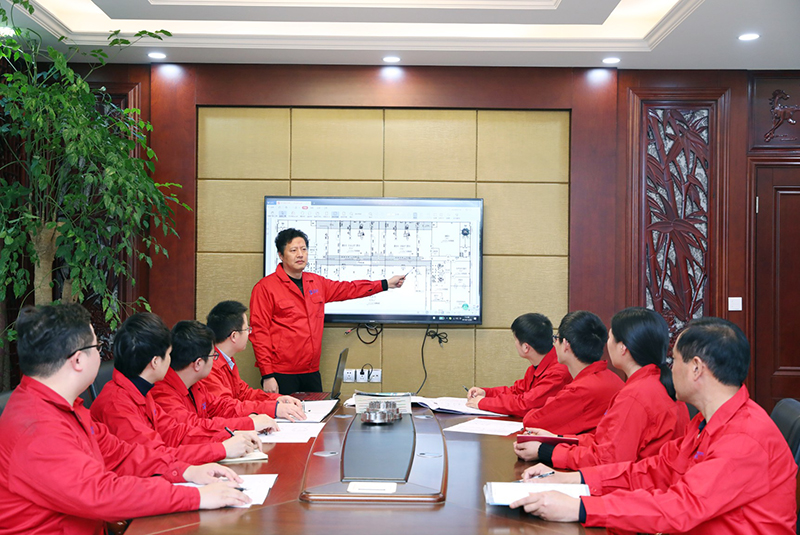
Procurement teams at international FMCG, cosmetic, and pharmaceutical firms evaluate bottle washing systems through a strict lens of total cost of ownership (TCO) and long-term reliability. To justify capital expenditure, systems must demonstrate high efficiency, low water and chemical consumption, and minimized downtime. Advanced sanitization loops and high clean-verification rates are critical features required to prevent contamination and product recalls.
Furthermore, compatibility with wider production networks is essential. Buyers prioritize equipment that integrates smoothly with downstream filling, capping, and labeling units. This has driven the industry toward standardized communication protocols, like OPC UA, and modular designs that can adapt to changing production layouts.
Equally important are CE Certification and local compliance. International operations require equipment built to meet specific regional safety standards, such as OSHA, ATEX, and CE. Suppliers that offer turn-key solutions—encompassing custom engineering, factory acceptance testing (FAT), and rapid local field service—gain a significant advantage in the global market.
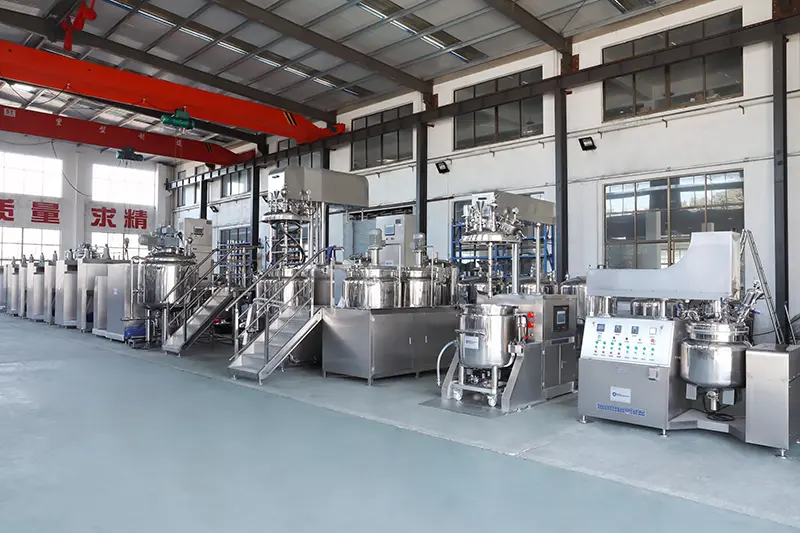
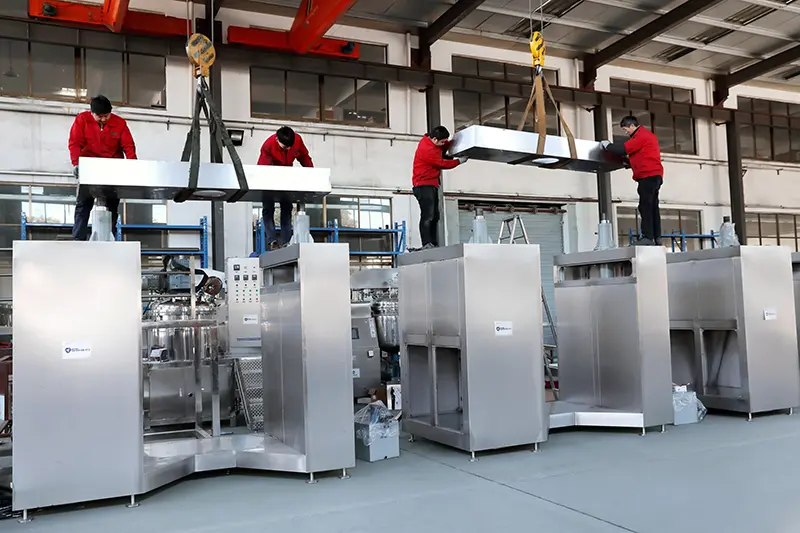
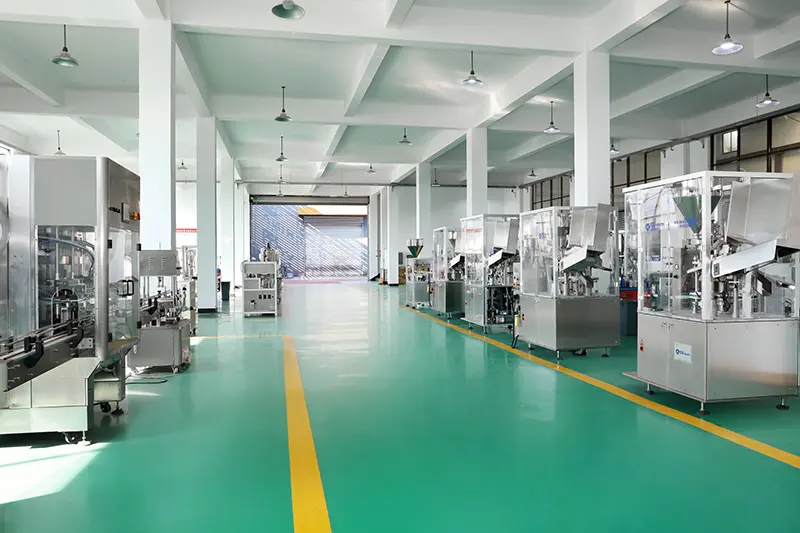
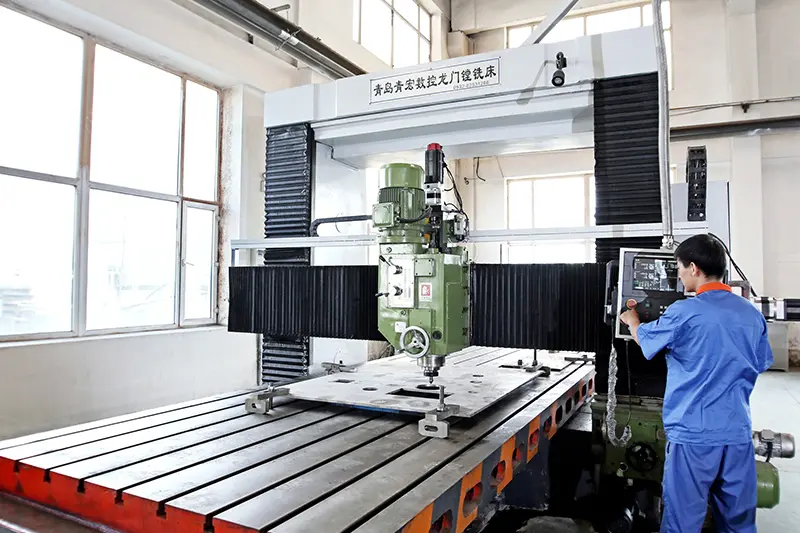
Established in 1992 (with foundations dating back to 1988), SINAEKATO has developed into a premier manufacturer of high-end chemical, cosmetic, food, and pharmaceutical machinery in China. With a 10,000-square-meter production headquarters in Gaoyou City and a dedicated export and exhibition hub, the company has built a reputation for engineering excellence and reliable customer service.
The brand’s philosophy, "Let the World Know Made in China," is reflected in its commitment to high-performance products. By sourcing 80% of key mechanical and electrical components from leading international suppliers, SINAEKATO ensures its machinery—including emulsifiers, vacuum homogenizers, water treatment units, and bottle washers—meets global standards for precision and durability.
Our international footprints span over 55 countries, supported by partnerships with global consumer brands like Unilever, SK-II, and Shiseido. Backed by joint European technology ventures and a dedicated R&D division, we continue to push boundaries in process automation, resource recovery, and modular manufacturing.
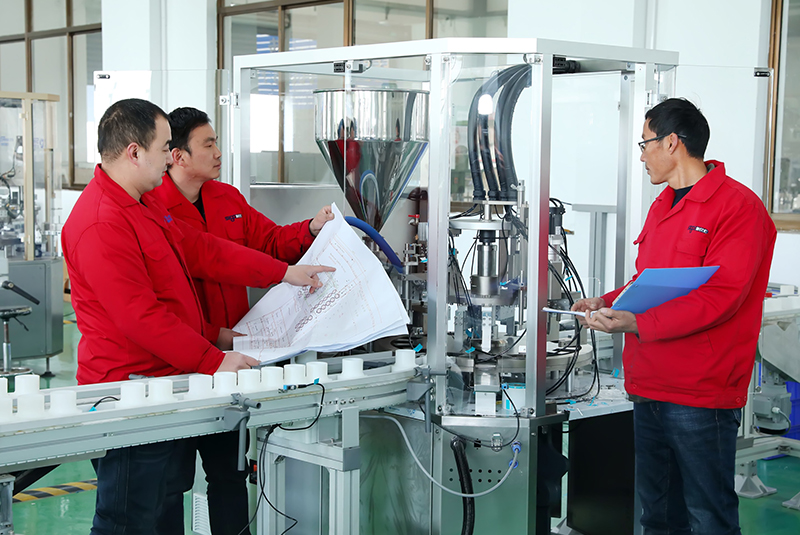
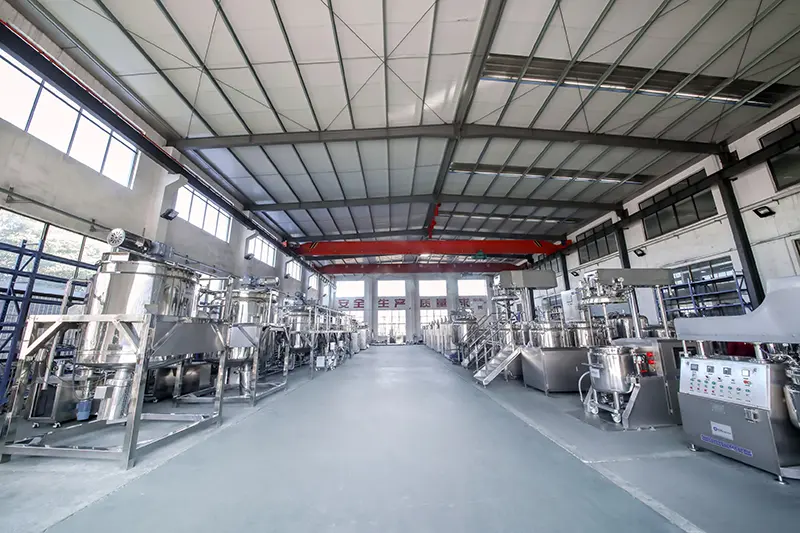
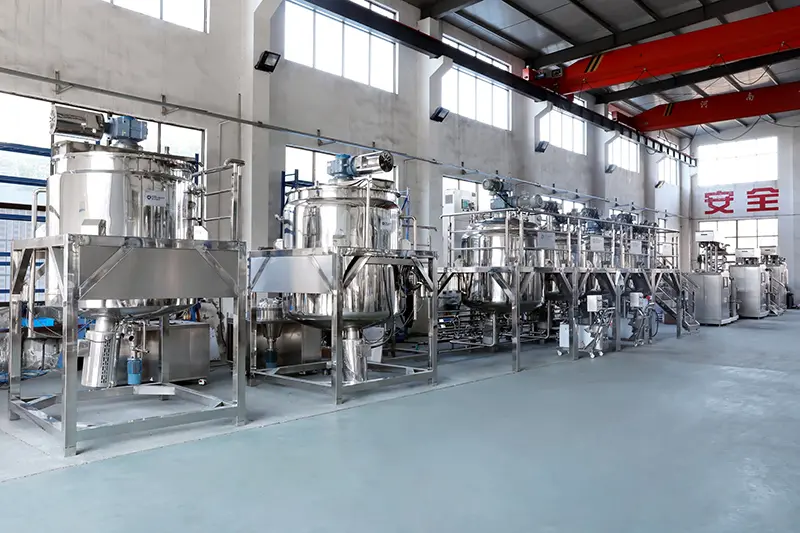
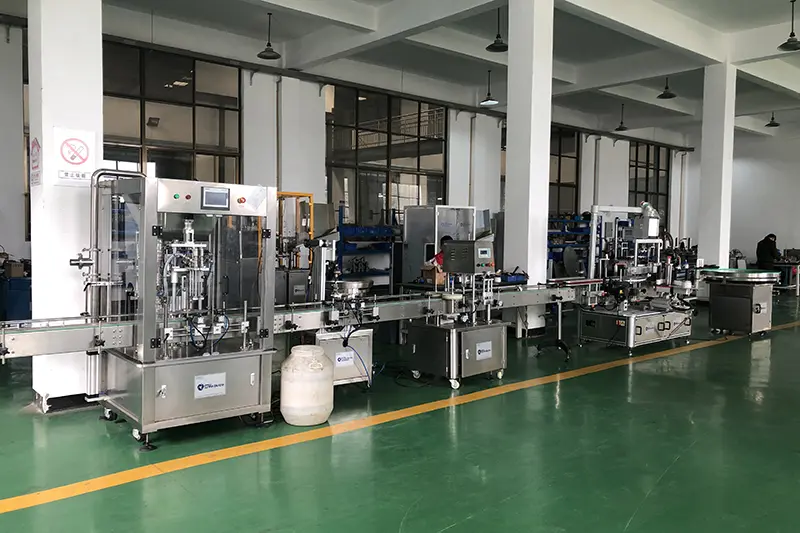
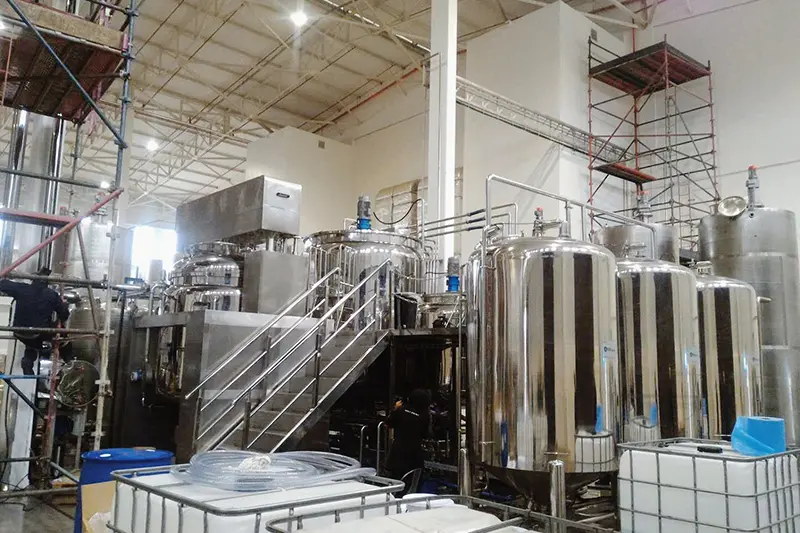
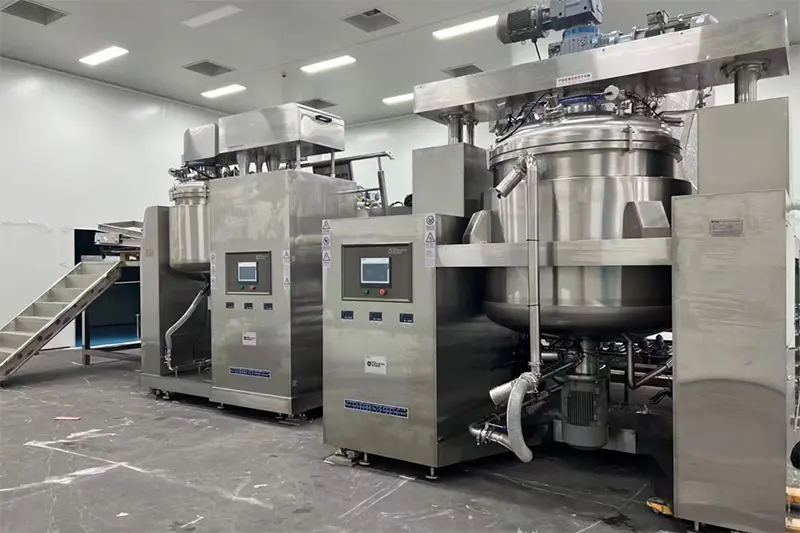
Integrating vision sensors and AI diagnostics to inspect and reject contaminated containers in real time before they reach downstream filling units.
Developing closed-loop filtration setups designed to recycle up to 90% of process water and recover thermal energy from rinse stages.
Designing changeover systems that allow operators to switch carrier pockets and guide rails for different bottle shapes and materials without using hand tools.
Deploying IoT modules that monitor machine health parameters, helping operators schedule maintenance before failures occur.
 Sina Ekato