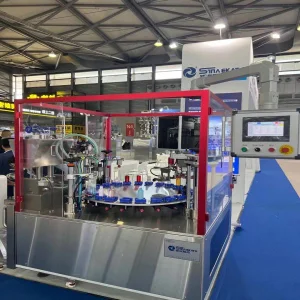
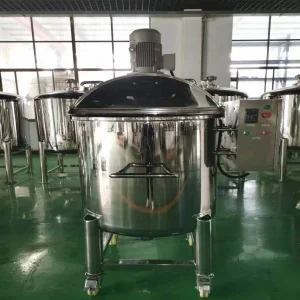
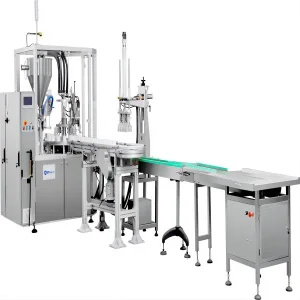
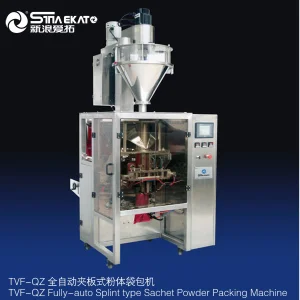
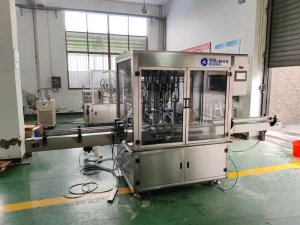
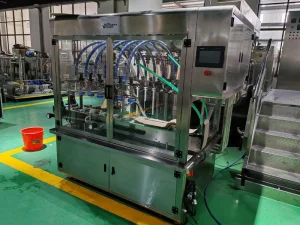
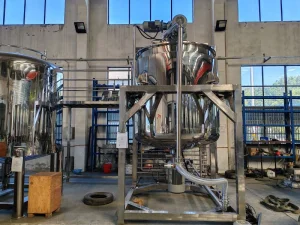
Explore our industrial range of high-efficiency machinery manufactured to international E-E-A-T and CE standards.
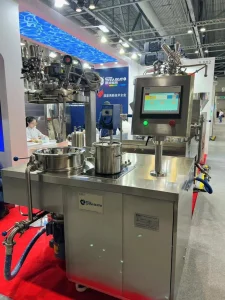
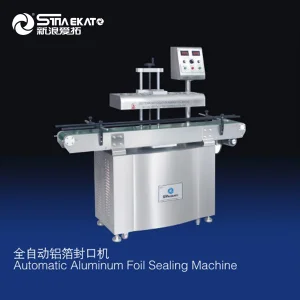
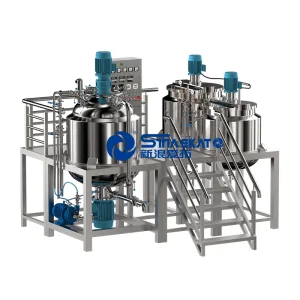
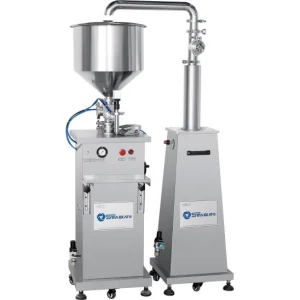
Analyzing the critical role of PAM/PAC dissolution units in modern chemical process automation, environmental engineering, and municipal utility networks.
In contemporary industrial processing, the efficiency of liquid-solid separation, wastewater treatment, and sludge dewatering depends critically on the chemical preparation phase. A Polymer Dosing Machine (also known as a polymer preparation unit or PAM dissolution station) serves as the primary gateway for preparing high-molecular-weight organic polymers. These chemical solutions—chiefly Polyacrylamide (PAM) and Polyaluminum Chloride (PAC)—are highly sensitive to physical shear, requiring precise mechanical handling. Modern industries can no longer afford manual dilution due to issues with chemical wastage, inaccurate concentrations (resulting in "fish-eyes" or undissolved polymer clumps), and high operational labor costs.
From a global market perspective, the demand for automatic polymer preparation systems is experiencing rapid growth, driven by stringent environmental laws in North America, the European Union, and rapidly developing sectors in Asia-Pacific. Industrial facilities require continuous-flow, highly reliable dosing installations that integrate seamlessly into their SCADA systems. Industrial manufacturers like SINAEKATO have built upon three decades of engineering expertise to develop automated preparation tanks, high-shear wetting units, and volumetric powder feeders that guarantee consistent solution aging and viscosity control.
Understanding the mechanical requirements of polymer preparation requires a focus on chemistry and fluid mechanics. Industrial powder polymers must be distributed evenly into water without forming aggregates. To prevent clumping, the dry polymer must be introduced via a heated dosing screw into a dry-powder wetting device (often a venture ejector nozzle), ensuring each grain is separately wetted before dropping into the mixing tank.
The processing unit is typically configured in a three-chamber layout: the dissolving chamber, the aging chamber, and the storage chamber. Continuous flow through these chambers ensures that the polymer undergoes sufficient mechanical maturation before being drawn off by transfer pumps. SINAEKATO integrates electronic level sensors, variable frequency drives (VFD) on mixing impellers, and solenoid valves to adjust water flow rates dynamically in response to chemical dosing speed.
Combining the speed, reliability, and scale of China's leading manufacturing hub with world-class international component integration.
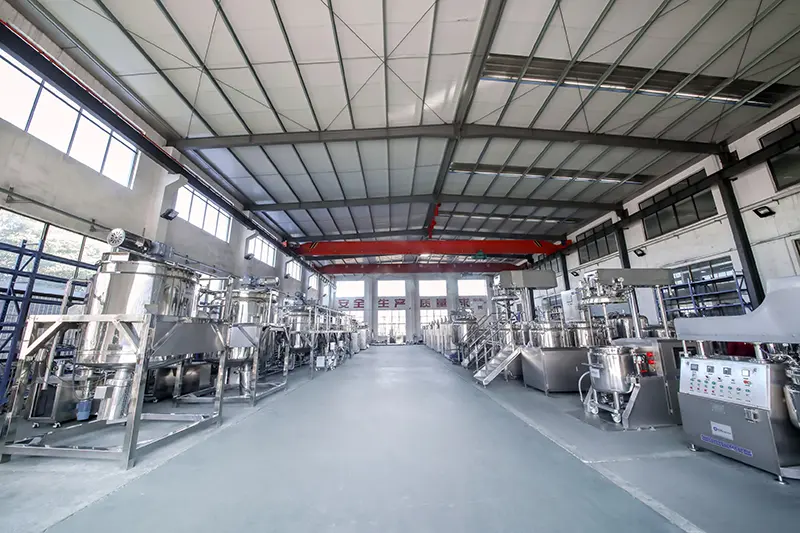
At SINAEKATO, science and technology drive industrial output. By continuously refining vacuum mixing, high-shear emulsification, and liquid-washing homogenizers, our systems ensure precise process control.
Over 80% of our core components are sourced from globally recognized brands, including Siemens, ABB, Schneider, and Omron. This guarantees spare parts availability and simplifies maintenance globally.
We deliver complete processing plants, integrating Reverse Osmosis water purification, storage tanks, and automated filling lines. This provides a unified supply chain for cosmetic, pharmaceutical, and chemical operations.
"LET THE WORLD KNOW MADE IN CHINA is our guiding mission. We deliver machines that meet stringent international regulatory standards, supported by reliable customer service and engineering expertise."
A timeline of growth, industrial expansion, and international collaboration from SINAEKATO.
Engaged in the chemical machinery industry, laying the foundation for fluid mixing innovations.
Guangzhou Sina Cosmetics Engineering Equipment Co., Ltd. was established to serve the domestic cosmetics market.
Established Hong Kong Hantao International Investment Co., Ltd. to initiate international trading operations.
Gaoyou Sina Chemical Machinery Equipment Factory founded. Guangzhou Sina renamed to Guangzhou Sina Chemical Machinery Co., Ltd.
Established Gaoyou Sina Light Industry Machinery Equipment Factory, expanding production capabilities.
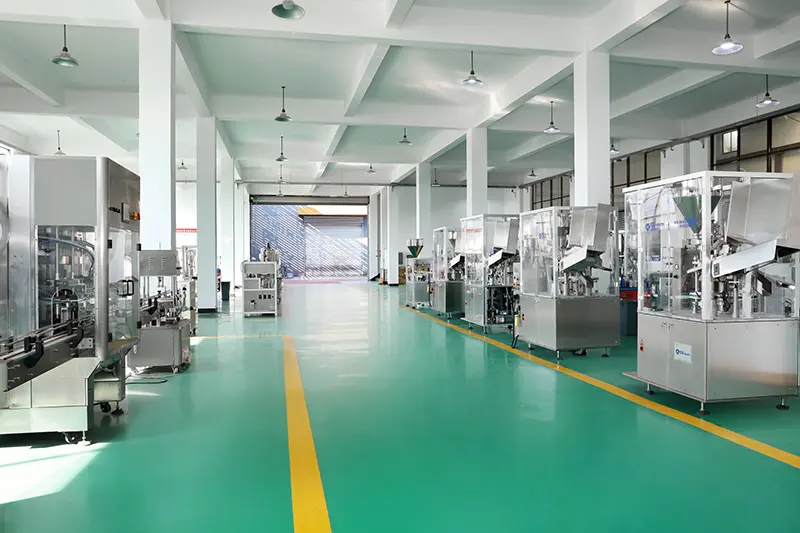
Acquired 10,000 square meters of industrial land in Gaoyou. SINA EKATO CHEMICAL MACHINERY CO., LTD (GAOYOU CITY) begins operation.
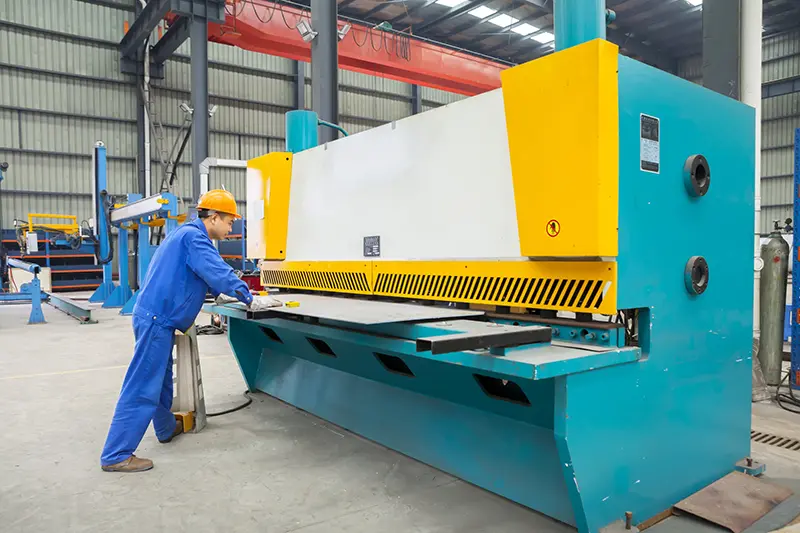
Yangzhou Hantao Chemical Machinery Co., Ltd. established, focusing on heavy machinery fabrication.
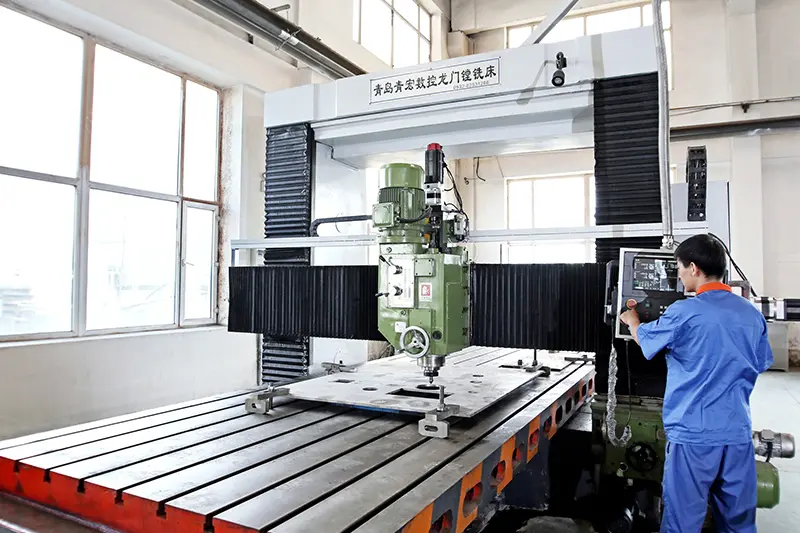
Acquisition of Guangzhou Jingcheng Machinery. Setup of export sales networks and exhibition centers.
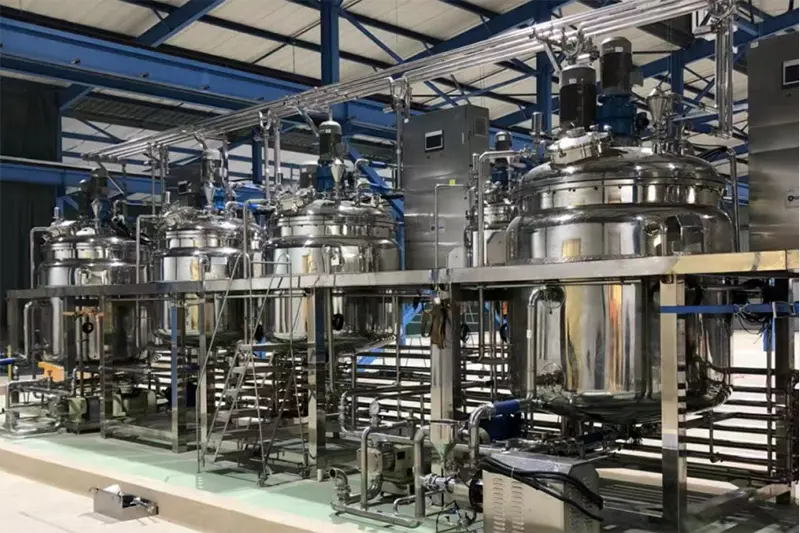
Guangzhou company officially renamed to Guangzhou SINAEKATO Chemical Machinery Co., Ltd.
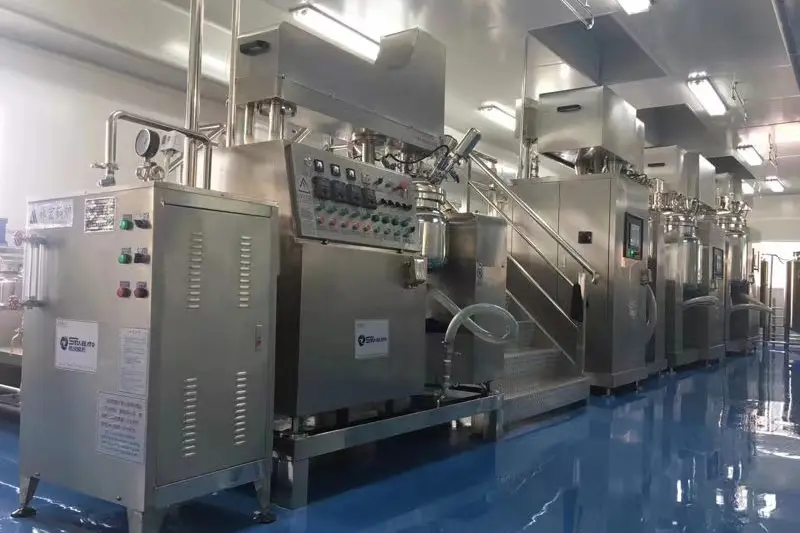
Strategic acquisition of Guangzhou Suogao Machinery Equipment Co., Ltd. to expand packaging technologies.
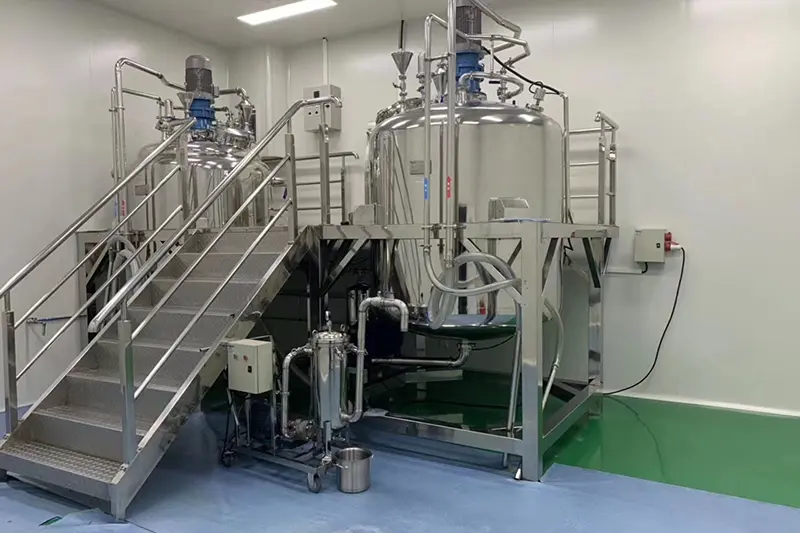
Gaoyou City facility becomes the primary headquarters for Production, Sales, and After-Sales Services.
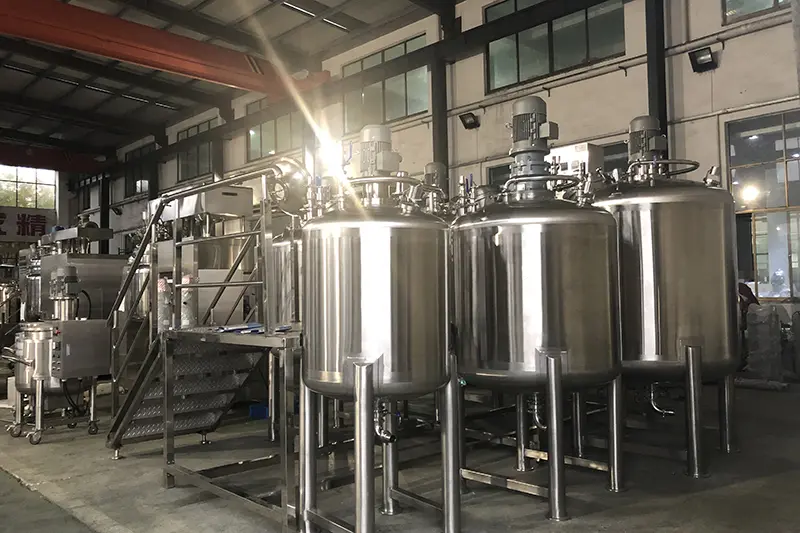
Established SINA EKATO Equipment (Jiangsu) Co., Ltd. to strengthen international technical partnerships.
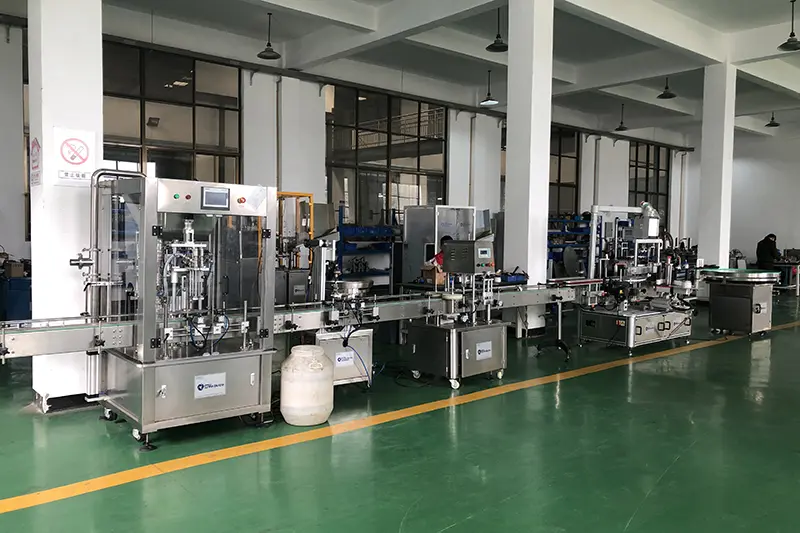
Partnered with European specialist FLEMAC to establish Germany SINAEKATO Group Co., Ltd.
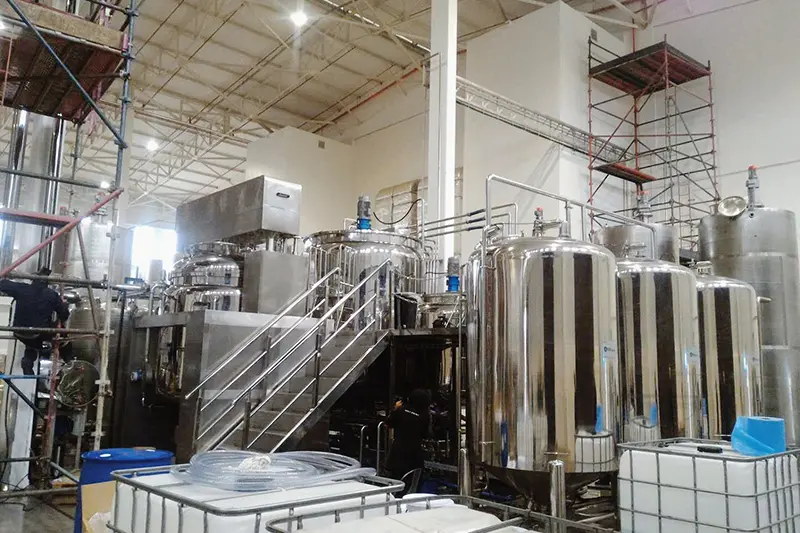
Delivered an $800,000 cosmetic processing system to Unilever South Africa, and a $1,500,000 manufacturing line for SK-II and Shiseido OEM partners.
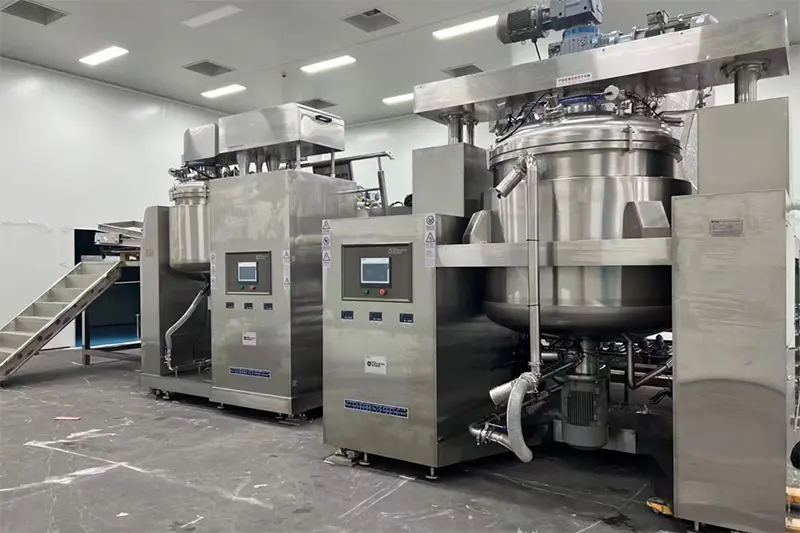
Delivered a $1,000,000 liquid washing and detergent line for major Japanese consumer chemical products.
How precise polymer dosing enhances efficiency across diverse industrial sectors.
In activated sludge processes and industrial wastewater purification, flocculants are added to promote the aggregation of suspended solids. A reliable dosing machine ensures that the dosing rate matches the incoming wastewater flow, preventing under-dosing (poor water clarity) or over-dosing (which wastes chemical agents and clogs filters).
Mining operations process large volumes of slurry, using thickeners to separate minerals from wastewater. High-capacity automatic dosing systems prepare anionic or cationic polymers at consistent concentrations, helping to maintain high processing speeds and recover process water.
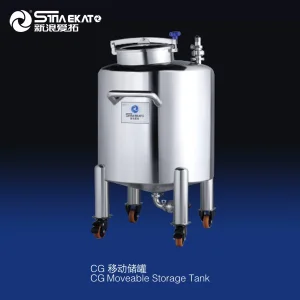
In personal care manufacturing, polymers are used to stabilize emulsions, control viscosity, and adjust rheology. SINAEKATO's machinery solutions—including vacuum emulsifying mixers and storage tanks—ensure that these ingredients are properly hydrated and blended to maintain product stability in skincare, shampoo, and shower gel products.
Addressing technical questions about industrial polymer preparation systems and purchasing procedures.
A single-chamber unit prepares polymer batch-by-batch, meaning delivery must stop during dilution cycles to prevent untreated water or raw powder from being discharged. In contrast, a three-chamber system (dissolving, aging, and storage) operates continuously. The polymer dissolves in the first chamber, ages and matures in the second, and is transferred to the third for discharge. This ensures a consistent supply of matured polymer solution to the processing line.
We use integrated dry-powder dosing devices equipped with variable frequency drives (VFD) coupled with electromagnetic flowmeters on the incoming water line. The PLC system monitors real-time water inlet velocity and automatically adjusts the feeder screw rotation speed. This maintains the configured target concentration (typically 0.1% to 0.5%) even if water supply pressures fluctuate.
Prepared polymers, especially when dissolved in chlorinated municipal water, can be highly corrosive to low-grade steels. SINAEKATO builds chemical preparation systems using high-grade SUS304 or SUS316L stainless steel. This prevents corrosion and chemical degradation, ensuring system longevity in humid wastewater treatment environments.
Yes, our advanced systems can be custom-engineered with dual-feed inputs. This setup accommodates dry powder via a volumetric hopper and liquid emulsion through a progressive cavity dosing pump, allowing operators to switch chemical inputs depending on market price and availability.
Explore the remainder of our specialized machinery offerings, built for chemical, cosmetic, and manufacturing plants worldwide.
 Sina Ekato