Explore our precision-engineered machinery lines designed for processing highly viscous emulsions and cosmetic raw materials.
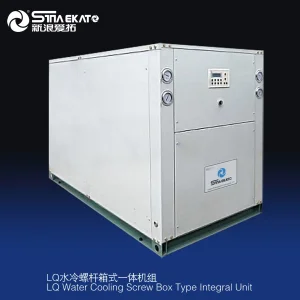
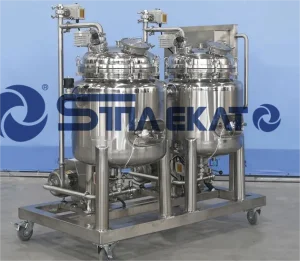
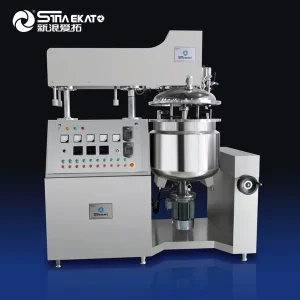
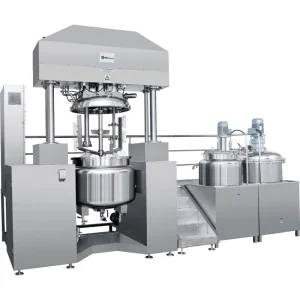
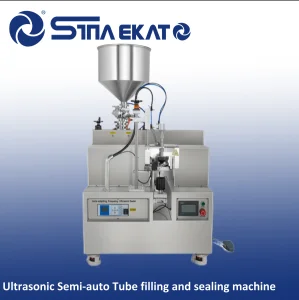
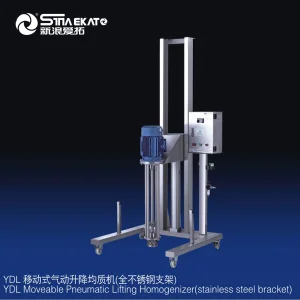
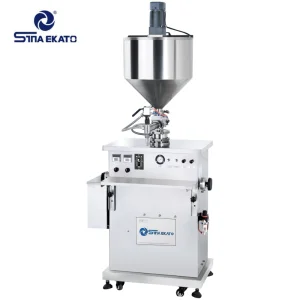
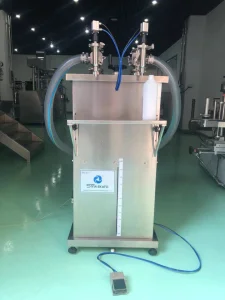
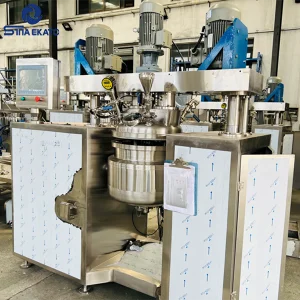
In the modern chemical, cosmetic, and pharmaceutical manufacturing landscapes, the production of stable emulsions—ranging from low-viscosity lotions to thick dermatological ointments—remains a complex rheological challenge. The key to successfully formulating these products lies in reducing droplet size to sub-micron scales. A high-efficiency Cream Lotion Ointment Homogenizer Mixer utilizes mechanical shear forces, cavitation, and turbulence to achieve uniform dispersion of immiscible oil and water phases.
From an industrial standpoint, poor emulsification directly impacts product shelf-life, active ingredient bioavailability, and aesthetic appeal. When preparing premium cosmetic creams or medical ointments, manufacturers must guarantee that lipid-soluble and water-soluble components are locked in a stable lattice structure. Standard mixers fail because they cannot exert the shear energy required to overcome interfacial tension. An advanced industrial vacuum emulsifier addresses this by combining high-speed rotor-stator systems with slow-speed counter-rotating scraper agitators.
At the heart of the homogenizer mixer is the precision-engineered rotor-stator head. The rotor rotates at speeds typically ranging from 3,000 to 3,600 RPM (and up to 6,000 RPM in laboratory models), forcing the product through extremely narrow tolerances within the stationary stator. As the fluid transitions between these areas, it experiences intense hydraulic shear, rapid pressure drops, and ultrasonic cavitation. This combination fractures droplet clusters, narrowing the droplet size distribution (DSD) to a range of 0.2 to 2 microns, resulting in a silky texture, enhanced skin absorption rates, and chemical stability that prevents phase separation over time.
The global cosmetics and pharmaceutical processing equipment market is witnessing significant growth, driven by consumer demand for preservative-free, organic, and highly active formulations. These modern formulations are often unstable and temperature-sensitive, placing strict demands on processing machinery. Today, production facilities must transition from traditional batch processing to highly flexible, modular, and automated manufacturing systems.
In key regional hubs across Asia-Pacific, Europe, and North America, leading brands like Unilever, SK-II, and Shiseido depend heavily on custom-engineered processing configurations. High-capacity lines must integrate seamlessly with bulk ingredient delivery system, reverse osmosis (RO) water purification units, automated dosing stations, and sterile filling packaging plants. This shift is driving demand for comprehensive, single-vendor solutions that reduce integration conflicts and streamline Factory Acceptance Testing (FAT) and Site Acceptance Testing (SAT).
Furthermore, the optimization of production footprints has become a primary driver of factory design. Modern facilities require skid-mounted processing units that can quickly adapt to changing product lines, minimizing cross-contamination risks and shortening cleaning cycles. Incorporating central control architectures like PLC cabinets, human-machine interfaces (HMIs), andSCADA systems allows plant managers to monitor shear rates, temperature trajectories, and vacuum pressures in real-time. This level of digitalization is essential for meeting data integrity requirements in GMP-regulated environments.
For process engineers and regulatory compliance officers, purchasing a homogenizer mixer requires strict adherence to international safety and hygiene standards. Machinery must comply with CE regulations, FDA guidelines, and current Good Manufacturing Practice (cGMP) designs to ensure safe operation and high-quality output.
SINAEKATO leads the industry with advanced engineering capabilities, global operational support, and a history of reliable service.
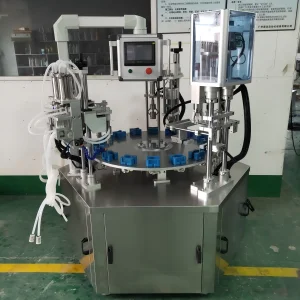
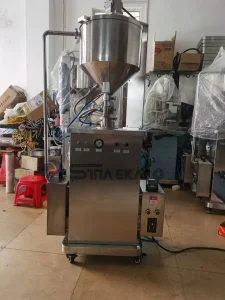
SINAEKATO, one of China's leading machinery brands, was founded in 1992. With over 30 years of engineering experience, the company specializes in Vacuum Emulsifying Mixers, Liquid-Washing Homogenizer Mixers, Perfume Chiller Production Lines, Toothpaste Production Mixers, Semi-Automatic & Fully-Automatic Filling Machines, Storage Vessels, RO Water Treatment Series, and downstream labeling and packaging equipment. We provide comprehensive, one-stop machinery solutions tailored for the cosmetic, pharmaceutical, food, and daily chemical industries.
Currently, SINAEKATO operates in nearly 55 countries, employing approximately 150 specialists at its primary domestic manufacturing plant and maintaining dedicated overseas support teams. Our expertise in high-shear emulsification, precise temperature control, vacuum system design, and line integration is recognized globally, making us a trusted partner for brands seeking to scale up their production capacities.
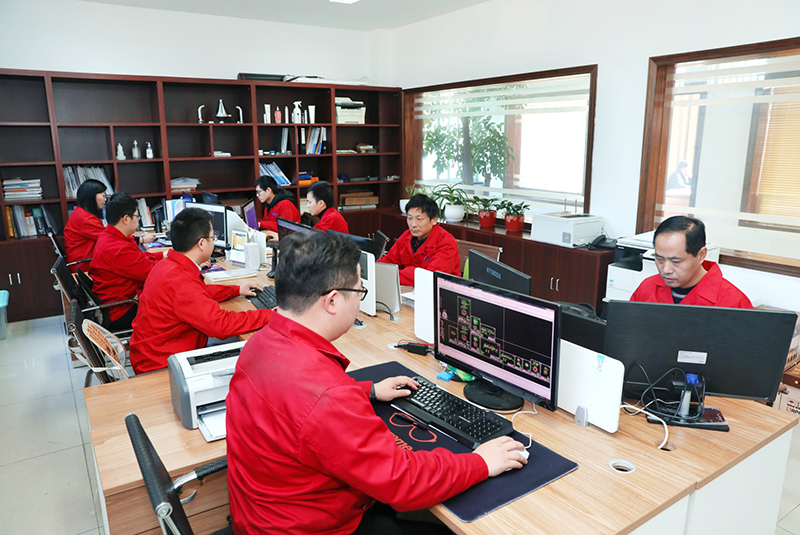
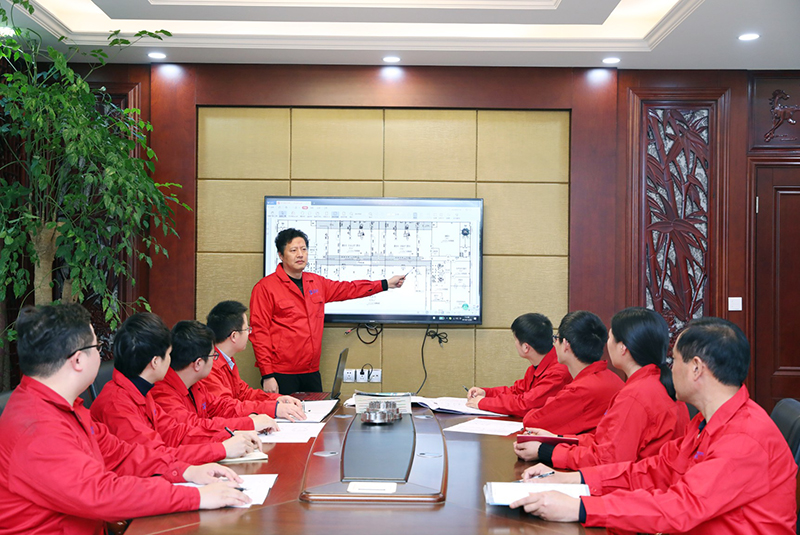
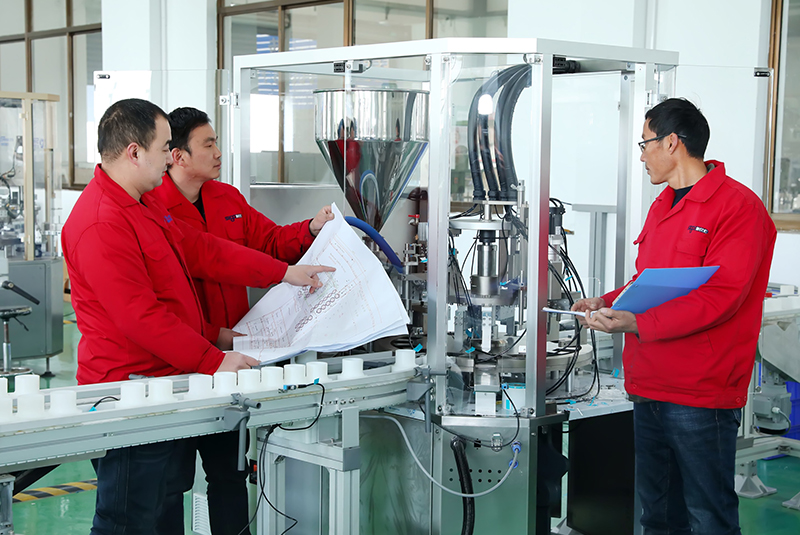
Tracing over three decades of growth and technological expansion in the chemical machinery industry.
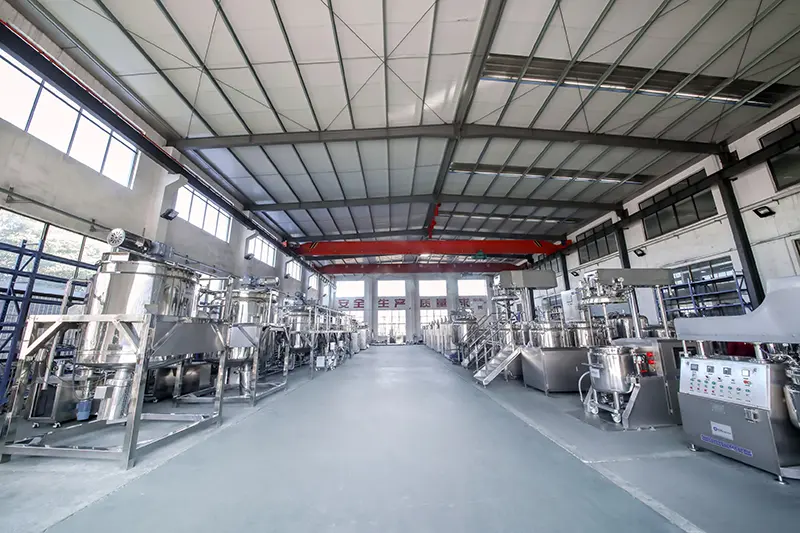
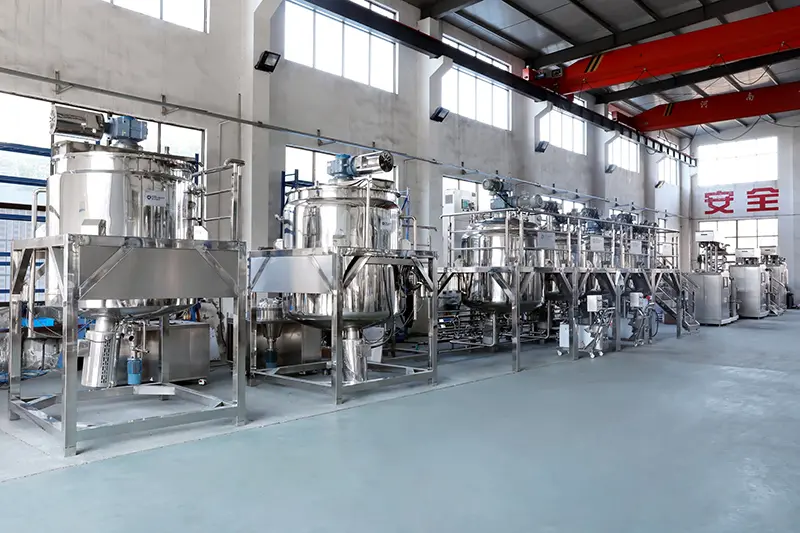
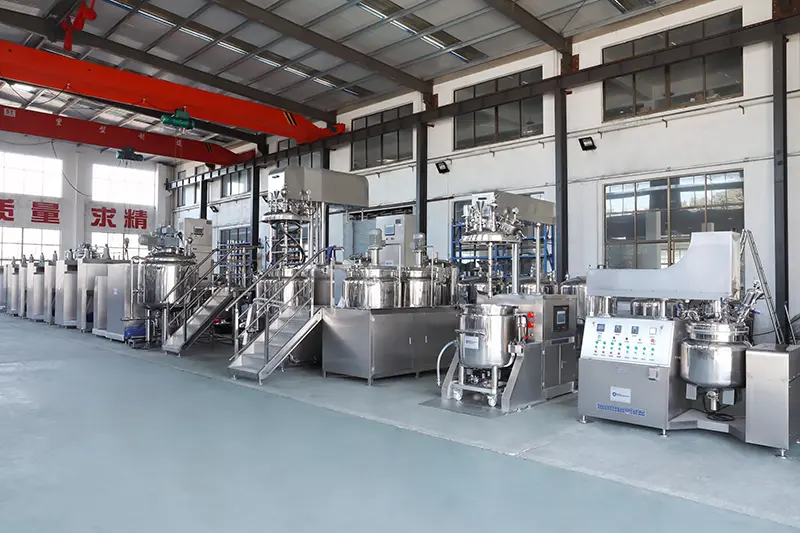
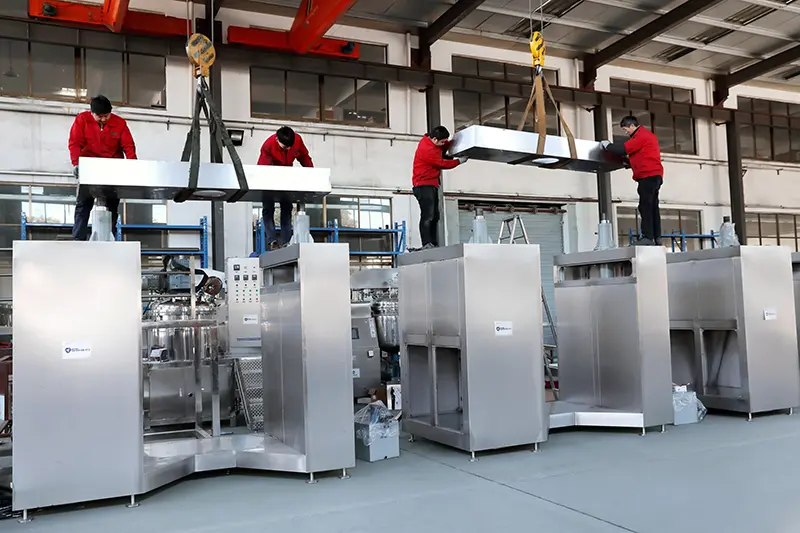
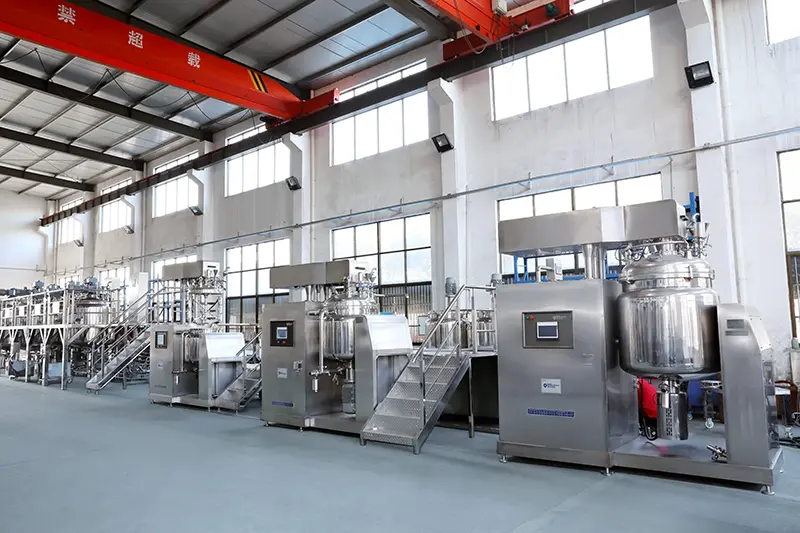
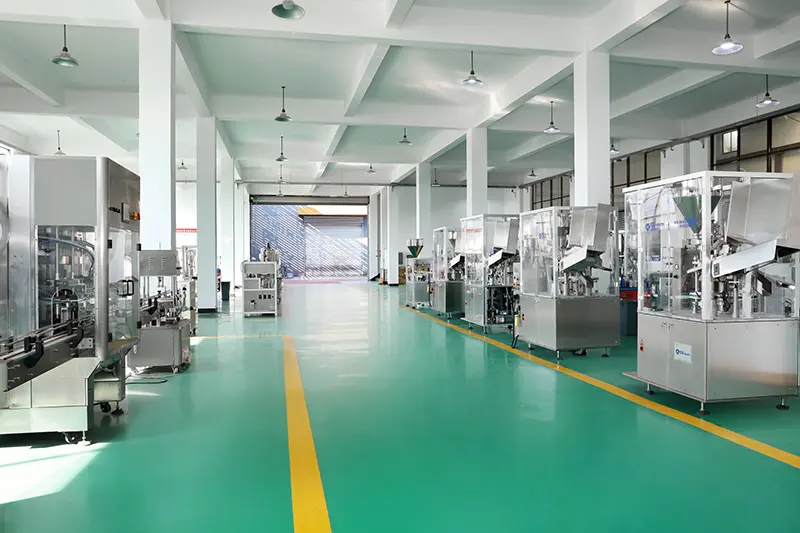
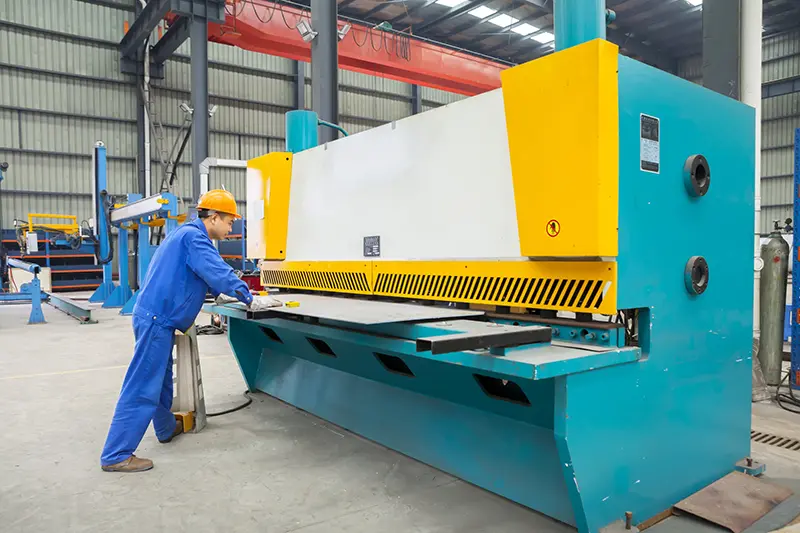
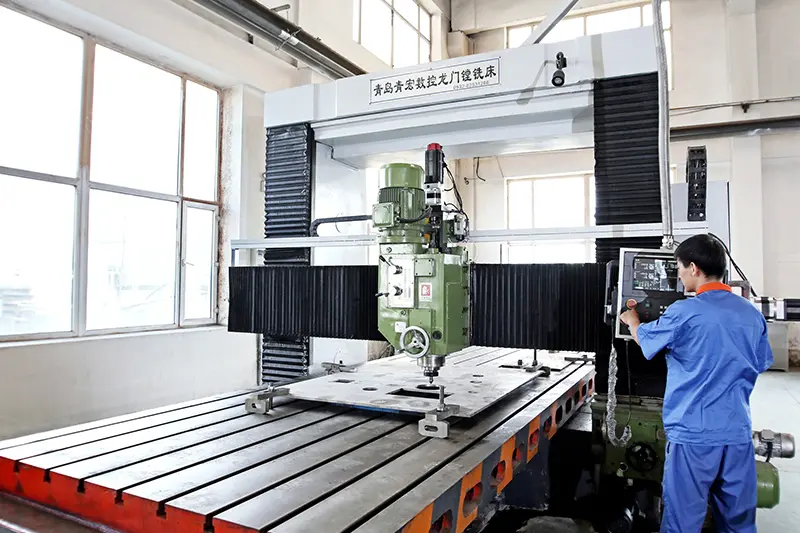
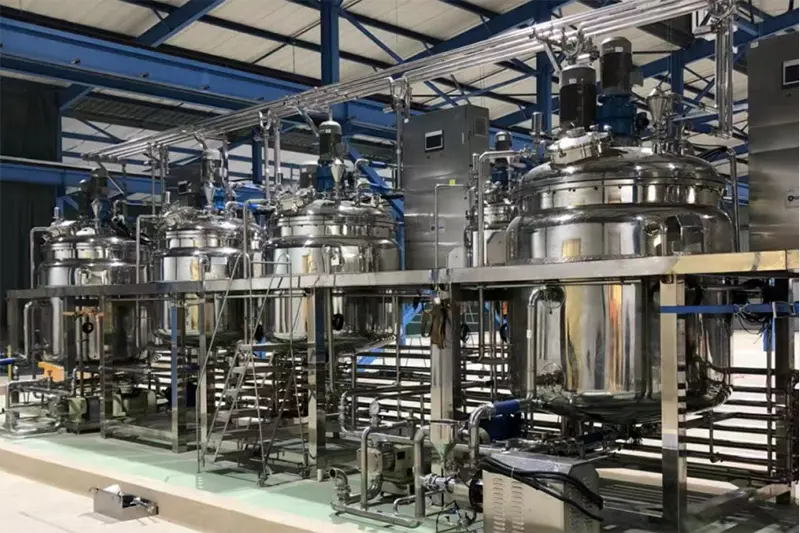
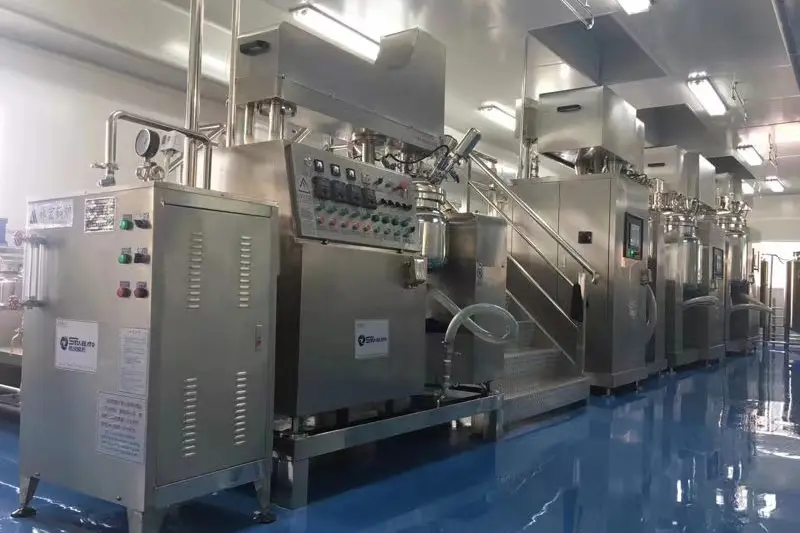
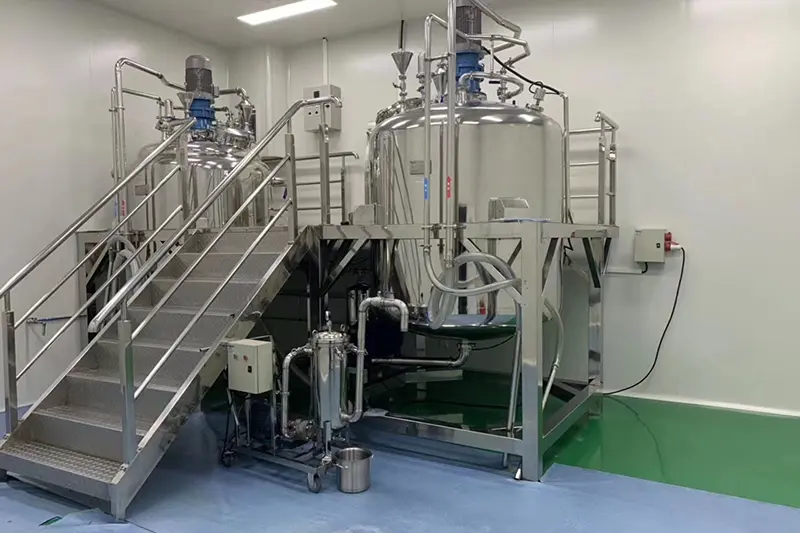
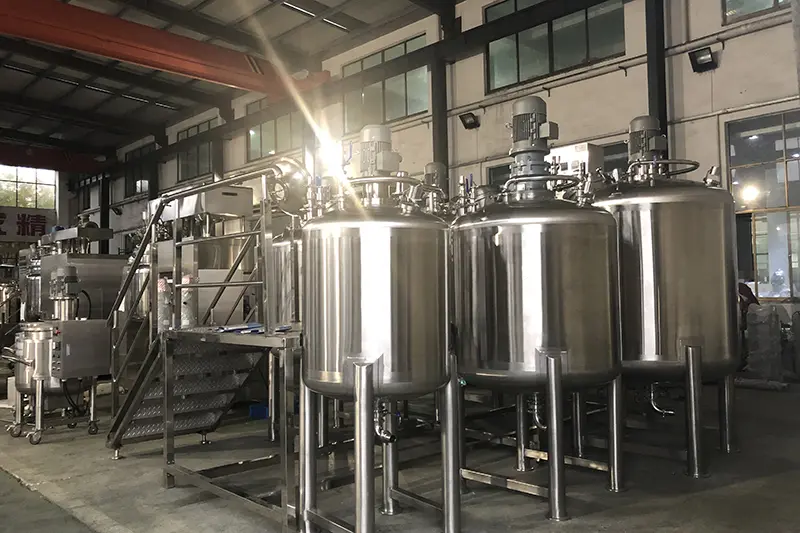
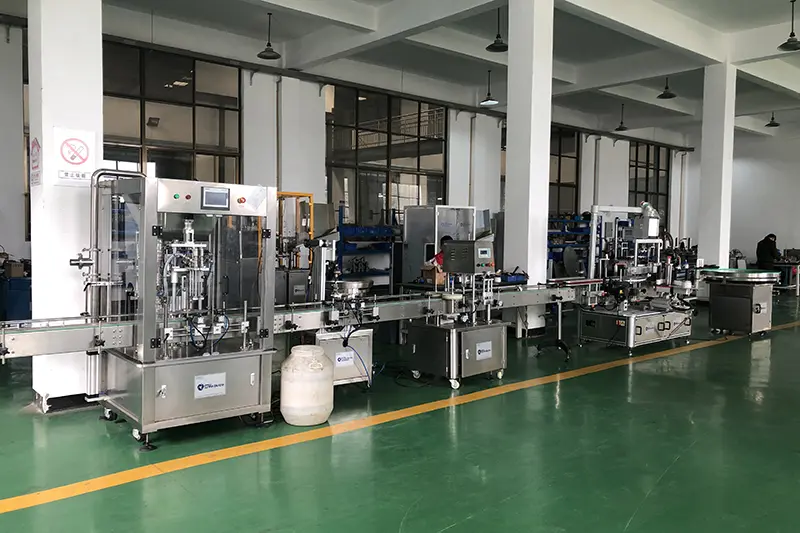
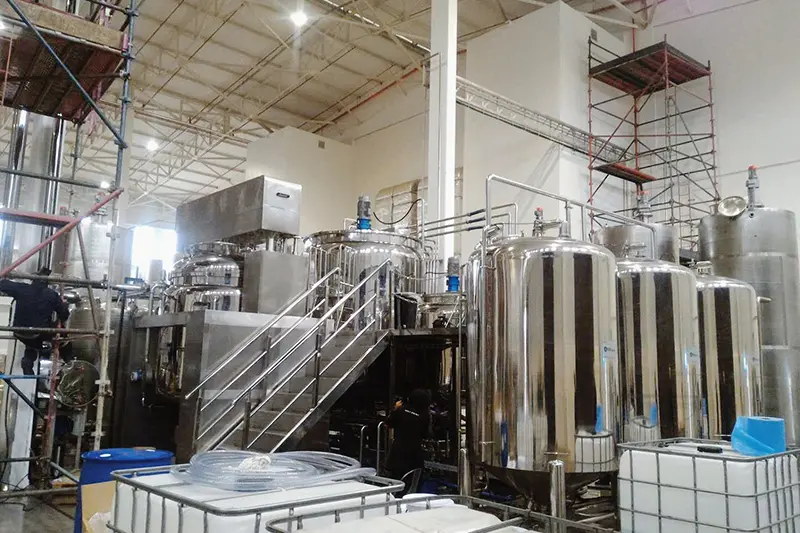
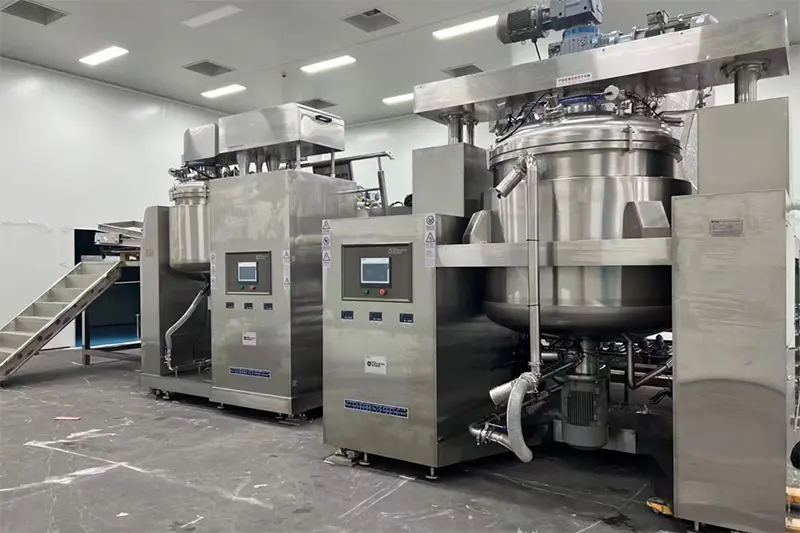
Modern emulsification technology is evolving toward closed-system vacuum designs that prevent oxidation and microbiological contamination. In vacuum emulsifying mixers, dry powders are introduced directly into the homogenizing chamber under vacuum. This design prevents air incorporation, which can destabilize emulsions and lead to phase separation during packaging.
Our technological roadmap focuses on integrating IoT-based smart batching systems. These configurations enable real-time tracking of viscosity changes by monitoring the electrical current and torque of the agitator motors. By combining this data with flow meters and automated valves, the system can dynamically adjust shear rates and processing times to deliver consistent batch quality, even when raw material lots vary.
Modern factories require cleanroom-compatible processing systems. Our vacuum mixers are designed for seamless integration with Class 100,000 (ISO 8) cleanrooms. Incorporating automated Clean-in-Place (CIP) systems ensures all piping, valves, and vessels are cleaned, sanitized, and dried between batches, meeting strict regulatory standards and reducing downtime.
Common technical and operational questions regarding industrial vacuum emulsifiers and processing lines.
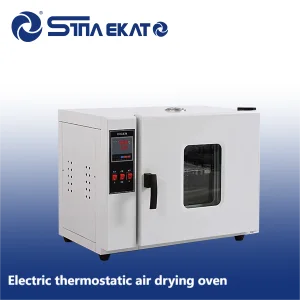
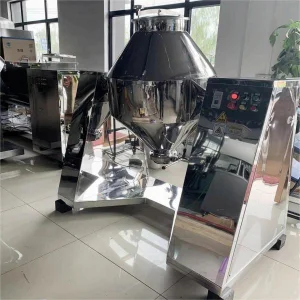
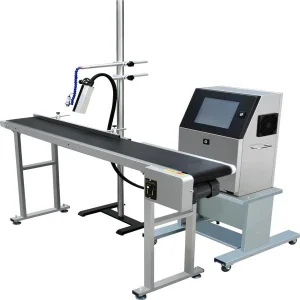
Complete your production line with our auxiliary systems, thermal drying ovens, and high-speed packaging machinery.
 Sina Ekato