Premium mixing, water treatment, tube filling, and capping machinery customized for modern high-viscosity production lines.
A technical evaluation of cream filling mechanics, dosing precision, and operational efficiency across sectors.
In the modern packaging landscape, the mechanical precision of dispensing systems dictates the profitability and quality control of skincare, pharmaceutical, and food production lines. High-viscosity formulations—ranging from dense topical ointments, face creams, and toothpastes to thick culinary emulsions—present distinct hydrodynamic challenges. Unlike water-thin liquids, creams exhibit non-Newtonian flow behavior, often behaving as shear-thinning or thixotropic fluids. This means their viscosity varies depending on shear stress, temperature, and flow velocity, making consistent volumetric dosing a complex engineering task.
As a global cream filling machine supplier, SINAEKATO addresses these complexities by engineering advanced fluid path designs. Achieving structural integrity and high precision in dosing requires a deep integration of volumetric displacement principles, servo-driven kinematics, and anti-drip sealing assemblies. Inaccurate filling not only leads to product waste (giveaway) but also risks regulatory non-compliance, particularly in pharmaceutical applications where dosage consistency is legally mandated.
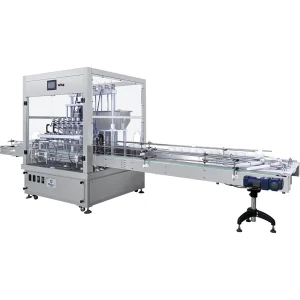
Globally, the industry is witnessing a significant transition from semi-automated, single-nozzle equipment to continuous, high-speed multi-head inline configurations. Modern automated plants demand minimal mechanical intervention, rapid changeover capabilities, and full clean-in-place (CIP) compatibility. By optimizing nozzle mechanics, stroke profiles, and hopper conditioning, manufacturers can minimize downtime while processing a wider range of viscosities, securing a tangible competitive advantage.
Overcoming shear-thinning behavior through engineered pressure differentials and custom-tailored stroke profiles.
Pneumatically actuated shutoff nozzles featuring custom blowback or snuff-back mechanisms to prevent container contamination.
Interchangeable rotary valves and piston cylinders designed to scale seamlessly across diverse dosing ranges.
Understanding the mechanical and electronic systems that guarantee sub-millimeter positioning and clean operation.
The core technology behind modern cream filling machinery centers on the method of volumetric displacement. While gravity and vacuum filling are ideal for free-flowing liquids, high-viscosity applications require active positive displacement. The most robust methodologies include:
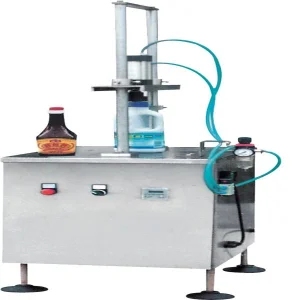
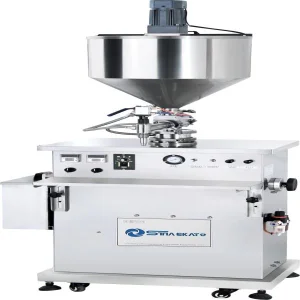
Piston fillers remain the gold standard for high-viscosity creams containing solid particles or delicate emulsions. The stroke of a high-precision piston pulls cream from a hopper into a cylinder through a three-way rotary valve. Upon the return stroke, the valve rotates, directing the product through the nozzle into the container. SINAEKATO utilizes servo-motor-driven ball screws to control the piston stroke. This provides sub-millimeter displacement precision, allowing operators to adjust fill volumes directly from the HMI screen down to ±0.5% tolerance.
For continuous filling of extremely thick creams, such as heavy cosmetic clays or waxes, rotary lobe pumps offer a non-destructive, pulse-free product flow. These pumps are driven by synchronized servo motors, where the angular rotation of the lobes translates directly to volumetric displacement. Lobe pumps are highly valued for their ease of cleaning, as they eliminate the reciprocating dynamic seals found in piston systems, making them highly compatible with strict sanitary environments.
To eliminate microbiological contamination risks, modern machinery must support CIP/SIP. A properly designed machine features self-draining product paths with minimal internal dead zones. Pneumatic connections and sanitary tri-clamp fittings allow rapid assembly and disassembly. During a CIP cycle, cleaning solutions are pumped through the product paths at high velocities. This removes chemical residues and sanitizes all contact components (primarily medical-grade SUS316L stainless steel) without requiring manual disassembly of the cylinders or nozzles.
Featuring Schneider or Siemens HMI touch screens for real-time control, monitoring, and storing multi-product filling recipes.
Closed-loop feedback systems monitor piston positions continuously, ensuring uniform filling even as viscosity shifts.
Strict utilization of SUS316L stainless steel for product contact surfaces, certified FDA-grade PTFE/Viton seals, and mirror-polished internals.
A legacy of engineering excellence, high-performance machinery, and custom-tailored customer support since 1992.
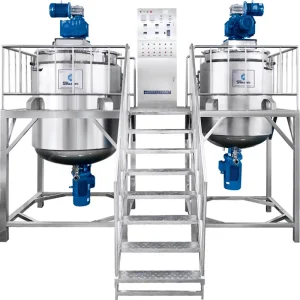
Founded in 1992, SINAEKATO has developed into a premier designer and manufacturer of chemical, cosmetic, pharmaceutical, and food packaging machinery. With over 30 years of industry experience, we specialize in high-end process equipment. This includes Vacuum Emulsifying Mixers, Liquid-Washing Homogenizers, Perfume Chiller Production Lines, Toothpaste Production Systems, and highly customized filling and capping machines.
Our operation spans across 55 countries, supported by a strong production facility in China employing approximately 150 skilled engineers, technicians, and service staff. We also maintain a specialized international service team of around 10 technical representatives. This ensures our clients receive fast localized support, rapid parts delivery, and seamless commissioning regardless of location.
At SINAEKATO, our core philosophy is centered on technological innovation. We continuously improve our core technologies in emulsification, mixing, and high-viscosity product handling. By combining rigorous quality control with advanced machining technology, we ensure every machine delivered to our clients operates with maximum efficiency, reliability, and precision.
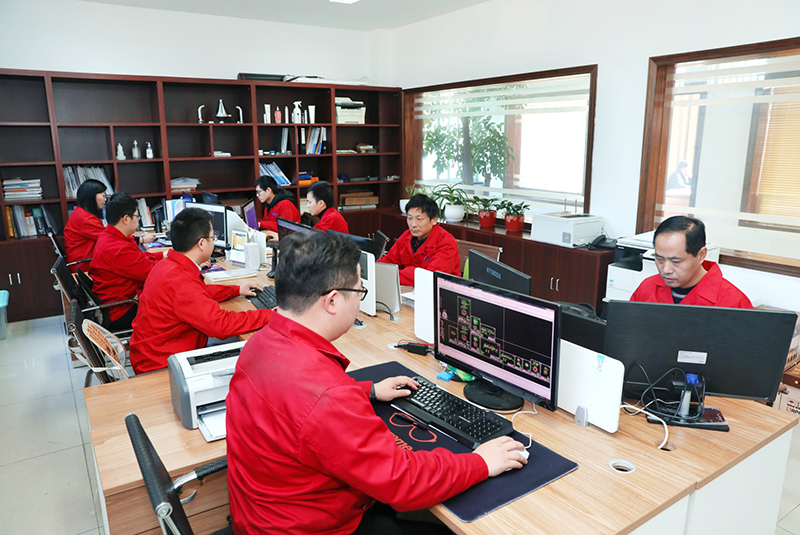
Combining world-class components, strict quality control, and a strong dedication to social and industrial responsibility.
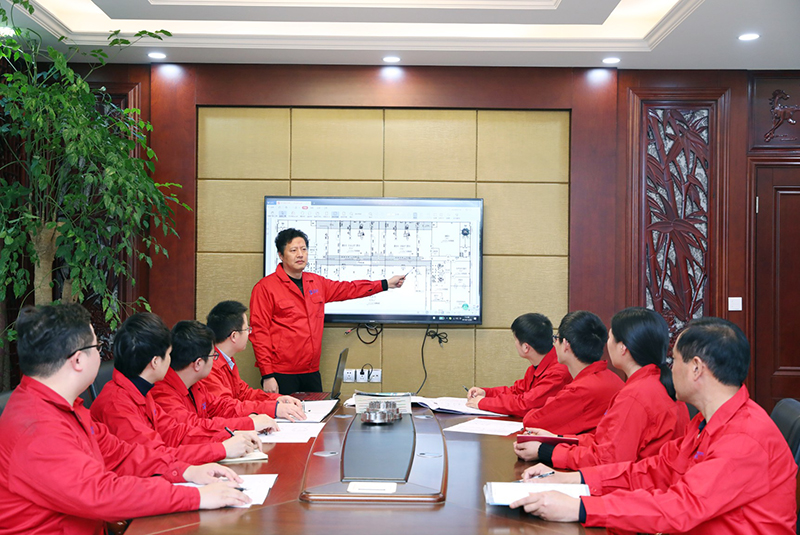
We believe that technological innovation is the core competitiveness of any modern enterprise. We actively invest in R&D to improve the precision of our dosing nozzles, mechanical flow paths, and structural integrity. Our advanced production equipment, precise quality testing systems, and strict QA protocols ensure that each filling machine delivers consistent volumetric performance day in and day out.
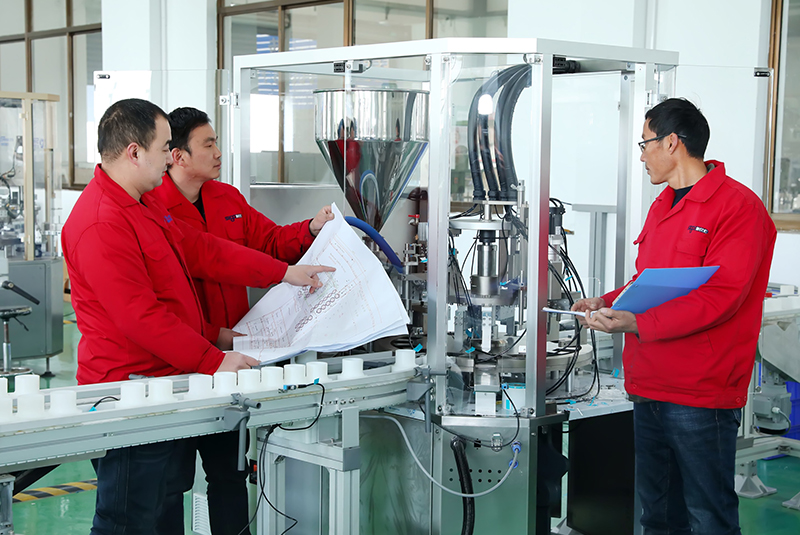
To ensure long-term stability and simplify global maintenance, over 80% of our machines' core parts are sourced from world-renowned suppliers. This includes brands like Siemens, Schneider Electric, Festo, and Omron. Through long-term collaboration with these technology leaders, we have integrated reliable electrical, pneumatic, and control systems into our machinery. This ensures our customers enjoy easy access to replacement parts globally.
Leveraging specialized industrial clusters, complete material supply chains, and highly cost-efficient engineering.
China's packaging machinery sector has evolved from basic assembly to high-precision engineering. Regional hubs in Gaoyou (Jiangsu) and Guangzhou (Guangdong) are home to specialized supply chains for liquid and powder filling technologies. These industrial ecosystems pool raw material sourcing, heavy machining, electronic components, and technical talent. As a result, factories like SINAEKATO can design and manufacture complex, customized production lines with significantly shorter lead times than Western competitors.
A key aspect of this supply chain resilience is our secure access to high-grade raw materials, specifically low-carbon SUS316L and SUS304 stainless steels. These materials are essential for corrosion-resistant, pharmaceutical-grade product paths. Our localized processing infrastructure includes CNC vertical machining centers, automatic laser cutters, and mirror-polishing facilities. This allows us to maintain tight tolerances and achieve a surface roughness of Ra < 0.4 μm on all internal contact parts. This level of finish is critical to preventing product adhesion and bacterial growth.
Additionally, China's excellent logistics and shipping networks ensure that finished equipment, heavy parts, and support structures can be packed securely and shipped worldwide. By combining local machining efficiency with imported electronic and pneumatic controls, SINAEKATO delivers high-performance machinery that balances cost-efficiency with long-term reliability.
From a regional workshop in 1988 to a globally recognized cosmetics and chemical machinery brand.
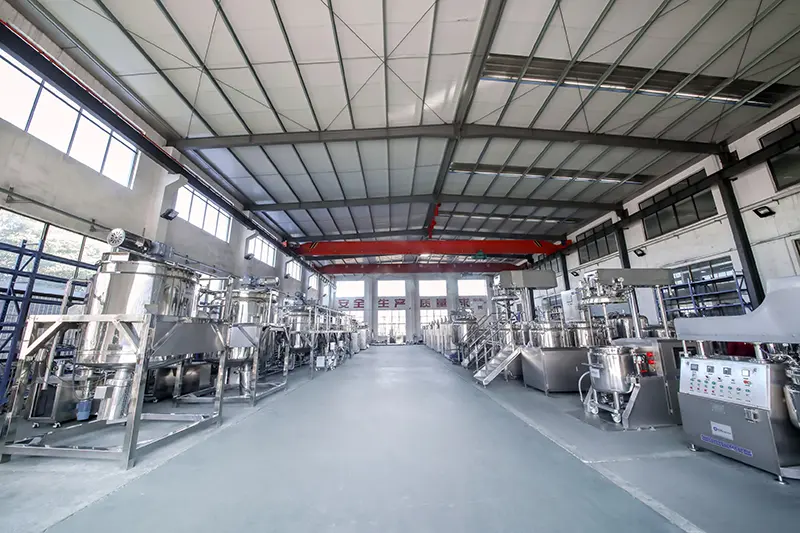
Initially engaged in the chemical machinery industry, establishing core fabrication and engineering practices.
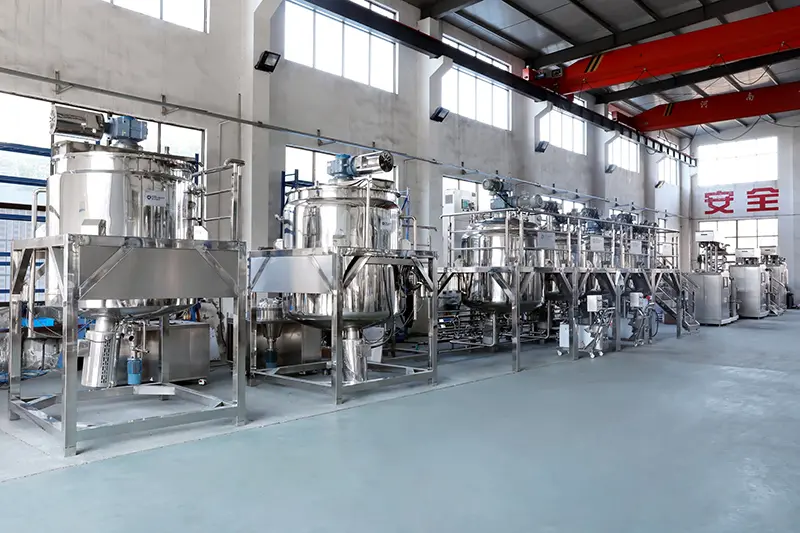
Guangzhou Sina Cosmetics Engineering Equipment Co., Ltd. was established to specialize in cosmetic manufacturing machinery.
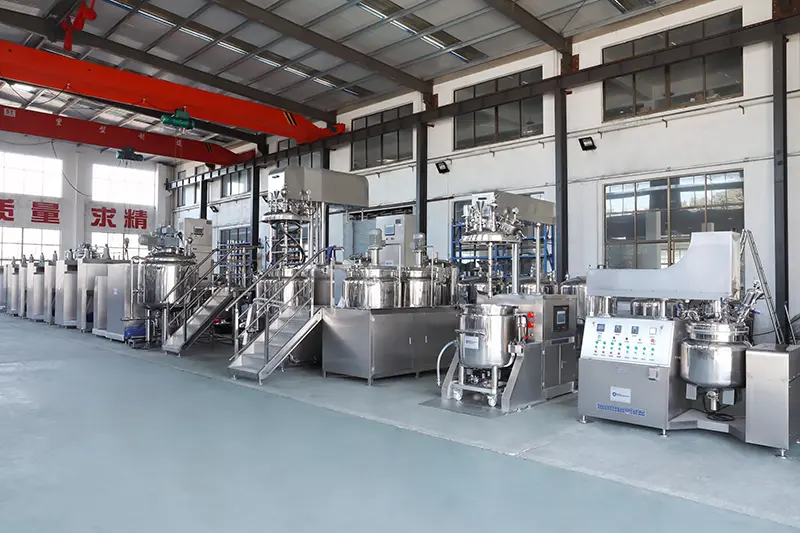
Established Hong Kong Hantao International Investment Co., Ltd., driving international outreach and foreign trade operations.
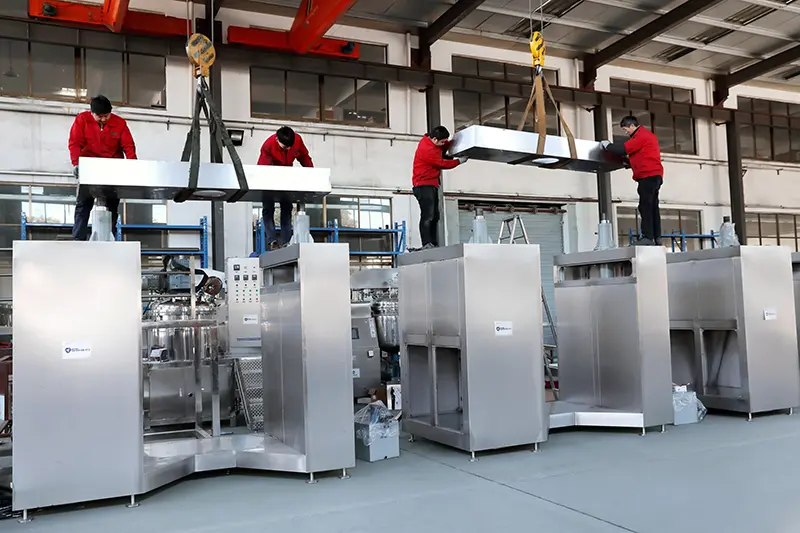
Gaoyou Sina Chemical Machinery Equipment Factory was established; Guangzhou engineering division renamed Guangzhou Sina Chemical Machinery Co., Ltd.
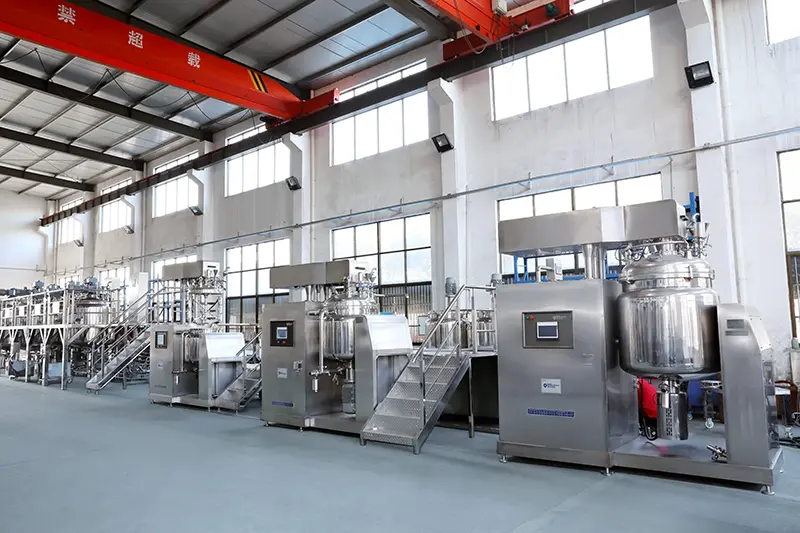
Established Gaoyou Sina Light Industry Machinery Equipment Factory to expand manufacturing of high-precision liquid mixers.
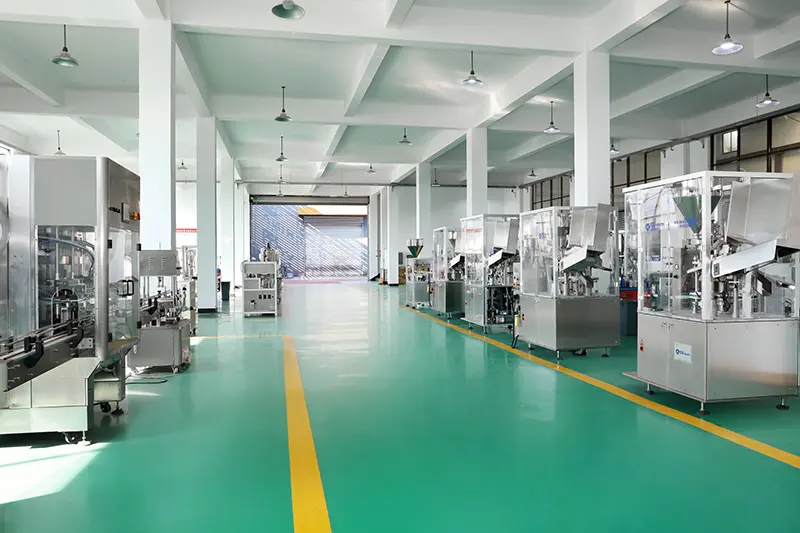
Purchased 10,000 square meters of land in Gaoyou. The new plant, SINA EKATO CHEMICAL MACHINERY CO., LTD (GAOYOU CITY), began operations.
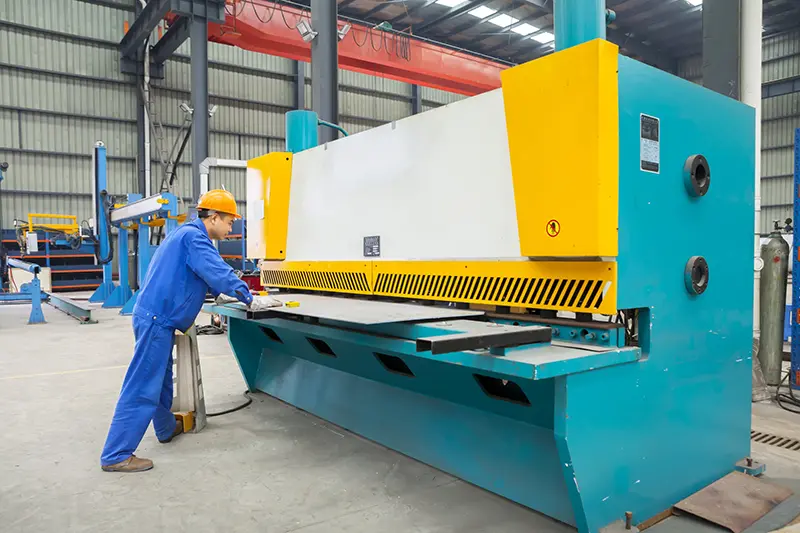
Established Yangzhou Hantao Chemical Machinery Co., Ltd. to strengthen design capabilities and optimize parts fabrication.
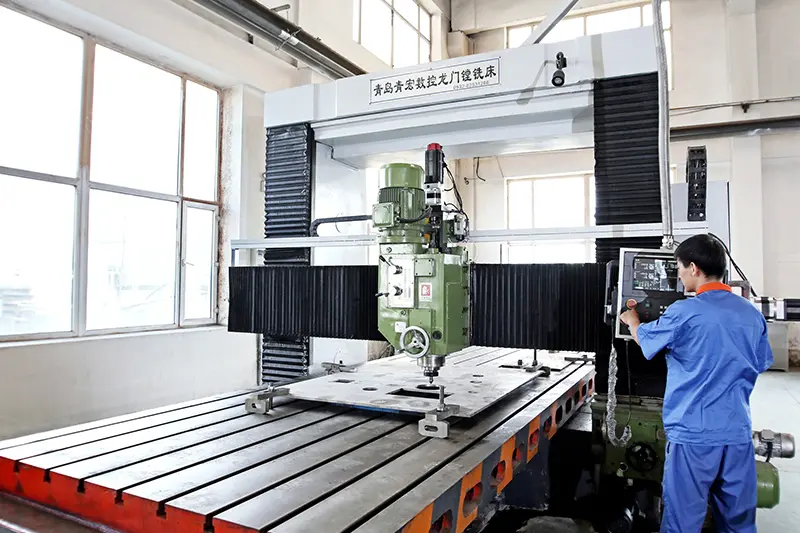
Acquired Guangzhou Jingcheng Machinery. Set up a large showroom center and began developing international export sales routes.
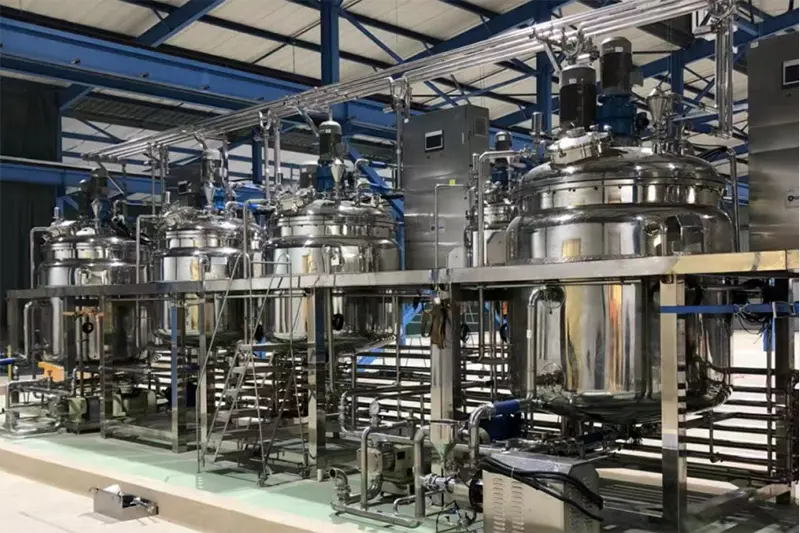
Guangzhou Sina Chemical Machinery Co., Ltd. was officially renamed Guangzhou SINAEKATO Chemical Machinery Co., Ltd.
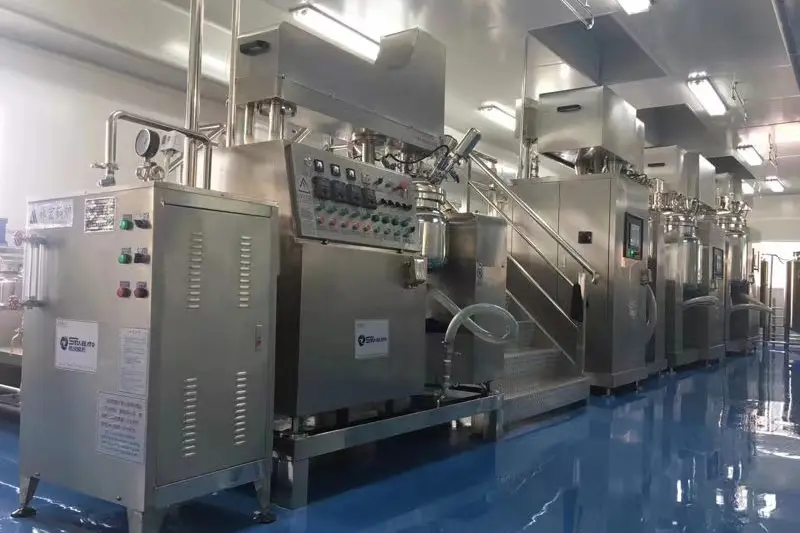
Acquired Guangzhou Suogao Machinery Equipment Co., Ltd., integrating advanced homogenizing technologies into the product catalog.
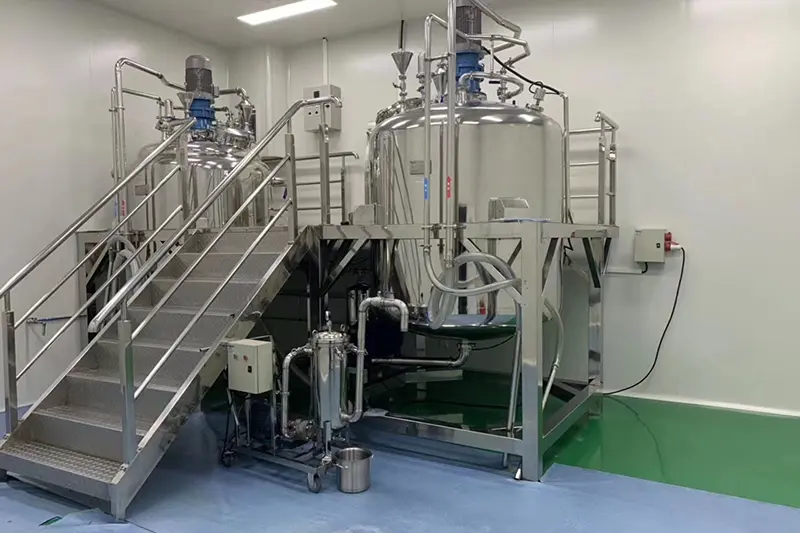
Established SINA EKATO CHEMICAL MACHINERY CO., LTD (GAOYOU CITY) as the main production, sales, and service headquarters.
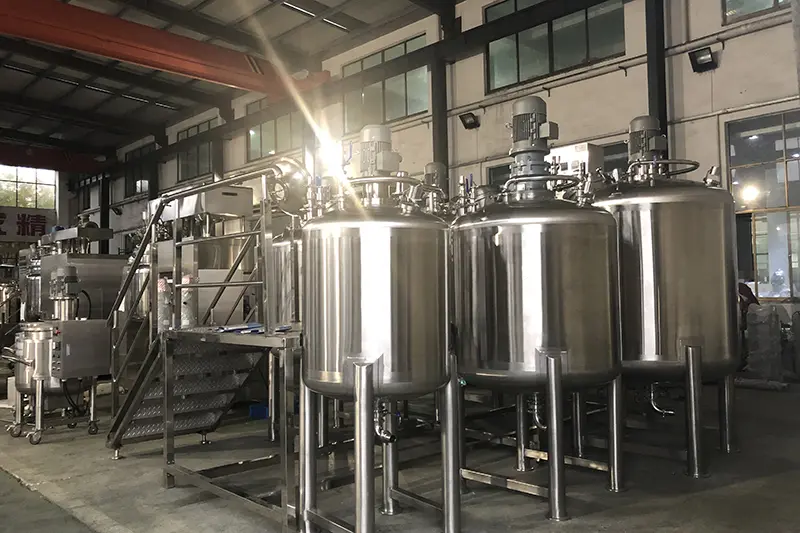
Established SINA EKATO Equipment (Jiangsu) Co., Ltd. to facilitate technical collaborations and joint venture projects.
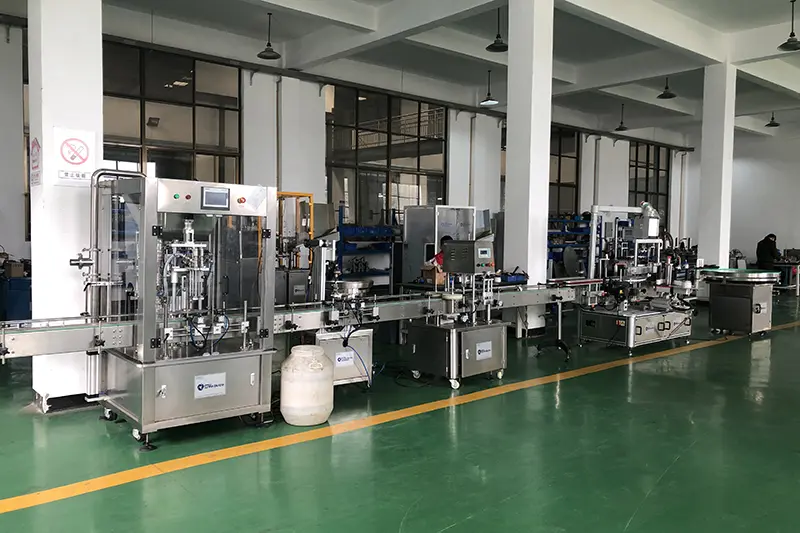
Partnered with Europe-FLEMAC to establish Germany SINAEKATO Group Co., Ltd., integrating advanced European design standards.
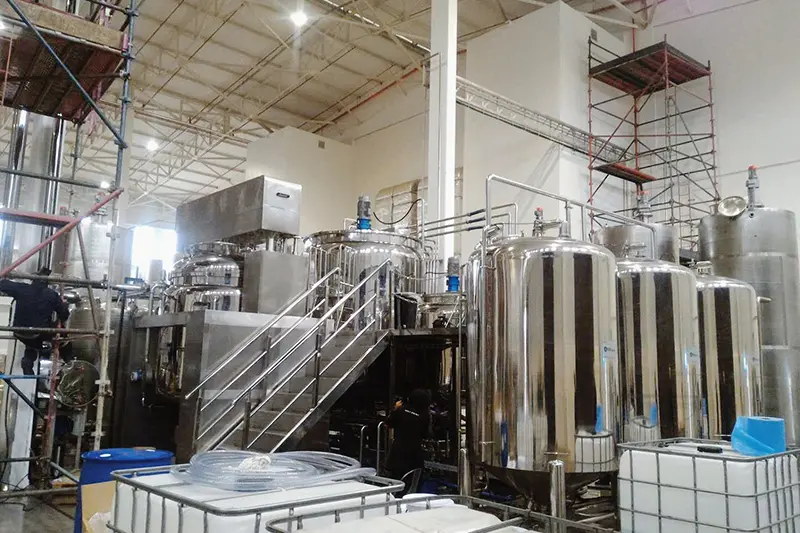
Supplied an $800,000 cosmetic system to South Africa Unilever, and a $1,500,000 packaging system to a Japanese SK-II/Shiseido OEM partner.
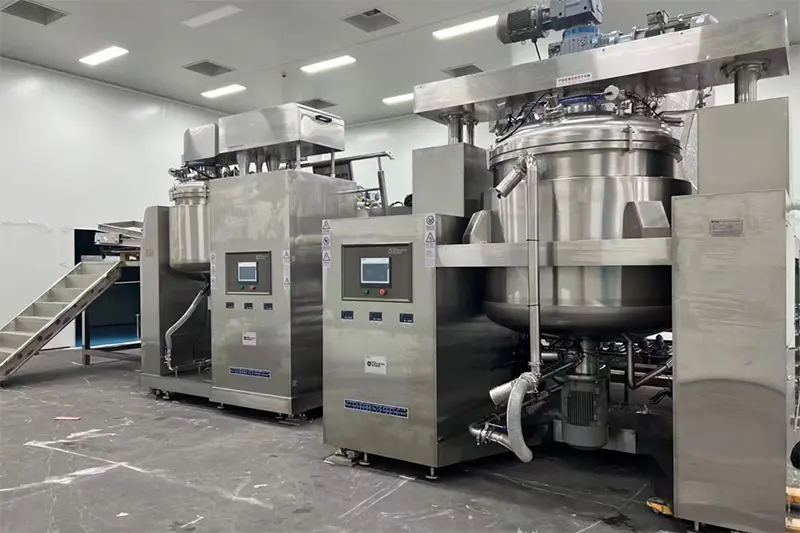
Completed a $1,000,000 liquid washing detergent system for a Japanese client, demonstrating our high-capacity capabilities.
How customized machinery modifications address regional production standards and unique chemical behaviors.
In global industrial manufacturing, "one-size-fits-all" machinery rarely delivers optimal performance. Different regions, raw material batches, and product types require customized equipment setups. By analyzing local application scenarios, SINAEKATO helps manufacturers address these challenges:
Certain cosmetics and topical pharmaceuticals, like lip balms, petroleum jelly, and specific ointments, must be filled at elevated temperatures to remain fluid. In these applications, standard unheated hoppers can cause the product to solidify along the container walls, leading to uneven dosing and clogged nozzles. Our heated filling systems use a hot water or thermal oil jacket around the product hopper and dosing manifold. Combined with variable-speed scraping impellers, this setup keeps the product at a uniform temperature. This ensures it flows smoothly through the piston valves and into the container without premature cooling or separation.
Pharmaceutical applications require strict adherence to international sanitary standards. All product contact parts must be made of low-carbon SUS316L stainless steel, polished to a mirror finish. Our pharmaceutical-grade piston fillers use quick-release tri-clamp connections and sanitary rotary valves. These components can be easily disassembled for sterilization or integrated directly into a Clean-in-Place (CIP) system. Our specialized seals are made from FDA-compliant materials, ensuring they will not degrade when exposed to harsh active pharmaceutical ingredients (APIs) or chemical sanitizers.
Creams containing volatile organic solvents, such as high-concentration alcohol gels, nail polishes, or chemical polishes, require explosion-proof machinery. SINAEKATO configures systems with explosion-proof motors, localized pneumatic actuators, and intrinsically safe electrical panels. These designs comply with ATEX or Class I Div 1 regulations, minimizing ignition risks and protecting operators and facilities in volatile environments.
Providing reliable technical support, custom machinery designs, and responsive after-sales service.
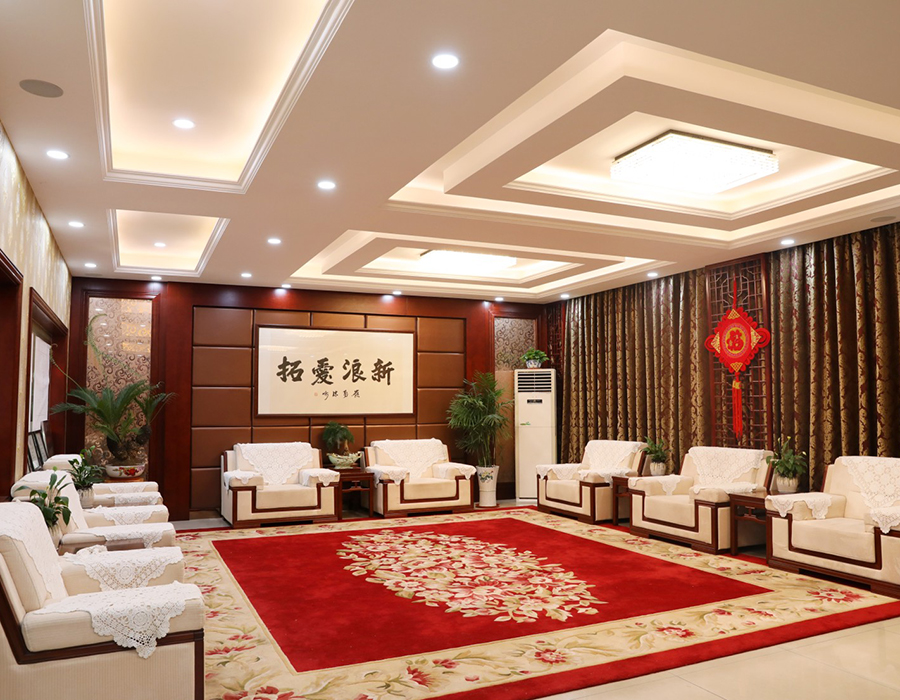
SINAEKATO’s engineering capabilities and commitment to quality are recognized across the industry. We design and build machines to be Stable, Reliable, Precise, and Intelligent. These values guide our manufacturing process for every machine that leaves our factory.
When you choose SINAEKATO, you gain access to experienced technical support and a dedicated after-sales service team. We help you with initial layout design, installation, calibration, and routine operator training. Partnering with us ensures your production lines run smoothly and efficiently. We look forward to working together to help your business grow.
Practical answers to common questions about selection, optimization, and maintenance of high-viscosity filling machines.
Viscosity determines how easily a product flows. Piston fillers work well for standard viscous creams because they draw the product mechanically. Very thick, cohesive pastes, however, may require rotary lobe pumps or custom pressure-fed hoppers. Our engineers analyze your product's shear-thinning properties to recommend the right filling technology.
Yes. Our filling and capping machines use standard communication protocols (such as Modbus or Profinet) and feature adjustable conveyor heights. This allows them to integrate easily with your existing upstream emulsifying mixers and downstream labeling or cartoning systems.
We use high-grade PTFE or silicone seals that resist wear and chemical sanitizers. Under standard two-shift daily operation, we recommend inspecting these seals every 6 months and replacing them if you notice any changes in filling accuracy. This helps prevent leaks and keeps your system performing reliably.
Hot-fill products, such as body waxes and barrier creams, must stay within a specific temperature range to prevent separation or hardening. We equip our hoppers with dual-jacketed water heating loops and PID controllers. This setup maintains constant temperatures to ensure reliable flow and consistent fill volumes.
Absolutely. All SINAEKATO machines are manufactured in compliance with European CE directives. Additionally, our food and pharmaceutical lines follow GMP design guidelines, using certified non-porous contact materials and self-draining fluid paths for easy sanitation.
Standard stand-alone filling machines are typically delivered in 30 to 45 days. For complex, multi-head integrated lines featuring automatic capping, check-weighing, and cartoning systems, the design, manufacturing, and factory acceptance testing (FAT) phase usually takes 60 to 75 days.
Discover our high-performance processing equipment, specialized cosmetic mixers, and high-efficiency filling lines.
 Sina Ekato