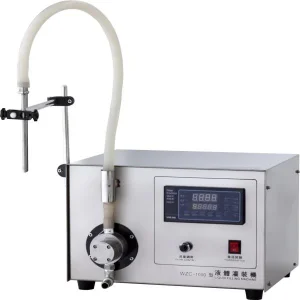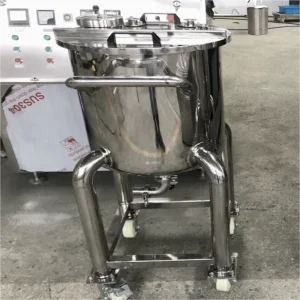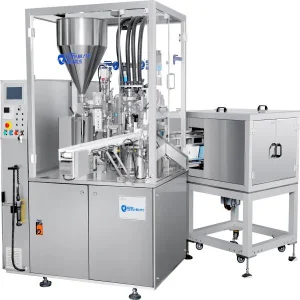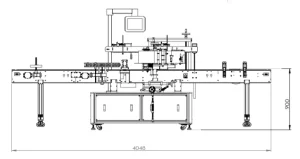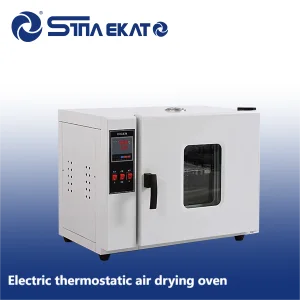
Engineered for high accuracy, minimal maintenance, and adaptability to localized small-scale production lines in South Tarawa and outer islands.
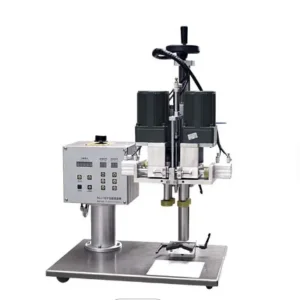
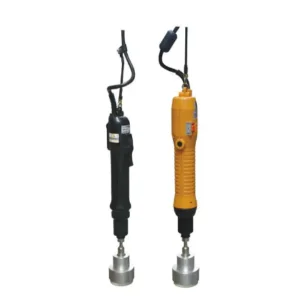
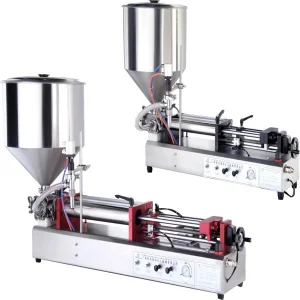
The Republic of Kiribati, spanning across 3.5 million square kilometers of the central Pacific Ocean, presents a highly distinct micro-economic landscape. Geographically isolated and structurally dependent on imports, the nation faces severe logistical constraints, high electrical utility costs, and a highly corrosive, saline marine atmosphere. The transition from fully manual production to industrial automation is highly challenging. Consequently, the deployment of Semi-Auto Series machinery has emerged as the most viable route for local manufacturing self-reliance, particularly in the sectors of virgin coconut oil processing, beverage bottling, household detergent formulation, and personal hygiene products.
In Tarawa, Kiritimati (Christmas Island), and the outer islands, small-to-medium enterprises (SMEs) and cooperative initiatives are key economic drivers. Typical manual bottling operations lead to high product wastage, inconsistent fill weights, and substandard sealing, which dramatically limits shelf-life. Integrating modular, semi-automatic machinery solves these core vulnerabilities:
Full SUS304 or SUS316L stainless steel structures designed to withstand high-salinity air in coastal Kiribati facilities, preventing rust and product contamination.
Specifically calibrated pneumatic and single-phase electrical layouts that run seamlessly on standard island generator grids without voltage overload.
Purely mechanical or basic PLC control interfaces, allowing local mechanics to easily clean, adjust, and repair without overseas technician deployment.
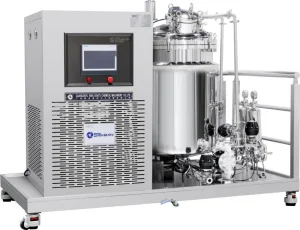
Complementary systems for industrial mixing, emulsifying, high-precision thermal control, and powder packing.
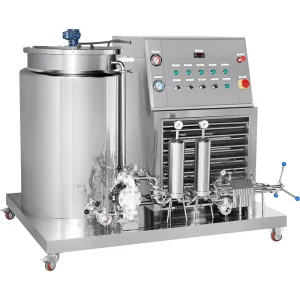
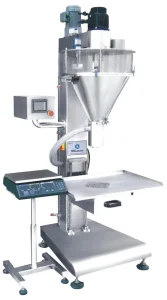
A global leader in high-performance cosmetic, pharmaceutical, and food processing machinery, built on precision engineering since 1992.
SINAEKATO was founded with a singular vision: to translate cutting-edge scientific research and precise mechanical execution into accessible, robust, and highly reliable machinery. Today, we are recognized globally for our technological expertise in vacuum emulsifying systems, liquid washing homogenizers, high-precision filling lines, and water treatment systems. Our manufacturing footprint combines Germany's FLEMAC design precision with China's rapid production efficiency, ensuring that 80% of our primary components are sourced from globally renowned suppliers (including Siemens, Schneider, Omron, and ABB).
Engaged in the chemical machinery industry, establishing core technical competencies.
Guangzhou Sina Cosmetics Engineering Equipment Co., Ltd. was established to specialize in cosmetic manufacturing lines.
Established Hong Kong Hantao International Investment Co., Ltd. to initiate global financing and brand positioning.
Gaoyou Sina Chemical Machinery Equipment Factory established; expansion of manufacturing capacity.
Purchased 10,000 square meters of land in Gaoyou City, constructing a new advanced manufacturing facility.
Acquisition of Guangzhou Jingcheng Machinery; built a large-scale international exhibition and testing center.
SINA EKATO Gaoyou City plant designated as the global headquarters for Production, Sales, and After-Sale Service.
Partnered with European brand FLEMAC to establish Germany SINAEKATO Group Co., Ltd., upgrading engineering designs.
Completed $800,000 cosmetic line for Unilever South Africa and $1,500,000 OEM project for Shiseido (SK-II).
Delivered $1,000,000 detergent and liquid-washing line to Japanese enterprise partners, meeting ultra-strict QA benchmarks.
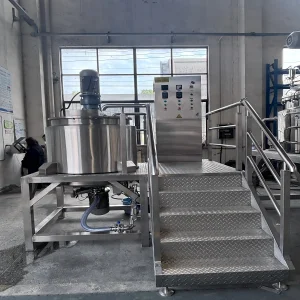
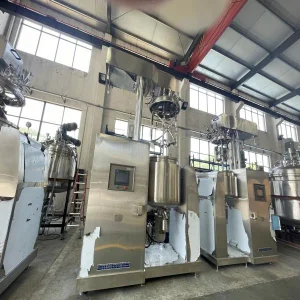
Heavy-duty mixing, vacuum homogenizing, cooling, and finishing systems to manufacture high-viscosity pastes, emulsions, and cosmetics.
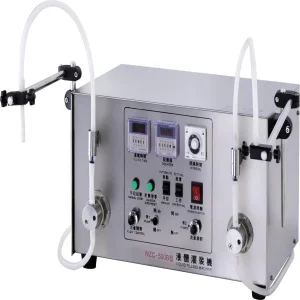
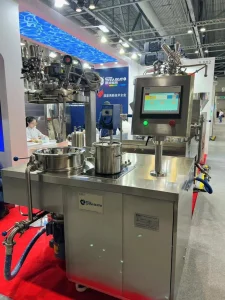
Purchasing machinery from China to operate in Kiribati requires thorough logistics preparation, electrical compatibility verification, and proactive parts provisioning. Recognizing these hurdles, SINAEKATO has designed an end-to-end framework to support remote operations:
Transporting machinery across Pacific routes requires heavy-duty moisture protection. All SINAEKATO machines exported to Kiribati undergo deep marine preservation packaging: vacuum-sealed barrier foils, heavy desiccant packs, and marine-grade fumigated wooden crates. We arrange shipping routes from main China ports (Guangzhou, Shenzhen, Ningbo) directly linking to Tarawa Port (Betio), ensuring all bill of lading, customs declaration paperwork, and certificates of origin are perfectly prepared for rapid clearance.
Kiribati standard utility operates at 240V/50Hz using UK-type G plug profiles, with outer islands relying on diesel micro-grids or solar arrays. Fluctuating voltages can severely damage high-precision controllers. We customize our Semi-Auto Series with wide-tolerance transformers, built-in surge protectors, and standard single-phase 220V-240V configurations. Pneumatic controls are optimized to run on standard, energy-efficient compressors to minimize electric loads.
Our collaboration with European brand FLEMAC ensures our machinery configurations meet global safety and compliance requirements (CE Certification, ISO9001). We utilize premium sanitary components: high-grade titanium-stabilized SUS316L for all contact parts, pneumatic systems from SMC or Festo, and electric relays from Schneider. This level of quality guarantees reliable, contamination-free processing that adheres to global food and cosmetics manufacturing standards.
Resolving key design, logistics, and operational concerns for Pacific island operators.
Q1: How does SINAEKATO protect machinery from the highly corrosive marine air in Kiribati?
We manufacture all structurally exposed frames and sheets from high-grade SUS304 stainless steel, and all product-contact areas (tanks, nozzles, valves) from molybdenum-alloyed SUS316L. Every weld undergoes passivation treatment to prevent intergranular corrosion. Additionally, electrical cabinets are completely sealed to IP65 standards to prevent humid salt air from shorting internal components.
Q2: Can these semi-automatic machines run on solar-powered micro-grids or small diesel generators?
Yes. Unlike heavy fully-automatic packaging lines that require complex 3-phase high-draw electrical systems, our Semi-Auto Series is optimized for energy efficiency. Most of our benchtop capping and liquid filling machines operate on standard single-phase 220V/50Hz power and rely mainly on pneumatic pressure. This means they can be easily operated using typical workshop diesel generators or properly scaled battery/solar-inverter setups.
Q3: How are spare parts and maintenance handled given Kiribati's remote location?
We supply a comprehensive "Critical Spare Parts Kit" with every export shipment, including replacement O-rings, Teflon seals, heating elements, nozzles, and pneumatic tubing. We use globally standardized parts (such as Schneider switches and SMC pneumatics), ensuring replacement components are easy to source. In addition, we provide detailed technical drawings and step-by-step video tutorials for local technicians, and offer remote diagnostic support via video calling.
Q4: Can these filling machines handle high-viscosity liquids like coconut cream or cold-pressed virgin coconut oil?
Yes, our TVF Semi-Automatic Filling Machine series is engineered to handle highly viscous pastes, oils, and creams. The volumetric piston stroke and specialized hopper design ensure accurate filling consistency regardless of temperature-induced changes in oil viscosity. We also offer double-jacketed heating hoppers to keep products fluid for a smoother packaging process.
Q5: What certifications accompany the machinery for export validation?
All SINAEKATO semi-automatic machines carry official CE Certification. For pharmaceutical, food, or export-grade cosmetic operations, we provide complete Material Test Reports (MTR) verifying the SUS304/SUS316L stainless steel composition, conforming to strict sanitary design regulations.
Q6: How do we request a custom quote tailored to our specific product line?
You can click the "Send Inquiry Now" button to access our contact form. Please specify your product viscosity, production targets (bottles per hour), container dimensions, and local voltage requirements. Our engineering team will design a customized equipment proposal within 24 hours.