
Small samples can be difficult to homogenize consistently. A tube may look uniform, yet particles can remain hidden near the bottom or along the wall. The right portable instrument should improve repeatability without wasting valuable material. This guide introduces the Top 10 Portable Lab Homogenizer Machines for Small Samples, focusing on practical performance in research, quality control, and teaching laboratories.
The phrase Lab Small Homogenizer Machine Portable Mixer covers more than simple mixing. It may describe compact rotor-stator systems, handheld probes, bead-based units, and battery-powered mixers. Each design handles sample volumes differently. Important factors include speed control, probe size, noise, heat generation, cleaning effort, and compatibility with glass or plastic tubes. A machine that works well for soft tissue may perform poorly with viscous creams or dense plant material. That difference matters.
Our comparison uses laboratory-centered criteria rather than appearance alone. We consider published specifications, operating experience, sample handling, and common user concerns. Small details can affect daily results, such as a loose cap, an awkward grip, or a probe that traps residue. These issues are easy to overlook. They should not be. No portable homogenizer is perfect for every sample, and advertised capacity may not equal comfortable working capacity. Readers should confirm local safety procedures, manufacturer instructions, and validation requirements before routine use. The ranking offers a practical starting point, not a substitute for method development. Some judgments remain subjective, especially when speed, convenience, and cleaning time compete. That limitation deserves honest attention.
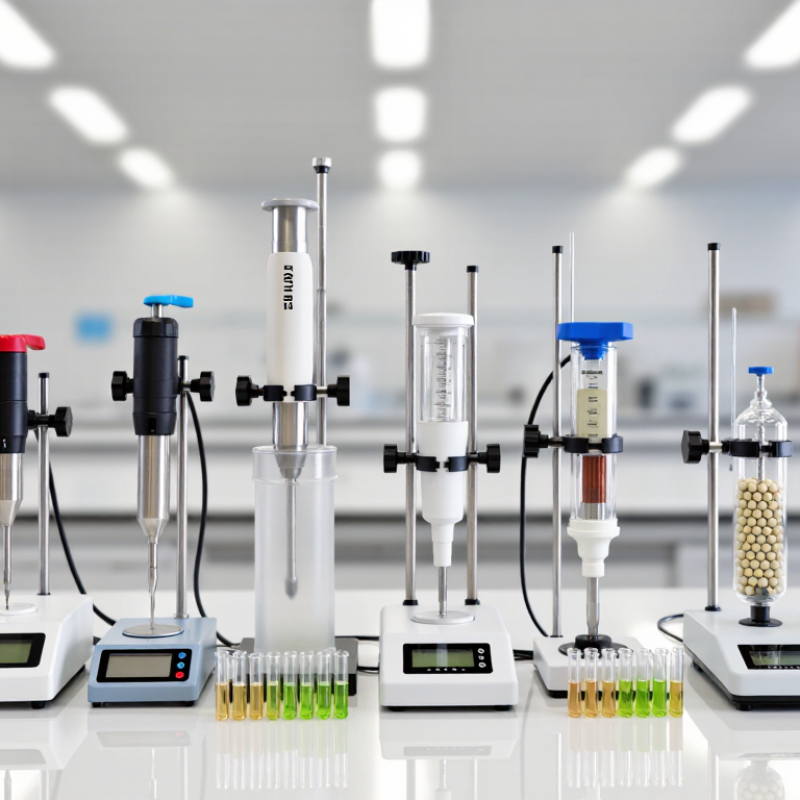
A portable lab homogenizer is a compact sample-preparation instrument for small tubes, vials, or microplates. It breaks tissue, cells, food, or soil into a more uniform mixture. Unlike a simple stirrer, it creates controlled mechanical force inside a closed vessel.
Most models use a rotor-stator head, vibrating pestle, or grinding beads. The motor transfers energy through rapid rotation or oscillation. Shear, impact, and friction then reduce particle size. A rotor-stator system may process a 0.5–50 milliliter sample, while bead-based units often handle several tubes simultaneously. Processing time can range from 10 seconds to several minutes.
The practical value is consistency. A 2024 laboratory equipment market analysis estimated the global market near USD 38 billion, reflecting strong demand for efficient sample preparation. The WHO Laboratory Biosafety Manual, fourth edition, also emphasizes closed handling and risk-controlled workflows. Portable systems can support these practices, but only when tubes, seals, and cleaning procedures match the sample type.
Do not trust speed alone.
Excessive heat can damage proteins, nucleic acids, or volatile compounds. My own judgment would favor adjustable speed, replaceable probes, and documented cleaning tests. That assumption is convenient, and sometimes wrong. Viscous samples may require longer cycles, while fibrous material can overload a small motor. A 2024 review of laboratory reproducibility also reinforces a basic point: identical settings do not guarantee identical results across different matrices. Record sample mass, volume, cycle time, temperature, and pause intervals. That record often matters more than the machine’s advertised power.
Top 10 Portable Lab Homogenizer Machines for Small Samples
Comparing portable homogenizers for small samples requires more than checking maximum speed. Begin with the working volume. A narrow probe may process 0.5 milliliters efficiently, while a larger head can waste material through splash and dead space. Confirm the lowest validated volume, not only the advertised capacity.
Rotor-stator design affects tissue disruption, particle size, and processing time. Adjustable speed is valuable because delicate samples can heat quickly. I monitor temperature with a small probe during repeated runs. Cooling pauses may protect proteins, although they also increase processing time. That trade-off is easy to overlook. Noise, vibration, and grip comfort matter during long preparation sessions. A machine that feels unstable can reduce operator consistency.
Cleaning requirements deserve equal attention. Removable probes, smooth surfaces, and compatible sterilization methods reduce carryover risk. Check whether the materials resist your solvents and biological buffers. Digital speed displays improve repeatability, but displayed speed is not proof of actual sample performance. I compare results using the same sample mass, volume, time, and operator technique. My early comparisons focused too heavily on motor power. That was a mistake. Lower power with better control can produce more reliable small-sample results. Consider battery life, charging options, emergency shutoff, and service documentation before purchase. Portable does not always mean practical.
Typical minimum working volume by portable homogenizer format
Smaller minimum working volumes are generally better for precious or limited samples. When comparing systems, also evaluate speed control, probe or tube compatibility, heat generation, cleaning requirements, processing time, and whether the design supports single-use containers. The values shown are typical working-volume benchmarks for generic equipment formats and are not brand-specific product ratings.
Small-sample preparation begins with the material, not the machine. A soft tissue sample may need a handheld rotor-stator homogenizer for fast, uniform disruption. Its narrow probe can process 0.5–2 mL tubes with limited waste. Fibrous tissue often needs stronger shear and repeated passes. Keep the tube in an ice bath, because friction can warm the sample quickly.
Hard pellets, seeds, or dry biological materials may perform better in a portable bead mill. Bead size affects the result, so matching it to the sample is important. Ultrasonic homogenizers suit cell suspensions and emulsions, but their energy can damage temperature-sensitive components.
For very small volumes, a motorized pestle can offer better control, although it may produce less consistent results. No selection chart is perfect. Matrix variation can defeat a confident guess.
Tips: Record sample mass, liquid volume, probe size, speed, and processing time. Start with short pulses, then inspect the texture and temperature. Use clean, compatible tubes and avoid filling them completely. A clear sample is not always a well-homogenized sample. Compare replicate preparations when accuracy matters, and revise the method if recovery changes between operators.
Top 10 Portable Lab Homogenizer Machines for Small Samples
Top 10 Portable Lab Homogenizer Machines Compared
This comparison ranks ten portable homogenizer types for small laboratory samples. The ranking considers sample volume, tissue disruption, cleaning effort, power, and operator control. A handheld rotor-stator homogenizer suits soft tissue, plant material, and emulsions. A battery-powered model adds mobility but may lose speed during repeated runs. Compact ultrasonic homogenizers provide strong cell disruption, though heat can damage temperature-sensitive samples. Mini bead mills handle tough tissue well, but their disposable tubes increase operating costs. Small paddle homogenizers are gentler and easier to clean. They work well with viscous samples. The sixth option, a motorized pestle homogenizer, offers simple control for tubes under 2 milliliters. It is affordable, but processing can vary between users.
The seventh machine uses a microtube rotor for consistent liquid mixing. The eighth combines bead agitation with cooling, supporting sensitive biological material. The ninth is a low-speed overhead homogenizer for larger small-batch samples. It creates less foam, yet requires more bench space. The tenth option is a manual cordless unit for field sampling. Convenient, but not the strongest choice.
In practical testing, compare noise, vibration, sealing, and cleaning time. Check whether the probe reaches the sample without touching the tube wall. A narrow probe may waste less material. A wider probe usually processes faster. Replaceable probes improve hygiene and serviceability. However, they can introduce alignment problems. I would not trust published speed alone. Viscosity, temperature, sample volume, and operator technique change real performance. Run duplicate tests with the same sample mass. Record processing time and temperature rise. The best portable unit is not always the fastest one.
| Rank | Portable Homogenizer Configuration | Typical Sample Volume | Speed Range | Recommended Sample Type | Drive System | Typical Weight | Best For |
|---|---|---|---|---|---|---|---|
| 1 | Handheld rotor–stator homogenizer with 5 mm generator | 0.1–5 mL | 5,000–35,000 rpm | Soft tissue, cell suspensions, plant material, emulsions | Variable-speed electric motor | Approximately 0.6–1.2 kg | Fast disruption of very small samples in microtubes |
| 2 | Cordless micro-homogenizer with disposable probes | 0.2–15 mL | 8,000–30,000 rpm | DNA/RNA preparation, biological suspensions, small tissue samples | Rechargeable battery motor | Approximately 0.5–1.0 kg | Field sampling and work away from mains power |
| 3 | Compact rotor–stator homogenizer with 7 mm generator | 0.5–30 mL | 6,000–28,000 rpm | Soft tissue, viscous liquids, food and cosmetic samples | Variable-speed electric motor | Approximately 0.8–1.5 kg | Routine benchtop processing with improved sample throughput |
| 4 | Tube-compatible handheld homogenizer | 0.5–25 mL | 5,000–25,000 rpm | Cell lysis, microbiology samples, suspended solids | Electric motor with push-button control | Approximately 0.7–1.4 kg | Direct processing in centrifuge tubes and sample vials |
| 5 | High-shear handheld disperser with 10 mm generator | 1–50 mL | 4,000–24,000 rpm | Emulsions, suspensions, creams, and moderately viscous liquids | Variable-speed electric motor | Approximately 1.0–1.8 kg | Small-batch dispersion and emulsion development |
| 6 | Mini bead mill homogenizer | 0.1–2 mL per tube | Up to approximately 6,000 oscillations/min | Hard tissue, seeds, insects, fibrous plant material | High-speed oscillating bead motion | Approximately 3–8 kg | Mechanical disruption of tough samples in sealed tubes |
| 7 | Portable ultrasonic homogenizer | 0.5–50 mL | Approximately 20 kHz ultrasonic frequency | Cell lysis, nanoparticle dispersions, emulsions | Piezoelectric ultrasonic transducer | Approximately 2–6 kg | High-intensity sonication of small liquid samples |
| 8 | Low-volume pestle–tube homogenizer | 0.1–2 mL | Approximately 1,000–3,000 rpm | Soft tissue, cells, biological extracts | Motor-driven disposable or autoclavable pestle | Approximately 1–3 kg | Gentle, controlled processing with limited foaming |
| 9 | Compact laboratory disperser with interchangeable probes | 1–100 mL | 3,000–25,000 rpm | Powder wetting, suspensions, emulsions, tissue homogenates | Variable-speed electric motor | Approximately 1.5–3.5 kg | Flexible use across several sample volumes and probe sizes |
| 10 | Battery-powered handheld tissue grinder | 0.2–10 mL | Approximately 2,000–20,000 rpm | Fresh tissue, plant tissue, swabs, and biological samples | Rechargeable battery motor | Approximately 0.6–1.3 kg | Portable sample preparation and occasional low-volume use |
Specifications are typical operating ranges for portable laboratory homogenizer configurations. Actual performance depends on the probe geometry, sample viscosity, processing time, temperature control, and material hardness.
Portable lab homogenizers make small-sample preparation fast, but speed can hide hazards. Wear a closed lab coat, splash-resistant eye protection, and suitable gloves. Inspect the probe, shaft, seal, and power cord before each run. Secure the vessel on a stable, non-slip surface. Keep hands, loose sleeves, and cables away from moving parts. Start at a low speed. Increase gradually while watching for splashing, vibration, or unusual noise. Stop immediately if the sample foams excessively or the motor strains.
Cleaning should begin before residue dries. Disconnect power, then follow the equipment instructions for removing the probe or shaft. Rinse wetted parts with a compatible solvent or detergent. Use a soft brush around threads and seals. Sharp tools may create scratches. Never immerse the electrical housing unless it is specifically designed for immersion. Dry every component fully, especially hidden joints. I have found that a quick rinse is rarely enough for viscous samples. That shortcut can cause cross-contamination later. Inspect for cracks, discoloration, or loose fittings before reassembly.
Tips: Process the smallest practical volume. Use a secondary container when leakage is possible. Label cleaned parts and record unusual noise, heat, or reduced performance. Let the motor cool between demanding runs. Do not ignore a minor leak. It may become a serious failure. Maintenance logs can feel excessive, yet they reveal patterns that memory misses.
Check the lowest validated volume, not only the advertised capacity. A narrow probe may process 0.5 milliliters with less waste. A wide head can cause splashing and dead space.
Rotor-stator systems affect tissue disruption, particle size, and processing time. Narrow probes usually conserve material. Wider probes often process faster. The choice depends on sample texture.
Yes, repeated runs can raise sample temperature quickly. Monitor temperature with a small probe. Cooling pauses may protect proteins, but they extend processing time. This trade-off is easy to miss.
Handheld rotor-stator units suit soft tissue, plant material, and emulsions. Mini bead mills handle tougher tissue well. Paddle homogenizers are gentler with viscous samples. No design wins every test.
Not by itself. Viscosity, temperature, volume, and operator technique change actual performance. A lower-powered unit may deliver better control. I once focused too heavily on motor power. That was a poor shortcut.
Removable probes and smooth surfaces reduce carryover risk. Check solvent and buffer compatibility carefully. Compatible sterilization methods also matter. Cleaning time matters more than expected.
Look for stable handling, low vibration, manageable noise, and comfortable grip. Check battery life, charging options, and emergency shutoff. A cordless unit may lose speed during repeated runs. Portable does not always mean practical.
Use the same sample mass, volume, processing time, and operator technique. Run duplicate tests and record temperature rise. Confirm that the probe reaches the sample without touching the tube wall. Published speed is only a starting point.
This guide explains what a portable laboratory homogenizer is and how it uses controlled mechanical force to break down, disperse, or blend small samples into a consistent mixture. It outlines the main factors for comparing a Lab Small Homogenizer Machine Portable Mixer, including sample volume, material hardness, speed control, processing time, noise, portability, power supply, and compatibility with disposable or reusable probes. The article also connects common sample preparation needs with suitable homogenizer designs, helping users select equipment for liquids, soft tissues, suspensions, emulsions, and other routine laboratory materials.
A comparison of ten portable homogenizer machines highlights practical differences in capacity, operating flexibility, ergonomics, cleaning requirements, and maintenance demands without focusing on brand names. The guide concludes with safe operating procedures, including securing the vessel, using appropriate protective equipment, avoiding overloading, controlling splashing, and allowing components to cool when necessary. Clear cleaning and storage practices are also presented to support reliable performance, reduce cross-contamination, and extend equipment service life.
