China is renowned for its diverse range of medicinal plants, which play a vital role in traditional and modern medicine. According to a report by Research and Markets, the global herbal medicine market is projected to reach $111 billion by 2026. This emphasizes the profound impact of medicinal plants on health and wellbeing worldwide. Medicinal plants from China, such as ginseng and astragalus, are increasingly sought after by global buyers for their unique properties and historical significance.
The value of these plants extends beyond traditional use. A study by the World Health Organization indicates that approximately 80% of people in developing countries rely on herbal remedies for their healthcare needs. This growing reliance highlights the importance of understanding which medicinal plants are most effective and which ones can be cultivated sustainably. Buyers must consider not just market trends, but also the environmental impacts of sourcing these plants.
The journey of medicinal plants usually intersects with cultural practices and modern science. While demand rises, there is a challenge in ensuring authenticity and quality. Many suppliers face scrutiny regarding the sourcing and processing of these plants. Reflecting on these factors calls for a responsible approach to selecting and utilizing medicinal plants in a way that honors tradition while meeting modern health needs.
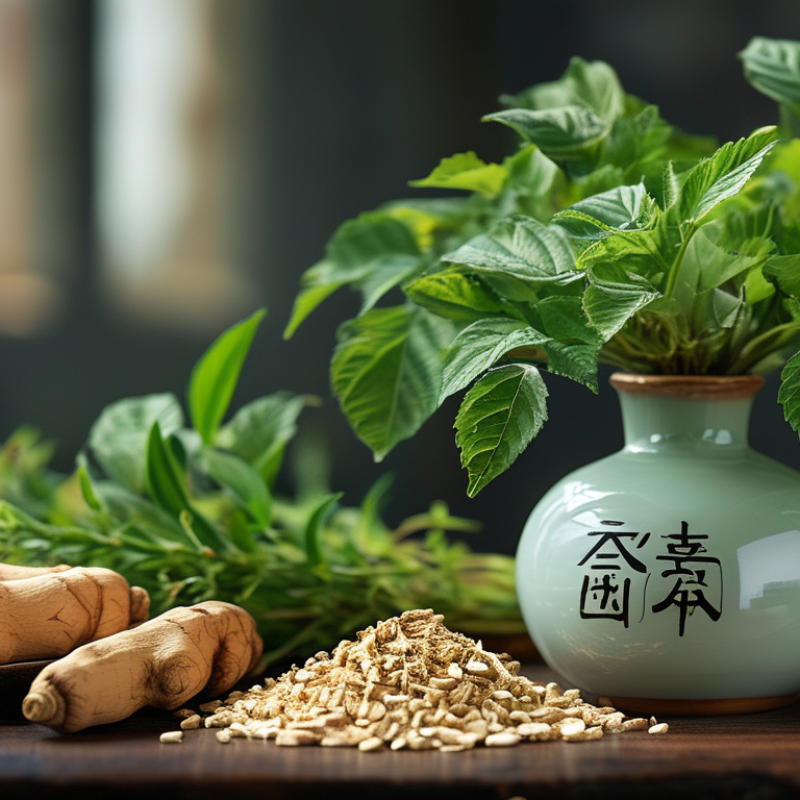
Top 10 Medicinal Plants in China: An Overview for Global Buyers
China is home to a wealth of medicinal plants, attracting global buyers keen on natural remedies. Reports from the World Health Organization indicate that over 80% of the population in developing countries rely on traditional medicine. The vast and diverse ecosystems in China support the growth of unique plants, each offering distinct healing properties. For instance, Ginseng is widely respected for its potential to boost energy and immune responses. Another notable plant is Goji Berry, often linked to longevity and overall wellness.
When sourcing medicinal plants, it’s crucial to verify the authenticity and quality. Many buyers underestimate the risk of counterfeit products. According to a study by the International Trade Centre, around 20% of herbal products do not meet safety and efficacy standards. Always request quality certificates and explore certifications that ensure sustainable sourcing. Be aware of the cultural significance of these plants in China, as it often influences their cultivation and preparation methods.
Tips for global buyers: Always conduct thorough research before purchasing. Engage with reliable suppliers who prioritize transparency. Build relationships with local producers for a better understanding of the market. Understanding local practices can lead to more authentic sourcing. Familiarity with regulations is essential to avoid pitfalls.
Key Health Benefits of Each Medicinal Plant
China is home to numerous medicinal plants that are valued globally. These plants offer various health benefits that attract worldwide buyers. For instance, Ginseng is renowned for its ability to boost energy and improve cognitive function. Studies indicate that Ginseng can enhance physical performance and reduce fatigue, making it a staple in traditional medicine.
Another significant plant is Goji Berry. Rich in antioxidants, Goji Berries support immune system health and improve eyesight. Research shows they contain high levels of vitamins A and C. These nutrients are vital for maintaining overall health. Additionally, the preventive properties against age-related degeneration are worth noting.
It's crucial to understand that not all medicinal plants work universally. Individual responses can vary. Before incorporating any plant into your routine, consult a healthcare professional.
Consider exploring lesser-known plants like Astragalus. This herb has potential immunomodulatory effects. Its ability to enhance the body's resistance to stress is particularly intriguing. Ongoing studies continue to unveil its various benefits, making it a compelling choice for health-conscious individuals.
When sourcing these plants, look for suppliers that prioritize sustainability. Ethical practices not only benefit communities but also ensure the longevity of these valuable resources. Keep in mind that quality varies, so always choose reputable sources.
Cultural Significance of Traditional Chinese Medicine
Traditional Chinese Medicine (TCM) has a rich cultural history. It integrates herbal remedies, acupuncture, and dietary practices. TCM emphasizes a holistic view of health. It seeks to balance the body's energy, or "qi." This concept shapes how practitioners diagnose and treat illnesses.
Medicinal plants play a crucial role in TCM. Each plant has distinct properties and uses. For instance, ginseng is revered for its ability to boost vitality. Ginger is often used to alleviate nausea. These plants are deeply intertwined with Chinese culture and practices. They symbolize a connection to nature and the human body. The knowledge of these plants is often passed down through generations.
Despite its effectiveness, TCM is not without its criticisms. Some argue it lacks scientific validation. Others highlight the need for more rigorous studies. As global interest grows, the challenge lies in balancing tradition with modern research. This ongoing dialogue reflects the evolving nature of medicine. Understanding TCM requires both respect and critical reflection.
Top 10 Medicinal Plants in China for Global Buyers
| Plant Name |
Scientific Name |
Traditional Uses |
Active Compounds |
Cultural Significance |
| Ginseng |
Panax ginseng |
Boosts energy, improves immunity |
Ginsenosides |
Highly valued in Chinese culture as a health tonic |
| Ginger |
Zingiber officinale |
Relieves nausea, digestive issues |
Gingerol |
Common in traditional recipes and health remedies |
| Lotus Seed |
Nelumbo nucifera |
Promotes calmness, nourishes the heart |
Nuciferine |
Symbol of purity and tranquility in culture |
| Reishi Mushroom |
Ganoderma lucidum |
Enhances longevity, reduces stress |
Polysaccharides |
Considered a symbol of immortality |
| Schisandra |
Schisandra chinensis |
Supports liver health, improves stamina |
Schisandrin |
Known as the "five-flavor fruit" indicating its diverse benefits |
| Licorice Root |
Glycyrrhiza glabra |
Soothe respiratory issues, supports adrenal function |
Glycyrrhizin |
Commonly used in traditional formulations |
| Hawthorn Berry |
Crataegus monogyna |
Improves heart health, digestion |
Flavonoids |
Symbol of protection and good fortune |
| Goji Berry |
Lycium barbarum |
Boosts eye health, enhances immunity |
Zeaxanthin |
Considered a superfood in traditional diets |
| Peppermint |
Mentha piperita |
Relieves headaches, nausea |
Menthol |
Popular in Chinese teas and traditional remedies |
| Turmeric |
Curcuma longa |
Anti-inflammatory, antioxidant |
Curcumin |
Revered for its health benefits in Chinese culture |
Market Trends and Opportunities for Buyers in the Global Market
The global medicinal plant market is evolving. According to a recent report by Grand View Research, it is projected to reach $2.45 billion by 2025. This growth presents unique opportunities for buyers seeking quality herbs from China. The country is home to over 10,000 species of medicinal plants, offering a rich variety for global markets.
For buyers, understanding market trends is crucial. Demand for natural remedies is rising, driven by a shift toward holistic health. Reportedly, the Asia-Pacific region dominates this market, with a significant share attributed to traditional Chinese medicine (TCM). Buyers should explore sourcing partnerships in regions like Sichuan and Yunnan, known for their biodiversity and quality.
Challenges exist, however. Quality assurance remains a concern. Not every supplier maintains high standards. Buyers need to vet suppliers rigorously and consider certifications. Misunderstandings about traditional practices and modern regulations can impede transactions. Engaging with credible local experts may help navigate these complexities effectively.
Sourcing and Quality Control Tips for International Buyers
Sourcing medicinal plants from China requires careful consideration of both quality and ethical practices. According to a report by the World Health Organization, approximately 80% of the population in developing countries relies on herbal medicine. This statistic underlines the need for rigorous quality control when importing these products.
International buyers should prioritize suppliers who engage in transparent sourcing. Ensuring that plants are harvested sustainably is vital. Many plants, such as ginseng and goji berries, face overharvesting issues. Additionally, buyers should consider third-party certifications that verify organic and ethical practices.
Quality testing is crucial. A study published in the Journal of Ethnopharmacology found that up to 30% of herbal products may be contaminated with pesticides or heavy metals. Regular lab testing ensures safety and efficacy. It is also important to build strong relationships with suppliers to enhance communication about quality expectations. A sustainable approach not only supports local economies but also fosters trust in the global supply chain.
Top 10 Medicinal Plants in China
Conclusion
This article provides a comprehensive overview of the top 10 medicinal plants in China, designed for global buyers looking to explore the rich potential of traditional Chinese medicine. Each medicinal plant is detailed with its key health benefits, highlighting their significance in both health and wellness. Furthermore, the article delves into the cultural importance of these plants within the context of traditional Chinese practices, emphasizing their historical use and value.
In addition to beneficial insights into the plants themselves, the article addresses current market trends and opportunities for international buyers, offering practical sourcing and quality control tips. By understanding these aspects, global buyers can make informed decisions when seeking to incorporate Chinese medicinal plants into their offerings, ultimately tapping into a flourishing market segment.