
Top Cosmetics Manufacturing Equipment for Global Buyers?

Time:2026-06-30 Author:Mason
0%

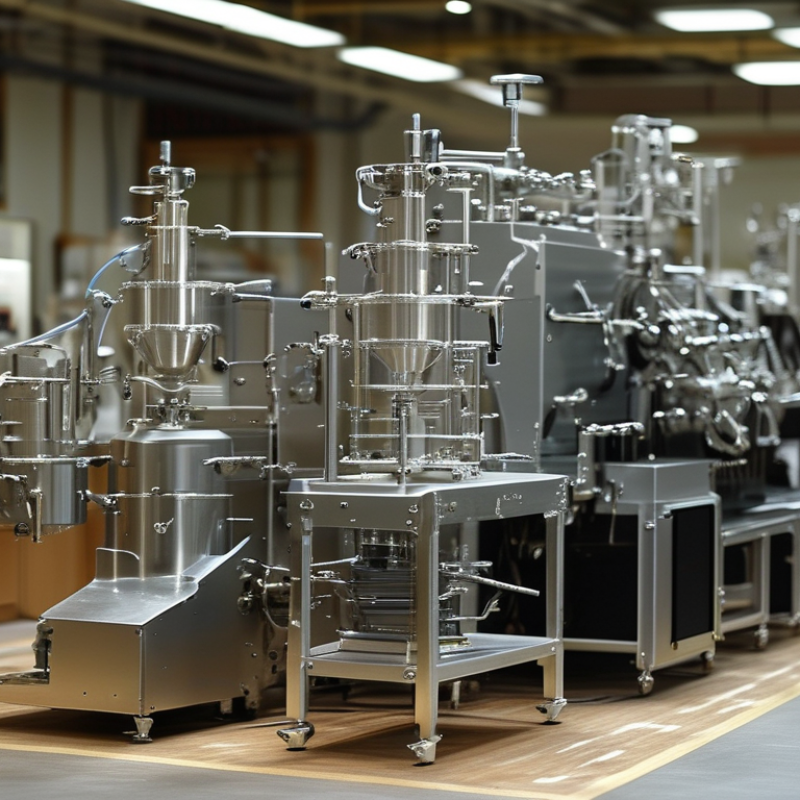
In the dynamic world of beauty and personal care, the importance of high-quality Cosmetics Manufacturing Equipment cannot be overstated. Expert Sarah Johnson, a leading consultant in cosmetic production, emphasizes, "The right equipment can transform the way brands operate and innovate." Her words capture the essence of this essential industry.

As global buyers seek the best technologies, they face numerous choices. It can be overwhelming to navigate the options available. From mixers to filling machines, machinery plays a pivotal role in ensuring product quality and consistency. Investing in advanced equipment can enhance efficiency and production speed, ultimately leading to better market performance.

However, selecting the right Cosmetics Manufacturing Equipment is not without challenges. Mistakes in equipment choice can lead to costly setbacks. Understanding specific manufacturing needs is critical. Thorough research and consultation with specialists can guide buyers to make informed decisions. These are crucial steps in a competitive landscape where innovation sets successful brands apart.
Top Cosmetics Manufacturing Equipment for Global Buyers?

Key Types of Cosmetics Manufacturing Equipment in the Industry

The cosmetics manufacturing industry has seen significant growth, driven by innovation and consumer demand. Various types of equipment play crucial roles in this evolution. Notably, mixing equipment, filling machines, and packaging systems are essential for efficient production. According to industry reports, the global cosmetic machinery market is projected to reach $2 billion by 2025, reflecting a robust demand for advanced manufacturing solutions.

Mixing equipment is vital for creating consistent formulas in creams, lotions, and serums. Advanced agitators and homogenizers ensure uniformity in product texture and stability. This is especially important as consumers increasingly seek high-quality products. Meanwhile, filling machines enhance production speed, handling various container types. Automated systems reduce human error, although there can be issues with machine calibration that require regular checks.

Tips: Regular maintenance of equipment extends its lifespan and maintains quality. Training staff on proper usage is equally crucial. Investing in quality machinery can lead to long-term savings. Stay updated on industry trends, as consumer preferences continually evolve. Engaging with professional machinery suppliers may also spark innovation.

Criteria for Selecting the Right Equipment for Cosmetics Production

Selecting the right equipment for cosmetics production is crucial. It impacts product quality, efficiency, and cost-effectiveness. According to industry reports, the global cosmetics manufacturing equipment market is projected to reach $30 billion by 2025. The competition demands that manufacturers invest wisely in technology.

When choosing equipment, consider scalability first. Equipment should adapt to varying production sizes. This flexibility can save costs in the long run. Pay attention to automation. Automated systems can increase production speeds and reduce human error. Features like easy maintenance and upgrade options are also important.

Tip: Always ask for equipment specifications. This helps in comparing different options. User reviews can provide insights into performance and reliability.

Another vital factor is compliance with industry standards. Many regions have specific regulations for cosmetics production. Non-compliance can lead to fines or product recalls. Always verify the certifications of the equipment you consider.

Tip: Consult with industry experts for recommendations. They often have valuable information based on real-world experiences.

In addition to performance, don’t overlook energy efficiency. Sustainable practices can lower long-term costs. The right equipment can significantly reduce energy consumption and environmental impact. Aim for machines that promote a cleaner production process.

Innovative Technologies in Cosmetics Manufacturing Equipment

Innovative technologies are transforming the cosmetics manufacturing industry. Automation plays a crucial role, enhancing efficiency and precision. Through advanced robotics, production lines can operate with minimal human intervention. This results in consistent product quality, reducing the risk of contamination. Smart sensors also monitor the manufacturing environment, ensuring optimal conditions for product integrity. Another significant advancement is in formulations. New mixing and blending technologies enable the creation of complex cosmetic products with unique textures. This innovation allows manufacturers to explore diverse formulations, providing consumers with more choices. Real-time data analytics helps track formulation effectiveness and safety, fostering better decision-making.

Despite these innovations, challenges remain. Adapting to rapidly changing consumer demands is essential. Manufacturers must stay agile and responsive. Ensuring sustainability in materials and processes is a growing concern. The quest for eco-friendly solutions can complicate production, urging ongoing refinement and adaptation. Addressing these challenges is vital for future success in an evolving market.

Global Market Trends Impacting Cosmetics Manufacturing Equipment Choices

The global cosmetics manufacturing sector is evolving rapidly. Emerging market trends heavily influence equipment choices. Sustainable manufacturing is critical. According to a recent market report, over 45% of manufacturers now prioritize eco-friendly equipment. Innovative solutions, such as water-based emulsifiers, gain traction. Consumers demand greener products, pushing manufacturers to adapt.

Automation is another key trend. A study by a leading industry research firm found that around 55% of companies are investing in automated systems. This shift enhances efficiency and reduces labor costs. However, the high initial investment in these technologies can be a barrier for smaller manufacturers. Many companies must weigh costs against potential long-term savings.

Market competition puts pressure on manufacturers to innovate continuously. Keeping up with customer preferences is essential. Yet, some companies struggle with outdated processes. A survey indicated that 30% of manufacturers cite equipment limitations as a significant hurdle. Maintaining flexibility in production lines can be challenging but necessary for success. Balancing these trends is crucial for thriving in the dynamic cosmetics landscape.

Top Suppliers of Cosmetics Manufacturing Equipment Worldwide

In the cosmetics manufacturing sector, choosing the right equipment is vital for efficiency and product quality. Various suppliers offer innovative solutions tailored to diverse needs. Evaluating these suppliers can help streamline production processes.

When selecting equipment, consider production capacity. Understand the scale of your operations. Research the supplier’s experience and reputation. A reliable supplier should have a solid track record. Look for those with industry certifications and positive customer feedback.

**Tips:** Always request samples if possible. Testing equipment can prevent costly mistakes. Collaborate with suppliers for customized solutions. This approach may yield better results. Regular maintenance is crucial. It ensures longevity and reliability in operations. Evaluate your equipment periodically. This analysis may reveal areas needing improvement.

Top Cosmetics Manufacturing Equipment for Global Buyers

Equipment Type Application Capacity (L) Market Regions Average Price ($)
Mixers Creams and Lotions 500 North America, Europe 15,000
Filling Machines Serums and Oils 1000 Asia, Europe 25,000
Emulsifiers Lotions and Creams 300 Worldwide 8,000
Labeling Machines Packaging N/A North America, Asia 10,500
Vacuum Mixers High-End Creams 200 Europe, South America 35,000

FAQS

: What is vital for consistent formulas in cosmetics?

: Mixing equipment is essential for creating consistent formulas in creams, lotions, and serums.

Why is advanced mixing equipment important?

Advanced agitators ensure product uniformity and stability, meeting consumer demand for high-quality products.

How do filling machines enhance production?

Filling machines increase speed and handle different container types, boosting overall efficiency.

What should be checked regularly for filling machines?

Machine calibration should be checked regularly to avoid production issues.

What maintenance tips can help cosmetics equipment?

Regular maintenance extends equipment lifespan and maintains product quality.

How can staff training benefit production?

Proper training on equipment usage is crucial for reducing errors during production.

What should be considered when selecting suppliers?

Evaluate production capacity, supplier experience, and customer feedback before making a choice.

Why is testing equipment before purchase recommended?

Testing can prevent costly mistakes and ensure the equipment meets your needs.

What is a good strategy for engaging with suppliers?

Collaborate for customized solutions to achieve better results in equipment performance.

How often should equipment be evaluated?

Periodic evaluations can reveal areas needing improvement and enhance overall efficiency.

Conclusion

The article "Top Cosmetics Manufacturing Equipment for Global Buyers" explores essential aspects of cosmetics manufacturing equipment and its impact on the industry. It begins by identifying key types of equipment used in cosmetics production, highlighting the importance of selecting the right machinery based on specific criteria such as efficiency, scalability, and compliance with industry standards.

Furthermore, the article delves into innovative technologies that enhance production capabilities, along with global market trends that influence buyer decisions in the cosmetics manufacturing sector. By understanding these elements, manufacturers can make informed choices that align with market demands and technological advancements, ultimately ensuring high-quality product delivery. The discussion also emphasizes the significance of connecting with top suppliers of cosmetics manufacturing equipment worldwide to facilitate successful production processes and maintain competitiveness in the global market.

Mason

Mason

Mason is a seasoned marketing professional with a deep expertise in the company's offerings and a passion for driving brand awareness. With a strong background in digital marketing strategies, he has an innate ability to connect with diverse audiences and effectively communicate product benefits.......