
7 Tips for Choosing an Automatic Multidose Dosing Gun

Time:2026-09-12 Author:Charlotte
0%

Choosing an automatic multidose dosing gun is not merely a purchasing decision. It affects dose accuracy, animal handling, operator comfort, and daily treatment efficiency. The right tool should deliver consistent volumes, even when the work becomes repetitive or conditions become less than ideal.

Dr. Elena Marín, a livestock equipment specialist, explains, “A dosing gun is only reliable when its calibration, cleaning, and handling remain reliable.” That practical observation should guide every comparison. The Pistola Dosificadora Automtica Multidosis must match the product’s viscosity, recommended volume, and intended animal-care application. A narrow barrel may suit liquid solutions, while thicker formulations may require stronger seals and a wider passage. Check the adjustment ring carefully. It should turn smoothly, but it should not move accidentally during use.

Small details matter. A balanced handle reduces wrist strain during long treatment sessions. A transparent barrel makes air bubbles easier to spot. Replaceable seals can extend service life and reduce unnecessary waste. However, no tool is perfect. Even a well-built dosing gun can lose accuracy if residue dries inside the chamber or the plunger becomes sticky. That is why cleaning access, calibration checks, and supplier support deserve the same attention as price.

These seven tips focus on practical selection, not marketing claims. They consider field experience, technical construction, hygiene, maintenance, and safe handling. A careful buyer should still test the gun with the intended formulation before full deployment. That extra step can expose an uncomfortable truth: the most expensive model is not always the best match.
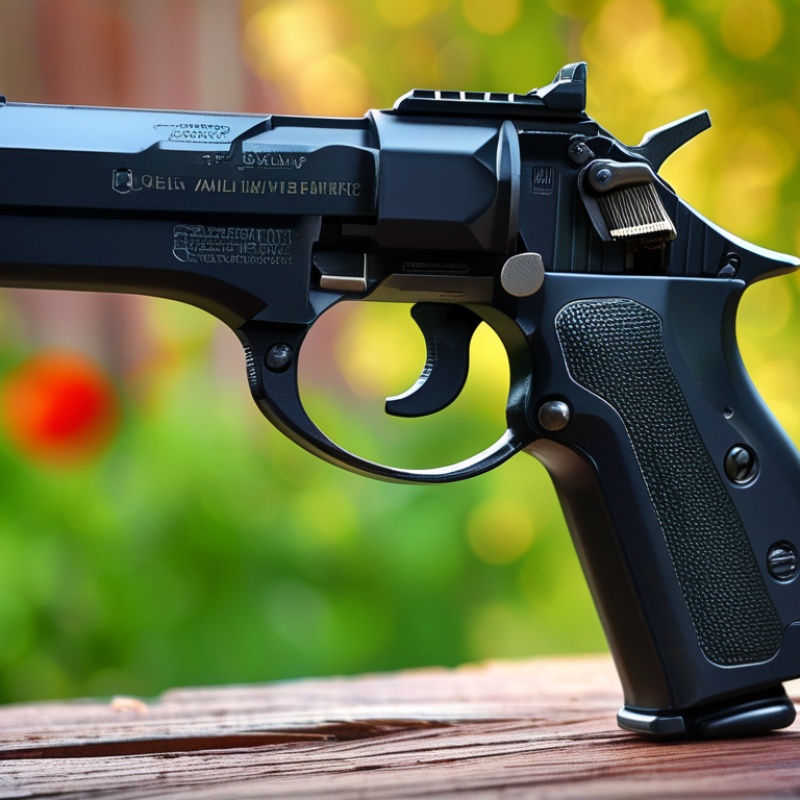
7 Tips for Choosing an Automatic Multidose Dosing Gun

Define the Farm’s Multidose Treatment Requirements

Before choosing an automatic multidose dosing gun, define the farm’s treatment requirements precisely. Record the target species, average body weight, dose volume, treatment frequency, and daily animal numbers. A cattle operation treating 80 animals needs different capacity than a small sheep unit. Body-weight variation matters, too. A fixed setting may underdose smaller animals or waste product on larger ones.

Treatment records should guide the specification. The FDA’s 2022 Summary reported a 36% decrease in medically important antimicrobial sales for food-producing animals from 2017 to 2022, after adjusting for animal biomass. This trend reinforces accurate, limited treatment use. Your veterinarian should confirm the protocol, withdrawal requirements, and suitable dose range. Then match the gun’s graduated adjustment, barrel capacity, trigger effort, and cleaning method to that protocol. Small details matter.

Measure real working conditions. Will staff wear gloves? Will the gun be used in cold weather, muddy pens, or narrow handling races? A tool that performs well indoors may become awkward during a fast-moving treatment session. I have seen farms select high capacity first, then struggle with hand fatigue and inaccurate resets. That is an easy mistake. Test the device with water before purchase, check repeat-dose consistency, and review maintenance records from comparable operations. A perfect specification on paper can still fail in a busy chute.

Match Gun Capacity and Dose Settings to Animal Sizes

Choosing an automatic multidose dosing gun starts with the animals, not the equipment. Estimate the normal weight range for each group. Calves, sheep, and mature cattle may require very different volumes. A gun with excessive capacity can feel efficient, but it may become heavy during repeated handling. It can also leave unused product after a short treatment session. Smaller capacity often improves control for lighter animals.

Match the dose setting to the prescribed volume and the animal’s measured weight. Use the smallest practical increment that delivers the required dose. For example, a 2 ml setting may be unsuitable when the correct volume is 1.3 ml. Check whether the gun adjusts smoothly or jumps between fixed settings. That detail matters. Calibrate the device before use, especially after storage, repairs, or a hard drop. A quick test into a clean measuring container can reveal an inaccurate setting.

Animal movement also affects the choice. A compact gun may be easier to steady around young or nervous animals. Larger animals may justify a higher-capacity model, but only when the added weight remains manageable. Keep the barrel, seals, and connection points clean, since residue can affect dose delivery. Do not assume the factory setting stays accurate forever. Recheck it when results seem inconsistent, and record the setting used for each animal group. There is no perfect capacity for every job. Refill time, hand fatigue, and dose accuracy may compete with each other.

Evaluate Accuracy, Handling Comfort, and Injection Speed

7 Tips for Choosing an Automatic Multidose Dosing Gun

Evaluate Accuracy, Handling Comfort, and Injection Speed

An automatic multidose dosing gun should make repeated injections consistent, not merely faster. Check its stated dose range and confirm that adjustment markings are clear. Test several dispenses into a calibrated container before field use. Small volume errors can accumulate across a full treatment session. Ask whether the mechanism maintains accuracy after repeated triggers. Inspect the barrel for bubbles and confirm that seals do not leak. Choose a model with simple calibration instructions and documented quality control. Independent testing helps, but practical verification remains essential.

Handling comfort affects accuracy more than many buyers expect. Hold the gun with your usual gloves. The grip should fit securely without forcing your wrist sideways. A balanced frame, smooth trigger, and low hand fatigue support steadier placement. Check whether the needle connection stays stable during movement. Cleaning also matters; removable parts should be easy to inspect and disinfect. I would not trust a comfortable grip alone. A tool can feel excellent for five minutes and become tiring later.

Injection speed should match the animal, product, and operator’s control, not a sales promise. Look for adjustable delivery and a trigger that releases predictably. Test slow and fast settings, recording dose consistency and recovery time. Faster is not always better. Rushing can increase handling errors, leakage, or poor placement. Let trained users trial the gun during a realistic session. Compare results, not impressions. Keep a simple log of calibration checks, cleaning, and replaced components. That record can reveal gradual performance changes before they affect routine work.

Check Materials, Cleaning Needs, and Maintenance Access

Choosing an automatic multidose dosing gun requires more than checking speed or capacity.

Materials matter because they contact the product repeatedly. I have learned to inspect the barrel, nozzle, seals, and internal springs carefully. Stainless steel can resist corrosion, while suitable polymers may reduce weight. However, not every polymer tolerates disinfectants, oils, or temperature changes. Ask for material specifications and chemical compatibility data. Small cracks become expensive problems.

Cleaning should fit the actual working routine. A gun that needs complex tools may be neglected during a busy shift. Look for smooth surfaces, removable contact parts, and minimal areas where residue can collect. Keep cleaning records simple. During a trial, time the full cleaning process, not only the rinsing step. Check whether operators can see hidden channels and confirm that parts dry completely. A nearly clean component is still a concern.

Maintenance access also affects reliability. Inspectors should reach seals, valves, and adjustment points without dismantling the entire device. Access matters. Ask how often wear parts need inspection and whether replacements require special training. Clear service instructions support consistent work, but instructions can still miss practical difficulties. I once underestimated the time needed to remove a stubborn seal. That mistake changed my evaluation. Choose a design that supports inspection, cleaning, and repair under real working conditions.

Compare Safety Features, Compatibility, and Long-Term Value

7 Tips for Choosing an Automatic Multidose Dosing Gun

Safety should be judged at the hand, bottle, and needle—not only on the product sheet. NIOSH estimates 600,000 to 800,000 needlestick injuries occur annually in the United States. Choose a dosing gun with a guarded needle, secure dose lock, smooth trigger, and an anti-drip valve. These details reduce accidental contact and wasted product. WHO estimates that about 16 billion injections are administered worldwide each year. Small handling failures can become expensive, repeated risks. Fit matters.

Compatibility requires a practical test. Check the gun against the container closure, tubing diameter, fluid viscosity, and intended dose range. A device may connect correctly yet deliver inconsistent volumes with thick formulations. Measure ten doses into a calibrated cylinder, then compare the readings. Cleanability also matters; inspect seals, springs, and internal channels after repeated use. The FDA emphasizes clear reprocessing instructions for reusable devices, but field conditions are often less controlled. That gap deserves attention.

Long-term value means more than a low purchase price. Compare calibration stability, replacement-part availability, service support, and cleaning time over a full operating season. ISO 11608 guidance highlights dose accuracy and system compatibility for needle-based delivery components, although not every dosing gun falls within its exact scope. Treat that limitation seriously. A comfortable grip is useful, but a durable mechanism is better. I would also record failure rates instead of trusting memory. Perfect assumptions rarely survive daily work.

FAQS

How should a farm determine its multidose dosing requirements?

Record animal species, average weight, dose volume, treatment frequency, and daily animal numbers. A fixed setting may underdose smaller animals or waste product on larger ones.

Why does animal weight variation matter?

Different body weights require accurate dose adjustments. A graduated setting helps prevent underdosing and unnecessary product waste.

What safety features should a dosing gun include?

Look for a guarded needle, secure dose lock, smooth trigger, and anti-drip valve. Fit matters. These features reduce accidental contact and spills.

How can compatibility be tested before purchase?

Check the container closure, tubing size, fluid thickness, and intended dose range. Measure ten doses into a calibrated cylinder. Compare every reading.

What should workers consider during real treatment sessions?

Consider gloves, cold weather, muddy pens, narrow races, and fast-moving animals. A device comfortable indoors may become awkward in a crowded chute.

How can hand fatigue affect treatment accuracy?

Heavy triggers and large containers can tire workers during repeated treatments. Fatigue may cause inaccurate resets or inconsistent dosing. I would test the grip longer.

How should a dosing gun be cleaned and maintained?

Review seals, springs, internal channels, and tubing after repeated use. Follow clear cleaning instructions and record maintenance problems. Perfect cleaning plans can fail in muddy conditions.

What does long-term value include besides purchase price?

Compare calibration stability, replacement-part access, service support, durability, and cleaning time. A lower price may not remain lower after repeated repairs.

Should the dosing gun be tested with water?

Yes. Test repeated doses with water before purchase. This can reveal inconsistent delivery, difficult triggers, or unreliable dose adjustments.

Who should confirm the treatment protocol?

A veterinarian should confirm the dose range, treatment plan, and withdrawal requirements. The device should match that protocol, not guesswork.

Conclusion

Choosing an automatic multidose dosing gun begins with understanding the farm’s treatment requirements, including herd size, dosing frequency, animal types, and the products commonly used. The right tool should offer a suitable capacity and adjustable dose settings for different animal sizes, helping reduce waste and support consistent treatment. A practical Pistola Dosificadora Automtica Multidosis should also balance dosing accuracy with comfortable handling, smooth operation, and efficient injection speed, especially during repeated use.

Durability and easy maintenance are equally important. Look for materials that can withstand regular farm conditions, along with simple cleaning procedures and accessible components for inspection or replacement. Safety features, secure connections, and compatibility with approved containers or tubing can improve daily reliability. Finally, compare the overall value rather than focusing only on the initial price. A well-designed dosing gun can provide dependable performance, reduce downtime, and remain useful across changing treatment routines when properly cleaned, stored, and maintained.

Charlotte

Charlotte

Charlotte is a seasoned marketing professional with a deep understanding of the company's portfolio and a passion for elevating its presence in the market. With a keen eye for detail and a commitment to excellence, she ensures that our professional blog is regularly updated with insightful articles......