
Choosing the right oil storage tank is critical for safety and efficiency. Michael Carter, an industry expert with over 15 years of experience, states, "Selecting the right tank can prevent costly spills and ensure compliance." This highlights the importance of understanding your specific needs before making a decision.
When assessing options, consider tank materials, sizes, and installation requirements. A properly selected Oil Storage Tank boosts productivity while meeting safety regulations. It’s not just about picking any tank; factors like climate, location, and intended use play a vital role in your choice.
Investing time in research is essential. Many overlook details such as local regulations and maintenance needs. A tank that fits today’s needs may not suffice for the future. Reflect on your choices, and seek expert advice if needed. The right Oil Storage Tank can make all the difference in operational success.
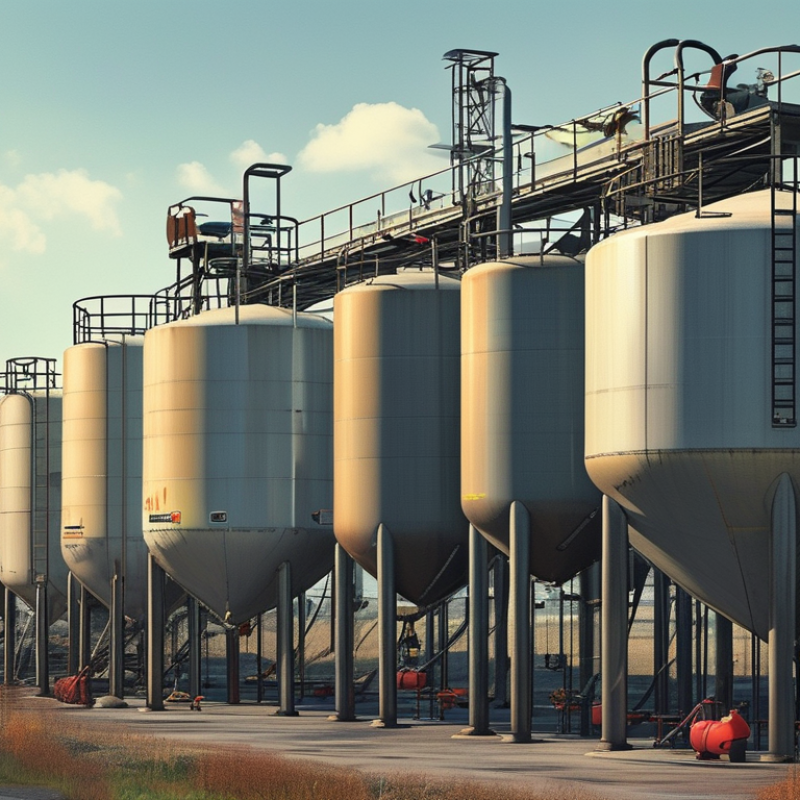
When selecting an oil storage tank, understanding the various types is crucial. There are above-ground tanks, typically made of steel or plastic. These tanks are easier to inspect and maintain. They come in different sizes, making them suitable for small and large operations alike.
Below-ground tanks offer a different advantage. They save space and provide a layer of protection against environmental leaks. However, installation is more complex.
A key consideration is the tank's capacity. Smaller tanks may seem cost-effective but can require frequent refills. Larger tanks require a bigger upfront investment but can save money over time. Another factor is the tank's design. Some tanks are double-walled for added safety. This design minimizes risks associated with leaks.
It's important to think about local regulations too. Some areas have strict guidelines for tank installation and maintenance. Not understanding these rules can lead to complications. Choosing the right oil storage tank involves weighing these options carefully. Evaluate your specific needs and budget. Take your time to reflect on what’s most important for your situation.
When assessing your oil storage needs, capacity is a crucial factor. Consider how much oil you will store and for how long you need it. Regular usage patterns can inform your decision. For instance, if you frequently run machinery that requires oil, a larger tank might be necessary. Alternatively, smaller tanks are suitable for less frequent usage.
Think about the space available for your tank. This can limit your options. Measure the area to ensure a proper fit. It’s also important to consider future needs. Will your oil usage increase? Planning ahead can prevent issues down the line.
Be aware of local regulations and safety standards. Compliance is vital to avoid risks or fines. Understanding these rules can impact your storage capacity choices. Reflecting on your actual requirements will help in selecting the right tank. Balancing current needs with potential growth is essential for maintaining efficiency and safety in your operations.
When selecting an oil storage tank, the material's durability and safety are paramount. Steel and plastic are common choices. Steel tanks are robust and have strong resistance to damage. However, they can be prone to rust if not properly coated. Plastic tanks are lighter and resistant to corrosion. Yet, they may not withstand extreme temperatures as well as steel.
Consider the environmental conditions. A tank in a humid area may need extra protection. Also, think about safety features. Some tanks come with secondary containment systems to prevent leaks. This can offer peace of mind, especially in sensitive locations. It's important to weigh the benefits against the costs.
No material is perfect. A well-constructed steel tank can last decades. Still, its weight and installation challenges might deter some users. On the other hand, while plastic tanks are easier to transport, they may require more frequent inspections. Assessing your specific needs will guide you in choosing the right material for your storage solution.
| Material | Durability | Safety Features | Cost | Best Use Case |
|---|---|---|---|---|
| Steel | High resistance to damage | Fire-resistant coating | Moderate to High | Long-term storage |
| Polyethylene | Good, lightweight | UV-resistant, double-walled | Low to Moderate | Residential use |
| Fiberglass | Very high resistance | Corrosion-resistant | High | Harsh environments |
| Lined Steel | High, due to lining | Double protection against leaks | High | Commercial use |
When selecting an oil storage tank, regulatory compliance and environmental impact are crucial considerations. Regulations vary by region, so it's important to understand local and national laws. Consult with environmental experts who can provide guidance. Compliance with these laws prevents costly fines and potential shutdowns.
The environmental impact of oil storage cannot be overlooked. A leak can contaminate soil and water, harming ecosystems. Assessing the tank's materials and construction is vital. Tanks made from high-quality materials reduce leakage risks. Regular inspections help maintain their integrity. Implementing proper spill containment measures is essential.
Choosing the right oil storage tank involves careful evaluation. Think about size, location, and accessibility. Misjudgments here can lead to compliance issues and environmental hazards. It's a balancing act. A tank that meets regulations but has a higher risk of leaks may not be the best choice. Always weigh options carefully.
This chart represents the environmental compliance scores for different oil storage tank capacities. As the tank capacity increases, the compliance score drops, which could indicate stricter regulations or higher environmental impact at larger capacities.
Choosing the right location for your oil storage tank is crucial. It directly affects safety, efficiency, and compliance with regulations. Consider placing the tank in an area away from high traffic zones. Proximity to your oil-consuming equipment can reduce transportation costs. However, avoid locations that are prone to flooding or other environmental hazards.
Installation requirements can vary based on local regulations and the tank's size. Ensure the site is level and stable. A solid foundation is essential to prevent shifting. Opt for a distance from residential areas to minimize risks. Local zoning laws may dictate additional restrictions. Being aware of these regulations can help avoid fines and ensure community safety.
Design your installation plan with emergency access in mind. Situating the tank near fire lanes can enhance safety measures. It's also wise to consider the future. Will the tank’s location facilitate easy maintenance? Reflecting on these details leads to better long-term decisions. Pay attention to ventilation needs as well. Neglecting these can lead to hazardous situations.
: There are above-ground and below-ground tanks available. Above-ground tanks are generally easier to maintain. They come in various sizes suitable for different operations.
Consider how much oil you need to store regularly. Larger tanks help avoid frequent refills, while smaller tanks suit infrequent use.
Measure your available space to ensure a proper fit. Future oil usage should also be considered to avoid issues later.
Understanding local regulations prevents fines and shutdowns. Non-compliance can lead to serious operational risks.
Choose high-quality materials for tanks. Regular inspections and spill containment measures can help reduce the risk of leaks.
Double-walled tanks offer added safety by minimizing leak risks. They can help protect the environment better.
Take time to assess your current and future oil usage. Consider both your requirements and budget for optimal selection.
Misjudgments can lead to compliance issues and environmental hazards. Risks include fines, leaks, and operational complications.
Smaller tanks require more frequent refills. This can lead to increased operational costs over time.
Regular inspections are essential for maintaining tank integrity. Skipping this can lead to unforeseen issues, including leaks.
When selecting the right Oil Storage Tank, it is crucial to understand the various types available to match your specific needs. Different tanks serve diverse functions and capacities, so evaluating your oil storage requirements is essential. Additionally, considering the materials used for the tank is vital for ensuring durability and safety during operation.
Moreover, compliance with regulatory standards and addressing environmental impact should guide your choices. This includes understanding local regulations and ensuring that the tank's installation location adheres to safety guidelines. Taking the time to assess these factors will lead to a more effective and responsible oil storage solution.
Sina Ekato