
When selecting a Stainless Steel Storage Tank, it’s crucial to consider various factors. The right tank can enhance efficiency and ensure product safety. Think about the materials you will store and how these interact with stainless steel. Different grades of stainless steel offer varying levels of corrosion resistance. This can influence long-term durability and maintenance.
Pay attention to the tank's size and design, which should align with your specific needs. A poorly chosen tank can lead to operational inefficiencies. Reflect on your storage capacity requirements and growth projections. Remember, an oversized tank can lead to increased costs and wasted space.
Ultimately, your choice of a Stainless Steel Storage Tank impacts overall productivity. Investing time in proper research is vital. Choose a supplier known for quality and reliability. Make informed decisions to ensure long-lasting performance and to minimize potential issues down the line.
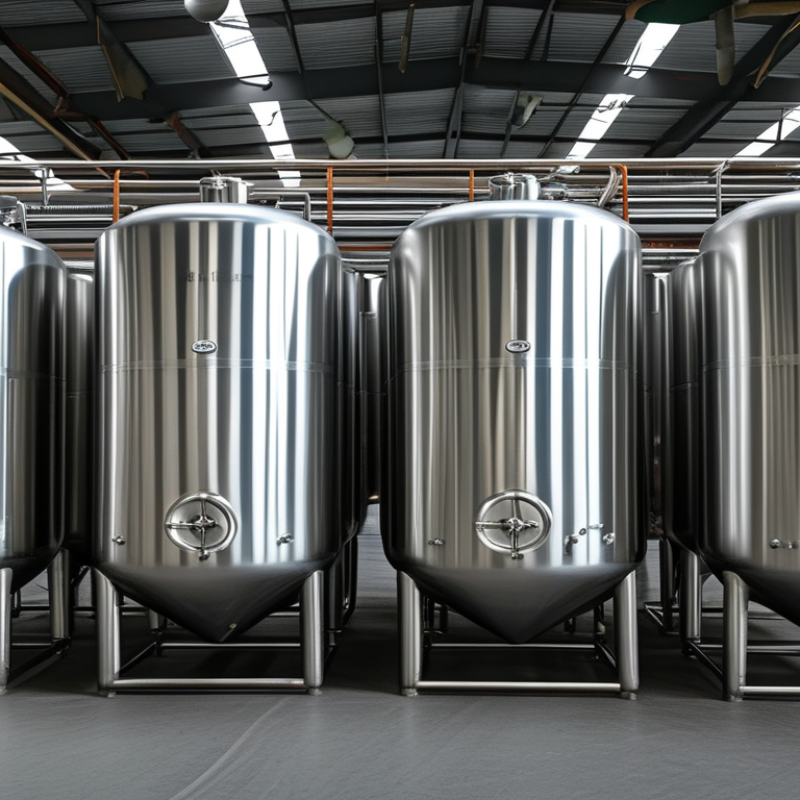
When selecting the right stainless steel storage tank, understanding the various types is crucial. There are typically three main categories: single-wall, double-wall, and insulated tanks. Single-wall tanks are straightforward. They are cost-effective and suitable for non-hazardous materials. However, they lack additional protection against leaks. According to industry reports, using double-wall tanks can reduce leak risks by up to 80%. This is particularly important for businesses handling potentially hazardous substances.
Double-wall tanks feature an outer layer that cushions the inner tank. This design not only enhances safety but also ensures compliance with environmental regulations. Insulated tanks are designed to maintain temperature. They are ideal for storing substances that require controlled conditions. Reports indicate that thermal insulation can reduce energy costs by 20%, promoting efficiency in storage operations.
Choosing the correct type depends on specific needs. Businesses must factor in their storage requirements and compliance standards. Not all storage tanks are created equal. A poorly chosen tank can lead to inefficiency and potential risks. It is essential to assess each option carefully. Gather data on each tank type and its applications. This reflection is key to making an informed decision.
When selecting a stainless steel storage tank, understanding your storage needs is crucial. Capacity requirements directly influence your decision. Assess the volume of material you plan to store. Is it liquids or solids? Different materials have different space requirements. For example, 500 gallons may suffice for one project, while another might need 2,000 gallons or more.
Material compatibility is equally important. Not all stainless steel is the same. 304 and 316 grades are commonly used, but each has specific benefits. 316 grade offers better corrosion resistance, making it suitable for harsher environments. However, it comes with a higher cost. Assess the material you'll store. Will it react with stainless steel? Some chemicals can lead to corrosion or contamination.
Tips: Always consult with an expert. They can guide you based on your specific needs. Consider potential future expansions. It's wise to plan for growth, even if it seems distant. Measure your space before making a purchase decision. Mistakes in sizing can lead to operational issues later on. Lastly, don’t hesitate to seek opinions from peers in your industry. Their experiences can provide valuable insights.
When selecting a stainless steel storage tank, several key features deserve careful consideration. The tank's grade of stainless steel is crucial. Common grades like 304 and 316 offer different levels of corrosion resistance. According to industry reports, 316-grade is ideal for environments that face high salt exposure. This makes it more suitable for marine or coastal applications.
Capacity is another important aspect. Knowing the required volume can help determine the appropriate tank size. Tanks range from small units, holding as little as 200 liters, to large ones exceeding 100,000 liters. Furthermore, the tank's design and shape can influence space efficiency. Many facilities report challenges when integrating larger tanks into constrained spaces.
Lastly, the tank's insulation and temperature control capabilities must not be overlooked. Insulated tanks maintain product integrity, especially for temperature-sensitive contents. Data indicates that poorly insulated tanks can lead to product degradation. It’s essential to assess the intended use of the tank. This can lead to reflections on whether the selected model meets the specific needs of different industries. Quality should never be compromised during the selection process.
When considering the purchase of a stainless steel storage tank, balancing cost and quality is essential. A high-quality tank may have a higher initial price, but it can save you money in the long run. Lower-cost options might seem appealing, yet they often lead to higher maintenance and replacement costs. It's crucial to evaluate what is most important for your specific needs.
Tips: Always seek out quotes from multiple suppliers. Compare the materials and craftsmanship of each tank. Assess their durability and long-term performance. For many buyers, investing a bit more initially pays off significantly over time.
Quality materials ensure the tank can withstand various environments. Look for tanks made from 304 or 316 stainless steel, as they offer better corrosion resistance. However, manufacturers sometimes cut corners on production. This might lower the cost but can compromise safety and longevity. It's essential to find a reliable supplier who provides transparent information about their products.
Tips: Don't hesitate to ask for certifications. A reputable manufacturer should possess relevant certifications and quality guarantees. Understanding warranties can also help you make a more informed decision. Remember, price shouldn’t be the only factor when selecting a tank. Quality and reliability often outweigh immediate savings.
Maintaining a stainless steel storage tank is crucial for its longevity. Regular inspections can prevent serious issues. According to industry reports, nearly 30% of tanks experience corrosion issues over time. This can lead to leaks. Periodic assessments of the tank’s internal and external conditions are necessary.
A common mistake is neglecting surface cleaning. Dirt and residues can accelerate wear and tear. Implementing a consistent cleaning schedule can mitigate this problem. Studies indicate that well-maintained tanks can last 20% longer than those that aren't regularly cleaned.
Monitoring temperature fluctuations is crucial. Stainless steel is sensitive to extreme conditions. Utilizing insulation and temperature control can enhance performance. Regular evaluations of these settings can ensure optimal function over time, helping to avoid costly replacements.
: The main types are single-wall, double-wall, and insulated tanks. Each serves different purposes.
Double-wall tanks reduce leak risks by up to 80%. They provide extra protection for hazardous materials.
Insulated tanks help maintain temperature. They are ideal for storage of temperature-sensitive substances.
Determine the volume of materials you need to store. It varies for liquids compared to solids.
Common grades include 304 and 316. Each has different benefits, especially concerning corrosion resistance.
Yes, consulting an expert can ensure you choose the right tank for your specific needs.
Consider potential growth during selection. Planning for expansion can avoid issues down the line.
Mistakes in sizing can create operational problems later. Always measure your available space accurately.
Key features include corrosion resistance, capacity, design, and insulation. Each affects overall performance.
Yes, poorly insulated tanks can result in product degradation. It's vital to consider insulation when choosing a tank.
When choosing the right Stainless Steel Storage Tank, it's crucial to understand the different types available and assess your specific storage needs, including capacity and material compatibility. Key features such as tank design, insulation, and accessibility can significantly impact functionality and efficiency.
Budgeting is another vital consideration, as evaluating the balance between cost and quality will help ensure that you invest in a tank that meets your requirements without compromising durability. Regular maintenance is essential for ensuring optimal performance over time, allowing you to maximize the longevity of your Stainless Steel Storage Tank and safeguard your stored materials effectively. By taking these factors into account, you can select a tank that best fits your operational demands.

Sina Ekato