
When considering the purchase of "Molinos Coloidal Para Emulsion Asfaltica," it's essential to understand the nuances of colloidal mills. These machines are crucial for producing high-quality asphalt emulsions. Choosing the right equipment can significantly impact the efficiency of your operations.
The market offers various options, each with unique features and capabilities. Prospective buyers should assess their specific needs. Understanding these details is vital before making an investment. Not every colloidal mill is designed to meet the same demands.
Investing in quality equipment builds trust with clients and improves overall performance. However, it’s important to note that not all manufacturers uphold the same standards. Conducting thorough research and seeking expert advice can lead to informed decisions. This guide will navigate you through key considerations for selecting durable and efficient colloidal mills for asphalt emulsion.
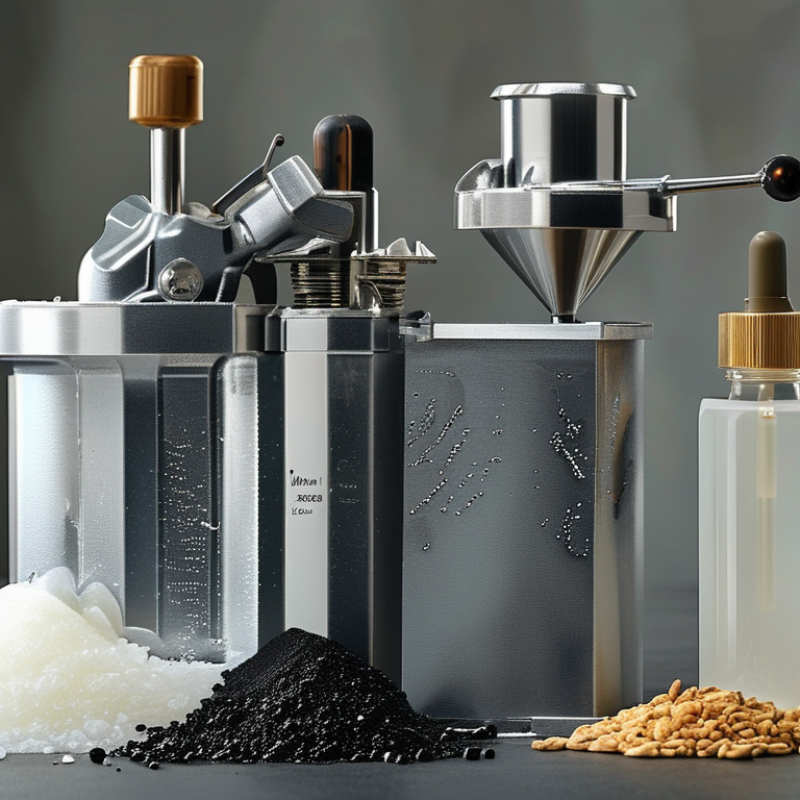
When considering colloidal mills for asphalt emulsions, understanding their features is crucial. These mills are designed to create stable emulsions by breaking down particles to a microscopic size. This ensures a smooth, consistent mixture. A key benefit of colloidal mills is their ability to enhance the quality and longevity of asphalt products. They reduce the risk of separation, maintaining the integrity of the emulsion over time.
Choosing the right mill involves evaluating several factors. The mill’s capacity and particle size reduction capabilities are vital. Also, consider the energy efficiency of the machine. Sustainable operations are becoming increasingly important in the industry. Reflect on your production needs and operational constraints. It’s essential to balance performance with practicality.
Tips: Regular maintenance can extend the lifespan of your colloidal mill. Inspecting seals and bearings frequently prevents costly downtime. Look for mills that allow easy cleaning to ensure hygiene. A clean mill leads to better product quality. Overall, understanding these factors will guide you in making an informed purchase.
When choosing colloidal mills for asphalt applications, it’s essential to understand the different types available. Colloidal mills are crucial in producing high-quality asphalt emulsions. The main types include vertical mills, horizontal mills, and batch mills. Vertical mills are designed for continuous operation, while horizontal mills offer more efficient particle size reduction.
In the case of vertical mills, the design allows for easy maintenance. They consume less energy, making them cost-effective. Horizontal mills, on the other hand, can achieve finer emulsions, ideal for high-performance asphalt blends. Batch mills suit smaller production volumes and ensure thorough mixing.
Consider the following factors when selecting a colloidal mill. Evaluate the throughput capacity to meet production demands. Look into the ease of cleaning and maintenance, as these impact operational efficiency. It’s also wise to assess the level of technical support from manufacturers. Machines may vary in user-friendliness, so a thorough understanding of their operation is advantageous for optimizing results.
When purchasing colloidal mills for asphalt emulsion, several factors deserve careful consideration. The mill's capacity is crucial. Smaller projects may require less output, while larger operations necessitate more robust equipment. Evaluate the technical specifications, including motor power and processing speed. These elements directly impact the efficiency and effectiveness of the emulsification process.
Another important factor is the material of construction. Colloidal mills should be durable and resistant to corrosion. Stainless steel is a common choice due to its longevity and hygiene. Keeping maintenance requirements in mind is essential, too. Ease of cleaning and part replacement can save time and costs in the long run.
It's wise to thoroughly research suppliers before making a final decision. Customer reviews and experiences can reveal strengths and weaknesses not found in product brochures. Reach out to industry experts for insights. Choosing the right colloidal mill is a significant investment that can affect the quality of asphalt emulsions produced, so take all necessary precautions.
| Feature | Description |
|---|---|
| Capacity | Ranging from 100 to 1000 liters per hour |
| Motor Power | Typically between 5 to 30 HP |
| Material of Construction | Stainless steel or high-durability materials |
| Viscosity Range | Can handle viscosities up to 100,000 cP |
| Operating Temperature | Suitable for temperatures up to 80°C |
| Maintenance Requirements | Low maintenance, easy to clean components |
| Price Range | Approximately $10,000 to $50,000 |
The demand for asphalt emulsions has surged, prompting the need for efficient colloidal mills. In the asphalt industry, colloidal mills are crucial for producing stable emulsions. Recent data indicates that the global asphalt emulsions market is projected to grow at a compound annual growth rate of 4.5% from 2021 to 2026. This growth has fueled interest in high-quality colloidal mills made by leading manufacturers in China.
Chinese brands are recognized for their innovative technologies and capabilities. Many of these manufacturers have adopted advanced engineering practices, optimizing production efficiency while maintaining product quality. According to a report by the Asphalt Institute, a well-constructed colloidal mill can significantly enhance the performance of asphalt emulsions, leading to improved paving results. This is essential for meeting the increasing demands in construction and road maintenance sectors.
Selecting a colloidal mill involves assessing various factors, including the milling capacity and stability of the emulsion produced. The typical operating speed of these mills can range from 300 to 5000 RPM, impacting the final product consistency. However, not all mills perform seamlessly in every application, leading to potential challenges in achieving desired results. Understanding these nuances is crucial for buyers to make informed decisions in their procurement processes.
Maintaining colloidal mills in asphalt production is crucial for optimal performance. Regular inspection helps prevent downtime and ensures consistent emulsion quality. According to recent industry reports, proper maintenance can enhance the lifespan of equipment by up to 30%. Operators should frequently check the mill's rotors and stators for wear. Significant wear can lead to inefficient emulsification, affecting the final product's properties.
Troubleshooting common issues is essential for maintaining output quality. Operators often encounter temperature fluctuations during the mixing process. These variations can significantly affect the viscosity of the asphalt emulsion. Familiarity with the mill’s operational parameters can guide adjustments. Sudden changes in pressure might signal blockages in the pipeline. Routine cleaning and monitoring can mitigate these problems.
Training personnel is an area that companies often overlook. Staff should be educated on best practices for operation and maintenance. The intricacies of colloidal mill functions require a knowledgeable approach to troubleshooting. Investing in training can lead to more efficient operations and better product quality. Regular feedback from operators can foster improvements in maintenance protocols and drive overall efficiency.
: Colloidal mills are essential for producing high-quality asphalt emulsions.
The main types are vertical mills, horizontal mills, and batch mills.
Vertical mills allow continuous operation and have a design that makes maintenance easier.
Horizontal mills achieve finer emulsions, making them suitable for high-performance asphalt blends.
Evaluate throughput capacity, ease of cleaning, and maintenance requirements.
Regular maintenance can enhance the lifespan of equipment by up to 30%.
Operators may encounter temperature fluctuations and pressure changes that signal blockages.
Educating operators on best practices can improve operation and maintenance efficiency.
Regular feedback can improve maintenance protocols and overall efficiency.
Significant wear can lead to inefficient emulsification and affect product quality.
The article "China Top Colloidal Mills for Asphalt Emulsion Purchase Guide" provides a comprehensive overview of colloidal mills, which are essential for producing high-quality asphalt emulsions. It begins with an explanation of the key features and benefits of these machines, highlighting their role in enhancing the stability and performance of asphalt emulsions. The article also presents a comparative analysis of different types of colloidal mills suited for various asphalt applications, allowing readers to understand the best options available.
Furthermore, readers are guided on the critical factors to consider when purchasing "Molinos Coloidal Para Emulsion Asfaltica," ensuring they make informed decisions. The article delves into reputable Chinese brands and manufacturers, offering insights into their capabilities without naming specific entities. Lastly, it addresses maintenance and troubleshooting tips for colloidal mills, aiming to optimize their performance in asphalt production processes. This guide serves as a valuable resource for industry professionals looking to enhance their asphalt emulsion production.
