
Choosing a China Best Library Small Liquid Mixing Machine Supplier requires more than comparing prices. It demands practical knowledge, verified performance, and careful attention to application details. A reliable supplier should understand small-batch preparation, low-volume accuracy, cleaning routines, and operator safety. The right Library Small Liquid Mixing Machine should produce consistent blending without excessive foaming, heat, or material waste.
Dr. James Y. Oldshue, a respected authority in industrial mixing, stated, “Mixing is the process of reducing non-uniformities in a system.” This principle remains useful when evaluating compact laboratory and library-scale equipment. Buyers should examine motor stability, adjustable speed control, stainless-steel contact parts, shaft design, seal quality, and container compatibility. A transparent supplier should also provide test records, technical drawings, maintenance guidance, and responsive after-sales support. Product videos alone are not enough.
In practical trials, a supplier may test water-like liquids, syrups, coatings, or cleaning solutions. Results can change when viscosity, temperature, or batch volume changes. That detail is easy to overlook. It should not be.
A strong China supplier will ask about the liquid before recommending a machine. They may request viscosity data, density, mixing time, and expected output. This consultation shows experience rather than simple sales pressure. Still, no supplier is perfect. Specifications can appear impressive while real operating conditions reveal limitations. Buyers should request sample testing whenever possible.
This guide examines supplier credibility, machine structure, customization options, quality control, and total operating value. It also considers common selection mistakes, because an inexpensive machine may become costly when cleaning, downtime, or replacement parts are ignored.
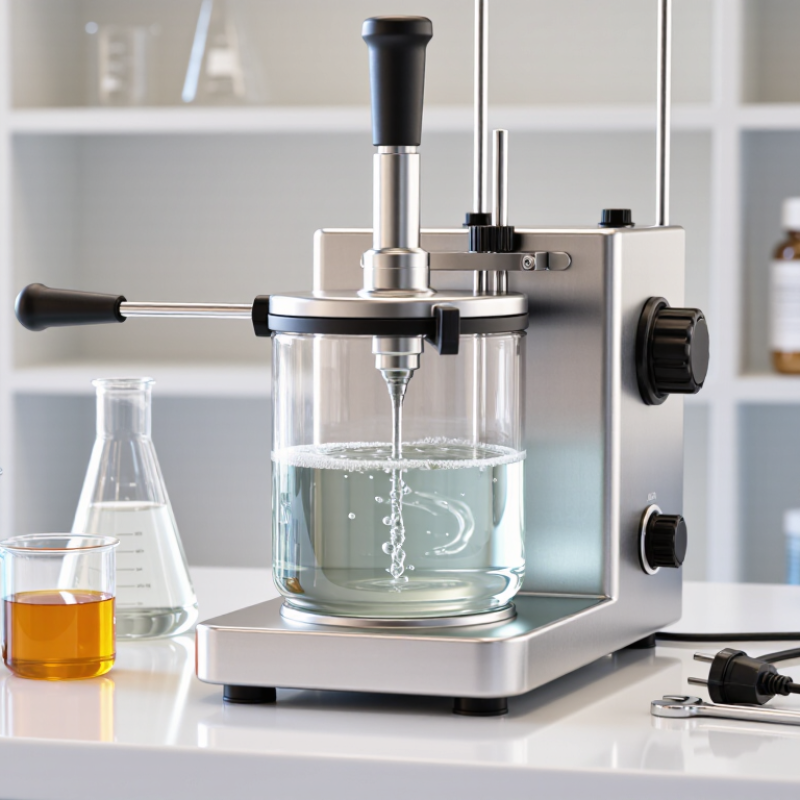
A small liquid mixing machine is compact equipment designed to blend water-based or low-viscosity liquids evenly. It usually includes a tank, motor, mixing shaft, impeller, control panel, and discharge valve. Common capacities range from a few litres to several hundred litres. The machine fits laboratories, small workshops, pilot production lines, and limited-volume processing rooms.
Its performance depends on more than tank size. Impeller shape, rotation speed, liquid thickness, and filling level affect the final mixture. Stainless steel contact parts are practical because they resist corrosion and simplify cleaning. A reliable machine should offer stable speed control, smooth welds, visible liquid movement, and accessible maintenance points. During testing, observe whether powder settles at the bottom or liquid splashes against the cover. These details matter.
I have found that operators often choose power too quickly. More power does not always produce better mixing. It may create foam, heat, or unnecessary energy use. A supplier should provide test data, material certificates, safety information, and clear operating instructions. Ask for a sample trial when the liquid behaves unusually. Small machines still need careful verification. Measurements can be imperfect, especially when viscosity changes with temperature. That limitation deserves honest discussion before purchase.
A small liquid mixing machine is compact equipment used to blend, dissolve, or maintain uniformity in liquid products. The required mixer design depends strongly on liquid viscosity, density, batch size, and the desired mixing speed.
The chart shows the approximate dynamic viscosity of common liquids at 20°C. Water is easy to mix, while glycerol requires substantially higher torque and a more powerful mixing system. Values are approximate and may vary with composition and temperature.
A small liquid mixing machine combines a motor, shaft, impeller, vessel, and control system. The motor transfers rotational force through the shaft to the submerged impeller. As the blade moves, it creates circulation inside the container. This flow pulls liquid from one area and pushes it toward another.
The result depends on blade shape, speed, liquid viscosity, and vessel size. Low-viscosity liquids often need moderate speed and a simple propeller. Thicker liquids may require stronger torque and a wider impeller. A speed controller helps operators adjust shear without causing excessive splashing or foam. The working volume also matters. An underfilled vessel can expose the impeller, while an overfilled vessel may mix unevenly. Small errors matter.
In practical testing, I check the liquid level before starting the motor. I also watch for vibration, unusual noise, and a rotating surface vortex. A clear vortex is not always proof of good mixing. It can indicate wasted energy near the surface. Baffles or a different impeller position may improve circulation. The machine should use smooth, accessible surfaces for cleaning, especially around the shaft seal. Temperature can change viscosity, so process records should include both temperature and mixing time. Less is not always better.
Reliable equipment documentation should state motor power, speed range, recommended capacity, material specifications, and maintenance intervals. These details help buyers compare suppliers objectively and avoid selecting a machine by appearance alone.
Small liquid mixing machines support practical library work, especially conservation rooms, repair desks, and educational makerspaces. Useful features include adjustable speed, programmable timing, stainless-steel contact parts, low-noise motors, and sealed containers. These details help staff prepare water-based cleaning solutions, book-repair adhesives, or approved humidification liquids with more consistent proportions. Accuracy matters. A small measuring error can weaken paper or leave visible residue.
The U.S. Environmental Protection Agency reports that indoor pollutant levels can be two to five times higher than outdoor levels. Therefore, libraries should prefer enclosed mixing systems, splash-resistant lids, and easy-to-clean surfaces. The Library of Congress generally recommends maintaining paper collections near 30–50% relative humidity. Mixing equipment used for humidification must support careful control, not uncontrolled moisture. IFLA preservation guidance also emphasizes stable environments and trained handling. These machines should stay in supervised work areas. Public access needs separation.
Tips: Check viscosity limits before purchase. Test one small batch. Record the formula, speed, and cleaning time. A quieter motor may improve staff comfort, but noise ratings alone can mislead. Ask for practical test data. Suppliers should provide material specifications, calibration guidance, electrical details, and maintenance instructions. Some “automatic” functions still require human checking. That weakness deserves attention.
China Best Library Small Liquid Mixing Machine Supplier?
How to Evaluate Chinese Mixing Machine Suppliers
Choosing a Chinese supplier for a small liquid mixing machine requires more than comparing prices. In library laboratories or conservation rooms, space, noise, and cleaning access matter. Ask for the working volume, mixing speed range, motor type, tank material, and temperature limits. A clear specification sheet should match the machine delivered.
Request a video test with a liquid similar to yours. Watch the impeller movement, surface vortex, vibration, and discharge point. A stable machine should not walk across the floor during operation. Ask whether the supplier can provide drawings, wiring diagrams, inspection records, and batch traceability. These details show process control, not just sales confidence. Check the quality system and product compliance documents carefully. Certificates should identify the actual model.
Communication after payment is equally important. Test how quickly the supplier answers technical questions. Ask about spare seals, impellers, control parts, packaging, installation guidance, and warranty limits. A written acceptance standard can prevent arguments about leakage or uneven mixing. I would also inspect a sample unit before placing a larger order. Photos can hide rough welds and poor cable protection. That happened in one evaluation.
Do not accept every promised performance figure. Ask how viscosity, density, and test temperature affect results. Small suppliers may offer useful customization, but undocumented changes create risk. A reliable partner admits limits, records revisions, and explains what cannot be guaranteed. Your evaluation notes should include response time, test evidence, machine details, and unresolved questions.
Choosing the best small liquid mixing machine requires more than comparing prices. Start with viscosity, batch size, temperature, and required mixing time. A 20-liter tank handles different conditions than a 200-liter tank. Ask for a witnessed trial using your actual liquid. Small details matter.
Grand View Research estimated the global industrial mixer market at approximately USD 2.2 billion in 2023 showing strong demand for controlled processing equipment. However, market growth does not guarantee a suitable machine. Review impeller speed, motor power, shaft sealing, wetted materials, and cleaning access. Stainless steel may be appropriate, but the correct grade depends on chemical compatibility. Request test data, drawings, noise information, and electrical specifications before ordering.
Supplier reliability also needs evidence. Check manufacturing records, inspection procedures, spare-part availability, and response times. ISO 9001 certification can support process confidence, but it cannot replace performance testing. PMMI’s 2024 industry outlook highlights continuing pressure from labor costs and operational efficiency, so simple controls and quick changeover can reduce daily workload. Do not choose excessive speed automatically. It may create foam, heat, or uneven results. I would also question my first choice after testing; real liquid behavior often differs from laboratory assumptions. The best China supplier is the one that explains limitations clearly and documents every critical result.
A motor turns a shaft connected to a submerged impeller. The impeller circulates liquid inside the vessel. Simple mechanism, careful control.
Blade shape, speed, viscosity, vessel size, and liquid temperature affect performance. Thick liquids usually need higher torque and wider impellers. Results can vary.
Keep the liquid level within the recommended range. An underfilled vessel may expose the impeller. An overfilled vessel may mix unevenly. Small errors matter.
No. A clear vortex may waste energy near the surface. Baffles or a different impeller position may improve circulation. Appearance can mislead.
Check the liquid level before starting. Watch for vibration, unusual noise, splashing, foam, and surface movement. A machine should remain stable on the floor.
Request motor power, speed range, capacity, materials, temperature limits, and maintenance intervals. Drawings and wiring diagrams are useful. Missing details create uncertainty.
Request a video using liquid similar to yours. Observe impeller movement, vibration, vortex behavior, and discharge flow. Test conditions should include viscosity and temperature.
Ask about spare seals, impellers, control parts, packaging, installation guidance, and warranty limits. Test communication before payment. Slow answers may become a problem.
Photos may hide rough welds, weak cable protection, or difficult cleaning areas. Inspect seals and accessible surfaces closely. My first impression was wrong once.
A Library Small Liquid Mixing Machine is a compact, efficient device designed to blend liquid materials evenly in controlled quantities. It typically uses a motor-driven mixing blade, adjustable speed settings, and a stable container system to create consistent results while minimizing splashing and waste. Its small footprint makes it suitable for libraries, educational facilities, laboratories, and other spaces where quiet operation, easy cleaning, and simple maintenance are important. Applications may include preparing approved cleaning solutions, educational demonstrations, conservation-related liquids, or routine facility maintenance mixtures.
When evaluating Chinese mixing machine suppliers, buyers should consider manufacturing experience, material quality, customization options, production capacity, safety features, documentation, and after-sales support. The best choice depends on the required liquid volume, viscosity, mixing speed, operating frequency, available workspace, and budget. A reliable supplier should provide clear technical specifications, quality control information, testing support, and responsive communication. By comparing machines according to actual library requirements rather than focusing only on price, users can select a durable, safe, and practical solution for consistent liquid mixing.