
In the evolving world of industrial solutions, the demand for quality Fuel Container Tanks is ever-increasing. Notably, Jason Liu, a renowned expert in tank manufacturing, emphasizes, "The right fuel container can make all the difference in safety and efficiency." This sentiment resonates in global markets, where buyers seek reliable suppliers.
China stands out as a leading source for Fuel Container Tanks. Its manufacturers combine advanced technology with competitive pricing. However, buyers must navigate various factors such as quality assurance and supplier credibility. Choosing a reliable supplier can be challenging. It is essential to understand which companies prioritize safety and technological advancements.
The Fuel Container Tank industry is not without its complications. Some suppliers may claim quality but fall short in practice. Therefore, thorough research is crucial. Engaging with vetted suppliers helps ensure that the containers meet safety standards. The right choice can lead to a significant impact on operations and safety protocols.
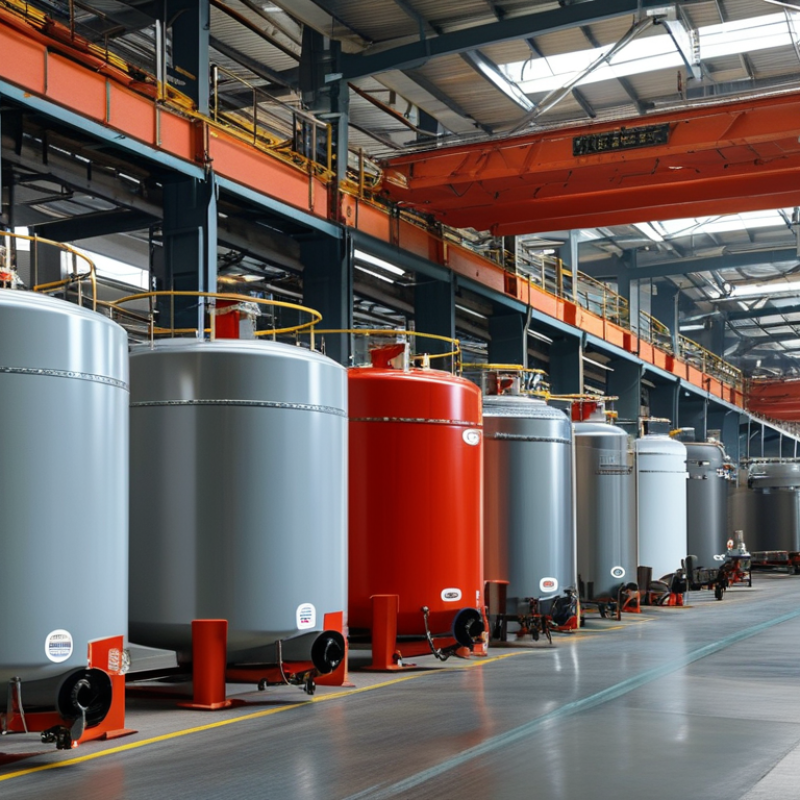
China plays a significant role in the global fuel container tank market. With its advanced manufacturing capabilities, the country has become a hub for producing a wide range of fuel containers. These tanks are essential for storing and transporting fuel in various industries. The demand for high-quality fuel container tanks is rising, driven by the need for safe and efficient storage solutions.
The Chinese market offers numerous suppliers that cater to global buyers. Many companies focus on quality control and sustainable materials. This approach helps to ensure safety and durability in harsh environments. However, not every supplier maintains these standards. Buyers should conduct thorough research before making commitments.
Tips: Look for suppliers with industry certifications. Check customer reviews and ask for references. A reliable supplier will have a proven track record. It’s also wise to consider suppliers who offer comprehensive after-sales service.
While China offers competitive pricing, buyers should be cautious.
The cost of low-quality tanks could lead to expensive problems later. Always prioritize quality over price. This can prevent potential safety hazards and long-term expenses. Addressing these concerns early on will lead to better choices in fuel container tank procurement.
China is a significant player in the global fuel container tank industry. Many suppliers offer a range of options catering to various needs. Some manufacturers focus on quality, while others emphasize cost-effectiveness. It's essential to understand the differences to make an informed choice.
Leading manufacturers in China have established themselves with impressive market shares. Their production capabilities often allow for large-scale output. However, quality control can vary greatly. Buyers should consider factors like durability and safety standards. Assessing customer reviews is vital for ensuring reliability.
Trade shows and industry expos can provide insights into the latest innovations. Engaging directly with suppliers may reveal more about their capabilities. It's a chance to discuss customization options, which could align better with specific needs. Buyers should remain open yet discerning in their evaluations. Not all suppliers will cater to unique requirements effectively.
Quality standards and certifications play a crucial role in the production of fuel tanks in China. Manufacturers must adhere to international quality benchmarks. This ensures that their products meet safety and durability requirements. Compliance with standards like ISO 9001 is common. This certification guarantees a systematic approach to quality management.
Moreover, a reliable supplier in China often obtains additional certifications. For instance, some may have a U.S. DOT certification. This indicates that their tanks meet the Department of Transportation regulations. It builds trust among global buyers. However, not all manufacturers display these certifications prominently, leading to ambiguity.
Furthermore, it’s vital for buyers to verify these credentials before purchase. Some suppliers may lack full transparency about their quality standards. This can lead to subpar products reaching the market. Buyers should seek detailed documentation and conduct audits if necessary. While many manufacturers are committed to quality, a cautious approach is advisable. This helps in avoiding potential risks associated with poor-quality fuel tanks.
| Supplier Region | Tank Material | Certification Standards | Capacity (Liters) | Production Year |
|---|---|---|---|---|
| Zhejiang | Steel | ISO 9001, CE | 500 | 2022 |
| Shandong | Aluminum | ISO 14001, ASME | 1000 | 2021 |
| Guangdong | Plastic | ISO 45001, UL | 300 | 2023 |
| Heilongjiang | Stainless Steel | ISO 9001, API | 750 | 2020 |
When importing fuel containers, understanding regulations and compliance is essential for global buyers. Different countries have varied standards regarding manufacturing, transporting, and storing fuel. It’s crucial to research these requirements before making a purchase. Many regions prioritize safety and environmental protection. Ensuring that your supplier meets these standards can prevent potential legal issues.
Buyers should consider compliance certificates and safety data sheets from suppliers. These documents demonstrate adherence to safety regulations. Some countries may require specific labeling and packaging for hazardous materials. Familiarizing yourself with these details can save you from future complications. Mistakes in the documentation can lead to delays and financial loss.
It’s also important to assess suppliers' reliability. Look for reviews and testimonials from previous customers. This insight can help gauge a supplier’s experience and professionalism. However, be cautious; not all reviews represent the truth. Engaging in discussions and asking for references can provide a clearer picture. Understanding these nuances ensures buyers make informed decisions in the complex landscape of importing fuel containers.
The fuel container technology industry in China is evolving rapidly. Innovations are emerging that focus on efficiency and safety. Manufacturers are integrating advanced materials to enhance durability. These materials also respond better to temperature changes, improving performance.
One notable trend is the use of smart technology in fuel containers. These containers can monitor fuel levels and detect potential leaks. Sensors alert users in real time, ensuring proactive management. This reduces the risk of spills and enhances safety measures.
Despite these advancements, challenges remain. Regulatory compliance in different regions can hinder exploitation of new technologies. Additionally, integrating smart features may increase costs, affecting affordability for some buyers. Companies must balance innovation with practicality. Further exploration of user needs is essential for future growth.
: China is a major player, known for advanced manufacturing of diverse fuel containers.
Not all suppliers maintain high standards. It's crucial to ensure safety and quality.
Check for industry certifications, customer reviews, and ask for references.
Low-quality tanks can cause safety hazards and lead to expensive long-term problems.
Different countries have varying standards for manufacturing and storing fuel. Compliance is essential.
Buyers should ask for compliance certificates and safety data sheets to ensure adherence to regulations.
Smart containers can monitor fuel levels and detect leaks, increasing safety measures.
Regulatory compliance and cost concerns can hinder widespread adoption of new technologies.
Understanding supplier reliability and the regulatory landscape is key to informed choices.
Balancing innovation with practicality is crucial for successful product development.
China has emerged as a significant player in the global fuel container tank market, marked by a diverse range of suppliers and manufacturers contributing to its leadership. This article provides an overview of key suppliers in China, highlighting leading manufacturers and their respective market shares. It also emphasizes the adherence to quality standards and certifications that define the production of fuel container tanks in the country, ensuring that they meet international expectations.
As global buyers navigate the importation process, understanding the associated regulations and compliance requirements is crucial. Additionally, the article discusses future trends in fuel container tank technology, showcasing innovative advancements that drive the industry forward. Overall, China's role in the fuel container tank market illustrates a blend of reliability, quality, and innovation, making it an attractive destination for buyers worldwide.
