
As businesses seek to optimize efficiency, labeling machines have become vital. Reports show that the global labeling machine market is expected to grow significantly, reaching $5 billion by 2026. This growth indicates a rising demand for reliable labeling solutions across various industries.
Labeling machines improve productivity by automating the process of product identification. Today’s consumers expect accuracy and speed. A mislabeling issue can lead to costly recalls and damage a brand's reputation. Investing in advanced labeling technology helps businesses maintain high standards.
However, selecting the right labeling machine can be challenging. Different products require different labeling techniques. Businesses must consider factors like speed, functionality, and budget. Understanding these variables can lead to better decision-making and smoother operations.
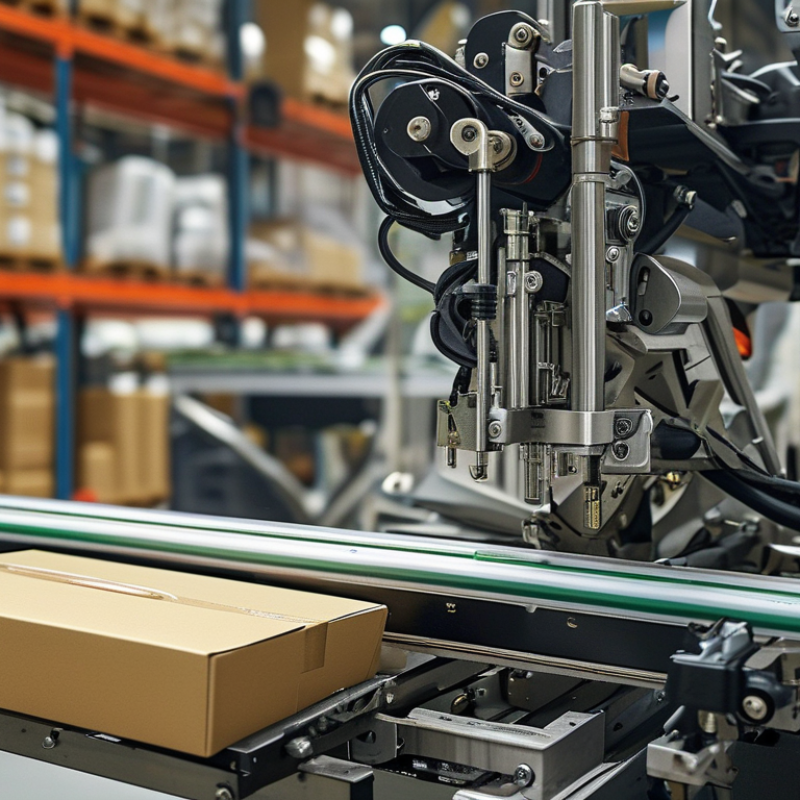
Labeling machines have become essential in various industries, each catering to specific needs. In pharmaceuticals, for instance, precision is key. Reports show that over 80% of pharmaceutical manufacturers prioritize accurate labeling to ensure patient safety. Automated labeling machines are often favored for their speed and reliability, reducing human error in critical environments.
In the food and beverage sector, the requirements differ significantly. High-speed labeling machines are necessary to keep up with production demands. Data indicates that around 60% of food manufacturers report increased efficiency by using these machines. However, adapting to seasonal product changes can be challenging. Companies must remain flexible to avoid costly downtime during label updates.
The cosmetic industry frequently experiences rapid design shifts. Labeling machines that allow quick format changes can save both time and money. However, many manufacturers struggle with the integration of new technology. A recent survey highlighted that 40% of businesses face hurdles when upgrading their systems. Balancing innovation with practicality is vital for success in this competitive market.
When choosing a labeling machine, understanding key features is essential. A fast labeling speed can significantly impact your business efficiency. Look for machines that can handle a high volume of labels per minute. This is especially important if your production line operates at a rapid pace.
Labeling accuracy is another critical aspect. Machines should apply labels correctly each time, minimizing waste and mislabeling issues. Adjustability is also vital; you may need to switch between different label sizes frequently. A machine that allows easy adjustments will save time and frustration.
It’s also important to consider the machine’s compatibility with various label types. Some businesses benefit from laminated, textured, or special adhesive labels. A versatile machine can adapt to these needs.
However, reliability varies across models. Researching user reviews can provide insights but be mindful of exaggerated claims. Every business has unique needs, making it essential to find a machine that fits your requirements. Reassessing your labeling process every few months can lead to improvements and a more efficient workflow.
When selecting a labeling machine, understanding the brands is crucial. A recent industry report highlighted that over 50% of businesses prioritize efficiency and accuracy when choosing their labeling solutions. Popular brands showcase varying features. Some excel in high-speed labeling, while others focus on versatility and ease of use. It’s vital to assess which attributes align with your specific needs.
One consideration is the machine's adaptability. Many operations require changes in label sizes and types. According to a survey, nearly 70% of manufacturers have switched to machines that support diverse applications. This flexibility can drive efficiency while reducing downtime. Choosing a machine that can evolve with your business can ultimately save costs.
Tips: Always review user feedback and performance metrics. Look for machines that offer easy maintenance and support. Regularly reflect on your production goals; they may change over time. Ensure your labeling machine can accommodate those shifts. They can influence overall productivity. Investing in the right labeling machine is essential for long-term success in any business.
When evaluating the cost of labeling machines, consider upfront expenses and long-term benefits. A quality machine can cost between $2,000 and $10,000. However, cheaper options may lack durability and efficiency. Industry reports indicate that over 30% of businesses face increased costs due to inefficient labeling processes. Choosing the right machine can mitigate such risks.
Maintenance and operational costs are also vital. Regular maintenance can add 10% to 20% to annual operating expenses. Moreover, machines with higher automation levels may offer better long-term savings. Investing in a reliable model can reduce waste and improve production time significantly. Reports suggest that automated labeling can cut labor costs by 25% to 50%.
Budgeting for labeling machines requires foresight. Consider not only the initial purchase but also operational costs. A machine that seems affordable now might lead to hidden expenses later. It's essential to analyze total cost of ownership. Many organizations underestimate these factors, leading to financial strain. Balancing machine capabilities and budget can be challenging, but informed decisions often yield greater rewards.
| Machine Type | Speed (Labels/min) | Label Size (mm) | Cost ($) | Ideal For |
|---|---|---|---|---|
| Semi-Automatic | 20 | 50x100 | 500 | Small to Medium Businesses |
| Fully Automatic | 100 | 30x70 | 2500 | Large Enterprises |
| Manual | 10 | 20x50 | 200 | Startups |
| Industrial | 200 | 100x150 | 5000 | Manufacturing |
Maintaining labeling machines is crucial for optimal performance. Industry data suggests that proactive maintenance can extend equipment lifespan by up to 30%. Simple tasks like cleaning and adjusting components prevent wear and tear. Regularly inspecting the labeling heads and rollers keeps the operation smooth. Owners often overlook the importance of routine checks, leading to unexpected downtimes.
Using quality supplies is equally important. Poor-quality labels and inks can cause jams and misalignments. It’s reported that nearly 25% of labeling errors stem from subpar materials. Taking time to source trustworthy resources pays off in reduced errors. Operators must be aware of their machine's limits and adjust settings accordingly.
A maintenance schedule is essential for long-term success. Many businesses fail to establish one, leading to equipment failure. Data indicates that 40% of companies experience increased costs due to neglected maintenance. Training staff on proper handling can also minimize issues. Investing time in education promotes a culture of care around equipment. Contemplating these aspects can lead to more efficient labeling processes in the long run.
: Automated machines enhance speed and reliability, reducing human error. Over 80% of manufacturers value accurate labeling for patient safety.
The food sector needs high-speed machines to meet production demands. About 60% of manufacturers see efficiency gains with these machines.
Seasonal product changes can create challenges. Companies must be flexible to avoid costly downtime during label updates.
Rapid design shifts are common in cosmetics. Machines that allow quick changes can save time and reduce costs.
Regular cleaning and inspecting components can prolong lifespan by 30%. Owners often neglect routine checks, risking downtimes.
Poor-quality labels can cause jams. Nearly 25% of errors come from subpar materials. Investing in quality is crucial.
Initial purchase is just one aspect. Ongoing operational costs can be significant, often underestimated by many businesses.
Investing in automated machines can lead to labor cost reductions of 25% to 50%. Efficiency is key to long-term savings.
A proper schedule prevents equipment failure. Around 40% of companies face increased costs due to neglected maintenance.
Educated staff handle machines better. Promoting a culture of care leads to fewer issues and more efficient labeling processes.
When selecting the best labeling machines for your business needs, it's essential to understand the various types available across different industries. From semi-automatic to fully automatic systems, each type caters to specific operational requirements. Key features such as speed, accuracy, and ease of use play a crucial role in ensuring that you choose a machine that aligns with your production goals.
Additionally, a comparative analysis of popular labeling machines can provide valuable insights into the effectiveness and efficiency of different models. Cost considerations are also vital, as budgeting for labeling machines involves not only the initial purchase price but also long-term maintenance expenses. Regular maintenance tips can help extend the lifespan of your labeling equipment, ensuring continued productivity and reliability in your labeling operations.

Sina Ekato