
Which China Pneumatic Horizontal Filling Machine Is Best?

Time:2026-09-07 Author:Oliver
0%

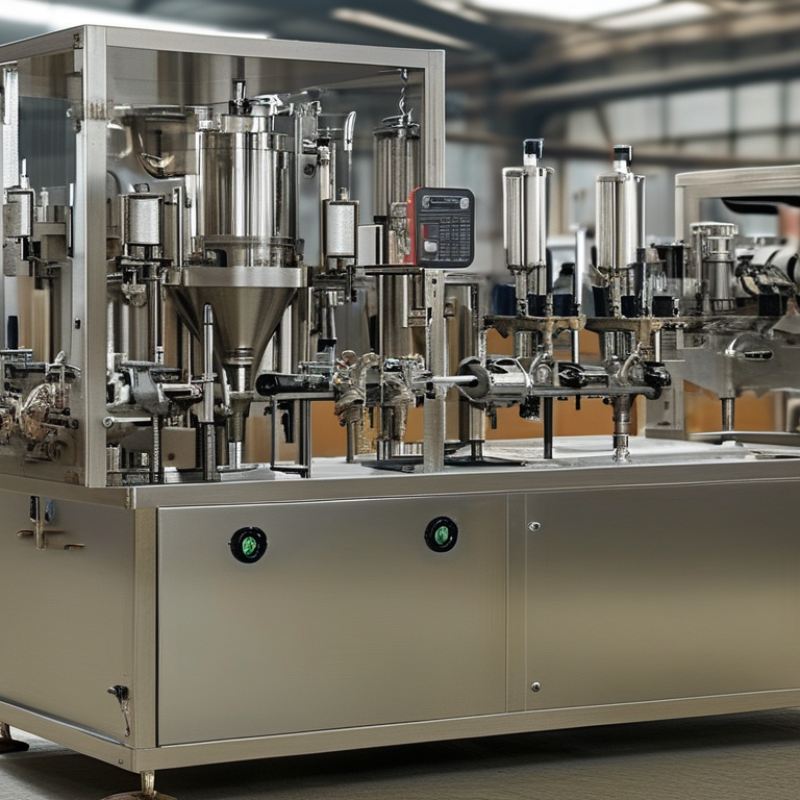
Choosing the right pneumatic horizontal filling machine can shape production speed, accuracy, and daily operating costs. This decision deserves more than a quick comparison of prices or appearance. A High Quality Pneumatic Horizontal Filling Machine should match the product, container design, filling volume, and expected production rhythm.

In practical factory use, operators often notice small details first. A stable frame reduces vibration during repeated cycles. A clear hopper makes material levels easier to monitor. Smooth piston movement helps maintain consistent doses, especially with creams, sauces, gels, and other semi-liquid products. Quick adjustment controls can also shorten changeover time between container sizes. These features may appear simple, yet they affect labor, cleaning, and product waste.

Reliable selection also requires attention to pneumatic pressure, contact materials, sealing quality, and maintenance access. Stainless steel components are commonly preferred where hygiene and corrosion resistance matter. However, not every stainless steel machine offers the same durability. Weld quality, cylinder performance, valve response, and spare-part availability need careful review. A machine can look excellent in photographs but perform poorly under continuous operation. That is an uncomfortable possibility.

Manufacturers with documented testing, clear technical specifications, and responsive service deserve greater trust. Ask for filling accuracy data under realistic working conditions, not only laboratory results. Check whether the machine supports your actual viscosity range and container tolerance. User experience matters, too. Operators may reveal issues that brochures never mention. The best choice is therefore not always the fastest machine or the cheapest model. It is the model that delivers dependable filling, manageable maintenance, and consistent results within your production environment. Small compromises may remain. Careful evaluation reduces them.
Which China Pneumatic Horizontal Filling Machine Is Best?

What Is a China Pneumatic Horizontal Filling Machine?

A China pneumatic horizontal filling machine is a compact device that dispenses measured liquid or semi-liquid products. It commonly uses compressed air to move a piston inside a filling cylinder. The piston draws product from a hopper, then pushes it through a nozzle. This horizontal layout keeps the cylinder and piston aligned from side to side.

Operators often use these machines for sauces, creams, gels, oils, and other products with moderate viscosity. The filling volume can be adjusted through piston travel or a control wheel. A foot pedal or automatic signal can start each filling cycle. Stainless steel contact parts are practical for cleaning and product protection. The machine should also have stable seals and a smooth internal surface.

From hands-on evaluation, accuracy depends on more than the advertised capacity. Product temperature, air pressure, nozzle size, and feeding consistency can change each dose. A thick cream may need a wider nozzle and slower movement. A thin liquid may require anti-drip control. The first adjustment is rarely perfect.

Which machine is best? It depends on the product, target volume, cleaning routine, and available air supply. Buyers should check test samples, filling tolerance, spare seal access, and operating noise. A clean exterior can be misleading. I would request a live filling test before purchase, because small design weaknesses often appear during continuous operation.

How Pneumatic Horizontal Filling Machines Work

Which China Pneumatic Horizontal Filling Machine Is Best?

A pneumatic horizontal filling machine uses compressed air to move a piston through a filling cylinder. The piston draws product from a hopper, then pushes it through a nozzle. Air-operated valves control the piston’s forward and backward movement. This design suits creams, sauces, gels, and other products with stable flow properties.

During operation, the operator sets the piston stroke, filling speed, and cycle interval. A longer stroke usually delivers more product. However, actual accuracy also depends on viscosity, temperature, and air pressure.

A small pressure drop can leave visible differences between containers. The nozzle should also match the product. A narrow nozzle may improve control, but it can slow production or clog more easily.

Tips: Check air pressure with a calibrated gauge. Test at least three product temperatures. Clean the cylinder, valves, and nozzle after each production run. Ask for food-contact material certificates and recorded accuracy tests before choosing a machine from China.

In practice, the neat theory is not always enough. I have seen stable settings change after the product warmed slightly. That is why trial filling matters more than a brochure claim.

Operators should record fill weights, pressure readings, and adjustment times during testing. A machine that fills accurately but requires constant correction may not be the best practical choice.

Key Features to Compare Before Choosing One

Which China Pneumatic Horizontal Filling Machine Is Best?
Key Features to Compare Before Choosing One

Choosing a pneumatic horizontal filling machine requires more than checking its price. Compare the filling range, piston size, and adjustment method. A clear scale helps operators set each dose quickly. Machines with adjustable filling volumes suit products that change between batches. Test the machine with your actual material, not only water. Cream, paste, and sauce can behave very differently.

Air consumption also deserves close attention. Confirm the required pressure and compressor capacity before installation. An unstable air supply can cause uneven filling and slower production. Inspect the nozzle design carefully. Anti-drip nozzles reduce mess around containers and keep the worktable cleaner. For thicker materials, a wider passage may prevent blockages. Small details matter.

Hygiene and maintenance affect daily reliability. Look for smooth product-contact surfaces, removable parts, and simple seals. Stainless steel construction is useful, but the material grade should be documented. Ask for cleaning instructions, spare-part lists, and test records. In factory trials, operators should check accuracy across repeated cycles. A machine may perform well for ten fills, then drift after warming up. That weakness is easy to miss. Controls should also be simple enough for new staff to learn safely. Supplier support, warranty terms, and response time deserve the same attention as speed.

Which Filling Machine Fits Different Production Needs?

Choosing a China pneumatic horizontal filling machine should begin with production needs, not catalog speed.

A compact piston filler suits small batches, thick sauces, creams, and frequent recipe changes. For continuous food or cosmetic production, choose a larger hopper, stable air control, and tool-free cleaning parts.

Grand View Research projected the global filling machine market to grow at about 4.8% annually from 2024 to 2030, reflecting wider automation demand.

Check the numbers.

PMMI industry reports consistently identify labor shortages and automation as major packaging investment drivers. Yet a machine rated for 40 containers per minute may perform poorly with foamy liquid or uneven operators.

Ask for trial filling using your actual product, container, and target weight. Review filling accuracy, compressed-air consumption, changeover time, and reject rates. These details matter more than impressive headline speed.

Small workshops may need a 10–20 container-per-minute unit with simple controls and flexible dosing.

Medium factories often benefit from dual-head filling, larger air storage, and recipe memory.

High-volume lines require synchronized conveyors, sensor feedback, and preventive-maintenance access.

The difficult part is often overlooked: compressed air quality.

Wet or unstable air can damage valves and reduce dosing consistency. Specifications alone cannot predict that risk.

Observe a test run, record ten consecutive fills, and question any result that looks unusually perfect.

How to Evaluate Chinese Manufacturers and Machine Quality

Which China Pneumatic Horizontal Filling Machine Is Best?

Choosing a Chinese pneumatic horizontal filling machine requires more than comparing prices or polished product photos. A reliable evaluation begins with the manufacturer. Ask for factory videos, production records, material certificates, and recent customer references. If possible, inspect the assembly area personally or appoint an independent auditor. A clean workshop helps, but it does not prove engineering quality. Ask for proof.

Machine performance should be tested with your actual product, container, and filling volume. Request a factory acceptance test before shipment. Check filling accuracy, sealing consistency, air consumption, changeover time, and cleaning access. Observe the machine after several continuous cycles, not only during a short demonstration. Measure it. Stainless steel contact parts should have clear grades and smooth welds. Pneumatic valves, cylinders, sensors, and control components also need traceable specifications. Cheap parts may create expensive downtime.

Documentation separates serious suppliers from temporary traders. Review electrical diagrams, operating manuals, spare-parts lists, maintenance schedules, and training plans. Confirm warranty conditions and response times in writing. A manufacturer should explain how it controls quality, handles design changes, and records final inspections. Be careful with perfect promises. In real production, small adjustments are often necessary. I would rather choose a supplier that admits limitations and offers a practical correction plan than one that hides every weakness. That judgment is imperfect, but it is usually more reliable than a low quotation alone.

FAQS

: What should be compared before choosing a pneumatic horizontal filling machine?

: Compare filling range, piston size, adjustment method, air consumption, nozzle design, and cleaning access. Price alone is not enough. Test the machine with your actual product.

Which machine suits small production batches?

A compact piston filler often suits small batches, thick sauces, creams, and frequent recipe changes. A practical speed may be 10–20 containers per minute. Simple controls can reduce training time.

What machine features support continuous production?

Continuous production may require a larger hopper, stable air control, and quick-cleaning parts. High-volume lines may also need conveyors, sensors, and maintenance access. Fast is not always better.

Why is compressed-air quality important?

Wet or unstable air can damage valves and reduce filling consistency. Confirm pressure, air consumption, and compressor capacity before installation. Check the air supply daily.

How should filling accuracy be tested?

Use the real product, container, and target weight during testing. Record at least ten consecutive fills. Check for changes after the machine warms up.

What nozzle design is suitable for thick products?

Anti-drip nozzles help keep the worktable cleaner. Thicker products may need wider passages to prevent blockages. A narrow nozzle can become troublesome.

Which hygiene and maintenance details matter?

Choose smooth product-contact surfaces, removable parts, and simple seals. Confirm the documented steel grade and inspect weld quality. Cleaning should not require complicated tools.

How can a Chinese manufacturer be evaluated?

Request factory videos, material certificates, production records, and recent customer references. An independent factory inspection can reveal assembly problems. A clean workshop alone proves little.

What documents should a reliable supplier provide?

Review operating manuals, electrical diagrams, spare-parts lists, maintenance schedules, and training plans. Confirm warranty terms and response times in writing. Perfect promises deserve caution.

What is often overlooked during machine selection?

Operators should assess changeover time, reject rates, air use, and cleaning access. A machine rated for 40 containers per minute may struggle with foam. Specifications cannot predict every production problem.

Conclusion

A China pneumatic horizontal filling machine is an automated system that uses compressed air to move a piston and accurately dispense liquid, paste, cream, or other suitable materials into containers. Its horizontal structure supports stable feeding, simple operation, and convenient maintenance, making it useful for small, medium, and large production environments. The filling process generally includes material loading, piston movement, volume control, nozzle dispensing, and container release. Key factors to compare include filling accuracy, speed, adjustable volume range, cylinder and nozzle materials, sealing performance, cleaning convenience, control system, and compatibility with different products and containers.

The best machine depends on production capacity, material viscosity, required precision, container size, and available workspace. Buyers should also evaluate the manufacturer’s engineering experience, quality-control procedures, testing standards, customization capability, spare-parts support, and after-sales service. A High Quality Pneumatic Horizontal Filling Machine should offer consistent performance, durable construction, safe operation, easy adjustment, and reliable long-term productivity. Comparing technical specifications, sample results, documentation, and service conditions can help businesses select equipment that matches their actual production needs.

Oliver

Oliver

Oliver is a seasoned marketing professional with a wealth of expertise in driving brand awareness and engagement. With a deep understanding of our company's product offerings, he consistently delivers high-quality content that enriches our professional blog. His insights not only shed light on......