
In the world of fragrances, the significance of proper storage cannot be overstated. The right Perfume Storage Tank can preserve the delicate notes and qualities of perfumes. For global buyers, understanding the best options available is critical. Choosing a storage solution impacts the longevity and performance of high-end scents.
Several factors influence the effectiveness of a Perfume Storage Tank. Temperature, light exposure, and humidity play significant roles. A poorly designed tank may compromise the essence of premium fragrances. This risks wasting valuable investments in luxurious scents. Buyers must weigh these aspects carefully and seek solutions that prioritize durability and functionality.
Navigating the market for Perfume Storage Tanks can be overwhelming. There is a wide array of choices, each with its pros and cons. Potential users may find it difficult to identify what works best for their specific needs. Thus, thorough research and expert advice are essential in making an informed decision. Selecting the right tank is not just about aesthetics; it’s about preserving the beauty within each bottle.
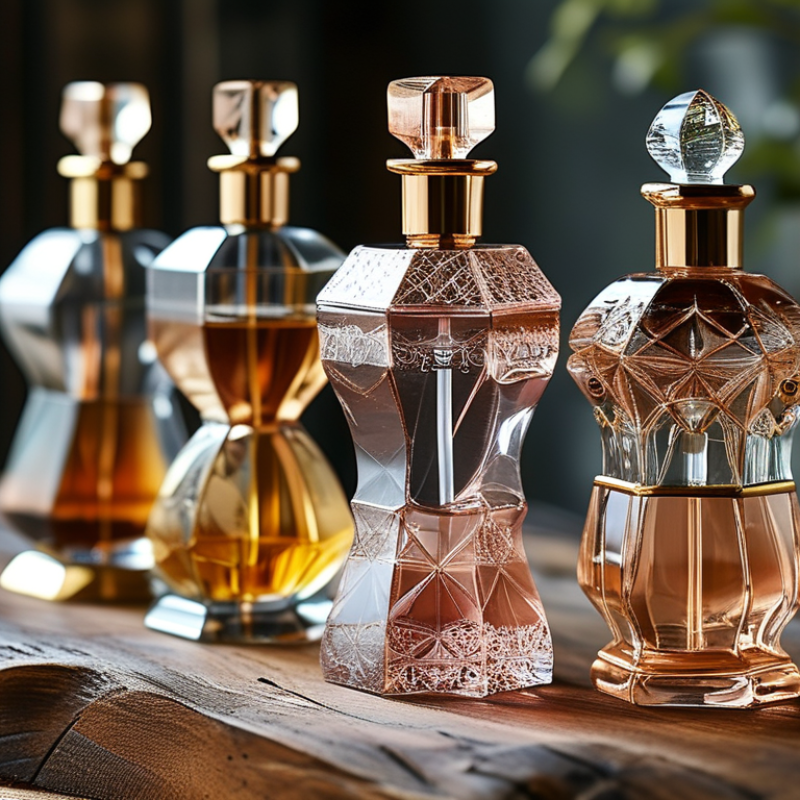
The global market for perfume storage tank solutions is evolving rapidly. According to the latest industry reports, the perfume storage tank market is expected to grow significantly by 2026. A projected compound annual growth rate (CAGR) of 5.4% indicates increasing demand for efficient storage solutions.
A critical factor influencing this growth is the emphasis on material quality. Tanks must withstand complex chemical interactions and ensure product integrity. Reports suggest that stainless steel tanks are favored for their durability and resistance to corrosion. Customers are discerning; they seek solutions that guarantee both performance and safety. However, this adds pressure to manufacturers, highlighting a need for continuous innovation.
Market analysis reveals regional trends in storage preferences. For example, Asia-Pacific regions are leaning towards automated solutions to boost efficiency. In contrast, North America shows a growing interest in eco-friendly materials. Suppliers should be mindful of these shifts to remain competitive. The landscape is not just about supply but also about adapting to changing consumer needs and regulations. Challenges remain, and reflection on these dynamics is essential for success.
When designing perfume storage tanks, several key factors play a crucial role. First, the choice of materials significantly influences the tank's performance. Glass and stainless steel are popular options due to their durability. However, the selection also depends on the fragrance composition. Some perfumes can react with certain materials, potentially altering their scent. This highlights the importance of thorough testing.
Temperature control is another critical factor. Perfumes are sensitive to heat and light, which can degrade quality. Therefore, an effective storage tank must provide insulation and UV protection. Mimicking stable environmental conditions will help preserve the integrity of the perfume for a longer period.
However, achieving the perfect design is challenging. There is often a trade-off between aesthetics and functionality. Many designs look appealing but may not offer optimal protection. Users should reflect on these aspects before making a choice. Ultimately, a well-designed perfume storage tank should balance beauty with practical considerations. It should meet the changing demands of global consumers while ensuring the product's longevity.
In the rapidly evolving perfume sector, proper storage is crucial for maintaining product integrity. Recent industry reports highlight that around 30% of fragrance quality loss results from inadequate storage conditions. Temperature fluctuations and exposure to light are significant factors. Advanced storage solutions can mitigate these risks significantly.
Innovative technologies are appearing in the market. For instance, climate-controlled storage tanks ensure stable temperatures. These tanks often integrate humidity control features. A report from the Global Fragrance Association indicates that using such technology can extend shelf life by an average of 20%. This is vital for brands looking to maintain their reputation.
Despite advancements, challenges remain in the industry. Not every manufacturer utilizes state-of-the-art storage solutions. Some still rely on outdated methods that compromise quality. Consumers are becoming more aware of how storage affects fragrance quality. This trend urges manufacturers to rethink their storage strategies. Addressing these inefficiencies can lead to better product integrity and customer satisfaction.
As the demand for eco-friendly products rises, the perfume industry is also exploring sustainable storage options. A 2023 report indicated that consumers are more inclined to purchase brands that prioritize environmental responsibility. This shift prompts manufacturers to assess their packaging and storage solutions. In fact, 65% of consumers prefer brands that use biodegradable or recyclable materials.
Eco-friendly storage solutions significantly reduce the carbon footprint. Bioplastics and recycled glass emerge as popular choices. These materials minimize waste and energy consumption during production. While these alternatives show promise, challenges remain. For instance, many bioplastics can only be composted under specific conditions, raising questions about their disposal post-use. This highlights an area where further innovation is crucial.
Moreover, the cost associated with developing sustainable storage options often deters smaller brands. A report by the Eco Packaging Institute found that 70% of small to medium-sized enterprises hesitate to transition to eco-friendly packaging due to higher initial investments. This creates a paradox, as sustainable practices could boost long-term market share. The industry must grapple with balancing cost and environmental impact while addressing consumer preferences.
Regulatory standards play a crucial role in the manufacturing of perfume storage tanks. Compliance with these guidelines ensures the safety and quality of products. According to industry reports, over 70% of manufacturers struggle to meet evolving regulations. These standards vary significantly across regions, creating challenges for global buyers looking for uniformity.
For instance, the European Union imposes strict guidelines on materials and processes involved in production. This requires manufacturers to utilize non-reactive materials that do not alter the fragrance. In contrast, some areas have less stringent requirements, leading to potential quality inconsistencies. The lack of uniform regulations often results in confusion among buyers.
Furthermore, environmental regulations also impact storage tank solutions. The global push for sustainability drives the demand for eco-friendly materials. However, many manufacturers face hurdles in sourcing these alternatives. A recent study indicated that only 30% of producers have adopted sustainable practices to comply with these new norms. This disparity raises questions about the long-term viability of current storage solutions, urging stakeholders to rethink their strategies for compliance and sustainability.
: The market is growing due to increased demand for efficient storage solutions and emphasis on material quality.
Material affects the tank's performance and can react with perfumes, potentially altering their scent.
Glass and stainless steel are popular choices because of their durability and resistance to corrosion.
Perfumes are sensitive to heat and light, which can degrade their quality over time, so insulation and UV protection are crucial.
Yes, there is often a trade-off between aesthetics and functionality, making it hard to achieve the perfect design.
Many consumers prefer brands using biodegradable or recyclable materials for their packaging and storage solutions.
Higher initial costs associated with sustainable options often deter small to medium-sized enterprises from making the transition.
They can significantly reduce carbon footprints and appeal to environmentally conscious consumers, potentially boosting market share.
Many bioplastics require specific conditions for composting, raising concerns about their disposal after use.
They should focus on continuous innovation and balance functionality with consumer preferences for sustainability.
The article titled "2026 Best Perfume Storage Tank Solutions for Global Buyers" provides a comprehensive overview of the evolving landscape for perfume storage tank solutions. It highlights the global market analysis for these tanks, identifying key factors that influence their design and materials, ensuring they meet both aesthetic and functional requirements. The discussion also covers the latest technologies that enhance product integrity, ensuring that perfumes retain their quality during storage.
Additionally, the article presents a comparative analysis of eco-friendly storage solutions, underscoring the growing importance of sustainability in the fragrance industry. Regulatory standards affecting the manufacturing of perfume storage tanks are also examined, helping buyers navigate compliance and safety considerations. This summary captures the essential themes of innovation, sustainability, and regulatory awareness surrounding perfume storage tanks in 2026.

Sina Ekato