High-Quality Vacuum Homogenizing Emulsifier Manufacturer & Suppliers

Providing cutting-edge, pharmaceutical-grade and cosmetic mixing solutions since 1992. Precision engineering designed to maximize information gain, efficiency, and compliance on a global scale.

Corporate Profile & Global Footprint

Unparalleled industry credibility, backed by over three decades of dynamic research, state-of-the-art manufacturing facilities, and extensive global partnerships.

1992
Established in China
30+
Years of Industry Expertise
150+
High-Skilled Plant Personnel
55+
Countries Globally Exported
80%
Imported World-Class Parts

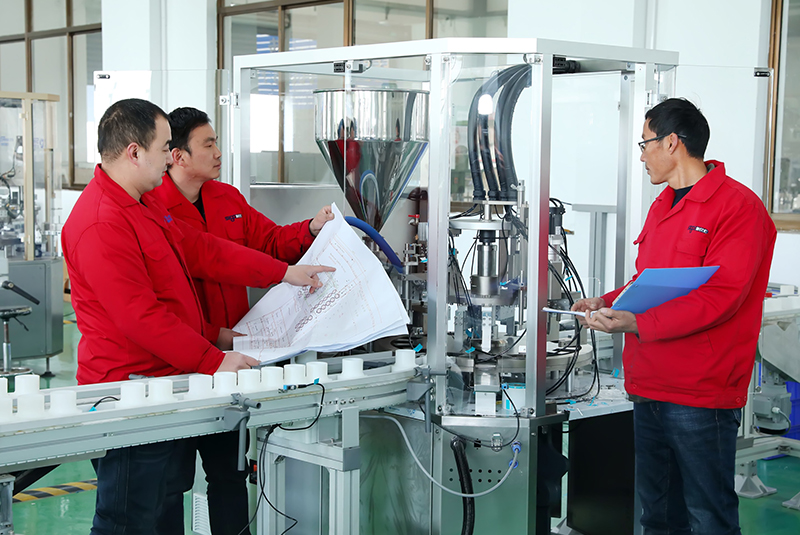
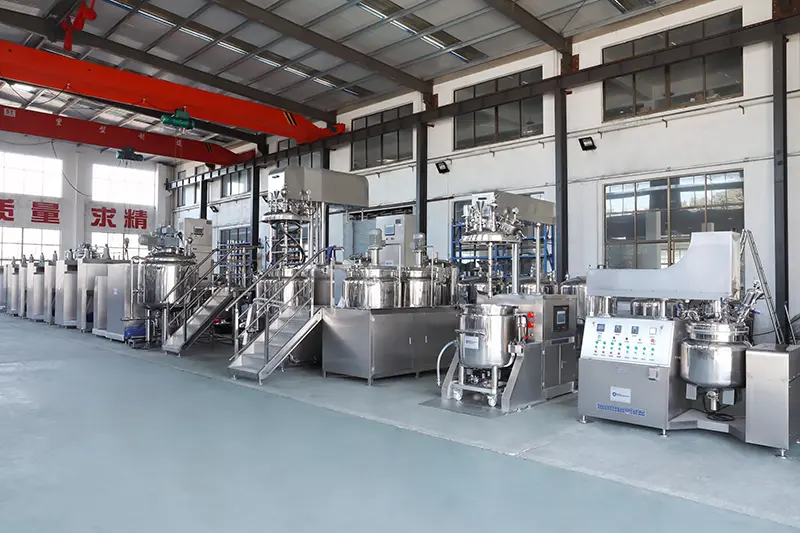
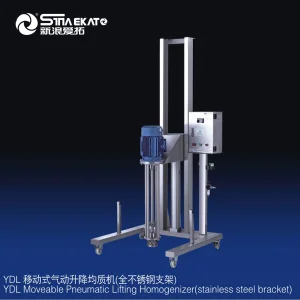
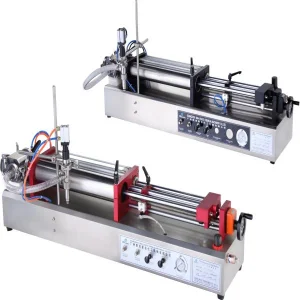
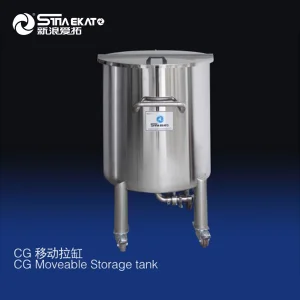
SINAEKATO, one of China's leading machinery brands, brings a rich history of designing and manufacturing Vacuum Emulsifying Mixers, Liquid-washing Homogenizer Mixers, Perfume Chiller Production Lines, Toothpaste Production Mixers, Fully-automatic and Semi-automatic Filling Machines, Storage Tanks, Reverse Osmosis (RO) Water Treatment Series, and Automatic Labeling and Packing Machines. We specialize in providing comprehensive, one-stop machinery solutions tailored specifically for the skincare, cosmetics, pharmaceutical, and food processing industries.

Operating in nearly 55 countries and employing around 150 specialists in our manufacturing headquarters alongside a dedicated international support team, SINAEKATO is globally recognized for its technological expertise in industrial mixing system dynamics, high-shear homogenization mechanics, and high-efficiency filling lines.
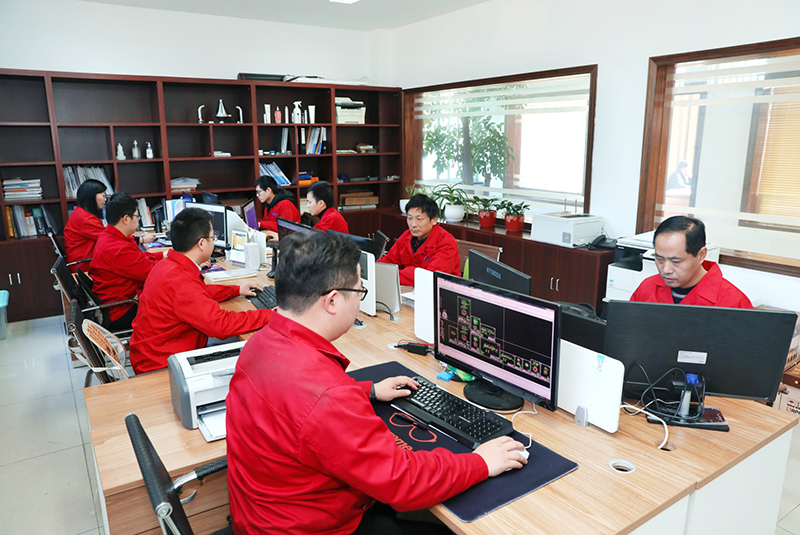
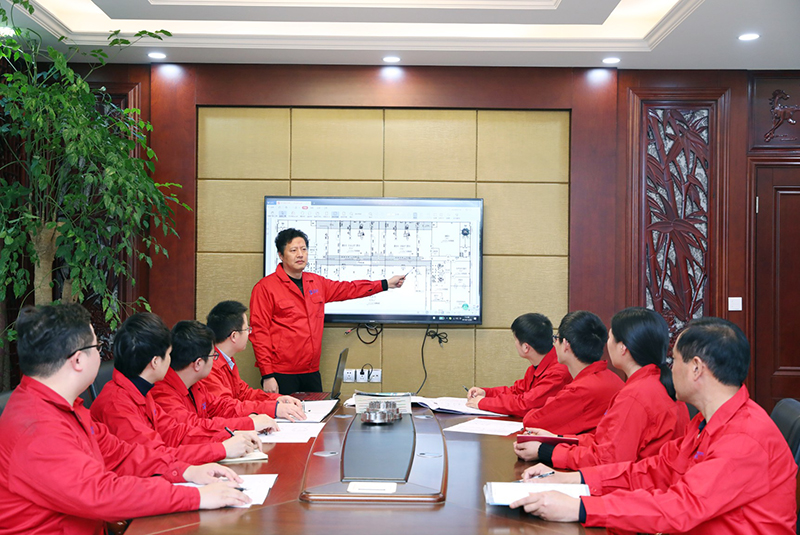
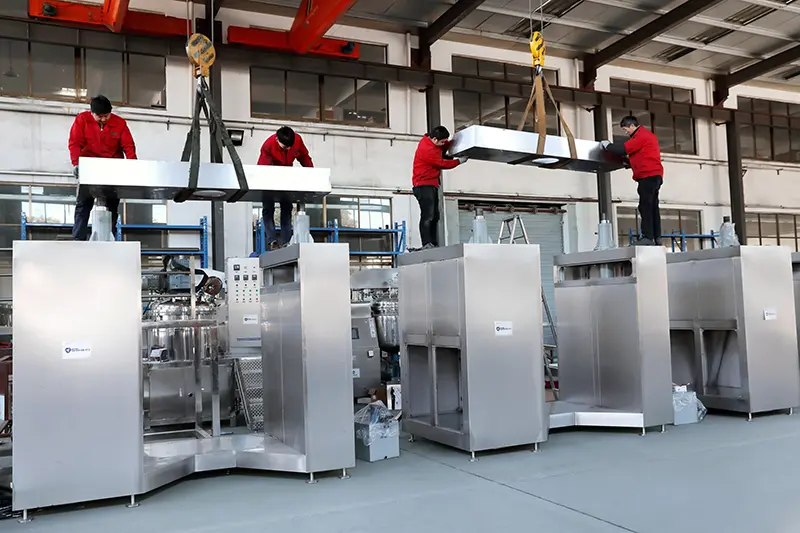
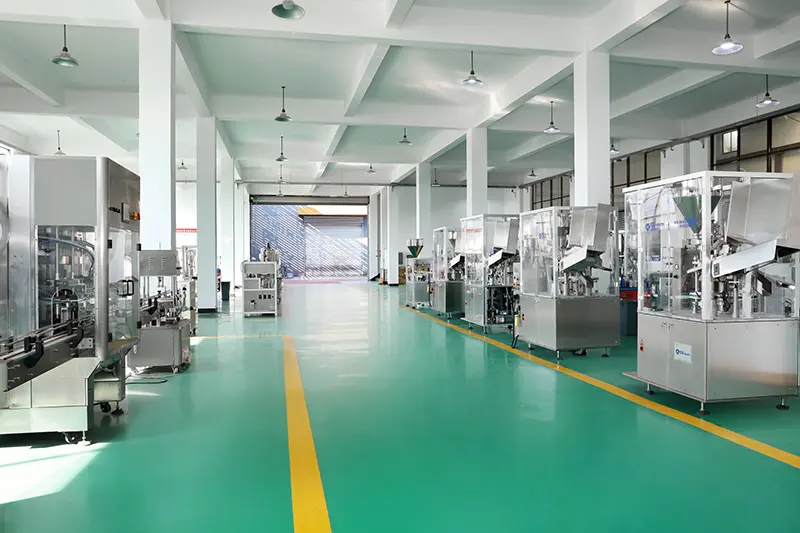
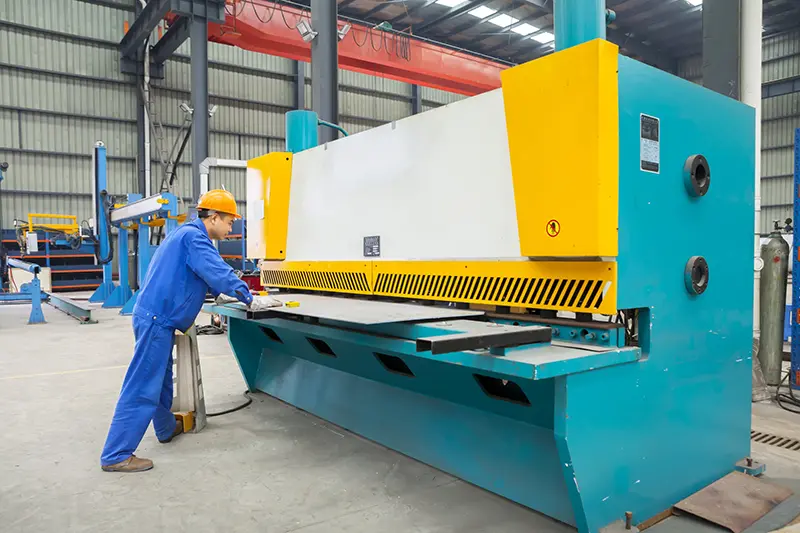
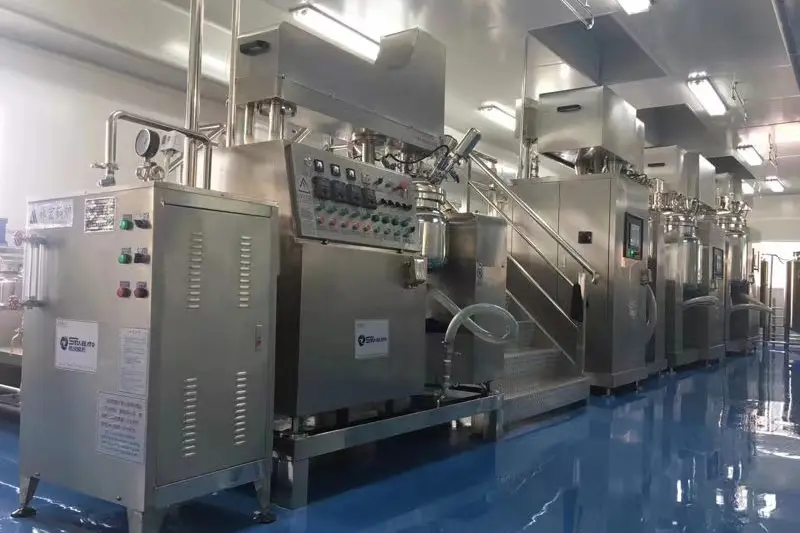
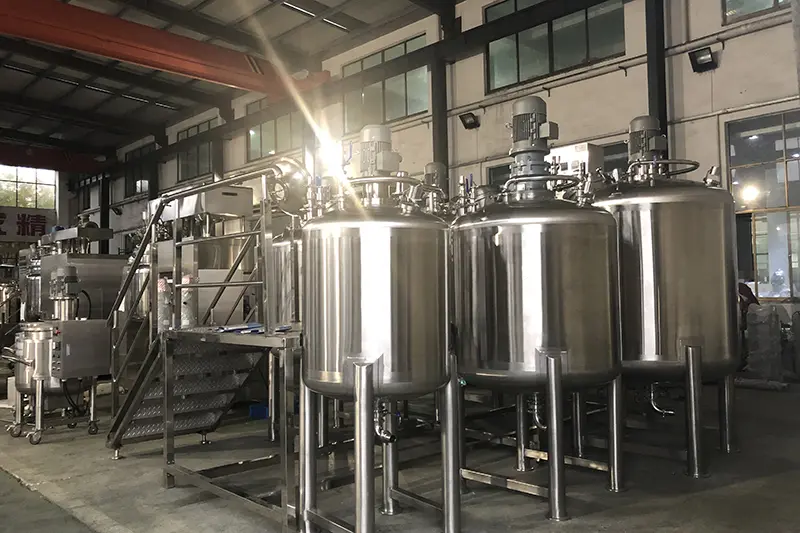
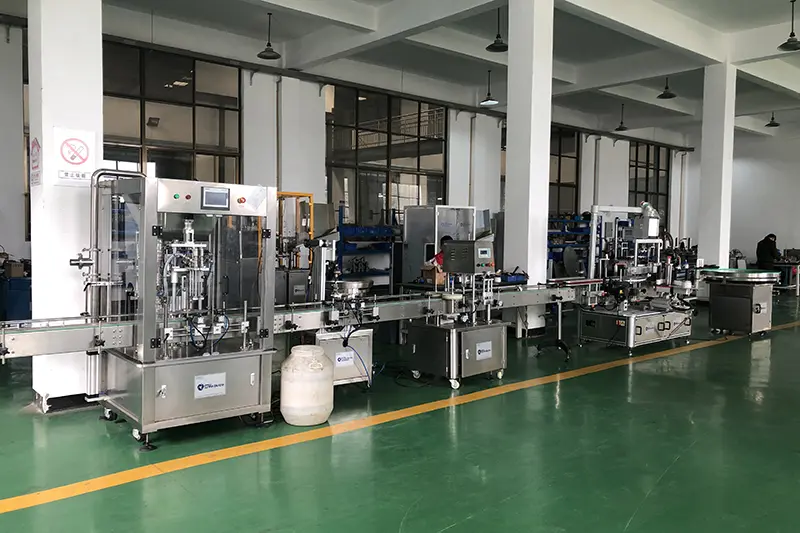
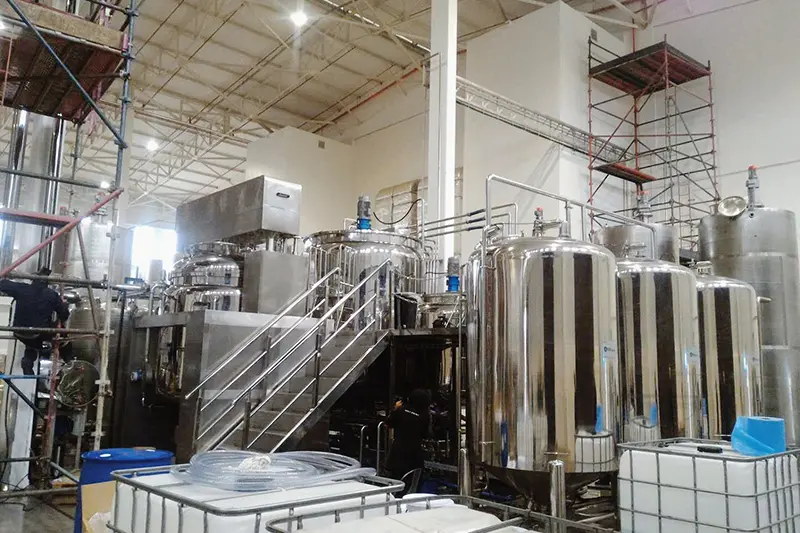
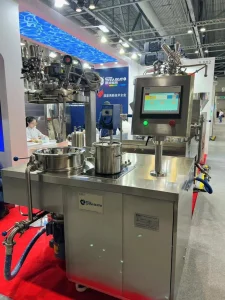
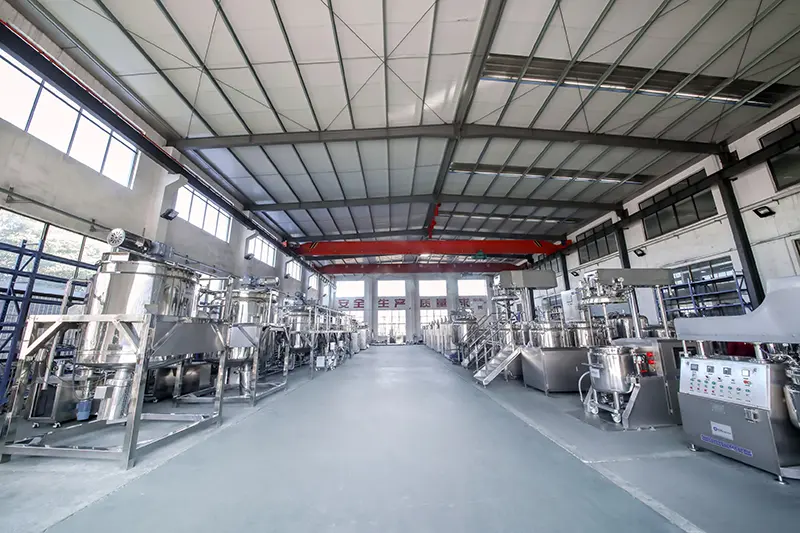
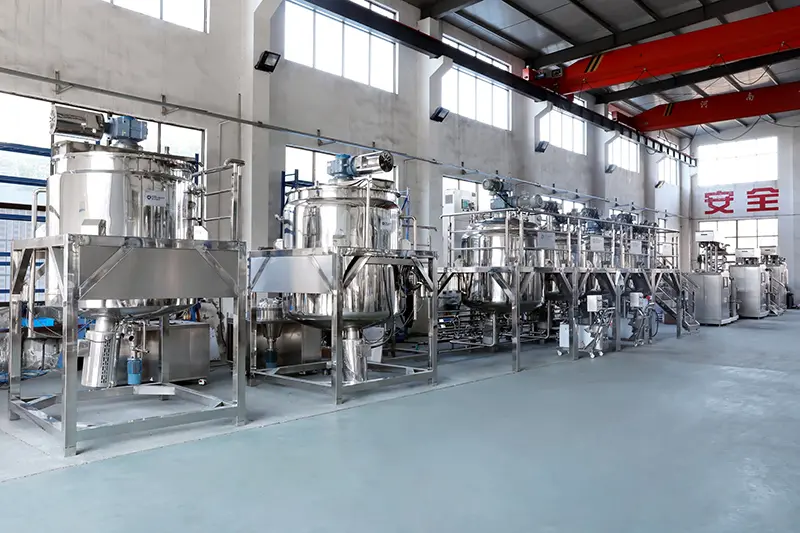
SINAEKATO Factory Workshop - High Precision Assembly
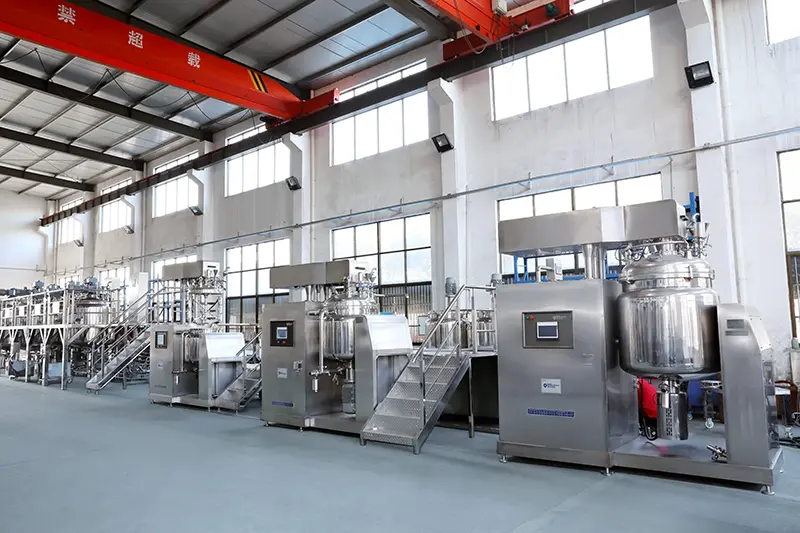
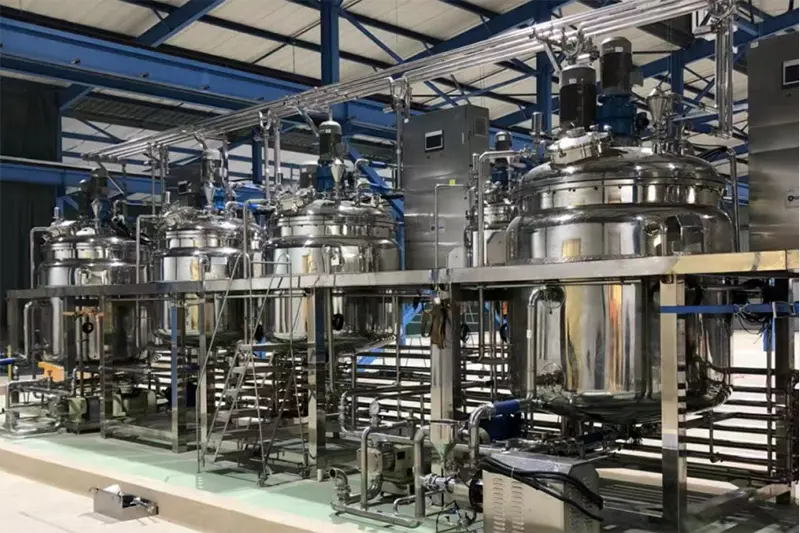
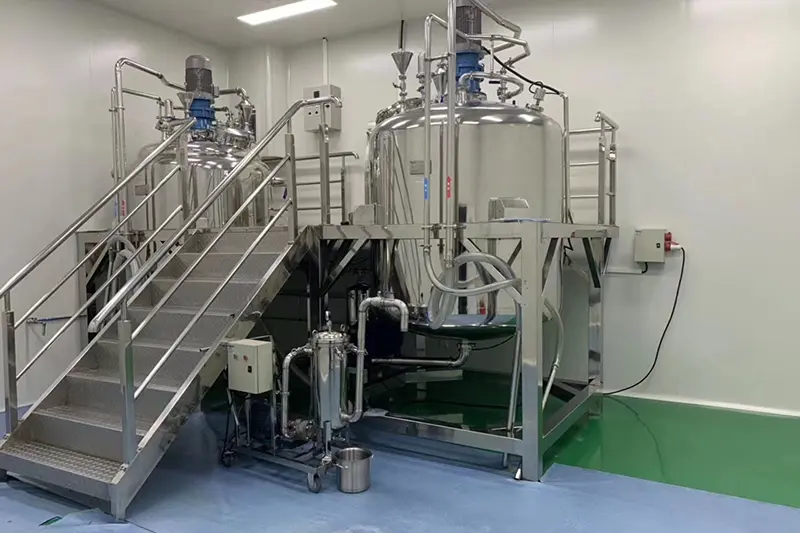
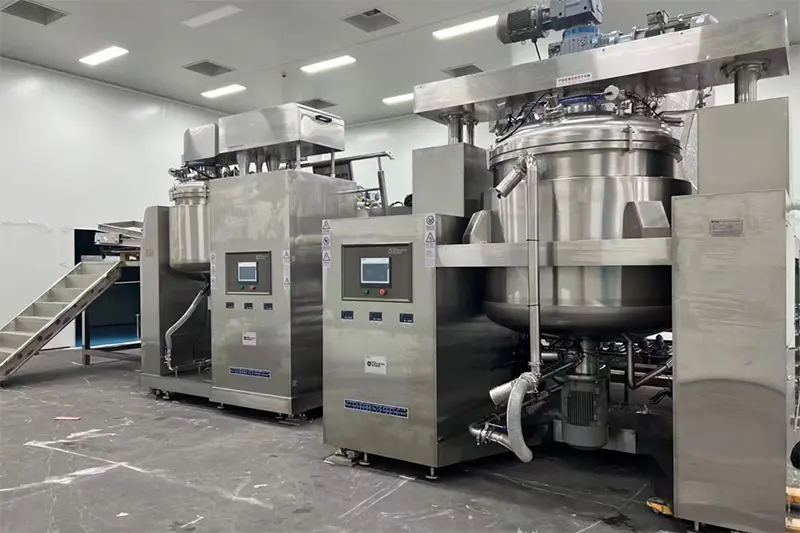
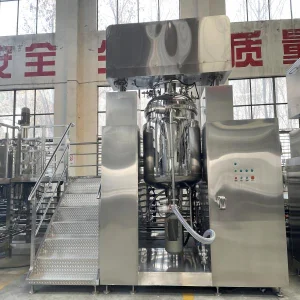
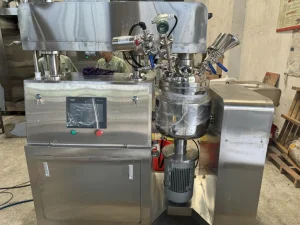
Advanced Vacuum Emulsifying Mixer Construction
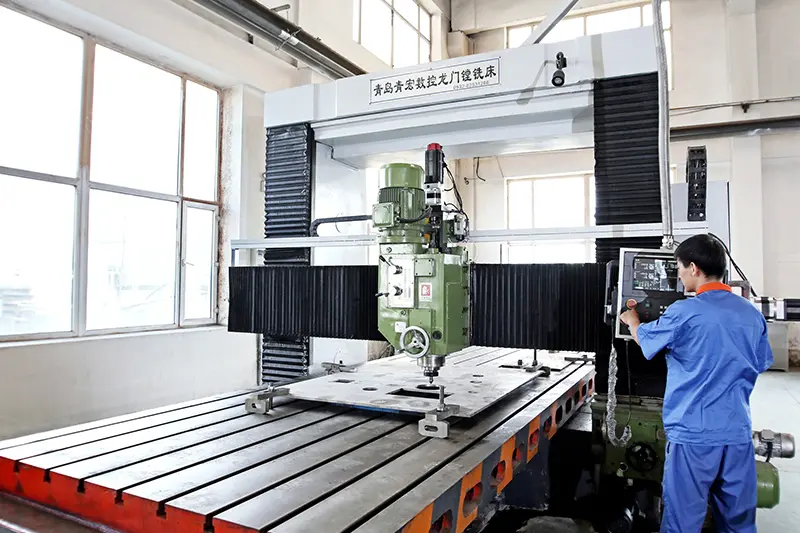
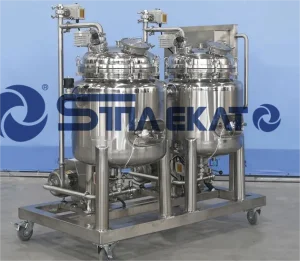
Premium Components and Control Systems

The Evolution & Future Trends of Vacuum Emulsification

How high-shear mixing technology has transformed to meet high-viscosity demands and stringent formulation standards.

Sub-Micron Particle Dispersion

Modern cosmetic and dermatological formulations require emulsions with ultra-fine droplet sizes. Achieving a narrow droplet size distribution (often down to 0.2 to 2 microns) is crucial for increasing the shelf life and bio-availability of active ingredients. Modern vacuum homogenizers optimize rotor-stator geometry to maximize local shear rates while controlling energy dissipation.

Smart Automation & IoT

Driven by Industry 4.0, next-generation emulsifiers utilize PLC integrations (such as Siemens or Omron systems) paired with high-precision sensors. Real-time logging of viscosity changes, temperature gradients, vacuum levels, and impeller torque allows automated process adjustments, ensuring batch-to-batch consistency and minimizing operator error.

Eco-Friendly Energy Profiles

With rising electricity costs and corporate sustainability goals, modern manufacturing prioritizes high fluid throughput per kilowatt of energy. Variable frequency drives (VFD) adjust the homogenizer's speed relative to the batch's current viscosity phase, preventing heat buildup and cutting energy consumption by up to 30% compared to fixed-speed units.

"In the high-shear processing sector, the focus has shifted from raw motor horsepower to optimized fluid dynamics. By controlling the fluid pathways inside the homogenizing chamber, we ensure rapid droplet rupture with minimal heat generation." - SINAEKATO R&D Engineering Group

Understanding Global Procurement & Technical Requirements

What procurement officers and production managers must evaluate when selecting industrial emulsification equipment.

1. Sanitary Design & Metallurgy

For pharmaceutical ointments and premium skincare creams, the product-contact components must be manufactured from corrosion-resistant SS316L stainless steel, highly polished to a mirror finish (Ra < 0.4 microns). This prevents bacterial adhesion, avoids chemical reactions with the batch, and facilitates sanitization.

2. Modular Integration & Customization

No two formulations behave identically. Enterprises need equipment that accommodates custom agitator anchors, interchangeable rotor-stator tooling, side-mounted powder feeding ports (for dust-free powder induction), and precise temperature jackets that work with steam, hot water, or chilled water.

3. Reliability and Brand-Name Spares

Production downtime is costly. Procurement teams prioritize suppliers that construct equipment with universally accessible, premium components. Over 80% of SINAEKATO’s electrical, pneumatic, and hydraulic parts are sourced from renowned global brands (including Siemens motors, Schneider electrics, Omron PLC controls, and SMC pneumatics), ensuring replacement parts are easy to source locally.

4. Total Cost of Ownership (TCO)

Beyond the initial purchase price, operational costs depend on seal longevity, power usage, scraper wear, and Clean-in-Place (CIP) cycle speed. Investing in self-compensating Teflon scrapers and double-acting cartridge mechanical seals reduces maintenance intervals and extends equipment lifespan.

Macro Solutions: Integrated Production Lines

From raw water treatment to the final packaged product, we engineer unified systems that maximize throughput.

Cosmetics & Skincare

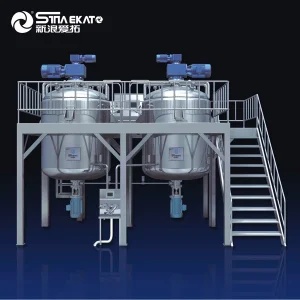
Designed for emulsions like high-end creams, lotions, and sunscreens. Our setups integrate Reverse Osmosis (RO) water purification systems, oil/water pre-mixing phases, vacuum emulsifying vessels with bottom-entry homogenizers, storage buffer tanks, and automatic multi-head piston filling and capping lines.

Pharmaceutical Ointments

Sterile processing solutions featuring cleanroom-compatible footprints, automated steam sterilization (SIP), automated cleaning (CIP), validation-ready instrumentation, and complete data tracking software compliant with FDA 21 CFR Part 11 regulations.

Liquid Washing & Detergents

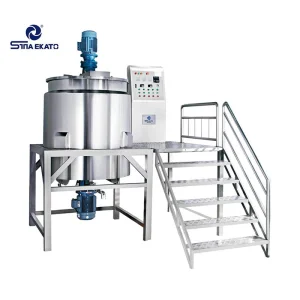
For large-scale production of shampoos, shower gels, hand washes, and dishwashing liquids. We design high-efficiency, atmospheric-pressure PME liquid mixing vessels with bottom shear dispersers, bypass loop lines, and high-speed bottle filling and labeling configurations.

Technical Roadmap & Engineering Innovations

A preview of the next generation of mixing and processing technologies currently in development at SINAEKATO.

As mixing parameters become more complex, SINAEKATO is advancing the boundaries of high-shear fluid mechanics through three main technological initiatives:

  • Acoustic Cavitation Monitoring: Integrating high-frequency acoustic sensors within the homogenizer stator chamber. This system detects cavitation anomalies and automatically adjusts rotor speeds to prevent impeller pitting while maintaining optimal droplet shearing.
  • Dynamic Viscosity Profiling: Real-time viscosity feedback algorithms. By monitoring changes in agitator torque and motor load, the system dynamically alters the mixing speeds and heating curves, optimizing energy consumption and cycle times.
  • Zero-Loss Product Recovery: In-line pigging system compatibility and redesigned piping manifolds. This configuration recovers up to 99% of residual formulation from the piping system after a batch, reducing waste during product changeovers.

Localization, Regulatory Compliance & Quality Assurance

Ensuring our machinery meets international safety, pressure vessel, and electrical certifications.

Operating in global markets requires compliance with localized standards. At SINAEKATO, our machinery is built and certified to meet the demanding requirements of various regional regulations:

Pressure Vessel Standards: All pressurized jacketed vessels comply with European pressure equipment directives (CE Certification), ASME code requirements, or local pressure regulations, ensuring safe operation under vacuum and high-pressure steam conditions.

Electrical and Control Standards: Control cabinets and electrical layouts are designed to meet CE, UL, or CSA requirements, utilizing IP65-rated enclosures and explosion-proof wiring (ATEX certification) for environments processing volatile solvents or alcohols.

GMP & FDA Validation Support: We supply comprehensive IQ/OQ (Installation Qualification/Operational Qualification) documentation protocols, materials traceability records, and surface roughness certificates to simplify validation for pharmaceutical and premium cosmetics manufacturers.

Global Support Network

  • On-site commissioning, installation, and operator training by senior technical engineers.
  • Remote diagnostics via integrated PLC ethernet ports to troubleshoot issues instantly.
  • Rapid shipping on wear-and-tear parts (seals, gaskets, scrapers) from regional warehouses.
  • Customizable preventive maintenance contracts to ensure minimal downtime.

Milestones & Historical Evolution

Decades of growth and engineering excellence, tracing our journey from a regional machine workshop to a global solutions provider.
1988
1988 Engaged in chemical machinery
Entry into Chemical Machinery Industry
Began manufacturing components for industrial mixers, laying the groundwork for high-shear fluid research.
1998
1998 Guangzhou Sina established
Guangzhou Sina Cosmetics Engineering Equipment Co., Ltd.
Established a specialized manufacturing division in Guangzhou to serve the growing cosmetics sector.
1999
1999 HK Hantao established
International Expansion Initiative
Established Hong Kong Hantao International Investment Co., Ltd. to manage cross-border capital and export logistics.
2000
2000 Gaoyou factory established
Gaoyou Sina Chemical Machinery Equipment Factory
Founded the Gaoyou factory while renaming the Guangzhou branch to Guangzhou Sina Chemical Machinery Co., Ltd.
2001
2001 Gaoyou Sina Light Industry
Gaoyou Sina Light Industry Machinery Equipment Factory
Established a dedicated facility in Gaoyou, specializing in light industry mixers and atmospheric processing vessels.
2006
2006 SINA EKATO Gaoyou City
Inauguration of the 10,000 sqm Gaoyou Facility
Purchased 10,000 square meters of industrial land in Gaoyou. The newly constructed processing plant began operations as SINA EKATO CHEMICAL MACHINERY CO., LTD (GAOYOU CITY).
2007
2007 Yangzhou Hantao Chemical
Yangzhou Hantao Chemical Machinery Co., Ltd.
Established to strengthen manufacturing capabilities and support growing global equipment orders.
2008
2008 Acquired Guangzhou Jingcheng
Strategic Acquisition & Exhibition Center
Acquired Guangzhou Jingcheng Machinery. Built a large-scale exhibition center and launched structured export sales routes.
2009
2009 Renamed Guangzhou SINAEKATO
Brand Standardization
Guangzhou Sina Chemical Machinery Co., Ltd. was officially renamed to Guangzhou SINAEKATO Chemical Machinery Co., Ltd.
2011
2011 Acquired Suogao
Acquisition of Guangzhou Suogao Machinery
Acquired Guangzhou Suogao Machinery Equipment Co., Ltd., integrating its patents into our standard product lines.
2013
2013 Headquarters consolidation
Headquarters Consolidation
SINA EKATO CHEMICAL MACHINERY CO., LTD (GAOYOU CITY) designated as the official headquarters for Production, Sales, and After-sales services.
2015
2015 SINA EKATO Equipment Jiangsu
SINA EKATO Equipment (Jiangsu) Co., Ltd.
Established a joint venture in Jiangsu to expand international technological cooperation.
2017
2017 Germany SINAEKATO Group
European Partnership with FLEMAC
Cooperated with European mixing specialist FLEMAC to establish Germany SINAEKATO Group Co., Ltd., enhancing engineering expertise.
2018
2018 Major global projects
Unilever & Shiseido OEM Partnership Achievements
Partnered with Unilever (South Africa) on a $800,000 cosmetics project, and secured a $1,500,000 order for a major Japanese cosmetics manufacturer producing products for SK-II and Shiseido.
2021
2021 Japanese liquid detergent project
$1,000,000 Detergent Project
Successfully designed, manufactured, and delivered a complete liquid-washing production line for a Japanese detergent brand.

Frequently Asked Questions

Expert technical answers to help engineering and procurement teams make informed decisions.

Why is vacuum processing critical during the homogenization phase?
When raw ingredients (particularly powders and lipids) are mixed under atmospheric pressure, air becomes entrained in the product, creating micro-bubbles. These bubbles can oxidize active ingredients, destabilize emulsions, and interfere with volumetric filling lines. Performing the homogenization process under a vacuum of -0.09 Mpa removes air pockets, resulting in a stable, smooth, and glossy cream with a long shelf life.
What is the difference between a bottom homogenizer and a top homogenizer?
A top homogenizer is suspended from the vessel lid, working well for low-to-medium viscosity batches where recirculation is driven by a secondary scraper. A bottom homogenizer is integrated directly into the base of the tank. This allows the system to process small minimum batches, speeds up powder incorporation, and provides high discharge pressure to pump highly viscous materials directly to storage tanks without requiring auxiliary pumps.
How does the CIP (Clean-in-Place) system interface with the vacuum homogenizer?
The main vessel is equipped with 360-degree rotating spray balls connected to the external CIP loop (including alkali, acid, hot water, and recovery tanks). The automated spray pattern covers the impeller blades, scraper rods, and lid surfaces. High-pressure sanitation occurs without opening the vessel, maintaining sterile conditions between different production runs.
Can the emulsification equipment be customized for hazardous working environments?
Yes. For formulations containing ethanol, solvents, or volatile powders (such as hand sanitizers or perfumes), we configure the system with explosion-proof motors (ATEX/Ex-d certified), barrier fluid pressurized dual-shaft seals, anti-static belts, and intrinsically safe control cabinets.