High-precision Machinery and Emulsifying Equipment Engineered to Meet Demanding Factory Protocols and International Regulatory Standards.
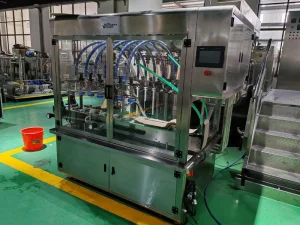
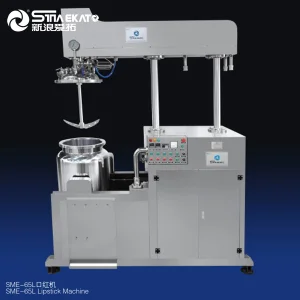
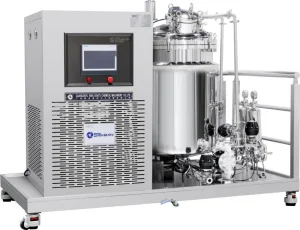
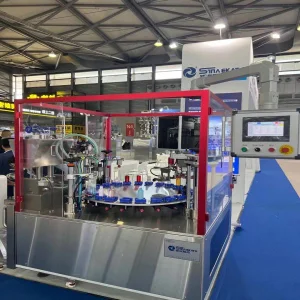
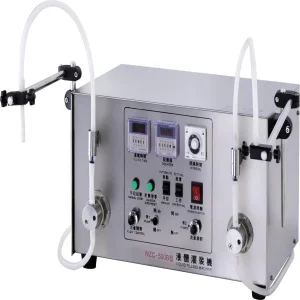
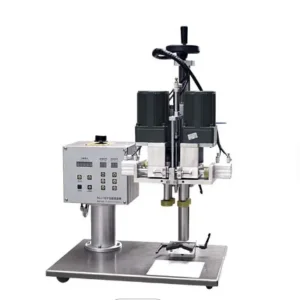
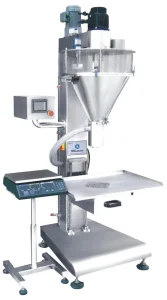
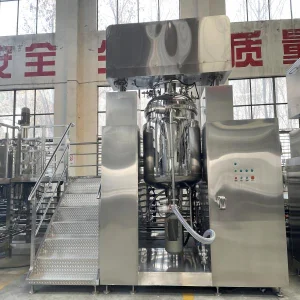
In the modern manufacturing landscape, particularly within the cosmetics, pharmaceutical, and food processing industries, thermal stability and sterile execution are paramount. Hot filling machinery operates on a complex intersection of thermal dynamics and fluid mechanics, ensuring products are filled at high, precise temperatures (typically between 85°C to 95°C) to eliminate microbiological risk without relying heavily on artificial preservatives.
Implementing a robust hot filling framework requires a holistic understanding of thermal expansion, viscosity transformation, and pressure equilibrium. As viscosity changes inversely with temperature, maintaining a constant thermal window within the storage tanks and flow pathways is critical to achieving consistent volumetric dispensing. High-quality hot filling machines utilize continuous circulation loops and PID controller systems to prevent product cooling during cycles, ensuring total sterility throughout the packaging pathway.
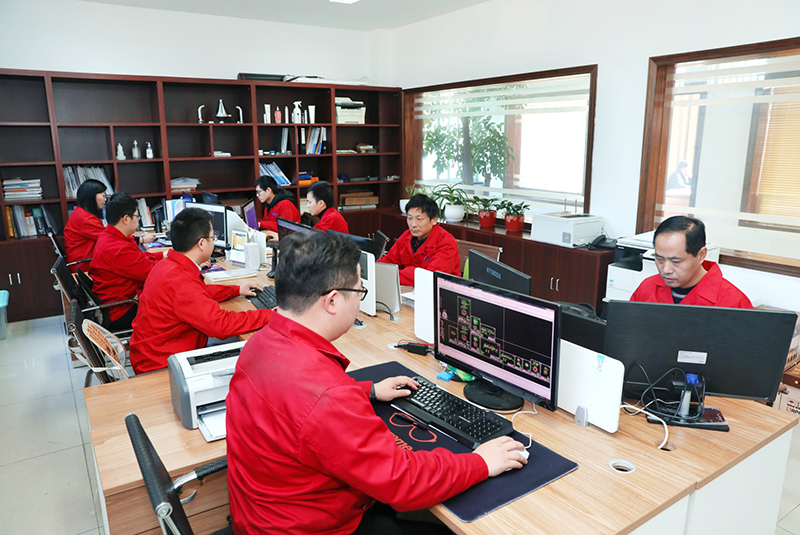
Backed by three decades of process innovation and state-of-the-art engineering in China, exporting precision to over 55 nations.
SINAEKATO, a prominent industrial manufacturing brand, has pioneered liquid, cream, and hot-filling technology since its founding. Driven by the philosophy that "Science and Technology are the primary productive forces," the company continually invests in developing high-performance mixing, homogenization, and thermal tracking systems. By sourcing 80% of its critical mechanical and electronic components from world-class suppliers (such as Siemens, Schneider Electric, and Omron), SINAEKATO guarantees unparalleled equipment longevity and stability.
Our commitment extends beyond engineering superiority; we strive to show the world the true capability of modern Chinese precision manufacturing ("LET THE WORLD KNOW MADE IN CHINA"). We provide global corporations with comprehensive, one-stop solutions, ranging from Reverse Osmosis (RO) water purification setups and vacuum emulsifying homogenizers to custom high-speed packaging lines.
Sourcing machinery from major Chinese industrial centers like Jiangsu (Gaoyou) and Guangdong (Guangzhou) offers distinct technological and economic advantages for international buyers:
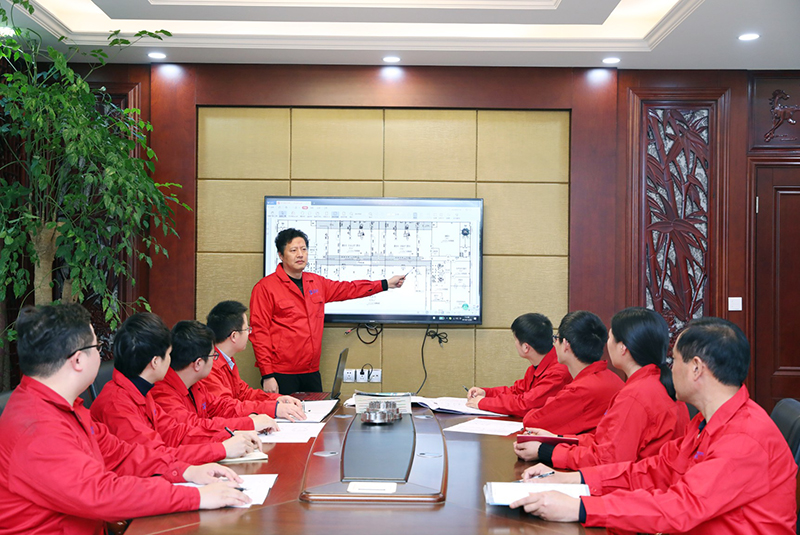
Every machine produced is a testament to rigorous quality assurance and engineering innovation.
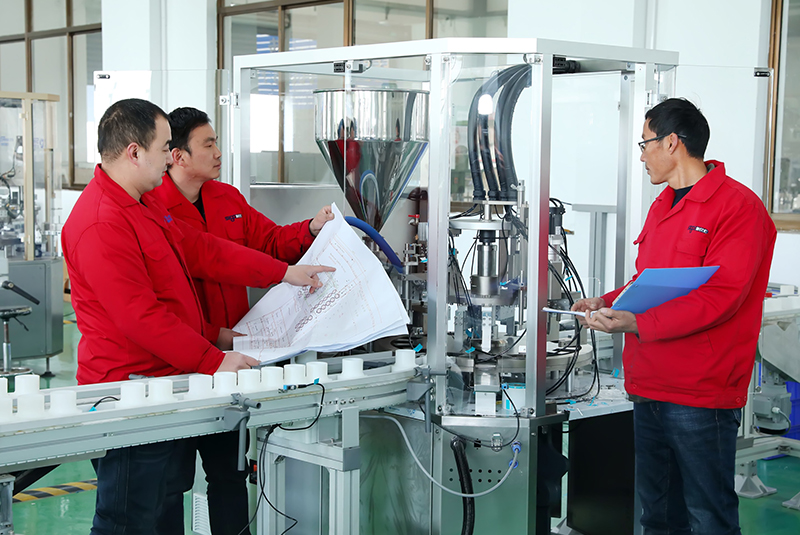
Equipped with servo-driven diving nozzles that move in tandem with container heights, eliminating splash, foaming, and container wall contamination during high-speed hot fills.
80% of our internal pneumatic, heating, and electric controls originate from industry giants such as Siemens, SMC, and Omron, securing global component swap-out convenience.
Complete SUS316L contact points, mirror-polished internals (<0.4μm roughness), and specialized CIP-ready return lines preserve maximum clean-in-place hygienic standards.
As global industries pivot toward sustainable materials and intelligent operations, the machinery market is experiencing significant shifts:
Decades of sustained evolution, facility expansion, global project acquisitions, and multinational partnerships.
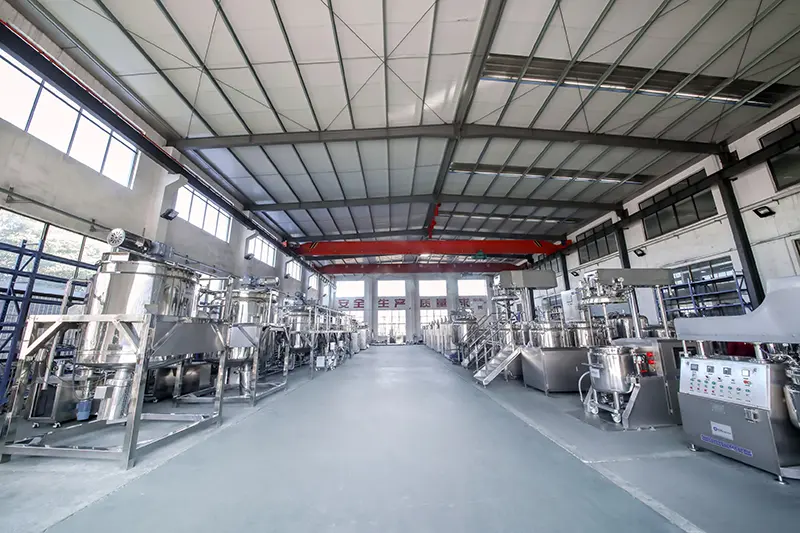
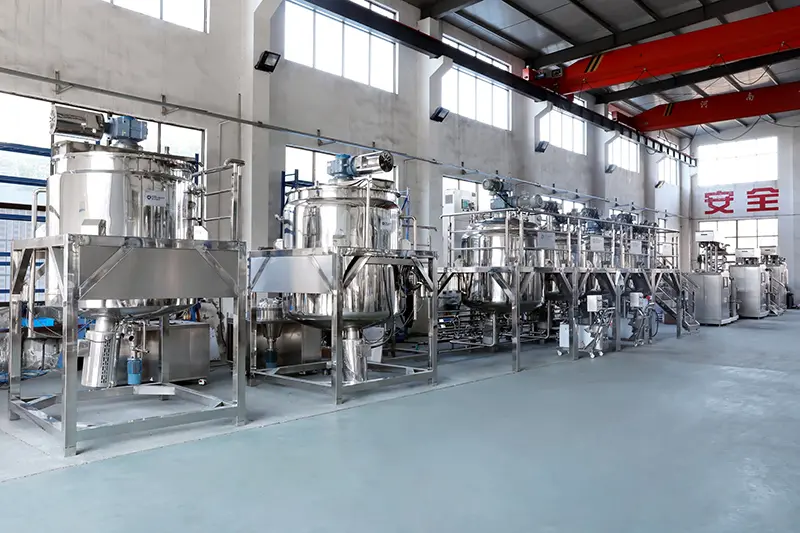
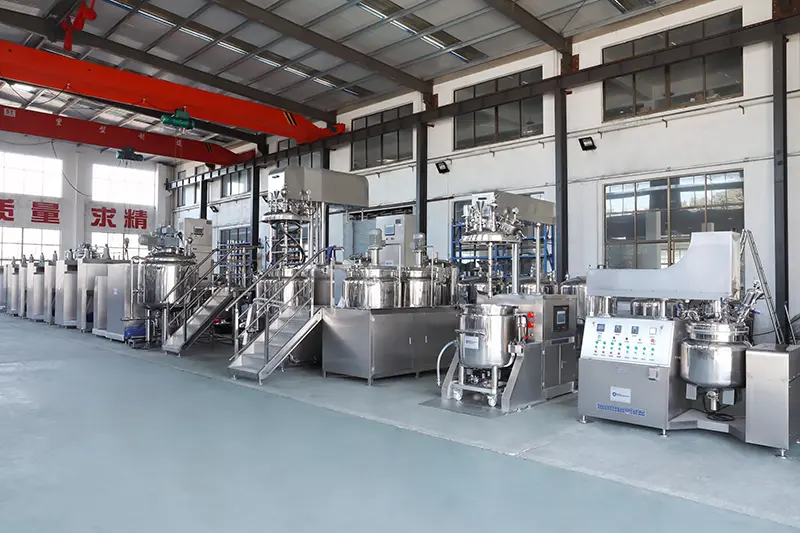
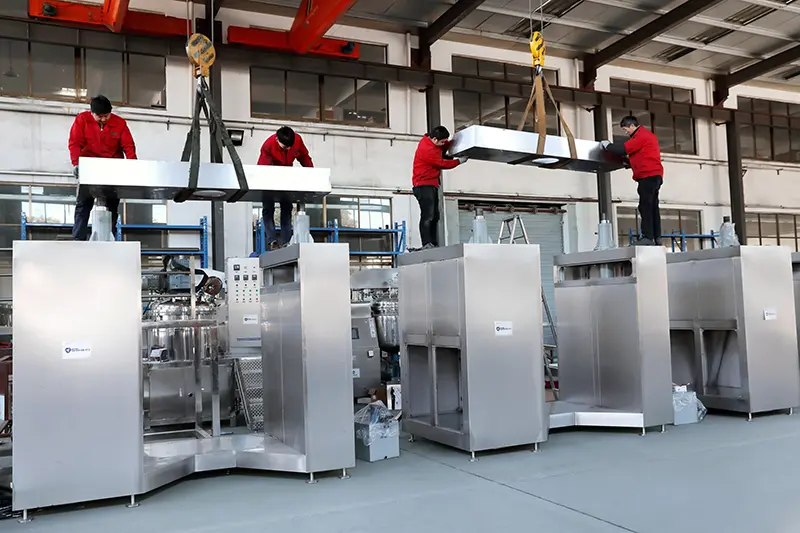
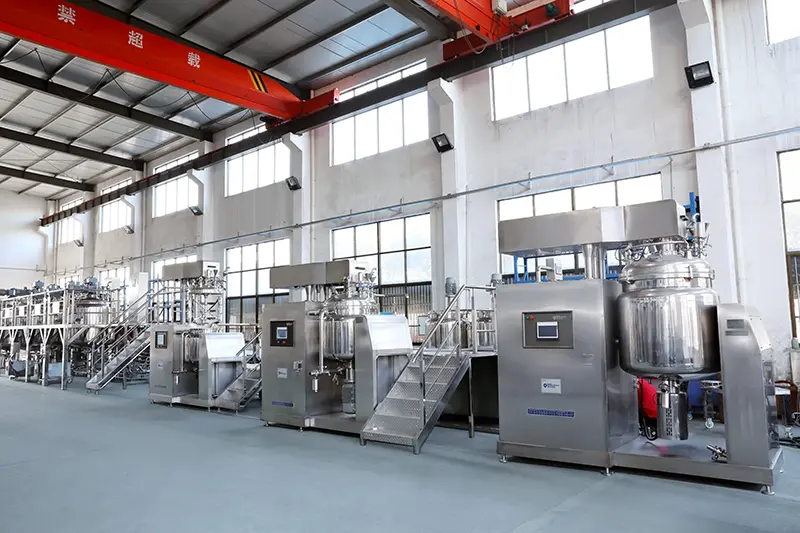
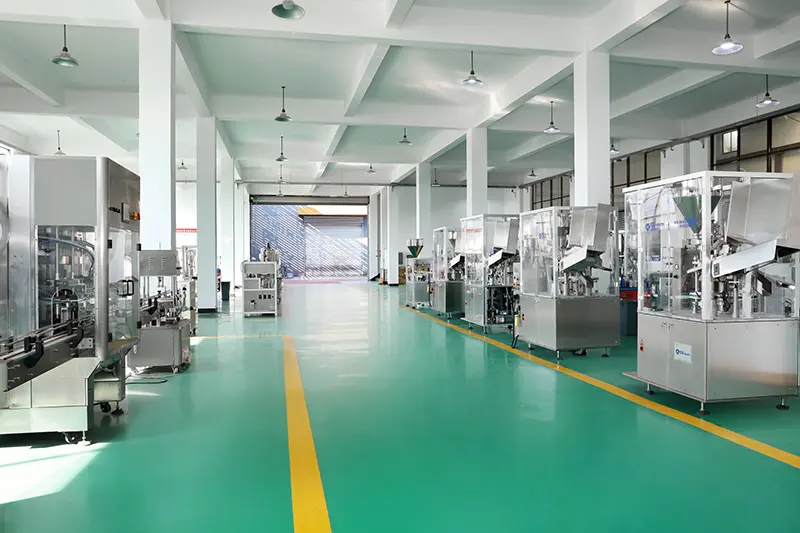
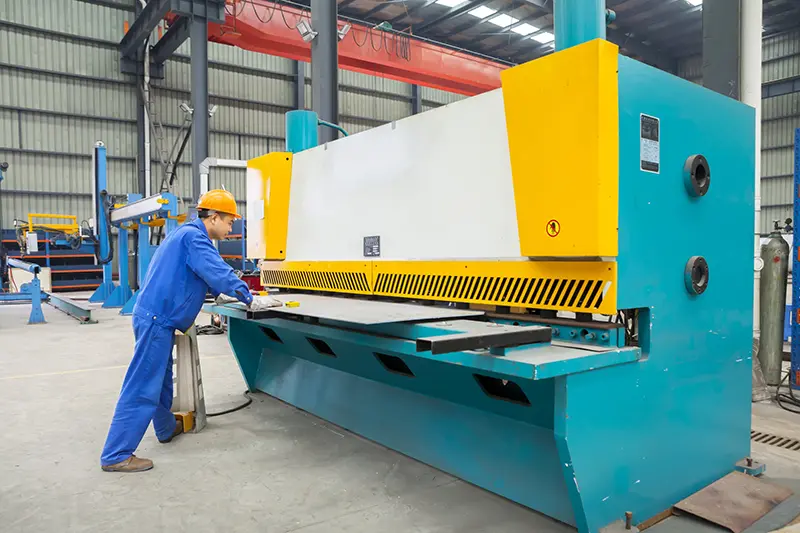
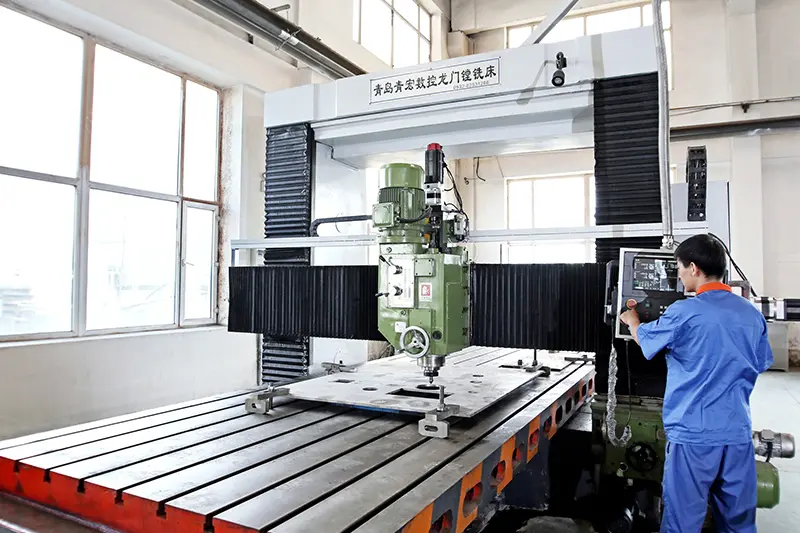
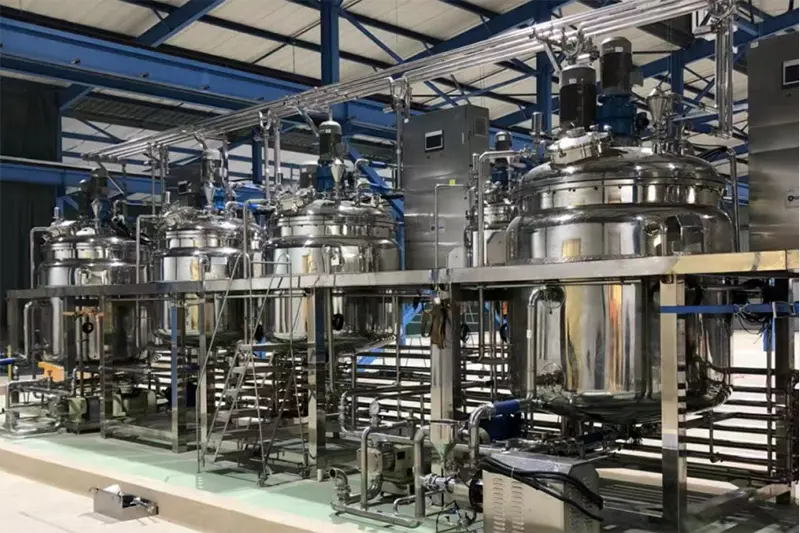
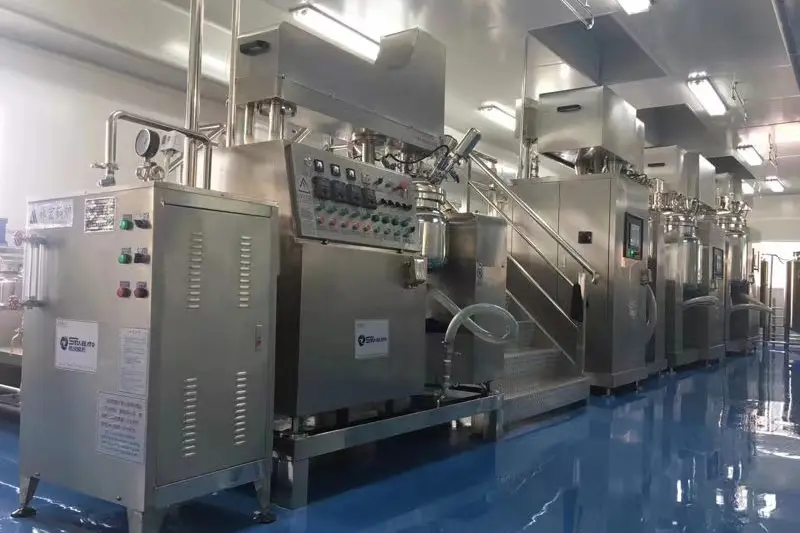
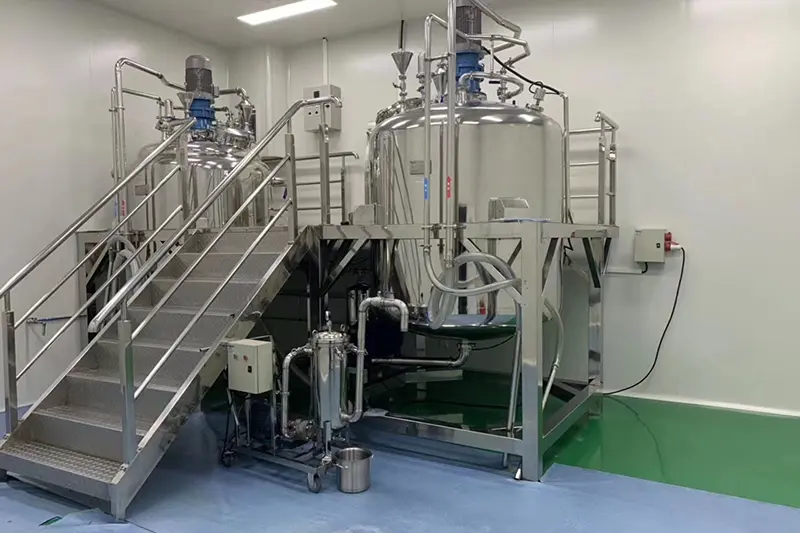
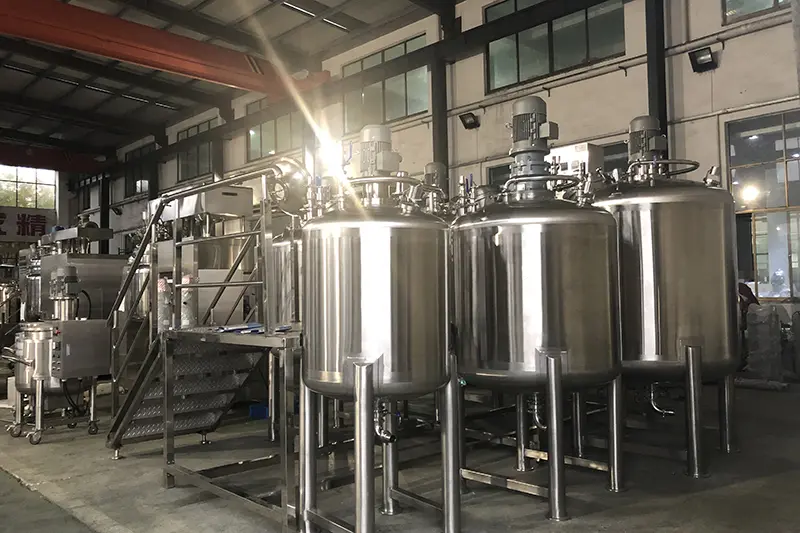
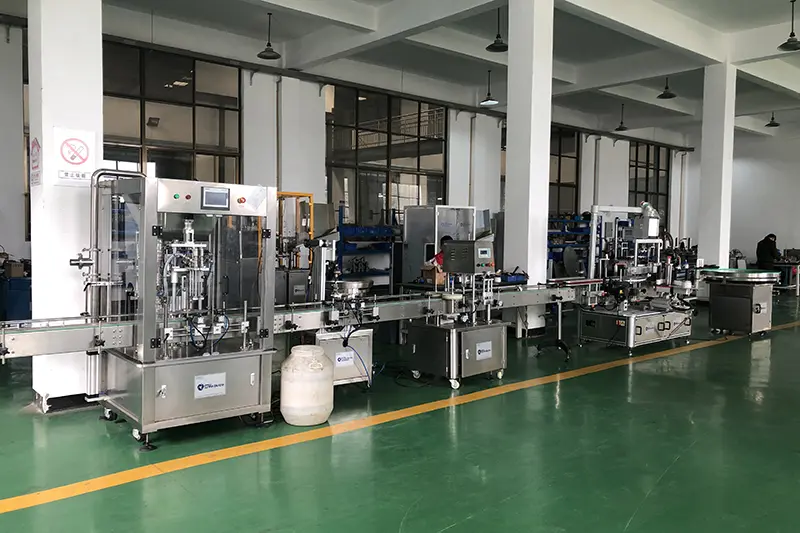
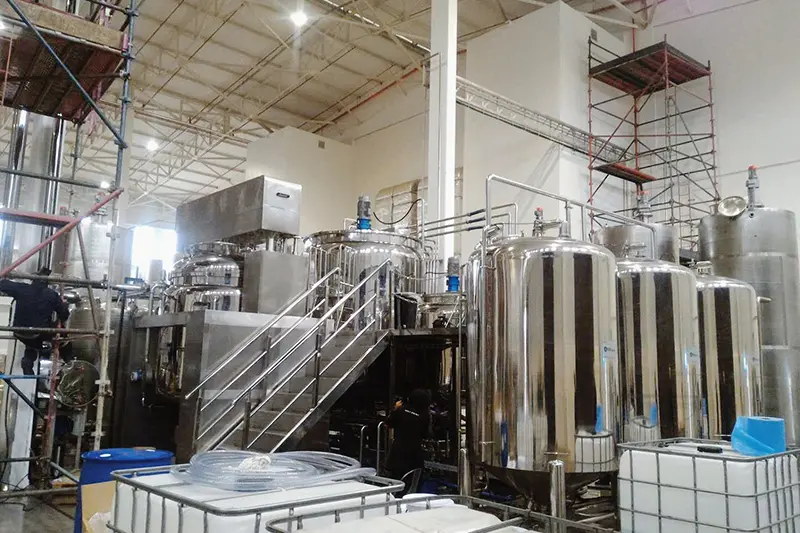
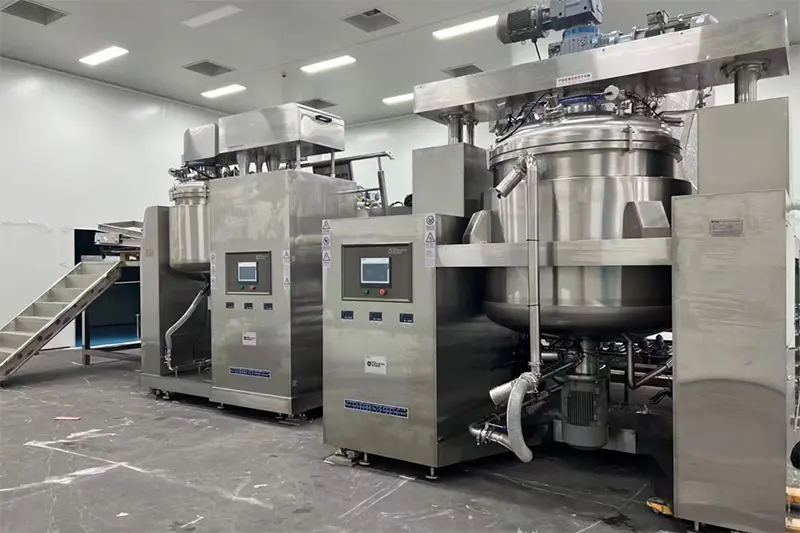
Thermal packaging demands vary significantly across sectors. We specialize in engineering integrated solutions tailored to distinct production parameters:
Essential standards for evaluating hot filling machinery suppliers prior to capital deployment.
Ensure the equipment matches EU safety and machinery directives. True CE certification guarantees proper grounding, mechanical shielding, and fail-safe safety interlocks on all pneumatic and electric actuators.
The system must maintain hot-fill temperatures within ±1.0°C. Lower temperatures compromise product sterility, while excessive heat can damage packaging or degrade chemical compounds.
For rapid batch changes and sterile operations, the machine must support automated Clean-In-Place cycles. Smooth flow channels prevent cross-contamination and bacterial buildup in elbows or seals.
Technical answers to common engineering, process, and purchasing inquiries.
A hot-fill system processes products at elevated temperatures (typically 80°C to 95°C) to sterilize the product and container contact surfaces during dispensing. Cold filling, conversely, requires sterilization prior to packaging, often necessitating sterile cleanroom conditions, chemical sterilizers, or preservatives to prevent contamination.
For items such as lipsticks, heavy creams, and balms, the machinery features jacketed, heated hoppers and trace-heated delivery manifolds. This setup keeps the product fully fluid until it enters the container, where it is quickly cooled by cooling tunnels to solidify and preserve its shape.
Industrial food-grade or cosmetic-grade applications require SUS316L stainless steel for all fluid contact points due to its corrosion resistance at high temperatures. Surrounding structural parts are constructed from SUS304. Additionally, seals must be made of high-temperature resistant materials like PTFE or Viton.
As density shifts with temperature variation, our automatic tracking and servo-driven piston filling machines feature intelligent PLC compensation. Volumetric offsets are automatically applied based on real-time temperature feedback from inline sensors.
Yes. Modern hot-fill lines are designed with universal conveyor belts and standardized communications protocols (such as Modbus or Profinet), enabling integration with downstream equipment like capping, labeling, shrink wrapping, and cartooning systems.
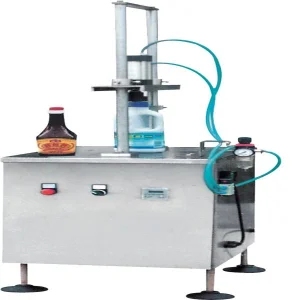
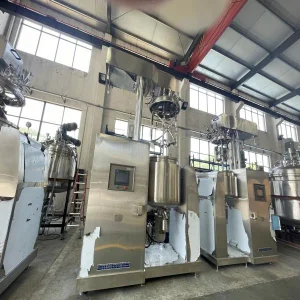
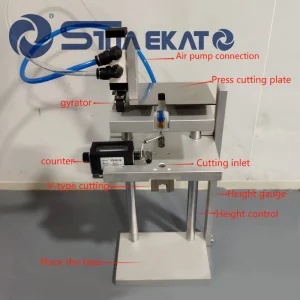
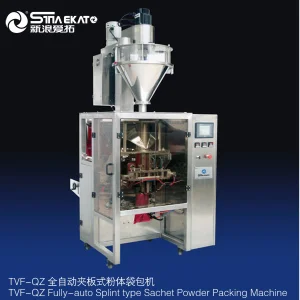
Explore our extended machinery line, built to support complex production lines from raw materials to final packaging.
 Sina Ekato