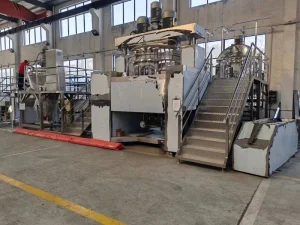
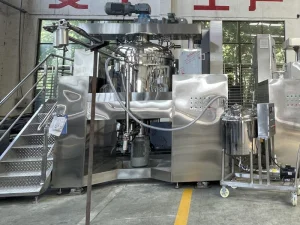
In modern industrial process engineering, the design of a heated mixing tank transcends simple mechanical vessel fabrication. High-quality thermal processing demands a precise convergence of heat transfer efficiency, fluid dynamics, and sanitary structural integrity. Industry-wide shifts toward energy optimization and strict regulatory validation mandate that modern mixing vessels deliver highly uniform temperature distributions without compromising the shear-sensitive nature of complex formulations.
At the center of thermal processing is the thermal jacket engineering. The choice between standard steam jackets, dimple jackets, and half-pipe coil jackets determines the overall heat transfer coefficient ($U$-factor) and dictates the system's operational pressure parameters. Dimple jackets, designed with arrayed spot-weld patterns, create localized turbulence in the heating/cooling media, which dramatically reduces boundary-layer thermal resistance and optimizes heating efficiency for sanitary media.
"The interaction between fluid rheology and heat transfer kinetics dictates that as fluid viscosity changes with temperature, the agitation profile must dynamically adapt to prevent localized thermal degradation or hot-spots."
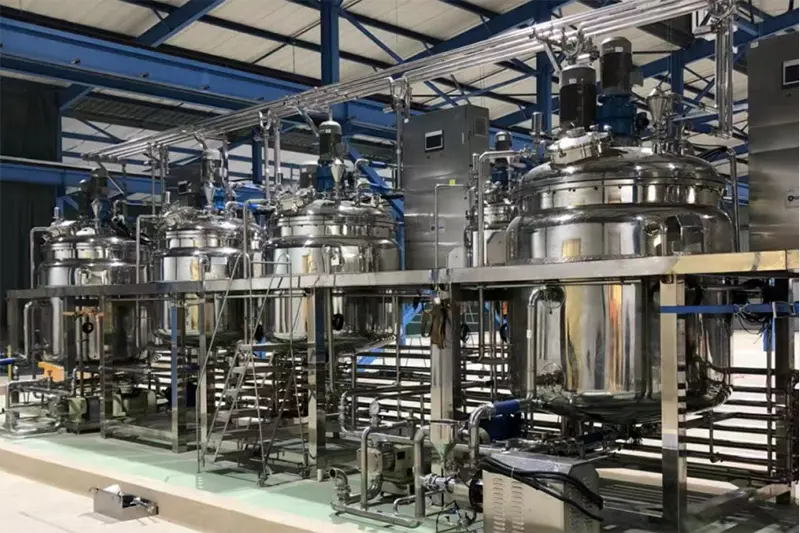
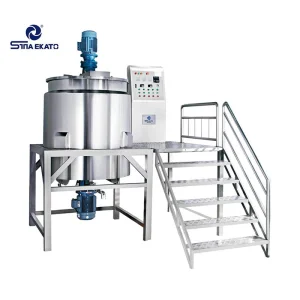
Agitation and blending design must work in tandem with the thermal profile. When processing high-viscosity emulsions (e.g., cosmetic creams, petroleum-based pastes, active pharmaceutical ingredients), standard impellers fail. Modern heated mixing vessels must incorporate multi-shaft agitators, integrating anchor-style scrapers with central high-shear homogenizers. This ensures that the boundary layer near the heated wall is continuously renewed, maintaining high conductive heat transfer while preventing product stagnation and thermal degradation.
Utilizing dimple and half-pipe configurations to handle steam or thermal oil up to 10 bar, achieving high thermal exchange efficiency.
Wall-scraping anchor agitators combined with counter-rotating paddles ensure continuous boundary layer renewal.
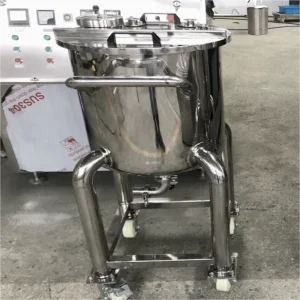
Engineered according to ASME BPE standards, utilizing SUS316L stainless steel with internal mirror polishing (Ra < 0.4μm).
Globally, industrial processors are facing severe pressure to enhance efficiency, reduce energy footprints, and guarantee absolute batch reproducibility. In North America and Western Europe, strict FDA cGMP requirements and EHEDG guidelines demand validation-ready systems. Meanwhile, fast-growing markets in South America, Southeast Asia, and the Middle East require robust, high-throughput systems capable of operating under hot climates with minimal maintenance.
Key procurement metrics indicate that operational cost reduction and safety are the primary purchasing drivers. B2B buyers no longer look solely at initial capital expenditure (CAPEX); they evaluate Total Cost of Ownership (TCO). This includes energy consumption patterns of heated jackets, steam utilization efficiency, maintenance cycles for dynamic mechanical seals, and Clean-In-Place (CIP) cycle verification. Standardizing on high-quality structural components (such as Siemens PLCs, ABB motors, and Burgmann mechanical seals) significantly reduces downtime risks, protecting manufacturers against catastrophic batch losses.
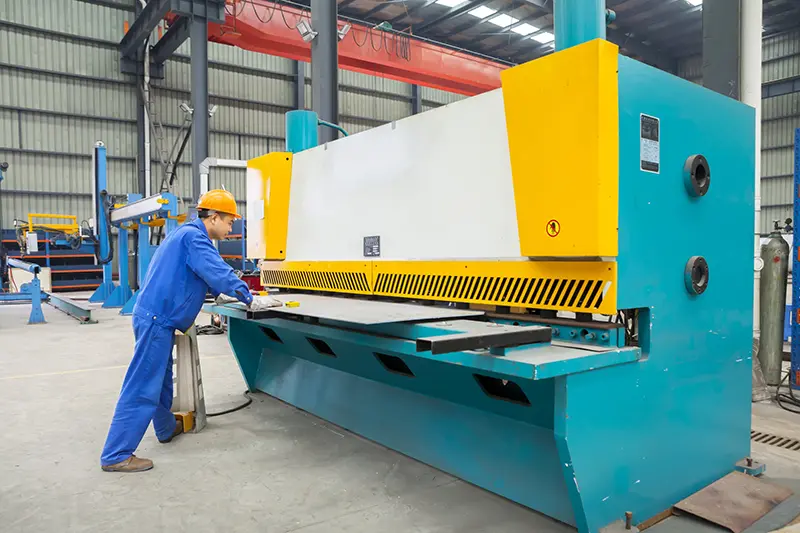
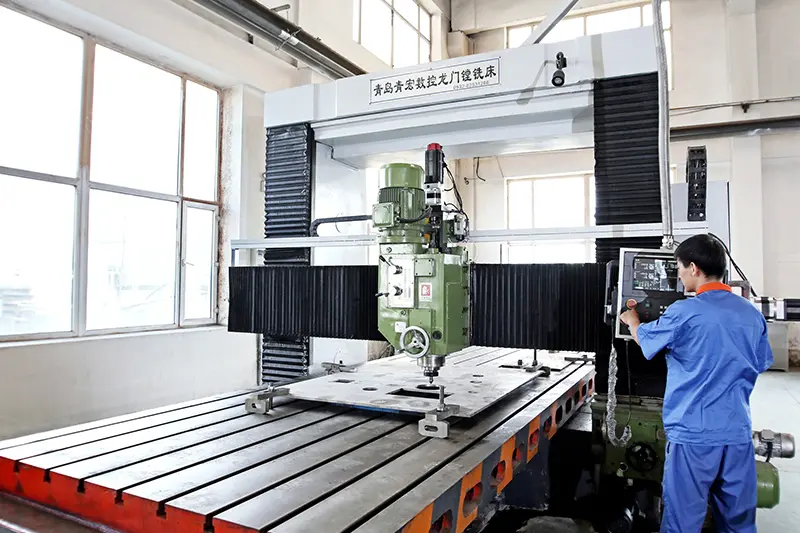
China's manufacturing sector has undergone a massive transformation, moving from high-volume production to precision-engineered smart systems. Chinese Industry 4.0 infrastructure integrates CNC machining, automated plasma welding, and laser tracking verification. This ensures that custom stainless steel vessels meet stringent international safety and structural standards with lower lead times than traditional Western manufacturers.
SINAEKATO stands at the forefront of this industrial revolution. By combining high-efficiency manufacturing pipelines with globally sourced, top-tier components (80% of our core machinery parts are from world-renowned suppliers), we bridge the gap between custom engineering and cost efficiency. Our strategic location in Gaoyou and Guangzhou allows us to integrate raw material processing with high-end assembly, providing unmatched supply chain resilience. This operational configuration safeguards our international partners against logistics bottlenecks and raw material fluctuations.
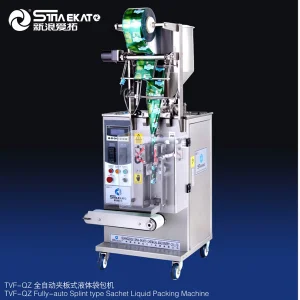
SINAEKATO, a leading machinery brand in China, was established in 1992. With over 30 years of manufacturing experience, we specialize in high-performance Vacuum Emulsifying Mixers, Liquid-washing Homogenizer Mixers, Perfume Chiller Production Lines, Toothpaste Production Mixers, Fully-automatic and Semi-automatic Filling Machines, Storage Tanks, RO Water Treatment Series, Labeling Machines, and Packing Machines.
We deliver comprehensive, one-stop machinery solutions for the skincare, cosmetics, pharmaceutical, and food industries. Operating in nearly 55 countries, SINAEKATO maintains a highly qualified team of 150 specialists in our China factory alongside 10 international service engineers, securing our global reputation for engineering excellence.
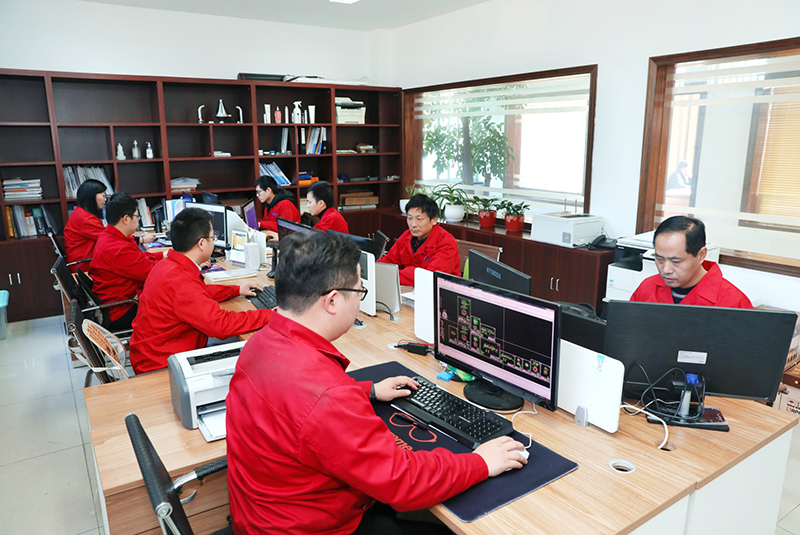
Technology drives industrial productivity. At SINAEKATO, we continuously invest in core technology research and development. Our state-of-the-art production equipment, strict quality management, and precise testing processes ensure the high performance of every system we build.
Our global partnerships represent a long-term commitment to high-performance machinery. Over 80% of our key mechanical and electrical components are supplied by world-famous brands. Through long-term collaboration, we have accumulated valuable field experience, allowing us to provide our customers with high-quality machines, effective validation guarantees, and comprehensive support services.
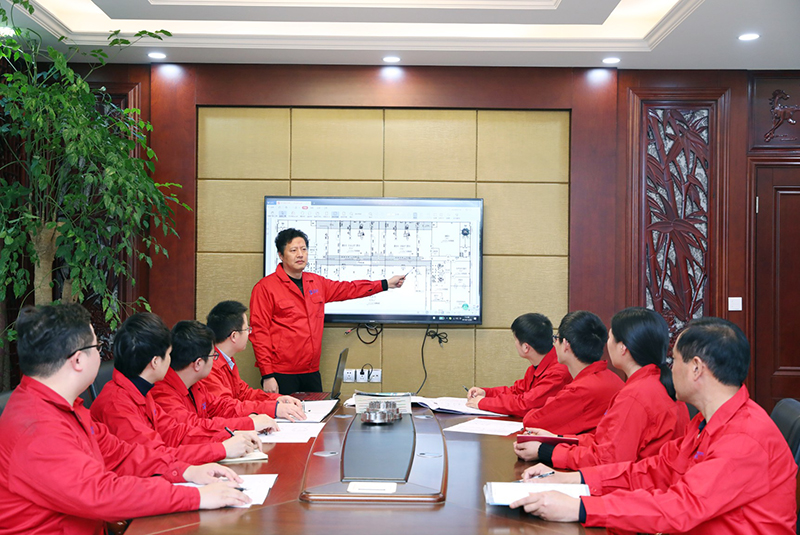
At SINAEKATO, we focus on building stable, reliable, precise, and intelligent machinery. We are committed to developing the "Made in China" brand globally by providing high-performance industrial equipment. Choosing SINAEKATO means choosing professional technical support and reliable after-sales service. We step by step, go to the future!
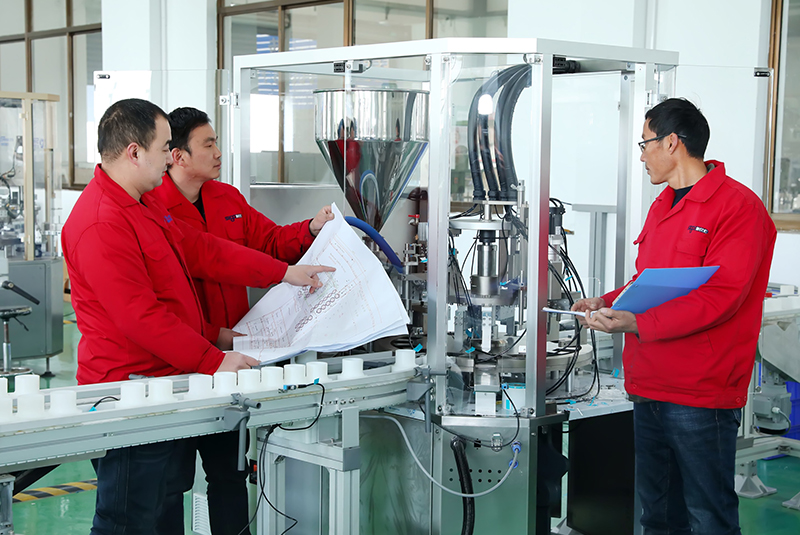
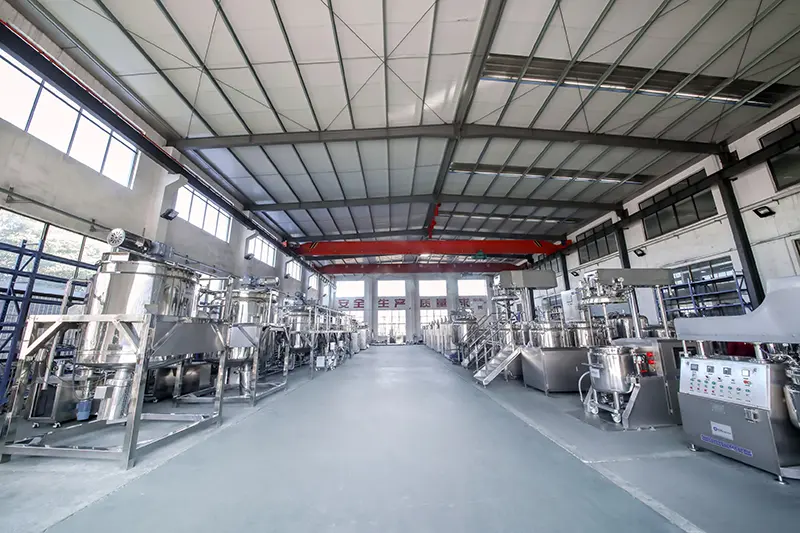
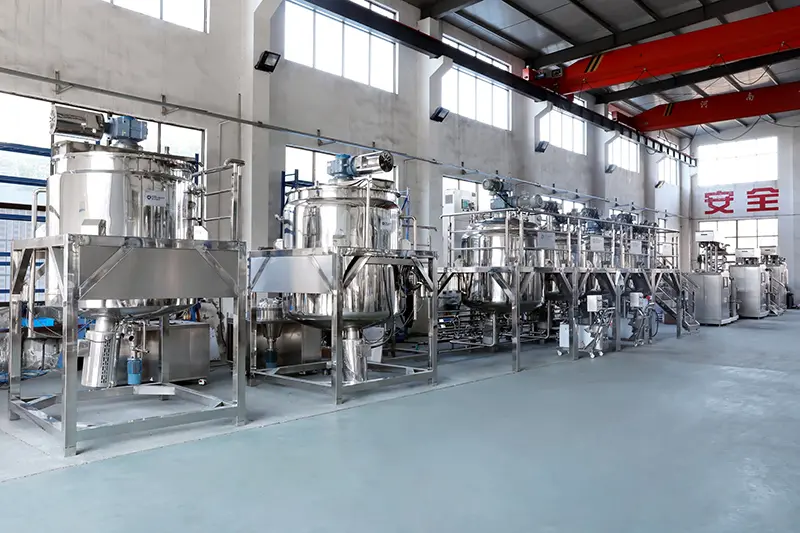
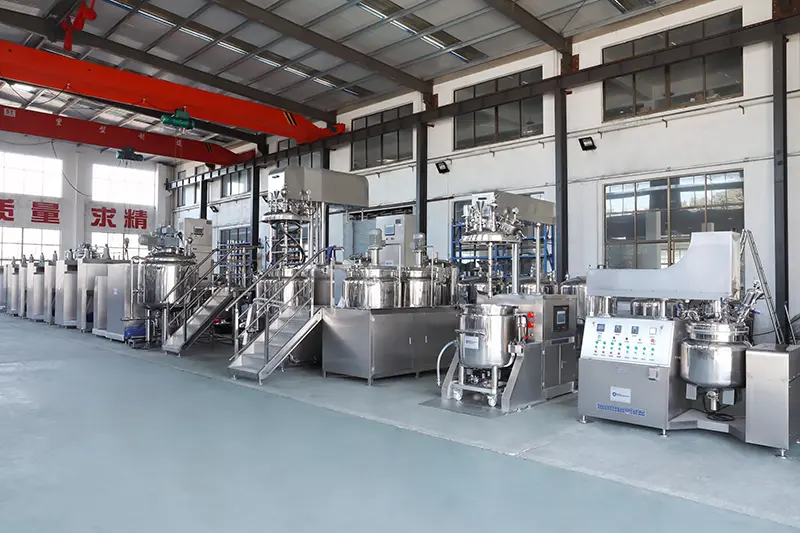
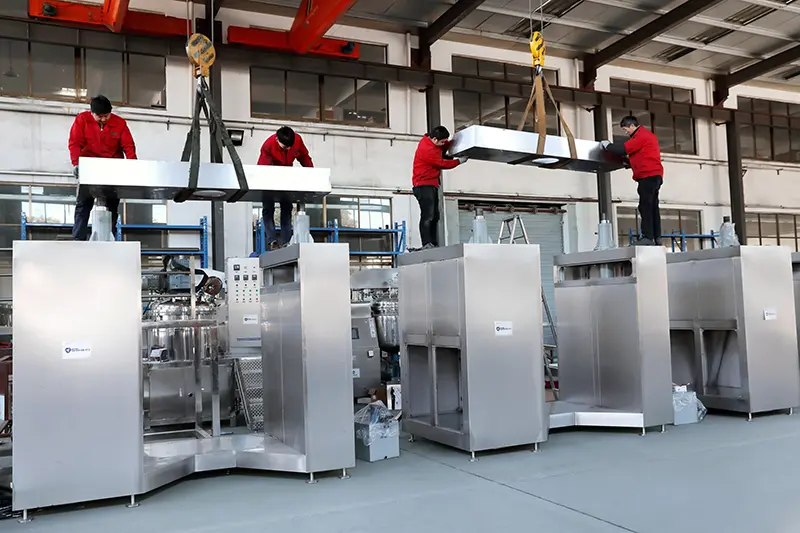
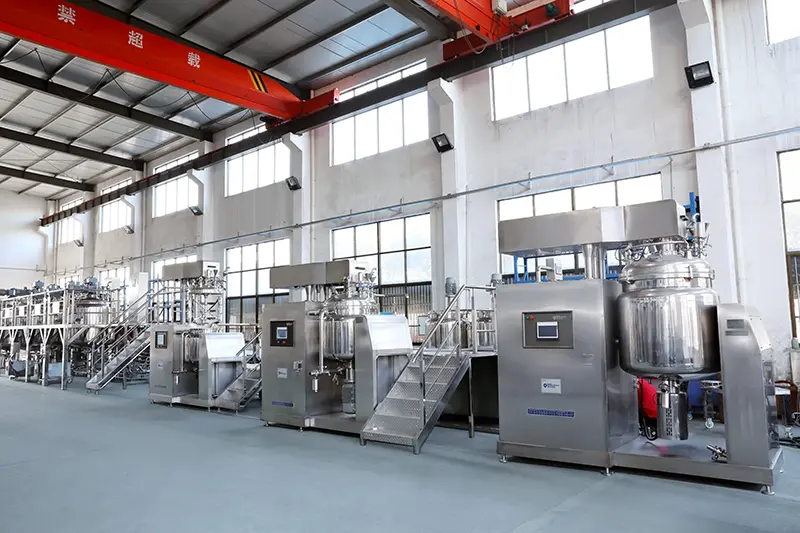
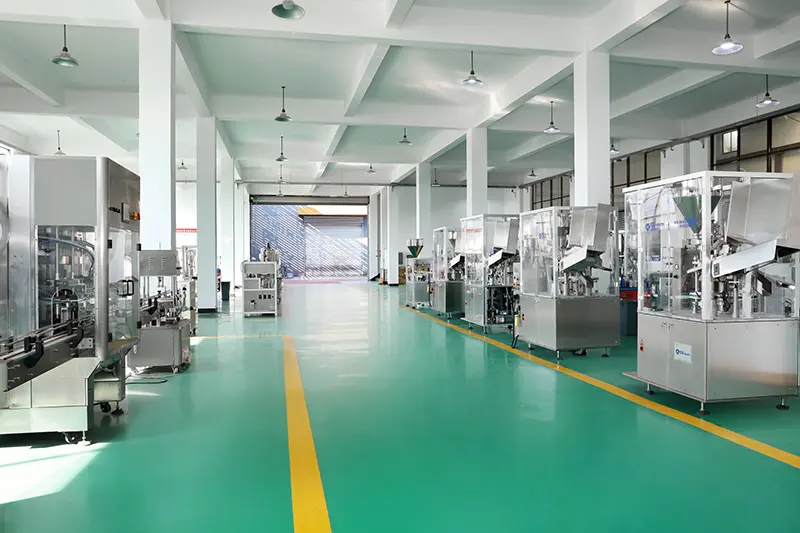
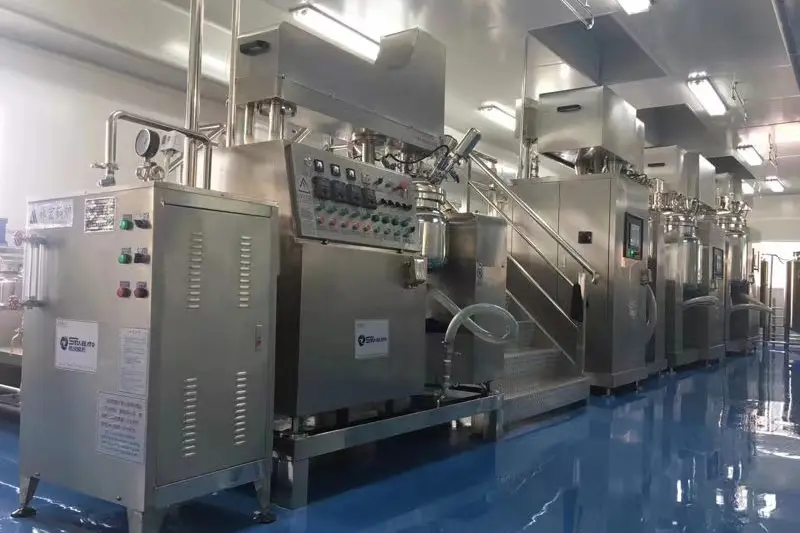
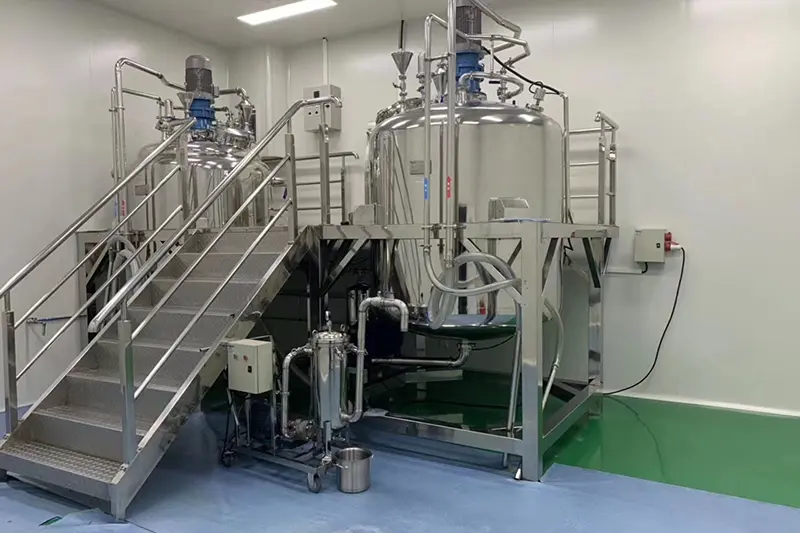
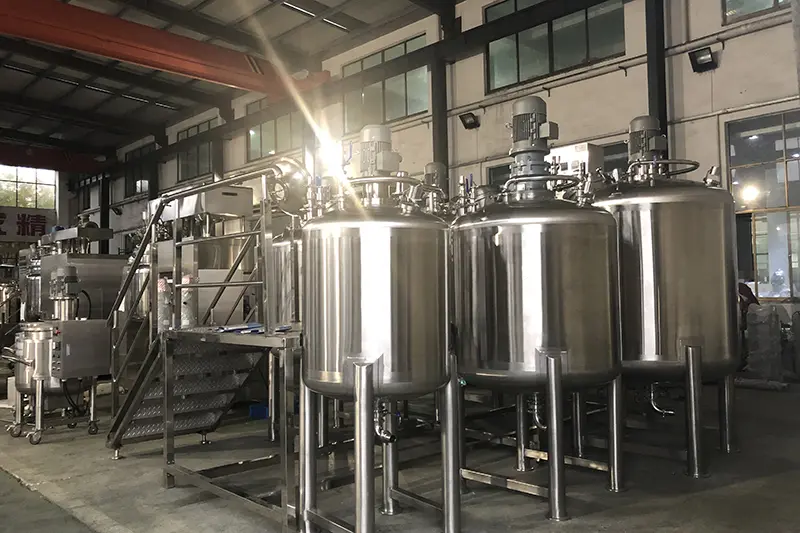
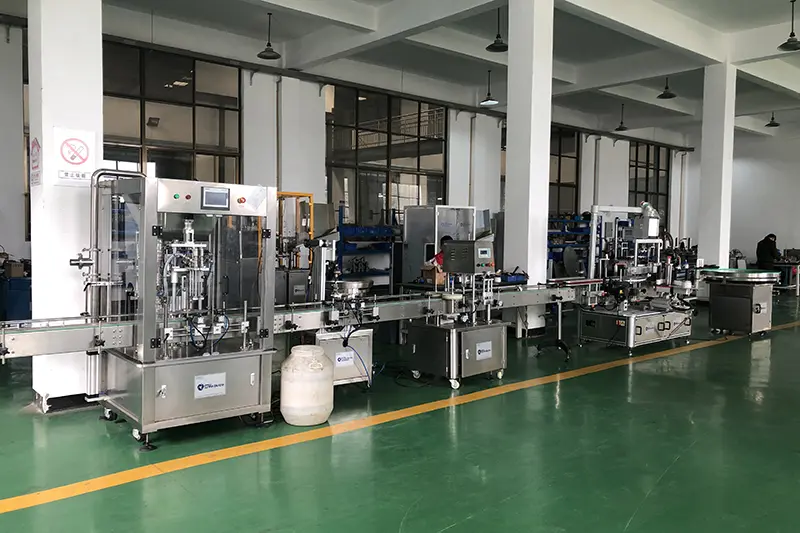
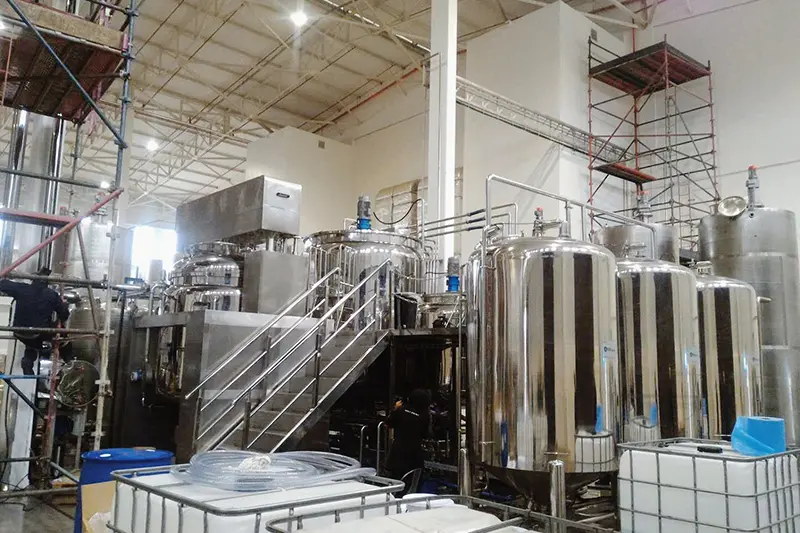
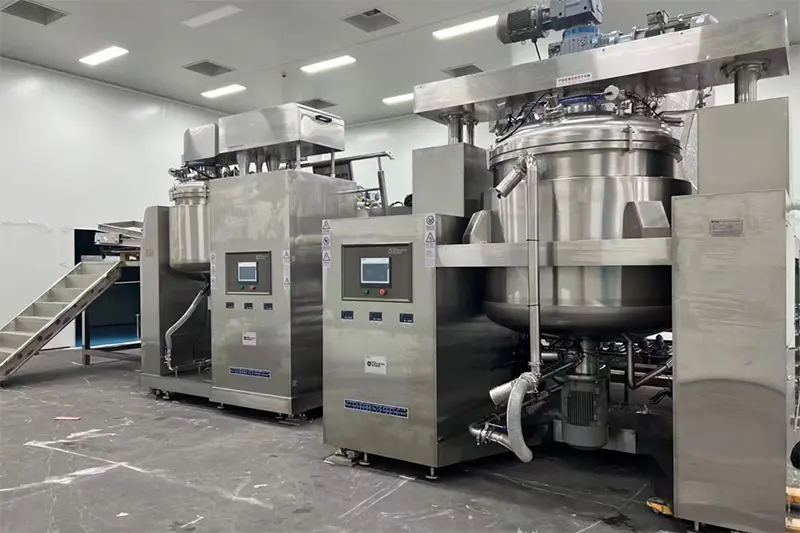
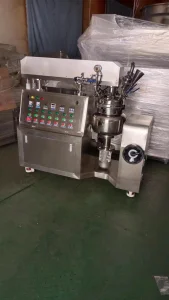
Industrial mixing vessels must adapt to specific site locations and environmental parameters. In cosmetic cream production, vacuum pressure control is essential to prevent air incorporation during thermal cycles. Our heated vacuum homogenizing mixers maintain vacuum levels of -0.09Mpa, eliminating aeration and ensuring fine emulsification below 2 microns.
For chemical and pharmaceutical plants, material compatibility is paramount. Our heated mixing vessels use dual-grade stainless steel configurations: SUS316L for all wetted surfaces to ensure acid and alkaline corrosion resistance, and SUS304 for outer claddings. When dealing with hazardous materials in chemical environments, we integrate explosion-proof motors (ATEX/IECEx certified) and intrinsically safe control panels, ensuring stable operation under volatile working conditions.
Over the years, SINAEKATO has earned the trust of global brands through our commitment to quality. The performance of each machine is defined by stability, reliability, precision, and intelligence. By partnering with us, you gain access to comprehensive engineering support, customized processing designs, and dedicated installation services. Together, we build the future of processing automation.
 Sina Ekato